Close
Digital Health & Ai Innovation summit 2026
Medical Taiwan 2026

Doctorcall launches new host of services in partnership with Dr Kelly & Associates

Doctorcall launches new host of services in partnership with Dr Kelly   Associates

Doctorcall in partnership with Dr Kelly & Associates are delighted to launch a range of new services, including corporate doctor services and short notice private GP appointments in the City of London.

Doctorcall recently acquired Dr Kelly & Associates, an established private clinic in central London, and as part of the new partnership will be offering a range of independent healthcare services, including GP consultations, Corporate Health Assessments and Health Screenings.

The corporate doctor services in cludean on-site GP facility for corporate clients, giving employees access to regular and one-off consultations while minimising time away from work. The flexible service will allow employees to have fast access to a GP to discuss any health issues and will offer a range of services, including travel advice and vaccinations, employee medical assessments and corporate health checks. This will enable companies to support their employeesโ€™ health and wellbeing, making sure they have access to the medical care they need quickly and easily, in support of a healthy work environment.

Private patients living in London will also have access to short-notice private appointments, with all bookings made online offered at a discounted rate. Express GP appointments will reduce the waiting time for patients, providing them with an affordable way to be seen by a doctor at a time that is convenient for them.

Dr Charles Levinson, founder of Doctorcall, said: โ€œWe are delighted to announce the launch of our new services in honour of our partnership with Dr Kelly & Associates.โ€

โ€œPrivate patients will benefit from an expansion to our service offering, focussed on bringing greater convenience, more flexibility and faster access to affordable healthcare. It also presents an opportunity to strengthen our provision for corporate clients, enabling them to champion the wellbeing of their staff by making sure they have access to medical care when needed, helping to create a healthy and supportive workplace.โ€

โ€œWe are committed to providing invaluable care to all our patients and are excited for our two brands to be working together to continue providing excellent choice and availability and outstanding medical services to our customers in London and beyond.โ€

Doctorcall was founded by Dr Charles Levinson in 1989 to provide a visiting doctor service within London, the first service of its kind in the UK. Since then, the medical group has expanded over a number of years and now provides a range of medical services for individuals and corporate clients. A leading innovator within the independent sector, Doctorcall is focussed on providing outstanding medical services in the environment of a state-of-the-art private clinic, including from its clinics in London Harley Street and Manchester St Annโ€™s Square.

For more information, visit https://www.doctorcall.co.uk/

How to Enhance Your Workout Routine for Better Results

enhancing your workout routine

As you know, exercise is good for you. However, whether or not you take advantage of the benefits of exercise is a different story. You could be afraid of the commitment and think you wonโ€™t be able to do enough to make it worthwhile, or perhaps you are worried about the costs.

There is a fine line between the perfect exercise routine and becoming an exercise fanatic. You shouldnโ€™t be lazy with your workout routine, but then you should also try not to be too over the top. For example, you become despondent if your gym has been closed due to a holiday or bad weather, or if someone interferes with your schedule. Or maybe you have found the balance, but have stopped seeing results.

Whatever the issue may be, you could be overthinking it, and the following changes are here to help you enhance your workout routine.

Donโ€™t Do Too Much
When it comes to exercise frequency, doing more than you should isnโ€™t necessarily better. Itโ€™s possible to overdo it, and one of the main reasons this occurs is due to how it affects you psychologically rather than physiologically. When you exercise a lot, you will feel justified about engaging in other behaviors that will detract from your physical health, such as eating and/or drinking too much. Just remember that moderation will work in your favor in regards to exercise.

Get Yourself Motivated
Doing something to motivate you to exercise is essential when it comes to enhancing your workout routine. For example, saving an activity that you like for the session (such as listening to music or meeting a friend), will help to make your workout more rewarding. This is because it gets you into the right frame of mind to get stuck into the regime you have set yourself. When you satisfy more than one need, you will be more motivated to build up the amount of physical activity into your life.

Mix Things Up

After a few sessions, you may find that you enjoy a certain activity more than another, such as running or lifting weights. To ensure all muscles are being built up to a similar level, youโ€™ll need to add some variety to your daily routines. To do so, you can do things like adding balance, flexibility, posture and stretching exercises. You shouldnโ€™t be exercising the same muscle groups constantly. A 48-hour rule about muscle condition does exist, as this allows your muscles to heal between each training session.

Listen to Your Body
Paying attention to pain and adapting your exercises to your bodyโ€™s level is essential for both your progress and safety. If something starts to hurt, then donโ€™t continue with this exercise. If you arenโ€™t sweating enough but feel exhausted after a workout, donโ€™t push yourself any further. There are many ways you can improve the amount you sweat without injuring yourself. For example, you can purchase yourself a sauna suit, which is suitable for men and women, to safely increase the amount you perspire.

Track Your Progress

Measuring your progress and being honest about it is a great way to motivate yourself and enhance your routine. Keeping track of everything you do and the results will make you see what works best for you and allows you to pinpoint the areas that need to change to improve your results. If something that worked before has stopped working, donโ€™t panic. It is normal to have setbacks, and visible results do require plenty of patience and dedication.

When you do the right amount and the right type of exercise, motivate yourself and monitor your progress, results will be seen. The key to enhancing your workouts is by listening to your body, being persistent, and putting in the time.

Agfa showcases Multi-Purpose DR System and intelligent radiography, powered by the MUSICA Acquisition at AHRA 2019

Agfa  Multi-Purpose DR System

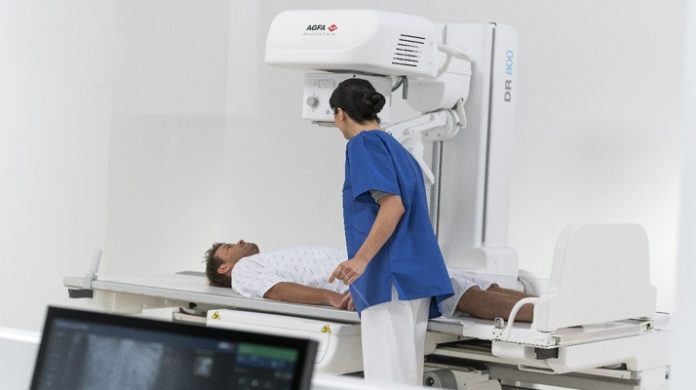
Agfa will display the DR 800 multi-purpose digital imaging system with Dynamic MUSICA at AHRA 2019. Delivering radiography, fluoroscopy, advanced clinical applications and intelligent MUSICA image processing. DR 800 supports Agfaโ€™s role as a value-based provider offering dynamic imaging solutions that enhance image quality, productivity and workflow. The AHRA annual meeting and exhibition will be held in Denver, Colorado, USA, from July 21-24, 2019.

Every Agfa digital radiography solution is powered by the MUSICA Nerve Center. MUSICA provides radiology departments and professionals with workflows that reflect their real needs, and image processing software that automatically and instantly delivers exquisite details throughout the image and allows facilities to potentially lower patient dose.

โ€œAt AHRA 2019, we look forward to demonstrating how we are developing smart digital radiography solutions and tools to improve staff and patientsโ€™ experiences. Together with our comprehensive DR range, our smart tools and our data analytics, our MUSICA Nerve Center puts intelligence in the hands of imaging departments, to help them achieve their patient care and productivity goals,โ€ comments Louis Kuitenbrouwer, Vice President, Radiology Solutions at Agfa.

B. Braun and GWA Hygiene are on a joint mission to combat hospital germs

smart technology  for prevention of hospital-acquired infections

B. Braun and GWA Hygiene have entered into a cooperation agreement to contribute to the prevention of hospital-acquired infections using smart technology from both of the companies. Hand disinfection plays a key role here.

As a leading supplier of hand disinfectants, B. Braun recently launched a new disinfectant dispenser. The health start-up GWA Hygiene, from Stralsund, is a commercial partner of B. Braun in the field of hygiene, which has integrated its newly developed sensor technology, called “NosoExโ€, into the dispenser.

Dionne G. Bussell, Senior Vice President of Global Marketing & Sales at B. Braun explains that, “with this solution, hand disinfection processes can be recorded within the hospital.” Mr. Bussell continues by saying that, “using a portable transponder, with which we equip the hospital staff, in combination with the sensors contained in the dispenser, it is possible to record how often the dispenser is actuated, how much liquid is dispensed from it, and therefore the fill level. All this data is visualized in a software interface and can be used to deduce specific hygiene measures. In this way, we support the clinics in avoiding hospital-acquired infections.”

Marketing has already been successful
The two companies have already jointly installed products in Switzerland, Austria, Spain and Slovakia. In addition; the partners are working on launching the new B. Braun dispenser with NosoEx sensors in 15 other countries.

Tobias Gebhardt, who is the CEO and person responsible for Business Development at GWA Hygiene says, “This cooperation enables us to accelerate internationalization enormously. We can make use of existing sales structures and B. Braun’s country-specific expertise, which greatly simplifies the market launch. Furthermore, the parallel focus on joint market penetration and creative exchange in product development has inspired me”.

“This cooperation shows how a group with 64,000 employees worldwide and a start-up from Stralsund with 27 employees can make visionary progress together. In a globalized world, infection prevention is all the more important. So it is important that the two partners make a contribution to making healthcare facilities safer and smarter,” summarized Mr. Bussell.

GWA Hygiene GmbH
Founded in 2015, the company currently employs 27 people. In August 2018, their Series A round of financing was concluded with investment from renowned companies such as MIG Verwaltungs AG and High-Tech Grรผnderfonds. Their IoT system “NosoEx” is an instrument for the prevention of infections. The sensor technology can be seamlessly integrated into the existing infrastructure of hospitals or nursing homes. NosoEx will become the digital assistant for infection control.


Forecasting the Future of the Medical Device Supply Chain

As the rise of digital continues its trajectory, medical device supply chain professionals are recognising the need for a more holistic approach to improve their customer service. In Q2 of 2018, WBR Insights surveyed 100 Directors of Supply Chain from across Europe to find out more. The results were compiled and anonymised by WBR Insights and are presented here with analysis and commentary by the LogiMed community.

Click here to download the full report

Injectable Nanomedicines Market Poised to Witness Strong Revenue Growth, as Liposome-based Nanomedicines Continue to Advance

 Injectable Nanomedicines Market

The growth of the injectable nanomedicines market is attributed to the growing use of liposomal drugs and increase in treatment seeking population across the globe. According to a latest research by the company, the global liposomes market is expected to account for revenues over US$ 300 Mn in terms of value by 2026 end. Injectable nanomedicines market is expected to witness significant growth with CAGR pegged at 8.1% through 2026. Manufacturers of injectable nanomedicines are targeting chronic diseases and cancers.

Revenues from North America injectable nanomedicines market is expected to expand at significant CAGR and it is estimated to remain as dominant regional market for injectable nanomedicines due to large presence of hospitals and advanced healthcare facilities. Europe is also expected to be one of the leading regional markets for injectable nanomedicines as most of the major academic research institutes and R&D institutes for specialized drugs are located in the region. An ageing population and increasing prevalence of chronic illnesses is estimated to lead to rising demand for injectable nanomedicines.

Injectable nanomedicines are considered as an emerging field with many companies spending on R&D to explore this field in greater depth. There are both small and established market players investing in injectable nanomedicines. Majority of injectable nanomedicines were produced by small pharmaceutical companies which were later acquired by established market players. Small pharmaceutical companies are exploring nanotechnology to develop advanced drugs and technologies. For instance, Pfizer collaborated with BIND Therapeutics Inc for the development of nanoparticles, called Accurins.

The growing adoption of injectable nano medicines for cancer treatment is expected to boost revenues generated from injectable nanomedicines thereby boost the growth of the global injectable nanomedicines market. Cancer is one of the leading causes of deaths globally, with approximately 1,688,780 new cases and 600,920 deaths in 2017. Researchers note that efficacy of traditional cancer therapeutics is often modest to negligible owing to the low specificity and stability. For obtaining optimal therapeutic effects, the right drug should be delivered at the targeted micro environment at the right time with the right concentration.

Injectable nanomedicines are advantageous over all the conventional medicines for cancer therapy. Injectable nanomedicines contain drugs loaded in nanoparticles, which help to overcome the biological barriers, improve the efficacy and reduce morbidity. These medicines further improve the bioavailability and toxicity profile of cancer treatments. All these factors are projected to drive the growth of the global injectable nanomedicines market during the forecast period.

The global injectable nanomedicines market is segmented based on drug type, applications, and end user.

Based on drug type, the injectable nanomedicines market has been segmented into liposomes, micelles, nanocrystals, polymeric nano particles, metallic nano particles, mesoporous silica nanoparticles and others. The liposomal drug type is projected to be the leading segment holding maximum share in the global injectable nanomedicines market. Liposomes mimic biological cells and are highly biocompatible, which makes them an ideal candidate for a drug delivery system among global injectable nano medicines manufacturers.

Based on application, the injectable nano medicines market has been segmented into cancer, central nervous system disease, cardiovascular disease, infection control, inflammatory disease and others. In terms of revenue, cancer application dominated the global injectable nano medicines market in 2017 and is projected to continue to do so throughout the forecast period. After cancer, CNS application is expected to account for significant share in the market.

The global injectable nano medicines market is competitive, with large number of players. However, availability of adequate sterile drug manufacturing facilities is estimated to pose serious problem in injectable nano medicines market throughout the forecast period, especially in emerging markets.

Examples of some of the key companies operating in the market are Pfizer Inc., Merck & Co, Inc., Lupin, Janssen Biotech Inc., Hoffmann-La Roche Ltd., Amgen Inc., Teva Pharmaceutical Industries Ltd., Pacira Pharmaceuticals Inc., Celgene Corporation and Bausch & Lomb Incorporated, among others.

Why Robotic Surgery is Not Always Ideal – Especially in the Case of Female Health Issues

Robotic Surgery

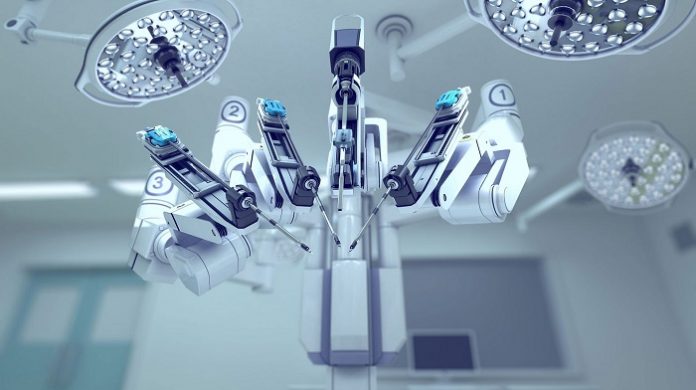
How is it possible that a more expensive, more invasive and more time-consuming surgical option for minimally invasive GYN surgery โ€“ robotics โ€“ is quickly becoming the mainstream?

What happened to that laparoscopic procedure of the past that used fewer and smaller incisions, took less time to complete, had fewer complications and did not require a $2 million robot? Is it that robotics is that much better, or is it that effective corporate marketing to physicians and patients trumps better care?

Even more relevant, does it have to do with the focus and skill set of the OBGYN that requires the robot to complete GYN surgical procedures?

All four of these questions are relevant. The root of the problem is really in the last question, which goes directly to the point that the OBGYN is not a surgeon, but more like an obstetrician full-time and a GYN surgeon part-time.

There is no other โ€œsurgicalโ€ specialty like OBGYN. If you think about general surgery, orthopedic surgery or any other surgical specialty, surgery is the main focus of care. In OBGYN, however, obstetrics is the main focus of care, and surgery is not. It is not possible for any OBGYN not to practice obstetrics. Obstetrics is what the OBGYN does more than 50 percent of the time, and it is obstetrics that provides the OBGYN with his or her main source of income. The OBGYN would not survive without obstetrics, and in medicine, economics is becoming the dominant force directing the path of physicians, insurance companies and patients.

So back to robotics: how does a robotic procedure impact the patient, and why does the OBGYN perform robotics? While most OBGYNs using robotics need this device to perform a surgery in a minimally invasive fashion, non-robotic laparoscopic surgery performed by a GYN surgical specialist actually provides a faster recovery with lower complications. If a patient wants better quality of care, he or she would seek out a GYN surgical specialist, similar to the example of the general or orthopedic surgeon above, who perform only surgery and not obstetrics.

Why is this not happening? Patients initially seek out their obstetrician for obstetrics services. In the course of going through pregnancy, these patients develop a relationship with their OBGYN. The bond of trust that develops translates into the OBGYN providing surgical care when needed, such as for fibroids, endometriosis and other conditions.

What many patients do not realize, though, is that trust alone may not be enough when minimally invasive surgery is required. The OBGYN just does not have the surgical skills, patient volume and additional training of the surgical specialist. This is the reason why the OBGYN has not adopted or learned better standard non-robotic approaches to surgery.

To take this a step further, put yourselves into the shoes of a company that has developed a robotic system. This company is looking for applications for its robotic device. Certainly, a part-time surgeon, such as the OBGYN โ€“ who is performing a high volume of open surgeries, such as hysterectomy and myomectomy, with longer recovery time โ€“ becomes a great candidate for robotics.

Whatโ€™s more, OBGYNs perform over 95 percent of all GYN procedures since they have developed a trust relationship with patients within their practice. If surgery is needed, these same patients look to their obstetrician to do what is best for their surgical care. If their OB says that they need open surgery, and there is no other way to perform the procedure, they will do open surgery. Likewise, if the OB says robotics is the way to go, so robotics it is.

All of this provides the manufacturer of the robot entry into the GYN surgical arena. Market directly to the patient the benefits of robotics over open surgery, and then market to the OBGYN this new device that allows them to do the surgery themselves, avoid open procedures and not have to send the patient out to a specialist for care (and be able to bill for it).

Patients will then request robotics from their OBGYN, and the OBGYNs will ask hospitals to buy the robot. Companies also market directly to the hospital, the main theme being that every hospital needs a robot and, without one, a hospitalโ€™s competitor will have more patients.

This is a very effective approach to marketing a surgical device that has not even proven itself as a better option to standard laparoscopic surgery. Hospitals are purchasing robots. The patient and OBGYN started using the robots. It worked so well that GYN surgery has become one of, if not the, highest volume procedure for these robotics companies โ€“ all at the price of a higher cost of care, longer surgical times and increased complications.

What this example shows is that there is not an alternative to good surgical technique and skill. The robot is a device. It is not doing the surgery, and it does not make the OBGYN a better surgeon. That only comes with specialized training, surgical volume and dedication entirely to surgery, not obstetrics.

So what is the alternative? Patients need to seek out laparoscopic GYN surgical specialists who can perform the procedure with fewer and smaller incisions faster, with lower complications and much better recovery times. That same specialist should not be doing obstetrics and must have a proven track record of performing these procedures with specialized techniques that obviate the need for a robot.

That track record should show that the surgeonโ€™s data has been published, allows for an extremely low conversion rate to open surgery and has very low complications and high patient satisfaction.

The Center for Innovative GYN Care embodies all of these points as the best alternative for GYN surgical care. CIGC surgeons are fellowship-trained laparoscopic surgeons and GYN oncologists. They do surgery 100 percent of the time and do not practice obstetrics. They use only the most advanced surgical techniques, such as retroperitoneal dissection, and apply those techniques to advanced procedures, such as DualPortGYN and LAAM options for all surgical indications. These procedures are highly specialized and have been developed to provide safety and faster recovery.

CIGC offers unparalleled options for minimally invasive GYN care. To get there, specialized techniques and procedures allow it to happen with the smallest incisions and fastest recovery at the lowest possible cost.

And, of course, these surgeons do not require a $2 million robot to achieve that goal.

Siemens Healthineers cloud platform “teamplay” awarded European Privacy Seal for data protection

Siemens Healthineers Privacy Seal for data protection

The cloud-based platform โ€œteamplayโ€ by Siemens Healthineers, together with its applications teamplay Dose, teamplay Usage, teamplay Protocols, teamplay Images, and teamplay Images Research, has been awarded the European Privacy Seal (EuroPriSe). The European Privacy Seal was first granted to teamplay in 2016, and must be regularly renewed. The privacy seal in its current version relates to the expansions made in recent years to the range of functions the teamplay applications offer, and now specifically checks whether the requirements of the EU General Data Protection Regulation (GDPR) have been satisfied.

From the start, teamplay was developed in accordance with the principle of โ€œData Protection by Design and Defaultโ€ and the level of transparency this principle implies. The Privacy Seal confirms that users who utilize teamplay as instructed by Siemens Healthineers can work with the cloud platform and the above applications in full compliance with the GDPR.

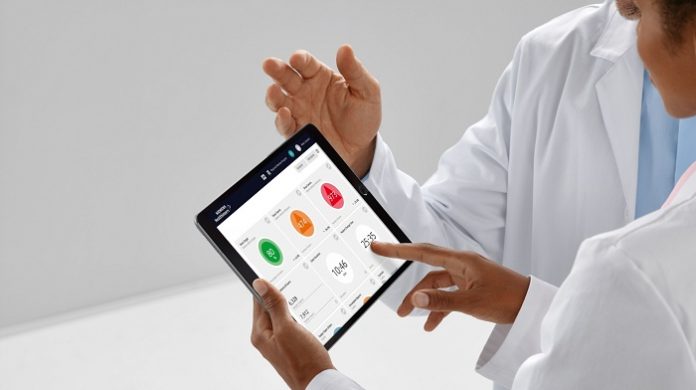
With more than 4,000 healthcare institutions connected to teamplay, it is one of the worldโ€™s largest cloud-based networks for physicians, medical professionals, and decision-makers in the healthcare industry. Over 18,000 modalities from different vendors deliver data directly to the cloud platform.3 The teamplay applications for performance management help healthcare providers, for example, support in making rapid, sound decisions based on transparent performance data.

That means it is possible to evaluate the number of imaging examinations just as easily as the radiation dose used in scans, or the capacity utilization of devices, rooms, and resources in a given department, down to individual devices and patient examinations. teamplay simplifies the reporting process and highlights where workflows need to be adjusted. In addition, users can connect via teamplay, sharing data to obtain comparisons and benchmarks and easily exchanging images and reports.

Siemens Healthineers enables healthcare providers worldwide to increase value by empowering them on their journey towards expanding precision medicine, transforming care delivery, improving patient experience and digitalizing healthcare. A leader in medical technology, Siemens Healthineers is constantly innovating its portfolio of products and services in its core areas of diagnostic and therapeutic imaging and in laboratory diagnostics and molecular medicine. Siemens Healthineers is also actively developing its digital health services and enterprise services. In fiscal 2018, which ended on September 30, 2018, Siemens Healthineers generated revenue of โ‚ฌ13.4 billion and adjusted profit of โ‚ฌ2.3 billion and has about 50,000 employees worldwide.

EuroPriSe started as an EU-funded project aimed at establishing a trans-European privacy seal. Today, EuroPriSe offers certifications for IT products, IT-based services and websites throughout the EU and can rely on a network of more than 100 EuroPriSe Experts located in 20 countries. The EuroPriSe seal assures users that their personal data are handled in accordance with European data protection laws. EuroPriSe certifications have been awarded to businesses of all sizes, including SMEs as well as multinational organizations such as Microsoft, SAP and Siemens. The formal procedure aimed at getting the approval for the EuroPriSe certification criteria and at being accredited as a certification body pursuant to Art. 42 f. GDPR is currently running.

Carestream Shows Advanced Imaging Software, Flexible Portfolio of Mobile Imaging Systems at AHRA

Carestream imaging systems

Carestream will spotlight its imaging software along with its comprehensive portfolio of mobile imaging systems at the Association for Medical Imaging Management (AHRA) 2019 conference.

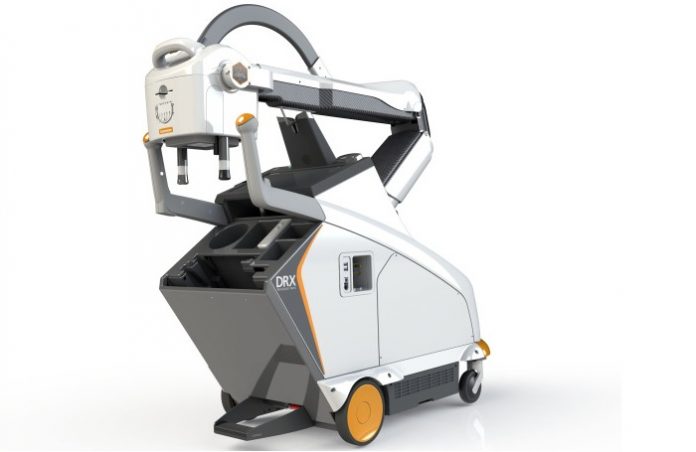
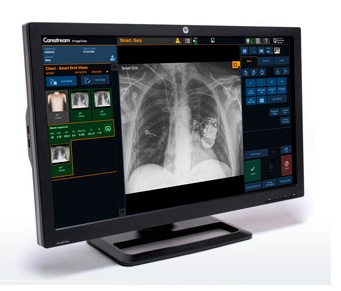
Carestreamโ€™s ImageView Software is now available on its CARESTREAM DRX-Revolution Mobile X-ray System as well as the CARESTREAM OnSight 3D Extremity Imaging System. The CARESTREAM DRX-Revolution Nano Mobile X-ray System, with the industryโ€™s first Carbon Nano Tube X-ray source, will be demonstrated on the show floor along with a CARESTREAM DRX-Transportable System/Liteโ€”an affordable way to upgrade a mobile or room-based system to digital with wireless tablet controlโ€”both with CARESTREAM DIRECTVIEW Software.

โ€œWe continue to expand our portfolio of imaging systems while simultaneously introducing new software features and enhanced functionality designed to improve the imaging process for radiology managers and technologists across the globe,โ€ said Charlie Hicks, Carestreamโ€™s General Manager for Global X-ray Solutions.Carestreamโ€™s ImageView software offers advanced features and optimized workflow and uses a Microsoftยฎ Windows 10 operating system to deliver enhanced cybersecurity. It is designed to support advanced applications such as dual energy and digital tomosynthesis, and will be delivered on the DRX-Evolution Plus System in the next six months.

At AHRA the company will showcase its:

  • CARESTREAM DRX-Revolution Nano Mobile X-ray System, which is a smaller, lower-cost mobile unit designed for pediatric imaging, morning rounds for chest exams or other dedicated imaging applications
  • CARESTREAM DRX-Transportable System/Lite that offers a rapid, affordable upgrade to DR and features a lightweight wireless tablet that gives users complete control of the system and displays images after they are acquired. There is no need to work from a fixed console or use a bulky electronics box. A virtual access point in the detector makes this a flexible solution that enhances workflow. Carestreamโ€™s beam-sensing technology further simplifies this upgrade; and
  • New CARESTREAM DRX Plus 2530C Detector offering 98-micron image quality and a smaller size than the companyโ€™s previous small-format detector.


Carestream representatives also will spotlight the CARESTREAM OnSight 3D Extremity Imaging System, which provides 3D images of weight-bearing studies that are not possible with traditional CT. Its minimal site and installment requirements enable a fast, affordable and convenient digital imaging process for timely diagnosis and treatment.

Siemens Healthineers equips new central laboratory for Mรผnchen Klinik

Siemens Healthineers equips new central laboratory

Every year, Mรผnchen Klinik performs about seven million analyses as part of its patient care services. These range from simple blood panels to malaria diagnoses. These diagnostic procedures have previously been shared between all of Mรผnchen Klinikโ€™s locations, but now, as part of the upgrade process, Mรผnchen Klinik is constructing a new, ultramodern central laboratory at its Neuperlach location.

At the same time, however, it is adhering to its goal of being available on the spot at all times, which is why its emergency labs will remain in place at its other hospital locations. All labs will be equipped with the latest technology from Siemens Healthineers. Thatโ€™s the basis for the long-term innovation partnership agreement for laboratory diagnosis being entered into by Mรผnchen Klinik and Siemens Healthineers.

The objective of the partnership arrangement is to provide patients with high-quality medical lab services reflecting the state of the art at all of Mรผnchen Klinikโ€™s locations, including the hospitals in Bogenhausen, Harlaching, Neuperlach, Schwabing and Thalkirchner Strasse. Networking these centers will create an ultramodern, efficient, large-scale lab in Munich. The overall plan will significantly increase the level of automation in the labs. That means the wealth of human expertise available can be utilized for the analyses, while the automated โ€œlab lineโ€ takes care of the actual sampling. As a result, a lot more diagnoses can be processed more quickly, even during busy periods.

โ€œThe new, ultramodern central lab will provide an assurance of high-quality and even more efficient care in the future,โ€ says Dr. Axel Fischer, Chairman of the Board of Mรผnchen Klinik. โ€œThe main winners from this partnership will be our patients, who will benefit from much faster and more accurate examinations. At the same time, our employees will spend less time on maintenance and repetitive manual tasks. All in all, they will also benefit in the future from having a state-of-the-art working environment.โ€

State-of-the-art lab diagnosis is an essential precondition for safe, high-quality patient care. Every year, Mรผnchen Klinik performs more than seven million analyses overall as part of its patient care services. The realignment process will see Mรผnchen Klinik invest about one billion Euros in total during the next few years in new premises and location upgrades. That makes it one of the largest future-oriented projects in Germanyโ€™s healthcare industry.

Currently, major construction projects for Mรผnchen Klinik are running in parallel at the three locations of Schwabing, Bogenhausen, and Harlaching. And at Neuperlach, a completely new laboratory is being built that will provide the ideal conditions for state-of-the-art diagnostics for all locations. Since Mรผnchen Klinik deals with most emergency cases in the State capital, decentralized labs serving the emergency departments will remain in place in addition to the central lab. The new central lab in Neuperlach is scheduled to be completed by 2020. The project will also include fundamentally restructuring the fleet of lab devices in partnership with Siemens Healthineers.

โ€œWe won this tender against our main competitor, scoring points with the clinical performance, cost-efficiency, and potential efficiency gains offered by our new laboratory diagnostics platform Atellica Solution,โ€ comments Bernd Ohnesorge, Head of the Europe, Middle East and Africa (EMEA) Region at Siemens Healthineers.

โ€œThese are the main reasons for the major international customer interest in Atellica Solution, especially among large central laboratories working in conjunction with satellite labs. A study showed early adopters of Atellica Solution in Germany and in Europe as a whole focused on the advanced functions the system offered, from transporting samples to prioritizing emergency samples, calibration management, quality control, and consumables. We are looking forward to a very fruitful and long-term partnership with the Mรผnchen Klinik hospitals, and will be sure to feed our collective experiences into the refinement process for Atellica Solution.โ€

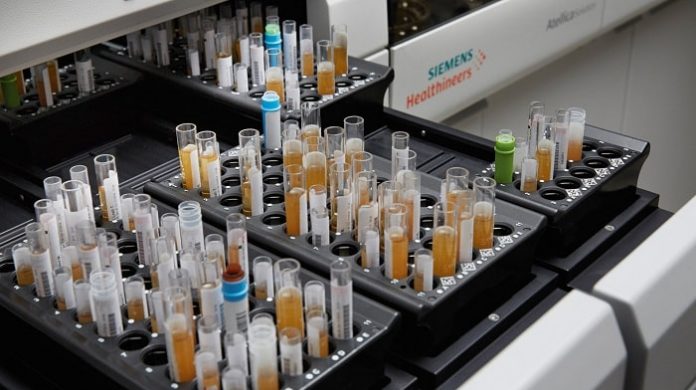
An important element in the agreement is the 29 Atellica Solution laboratory diagnostics systems, which Siemens Healthineers will supply for the future central lab at the Neuperlach hospital location and three emergency labs. The agreement also includes consulting services to improve workflows, such as efficient logistics for sample transportation and automation solutions in off-peak times to take the load off the employees. Plans are also in place for digital solutions to control lab management, in addition to a number of multisector digital solutions.

The Atellica Solution lab system has been on the market since 2017, and is highly scalable to ensure compatibility with long-term growth. Laboratories can use the platform to simplify test workflows and expand their capacities for testing patient samples on a modular basis. This means they can both accommodate growing demand and compensate for declining reimbursement rates.
To make patient results available faster, Atellica Solution uses bidirectional magnetic transport technology to transport samples ten times faster than a conventional conveyor belt. In combination with a new sample management standard providing independent control of each individual sample, emergency samples can also be prioritized with far less user input.

Translate ยป