Close
Digital Health & Ai Innovation summit 2026
Medical Taiwan 2026

Cardinal Health Oncology Insights Fifth Edition Oncologists Are Optimistic Artificial Intelligence Will Enhance the Quality of Patient Care and Outcomes

AI patient care

Oncologists said they see a growing role for artificial intelligence (AI) in improving the quality of care and patient outcomes according to new research from Cardinal Health Specialty Solutions.

These findings were released today in the fifth edition of Oncology Insights, a research-based report series analyzing the views of more than 180 U.S. oncologists.

When asked about the future impact of AI on the oncology industry, 53 percent of participating oncologists said they are “excited.” More than half of oncologists said they anticipate AI will help enhance the quality of care (53 percent), improve clinical outcomes, and (57 percent) drive operational efficiencies (58 percent) in three or more years. Nearly half (47 percent) also expect it to lower the cost of care.

Other key findings demonstrating oncologists’ optimism about AI:

  • When asked to identify the most valuable benefit that AI could provide to their practice, 37 percent said automating administrative tasks to allow oncologists to focus more on patients and 27 percent said identifying best treatment paths to help them choose the right drug the first time.
    Oncologists also cited the potential to predict patients most at risk of complications and the ability to enhance the accuracy of diagnostics as key opportunities for AI to improve oncology care.
  • Nearly every day we read of new tools and technologies being hailed for their potential to improve cancer detection and treatment, but it is too early to know the full impact these innovations will have,” said Joe DePinto, President of Cardinal Health Specialty Solutions. “The findings from our new Oncology Insights research suggest that oncologists are optimistic about the potential benefits of AI and are eager to explore the role that data-driven tools may play in improving care and lowering costs.”

About the Survey
The findings in Oncology Insights are based on web-based surveys conducted in advance of three Cardinal Health Summits conducted in February, March and April 2019. The survey included participation from more than 180 U.S oncologists, representing a diverse mix of community and hospital-based practices. The report also includes viewpoints from Chief Medical Officer Bruce Feinberg, DO, and Eli Phillips, Jr., Vice President of Insights and Engagement.

About Cardinal Health
Cardinal Health, Inc. is a global, integrated healthcare services and products company, providing customized solutions for hospitals, healthcare systems, pharmacies, ambulatory surgery centers, clinical laboratories and physician offices worldwide. The company enhances supply chain efficiency for clinically proven medical products, pharmaceuticals and cost-effective solutions. To combat prescription drug misuse, the Cardinal Health Foundation and its education partners created Generation Rx, a national drug prevention education and awareness program. The Foundation actively supports an array of other solutions, including efforts to reduce opioid prescribing, promote drug take back and safe disposal and expand collaborative community work.


GE Healthcare and Nyansa Form Strategic Alliance To Bring Network Performance Analytics Solutions To Health Care

health care facilities

GE Healthcare and Nyansa announced a strategic alliance under which GE Healthcare will distribute and support the Nyansa Voyance AIOps platform for health care customers. The arrangement, for the first time, provides an advanced analytics solution for biomed and IT professionals to address the increasingly complex mission-critical networks and network-connected patient care devices.

Under the agreement, the companies are integrating the GE CARESCAPEโ„ข Network, the trusted near-real-time patient monitoring network, with Voyance AIOps, the leading AI-based platform for network and device performance management. The arrangement establishes GE Healthcare as the sole distributor of the Nyansa AIOps platform in health care facilities primarily dedicated to patient care, providing customers integrated sales and support of the complete CARESCAPE-Voyance solution. Additionally, GE Healthcare and Nyansa will collaborate on product and technology roadmap to bring to market new network-optimization services during the course of the multi-year agreement.

โ€œThe role of the health care CIO and BioMed is rapidly changing, requiring a new approach to integrating the latest device technology with IT infrastructure,โ€ said Gerois Di Marco, General Manager with Clinical Care Solutions at GE Healthcare. โ€œWhat the industry has lacked is visibility across biomed and IT disciplines to effectively manage performance and utilization of critical care assets at the scale required across wireless and wired networks.โ€

DIGITAL TRANSFORMATION DRIVING PROFOUND CHANGES IN HEALTH CARE MARKET
As digital transformation within health care takes hold, the widespread adoption of new medical devices, monitoring equipment, and patient record systems requires a new approach that ensures the highest possible levels of device performance and operational assurance using advanced big data network analytics and machine learning technologies that help speed patient care and enhance operation of critical network-connected systems.

As a market-leading provider of health care technology solutions, GE Healthcare is intimately familiar with the evolution of IT infrastructure in the industry. Modern medical devices and clinical communication devices are increasingly deployed on wireless networks as mobility is essential for effective patient care and clinician productivity. The Voyance AIOps platform provides detailed analytics at the device level and across the network from access to application. This provides biomed and IT teams the necessary visibility and a single source of truth to effectively manage device connectivity, performance, and utilization.

โ€œOur collaboration with GE Healthcare will remove roadblocks for CIOs and make them more responsive as they navigate the unique challenges of the health care digital transformation,โ€ said Abe Ankumah, Co-Founder and CEO of Nyansa. โ€œOur expertise in device and network performance, and AI-based analytics, is an ideal complement to the mission critical CARESCAPE platform, and further validates the value of our AIOps solution. Together we deliver a win for clinicians and patients as well as the business.โ€

โ€œThere is untapped potential in optimizing health care networks for all hospital needs, tying together clinicians, biomed devices, and the network infrastructure to deliver a better patient experience,โ€ said Di Marco. โ€œClinicians get reliable real-time data access from anywhere, organizations can maximize the utilization of expensive critical assets, and incident response or trouble shooting is greatly simplified.โ€

The Voyance AIOps platform is recognized as the industryโ€™s first and only AI-based operational assurance system that constantly analyzes every client network transaction, correlating this data across every layer of the network to ensure the best possible user and device performance in real-time and historically.

End-to-end analytics, powered by Artificial Intelligence and Machine Learning (AI/ML), provide unmatched visibility and actionable network-optimization recommendations for every device and client connected to healthcare networks โ€“ the backbone for real-time patient monitoring.

Voyance is currently in use by a number of healthcare customers such as Mission Healthcare and Northeast Georgia Health System โ€“ companies at the forefront of the health care digital transformation.

ABOUT GE HEALTHCARE
GE Healthcare is the $19.8 billion healthcare business of GE (NYSE: GE). As a leading provider of medical imaging, monitoring, biomanufacturing, and cell and gene therapy technologies, GE Healthcare enables precision health in diagnostics, therapeutics and monitoring through intelligent devices, data analytics, applications and services. With over 100 years of experience in the healthcare industry and more than 50,000 employees globally, the company helps improve outcomes more efficiently for patients, healthcare providers, researchers and life sciences companies around the world.

ABOUT NYANSA
Based in Palo Alto, CA, Nyansa is a fast-growing innovator of advanced AIOps solutions for the enterprise edge. Founded in September 2013, Nyansa is a privately held company backed by premiere venture investors including Intel Capital and Formation |8.

The company is credited with developing the first full-stack, vendor-agnostic device performance analytics cloud platform called Voyance. With Voyance, organizations are able to automate the performance analysis and security of critical infrastructure device, services and applications to improve user productivity and device performance, security and compliance across wired/wireless access networks. Customers include Tesla, Uber, Stanford, Northeast Georgia Health System, Lululemon, Home Depot and others.

Real-World Data from Guardian Connect and Sugar.IQ Reveal Improved Diabetes Outcomes

Sugar.IQย  diabetes assistant app

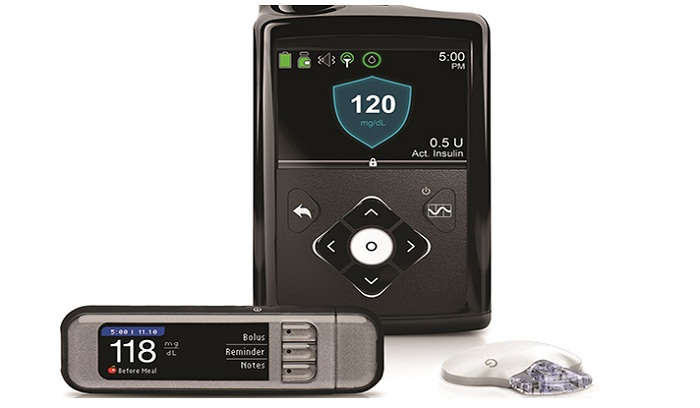
Medtronic plc the global leader in medical technology, announced real-world data on its Guardian Connect continuous glucose monitoring (CGM) system and Sugar.IQย  diabetes assistant app presented at the 79th Scientific Sessions of the American Diabetes Association (ADA) Annual Meeting in San Francisco

The data presented were recorded by users of the Guardian Connect system paired with Sugar.IQ diabetes assistant, a separate first-of-its-kind intelligent app that continually analyzes how an individual’s glucose levels respond to food intake, insulin dosages, daily routines and other factors1. The Sugar.IQ app combines data from the Guardian Connect system with artificial intelligence technology from Medtronic’s strategic partner, IBMยฎWatson Health, to detect important patterns and trends for people with diabetes and help them make more informed decisions on how to better manage glucose levels and stay within target range. The Guardian Connect system and Sugar.IQ app empower people using multiple daily injections (MDI) to more proactively manage their diabetes with meaningful, personalized insights.

The data found that people using the Guardian Connect system with the Sugar.IQ app experienced 4.1% more Time in Range (63.4%) compared to Guardian Connect alone (59.3%) which represents about one extra hour per day. Additionally, those who also used the optional Glycemic Assist feature to review their response to specific foods increased Time in Range by an additional 4% compared to those not using that feature. Time in Range is the percentage of time people with diabetes spend in the optimal glycemic range of 70-180 mg/dL. Every 4% change in the Time in Range represent an approximate 0.3% change in A1C2. The goal with diabetes management is to increase time spent in this target range and to minimize high and low glucose levels. The study found that Sugar.IQ users found the insights helpful in managing their diabetes 91% of times.

The study, which collected data from more than 3,100 people with diabetes who used Guardian Connect system for at least five days, also found the overall system’s predictive alerts reduced low sensor glucose excursions by almost two-fold and high sensor glucose excursions by four-fold compared to those not using Sugar.IQ. Avoidance of high and low episodes is a critical aspect of diabetes management. These data were shared during a poster presentation on “Real-World Performance of the Guardian Connect System with Sugar.IQ” by Siddharth Arunachalam.

“Sugar.IQ is the first app to use machine-learning to detect glucose level patterns for advanced notification of low and high events associated with diabetes,” said Michael Hill, vice president and general manager of the Multiple Daily Injection Solutions business, which is part of the Diabetes Group at Medtronic. “These results suggest the Sugar.IQ diabetes assistant, together with our Guardian Connect system, may help patients better understand glucose trends and increase their Time in Range, aiding in behavior change which may ultimately help improve clinical outcomes.”

In addition to these results, IBM Watson Health shared information about its prediction model during its oral presentation, “Machine Learning to Predict Hypoglycemic Events from Continuous Glucose Monitoring Data” on Monday, June 10, 2019 at 2:30 p.m. PDT. The model was trained on anonymized CGM data from more than 10,000 MiniMed(TM) 530G and Guardian Connect users, representing over 10 million patient hours. In this historical data analysis, the machine learning models achieved 90% accuracy in predicting hypoglycemic events within a two-hour window and 85% accuracy in predicting events within a four-hour window. This prediction technique is part of the new Sugar.IQ app IQcast(TM) feature which uses artificial intelligence technology and real-time dynamic data to predict the likelihood of an individual experiencing a low glucose event within a one to four-hour window.

Both the Sugar.IQ and Guardian Connect apps are available for iOS-based mobile devices in the U.S.

Time in Range
Time in Range refers to the percentage of time people with diabetes spend in the optimal glycemic range of 70-180 mg/dL. The goal with diabetes management is to increase time spent in this target range and to minimize high and low sugar levels, which can lead to both immediate and long-term complications such as damage to blood vessels – increasing the risk of coronary artery disease and stroke. Damage to blood vessels can also lead to loss of vision, kidney disease, and nerve damage.

About the Diabetes Group at Medtronic (www.medtronicdiabetes.com)
Medtronic is working together with the global community to change the way people manage diabetes. The company aims to transform diabetes care by expanding access, integrating care and improving outcomes, so people living with diabetes can enjoy greater freedom and better health.

About Medtronic
Medtronic plc (www.medtronic.com), headquartered in Dublin, Ireland, is among the world’s largest medical technology, services and solutions companies – alleviating pain, restoring health and extending life for millions of people around the world. Medtronic employs more than 90,000 people worldwide, serving physicians, hospitals and patients in more than 150 countries. The company is focused on collaborating with stakeholders around the world to take healthcare Further, Together.

Medtronic Announces Its Forthcoming Robotic Assisted Surgical Platform to Feature Three-Dimensional Vision System from KARL STORZ

Robotic assisted surgical platform

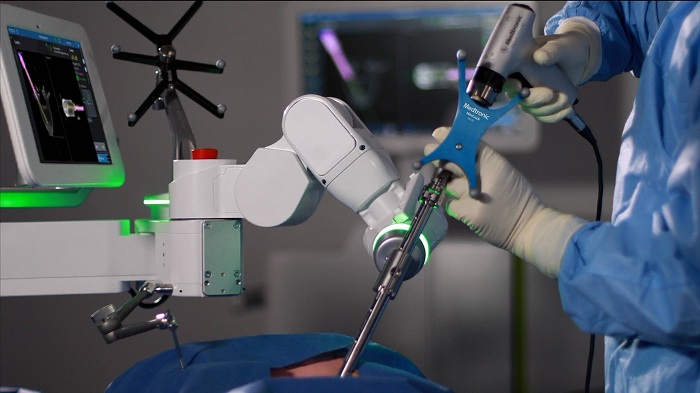
Medtronic plc made public its partnership with KARL STORZ SE & Co. KG , a pioneer in the field of endoscopic imaging. For the past four years, the two companies have partnered to seamlessly integrate KARL STORZ’S three-dimensional (3D) vision systems and visualization components into Medtronic’s forthcoming robotic assisted surgical platform. “Visualization is critical to the successful execution of robotic assisted surgeries and minimally invasive surgeries,” said Megan Rosengarten, vice president and general

manager of the Surgical Robotics business, which is part of the Minimally Invasive Therapies Group at Medtronic. “As we developed our robotic platform, we led with surgeons’ input to design a flexible surgical system that meets their needs and the needs of patients around the globe. Surgeons can be confident our robotic assisted platform will provide market leading 3D visualization technology combined with best in-class surgical stapling and energy instruments.”

Visualization Technology Leadership
KARL STORZ is a pioneer in the field of endoscopic imaging, recognized for industry-first visualization innovations, such as the FULL HD endoscopic camera. Today, Medtronic and KARL STORZ are leveraging the latest generation of IMAGE1 S(TM) 3D platform to deliver outstanding image quality and depth perception to surgeons.

About KARL STORZ
KARL STORZ SE & Co. KG (Tuttlingen, Germany) has grown over the last seven decades into a globally active player with 8,000 employees that stands for innovative excellence in endoscopy and visualization technology. Throughout its history, the company has focused on supplying functional and ergonomic products to meet medical needs as well as using technology for the benefit of patients.

About Medtronic
Medtronic plc (www.medtronic.com), headquartered in Dublin, Ireland, is among the world’s largest medical technology, services, and solutions companies – alleviating pain, restoring health, and extending life for millions of people around the world. Medtronic employs more than 90,000 people worldwide, serving physicians, hospitals, and patients in more than 150 countries. The company is focused on collaborating with stakeholders around the world to take healthcare Further, Together.

GORE CARDIOFORM ASD Occluder Receives FDA Approval for the Treatment of Atrial Septal Defects

CARDIOFORM ASD Occluder

W. L. Gore & Associates (Gore) announced the U.S. FDA premarket approval (PMA) of the GOREยฎ CARDIOFORM ASD Occluder for the percutaneous closure of ostium secundum atrial septal defects (ASDs). The FDA approval was supported by data collected from the pivotal stage of the Gore ASSURED Clinical Study which demonstrated 100 percent closure success at the six month evaluation in patients with a successful implant.

The pivotal study evaluated the safety and efficacy of ASD closure using the GORE CARDIOFORM ASD Occluder in 125 patients with evidence of right heart volume overload demonstrating the need for defect closure. The study involved patients between the ages of 2 and 84, across 22 investigation sites, including 15 childrenโ€™s hospitals. The pivotal study met its safety, closure, and technical success primary endpoints.

โ€œThe FDA approval of the GORE CARDIOFORM ASD Occluder is a significant milestone for innovation in the minimally invasive treatment of ASDs,” said Matthew J. Gillespie, M.D., Childrenโ€™s Hospital of Philadelphia, co-principal investigator of the ASSURED Study. โ€œThis soft, conformable device was not previously available for this range of defects but is now an option for larger defects that typically have a greater risk for complications, including right heart enlargement, atrial fibrillation, and pulmonary hypertension. The ability to retrieve and reposition the GORE CARDIOFORM ASD Occluder helps me ensure proper positioning and offers me confident closure.โ€

The GORE CARDIOFORM ASD Occluderโ€™s anatomically adaptable waist conforms to the defect to close ASDs from 8 mm to 35 mm in diameter, including those without a retro-aortic rim, by facilitating optimal tissue ingrowth, while maintaining thromboresistance. As the latest extension to the GORE CARDIOFORM Occluder family, it builds on a legacy of safety outcomes.

โ€œWe developed the GORE CARDIOFORM ASD Occluder in partnership with leading interventional cardiologists around the globe, and its design is informed by decades of experience in technological innovation and dedication to improving patient care,โ€ said Jake Goble, M.B.A., Ph.D., Gore Structural Heart Pipeline Leader. โ€œThis new addition extends what physicians can achieve with the GORE CARDIOFORM Occluder family.โ€

In addition to the GORE CARDIOFORM ASD Occluder, the occluder portfolio also includes the GOREยฎ CARDIOFORM Septal Occluder which is indicated for ASD closure for defects up to 17 mm and received U.S. Food and Drug Administration approval in 2018 for patent foramen ovale (PFO) closure to prevent recurrent ischemic stroke. The FDA approval for the GORE CARDIOFORM Septal Occluder was supported by positive results announced in May 2018 from the Gore REDUCE Clinical Study, which demonstrated the safety and efficacy of PFO closure with a Gore device plus antiplatelet therapy compared to antiplatelet therapy alone in patients with a PFO and history of cryptogenic stroke.

The Foundation of Merck & Co., Inc., Kenilworth, NJ, USA Announces Grant to American Cancer Society to Improve Access to Cancer Care in Resource-Limited Settings

 Improve Access to Cancer Care

The Foundation of Merck & Co., Inc., Kenilworth, NJ, USA and the American Cancer Society (ACS) announced that the Foundation awarded a $1.99 million, five-year grant to ACS to improve support and access to care for people living with cancer in low-and-middle-income countries, particularly in East Africa. This funding will help ACS further develop its capacity development approach to expanding patient navigation to countries with a growing burden of cancer.

More than 70% of the 9 million cancer-related deaths worldwide are in resource-limited settings, where patients face many barriers in seeking a timely diagnosis and receiving high-quality cancer care. Patient navigatorsโ€”whether nurses providing cancer education or lay health workers linking patients to transportation services in the communityโ€”play a vital role in supporting patients from the point of diagnosis at a health facility through their treatment journey.

With support from the Foundation, ACS will fortify its patient navigation program in Kenyatta National Hospital (KNH), a national referral hospital in Kenya, and adapt it for a high need facility in Uganda โ€“ The Uganda Cancer Institute (UCI), which serves about 200 patients daily.

โ€œWe are excited about the American Cancer Societyโ€™s program to bring patient navigation services to cancer patients in areas of the world where care coordination is especially challengingโ€ says Dr. Julie Louise Gerberding, chief patient officer, MSD and vice chair, of the Foundation Board of Trustees. โ€œCancer patients deserve quality care delivered with compassion, regardless of where they live.โ€

This grant is a first step toward broad expansion of patient navigation programs to help more patients in resource-limited settings receive timely, high-quality cancer care. As part of this effort, ACS will develop a comprehensive guide and toolkit to develop and implement patient navigation programs, designed specifically for health facilities in low- and middle-income countries. Lessons learned from collaborating with hospitals in Kenya and Uganda will be incorporated into this guide, which ACS will pilot in health institutions in Asia and Latin America.

ACS hopes to demonstrate that resource-limited health care institutions can use patient navigation as an effective tool to improve cancer care. Looking ahead, ACS will help KNH and UCI integrate patient navigation services into the way they deliver cancer care, with the goal of transforming the patient experience so patients continue to receive the timely, high-quality cancer care they need.

โ€œOver the last 30 years, patient navigation has become a standard of care across the U.S. to address the myriad hurdles that cancer patients โ€“ especially the most vulnerable โ€“ confront across the complicated continuum of cancer care,โ€ says Sally Cowal, senior vice president of Global Cancer Control, American Cancer Society. โ€œWe are eager to bring our expertise in this area to countries where health system challenges prevent patients from getting timely diagnoses and treatment.โ€

โ€œUganda has a population of 43 million, but there are only 20 oncologists in the entire country. Thatโ€™s one of the reasons why patient navigators are so important in helping patients manage the day-to-day challenges that prevent them from receiving care and empowering them to seek treatment and stay in care,โ€ says Dr. Jackson Orem, Executive Director of the Uganda Cancer Institute.

ACS will work with the Rollins School of Public Health at Emory University in Atlanta to evaluate the implementation of the patient navigation programs in Kenya and Uganda as well as the pilot of the program design guide and implementation toolkit. The evaluation team will disseminate its findings to the global cancer community and other interested stakeholders to advance the fieldโ€™s knowledge of how to effectively support cancer patients in resource-limited settings.

About the American Cancer Society:
The American Cancer Society (www.Cancer.org) is a global grassroots force of 1.5 million volunteers dedicated to saving lives, celebrating lives, and leading the fight for a world without cancer. From breakthrough research, to free lodging near treatment, a 24/7/365 live helpline, free rides to treatment, and convening powerful activists to create awareness and impact, the Society is the only organization attacking cancer from every angle. For more information about ACS global work, go to www.Cancer.org/global.

About the Foundation of Merck & Co., Inc., Kenilworth, NJ, USA:
The Foundation is a U.S.-based, private charitable foundation. Established in 1957 by MSD (www.MSD.com) a leading global biopharmaceutical company, the Foundation is funded entirely by the company and is our chief source of funding support to qualified non-profit charitable organizations. Since its inception, the Foundation has contributed more than $921 million to support important initiatives that address societal needs and are consistent with our overall mission of inventing for life by bringing forward medicines and vaccines for many of the worldโ€™s most challenging diseases

Champion Healthcare Technologies Receives Investment from The Riverside Company

Champion Healthcare Technologies , a SaaS provider that enables hospitals to manage surgical implants throughout their life cycle โ€“ from receipt, inventory storage, and usage, to post-surgical tracking and reporting โ€” received investment from The Riverside Company, a global private equity firm. Through the investment, Champion is combining with HemaTerra Technologies (HemaTerra), a provider of SaaS-based solutions for independent and hospital-based blood collection centers and plasma collection centers. Riverside made an investment in HemaTerra earlier this year.

โ€œWe are thrilled to partner with The Riverside Company and to combine with HemaTerra,โ€ says Championโ€™s Co-founder Peter Casady. โ€œWe look forward to continuing to make an impact on implant management through improved patient safety and hospital cost savings.โ€

Championโ€™s industry-leading solutions are used by many of the largest and most sophisticated health systems in the U.S. Through deep integration with vendors, system-wide visibility into implants, and robust analytics, Championโ€™s implant management software helps customers improve patient safety, reduce costs, and maintain compliance. The combined company will serve over 500 hospitals and many of the leading independent blood and plasma collection centers in the U.S.

โ€œThe combination of our companies will not only enable us to accelerate our growth in the hospital market but also to better serve our customers through new and innovative product development and expanded service offerings,โ€ says Championโ€™s President, Maria Siambekos.

Champion chose to partner with Riverside, given its strong track record and commitment to investing in software and healthcare companies. To date, the firm has completed more than 150 investments in these areas and has a team of global experts dedicated to growing companies in these specializations.

โ€œBy combining with Champion, who share our approach of providing top-notch healthcare specialty software, we look forward to optimizing the healthcare supply chain. We are in a unique and exciting position to connect key supply chain stakeholders, including blood banks, tissue banks, hospitals, manufacturers, donors, and volunteers,โ€ says HemaTerra CEO Todd Collins.

About The Riverside Company
The Riverside Company is a global private equity firm focused on investing in growing businesses valued at up to $400 million. Since its founding in 1988, Riverside has made more than 600 investments. The firmโ€™s international private equity and structured capital portfolios include more than 90 companies.

About HemaTerra Technologies
HemaTerra provides industry-leading software that integrates to provide blood, plasma, and hospital organizations with a broad view of their supply chain for complete operations management. The suite of products assists customers with hospital order entry, donor recruitment, mobile drives, collections staffing, product QC, and equipment maintenance. Integration removes the barriers of information across departments so that customers can seamlessly run their entire operations.

About Champion Healthcare Technologies
Founded in 2005, Champion provides comprehensive implant management solutions to over 500 hospitals and health systems. Its broad portfolio enables organizations to effectively track and manage implants throughout their life cycle (i.e., receipt to explant) to improve patient safety, reduce costs, and minimize risk. Through deep integration with vendors, system-wide visibility into implants, and robust analytics, Champion empowers organizations to drive meaningful results.

Utah Valley Hospital Purchases Nine Carestream Imaging Systems

Carestream imaging systems

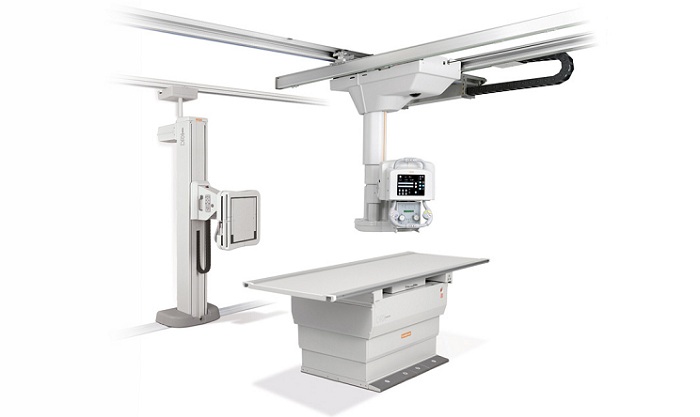
Utah Valley Hospital (Provo, Utah) has installed nine Carestream imaging systems that equip its radiology staff to deliver rapid, high-quality imaging throughout the 395-bed facility. The imaging systems include two CARESTREAM DRX-Evolution Plus digital radiography systems, six CARESTREAM DRX-Revolution Mobile X-ray Systems and on CARESTREAM DRX-Retrofit Kit to upgrade an existing portable system to DR technology. The hospital is a member of Intermountain Healthcare.

Utah Valley Hospital The DRX-Evolution Plus systems capture hundreds of inpatient, ED and outpatient imaging exams every month. โ€œWith these automated imaging systems, technologists can scan an exam order and the motorized system positions itself,โ€ said Mike McCoy, the hospitalโ€™s X-ray Imaging Coordinator. โ€œThis not only saves time in a busy imaging environment, but it also reduces the risk of injuries to technologists caused by manual positioning of overhead tubes.โ€

Each DRX-Evolution Plus system has a wall stand and table bucky. These systems capture cross-table, bone, chest, abdomen, scoliosis, knees, feet, tabletop and standing extremity exams as well as other imaging studies.

Pre-programmed procedure codes set techniques and minimize dose. Mr. McCoy said use of these new room-based systems has cut dose in half compared to previous imaging systems.

The hospital also uses Carestream Pediatric Image Optimization and Enhancement Software that sets the appropriate dose for pediatric patients based on size and weight.

Utah Valley Hospital deploys four DRX-Revolution systems for portable imaging of inpatients and two additional DRX-Revolution systems that are dedicated to the surgical department.

โ€œThe DRX-Revolution mobile systems are an important asset to our hospital,โ€ said Cameron Willardson, Imaging Manager for General Radiology, Mammography and MRI. โ€œThese systems are easy to drive and consistently deliver extremely high-quality images in a high-use environment. The systems are also user friendly, which helps boost staff productivity.โ€

Service and support are excellent, Mr. Willardson added. โ€œCarestream offers exceptional service and their support staff works with our team to promptly resolve issues. Their team is committed to working with us to achieve excellent image quality that can equip our staff members to deliver better patient care.โ€

About Utah Valley Hospital
Utah Valley Hospital (formerly Utah Valley Regional Medical Center) is a designated Level II Trauma Center in Provo, Utah. Our expert physicians, nurses and care teams are specially trained to treat a wide range of patients, from those with the most severe injuries or illnesses to those undergoing a routine surgery or delivering a baby. The hospital has 395 licensed beds, a Level II Trauma Center and is a designated Stroke Center of Excellence.

How Hospital Staff Can Spot Warning Signs of Pharmaceutical Fraud

Warning Signs of Pharmaceutical Fraud

Pharmaceutical fraud encompasses a broad range of activities that result in pharmaceutical companies or retailers experiencing financial gains due to inaccurate or untruthful claims made to insurers or state programs.

Pharmaceutical Fraud and the False Claims Act
Whistleblowers are people who come forward with knowledge about pharmaceutical fraud. The False Claims Act compensates whistleblowers under certain circumstances when the government successfully prosecutes in the relevant case.

Many of the health care cases associated with the False Claims Act involve off-label drug sales. They happen when a pharmaceutical company markets a drug for a purpose not yet approved by the Food and Drug Administration (FDA). A company might do so while waiting for FDA approval to go through for a particular use, for example.

The largest False Claims Act settlement ever awarded occurred in 2013, and it involved Risperdal, an FDA-approved drug for psychiatric disorders. The drug’s manufacturer promoted off-label usage of the drug for other conditions, including dementia. There was a $1.273 billion False Claims Act settlement, as well as an $800 million settlement connected to a criminal investigation.

In another case, a physician and employee of ISTA Pharmaceuticals acted as a whistleblower when the company promoted off-label use for a drug called Xibrom, which aids in pain management for cataract patients. That outcome involved a $15 million settlement.

These examples show pharmaceutical fraud is a serious issue. What can you, as a health care provider, do to recognize the warning signs of it?

Be Wary of Unsubstantiated Claims or Suspicious Data
Recent years have seen crackdowns on pharmaceutical representatives and their interactions with health care providers. In general, there are tighter restrictions on perks like free lunches and branded goodies health care workers regularly received in exchange for having chats with pharmaceutical representatives.

Even so, you may still come across information about new drug offerings, whether by seeing ads in medical periodicals or reading information distributed through the mail. You should always be especially cautious when reading information that seems too good to be true or seeing data that does not have verifiable source material.

That’s even true if the information comes from clinical trials. One would hope those investigations offer accurate reports, but falsified clinical trial data is another type of clinical trial fraud.

In China, the regulatory body that approves new drugs found more than 80% of the drug applications had questionable information. The investigators also found, in some cases, people wrote clinical trial outcomes before those trials happened.

Listen to Patient Complaints After Generic Drug Switches
Once the patent held by a drug maker expires, other companies can start making generic versions of it. Those medicines should be virtually indistinguishable from the original ones. Unfortunately, though, that doesn’t always happen. Pharmaceuticals must get made per good manufacturing practices. If they don’t, another type of pharmaceutical fraud occurs.

Katherine Eban wrote a book called “Bottle of Lies” that focuses on the pharmaceutical fraud committed by some companies making generic drugs. For example, they cut corners to maximize profits and used cheaper, less effective ingredients that could even harm patients.

Some patients who receive subpar generics report unexpected side effects. Others say the drugs have strange smells they did not notice when taking the non-generic versions. Generics are in high demand because they’re often substantially cheaper than their counterparts. There’s no need to discourage your patients from taking generics entirely, but you should certainly pay attention if they report unusual consequences.

Coach Patients About the Importance of Buying Medications From Authorized Providers
The internet has dramatically facilitated the ways people access prescribed medications. They no longer need to visit pharmacies, but can order the drugs through websites or apps. If your patients want to take that route, it’s crucial to help them recognize authorized providers and avoid falling victim to scams.

In 2018, the FDA warned about a suspected international extortion scam that targeted people buying medicines online. The purchasers got fake warning letters that usually came instead of the drugs they ordered.

Although the FDA cracks down on the parties that operate illegal websites, they don’t engage with individual purchasers. It’s smart to talk to patients about the hazards of doing a Google search for an online pharmacist and potentially coming across illegitimate sites. You may also want to bring up examples of good apps or sites to use.

Another type of pharmaceutical fraud happens when people get prescribed medications to treat conditions they don’t have. So, if a person comes in for a routine office visit and presents with a new illness, but says something like, “I started treating it last week because I found an online pharmacist who gave it to me for much less than I paid before. It was so quick, they didn’t even ask about my symptoms,” that’s a red flag.

Tune in to Unusual Pharmacy-Related Reports
Pharmacists can be the perpetrators of pharmaceutical fraud. But, you can do a lot to stop unlawful practices by listening to what patients say regarding their interactions with pharmacists โ€” especially if they start getting medications that come in a different form.

For example, if a patient receives medicine while being on Medicare or Medicaid, pharmacists may act illegally by switching the form of the drug from a tablet to a capsule or vice versa. Or, fraud may happen if a pharmacist gives into a bribe to change a patient’s prescription to a particular option made by a pharmaceutical company. These are two ways pharmacies could wrongfully claim more government money.

An illegal practice also occurs if pharmacists incentivize people with government-paid prescriptions to make them start using a particular pharmacy. That setup possibly makes it easier for pharmacists to use people’s prescriptions fraudulently.

Vigilance Is Necessary
Pharmaceutical fraud shows up in numerous forms. The suggestions and examples given here should help you become more aware of possible cases and feel empowered to look into matters further.


Philips and University of Vermont Health Network sign 10-year agreement to improve patient care

Royal_patienet_care

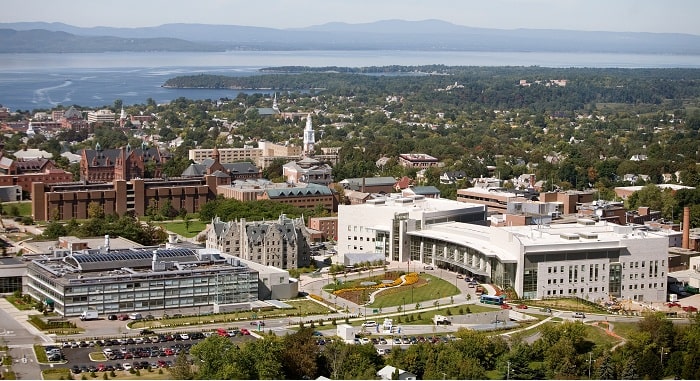
Royal Philips , a global leader in health technology, and the University of Vermont (UVM) Health Network, a leading provider of quality care, announced a long-term, strategic partnership of 10 years. The partnership, which extends an existing relationship between the two organizations, will help support staff in providing high-quality care and advance efforts to improve the health of the population in Vermont and Northern New York.

Connecting the UVM Health Network with advanced digital Philips innovations like imaging systems, ultrasound, patient monitoring, and clinical informatics, the partnership will offer a comprehensive range of clinical and business solutions and consulting services. These technologies and services will help the UVM Health Network better integrate workflows for a more seamless patient experience.

The UVM Health Network provides high-quality care for patients on both sides of Lake Champlain, from the Green Mountains of Vermont to the Adirondacks of Northern New York. The six hospitals in Vermont and New York are working together as a network to ensure that patients get the right care, in the right place, at the right time โ€“ whether that care is best delivered in a physicianโ€™s office in rural Elizabethtown, or in an operating room in Burlington. The partnership with Philips will support these efforts, including the UVM Medical Centerโ€™s Robert E. and Holly D. Miller Building, where staff will rely on the latest in Philips technology to anticipate and respond to patient needs.

โ€œBy working together as a network, and relying on the most innovative technology, we will be able to provide the highest quality care to our patients in Vermont and Northern New York,โ€ said Dr. John Brumsted, President and CEO of the UVM Health Network. โ€œOur continued partnership with Philips will help us better understand and care for our patients, wherever they come to us. Leveraging technology helps our clinical staff provide the best care at the bedside throughout the network.โ€

The partnership will help create a consistent patient experience across the UVM Health Network, as well as contribute to predictability in costs. Further, the UVM Health Network will work with Philips to streamline workflows, optimize medical technology deployment, and collaborate to achieve operational excellence. This will include access to Philips technologies and services such as PerformanceBridge, which can further drive operational efficiency across modalities.

โ€œThe Philips and the UVM Health Network relationship has evolved into a true partnership with a common mission of improving peopleโ€™s lives by transforming how care is delivered,โ€ said Vitor Rocha, CEO of Philips North America. โ€œOver the years we have built a level of trust that will allow us to work more collaboratively and understand how we can help the network break down data silos, giving staff access to information that can help them improve their already impressive level of patient care. Ultimately, we want to redefine the patient and staff experience, helping them to deliver the quality, cost-effective care their communities deserve.โ€

The UVM Health Network is the latest forward-thinking healthcare network to sign a long-term, strategic partnership (LSP), further cementing Philips leadership in this unique business model. Since implementing LSPs in North America, Philips has signed multiple agreements with leading health systems looking to achieve the quadruple aim.

Translate ยป