







Close
Digital Health & Ai Innovation summit 2026
LiGHT26

didgUgo Adopts InterSystems IRIS for Health to Add Interoperability, FHIR and AI to Care Visit Verification Solution

InterSystems,ย a creative data technology provider dedicated to helping customers solve the most critical scalability, interoperability and speed problems,ย today announced thatย didgUgo, an innovative Australian care industry software start-up, has signed a Solutions Partner agreement with InterSystems to add interoperability, FHIR and AI functionality to its next-generation care visit verification solution โ€“ facilitating data integration with care providers and boosting their return on investment โ€“ and accelerate didgUgoโ€™s growth plans.

Designed for healthcare, aged care, and disability service providers, didgUgo is an innovative software-as-a-service (SaaS) solution that enables subcontractors to scan an on-site QR code to check in and out of jobs. Providers get confirmation via the didgUgo SaaS application and APIs, simplifying and streamlining their business processes and improving compliance. To avoid data privacy issues, didgUgo retains the smallest possible data footprint, with no need to store subcontractor or client and patient private data.

Enhancing functionality and value for care providers

By adopting theย InterSystems IRIS for Healthโ„ขย data platform, didgUgo can enhance the functionality and value it offers to providers. IRIS for Health enables didgUgo to provide interoperability with information systems used by care providers quickly and cost-effectively and utilise healthcare data standards such asย HL7ยฎ FHIRยฎ. This will support enhanced functionality such as two-way communication with subcontractors or using AI and Machine Learning for fraud prevention.

The Solutions Partner agreement with InterSystems will also accelerate didgUgoโ€™s growth. This includes offering its solution in the United States โ€“ where Electronic Visit Verification (EVV) is mandatory for Medicare and Medicaid โ€“ in addition to Australia. didgUgo recently exhibited at the InterSystemsย Global Summit 2024ย in the U.S. to raise awareness of its next-generation EVV solution and better understand global market requirements. It demonstrated its use of IRIS for Health to exchange data with other applications, including theย InterSystems TrakCareยฎย healthcare information system, which also use IRIS for Health.

Overcoming interoperability hurdles to adoption

โ€œOur vision is to integrate didgUgo into the IRIS ecosystem so that solutions like TrakCare can plug in didgUgo check-in/check-out services to significantly improve visibility of service delivery, in real time,โ€ said Luke Benson, Chief Technology Officer and Managing Director at didgUgo.

โ€œFor many home services, Australian care providers donโ€™t have any visibility into jobs until they receive the invoice, weeks later,โ€ said Benson.ย โ€œWe can fill that gap by providing real-time visit verification data. With our Solutions Partner agreement with InterSystems, didgUgo is primed to be interoperable and exchange data with provider systems in real time. By integrating a rostering or work order system, you could follow up with subcontractors and say, โ€˜Did you forget to check in?โ€™.โ€

Ease of integration for Solution Partners

Benson highlighted how didgUgoโ€™s team was set to rapidly integrate with IRIS for Health. โ€œOur engineering team took advantage of the excellent online developer resources from InterSystems, such as documentation and pre-built Docker images, and we were able to integrate our solution into IRIS for Health in just a couple of days. It also gives us FHIR compliance and facilitates AI and machine learning, for example, to analyse data for advanced fraud prevention. Weโ€™ve also received great support from the local InterSystems solution engineering team to help us optimise the solution.โ€

โ€œInterSystems works with care industry software start-ups to meet one of their most pressing challenges โ€“ the need for interoperability to integrate with providersโ€™ information systems and deliver value quickly,โ€ said Darren Jones, Country Manager, Australia and New Zealand for InterSystems. โ€œWe are delighted to help future-proof didgUgo by adopting IRIS for Health to overcome interoperability and systems integration hurdles to customer adoption, enhance their solutions and accelerate their growth.โ€

Genprex Announces Plans to Launch Separate Company to Focus on the Development of Gene Therapy to Treat Type-1 and Type-2 Diabetes

Genprex, Inc. a clinical-stage gene therapy company focused on developing life-changing therapies for patients with cancer and diabetes announced its intention to transfer the Company’s diabetes clinical development program and its diabetes gene therapy assets into a new, wholly-owned subsidiary (“NewCo”). NewCo would focus on developing and commercializing GPX-002, a diabetes gene therapy drug candidate for the treatment of Type 1 (T1D) and Type 2 diabetes (T2D).

“Genprex’s diabetes program has received the attention of several potential investors, partners, collaborators and pharmaceutical companies, and we believe separating it from our oncology programs could help increase interest, expedite clinical development and unlock the value of our novel diabetes program,” said Ryan Confer, President and Chief Executive Officer at Genprex. “The new subsidiary would be positioned to be a pure-play diabetes-focused biopharmaceutical company, while Genprex would be a pure-play oncology-focused biopharmaceutical company. This contemplated separation of entities could enable potential direct investment and strategic collaboration into the advancement of the diabetes program. Diabetic patients are in need of advanced therapies, and we believe GPX-002 holds the potential for disease modification for long-term effectiveness, which could directly impact the global diabetes epidemic.”

The planned spin-out transaction would allow both Genprex and NewCo to enhance each company’s focus on meeting the needs of their respective markets, patients and stakeholders. The spin-out, if completed as presently contemplated, would result in NewCo focusing on developing GPX-002, while Genprex would retain its oncology clinical development programs and other oncology pipeline assets. The decision to pursue the reorganization demonstrates Genprex’s strong ongoing commitment to the Company’s streamlined, focused strategies and ongoing research and development prioritization initiative. The potential formation and transfer of the clinical development program into the wholly-owned subsidiary is currently anticipated to occur by the end of 2024, subject to adequate financing, the satisfaction of customary conditions and final approval from the Genprex management and Board of Directors.

The Company’s goal for separating the diabetes clinical development program from its oncology program follows closely behind Genprex’s recent announcement to re-focus its oncology clinical development program for streamlined, expeditious regulatory submission of its lead oncology drug candidate, Reqorsaยฎ Gene Therapy. As previously announced, the Company continues to evaluate ways to optimize its clinical and research programs and operational strategies. Additionally, the Company is considering various strategic alternatives and opportunities to enhance stockholder value.

GPX-002, which has been exclusively licensed from the University of Pittsburgh, is being developed using the same construct for the treatment of both T1D and T2D. The same general novel approach is used in each of T1D and T2D whereby an adeno-associated virus (AAV) vector containing the Pdx1 and MafA genes is administered directly into the pancreatic duct. In humans, this can be done with a routine endoscopy procedure. The diabetes product candidates are currently being evaluated and optimized in preclinical studies at the University of Pittsburgh.

“With the potential to address the entire diabetes market, we believe our gene therapy approach would position NewCo as an innovator in emerging diabetes therapies,” continued Confer. “The most significant advancement in the treatment of diabetes happened more than 100 years ago when insulin was first introduced to treat T1D patients. We believe our treatment has the potential to disrupt the diabetes market by replacing the daily burden of blood glucose monitoring and insulin replacement therapy, as well as the need for GLP-1 treatments in T2D.”

Lucid Diagnostics Signs Memorandum of Understanding with Front Line Mobile Health

Lucid Diagnostics Inc. a commercial-stage, cancer prevention medical diagnostics company and subsidiary of PAVmed Inc. announced the execution of a memorandum of understanding (MOU) with Front Line Mobile Health (“Front Line”), a comprehensive medical care provider for first responders. The MOU focuses on the exploration of co-marketing and collaboration opportunities to promote and expand patient access to Lucid’s EsoGuardยฎ Esophageal DNA test for the early detection of esophageal precancer, particularly among firefighters. Lucid previously collaborated with Front Line to facilitate its first major directly-contracted #CheckYourFoodTube Precancer Testing Event.

“Lucid Diagnostics is committed to widespread early detection of esophageal precancer,” said Shaun O’Neil, Lucid’s President and Chief Operating Officer. “We are honored to have provided EsoGuard precancer testing to thousands of firefighters across the nation. Every day they risk their lives to protect us, and Lucid is committed to protecting them in return. This partnership allows us to expand these efforts by leveraging Front Line’s resources and extensive expertise caring for firefighters. We are excited to further collaborate with Front Line to increase access to esophageal precancer testing for firefighters and drive revenue through contracted high-volume testing events.”

“At Front Line Mobile Health, we are deeply committed to protecting the health and safety of our nation’s firefighters, who face a 62% higher risk of developing esophageal cancer,” said Russell A. Burnham, APA-C, Front Line’s Team Principal and Chief Executive Officer. “Lucid’s EsoGuard Esophageal DNA Test is a powerful tool in this endeavor, offering early detection of esophageal precancer and thereby safeguarding the well-being of these brave individuals. We look forward to expanding our partnership with Lucid and leveraging our strong relationships with fire departments to broaden access to this potentially life-saving tool.”

Front Line is a veteran-owned company that specializes in providing comprehensive medical care for first responders, including fire, law enforcement, and emergency medical services. Front Line is a leading platform in public safety health and wellness and is dedicated to focusing on physical, behavioral, and operational health through patient education, disease prevention, and operational optimization.


Abbott Initiates Clinical Study to Evaluate the Use of Its Deep Brain Stimulation System to Manage Severe Depression

Abbott announced it has initiated a pivotal clinical trial, called the TRANSCEND study, to evaluate the use of the company’s deep brain stimulation (DBS) system to manage treatment-resistant depression (TRD), a form of major depressive disorder. The U.S. Food and Drug Administration (FDA) granted Abbott Breakthrough Device designation to explore use of DBS for TRD under its Breakthrough Devices Program, which expedites the review of innovative technologies that can improve the lives of people with life-threatening or irreversibly debilitating diseases or conditions.

“As we have learned more about the intricacies of the brain, it is now clear that ‘psychiatric diseases’ like major depressive disorder are similar to other neurological conditions โ€“ we can see identifiable structural and functional changes in the brain,” said Brian Kopell, M.D., lead neurosurgery investigator, and director of the Center for Neuromodulation and co-director of the Bonnie and Tom Strauss Center for Movement Disorders at Mount Sinai Health System. “So, it is not surprising that deep brain stimulation research has demonstrated promise for people suffering with treatment-resistant depression, as it has for patients with medically complicated Parkinson’s disease over the past two decades. We are eager for Abbott’s TRANSCEND trial to gather further evidence about the impact neurostimulation could have for people who need different treatment options than are currently available.”

A form of major depressive disorder (MDD), TRD occurs when a person has not been able to find relief from their symptoms even after trying different antidepressant approaches, which can range from talk therapy to oral medications to transcranial magnetic stimulation. Up to a third of individuals diagnosed with MDD โ€“ approximately 2.8 million Americans each year โ€“ have TRD or difficult-to-treat depression.1 Each time a person fails a treatment, the chance of finding relief with the next treatment drops, and by the fourth failed treatment, as many as 83% of patients will relapse.1

DBS works like a pacemaker, sending small, targeted electrical pulses to a specific part of the brain with the goal of relieving symptoms. As part of the TRANSCEND study, doctors will place electrodes โ€“ called leads โ€“ in an area of the brain that impacts depression. These leads are connected to a device called a stimulator that is placed under the skin in the chest. The stimulator will send electrical pulses to the leads with the goal of adjusting activity in the brain and reducing symptoms associated with depression. Previous open-label studies exploring the use of DBS for TRD have shown at least a 50% sustained improvement in symptoms of depression for three out of four people over a period of two to eight years.2

“Treatment-resistant depression is a debilitating condition affecting 2.8 million Americans each year,” said Pedro Malha, vice president, neuromodulation, Abbott. “The goal of Abbott’s TRANSCEND study, in collaboration with top clinical research centers, is to develop the clinical evidence necessary to determine whether DBS is a safe and effective treatment for treatment-resistant depression, which could provide people with a new treatment option that will allow them to live fuller lives.”

https://abbott.mediaroom.com/2024-09-04-Abbott-Initiates-Clinical-Study-to-Evaluate-the-Use-of-Its-Deep-Brain-Stimulation-System-to-Manage-Severe-Depression
>>>

Medtronic expands investment in Asia with the launch of its first Robotics Experience Studio in SEA

Medtronic expands investment in Asia with the launch of its first Robotics Experience Studio in SEA

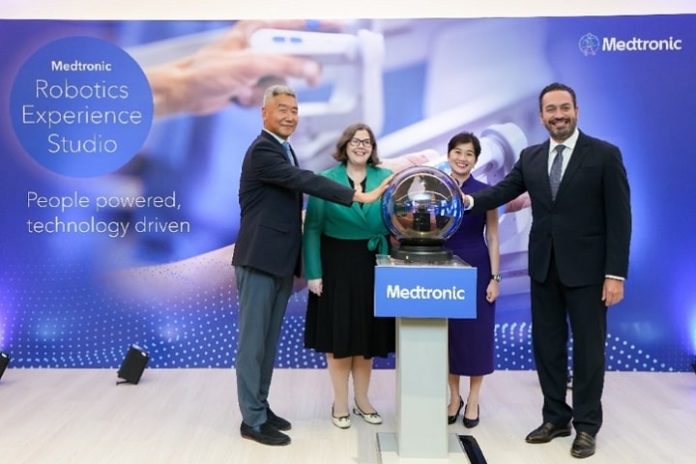
Medtronic plc, a global leader in healthcare technology, expands the capabilities of Medtronic Customer eXperience Center (MCXC) in Singapore with the opening of its first Robotics Experience Studio in Southeast Asia. This underscores the commitment of Medtronic to enhance access to new technologies through collaboration, training and education within the healthcare ecosystem. The opening ceremony was held today in the presence of Jacqueline Poh, Managing Director of Singapore Economic Development Board, Sarah McGrath, Ambassador, Embassy of Ireland in Singapore, Majid Kaddoumi, Senior Vice President and President, Medtronic Europe, Middle East, Africa & Asia-Pacific (EurAsia) and leading healthcare professionals from America, Korea, Singapore and India.

Since the opening of MCXC in November 2022, Medtronic has made substantial strides in medical education and upskilling, having trained more than 2,000 healthcare professionals (HCPs) across Asia and conducted nearly 1,400 training and experience sessions. The addition of the Robotics Experience Studio is set to amplify these efforts by providing cutting-edge resources for HCPs to hone their skills in robotic-assisted procedures and artificial intelligence (AI) applications.

The launch event brought together leading medical experts from around the world and featured a panel discussion on the topic of the future of Robotics and AI in healthcare. Titled โ€œThe future of Robotics and AI in the healthcare landscape โ€“ a Global and Asian perspectiveโ€, the dialogue highlighted how Robotics and AI technologies are transforming healthcare, and the unique challenges and opportunities present in Asiaโ€™s diverse healthcare landscape, where rapid population growth and increasing life expectancy are driving demand for more personalized and sophisticated treatments. The discussion also included the readiness of current healthcare organizations, professionals, and systems to adopt Robotics and AI technologies, and the anticipated efforts to facilitate this adoption.

The advancement of medical technology in Robotics and AI have demonstrated significant improvements in patient outcomes which include reduced complications, faster recovery times and improved precision in surgical interventions. However, despite significant economic growth in some parts of Asia, the provision of equitable and accessible healthcare is still an ongoing challenge in the region.

Majid Kaddoumi, Senior Vice President and President, Medtronic Europe, Middle East, Africa & Asia-Pacific (EurAsia), emphasized the strategic importance of this expansion in accelerating the adoption of advanced medical solutions and improving access to quality healthcare across Asia. “By enhancing our presence in this region, we’re not only tapping into the world’s most rapidly growing markets but also fostering a collaborative ecosystem. The Robotics Experience Studio will enable Medtronic to work closely with local stakeholders including healthcare providers, academia, industry forums and government to further bring new technologies closer to Asia for better patient outcomes,โ€ he stated.

Expressing strong support for the initiative, Jacqueline Poh, Managing Director, EDB noted, โ€œMedtronicโ€™s latest investment underscores Singaporeโ€™s role as a leading hub for healthcare innovation and talent in Asia Pacific. The Robotics Experience Studio builds on Medtronicโ€™s manufacturing and regional headquarters activities in Singapore to position for the evolving needs of its customers in the areas of robotics and AI for healthcare. We look forward to deepening our long-standing partnership with Medtronic.โ€

Feng Dong, Vice President, Medtronic Asia Region-Led Markets said, โ€œAsiaโ€™s healthcare landscape is poised for significant growth, driven by demographic shifts and increasing demand for advanced medical technologies. Breaking down physical barriers to education and opening new frontiers of experience is key. The Robotics Experience Studio is an effort by Medtronic to bring technologies close-to-market and support skill enhancement in Southeast Asia. We look forward to meaningfully contributing to improving healthcare access and addressing the growing need in Asia for skill building and more efficient healthcare delivery. We believe that our innovative approach to medical and surgical education will shape the future of healthcare, transform patient care and outcomes, and positively impact health outcomes for millions in Asia.โ€

MCXC distinguishes through its innovative approach to medical training, offering a unique, non-tissue and cadaver-free experience. With training available over 20 different platforms, the Center leverages a variety of advanced simulator models to deliver comprehensive education. A Micra XR training program utilizes a blended learning methodology that combines holographic procedural animations with relevant physical model. This approach enables healthcare professionals to gain a deep understanding of the therapeutic principles and applications of Micra leadless pacemaker. To-date, Micra XR training app is approved in 155 countries and has drawn nearly 1,550 healthcare professionals from a diverse array of countries including the Philippines, Singapore, Egypt, South Africa, Poland, Hungary, and beyond.

Lunit Teams Up with Roche to Improve Cancer Biomarker Testing through Digital Pathology Integration

Lunit, a leader in AI-powered cancer diagnostics and therapeutics, has partnered with Roche to integrate its Lunit SCOPE PD-L1 22C3 TPS into Roche’s navifyยฎ Digital Pathology platform.

This marks the initial deployment of Lunitโ€™s AI technology with Roche, enhancing the tools available to pathologists and researchers and aligning with Rocheโ€™s aim to develop a collaborative digital pathology ecosystem.

Roche’s navifyยฎ Digital Pathology platform, which enhances the pathologistโ€™s workflow, will now feature Lunit SCOPE alongside its existing AI algorithms.

This integration will offer a comprehensive set of digital pathology tools, advancing biomarker testing and supporting precision medicine to improve patient outcomes.

Initially, the collaboration will focus on the US, with plans to expand into Canada, the EU (UK), Korea, and Japan, reflecting the goal to enhance cancer diagnostics and treatment globally.

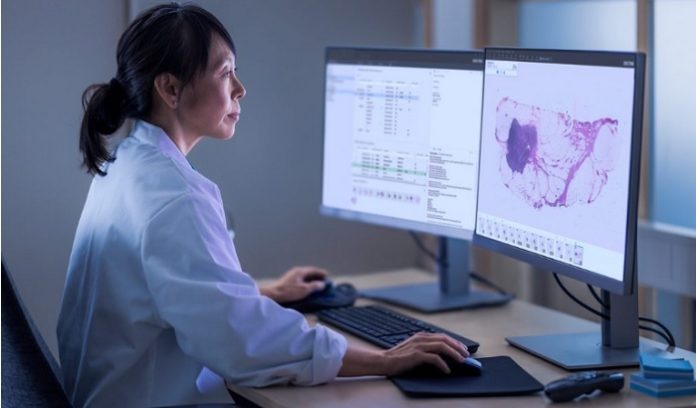
Lunit SCOPE PD-L1 22C3 TPS, an AI-powered tool, is designed to analyze the PD-L1 tumor proportion score (TPS), a crucial biomarker in cancer immunotherapy.

By automating the PD-L1 scoring process, it provides more accurate, consistent, and efficient assessments of this complex biomarker.

Since its introduction in 2021 for research use, Lunit SCOPE PD-L1 is now available through Rocheโ€™s navify platform, aiming to broaden access to this advanced AI technology.

“They are excited to collaborate with Roche and integrate our AI tools into their digital pathology ecosystem. This partnership is a significant step towards making Lunitโ€™s technology accessible worldwide. Our goal is to advance precision medicine, improve workflow efficiency, and introduce new biomarkers for enhanced patient care.”

Lunit SCOPE PD-L1 TPS is intended for research purposes only and is not approved for diagnostic use.

Iridium Network becomes first center in the world to use RayCare and TrueBeam to treat a patient

Iridium Network Makes History as First to Use RayCare and TrueBeam in Patient Treatment

RaySearch Laboratories AB (publ) has announced that Iridium Network in Belgium has successfully treated its first patient using RaySearch’s oncology information system, RayCareยฎ, alongside a Varian TrueBeamยฎ linear accelerator.

Iridium Network, established in 2006, is the largest radiotherapy network in Belgium, offering specialized radiation oncology services across three hospital networks in the Antwerp region.

It is also recognized as a leading center of expertise on an international level. The network operates ten TrueBeam linear accelerators across four locations and treats over 6,000 patients annually with radiation therapy.

The collaboration between Iridium Network and RaySearch has been longstanding and significant. Iridium Network became a clinical partner to RaySearch in late 2015 with the acquisition of RayStation and has been instrumental in the development of RayCare.

In 2018, the network was the first globally to clinically implement RayCare, just two months after its release.

The interoperability certificate between RayCare 2024A and TrueBeam was issued in May 2024, covering all models in the TrueBeam family, including TrueBeam, TrueBeam STx, Edge, and VitalBeam.

Iridium Network has achieved a significant milestone by becoming the first hospital to use RayCare clinically with TrueBeam.

RayCare’s role in enhancing consistency and automation is crucial for maintaining patient safety, efficiency, and high-quality care. It significantly improves the ability to provide advanced radiation oncology services throughout Iridium Network.

The integration of RayCare with TrueBeam marks an important milestone in advancing patient-centered cancer care, reflecting a successful collaboration between industry and clinical experts.


Harrison.ai launches world-leading AI model to transform healthcare

Healthcare AI technology company, Harrison.ai announced the launch of Harrison.rad.1, a radiology-specific vision language model. It represents a major breakthrough in applying AI to tackle the global healthcare challenge. The model is now being made accessible to selected industry partners, healthcare professionals, and regulators around the world to spark collective conversations about the safe, responsible, and ethical use of AI to revolutionise healthcare access and capability, and to improve patient outcomes.

Robyn Denholm, Harrison.ai Board Director, said โ€œThe Harrison.rad.1 model is transformative and an exciting next step for the company. Harrison.ai is delivering on the promise of helping solve real-world problems more effectively and reliably and helping to save lives.โ€

Harrison.rad.1 is a radiology-specific vision language model that is dialogue-based. It can perform a variety of functions including open-ended chat related to X-ray images, detecting and localising radiological findings, and generating reports, providing longitudinal reasoning based on clinical history and patient context. Clinical safety and accuracy are the modelโ€™s key priorities.

The Harrison.ai team have already proven their responsible approach to AI development. Their existing radiology solution Annalise.ai has been cleared for clinical use in over 40 countries and is commercially deployed in healthcare organisations globally, impacting millions of lives annually. With the same dedication to rigour and care, the Harrison.rad.1 model will undergo further open and competitive evaluations by world-leading professionals.

Dr. Aengus Tran, co-founder and CEO of Harrison.ai said,ย โ€œAIโ€™s promise rests on its foundations โ€“ the quality of the data, rigour of its modelling and its ethical development and use. Based on these parameters, the Harrison.rad.1 model is groundbreaking.โ€

This model is unlike existing generative AI models, which are functionally generic and predominantly trained on general and open-source data. Harrison.rad.1 has been trained on real-world, diverse and proprietary clinical data, comprising of millions of images, radiology studies and reports. The dataset is further annotated at scale by a large team of medical specialists to provide Harrison.rad.1 with clinically accurate training signals. This makes it the most capable specialised vision language model to date in radiology.

The critical and highly regulated nature of healthcare has limited the application of other AI models to date. However, this new model and its applications are qualitatively different and open up a whole new conversation in radiology innovation and patient care, and the potential for regulatory assurance.

Dr. Aengus Tran noted,ย โ€œWe are already excited by the performance of the model to date. It outperforms major LLMs in the Royal College of Radiologistsโ€™ (FRCR) 2B exam byย approximately 2x. The launch of this model and our plan to engage in further open and competitive evaluation by professionals underscores our commitment to responsible AI development.โ€

โ€œHarrison.ai is committed to being a leading global voice in helping inform and contribute to an important conversation on the future of AI in healthcare. This is why we are making Harrison.rad.1 accessible to researchers, industry partners, regulators and others in the community to begin this conversation todayโ€. ย 

Harrison.rad.1 has demonstrated remarkable performance, excelling in radiology examinations designed for human radiologists and outperforming other foundational models in benchmarks. Specifically, it surpasses other foundational models on the challenging Fellowship of the Royal College of Radiologists (FRCR) 2B Rapids examination โ€“ an exam that only 40-59% of human radiologists manage to pass on their first attempt. When reattempted within a year of passing, radiologists score an average of 50.88 out of 601. Harrison.rad.1 performed on par with accredited and experienced radiologists at 51.4 out of 60, while other competing models such as OpenAIโ€™s GPT-4o, Anthropicโ€™s Claude-3.5-sonnet, Googleโ€™s Gemini-1.5 Pro and Microsoftโ€™s LLaVA-Med scored below 30 on average2.

Additionally, when assessing Harrison.rad.1 using theย VQA-Rad benchmark, a dataset of clinically generated visual questions and answers on radiological images, Harrison.rad.1 achieved an impressive 82% accuracy on closed questions, outperforming other leading foundational models. Similarly, when evaluated on RadBench, a comprehensive and clinically relevant open-source dataset developed by Harrison.ai, the model achieved an accuracy of 73%, the highest among its peers2.

Building on the efficacy, accuracy, and effectiveness that has been achieved through Harrisonโ€™s existing Annalise line of products, Harrison.ai wants to collaborate to speed up the development of further AI products in healthcare to help expand capacity and improve patient outcomes.

KFSHRC Unveils Groundbreaking Gen-AI Innovation at GAIN in Riyadh

King Faisal Specialist Hospital & Research Centre (KFSHRC) is set to unveil its latest breakthrough in generative Artificial Intelligence at the prestigious third edition of the Global AI Summit (GAIN). The summit will take place at the King Abdulaziz International Convention Centre in Riyadh from September 10 to 12, under the esteemed patronage of His Royal Highness Prince Mohammed bin Salman bin Abdulaziz Al Saud, Crown Prince, Prime Minister, and Chairman of the Board of Directors of the Saudi Data & AI Authority (SDAIA).

KFSHRC will introduce its cutting-edge, locally-developed generative AI technology, designed to analyze and harness vast data sets, driving unparalleled efficiency across the hospitalโ€™s operations. This innovative technology is set to revolutionize healthcare delivery, empowering physicians to offer immediate, precise solutions to patients. Upon completing a rigorous verification process, including stringent accuracy, reliability, and safety tests, this technology will be seamlessly integrated into the hospitalโ€™s operations, reinforcing KFSHRCโ€™s position as a leader in global healthcare.

This advanced AI system will significantly streamline the hospitalโ€™s operational processes, reducing the time required to summarize and analyze scientific publications and internal policies. It will also equip staff with the tools to effectively monitor patient pathways and derive insights from data sets, ultimately elevating the overall patient experience.

Dr. Osama Alswailem, Chief Information Officer at KFSHRC, explained that the hospital’s participation in this world-renowned event, organized by SDAIA, underscores its leadership in developing and applying generative AI technologies in healthcare. This initiative enhances the efficiency and outcomes of healthcare institutions and advances the delivery of personalized, precision care. Furthermore, it showcases the innovative strides made within KFSHRC by talented Saudi professionals, aligning with the hospital’s commitment to fostering local expertise and driving innovation in the sector.

During the summit, Professor Ahmad Abusalah, Healthcare Intelligence Informatics Officer at KFSHRC, will highlight hospitalโ€™s pioneering efforts in applying AI to healthcare, detailing the transformative impact of these innovations. He will also share critical insights into building sustainable AI strategies and avoiding common pitfalls, providing valuable knowledge to the global healthcare community.

KFSHRC has been ranked first in the Middle East and Africa and 20th globally in the list of the worldโ€™s top 250 Academic Medical Centres for the second consecutive year and recognized as the most valuable healthcare brand in the Kingdom and the Middle East, according to the 2024 Brand Finance rankings. Additionally, in the same year, it was ranked among the worldโ€™s best 250 hospitals by Newsweek magazine.


Paragon 28 Introduces R3FLEX Stabilization System for Anatomical Repair of Ankle Syndesmotic Injuries

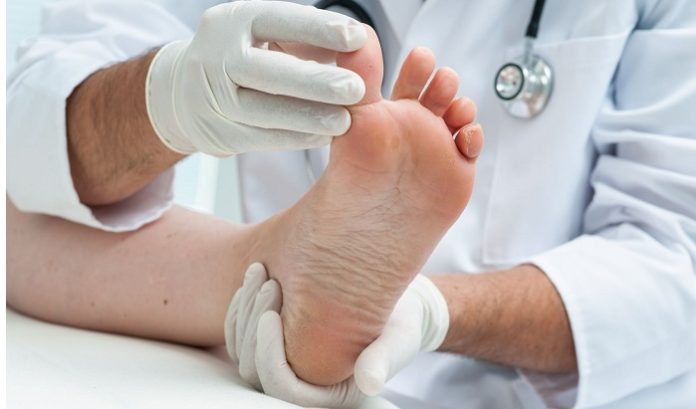
Paragon 28, has introduced the R3FLEX™ Stabilization System, designed to enhance stability in the ankle syndesmosis following injuries from fractures or high ankle sprains.

Ankle fractures are common, with over 470,000 projected cases in the U.S. for 2024. Injury to the distal tibiofibular syndesmosis occurs in about 23% of these fractures, while high ankle sprains, affecting 7-15% of all ankle sprains, are isolated injuries to the distal tibiofibular syndesmotic ligaments.

Approximately 2 million acute ankle sprains occur annually in the U.S. Traditional treatments include surgical options like cortical screws or flexible fixation to maintain fibula-tibia alignment.

The R3FLEX™ Stabilization System allows surgeons to precisely adjust and visualize tension during the repair process. Its design helps restore soft tissue anatomy, potentially reducing the risk of arthritis and the need for hardware removal.

Unlike conventional methods that require external tibial hardware, the R3FLEX™ Implant is positioned internally on the tibia, minimizing the risk of injury to surrounding nerves and veins.

The system features a suture loop connecting the tibial and fibular components, creating a durable repair. The fibular component includes a thermoplastic urethane bumper, enabling controlled micromotion to mimic natural fibula movement.

The R3FLEX™ Stabilization System comes in a sterile kit with all necessary implants and instruments, streamlining the surgical workflow and inventory management.

This system enhances Paragon 28’s extensive soft tissue portfolio, which includes products such as the Grappler® Suture Anchor System, Bridgeline™ Tape, and the R3LEASE™ Stabilization System, offering comprehensive solutions for foot and ankle repair.

Translate ยป