









Close
Digital Health & Ai Innovation summit 2026
LiGHT26

How HIFU Treatment is Revolutionizing Anti-Aging in Singapore’s Healthcare System

Singapore’s healthcare system is known for its innovation and commitment to advanced medical technologies, especially when it comes to aesthetic treatments. Among the cutting-edge solutions revolutionizing anti-aging is High-Intensity Focused Ultrasound (HIFU). This non-invasive treatment has gained significant popularity for its ability to lift, tighten, and rejuvenate the skin without the need for surgery. HIFU offers a promising solution for those looking to combat the signs of aging without undergoing invasive procedures.

For individuals interested in exploring this treatment, it’s important to understand the pricing and options available. If you’re curious about the costs and benefits, you can find detailed information on hifu treatment in Singapore price to help make an informed decision.

What is HIFU?

HIFU stands for High-Intensity Focused Ultrasound, a non-surgical treatment that uses ultrasound energy to stimulate collagen production and tighten the skin. This technology targets the deep layers of the skin, promoting the regeneration of collagen, which naturally decreases with age. As a result, HIFU helps lift and firm the skin, reducing the appearance of wrinkles and sagging.

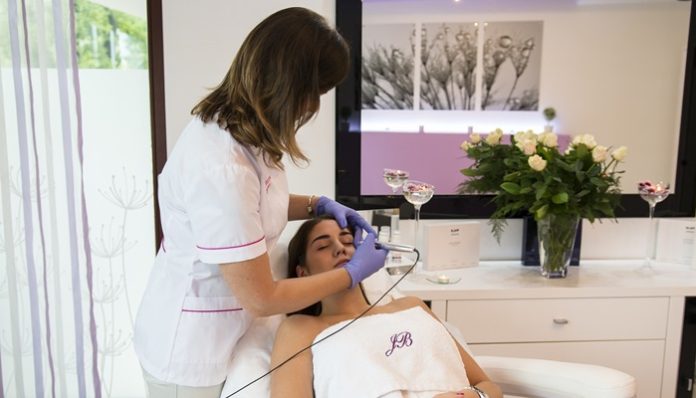
Unlike other cosmetic procedures, HIFU is non-invasive, meaning there are no incisions or injections involved. The treatment is performed using a specialized device that delivers focused ultrasound waves to the targeted areas, making it a highly effective solution for facial rejuvenation.

How HIFU Works

The HIFU device works by emitting ultrasound energy into the deeper layers of the skin. This energy causes thermal coagulation points at specific depths, triggering the skin’s natural healing response. As a result, new collagen is produced, which leads to tighter, firmer skin over time. The treatment can penetrate up to 4.5mm beneath the skin’s surface, targeting the foundational layers typically addressed in surgical facelifts.

HIFU treatment is precise and customizable, allowing practitioners to focus on areas of concern, such as the cheeks, jawline, neck, and even around the eyes. The ability to target these deeper layers makes HIFU a highly effective method for lifting and tightening the skin without the need for invasive surgery.

Why HIFU is Gaining Popularity in Singapore

The rise of HIFU in Singapore’s healthcare system can be attributed to several factors, including the demand for non-invasive treatments, advancements in technology, and an aging population seeking effective anti-aging solutions. Here are some reasons why HIFU has become a go-to treatment for many:

1. Non-Invasive Nature

One of the primary reasons people opt for HIFU is its non-invasive nature. Many individuals are hesitant to undergo surgical procedures due to the associated risks, recovery time, and discomfort. HIFU offers a solution that doesn’t require downtime, allowing patients to return to their normal activities immediately after the treatment.

This is particularly appealing for busy professionals in Singapore who want to achieve visible results without taking time off work or disrupting their daily routines.

2. Safe and FDA-Approved

HIFU has been approved by the FDA for lifting and tightening the skin, making it a safe and effective treatment option. Its ability to deliver focused energy to the deeper layers of the skin ensures that the surrounding tissues remain unharmed, minimizing the risk of side effects. As a result, patients can feel confident that they are receiving a scientifically-backed treatment that delivers real results.

3. Natural-Looking Results

Unlike traditional facelifts, which can sometimes result in a more “overdone” appearance, HIFU delivers gradual, natural-looking results. The skin’s collagen production increases over time, meaning that improvements appear progressively in the weeks following the treatment. This subtle enhancement makes it difficult for others to detect that a cosmetic procedure has been performed, offering a refreshed and youthful look without the drastic changes often associated with surgery.

Benefits of HIFU in Anti-Aging

HIFU is transforming the way people in Singapore approach anti-aging, offering a range of benefits that appeal to those seeking a non-surgical solution to looking younger. Here are some key advantages of choosing HIFU:

1. Minimal Downtime

Because HIFU is a non-invasive treatment, there is little to no downtime required. Patients can typically resume their normal activities right after the procedure, making it a convenient option for individuals with busy lifestyles. There is no need for bandages or recovery periods, which is a major advantage over surgical options.

2. Long-Lasting Results

The results of a HIFU treatment can last for up to 12 to 18 months, depending on individual factors such as age, skin condition, and lifestyle habits. As collagen production continues to increase in the months following the procedure, patients experience ongoing improvements in their skin’s tightness and firmness.

3. Targeted Treatment

HIFU allows for precise targeting of specific areas that need attention. Whether a patient wants to lift their eyebrows, smooth out fine lines around the mouth, or tighten sagging skin on the neck, HIFU can be customized to address these concerns effectively. This versatility makes it an appealing option for those looking for personalized treatment.

The Future of Anti-Aging with HIFU

As the demand for non-invasive cosmetic procedures continues to grow, HIFU is poised to play a significant role in the future of anti-aging treatments. Its ability to deliver effective results without the need for surgery or downtime makes it a popular choice among both patients and healthcare professionals in Singapore.

Advancements in HIFU technology are also opening up new possibilities for even more precise and effective treatments. As research continues, we can expect to see further improvements in the procedure, making it an increasingly attractive option for those seeking to maintain a youthful appearance without the risks associated with traditional facelifts.

Conclusion

HIFU is revolutionizing anti-aging treatments in Singapore, offering a non-invasive, safe, and effective way to lift and tighten the skin. With minimal downtime, long-lasting results, and the ability to target specific areas, HIFU has quickly become a preferred option for those looking to rejuvenate their appearance.

As more people seek out non-surgical solutions to aging, HIFU is set to continue transforming the landscape of aesthetic treatments in Singapore’s healthcare system.


Oral Health Around the World: A Comparative Study of Dental Care Systems

When you think about staying healthy, dental care might not be the first thing that pops into your mind, but it’s crucial. Good oral health can prevent many diseases and supports your overall well-being. Around the world, the way dental care is approached can vary widely. Let’s dive into how different countries manage their dental health systems, what you can learn from them, and why it matters to you.

Understanding Global Dental Care Systems

Good oral health is a universal goal, yet the ways nations achieve this can differ dramatically. Each country’s dental care system reflects its cultural values, economic priorities, and public health policies. As we explore the variety of models around the globe, you’ll see how diverse strategies lead to different outcomes in public health and individual wellness.

Here’s a closer look at how some countries have shaped their dental care practices to meet the needs of their populations.

The Scandinavian Model: Preventive and Comprehensive

In Scandinavian countries like Sweden and Denmark, dental care is highly prioritized and largely subsidized by the government. From a young age, you’re encouraged to visit the dentist regularly. Preventive care is at the forefront, ensuring that children and teenagers receive free dental check-ups and basic treatments. This approach fosters a lifetime of good oral habits.

Imagine a scenario where the cost doesn’t deter you from booking your next dental appointment—that’s everyday life in these countries. This emphasis on early and regular preventive care helps avert future dental issues, setting a global standard for oral health management.

The US System: Advanced but Costly

In the United States, the technology and quality of dental care rank among the best globally. However, affordability remains a significant hurdle for many. Without dental insurance, the cost of even a basic check-up can be prohibitively expensive. The system heavily relies on private insurance and out-of-pocket payments, granting access to a broad range of services but at a steep price.

Our family dentist explained that despite the high costs, early intervention in dental care is essential in preventing more severe health issues later on. Prompt treatment not only reduces health risks but is often more cost-effective in the long run.

Revealing a critical gap in the system, this perspective emphasizes the urgent need for enhanced patient education. It also stresses the importance of effective financial management strategies to ensure timely access to dental services.

The UK’s Approach: Public and Private Coexist

In the UK, the National Health Service (NHS) provides dental care that encompasses both preventive and restorative treatments at a subsidized cost. This system allows you to pay a fixed price for different bands of service, which helps make dental expenses predictable and manageable.

Despite the benefits of NHS dental care, the system often suffers from long wait times, leading to the growth of private dental practices. This blend of public and private options offers flexibility but also adds complexity to your decision-making process. You might find yourself weighing the pros and cons of waiting for an NHS dental appointment against opting for quicker, albeit more expensive, private service.

Japan’s Model: Preventive and Technologically Advanced

Japan emphasizes meticulous preventive care and integrates cutting-edge technology into dental practices. From a young age, individuals are educated about dental health, fostering lifelong healthy habits. This proactive approach helps keep future dental issues at bay.

Complementing this focus are advanced diagnostic tools and innovative treatments, such as laser dentistry and robotic surgical aids, which are commonplace in Japan. This combination of technology and preventive care sets Japan’s dental system apart, offering superior outcomes and establishing a benchmark for dental health management.

Developing Countries: Striving for Accessibility

Turning to developing countries, the scenario changes significantly. In many places, access to basic dental care is not a given. You might find that in rural areas, there are no nearby dental clinics, and preventive care is not a widespread practice.

However, countries like Brazil have made strides in integrating oral health into their public health systems, showing that improvements are on the horizon. It’s a reminder of the importance of global aid and knowledge sharing in enhancing the accessibility of dental care services worldwide.

Reflecting on the diverse dental care systems across the globe, it’s clear that each country’s strategy significantly impacts its public health outcomes. These models, varying from highly subsidized care to technology-driven approaches, emphasize the universal importance of accessible and effective dental healthcare.

What You Can Learn From These Systems

You might wonder, how does this affect you? Here’s how: understanding these systems highlights the importance of advocating for policies that prioritize dental health. Moreover, seeing the impact of preventive care in countries like Sweden might inspire you to adopt better dental habits and oral hygiene.

Why Dental Care Matters to You

Good oral health extends far beyond a nice smile. It’s linked to your general health and well-being. Issues like gum disease can increase the risk of chronic illnesses, including heart disease and diabetes. Therefore, staying informed and proactive about your dental health is a smart strategy for long-term wellness.

Final Thoughts

So, there you have it—a quick tour of how different corners of the world tackle dental care. Whether you’re in a country with a well-established system or one that’s still developing, the key takeaway is the same: don’t take your oral health for granted. Advocate for better care, choose wisely when it comes to insurance, and never skip that dental check-up. Your smile—and your health—will thank you for it.

The Critical Role of Nurses in Administering and Monitoring Treatments

Nurses play a vital role in the healthcare system, particularly when it comes to administering and monitoring treatments. Their responsibilities are critical to ensuring patients receive the correct medications, treatments, and care tailored to their needs.

In this demanding field, continuous education, and skill enhancement are essential. Advanced nursing programs, significantly contribute to this goal. By pursuing such educational opportunities, nurses can better understand complex medical treatments, enhance their clinical skills, and improve patient outcomes.

Therefore, in this article, we’ll explore nurses’ critical role in administering and monitoring treatments and highlight how advanced education can empower them to excel in these responsibilities.

Here’s what you need to know:

1. Overview of Nursing Responsibilities in Treatment Administration

Nurses are integral to the process of administering medications and treatments. Their responsibilities include ensuring that patients receive the proper dosage of medications at the correct times, preparing and administering injections, and managing intravenous lines. Accurate administration is crucial; even minor errors can lead to serious health consequences.

Nurses must follow established protocols and guidelines to minimize the risk of mistakes. This involves checking medication orders, verifying patient information, and ensuring that medications are prepared and administered correctly. Additionally, nurses must be vigilant in monitoring patients for any adverse reactions or side effects from treatments, which can require prompt intervention to address any arising issues.

2. Enhancing Skills Through Advanced Education

Advanced education plays a key role in enhancing a nurse’s ability to administer and monitor treatments effectively. The RN to BSN fast track program provides additional training and knowledge that can significantly impact their practice. These programs often include coursework in advanced pharmacology, patient assessment, and clinical decision-making.

This advanced education helps nurses better understand complex treatments and medical conditions. As a result, they are better equipped to handle challenging cases and make informed decisions about patient care. This program also emphasizes critical thinking and problem-solving skills, essential for managing intricate treatment scenarios and improving patient safety.

3. The Importance of Accurate Medication Administration

Accurate medication administration is one of the most critical responsibilities of nurses. Medication errors can lead to severe complications, including adverse drug reactions, treatment failures, and even patient fatalities. To ensure accuracy, nurses must adhere to the “Five Rights” of medication administration: right patient, right drug, right dose, right route, and right time.

They must also meticulously check medication labels, verify dosages, and understand potential interactions with other medications or medical conditions. Effective medication administration requires not only precision but also a thorough knowledge of pharmacology and a keen awareness of the patient’s medical history and current health status.

4. Monitoring Patient Responses to Treatments

Monitoring patient responses to treatments is a critical aspect of nursing care. After administering medications or initiating treatments, nurses must observe patients for any immediate reactions and ongoing effects. This involves assessing vital signs, checking for side effects, and evaluating the effectiveness of the treatment.

Nurses must also be prepared to respond quickly to any adverse reactions or complications that may arise. Timely and accurate monitoring helps ensure that treatments achieve their intended outcomes and allows for prompt adjustments if necessary. This vigilance is essential for maintaining patient safety and optimizing treatment effectiveness.

5. Communicating with Healthcare Teams

Effective communication with healthcare teams is essential for providing coordinated and comprehensive patient care. Nurses frequently interact with doctors, pharmacists, and other healthcare professionals to discuss patient conditions, treatment plans, and any issues that arise.

Clear and accurate communication ensures that everyone involved in a patient’s care is informed and aligned on treatment goals and strategies. This collaboration helps prevent misunderstandings and ensures patients receive consistent and appropriate care. Nurses must also document their observations and interactions thoroughly, as this information is crucial for continuity of care and for making informed decisions about patient treatment.

6. Educating Patients About Their Treatments

Patient education is a fundamental aspect of nursing care that directly impacts the success of treatment plans. Nurses are responsible for explaining treatment regimens, medication instructions, and potential side effects to patients in a clear and understandable manner. This education helps patients understand what to expect from their treatments and how to follow prescribed regimens accurately.

When patients are well-informed, they are more likely to adhere to their treatment plans, which can lead to better health outcomes. Nurses also guide lifestyle changes, self-care techniques, and recognizing symptoms that require immediate attention. Effective patient education fosters collaboration between patients and healthcare providers, ensuring that patients are active participants in their own care.

7. Managing Side Effects and Adverse Reactions

Managing side effects and adverse reactions is a critical part of nursing care. Treatments and medications can sometimes cause unwanted effects that range from mild discomfort to severe complications. Nurses must identify these side effects early and take appropriate actions to mitigate them. This includes monitoring patients closely for any signs of adverse reactions, adjusting dosages, or consulting with physicians for alternative treatments if necessary.

Nurses also provide supportive care to manage side effects and improve patient comfort. For example, they may recommend dietary adjustments, pain management strategies, or other interventions to alleviate symptoms. Effective side effect management is crucial for maintaining patient safety and ensuring that treatment goals are met.

8. Utilizing Technology in Treatment Administration

Technology plays an increasingly important role in the administration and monitoring of treatments. Electronic health records (EHRs, computerized physician order entry (CPOE) systems, and automated medication dispensing systems are just a few examples of technological tools that support nurses in their duties.

EHRs allow nurses to access and update patient information in real-time, which enhances communication and coordination among healthcare providers. CPOE systems help reduce medication errors by providing decision support and ensuring that orders are accurately processed. Automated medication dispensing systems improve efficiency and accuracy in medication delivery. By leveraging these technologies, nurses can streamline their workflows, reduce the risk of errors, and provide more effective patient care.

Nurses are at the forefront of administering and monitoring treatments, playing a crucial role in ensuring patient safety and optimizing care. Their responsibilities encompass various tasks, from accurate medication administration to managing side effects and communicating with healthcare teams.

However, continuous professional development is vital for maintaining high standards of care and adapting to the ever-evolving medical landscape. Ultimately, the dedication of nurses to their education and professional growth contributes to better patient care and more effective healthcare delivery.

Technological Innovations in Laser Hair Removal: What Hospitals Need to Know

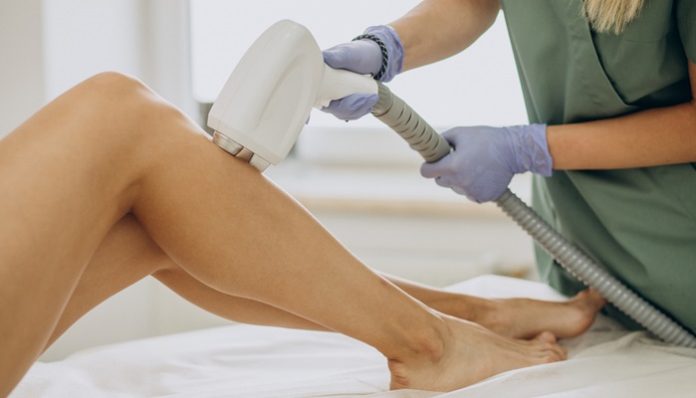
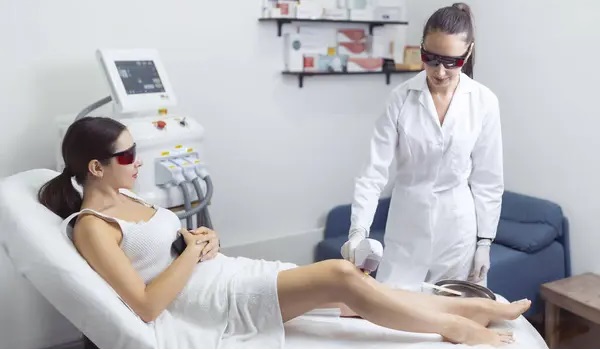
The rapid advancements in laser hair removal technology are opening new avenues for hospitals to enhance patient services. With improved precision, safety, and efficiency, these innovations are drawing attention for their aesthetic benefits and potential in clinical settings. Hospitals are now evaluating how these technologies can be incorporated into broader patient care practices.

While laser hair removal thrives in the cosmetic industry, healthcare institutions are exploring its utility, mindful of regulations and patient safety. As new laser systems offer faster, less invasive treatments, hospitals must stay informed about these evolving tools and their potential applications.

Read on and discover the potential of laser hair removal in hospital settings.

The Evolution of Laser Hair Removal Technology

Laser hair removal technology has made substantial leaps, moving from its early days of limited functionality to advanced systems that cater to a wider range of skin tones and hair types. Early devices were less efficient and often caused discomfort, but modern innovations have introduced improved cooling systems and customizable settings, enhancing the overall patient experience and helping to boost confidence and looks for those seeking hair reduction.

Hospitals are now exploring these advancements as part of broader patient care strategies. For example, diode lasers have been praised for their reliability and higher efficiency, especially in clinical environments that require consistency and reduced energy consumption. These lasers also offer more durable components, resulting in fewer maintenance needs, which is crucial for hospitals looking to streamline operations.

The introduction of dual-wavelength systems has been another key milestone in the evolution of laser hair removal technology. These devices combine different laser types in one system to treat a broader spectrum of skin tones and hair types more effectively. The dual-wavelength approach lets practitioners switch wavelengths within a single session.

Efficiency improvements are particularly noteworthy for medical institutions. With potentially quicker treatment times and a painless yet highly effective system, hospitals may reduce the need for repeat sessions, maximizing throughput and patient satisfaction while adhering to safety protocols and regulatory standards.

Advances in Safety and Patient Comfort

Recent innovations in laser hair removal technology are designed with an increased focus on patient comfort, incorporating features aimed at minimizing discomfort during treatment.

Many modern devices now include advanced cooling systems like contact cooling and cryogen spray, which work to lower skin temperature during procedures. These features are particularly beneficial for hospitals exploring aesthetic services, providing a more comfortable experience for patients.

Motion-sensing technology can also be seen in some devices, which helps ensure that the laser only activates when in direct contact with the skin. This feature enhances safety by reducing the likelihood of accidental exposure, protecting both patients and medical staff. It improves the treatment’s overall effectiveness by enhancing precision in targeting hair follicles.

Additionally, some newer devices come equipped with technology that allows for real-time adjustments based on the skin’s response to treatment. This aims to create a more precise and customized experience, especially for patients with varying skin tones and hair types. Such advancements are seen as a step forward in making treatments more inclusive and reducing common concerns related to skin irritation.

Efficiency and Speed Improvements for Large-Scale Applications

Recent developments in laser hair removal technology have prioritized increasing speed and efficiency. Many devices now feature large spot sizes and faster pulse rates, which allow treatments to be completed in shorter periods. This is particularly relevant for hospital environments where there is interest in incorporating aesthetic services with minimal disruption to patient scheduling.

The consistency of device performance is another area of interest, with improvements aimed at maintaining steady energy output during procedures. These advancements are designed to handle higher volumes of treatments, which could be beneficial for hospitals offering laser hair removal as part of their service range.

Automation and AI-based technologies are also being explored for their potential to streamline treatments. While still under development, these innovations are seen as a way to ensure consistent results and could become useful in larger medical practices, particularly when integrating non-invasive aesthetic treatments like laser hair removal.

User-friendly interfaces and automated settings further improve the workflow in large-scale applications. Many advanced devices now include pre-programmed treatment modes based on skin type and hair density, potentially reducing the need for manual adjustments by the operator. Hospitals looking to integrate laser hair removal can streamline their operations with this technology, minimizing the need for extensive training while maintaining a high standard of care.

Integrating Laser Hair Removal Technology into Hospital Practices

As laser hair removal becomes a more refined and accessible technology, hospitals are starting to consider its incorporation into their service offerings. Although primarily an aesthetic procedure, it offers a potential revenue stream while broadening patient care options.

However, proper implementation requires careful planning, training, and adherence to regulations to ensure the treatment is safely and efficiently integrated into existing workflows.

Staff Training and Certification Requirements

While the procedure is widely regarded as safe for aesthetic use, operating laser equipment requires detailed knowledge of its functionality and safety protocols. Comprehensive training programs aimed at equipping staff with essential skills to perform these treatments must be a top priority for hospitals.

Beyond basic training, certification is essential. Various certification programs help ensure that medical professionals can operate laser devices within the scope of their practice. These certifications also help protect the institution from liability by verifying that the staff has met established standards for operating this technology.

Regulatory Compliance and Ethical Considerations

Hospitals planning to offer laser hair removal must navigate a range of regulations that govern the use of aesthetic procedures. These rules can vary by region, but they typically focus on ensuring that treatments are administered safely by qualified individuals. Hospitals need to be familiar with local and national guidelines before integrating this service into their practice.

Ethical considerations also come into play when introducing aesthetic treatments in a medical setting. It’s important to maintain a clear distinction between aesthetic and medical procedures to avoid blurring the lines. Since laser hair removal is generally used for cosmetic purposes, hospitals should ensure patients are well-informed about the nature of the treatment and its limitations.

Equipment Maintenance and Longevity

Proper maintenance of laser hair removal equipment is essential for ensuring consistent performance and patient safety. Hospitals must establish a routine maintenance schedule to keep devices functioning efficiently, minimizing downtime and the risk of equipment failure. Regular inspections, calibration, and part replacements are necessary to maintain the precision and effectiveness of the lasers, particularly in a high-use medical environment.

By adhering to strict maintenance protocols, hospitals can also extend the lifespan of their laser devices, making the initial investment more cost-effective over time. Well-maintained equipment reduces the likelihood of malfunction, which can disrupt services and lead to additional repair costs. Additionally, ensuring the machines are consistently operational helps to uphold the quality of patient care and maintain trust in the services offered.

Wrapping Up

Laser hair removal technology continues to evolve, presenting hospitals with an opportunity to expand their service offerings while staying at the forefront of non-invasive treatments. By adopting these innovations, hospitals can cater to the growing patient demand for advanced aesthetic care, provided they approach integration thoughtfully and responsibly.

As the landscape of laser technology advances, staying informed and adaptive will allow healthcare institutions to provide cutting-edge services that align with both patient expectations and industry standards.

Choosing the Right Medical Alert System for Seniors

A medical alert system is a personal alarm that can alert caregivers or emergency call centers if an elderly person hurts themselves. They can come in very handy and have saved countless lives. However, because of how popular they have become, there are many different companies offering them. Your main priority as somebody who’s shopping for a senior citizen should be finding the best medical alert system you can. This post explains some tips that you can use for choosing the right medical alert system, so you get a good deal for you and your loved one.

Wearable Accessories

You need to find a medical alert system that comes with wearable accessories. For example, the medical alert systems from LifeStation come with watches and keychains that have alarms built into them. These alarms can be used in the event that your loved one injures themselves and is too far away from their console to be able to press the alarm on it. Make sure that the accessories that come with the alert system you ultimately buy can be comfortably worn and aren’t going to get in the way. Make sure that the accessories given to your loved one are made of a high-quality material uncomfortable to wear. The chances are that your elderly loved one is not going to want to wear an uncomfortable watch or key chain.

Good Reviews

Good reviews are important. If you are shopping for a medical alert system, you need to find one that’s highly rated by other customers. A company’s reviews can tell you a lot about them and will give you insight into customer experience. Getting insight into customer experience is not something you can really do any other way. In addition to reviews, take a look at your chosen company’s star rating. A company’s star rating can be just as informative as its reviews since it will give you an idea of what to expect from doing business with a company. The best place to turn to for reviews is Google Review. A company’s reviews on Google are always going to be genuine. The reviews posted on the business’s actual website will more often than not be biased.

Responsive Call Centre

You need to find a medical alert company that has a responsive call center. Ultimately, your loved one is in the hands of the company whose device you pay for. If they are not responsive, your loved one could be in danger. Make sure that in addition to a responsive call center, you find a company that has an on-call 24/7 monitoring service. If you are interested in learning about what a specific medical alert company has to offer, the best thing that you can do is get in touch with them. By reaching out to them directly, you will get your queries and concerns addressed effectively. To learn about the quality of a call center, read reviews, too.

Choosing the right medical alert system for senior citizens can be tricky if you have never looked into it before. Hopefully, the guidance given here will give you an idea of how to approach the situation and get the best alert system you can.

Assisted Living 101: How to Choose the Right Facility and Care for Your Family

Navigating the world of assisted living can feel overwhelming, especially when it comes to finding the right facility that meets the needs and preferences of your loved ones. As families seek to ensure a comfortable and supportive environment for seniors, understanding the various aspects of assisted living is crucial. This guide aims to provide valuable insights into the factors to consider, important questions to ask, and resources to help you make an informed decision. By understanding the key elements of assisted living, you can ensure that your family member receives the highest quality of care in a nurturing setting.

Key Factors to Consider When Choosing a Facility

When selecting an assisted living facility, it’s essential to evaluate several key factors to ensure that it align with the needs of your loved one. Firstly, consider the location; a facility close to family and friends can foster strong support networks and frequent visits. Next, assess the statistics, for example, about 80% of assisted living residents are women, which may influence the type of programming and activities available. Additionally, it’s crucial to find out about the facility’s credentials and licensing to ensure they meet state regulations. This may include checking for accreditation from organizations such as the Commission on Accreditation of Rehabilitation Facilities (CARF) or The Joint Commission.

Questions to Ask During Your Visit

When visiting an assisted living facility, asking the right questions can provide invaluable insights into the quality of care and lifestyle offered. Start by inquiring about the staff-to-resident ratio, as this can significantly impact the level of attention and support your loved one will receive. It’s also important to ask about staff training and turnover rates, which can be indicators of the facility’s commitment to quality care.

Additionally, explore the types of services and activities available. Questions about daily routines, meal options, and recreational programs can help you understand how the facility promotes well-being and engagement among residents. Don’t hesitate to ask about safety measures, including emergency protocols and medication management systems, to ensure that your family member’s health and safety are prioritized. Finally, talk to current residents and their families to gather first-hand experiences and impressions about living in the facility.

Evaluating the Quality of Care and Services

Assessing the quality of care and services in an assisted living facility is vital to ensure that your loved one receives the support they need. Begin by observing the interactions between staff and residents during your visit; positive, respectful communication can indicate a caring environment. Additionally, review the facility’s care plans and assess how they are tailored to individual needs, as personalized care is often a sign of quality service.

Consider the range of medical services offered on-site, such as nursing care, physical therapy, or access to specialists, as well as how these services integrate into daily living. Quality facilities should also engage residents in regular health assessments to monitor changes in their condition. Take note of the hygiene and overall maintenance of the facility, since a clean and well-maintained environment is crucial for the health and well-being of residents. Trust your instincts; if something feels off during your evaluation, be sure to explore other options. A thorough assessment in these areas will help ensure the facility you choose prioritizes the health, safety, and dignity of its residents.

Understanding Costs and Financial Options 

Navigating the financial aspects of assisted living is a crucial part of the decision-making process. The costs associated with assisted living facilities can vary significantly based on location, services offered, and the level of care required. It’s essential to have a clear understanding of the pricing structure, which may include monthly fees, one-time admission fees, and additional costs for specialized services or amenities. During your facility visits, ask for a detailed breakdown of these costs to avoid unexpected fees.

In addition to understanding the costs, it’s important to explore the financial options available to support your loved one’s care. Many families turn to personal savings, long-term care insurance, and benefits from government programs such as Medicaid or Veteran Affairs for assistance. Some facilities may offer financing plans or payment assistance programs, so inquire about these options to find the best fit for your budget.

The Importance of Location and Environment

The location and environment of an assisted living facility play a critical role in the overall well-being of residents. A well-situated facility can provide easy access to essential services such as medical care, shopping, and recreational activities, enhancing the quality of life for seniors. Additionally, proximity to family and friends fosters connections that are vital for emotional support and social interaction.

The physical environment of the facility itself should be carefully considered. Look for a space that is not only safe and secure but also inviting and homely. Features such as outdoor gardens, walking paths, and communal areas promote a sense of community and encourage resident engagement. A facility with a vibrant atmosphere — filled with natural light, engaging decor, and active programming — can significantly contribute to a positive living experience for your loved one.

Choosing the right assisted living facility for a loved one is a significant and often challenging decision. It requires careful consideration of numerous factors, including location, quality of care, and financial options. By asking the right questions and thoroughly evaluating each facility, families can find a supportive environment that meets their needs and enhances their loved one’s quality of life. Remember that this process is not just about selecting a place to live; it is about ensuring a nurturing and engaging community that promotes dignity, independence, and well-being. With the right information and resources, you can make a confident choice that will provide peace of mind for both you and your family members.

The Importance of Properly Caring for Your Skin

In today’s fast-paced world, maintaining a healthy glow isn’t just about vanity. Proper skin care is essential for overall well-being, instilling confidence, and promoting health. This blog post will guide you through the importance of caring for your skin and offer practical tips to keep your complexion radiant and healthy.

The Basics of Skin Care

Our skin acts as a barrier against harmful elements, protecting our internal organs and regulating body temperature. Neglecting skin care can lead to a myriad of issues, from dryness and irritation to more serious conditions like infections or skin cancer. Knowing whether your skin is oily, dry, combination, or sensitive is the first step in crafting an effective skincare routine. Each skin type has unique needs and requires different products to maintain balance and health. A consistent daily routine can work wonders. Start with cleansing to remove dirt and impurities, followed by toning to balance the skin’s pH. Moisturizing is crucial for hydration, and sunscreen protects against harmful UV rays.

Essential Skin Care Products

A good cleanser removes makeup, dirt, and excess oil without stripping the skin of its natural moisture. Choose one that suits your skin type for the best results. Toners help to tighten pores, refresh the skin, and prepare it for moisturizers. Look for alcohol-free options to avoid dryness. Hydration is key to healthy skin. A suitable moisturizer will keep your skin soft, supple, and hydrated throughout the day.

The Role of Sunscreen

Sunscreen protects your skin from UV radiation, which can lead to premature aging and increase the risk of skin cancer. It’s vital to use sunscreen daily, even on cloudy days. An SPF of at least 30 is recommended for daily use. Ensure your sunscreen offers broad-spectrum protection against both UVA and UVB rays. For continuous protection, reapply sunscreen every two hours, especially if you’re outdoors or sweating.

Advanced Skin Care Tips

Exfoliating once or twice a week helps remove dead skin cells, promoting cell turnover and a brighter complexion. Be gentle to avoid irritation. Incorporating facial treatments like masks and serums into your routine can address specific skin concerns such as acne, hyperpigmentation, and fine lines. These treatments provide targeted care and enhance your overall regimen. Drinking plenty of water and maintaining a balanced diet rich in vitamins and antioxidants supports healthy skin from the inside out. Hydration helps in maintaining elasticity and a youthful appearance.

Skin Care for Different Seasons

Cold weather can dry out your skin. Use richer, cream-based moisturizers, and don’t forget to apply sunscreen to protect against winter sun. Heat and humidity can increase oil production. Opt for lightweight, non-comedogenic products and ensure regular reapplication of sunscreen. Adjust your skincare routine as the seasons change. Gradually switch products to accommodate your skin’s shifting needs.

Skin Care Myths Debunked

Myth 1: Oily Skin Doesn’t Need Moisturizer

This is a common misconception. Even oily skin requires hydration to maintain balance. Look for oil-free, lightweight moisturizers.

Myth 2: Sunscreen is Only for Sunny Days

UV rays penetrate clouds, so sunscreen is necessary every day to prevent damage.

Myth 3: Expensive Products Are Always Better

The effectiveness of a product depends on its ingredients and how well it suits your skin type, not its price tag.

Skin Care for Men

Men’s skin is typically thicker and oilier. Tailor skincare routines to these specific needs, focusing on products that address these differences. Proper shaving techniques and aftercare are crucial to prevent irritation and ingrown hairs. Use a hydrating shave gel and soothing aftershave.  Men often prefer straightforward routines. A basic three-step process of cleansing, moisturizing, and applying sunscreen can be highly effective.

Natural and DIY Skin Care

Natural skin care products are often preferred for their minimal chemical content, making them gentler and less likely to irritate the skin. Ingredients such as aloe vera, known for its soothing properties, can help calm irritated skin and provide hydration. Honey is another powerhouse, with its antibacterial qualities making it ideal for acne-prone skin, while coconut oil is celebrated for its deep moisturizing abilities and antioxidant properties. By choosing natural ingredients, users can also feel good about avoiding synthetic additives, encouraging healthier skin without harmful side effects.

Creating your own skincare products can be both an enjoyable and rewarding experience. Simple recipes using common kitchen ingredients can provide effective results while allowing you to control what goes onto your skin. For instance, a basic sugar scrub made from brown sugar and olive oil can exfoliate and hydrate, while a soothing face mask can be concocted from mashed avocado mixed with honey. These DIY options not only save money but also enable you to tailor the products to your specific skin needs and preferences.

Proper skin care is more than just a beauty regimen; it’s an essential part of maintaining overall health and well-being. By understanding your skin type, choosing the right products, and following a consistent routine, you can achieve a radiant, healthy complexion.

How Medical Alert Devices are Empowering Canadian Seniors to Live Independently

As Canada’s senior population grows, the need for solutions that allow older adults to maintain their independence while ensuring their safety has become increasingly important. Many seniors want to continue living in their homes, surrounded by familiar environments and memories. However, the risk of falls, health emergencies, and mobility challenges can create obstacles for those who wish to live independently. Fortunately, Canadian medical alert systems are offering seniors the confidence to live independently while staying safe. These devices have become essential tools, allowing seniors to maintain autonomy while having access to emergency help at any time.

In this article, we will explore how medical alert devices are providing Canadian seniors with the support they need to live on their own terms. From advanced features to the emotional benefits of using these systems, we’ll dive into why medical alert devices have become so valuable.

The Growing Desire for Independence Among Canadian Seniors

Aging brings new challenges, but one thing that remains constant for many seniors is the desire to stay in their homes as they age. More than 90% of Canadian seniors have expressed a preference for aging in place rather than moving to assisted living or care facilities. This desire is often driven by emotional and psychological factors, including the comfort of being in familiar surroundings and maintaining a sense of control over one’s life.

Yet, with age comes a greater risk of falls, sudden medical emergencies, or other health issues that can make independent living difficult. This is where medical alert devices come into play, offering a solution that balances safety with independence. These devices provide seniors with an easy way to reach help in an emergency, ensuring that living alone doesn’t have to mean living at risk.

What Are Medical Alert Systems?

Medical alert systems are wearable devices, typically in the form of pendants or wristbands, that allow seniors to connect with emergency support. At the press of a button, the device links to a 24/7 monitoring service, where trained operators assess the situation and send the appropriate help, whether it be a family member, neighbor, or emergency services.

These systems come in a range of options, from basic home-based devices to more advanced systems with features like fall detection and GPS tracking. This variety ensures that seniors can choose the device that best fits their lifestyle and needs.

Key Features of Medical Alert Devices

The wide range of features available in modern medical alert devices makes them incredibly useful tools for seniors seeking to live independently. Let’s take a look at some of the most important features that these devices offer:

1. 24/7 Monitoring

Medical alert devices offer around-the-clock access to emergency assistance. No matter the time of day, seniors can trust that help is just a button press away. This continuous monitoring provides peace of mind for both seniors and their families.

2. Fall Detection

Falls are a leading cause of injury among older adults. Medical alert devices equipped with fall detection technology can automatically detect when a senior has fallen and send an alert, even if the individual is unable to press the button.

3. GPS Tracking

GPS-enabled devices are ideal for seniors who lead active lifestyles or for those who may be prone to wandering due to memory-related conditions. These devices allow caregivers to track the senior’s location in real time, ensuring their safety even when they are outside the home.

4. Two-Way Communication

Many medical alert devices feature two-way communication, allowing seniors to speak directly with emergency operators through the device. This ensures that any instructions or reassurance can be provided immediately.

5. Waterproof Designs

Many medical emergencies occur in the bathroom or shower, where falls are more likely to happen. Medical alert devices with waterproof designs provide protection even in these high-risk areas, ensuring that seniors are safe at all times.

Psychological and Emotional Benefits of Medical Alert Devices

While the physical safety benefits of medical alert devices are well known, the psychological and emotional impact is just as significant. Seniors who use these systems often report feeling a greater sense of confidence and security, knowing that help is always within reach. This sense of safety encourages seniors to continue living independently, rather than feeling forced to move to a care facility due to concerns about their health.

This increased confidence extends to the senior’s family as well. Adult children and other family members often worry about their elderly loved ones living alone. Equipping seniors with a medical alert system helps ease these concerns, as family members know that their loved ones can quickly access help in case of an emergency.

Enhancing Safety While Maintaining Independence

Medical alert systems don’t just keep seniors safe—they help maintain a lifestyle of independence. Seniors who have these devices can confidently carry on with their daily routines, whether that involves gardening, cooking, or even going out for walks. The knowledge that assistance is always available can make a world of difference in maintaining their independence.

These devices are also beneficial for seniors with chronic health conditions, such as heart disease or diabetes. Medical alert systems give these individuals the freedom to manage their health while living independently, without the constant fear of what might happen if they experience a medical emergency when no one is around.

A Practical Investment in Senior Safety

When compared to the cost of assisted living or hiring in-home caregivers, medical alert devices are a relatively affordable investment. While there is usually an upfront cost for the device itself, most systems offer monthly subscription plans that cover monitoring services, making them accessible to a wide range of seniors.

Some insurance providers and provincial health plans may even cover part of the cost of a medical alert device, depending on the individual’s needs. This affordability means that seniors can continue to live independently without having to worry about a significant financial burden.

Factors to Consider When Choosing a Medical Alert Device

With so many medical alert devices available in Canada, it can be overwhelming to choose the right one. However, understanding your specific needs can help make the decision easier. Here are a few things to consider:

  1. Level of Activity: If a senior is active and spends a lot of time outside the home, a device with GPS tracking might be the best option. Those who stay home more often may only need a home-based system.
  2. Health Needs: Seniors with chronic conditions or memory impairments may benefit from devices with additional features like fall detection or location tracking.
  3. Budget: It’s important to find a device that fits both the senior’s needs and financial situation. Comparing plans and speaking with a healthcare professional can help make an informed choice.

Seniors should also take into account their comfort with technology. Some systems may be more user-friendly than others, so it’s important to choose a device that is easy to use and understand.

Conclusion

Medical alert devices are providing Canadian seniors with the confidence to live independently while remaining safe in their homes. These systems offer essential features such as 24/7 monitoring, fall detection, and GPS tracking, all of which allow seniors to maintain their autonomy without compromising their safety. By choosing the right system for their needs, seniors can continue living their lives with the reassurance that help is always just a button press away. Whether you’re considering a medical alert device for yourself or a loved one, it’s clear that these systems are a powerful tool for maintaining both independence and peace of mind.

Top Exercise Bikes for Cardio at Home: A Comprehensive Guide

Maintaining fitness from the comfort of your home has become increasingly important. Among the various workout equipment available, an exercise bike stands out as a convenient and effective choice for cardio workouts. Whether you’re a beginner or a seasoned fitness enthusiast, finding the right exercise bike can make all the difference in achieving your fitness goals. In this guide, we’ll explore the top exercise bikes for cardio at home, considering factors like functionality, comfort, and price.

Why Choose an Exercise Bike for Cardio?

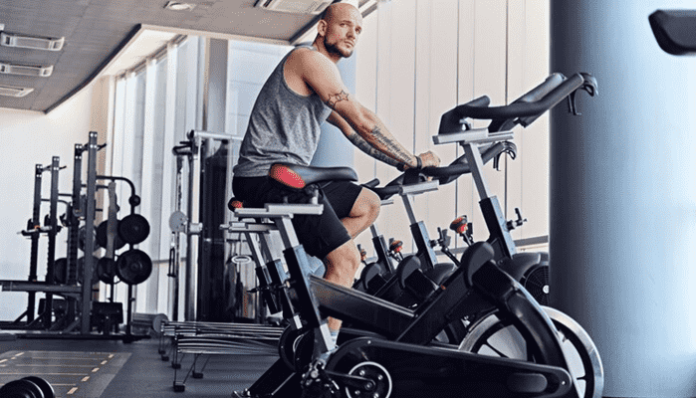
Exercise bikes have long been a staple in home gyms due to their versatility and ease of use. Unlike outdoor biking, an exercise bike allows you to enjoy a cycling workout regardless of the weather. They provide an excellent cardiovascular workout, which is crucial for burning calories, improving heart health, and boosting overall endurance.

Moreover, exercise bikes are gentler on the joints compared to running or other high-impact cardio exercises. This makes them a great option for individuals with joint issues or those recovering from injuries. With adjustable resistance levels, exercise bikes cater to different fitness levels, allowing you to progress as your stamina improves.

Types of Exercise Bikes

Before diving into our top picks, it’s essential to understand the different types of exercise bikes available:

1. Upright Bikes: 

These are the most common type of exercise bikes, resembling traditional outdoor bikes. They offer a good balance of comfort and workout intensity.

2. Recumbent Bikes:

These bikes have a larger seat and a reclined position, providing better back support. They are ideal for people with lower back issues or those seeking a more relaxed workout.

3. Indoor Cycling Bikes:

Also known as spin bikes, these are designed for intense workouts. They closely mimic the experience of outdoor cycling and are favored by serious cyclists.

4. Dual-Action Bikes:

These bikes combine the benefits of an upright bike with movable handlebars, allowing for a full-body workout.

Top Exercise Bikes for Cardio at Home

Now that we’ve covered the basics, let’s dive into the top exercise bikes that can help you get the most out of your cardio workouts at home.

1. Peloton Bike

Best For: Interactive Classes and Community Support

The Peloton Bike has become synonymous with home fitness, offering an immersive cycling experience. Its standout feature is the access to live and on-demand classes led by top instructors. The bike itself is robust, with a smooth and quiet ride, adjustable resistance, and a large touchscreen display. The Peloton community is also a big plus, providing motivation and support through virtual group rides and challenges.

Pros:

  • Access to extensive workout classes
  • High-quality build and design
  • Engaging and interactive community

Cons:

  • Requires a subscription for classes
  • On the expensive side

2. Schwinn IC4 Indoor Cycling Bike

Best For: Budget-Friendly High-Intensity Workouts

For those looking for a more affordable option, the Schwinn IC4 is an excellent choice. This bike offers a smooth and quiet ride, similar to more expensive models, and includes a variety of resistance levels to challenge users of all fitness levels. It also has Bluetooth connectivity, allowing you to sync with popular fitness apps like Peloton and Zwift.

Pros:

  • Affordable price point
  • Smooth and quiet ride

Cons:

  • Basic display screen
  • Lacks built-in workout programs

3. NordicTrack Commercial S22i Studio Cycle

Best For: Incline and Decline Training

The NordicTrack S22i stands out with its unique incline and decline feature, simulating real-world terrain and adding variety to your workouts. It comes with a 22-inch rotating HD touchscreen, allowing you to follow along with global workouts and studio classes. The bike’s robust build and smooth ride make it a top contender for anyone serious about their cardio training.

Pros:

  • Incline and decline capabilities
  • Large, rotating touchscreen
  • Access to iFit workout programs

Cons:

  • Expensive
  • iFit subscription required for full features

4. Sole SB700 Exercise Bike

Best For: Durability and Long-Term Use

If you’re looking for a bike that will stand the test of time, the Sole SB700 is a solid investment. It’s built with high-quality materials, including a heavy-duty frame that can support intense workouts. The bike is also equipped with a comfortable seat and adjustable handlebars, ensuring a tailored fit for users of different heights.

Pros:

  • Durable construction
  • Comfortable and adjustable design
  • Lifetime warranty on frame

Cons:

  • Lacks advanced features like a touchscreen
  • Manual resistance adjustment

5. Marcy ME-709 Recumbent Exercise Bike

Best For: Low-Impact Cardio Workouts

For those who prefer a low-impact workout, especially seniors or individuals with mobility issues, the Marcy ME-709 is an excellent choice. This recumbent bike offers a comfortable seat and backrest, making it easier on the joints. Despite its simple design, it provides eight resistance levels and an easy-to-read display for tracking your progress.

Pros:

  • Affordable and user-friendly
  • Comfortable seating position
  • Low-impact workout suitable for all ages

Cons:

  • Limited resistance levels
  • Basic display features

How to Choose the Right Exercise Bike for You

Selecting the right exercise bike depends on several factors:

  • Fitness Goals: Are you aiming for high-intensity interval training (HIIT), endurance rides, or low-impact workouts? Different bikes cater to different needs.
  • Space: Consider the amount of space you have at home. Some bikes, like recumbent models, require more floor space, while others, like upright bikes, are more compact.
  • Budget: Exercise bikes come in a wide range of prices. Determine your budget beforehand and look for a bike that offers the best value within that range.
  • Features: Decide which features are most important to you. Do you want built-in workout programs, Bluetooth connectivity, or an interactive display? Prioritize your must-haves.

Maintenance Tips for Your Exercise Bike

To ensure your exercise bike remains in good working condition, regular maintenance is essential. Here are a few tips:

  • Clean Regularly: Wipe down your bike after each use to prevent sweat from causing corrosion.
  • Check Bolts and Screws: Periodically check and tighten any loose bolts or screws to ensure the bike remains stable during use.
  • Lubricate Moving Parts: Apply lubricant to the chain or belt if your bike starts to feel stiff.
  • Monitor Wear and Tear: Keep an eye on components like the pedals, seat, and resistance mechanisms, replacing them as needed to maintain the bike’s performance.

Conclusion

An exercise bike is a versatile and effective piece of equipment for maintaining cardiovascular health from the comfort of your home. Whether you’re looking for an intense workout or a gentle ride, there’s a bike out there to meet your needs. By considering factors such as your fitness goals, space, and budget, you can find the perfect exercise bike to help you stay active and healthy. Remember to maintain your bike regularly to ensure it stays in top condition, providing you with many years of reliable workouts.

With the right exercise bike, achieving your fitness goals has never been more convenient or enjoyable.

Effective Tips for Jumpstarting Your Weight Loss Journey

Embarking on a weight loss journey can often feel overwhelming, but you have the power to make it both manageable and enjoyable. By understanding your motivations and setting realistic goals, you can create a pathway that leads to lasting change. This blog post will explore practical tips and strategies designed to kickstart your weight loss efforts, empowering you to take control of your health and transform your lifestyle for the better.

Seek Professional Support

Professional support is crucial when starting a weight loss journey as it provides expert guidance tailored to your individual needs. Nutritionists and dietitians can help create personalized meal plans, ensuring you receive essential nutrients while effectively managing calorie intake. Additionally, personal trainers offer customized workout regimens, helping you develop safe and effective exercise habits. Doctors can also suggest weight loss medication that enhances the process by suppressing your appetite or reducing the absorption of calories. Emotional support from mental health professionals can also be invaluable, as they assist in overcoming psychological barriers that may hinder progress.

To find the right support, consider seeking referrals from friends or healthcare providers, researching credentials and experience, and reading reviews from previous clients. Many professionals offer initial consultations, which can help you determine whether their approach aligns with your goals and preferences, ultimately setting you up for success on your weight loss journey.

Set Clear Goals

Establishing clear goals is essential for a successful and healthy weight loss journey as they provide direction, motivation, and accountability. Specific targets enable you to measure progress, making it easier to stay focused and committed. To set effective goals, use the SMART criteria — Specific, Measurable, Achievable, Relevant, and Time-bound. For instance, instead of saying, “I want to lose weight,” you could define a goal like, “I aim to lose 10 pounds in three months by exercising three times a week and following a balanced meal plan.”

This clarity not only makes your objectives more attainable but also keeps you motivated as you celebrate each milestone achieved along the way. Regularly reviewing and adjusting your goals can further enhance your determination and adapt to any challenges encountered, ensuring sustained progress in your weight loss journey.

Create a Physical Activity Plan

Proper exercise is key to weight loss as it burns calories and boosts metabolism, helping you achieve a calorie deficit necessary for losing weight. When starting your journey, begin slowly and gradually increase intensity and duration over time to avoid injury and burnout. Here are some exercises you must include:

  • Running or jogging
  • Swimming
  • Cycling
  • Strength training
  • High-intensity interval training
  • Walking
  • Rowing
  • Jump rope
  • Dancing
  • Yoga
  • Kickboxing
  • Hiking

Physical activity directly contributes to burning calories and creating a calorie deficit, which is necessary for weight loss. Regular exercise enhances metabolic rate, allowing the body to efficiently process and utilize energy. Further, engaging in physical activity helps build lean muscle mass, which can further increase metabolism even at rest.

Beyond the physical benefits, exercise also boosts mood and reduces stress, making it easier to stay committed to dietary and lifestyle changes. Overall, incorporating physical activity forms a crucial foundation for achieving and maintaining weight loss goals.

Plan Your Diet

A proper diet impacts caloric intake and nutritional balance. Consuming a variety of nutrient-dense foods helps ensure that your body receives essential vitamins and minerals while promoting a feeling of fullness, which can curb unhealthy snacking. When planning your diet, focus on incorporating whole foods like fruits, vegetables, whole grains, lean proteins, and healthy fats.

Meal prepping can be an effective strategy; it allows you to control portions and make healthier choices in advance. Aim to create a balanced meal plan that includes a variety of food groups, ensuring you’re not only reducing calories but also nourishing your body. Staying hydrated and monitoring your portion sizes further enhances your dietary efforts, fostering a sustainable approach to weight loss.

Stay Hydrated

Hydration plays can influence metabolism, appetite, and overall health. Drinking adequate water helps to optimize bodily functions, aids digestion, and can even prevent overeating by promoting a sense of fullness. Sometimes, our bodies confuse thirst with hunger, leading to unnecessary calorie consumption. To ensure proper hydration, aim to drink at least eight 8-ounce glasses of water daily, adjusting this based on activity level and climate conditions.

Carrying a reusable water bottle can serve as a reminder to drink throughout the day, while incorporating water-rich foods, like fruits and vegetables, can further enhance hydration. Moreover, consider setting specific times to drink water, such as before meals and during workouts, to create a consistent hydration habit that supports your weight loss goals.

Get Enough Sleep

Adequate sleep influences hormones related to hunger and appetite. When well-rested, levels of leptin, which signals satiety, increase, while ghrelin, the hunger hormone, decreases, helping to regulate food intake. Sleep deprivation, on the other hand, can lead to increased cravings and overeating, making weight loss more challenging.

To create a sleep routine, aim for 7-9 hours of quality sleep per night. Establish a consistent bedtime, limit screen exposure before sleep, and create a calming pre-sleep environment by dimming lights and engaging in relaxing activities such as reading or gentle stretching. Additionally, avoid heavy meals or caffeine close to bedtime to promote better sleep quality, thereby supporting your weight loss efforts.

Track Your Progress

Tracking your progress helps maintain motivation, identify patterns, and celebrate achievements. Regularly monitoring changes in weight, body measurements, and fitness levels provides tangible evidence of your efforts, reinforcing your commitment to your goals. Additionally, tracking food intake and exercise can unveil areas for improvement, enabling you to make informed adjustments to your plan for better results.

To effectively track your progress, consider using a dedicated journal or mobile app designed for food logging and exercise tracking. Note down your daily caloric intake, workouts, and how you feel both physically and mentally. Set regular check-in points, such as weekly weigh-ins or monthly measurements, to assess your progress and refine your strategy as needed. This systematic approach ensures accountability and keeps you focused on your weight loss objectives.

In conclusion, remember that embarking on your weight loss journey is a personal and transformative experience. Embrace the small victories, stay committed to your goals, and be gentle with yourself during setbacks. By following these effective strategies and maintaining a positive mindset, you can create lasting changes that enhance your overall well-being. Celebrate your progress and continue moving forward with confidence, knowing that every step brings you closer to your health aspirations.

Translate »