Close
Digital Health & Ai Innovation summit 2026
LiGHT26

How Many Years of Schooling Does a Plastic Surgeon Need?

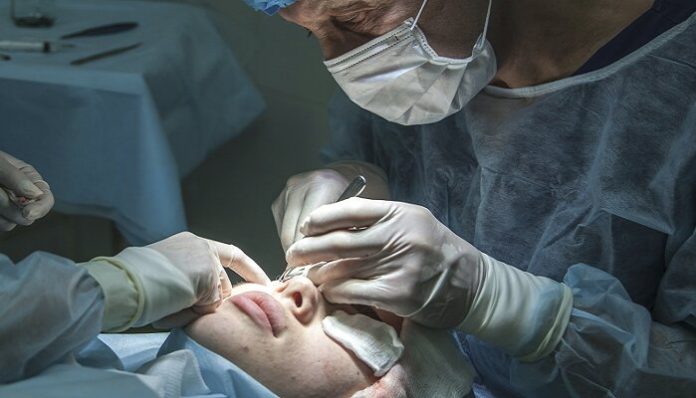
Some students wish to be a plastic surgeon because one is in a position to change the appearance of people for the better and increase self-esteem, among others. But how many months or years does becoming a “plastic surgeon” take? It took years of work, education, and hard training. Let’s take it up and bring you nearer to achieving your dream of becoming a qualified ‘plastic surgeon.’

1. Undergraduate Education (4 Years)

The initial step on the route to becoming a facial plastic surgeon is the attainment of a bachelor’s degree; this typically takes four years. Specialistsarein pre-med, biology, chemistry, or related fields. During this time, students focus on foundational science courses and often begin gaining experience through internships or volunteer work in medical settings.

2. Medical School (4 Years)

After an undergraduate degree, it takes another four years of medical school. Students study topics like anatomy, physiology, pharmacology, and medical ethics. In medical school, the first two years are usually spent inclassrooms.The last two years comprise clinical rotations, in which they get the opportunity to work within different medical specialties, like surgery, to have ample practical experience.

3. General Surgery Residency: (3-5 years)

After completing the medical learning program in medical learning institutes, plastic surgery students undergo a general surgery residency. This takes approximately three to five years, depending on any residency program. The residents spent many hours in hospitals, mainly learning the surgery techniques through the professional surgeons’ observations. The surgery procedures are acquired through intensive learning done in a short period. The intensive training years can provide exposure to various procedures, preparing them for advancedย work for surgeonsย in specialized fields.

4. Plastic Surgery Residency (2-3 Years)

It is then followed by a 2-3 years specialized plastic surgery residency, which can be done concurrently with or after the general surgery residency. At this stage, the physician has been allowedto study for and train in plastic and reconstructive surgery to become proficient in facial aesthetic and reconstructive surgery, body contouring, and cosmetic procedures.Othercritical studies are the means to deal with the special problems associated with cosmetic patients who hope to gain aesthetic changes.

5. Fellowship (1-2 Years)

This extra one to two years of fellowship will further sub-specialize the surgeon into a particular field of plastic surgery, such as pediatric plastic surgery, hand surgery, or craniofacial surgery. Further,it can expose a surgeon to the latest developments in a given subfield, making one an expert in the chosen area and helping the patients with specialized care.

Becoming a plastic surgeon requires a plastic surgeon to pass through 14-18 years of studies from the starting point. It involves four years of undergraduate pre-medical education, four years of medical school education, another three to five years of general surgery residency, two to three years of plastic surgery residency, and then, if one wants additional fellowship training of one to two more years. It’s a hard, long road, but the return for those in love with the field will be an entire career that puts artistic expression alongside life-changing medical expertise. If you are considering doing so, be prepared to run a marathon in learning; when you cross that finish line, it’s all worth it.

Midi Health and Mount Sinai Health System Collaborate to Expand Access to Expert Menopause Care for Women Across New York City Area

Midi Health, the leading virtual care clinic offering expert care for perimenopause and menopause announced today an exclusive collaboration with New Yorkโ€™s internationally acclaimed Mount Sinai Health Systemย to provide specialized care and personalized treatment plans based on protocols developed by experts in womenโ€™s midlife health.

While hormonal changes through the menopause transition can cause life-altering symptoms for millions of American women, less than one in four of those who seek care get the advice and treatment they need. Midi aims to help close that gap to better support women in the greater New York metro area by teaming up with Mount Sinai to enhance its world-class care for women experiencing perimenopause and menopause symptoms.ย Midi’s virtual clinicย will support patientsโ€™ continued connection to the expertise and care of their Mount Sinai-affiliated practices and employee health centers, either directly or via their benefits programs at work.

Encompassing the Icahn School of Medicine at Mount Sinai and eight hospital campuses in the New York metropolitan area, Mount Sinai is globally recognized for its excellence in research, patient care, and innovation across a range of specialtiesโ€”including focused attention on womenโ€™s health. Dr. Charles Ascher-Walsh, MD, System Senior Vice Chair of Gynecology in the Raquel and Jaime Gilinski Department of Obstetrics, Gynecology and Reproductive Science at Mount Sinai, emphasizes that “providing specialized care tailored to the unique needs of a woman in midlife is crucial for helping them feel their best before, during, and after menopause.”

โ€œAll women deserve access to quality and holistic health care and Mount Sinai provides the full-spectrum of evidence-based care that is personalized and patient-centric. The collaboration with Midi grows that commitment to care for women at all ages and through her entire life-cycle. The number of related health conditions that arise during perimenopause and menopause requires multi-specialty, integrated care complemented with strong navigation services that meet the needs of women. We are honored to partner with Midi to support women in their health care journey as well as throughout their lives,โ€ said Lauren Lisher, Senior Vice President of Mount Sinai Solutions.

A unique element of this partnership is both Midi and Mount Sinaiโ€™s commitment to serving patients and their employers as well.ย Midi and Mount Sinai each have a robust direct-to-employer business, and will offer their collaborative services directly to consumers as well as via employer-sponsored offerings.

New patients can easily access care by going directly toย https://www.joinmidi.com/mountsinaiย or by getting a referral from their Mount Sinai physician.

โ€œWe are excited to work with Mount Sinai to address the unmet needs of millions of women who experience symptoms of perimenopause and menopause, with a program that gives them access to the care they deserve, at a crucial stage in their lives,โ€ said Midi Health CEO and co-founder Joanna Strober.

Midiโ€™s care is guided by nationally recognized physicians and researchers who oversee a network of trained nurse practitioners. The clinical team is led by Chief Medical Officer and co-founder Kathleen Jordan, MD, former Senior Vice President of Tia women’s health clinics; and Chief Clinical Officer Mindy Goldman, MD, who has practiced as an OB/GYN at University of California, San Francisco (UCSF) for three decades and served as the director of the UCSF Gynecology Center for Cancer Survivors and At-Risk Women.

How a New York Brain Injury Attorney Can Secure Compensation for Cognitive Impairments

Brain Injury is one of the gravest injuries one may suffer from. If not death which is the worst effect, one suffering from brain injury may face a major turn in their lives. While it is generally curable, brain injuries mostly have a long lasting effect which hinders one in doing usual and extraordinary activities. Due to the severity of the effects, it is imperative for a victim to obtain compensation that is sufficient to compensate for the injury and pain suffered. In doing so, the help of New York Brain Injury Attorney is essential.

Brain Injuries: Causes and Complications

Brain Injuries are commonly caused by auto accidents, or those accidents where bicycles, motorcycles, cars, trucks, and the like are involved. Additionally, brain injuries may also be caused by the following, to wit:

  • Slip and fall;
  • violence;ย 
  • Whiplash;
  • Falling objects; and
  • Other circumstances that cause brain injuries.

While brain injury symptoms vary depending on its severity, they may lead to the same complication if left untreated, or if untreatable. Example of complications are:

  • Paralyzation. Due to the brain injury, one may suffer paralyzation which may be permanent or temporary, if can be mended by physical therapy and other medication.
  • Coma. Most of the people who suffer severe brain injury fall into a coma or deep sleep.ย 
  • Amnesia. One who suffers brain injury may experience amnesia or their failure to recall experiences, events and other facts. Amnesia may be temporary or permanent.
  • Death.

Despite the severity and danger of brain injury, science continues to develop treatment, and medication to at least lessen its effects. Brain Injury, depending on the severity, can be cured or managed through medication, surgery, physical therapies, counseling, and rehabilitation.

How can a Personal Injury Lawyer help?

Suffering from brain injury is very stressful in itself. But remember, you do not have to deal with it alone. New York Brain Injury Attorneys are here to work while you recover. But how exactly does New York Brain Injury help?

Firstly, New York Brain Attorneys are equipped with competent knowledge to understand and navigate legal procedures in processing the claim for compensation.ย 

Secondly, obtaining evidence is as important as any other step in the process of claim. It is not merely documentation. It is the foundation to which a claim for compensation stands. New York Brain Attorneys may help in properly obtaining documentation necessary for the claim, such as police reports, medical bill, medical results, CCTV videos, affidavits of witnesses, and the like.

Thirdly, claim is not automatically granted, but it is fought for. Anent thereto, New York Brain Attorney, through their expertise and experience, can efficiently establish a meritorious claim, and present them strategically to the insurance provider, or before the court should negotiation is not possible.ย 

Lastly, New York Brain Attorneys represent the clients in negotiation and in court. To protect oneโ€™s right, it is imperative for one to engage competent New York Brain Attorney, who knows better the laws which protects the interest of his clients.

OMNI Personal Injury Lawyers, PC, A Firm you can count on

Suffering from brain injury is indeed life-changing as it drains not only emotionally but also financially. While a just and equitable compensation may not change what is done, it will, indubitably, alleviate the suffering of the victim and his family, especially those who depend upon the former. Verily, choosing whom to trust your case makes a significant interest. Therefore in choosing, go for the firm you can count on. OMNI Personal Injury Lawyers, P.C. is here for you. Contact us today!

The 4 Importance of a Comfortable Waiting Area for Your Dental Clinic

As a dental clinic owner, one of your top priorities is giving the best care to your patients. While having modern equipment and skilled staff is important, there’s another key aspect that often gets overlooked: a comfortable waiting area. Why is this important?

Picture yourself as a patient arriving at a clinic with a crowded, outdated, and unwelcoming waiting area. Would you feel relaxed? Probably not.

Creating a welcoming and relaxing space can make a big difference. In this blog post, we’ll look at the main reasons why a cozy waiting area is vital for your clinic’s success.

1. Ease Any Anxieties and Nervousness

A comfortable waiting area is a key part of any dental clinic. It helps ease patients’ anxieties and nerves. Many people feel nervous about going to the dentist.

Yet, a welcoming waiting area can make them feel more relaxed before their appointment. This reduces their stress and makes their experience better.

A calming waiting area also creates a positive first impression, building trust and confidence in your clinic. In the end, a cozy waiting area is crucial for a more positive and stress-free dental experience.

2. Improve the Impression of the Clinic

As patients wait for their appointments, they form their first impression of the clinic based on their surroundings. A comfortable and well-designed waiting area creates a positive and welcoming atmosphere. This makes patients feel at ease reducing any pre-appointment anxiety.

It also reflects the professionalism and attention to detail of the clinic, which can lead to increased patient satisfaction and loyalty. With the benefits of luxury dental office design, the waiting area can be transformed into a luxurious and inviting space, leaving a lasting positive impression on patients and setting the tone for their dental experience.

3. Increase the Perceived Value of the Services

A comfortable waiting area is crucial for any dental clinic. It not only gives patients a place to relax but also boosts the perceived value of the services offered. When patients enter a warm and inviting waiting area with cozy seating, soothing music, and pleasant decor, it makes a great first impression.

This helps build trust and confidence in the clinic’s services. A comfortable waiting area also eases anxieties and fears about dental treatment, enhancing patient experience. By investing in a welcoming waiting space, dental clinics can improve patient satisfaction and increase the perceived value of their services.

4. Improve the Efficiency of the Clinic

Having a comfortable waiting area in your dental clinic is crucial in improving the efficiency of the clinic. This is because a comfortable waiting area can help reduce patient anxiety and promote a sense of calmness, making them more likely to be cooperative and relaxed during their dental appointment.

Additionally, a well-designed waiting area can also help streamline the flow of appointments, reducing wait times and avoiding overcrowding. By keeping patients happy and comfortable, they will be more likely to return to your clinic and recommend it to others, leading to an increase in the efficiency and success of the clinic.

Discover Why a Comfortable Waiting Area Is Crucial for Your Dental Clinic

Having a comfortable waiting area for your dental clinic is crucial for creating a positive and soothing environment for your patients. It not only helps to reduce anxiety and stress but also enhances patient experience.

So, don’t wait any longer, provide your patients with the comfort they deserve and upgrade your waiting area today. Book your consultation now!

Looking for more tips and advice? You’re in the right place! Make sure to bookmark our page and come back to check out more interesting articles.

Understanding Impar Block: A Solution for Chronic Pelvic Pain

Chronic pelvic pain management, previously faced with complexity, now employs a novel procedure, the Impar Block. This solution targets the Impar ganglion, providing a new method for pain relief. Enhanced imaging techniques and patient positioning have made this minimally invasive treatment an attractive alternative to conventional therapies. The Impar Block could indeed redefine chronic pelvic pain management, offering a promising approach to this persistent issue.

Understanding Chronic Pelvic Pain

Chronic pelvic pain is a complex, often misdiagnosed condition, causing persistent discomfort in the lower abdomen. This pain is influenced by the intricate nature of the pelvic anatomy, which includes essential organs like the bladder, intestines, and reproductive organs.

Key triggers of chronic pelvic pain include infections, endometriosis, interstitial cystitis, and pelvic floor disorders. It may also indicate an underlying disease.

Lifestyle modifications, such as regular exercise, balanced diet, and stress management, can help manage symptoms. However, they may not be sufficient, and medical intervention could be necessary. This condition significantly affects the quality of life, making understanding its complexities crucial for effective treatment.

The Impar Block: An Overview

The Impar Block, a medical intervention for chronic pelvic pain, targets the Impar ganglion at the sacrococcygeal junction. Emerged in the 1990s in anesthesiology and pain management, it evolved with refinements for precision and better patient outcomes. Variations in patient positioning, fluoroscopic guidance introduction, and ultrasound use for precise needle placement mark its evolution. Despite its relative novelty, the Impar Block shows promise in clinical studies, especially as an effective coccyx pain treatment using Impar Block, and is used for conditions like coccydynia, pelvic and perineal cancer pain, interstitial cystitis, and postoperative pain management in pelvis or lower abdomen procedures.

Anatomy of the Ganglion Impar

The Ganglion Impar, located at the sacrococcygeal junction, is a solitary, retroperitoneal structure that serves as the paravertebral sympathetic chainโ€™s final ganglion. It plays a crucial role in conveying visceral, pelvic, and perineal pain. The Ganglion Impar, during development, evolves from paired ganglia into a singular structure, centralizing its influence on extensive pain pathways. Its neural pathways function as pain signal routes, receiving fibers from the sacral sympathetic chain and connecting with the pelvic plexus. It conveys pain from the perineal region, distal rectum, distal third of the vagina, and the posterior part of the scrotum or vulva. Its unique structure, evolution, and intricate neural pathways highlight its significance in chronic pelvic pain management. Targeted therapeutic interventions can disrupt pain signal transmission, providing relief for chronic pelvic discomfort.

The Procedure of Impar Block

Impar Block, a chronic pelvic pain intervention, applies local anesthetic to Ganglion Impar, disrupting pain signal transmission. Guided imaging modalities like fluoroscopy or ultrasound ensure precise anesthetic placement.

Misconceptions about Impar Block, such as excessive pain or severe side effects, exist. These are debunked with advancements minimizing patient discomfort. One such refinement is the trans-sacrococcygeal approach, a needle puncture through the sacrococcygeal ligament, boosting injection accuracy and reducing complications.

Further enhancements in Impar Block include ultrasound-guided methods, popular for their non-invasive, real-time imaging capability, enhancing precision and safety. This approach lowers risks like vascular puncture or nerve injury, increasing acceptance among patients and clinicians.

Impar Block Vs Other Treatments

Impar Block, a significant development in chronic pelvic pain management, presents a more targeted approach than other well-known treatments. Widely-used alternatives to Impar Block include:

  • Pharmacotherapy: Utilizes drugs such as NSAIDs, opioids, and antidepressants. Despite its widespread use, pharmacotherapyโ€™s effectiveness can be limited, and it may lead to dependency and gastrointestinal complications.
  • Physical Therapy: Aims to strengthen pelvic muscles and reduce pain. Effectiveness varies among patients and demands consistent commitment.
  • Psychotherapy: Manages the emotional facets of chronic pain through cognitive behavioral therapy and other psychological treatments. However, it doesnโ€™t directly tackle the physical pain.

Compared to these non-surgical treatments, Impar Block directly targets the painโ€™s root cause with a favorable safety profile and minimal side effects. This makes it a compelling choice for patients seeking relief from other less effective treatments.

Candidates for Impar Block Therapy

Impar Block Therapy is recommended for chronic pelvic pain patients unresponsive to conservative treatments. Ideal candidates exhibit severe, persistent pain from conditions such as coccydynia, perineal pain, visceral pain syndromes, malignancies causing pelvic pain, or post-surgical pain. The primary factor is the intensity and persistence of the pain that significantly reduces the patientโ€™s quality of life. Prior to therapy, potential risks and benefits are discussed, and only after thorough evaluation and consent is a patient considered suitable for Impar Block Therapy.

The Effectiveness of Impar Block

Impar Blockโ€™s effectiveness is evaluated via three factors: chronic pelvic pain relief, procedure intricacies, and safety profile. Its success hinges primarily on pain management efficacy. A comprehensive review of the procedure and safety provides an all-encompassing understanding of its overall effectiveness.

Impar Blockโ€™s Pain Relief

The Impar Block procedure provides significant relief for chronic pelvic pain, as verified by numerous clinical studies. It functions by blocking the ganglion of impar, a structure at the coccyx that transmits pelvic pain signals to the brain. Clinical studies indicate substantial pain reduction following this procedure. It surpasses many alternative therapies in terms of effectiveness. Misunderstanding of its operation often leads to its underutilization.

Procedure and Safety Profile

The Impar Block is a procedure for chronic pelvic pain relief. It involves precise administration of local anesthetic to the Impar ganglion, located at the coccyx base. The procedure, performed under fluoroscopic or ultrasound guidance, is minimally invasive and delivers immediate pain relief by numbing the area and stopping pain signal transmission.

The safety profile of the Impar Block is highly favorable with minimal systemic side effects. Common side effects are temporary leg numbness or weakness. Rare but serious complications can include infection, bleeding, or coccyx damage.

Post-procedure care involves patient monitoring, immediate side effects assessment, and rest recommendation. Keeping the injection site clean is crucial to prevent infection. Follow-up appointments assess long-term efficacy and potential delayed complications.

Risks and Side Effects

Impar Block, though effective in relieving chronic pelvic pain, presents potential risks and post-procedure side effects. Proper management of adverse reactions ensures patient safety and comfort.

Common Risks Involved

Impar Block procedureโ€™s effectiveness in managing chronic pelvic pain carries risks such as infection, bleeding, and damage to adjacent structures. Risk mitigation strategies include pre-procedure evaluation, prophylactic antibiotics, and image-guided needle placement. Surgical alternatives, with their inherent risks, are considered for non-responsive patients or those unsuitable for Impar Block. These risks and alternatives require thorough discussion with a healthcare provider.

Potential Side Effects

Impar Block procedure may cause side effects ranging from temporary numbness at the injection site to bowel/bladder function difficulties. Severe complications like infection or bleeding, though rare, may occur. Contrary to common belief, Impar Block is not entirely risk-free but is generally safe. Careful patient selection, meticulous procedural technique, and comprehensive patient education can mitigate potential complications. Patients should know that alternative treatments for chronic pelvic pain like physical therapy or medication are available, each having distinct side effect profiles. The Impar Block procedure is not the sole treatment option but a promising and often effective one.

Managing Adverse Reactions

Impar Block procedure-related adverse reactions can be managed effectively through a partnership between clinicians and patients. This involves detailed risk discussions and mitigation strategies, promoting Adverse Reaction Prevention and Unexpected Reaction Management.

Steps to manage adverse reactions include:

  • Pre-procedure: Clinicians inform patients of risks and side effects, preparing them for potential unexpected reactions. This includes explaining possible complications like infection or nerve damage and appropriate responses.
  • During procedure: Clinicians monitor patients for adverse reactions, using regular vital sign checks and patient feedback.
  • Post-procedure: Encouraging patients to report unusual symptoms or discomfort and scheduling regular follow-up appointments to manage long-term side effects.

This active approach minimizes adverse reaction impact, improving patient safety and satisfaction.

Real Patient Stories and Experiences

Chronic pelvic pain sufferers have found relief through Impar Block treatment, as real patient stories affirm. Patient advocacy groups highlight several cases of significant pain reduction, emphasizing Impar Blockโ€™s transformative effect.

A critical case involves a 45-year-old woman who, after a decade of relentless pelvic pain, discovered Impar Block. Her pain specialist provided the treatment, leading to drastic pain reduction within weeks.

Similarly, a 35-year-old man experienced chronic pelvic pain post a sports injury. Learning about Impar Block through patient advocacy, he found a local provider. Noticeable pain reduction occurred after one session, significantly enhancing his life quality.

These experiences underline Impar Blockโ€™s potential as a chronic pelvic pain solution.

Costs and Insurance Coverage

Impar Block treatmentโ€™s financial implications encompass understanding its cost and insurance coverage. This treatment, though effective, is expensive and insurance approval may be challenging. The cost fluctuates, influenced by patientโ€™s health, healthcare facility, and procedure specifics. Itโ€™s generally a high-end procedure due to its specialization.

Insurance approval for this treatment requires close collaboration with your insurance provider. Some insurers may classify it as experimental, resulting in no coverage. This can lead to incurred out-of-pocket expenses.

Additional out-of-pocket expenses may result from extra tests, medication, or follow-up treatments not covered by insurance.

Continuing Life After Impar Block

Adapting to life post-Impar Block treatment for chronic pelvic pain involves managing emotional effects and making lifestyle changes. The therapy often reduces pain, improving mood and emotional wellbeing, but necessitates an emotional adjustment period. Essential lifestyle changes include regular exercise, balanced diet, stress management, and adequate sleep. These enhance the treatmentโ€™s effects, promote overall wellbeing, and prevent other health issues.

Frequently Asked Questions

Who First Developed the Impar Block Technique?

The Impar Block technique was first developed by Dr.ย Plancarte. His contribution has significantly impacted chronic pelvic pain management. This method has offered relief to a multitude of patients.

Can Impar Block Be Used in Conjunction With Physical Therapy?

Indeed, the integration of Impar Block with physical therapy is effective. Despite the substantial costs of Impar Block, this synergistic approach can diminish therapy duration and optimize chronic pelvic pain management.

Are There Any Lifestyle Changes Recommended Before or After Impar Block Therapy?

Impar block therapy often necessitates lifestyle adjustments, typically advised by doctors. Inflammation reduction can be achieved through dietary changes, while pelvic muscle strengthening and overall health improvement may result from a gentle exercise routine.

What Is the Success Rate of Impar Block Treatment in Men Versus Women?

Impar Block treatment success varies individually, with no definitive gender-based disparity identified. Both menโ€™s and womenโ€™s outcomes show no significant difference, demonstrating equally effective results.

Are There Any Advancements or Recent Research in the Field of Impar Block Therapy?

Recent Impar Block therapy research actively seeks to decrease complications and investigate novel alternatives. The introduction of ultrasound-guided techniques has enhanced precision, resulting in a significant complication reduction. This has notably improved the therapyโ€™s effectiveness in managing chronic pelvic pain.

Medical Sensors and Their Importance

Medical sensors have a huge role in fostering the progress of the medical field and making it possible to treat various critical diseases that were otherwise impossible. With the help of medical sensors, doctors can now diagnose and treat a critical disease effectively. These sensors are a crucial part of various medically invasive devices.ย 

Here are some key advantages of medical sensors-

  • Medical sensors help doctors access various critical areas of the human body that were earlier impossible to access. For instance, now doctors can insert a medical sensor into a personโ€™s veins and access a particular area to know the condition of the area.ย 
  • In cryo cancer treatment, medical sensors have significant applications. From freezing and heating the tumours to eventually eliminating them, medical sensors are useful.ย 
  • Doctors can identify the disturbances in body functioning and treat them with the help of medical sensors.
  • Sensors are also essential to lessen the implantsโ€™ energy consumption and boost their lifespan.

How to Build Medical Sensors?

Medical sensors are made of electromagnetic micro-coils with specific electromagnetic properties. The electromagnetic properties of the micro-coils help sensors to function. These coils are produced through the coil winding process. Manufacturers use ultra-fine electrically conductive wires to produce the micro-coils. They insulate the wires properly and then wind them around a support, core, or pin.ย 

The use of 8-micron ultra-fine wires is essential to manufacture coils of tiny size. However, when it comes to connecting two ultra-fine wires during the coil production process, manufacturers face a significant challenge. Traditional soldering and welding methods can not provide effective connections for these ultra-fine wires. The major drawbacks of these connectivity methods are inferior connectivity solutions, damage to the wires, corrosion, physical strain, and extreme heat spreading. The only superior connectivity method that can overcome the drawbacks of the welding and soldering method and offer an excellent connectivity solution for ultra-fine wires is the Thermo Compression Bonding method. This method is useful to obtain corrosion-free, highly reliable, and strain-free connections.

After the coil winding process, medical coils should go through several quality tests to check whether coils are able to meet the high standards for medical sensors. By using the high-quality micro-coils, manufacturers then develop medical sensors.

Manufacturing Requirements for Medical Sensors

To prepare micro-coils for medical sensors, manufacturers should consider a few things. Firstly, a manufacturing company should consider the requirements specified by the clients and design the coils according to the customer’s specifications. Manufacturers should design and build the equipment in-house for a specific application area. While preparing medical sensors, manufacturers should have the approval of ISO 13485 and the clients should be allowed to investigate the entire coil manufacturing process. They should also properly maintain the material traceability and conduct multiple quality verification tests to ensure top-quality coils and eliminate faulty products.

Applications

Medical sensors have a wide range of applications in the medical field, including navigation and orientation, diagnostics, orthopedic adds, therapeutic applications, diagnostics, blood pressure measurement, temperature measurement, and diagnostics. Considering the application areas of medical sensors, you can recognize that there is a huge demand for these sensors.ย 

The Advantages of Virtual Medical Receptionists for Family Practices

Introduction

The healthcare industry has significantly transformed how patient interactions and administrative tasks are managed in recent years. The rise of medical office virtual receptionists is an innovative response to the growing demands on family practices. These professionals offer various benefits that streamline office operations and enhance patient experiences. This article will explore the advantages of employing virtual medical receptionists in family practices, focusing on efficiency, cost-effectiveness, patient engagement, and work-life balance for healthcare professionals.

Enhancing Efficiency in Administrative Tasks

Among the main benefits of virtual medical receptionists is the considerable increase in operational efficiency they bring to family practices. Traditional receptionists often face the challenge of simultaneously managing multiple tasksโ€”answering phone calls, scheduling appointments, handling paperwork, etc. When these responsibilities are outsourced to virtual receptionists, the family practice can ensure that a dedicated professional handles each task.

Family practices benefit from extended operational hours with virtual receptionists. Many virtual receptionists can cover peak and off-peak hours, ensuring patients can reach the practice conveniently. This flexibility reduces the likelihood of missed calls and appointment bookings, fostering better patient engagement and satisfaction.

Cost-Effectiveness

Implementing virtual medical receptionists can also lead to substantial cost savings for family practices. Hiring a full-time, in-house receptionist incurs salaries, benefits, and training costs. Conversely, virtual receptionists often work as independent contractors or through service providers, typically lowering operational costs.

Moreover, with virtual receptionists handling tasks like appointment scheduling and patient inquiries, family practice owners can allocate their resources more effectively. This allows the practice to focus on essential aspects of patient care, thereby enhancing overall productivity and profitability.

Improved Patient Engagement and Satisfaction

Engaging with patients effectively is crucial for family practices seeking high-quality care. Virtual medical receptionists play a vital role by ensuring that every patient interaction is handled professionally and empathetically. They are trained to manage patient inquiries, provide appointment reminders, and follow up with patientโ€™s post-visit, creating a seamless communication experience.

Personalized patient engagement strategies adopted by virtual receptionists can significantly boost satisfaction rates. For example, virtual receptionists can collect meaningful patient feedback, allowing practices to make necessary adjustments and improvements based on their client’s needs and preferences. This proactive approach is essential for building long-term patient relationships and fostering practice loyalty.

Work-Life Balance for Healthcare Professionals

Family practice owners and healthcare professionals often struggle to balance work responsibilities with their personal lives. The demanding nature of the healthcare industry can lead to burnout, stress, and reduced productivity. Virtual medical receptionists offer a viable solution to this problem by taking over non-clinical tasks and freeing medical staff to concentrate on patient care.

With virtual receptionists managing administrative duties, family practice owners can enjoy more flexible schedules, reduce stress levels, and improve overall work-life balance. This helps foster an amiable workplace culture and retain top talent in the long run.

Increased Accessibility for Patients

Virtual medical receptionists also facilitate increased accessibility for patients, particularly those residing in remote places or facing mobility challenges. Virtual receptionists allow patients to book appointments and access important information without physically visiting the practice. This also benefits elderly patients who may not be tech-savvy, as virtual receptionists can assist them with scheduling appointments over the phone.

Moreover, virtual receptionists can provide multilingual support, catering to non-English speaking patients and improving accessibility for a diverse patient population.

Increased Data Security

Healthcare organizations’ main issue is data security practices in today’s digital age. Virtual medical receptionists offer an added layer of protection by reducing the need for physical paperwork and sensitive patient information to be handled internally. With secure online systems, virtual receptionists can safely process and store patient data, reducing the risk of breaches.

Flexibility and Scalability

Family practices often experience fluctuations in patient volume, which can complicate administrative tasks. Virtual medical receptionists offer remarkable flexibility, allowing practices to modify their offerings according to the moment’s demands. For instance, a practice can quickly increase its use of virtual receptionist services during peak seasons or after acquiring new patients without requiring lengthy hiring processes.

This scalability allows family practices to adapt to growth seamlessly while maintaining high-quality administrative support. It also provides options for remote work, which has become increasingly important in recent years, allowing team members to more easily balance their professional and personal commitments.

Enhanced Data Management and Security

Virtual medical receptionists integrated into family practices can significantly improve data management capabilities. These receptionists often utilize advanced software and technologies to maintain patient records, track appointments, and manage billing processes. This centralized approach ensures that all data remains organized and accessible, reducing the risk of errors associated with manual data entry.

In addition, virtual receptionists are typically well-versed in best practices for data security and patient confidentiality. They can implement measures to protect sensitive information, which is especially critical in an era when data breaches are on the rise. This high level of data security reassures patients that their personal information is safe.

Work-Life Balance for Healthcare Professionals

One of the less discussed benefits of employing virtual medical receptionists is the positive impact on the work-life balance of healthcare professionals. Reducing administrative burdens can lead to a healthier work environment in a demanding field where practitioners often face burnout.

By alleviating the pressures of phone calls, scheduling, and patient inquiries from in-house staff, family practices allow medical personnel to concentrate more on patient care rather than administrative tasks. This change may result in more job satisfaction, higher morale among staff, and ultimately better patient outcomes.

Conclusion

In conclusion, DocVA virtual medical receptionists’ advantages for family practices are manifold and substantial. They enhance operational efficiency, reduce costs, improve patient engagement, and contribute to a healthier work-life balance for healthcare professionals. When the healthcare industry changes, adopting creative solutions like virtual medical receptionists can position family practices for success in a competitive environment. As we progress, those practices that leverage such advancements will undoubtedly enhance their service delivery and foster a more patient-centric approach.

Acquisition of Asensus Surgical by KARL STORZ

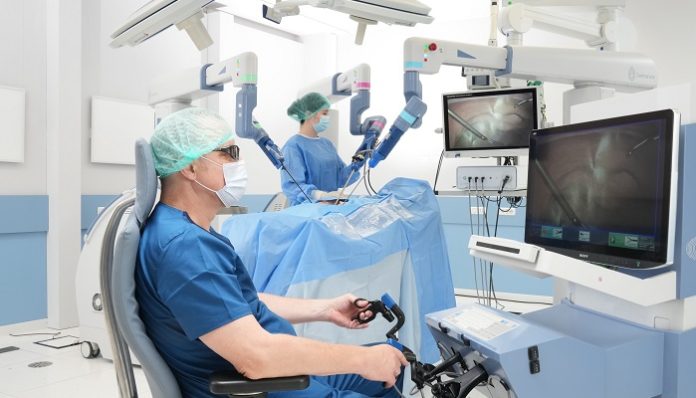
Asensus Surgical, Inc. (NYSE American: ASXC) (โ€œAsensus Surgicalโ€ or โ€œAsensusโ€), a global leader of innovative digital solutions for the operating room, today announced the closing of the merger (the โ€œMergerโ€) with the KARL STORZ Group (โ€œKARL STORZโ€). The transaction was completed following approval by the Asensus Surgical stockholders.

Under the terms of the merger agreement, KARL STORZ Endoscopy-America, Inc., a wholly owned direct subsidiary of KARL STORZ, has acquired all outstanding shares of Asensus Surgical for $0.35 per share in cash. As a result of the acquisition, Asensus Surgical has become a subsidiary of KARL STORZ and its common stock has ceased trading on the NYSE American Exchange.

“We are thrilled to complete this merger with KARL STORZ, which marks an exciting new chapter for Asensus,โ€ said Anthony Fernando, Asensus Surgical President and CEO. โ€œBy joining forces with a leading company in endoscopy that became a system provider for integrated MedTech, we are well-positioned to accelerate the development and delivery of our innovative robotic and digital surgical solutions. This union will benefit patients and surgeons worldwide by advancing precise, safer, and more predictable surgical outcomes.”

The closing of this acquisition is a significant milestone for both companies.

“Asensus’ cutting-edge technology and expertise in robotic surgery complements our comprehensive portfolio of surgical solutions,โ€ said Karl-Christian Storz, CEO of KARL STORZ. โ€œThis enhances our portfolio and market presence, strengthening our position in the growing robotic and digital surgical market, particularly with the development of the next generation LUNAโ„ข system. We are thrilled to welcome 200-plus talented Asensus team members into our company. Together, we will revolutionize healthcare by delivering better outcomes for patients and surgical teams worldwide.”

Asensus was identified for acquisition by KARL STORZ for two primary reasons: the organizationโ€™s talent and technology. As a potential partner, Asensus turned out to be a perfect fit due to its similar philosophy and vision, and its experience in bringing its first-generation Senhance robot to market. Its second-generation LUNAโ„ข System is also positioned to offer enhanced robotic precision, greater dexterity and a superior range of motion manipulation, which complements KARL STORZ’s advanced visualization capabilities.

LUNAโ„ข is currently under development and has not been submitted to, or cleared by, the US FDA or other global regulators, and is not available for sale in any market.

Jefferies LLC served as financial advisor to Asensus Surgical, and Ballard Spahr LLP served as legal counsel to Asensus Surgical. UBS Investment Bank served as financial advisor to KARL STORZ, and Ropes & Gray LLP served as legal counsel to KARL STORZ.

Breaking Free: Your Comprehensive Guide to Drug Rehab and Recovery

Substance addictions shatter lives, health, and families mercilessly demanding interventions to rescue loved ones lost grips spiraling downwards uncontrollably. While overcoming addiction through rehabilitation poses immense personal challenges, successful recovery stories walk beside others now rebuilding lives once believed destroyed indefinitely. Healing happens through science-proven methodologies, compassion, and perseverance.

In order to promote effective recovery, itโ€™s essential for treatment centers to reach those in need through the right channels. Aย Rehab Marketing Specialist can play a crucial role in this process, helping rehab facilities connect with individuals seeking help by implementing strategies tailored to addiction treatment. Their expertise ensures that facilities not only provide top-tier care but also reach the right audience, making a significant difference in successful outcomes.

Understanding Addiction

Beyond stigma, addiction manifests when substance abuse progresses from recreational use into uncontrollable physiological dependence dictated by cravings and withdrawal avoidance overriding all life responsibilities. Brain chemical balances alter, hijacking motivation once derived from diverse positive life stimuli towards singular fixation satisfying next substance urges. Afflicted individuals lose control despite recognizing worsening consequences as dependency strengthens through building tolerance and withdrawal symptoms in between uses. But healing happens through persistent help.

The Toll of Addiction

Dependence drives devastation across critical domains:

Physical Health โ€“ Beyond temporary intoxication altering states of consciousness, prolonged abuse strains vital organ functions risking acute failures through overdoses and irreversible conditions including brain damage over time.

Mental Health โ€“ Pre-existing mood disorders like depression and anxiety or past emotional trauma self-medicate through unprescribed substances paradoxically worsening underlying mental health issues through chemical reward center disruption and erratic lifestyles.

Relationships โ€“ Increasing isolation, deception, aggression and unreliability toward loved ones strain personal relationships to the brink through distrust and exhaustion from repeated broken commitments. Loved ones endure emotional anguish.

Financial Difficulties โ€“ Spiraling substance costs drain incomes eventually leaving addicts financially desperate resorting to potential criminal actions wholly out of past character fueling further self-disgust perpetuating cycles.

Legal Consequences โ€“Drug abuse directly results in arrests and incarcerations through impairments increasing public disruptions, possession charges, and unsafe behaviors like driving under the influence carrying massive financial and career costs and increasing pressures.

The Role of Drug Rehab

Drug rehab in New Jersey facilitates breaking vicious addiction cycles through:

Medically Supervised Detox โ€“ Dependent minds and bodies require professional medical supervision alleviating withdrawal symptoms and drug cravings through administering reducing dosages of alternate stabilization medications to chemicals now dependency formed. This enables clearing minds while minimizing acute trauma.

Underlying Issue Resolution โ€“ Counseling and behavioral therapies reveal and resolve root causes, childhood trauma, or mental health disorders like depression/anxiety self-medicated initially by individuals lacking healthier coping mechanisms before dual diagnoses now complicating rehabilitation.

Develop Healthy Coping Skills โ€“ Bad habits once filled void addictions departing require replacements by building emotional intelligence, positive social interactions, physical well-being practices, and professional treatments lifting burdens beyond individual capacities. This constructs resilience.

External Support Networks โ€“ Isolation enables relapse slipstreams. Community connections through outpatient counseling, family healing, peer support groups, and halfway transition homes provide continual motivation and accountability diminishing risks of falling backward. Shared strength tenacles are many through early turmoil periods.

Relapse Prevention Programming โ€“ Proactive education, warning sign identification, customized therapy, and emergency contingency planning prepare patients to combat unexpected trauma triggers or situation threats that ambush resolve during early sobriety. This reduces relapse radically while ensuring responsive action when it strikes.

Types of Drug Rehab Programs

Various environments meet different needs through structured intensities:

Inpatient Rehab (Residential) โ€“ Complete immersion through on-site housing and strict schedules allow intensive counseling while disrupting destructive environmental cues and habits underlying addiction. This facilitates focus when distractions and patterns once controlled lives newly sober feel overwhelming.

Outpatient (Non-Residential) Rehab โ€“ Cost-effective outpatient programming provides structured week-day addiction therapies and medication management allowing patients to reside at home. But temptation exposure risks remain needing strong self-control. Support group meetings bridge care between sessions preventing isolation slips.

Partial Hospitalization Programs (PHP) โ€“ Patients commit to intensive full-day therapies on-location then return home evenings allowing part-time re-entry adjusting recovered capacity facing once triggers utilizing tools now built before assuming fuller daily life responsibilities posing relapse risks through self-confidence overestimations. Almost 24/7 intensity minimizes dangers while enabling part-time life rhythms.

Intensive Outpatient Therapy (IOP) โ€“ Patients receive 9 to 12 hours of structured addiction therapies weekly delivered conveniently on evenings and weekends for individuals unable to commit daytime hours towards recovery or requiring less intensity balancing affordability. However consistent rigor ensures progress between sessions and prevents stalling.

Transitional Sober Living Homes โ€“ Supervised recovery housing among peer supports provides stable transitional environments easing societal reintegration building work/life balance using tools through continued counseling addressing issues arising for those lacking sufficient family resources staving isolation risks following hospitalizations. Constant accountability props persistence.

Choosing Treatment Programs

Rehab decisions balance considerations:

Addiction Type and Severity โ€“ Customized programming tailored to specific addiction patterns, dependencies, dual diagnoses, co-occurring disorders, and relapse risk factors proves vital in charting optimal courses overcoming unique challenges through modalities addressing multiple facets holistically from medical to external living environments.

Personal Needs and Goals โ€“ Reputable rehab focuses on recovering individual self-agency through building self-esteem, developing interests rebooting reward centers organically, and collaborative goal settings ensuring participants feel empowered, understood, and purposeful ultimately.

Location Convenience โ€“ While remote locations minimize outside distraction risks for residential inpatient settings, outpatient programming works best near supportive families able to reinforce positive gains and home community accountability keeping people on track. Holistic context matters.

Affordability Realities โ€“ Rehab costs vary widely depending on amenities levels, medical care intensities, and treatment lengths averaging $10,000-$20,000 monthly. Financial aid helps many recover lacking sufficient insurance policies or personal funds covering critical services scientifically proven guiding full restorations.

The Rehab Journey

Though challenging, structured rehab processes effect transformations:

Intake Assessments โ€“ Medical and therapy teams assess addiction causes, mental health, dual diagnoses, life factors, and motivations seeking treatment critically informing personalized recovery plans assigned to case workers monitor from intake onwards.

Supervised Detoxification โ€“ Physician-guided medication tapering alleviates painful or dangerous withdrawal symptoms associated with coming off physically addictive substances once dependent enabling minds to focus on counseling and behavioral growth positive for sustaining long-term wellness.

Multifaceted Therapies โ€“ Small individual and group counseling builds insights around addiction triggers, emphasizes learnings from relapse prevention planning, and introduces lifestyle wellness practices improving self-image amid welcoming peer support mutually reinforcing perseverance through shared relatable stories overcoming darkest moments together.

Aftercare Game Plans โ€“ Primary treatment sets foundations but ongoing outpatient therapy coordination, family support, 12-step programs, and appropriate medication-compliant usage ensures new tools fully solidify overcoming reasons relapse risks remain years sustaining focus without complacency.

Importance of Family Involvement in Rehab

Families actively engaging in recovery build bridges:

Heal Together โ€“ Family counseling explores years of distrust, uncertainties, and pain addiction cultivated plus establishes frameworks respectfully communicating formerly avoidance topics requiring therapies aligning perspectives lovingly. Forgiveness allows progress.

Gain Addiction Insights โ€“ Psychoeducation groups demystify substance allures, codependent risks enabling addiction continuation, and best support practices empowering compassion-saving relationships once resigned doomed against fights only perpetuating problems, never resolving them.

Improve Communication โ€“ Counselors mediate exchanges identifying triggers escalating tensions and teach mindful negotiation tactics allowing concerns and boundary expressions avoiding aggressive conflicts destroying bonds where rebuilding must prevail for all emergence brighter collective futures united.

Expand Support Circles โ€“ Meeting other rehab families facing identical devastations, losses, and mental anguish builds community empathy dissolving isolations through shared cathartic vulnerability so often nurturing shame and denial, unfortunately. Hope thrives on witnessing others overcoming against once believed impossible odds.

Breaking Generational Cycles

Stemming addiction for future generations requires education plus commitment:

Early Addiction Education โ€“ Schools should teach real physiological effects drugs unleash so adolescents fully comprehend attraction allurements and irreparable damages risk messing with vulnerable chemistries underestimating catastrophic consequences.

Open Family Communication โ€“ Parents must establish non-judgmental exchanges on substance abuse risks and ethical behaviors allowing two-way dialogues ensuring kids confide uncomfortable experiences or peer pressures seeking timely guidance, and avoid perils alone silently beyond help.

Promoting Healthy Coping Habits โ€“ Make self-care, recreational activities, and openness over stress/emotional struggles household mainstays. Provide resources intervening productively when troubles arise too large handling independently. This prevents addiction traps from concealing pains through avoidance.

Leading By Examples โ€“ Speak against stigmas around therapy, model moderation habits with substances serving practical purposes only, and embrace enriching lifestyle pursuits demonstrating fulfilling existence need not require escape dependencies to achieving happiness.

Accessible Early Intervention โ€“ Advocate establishing affordable adolescent counseling, rehab, and family coaching allowing early-stage reversible dependencies properly treated avoiding adult crisis trajectories too physically and socially disruptive and interrupted much earlier through compassion saving young lives.

Conclusion

Drug rehab is a lifeline for those struggling with addiction. It offers a safe and supportive environment where individuals can break free from the grip of drugs and alcohol, heal from the damage caused by addiction, and build a new life in recovery. Remember, addiction is a treatable disease. With the right help and support, anyone can achieve lasting recovery and rediscover the joy of living.

The Importance of Understanding Global Healthcare Options

In today’s connected world, knowing about international healthcare is key. It’s especially important for people living or traveling abroad. Understanding healthcare abroad helps manage costs and ensures access to vital services, giving peace of mind.

Navigating global healthcare presents both challenges and opportunities. It’s crucial to understand your options to ensure your safety and make informed health decisions. This understanding allows you to confidently handle unexpected health issues, enhancing your travel experiences. If you’re wondering what is the cost of international health insurance, this knowledge becomes even more valuable.

Global Healthcare: An Overview

In today’s world, global healthcare is key. It means getting medical care and insurance across the globe. It’s vital for people and groups wanting to make sure everyone can get health care, no matter where they are.

What is Global Healthcare?

Global healthcare is a system that gives medical services and insurance worldwide. It helps people living or traveling abroad get the same quality care everywhere. This includes both urgent and regular health care, made possible by insurance plans that connect different health systems.

The Need for Global Healthcare Options

More people move around for work, school, or fun. This means they need health care that follows them. Global health insurance and care options give them the coverage they need. This ensures peace of mind for those living or traveling abroad, including students and travelers.

Key Challenges in Global Healthcare

Even though global healthcare is important, it faces big challenges. One big problem is the difference in health care standards around the world. This can affect the quality of care.

Legal and regulatory differences make it hard to offer global health insurance. Cultural and language barriers can also make it tough to get care. And, dealing with international health care costs and payments can be a big headache.

What is the Cost of International Health Insurance?

For expatriates, knowing the cost of international health insurance is key. The cost depends a lot on the person’s age. Younger people usually pay less, while older folks might pay more because they’re at higher risk of getting sick.

Medical history also affects the cost. Insurers look closely at your health history. If you have health issues already, you might pay more because you might need more care in the future. Where you live also changes the price. Health insurance in places like the United States is often pricier.

The type of coverage you choose is another big factor. Policies with more benefits, like maternity care or dental, cost more. It’s important to think about what you’re getting for your money. You want to get good coverage without spending too much.

Companies like Cigna and Allianz offer different plans for expats. They have various benefits and prices. By looking at these options, you can find a plan that fits your needs and budget. This way, you get the protection you need without breaking the bank.

Figuring out the cost of international health insurance means looking at many things. By understanding what’s in expat health plans, you can make smart choices. This way, you get the best coverage that fits your life and wallet.

Factors Influencing Global Healthcare Costs

Understanding global healthcare costs is key for those looking at international health insurance. Many factors affect these costs, making it vital for potential buyers to know them. We’ll look at the main things that change healthcare costs worldwide, focusing on location, coverage, and insurance providers.

Location and Healthcare Quality

Where you are in the world greatly affects healthcare costs. Countries have different healthcare levels and costs. For example, healthcare in the U.S. costs more than in places like Thailand or India.

This is because of advanced medical tech and higher living costs in developed countries. So, when picking international health insurance, think about the quality of healthcare in the country.

Coverage and Benefits

What your insurance covers and the benefits it offers also changes healthcare costs. Plans that cover more services, like check-ups and emergency care, cost more. But plans with fewer benefits might be cheaper but could leave you paying more out-of-pocket in emergencies.

It’s important to balance coverage and cost to find a plan that fits your needs and budget.

Insurance Providers and Plans

There are many insurance providers and plans out there, making it hard to choose. Companies like Cigna, Allianz, and Bupa offer various plans for different needs and budgets. Each plan has its own features and prices.

Looking into the market and comparing plans can help you find the best and most affordable option. Getting advice from experts and reading about others’ experiences can also be very helpful in choosing international health insurance.

Translate ยป