








Close
Digital Health & Ai Innovation summit 2026
LiGHT26

The healing power of encryption: How healthcare organisations can stay ahead in the cyber threat landscape

As part of critical national infrastructure, with highly sensitive files and documents, UK hospitals have become prime targets for cybercriminals in ever increasing ransomware attacks.ย Dominating the headlines recently, a hospital data breachย can have devastating consequences beyond significant financial loss and severely damaged reputation.ย This highlights that citizensโ€™ wellbeing and lives are at stake, when business operations are paralysed, leading to the cancellation of planned operations.

With many tools and technology available, healthcare leaders are overwhelmed as to where to start in navigating the evolving landscape of cyber security in healthcare. Being aware of their risks and vulnerabilities to a data breach is the first place to start.

Challenges to secure healthcare data

There are some key challenges facing hospitals and healthcare organisations to stay safe. The day-to-day challenge for tech teams is to dedicate time and resources across disparate tools and technologies. They typically rely on separate management and monitoring tools to oversee their systems. While each tool performs an effective role in giving performance and reliability, in the interests of simplifying and consolidating systems and workflows, itโ€™s all too easy for service silos to develop.

With various monitoring strategies across organisations, blind spots can arise and teams can suffer huge delays fixing issues. As the number of disparate systems they manage increases, it becomes unviable to modernise services due to their demanding existing system monitoring commitments.

With confidential files stored and shared in insecure public clouds, itโ€™s far too easy for hackers to gain access. Added to this, unaware employees can easily make security mistakes or forget to revoke accesses when sharing files with external parties. With thousands of employees, contractors and business partners based anywhere, choosing the right corporate file sharing and collaboration platform – one that is based on end-to-end encryption – is essential to ensure hospitals and healthcare organisations can protect whatโ€™s theirs.

Adhering to new regulations

With the NIS2 EU directive about to come into full force, more and more UK companies doing business in the EU will be looking to use zero-knowledge, end-to-end encryption collaboration platforms to help them comply with the provision of the new rules. The directive aims to enhance the security network and information systems within the EU by requiring operators of critical infrastructure and essential services to implement appropriate security measures. Although the NIS2 will not apply directly to businesses who are operators of essential services within the UK, it will apply to operators of essential services, such as healthcare providers, whose operation is ย within the EU and covered by the directive.โ€.

Ways to ensure a robust cybersecurity framework

Here are some steps tech leaders can take to ensure they are building a robust and secure workplace environment which also facilitates compliance with regulations and industry standards. There are four key ingredients that should be integral to a hospitalโ€™s cybersecurity strategy to balance seamless collaboration while safeguarding sensitive data. These include a secure client portal, cyber awareness and training and regular security audits.

  • End-to-end encryption

Organisations must protect sensitive data with encryption, both at rest and in transit. Even better, end-to-end encryptionย encodes messages before theyโ€™re sent and decodes them only after arriving at a recipientโ€™s device. This means that no one in the middle can read or modify them. This ensures that all client information remains inaccessible to unauthorised users, even in the event of a breach.

  • Cyber awareness and training

Employees can be a weak link in cybersecurity, so ensuring they are aware of potential risks and understand the role they play in maintaining cyber resilience is key. Training should be regularly updated to keep pace with evolving threats, such as social engineering attacks.

  • Regular security audits and system updates

Regularly scheduled audits are crucial to uncovering potential vulnerabilities before malicious actors can exploit them. They provide an overview of the existing security architecture, helping to find any weak points and make necessary improvements. Organisations must commit to regular updates of all software, hardware, and operating systems to stay protected against the latest known threats. Regular data backups are also critical to building a cyber resilient business. In the event of a breach, backups can minimise data loss and help restore mission-critical functions more quickly.

  • A secure client portal

Healthcare practitioners frequently engage in the exchange of sensitive information with their clients to facilitate their services. Consequently, organisations in this industry are increasingly adopting secure document sharing portals. When choosing a portal, it is crucial to verify if the provider upholds the highest standards of security and privacy. These should include zero-knowledge, end-to-end encryption with additional robust control features, ensuring seamless collaboration while safeguarding sensitive data.

Benefits of a secure client portal

A secure client portal serves as a secure repository where sensitive information of client projects, agreements, and collaborations can be stored, accessed, and managed with efficiency and confidentiality.

Healthcare organisations can effectively segregate information belonging to different clients, maintaining confidentiality and compliance with strict data protection regulations such as GDPR.ย They will also secure private client and partner data, protect their supply chains, safeguard their business operations and build trust with their customers, advisors, partners, suppliers and auditors.

Choosing a secure client portal that operates on zero-knowledge principles and employs end-to-end encryption means that no hacker, no unauthorised recipient, and not even the technology vendorย can read, modify, or decrypt the documents stored in the portal.

A secure client portal enables authorised healthcare practitioners to share or request any file securely. Depending on the desired level of collaboration, users can assign varying degrees of access to different users within their client base, giving precise control over who can view or modify specific files. In addition, the right client portal enables quick collaboration and digital agreement signing, all within a single trusted environment, regardless of usersโ€™ location. This not only enhances document security but also improves productivity so that practitioners can focus on whatโ€™s most important: their patients.

Only proactive cyber security hygiene will protect healthcare organisations

Efficient and secure document collaboration is indispensable for promoting productive and thriving healthcare working environments. By adopting some essential cyber security best practices including a secure client portal, healthcare organisations will protect the integrity and confidentiality of citizensโ€™ย data and the organisationโ€™s reputation.

By using the right client portal, healthcare firms can improve their data security, streamline internal processes, build client trust, and ultimately, foster growth and success in a competitive marketplace.
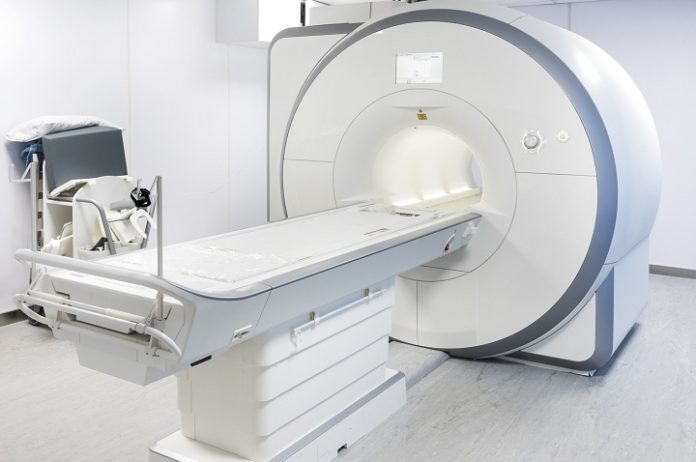

Prenuvo Introduces Its First-Ever Mobile MRI Clinic to Bring 60-Minute Whole Body MRI Scans to More Communities

Prenuvoโ€™s Mobile MRI Clinic increases access to proactive healthcare services and brings care directly to the patient as Canadaโ€™s universal healthcare system and current staffing shortages create barriers for Canadian residents.

Prenuvo, the company pioneering proactive whole-body imaging for the early detection of cancer and other diseases, today announced the launch of its first-ever luxury mobile whole-body MRI clinic, starting in Buffalo, New York. Housed at the OWM Integrative Wellness Center, the new clinic increases access to Prenuvo’s services for communities in the United States and Canada.

โ€Prenuvo’s decision to launch a mobile clinic stems from challenges faced in expanding domestically. As a Canadian-born company with initial plans to expand to Toronto, Prenuvo has faced significant barriers due to restrictions on private imaging services in Ontario. Despite private companies, operating with licenses intended for public screening, performing whole-body screenings in Ontario, to date Prenuvo has yet to be provided a path to operate in the state.

“As a Canadian-founded company, itโ€™s disappointing to encounter barriers in expanding to Ontario,โ€ said Andrew Lacy, Prenuvoโ€™s CEO. โ€œWe have sought opportunities without government funding or disrupting existing systems, aiming solely to provide proactive screenings for private patients. These efforts have sadly been unsuccessful to date. Canadians deserve better access to proactive healthcare, and our new mobile clinic is a significant interim step toward meeting this growing demand and improving accessibility. We continue to talk with the Ontario government and hope to achieve a better resolution for Torontonians in the future.”

โ€The first Prenuvo clinic opened in Vancouver, where there was strong interest from Canadians in proactive health measures. Due to regulatory challenges in Ontario, thousands of Canadians have traveled to the U.S. for a Prenuvo scan. Over 10,000 Toronto residents have expressed a desire for a Prenuvo location in their city. To address this demand, Prenuvo has launched a mobile clinic near the Canadian border to provide a more convenient solution for those seeking comprehensive health scans.

โ€Dr. Leonard Kaplan, founder of OWM Integrative Wellness, was introduced to Prenuvo’s whole-body MRI technology back in 2023 and was impressed by its ability to alert patients to conditions before symptoms arise. By partnering with Prenuvo to launch its first mobile clinic at OWM Integrative Wellness, Dr. Kaplan is providing early detection and intervention opportunities to the centerโ€™s patients.

โ€”We are thrilled to partner with Prenuvo to offer full body MRI imaging to our clients,” said Dr. Leonard Kaplan, DO Founder of OWM Integrative Wellness. “At OWM, we are committed to providing regenerative and holistic approaches to support our clients on their health journeys. By offering whole body, radiation-free MRI scans, we can focus on early detection of diseases, taking significant preventative measures to ensure our clients’ long-term health and well-being.”

โ€The Buffalo mobile clinic will provide the same comprehensive Prenuvo experience that patients would receive at traditional Prenuvo clinic locations. Patients will receive a safe, radiation-free MRI screening that provides diagnostic-quality imaging in under an hour, without the need for harmful dyes. After their scan, patients will have the option for a phone consultation with one of Prenuvoโ€™s nurse practitioners to discuss their results and ensure a seamless continuity of care.

Brigham Researchers Use AI Tools to Uncover Connections Between Radiotherapy for Lung Cancer and Heart Complications

The Convergence of Healthcare and Technology to Turn Cost Curve

Researchers from Brigham and Womenโ€™s Hospital, a founding member of the Mass General Brigham healthcare system, have used artificial intelligence tools to accelerate the understanding of the risk of specific cardiac arrhythmias when various parts of the heart are exposed to different thresholds of radiation as part of a treatment plan for lung cancer. Their results are published in JACC: CardioOncology.

โ€œRadiation exposure to the heart during lung cancer treatment can have very serious and immediate effects on a patientโ€™s cardiovascular health,โ€ said corresponding author Raymond Mak, MD, of the Department of Radiation Oncology at Brigham and Womenโ€™s Hospital. โ€œWe are hoping to inform not only oncologists and cardiologists, but also patients receiving radiation treatment, about the risks to the heart when treating lung cancer tumors with radiation.โ€

The emergence of artificial intelligence tools in health care has been groundbreaking and has the potential to positively reshape the continuum of care, including informing treatment plans for patients with cancer. Mass General Brigham, as one of the nationโ€™s top integrated academic health systems and largest innovation enterprises, is leading the way in conducting rigorous research on new and emerging technologies to inform the responsible incorporation of AI into care delivery.

For patients receiving radiation therapy to treat non-small cell lung cancer (NSCLC), arrhythmias or irregular rhythms of the heart can be common. Because of the close proximity of the heart to the lungs and with NSCLC tumors being near or around the heart, the heart can receive collateral damage from radiation dose spillage meant to target the cancer tumors. Prior studies have found that this type of exposure to the heart is associated with general cardiac issues. However, this nuanced study demonstrated that the risk for different types of arrhythmias can vary significantly based on the pathophysiology and cardiac structures that are exposed to different levels of radiation.

In order to classify the types of arrhythmias that are associated with cardiac substructures receiving radiation, researchers conducted a retrospective analysis on 748 patients in Massachusetts, who were treated with radiation for locally advanced NSCLC. The arrhythmia subtypes cataloged included atrial fibrillation, atrial flutter, other supraventricular tachycardia, bradyarrhythmia, and ventricular tachyarrhythmia or asystole.

The teamโ€™s statistical analyses indicated that about one out of every six patients experienced at least one grade 3 arrhythmia with a median time of 2.0 years until the first arrhythmia. Grade 3 classifications are considered serious events that likely need intervention or require hospitalization. They also found that almost one-third of patients who experienced arrhythmias also suffered from major adverse cardiac events.

The arrhythmia classes outlined in the study did not entirely encompass the range of heart rhythm issues that are possible, but the authors note that these observations still create a better understanding of the possible pathophysiology pathways and potential avenues for minimizing cardiac toxicity after receiving radiation treatment. Their work also offers a predictive model for dose exposure and the type of expected arrhythmia.

For the future, the researchers believe that radiation oncologists should collaborate with cardiology experts to better understand the mechanisms of heart injuries and their connection to radiation treatment. In addition, they should take advantage of modern radiation treatment to actively sculpt radiation exposure away from the specific cardiac regions that are at high risk for causing arrhythmias. According to Mak, this study, alongside previous research, will help with surveillance, screening, and informing radiation oncologists on which parts of the heart to limit radiation exposure to, and in turn, mitigate complications.

โ€œAn interesting part of what we did was leverage artificial intelligence algorithms to segment structures like the pulmonary vein and parts of the conduction system to measure the radiation dose exposure in over 700 patients. This saved us many months of manual work,โ€ said Mak. โ€œSo, not only does this work have potential clinical impact, but it also opens the door for using AI in radiation oncology research to streamline discovery and create larger datasets.โ€

Wake Forest Institute for Regenerative Medicine joins new NSF-funded pandemic prediction initiative

The Wake Forest Institute for Regenerative Medicine (WFIRM) is proud to be part of a new initiative, supported by an $18 million grant from the U.S. National Science Foundation (NSF), aimed at enhancing global pandemic prediction and prevention capabilities. This grant brings together five leading universities and more than 20 researchers, academics, and public health experts to establish the Community Empowering Pandemic Prediction and Prevention from Atoms to Societies (COMPASS).

The COMPASS Center, headquartered at Virginia Tech’s interdisciplinary Data and Decision Sciences Building, will utilize state-of-the-art labs, data centers, and other advanced facilities to tackle the critical challenge of preventing infectious diseases that threaten communities worldwide. However, the work of this center will extend beyond its walls, transcending institutional and geographic boundaries.

Wake Forest University will join forces with Virginia Tech, Cornell University, the University of Michigan, and Meharry Medical College to address this pressing global health challenge. The collaboration will focus on understanding how pathogens and diseases emerge and spread while training the next generation of scientists to continue this vital work.

The COMPASS Center is part of the broader $72 million NSF Predictive Intelligence for Pandemic Prevention (PIPP) program. Initiated during the COVID-19 pandemic, the PIPP program was created to address both immediate and long-term threats from infectious diseases that drastically impact life on Earth. The program is designed to develop predictive models and strategies to manage diseases arising from the complex interplay between humans, animals, and the environment.


UTime Limited Announces Ambitious AI Health Strategy and Strategic Collaboration

UTime Limited is pleased to announce its ambitious strategy for advancing AI-driven health solutions. Recognizing the growing value and potential of smart health technologies, UTime is committing significant investments to expand its smart medical wearable products business.

In strategic collaboration with Dr. Ehud Baron, a renowned figure in medical technology innovation, UTime is set to enhance its offerings in blood pressure measurement and extend into hemodynamic and health mapping products. Dr. Baron will collaborate with UTime’s team to develop comprehensive plans for a diverse range of health product lines. The initial focus will be on optimizing UTime’s flagship blood pressure monitoring watch. Upon successful development, the Company plans to further expand its product range to address a wide spectrum of smart healthcare needs.

Additionally, UTime intends to launch a variety of products focusing on smart detection of key health indicators, such as heart rate and sleep monitoring devices.

Hengcong Qiu, Chairman of UTime, commented, “We believe that our strategic cooperation with Dr. Ehud Baron and our AI-enabled healthcare initiatives will spearhead key growth opportunities for UTime, positioning us at the forefront of innovation in the healthcare technology sector.”


Johnson & Johnson to acquire heart failure specialists V-Wave for up to $1.7B

Johnson & Johnson announced that it has entered into a definitive agreement to acquire V-Wave Ltd., a privately-held company focused on developing innovative treatment options for patients with heart failure. Under the terms of the agreement,ย Johnson & Johnsonย will acquire V-Wave for an upfront payment of $600 million, subject to customary adjustments, with the potential for additional regulatory and commercial milestone payments up to approximately $1.1 billion. V-Wave will joinย Johnson & Johnsonย as part ofย Johnson & Johnsonย MedTech.

The planned acquisition of V-Wave will extendย Johnson & Johnsonย MedTechโ€™s position as an innovation leader in addressing cardiovascular disease. It will further accelerate its shift into high-growth and high-opportunity markets and will deepen its relationships with structural interventional cardiologists and heart failure specialists.

Heart failure is a global health burden associated with impaired quality of life, frequent hospitalizations, increasing health-care costs, and high rates of premature death.2ย V-Waveโ€™s cardiovascular implant technology specifically targets heart failure with reduced ejection fraction (HFrEF). In HFrEF, a patientโ€™s heart muscle has insufficient ability to pump blood containing oxygen and nutrients to the body. V-Waveโ€™s Venturaยฎย Interatrial Shunt (IAS) is a novel implantable device designed to decrease elevated left atrial pressure seen in congestive heart failure by creating a shunt between the left and right atrium, thereby reducing cardiovascular events and heart failure hospitalizations. More specifically, the device:

  • Is placed in the heart through a minimally invasive catheter-based procedure and has the potential to fill a significant treatment gap between guideline directed medical therapies (GDMT) as a first line therapy and highly invasive cardiac replacement therapies, includingย left ventricular assist devicesย (LVADs) and heart transplantation.
  • Received FDA Breakthrough Device Designation in 2019 and CE mark in 2020 and has the potential to be the first device of its kind to market.
  • Addresses an unmet need for approximately 800,000 patients who experience HFrEF in the U.S every year, representing a market opportunity for significant sustainable growth and meaningful impact.ย 3

Tim Schmid, Executive Vice President and Worldwide Chairman ofย Johnson & Johnsonย MedTech, said, โ€œWe are excited to welcome V-Wave toย Johnson & Johnsonย MedTech and to take another meaningful step toward transforming the standard of care for cardiovascular disease. We recognize the importance of identifying more diverse and effective treatments for heart failure, and our recent track record demonstrates our focus on accelerating our impact on the most urgent and pressing unmet needs. We know V-Wave well, with our relationship dating back to our original investment in the company in 2016, and we have a deep understanding of the technology and science, as well as the companyโ€™s commitment to patients. We look forward to working with the V-Wave team at this pivotal stage of its evolution to bring the Venturaยฎ Interatrial Shunt technology to patients.โ€

โ€œAt V-Wave, we are dedicated to achieving our vision to help patients around the world โ€“ and we knowย Johnson & Johnsonย MedTech shares this mission,โ€ said Dr. Neal Eigler, Chief Executive Officer of V-Wave. โ€œWe are confident thatย Johnson & Johnsonย MedTech is well-positioned to ensure V-Waveโ€™s breakthrough ideas and technology reach patients in need as quickly and effectively as possible. I couldnโ€™t be prouder of the V-Wave team, and the commitment it has taken to achieve this milestone. We look forward to continuing to build a world where cardiovascular disease is prevented, treated, and cured.โ€

Transaction Details, Path to Completion, and Financial Impact

Under the terms of the agreement,ย Johnson & Johnsonย will acquire V-Wave for an upfront payment of $600 million, subject to customary adjustments, with the potential for additional regulatory and commercial milestone payments up to approximately $1.1 billion. The transaction is expected to close before the end of 2024, subject to the receipt of applicable regulatory approvals and other customary closing conditions.

In accordance with U.S. GAAP, the transaction will be accounted for as an asset acquisition, resulting in a non-tax deductible in-process research and development charge of approximately $600 million in the period the transaction closes.ย Johnson & Johnsonย expects the transaction to dilute adjusted earnings per share (EPS) by approximately $0.24 in 2024 and approximately $0.06 in 2025.ย Johnson & Johnsonย will provide an update to its full-year financial outlook when it reports third quarter 2024 results on October 15, 2024.

Following the completion of the transaction, V-Wave will be part ofย Johnson & Johnsonย MedTech, and financials will be reported withinย Johnson & Johnsonย MedTechโ€™s Cardiovascular portfolio. Michael Bodner, Group President, Heart Recovery & Intravascular Lithotripsy, will assume responsibility for the V-Wave team upon close.

Hackensack Meridian Health, CancerIQ partner on cancer risk, early detection program

The HMH network is the first in New Jersey to offer this comprehensive, early detection and cancer risk management, joining a few programs in the nation in the broader endeavor of conducting cancer screening at scale, and cancer interception. The venture is a partnership between HICAP and CancerIQ, a best-in-class cancer-focused precision health platform, to launch a groundbreaking new program that aims to improve access to inform cancer risk care, shift cancer diagnoses to earlier stages, and reduce cancer burden at scale.

It is well established that earlier diagnosis translates into better outcomes. For example, the 5-year survival for cancers such as pancreatic and lung – typically diagnosed late – goes from 10-15% in advanced stage cancer to over 80-85% survival in early stage. In addition, roughly 10% of all cancers are hereditary with known genetic risk factors. Having a family history of cancer can increase someone’s personal risk of developing the disease.

It is now demonstrated that cancer cells can release in the blood very early on pieces of genetic materials (from DNA or RNA) that can be detected through what is now referred to as blood testing or liquid biopsies. These new developments in molecular cancer screening in the blood have the potential to help with early cancer detection or detection of persistent minimal residual cancer cells (after treatment). This offers new opportunities and help in intercepting cancer (prevent occurrence, detect earlier or prevent recurrence).

“This cutting-edge program we are offering at our new Hennessy Institute helps us fulfill a promise that we have made to transform health care and to be the leader of positive change, by improving the health of all of our communities,” says Robert C. Garrett, FACHE, CEO of Hackensack Meridian Health. “This novel risk assessment means literally helping to prevent people from getting cancer, or if they already have it, to improve their outcome by diagnosing it at an earlier stage as well as preventing the risk of recurrence. We are thankful to the Hennessy family for their incredible donation and for their passion for helping to fight cancer.”

Individuals will complete a short but comprehensive cancer risk assessment from CancerIQ, an oncology-focused precision health platform. The easy-to-use tool asks people simple questions about their personal and family medical history as well as lifestyle factors. If the assessment flags a patient as having a higher risk of cancer, team members will personally speak with the person about their options and design a personalized plan for early cancer detection and prevention.

“This new program opens an entire new field in cancer, from preventing cancer in someone with genetic risk factors, to detecting cancer earlier and reducing cancer recurrence,” said Andre Goy, MD, MS, chairman and executive director of John Theurer Cancer Center. “Combining technology, genomics and AI, our goal is to intercept cancerโ€”including in underserved communitiesโ€”by bringing new tools to people’s homes with a user-friendly platform to navigate their risk factors and prevention or treatment options.”

Serving New Jersey and the surrounding area, the Hennessy Institute has physicians, nurse practitioners and genetic counselors as well as navigators and researchers working in partnership with the CancerIQ platform.

“Our patients have the chance to take charge of their health and ensure their wellness. This program is for everyone, because we all want to know how to better equip ourselves to live long healthy lives,” said Elias Obeid, MD,MPH, HICAP medical director, who is a medical oncologist specializing in genetics and cancer risk.

Hackensack Meridian Health is a true leader in its population health approach to precision cancer prevention and early detection,” said Feyi Ayodele, CEO, CancerIQ. “It’s an honor for CancerIQ to be selected to support precision cancer prevention at this scale. This kind of transformational change is exactly why we exist โ€” to help everyone get ahead of cancer, no matter their personal risk.”

Akron Children’s Partners With Woebot Health To Deliver Digital Mental Health Support Tool For Adolescents

Akron Childrenโ€™s Signs Agreement With Woebot Health To Deliver Digital Mental Health Support Tool To Adolescents

Woebot Health, maker of an AI-powered mental health chatbot, announced it signed a three-year agreement with Ohio-based nonprofit pediatric healthcare system Akron Children’s to provide pediatric mental health support to adolescents 13 to 17 years.

Woebot’s nonprescription digital mental health tool includes content specific to teens, including media literacy, bullying in school settings, and body image and psychoeducation.

Beginning in October, Akron clinicians residing in three underserved rural communities can recommend Woebot to patients who show signs of depression and anxiety during their annual well visit. The platform is to be used in conjunction with therapy.

At a later time, the company’s platform will be available across Akron’s 44 primary care pediatric facilities.

โ€œWeโ€™ve seen firsthand the youth mental health crisis in over a quarter of our teen patients in pediatric practices. Itโ€™s hitting hardest in rural counties, where itโ€™s difficult to recruit and maintain qualified behavioral health providers, and the patient populationโ€™s limited resources make it a high risk for adverse health outcomes,โ€ Dr. Eva Szigethy, director of behavioral health and Lois C. Orr endowed chair in pediatric psychiatry, said in a statement.

โ€œWe chose Woebot because it is a novel approach designed specifically for teens that integrates into our existing patient experience and workflows and enhances our new care models. Weโ€™re excited that Woebot Health is partnering with us to deliver a breakthrough solution that can help speed access to mental health support.โ€

THE LARGER TREND

Last year, Woebot announced partnerships with New Jersey-based not-for-profit hybrid-care provider Virtua Health to allow Virtua’s primary care providers to give access to Woebot for Adults. The tool could be used for patients on a waiting list to get an appointment or in conjunction with in-person therapy.

The company also partnered with digital payroll software provider PayrollPlans and AI-enabled text-first virtual healthcare clinic Curai Health to provide an AI-powered primary care and mental health virtual benefit solution to small- and medium-sized businesses.

Wysa is another company offering an AI-enabled mental health chatbot. Its chatbot guides users through cognitive behavioral therapy for concerns like low mood, stress and anxiety. The company’s employer offering also includes a self-care library of exercises to improve self-esteem, sleep and mindfulness, and optional access to Wysa human coaches.

Google’s HeAR AI can detect lung disease from cough sounds

Early diagnosis is crucial in treating medical conditions. Google has developed an AI model capable of detecting diseases like tuberculosis (TB) and chronic obstructive pulmonary disease (COPD) through cough sounds.

Google introduced the Health Acoustic Representations (HeAR) this yearโ€”a bio-acoustic model designed that can analyse sound patterns to produce health insights.

Salcit Technologies, an India-based respiratory healthcare company, has created Swaasa, an AI-powered tool that assesses lung health by analysing cough sounds. They plan to integrate HeAR into Swaasa to enhance its ability to detect TB early.

โ€œEvery missed case of tuberculosis is a tragedy; every late diagnosis, a heartbreak. Acoustic biomarkers offer the potential to rewrite this narrative. I am deeply grateful for the role HeAR can play in this transformative journey,โ€ says Sujay Kakarmath, a product manager at Google Research working on HeAR.

The HeAR model, currently available for researchers, has been trained using โ€œ300 million pieces of audio data curated from a diverse and de-identified dataset,โ€ and โ€œroughly 100 million cough sounds.โ€

Despite being curable, TB often goes undiagnosed due to limited access to affordable healthcare. Swaasa, which uses machine learning, could provide a safer and more affordable detection method. Google is also partnering with organisations like the Stop TB Partnership to bring together experts and affected communities with a goal to end TB by 2030.

โ€œSolutions like HeAR will enable AI-powered acoustic analysis to advance tuberculosis screening and detection, offering a potentially low-impact, accessible tool for those who need it most,โ€ says Zhi Zhen Qin, a digital health specialist with the Stop TB Partnership.

Pristyn Care launches innovation lab to drive AI advancements in Indian healthcare system

Pristyn Care, a leader in secondary surgeries in India, has introduced the Pristyn Care Innovation Lab (PCIL), an incubator designed to drive advancements inartificial intelligence (AI) within the healthcare sector.

PCIL will provide early-stage AI startups with a unique platform to pilot and refine their solutions in real-world healthcare environments.

From the 47 startups that have applied, a select few will be chosen for collaboration, with their names announced as they join the lab. This initiative aims to foster innovation and accelerate the development of groundbreaking AI technologies in healthcare.

As the Indian healthcare sector is projected to reach $650 billion by 2025 (A report by Nasscom and Kantar), with AIโ€™s market expected to grow to $1.6 billion, there is a critical need for innovative AI solutions to transform healthcare delivery.

Pristyn Care Innovation Lab addresses this by offering startups comprehensive support, including: Real-World Testing; Product Validation; Ecosystem Access; Growth & Funding; Infrastructure Support; Sales Support; Marketing and Business Expansion.

According to Harsimarbir Singh, Co-founder Pristyn Care, โ€œThe adoption of AI is not just a trend but a crucial necessity for transforming the healthcare landscape in India. As the industry faces increasing demands for efficiency and improved patient outcomes, AI offers unparalleled opportunities for growth and innovation.”

Translate ยป