Close
Digital Health & Ai Innovation summit 2026
LiGHT26

Explore the Future of Global Healthcare at The Travel Healthcare Conference 2024

Las Vegas, a city renowned for its vibrant entertainment and luxury hospitality, is set to host one of the most significant events in the global healthcare industry—the Travel Healthcare Conference 2024. This international conference, scheduled from September 22 to 25, will gather healthcare professionals, policymakers, and stakeholders from around the world to discuss and explore the evolving landscape of healthcare and its intersection with the travel and tourism industries. With a particular focus on medical tourism, the event aims to highlight the growing importance of this sector in global healthcare, exploring new opportunities, challenges, and the future of healthcare delivery.

A Global Gathering of Healthcare Leaders
The Travel Healthcare Conference 2024 is expected to attract thousands of participants from various sectors, including healthcare providers, insurance companies, travel agencies, and government representatives. The conference will feature a diverse range of sessions, including keynote speeches, panel discussions, and workshops led by experts in healthcare, tourism, and related fields. Topics will range from the latest advancements in medical technology to the impact of globalization on healthcare access and delivery.

One of the central themes of this year’s conference is the integration of healthcare services with the travel industry, particularly through the lens of medical tourism. As healthcare systems across the globe continue to face pressures from aging populations, rising costs, and technological advancements, medical tourism offers a potential solution for patients seeking affordable, high-quality care outside their home countries.

The Rise of Medical Tourism
Medical tourism, the practice of traveling to another country to receive medical treatment, has seen a significant rise in recent years. The trend is driven by several factors, including the high cost of healthcare in developed countries, long waiting times for certain procedures, and the availability of advanced medical treatments in emerging economies at more affordable prices. Countries like Thailand, India, Turkey, and Mexico have become popular destinations for medical tourists, offering a wide range of services from cosmetic surgery to complex procedures like cardiac surgery and organ transplants.

According to industry reports, the global medical tourism market was valued at over $100 billion in 2022, with projections suggesting it could reach $179.6 billion by 2027. This growth is not only a testament to the increasing demand for cross-border healthcare but also highlights the critical role that medical tourism plays in the broader travel and tourism industry.

Why Medical Tourism Matters
The importance of medical tourism extends beyond just the healthcare industry. It represents a fusion of two powerful sectors—healthcare and travel—which together can create significant economic opportunities for countries around the world. For destination countries, medical tourism can boost economic growth by attracting foreign patients who spend on medical services, accommodation, and other travel-related expenses. This influx of foreign exchange can be particularly beneficial for developing countries, providing much-needed revenue and stimulating the local economy.

Moreover, medical tourism encourages the development of healthcare infrastructure in host countries. To attract international patients, countries must invest in state-of-the-art medical facilities, advanced technology, and highly skilled medical professionals. This not only enhances the quality of healthcare available to local populations but also positions these countries as leaders in global healthcare.

In addition to economic benefits, medical tourism also promotes cultural exchange and global understanding. Patients traveling for medical care often interact with local communities, learn about different cultures, and contribute to the soft power of their host countries. This cultural exchange can lead to stronger international relations and a more interconnected global community.

Key Topics at the Conference
The Travel Healthcare Conference 2024 will delve into several key topics related to medical tourism, including:

1. Healthcare Quality and Accreditation
Ensuring the highest standards of care is crucial for the success of medical tourism. The conference will explore the role of international accreditation bodies in setting and maintaining healthcare quality standards across borders. Discussions will also focus on how countries can enhance their healthcare systems to meet global benchmarks, thus boosting their appeal to medical tourists.
2. Patient Safety and Ethical Considerations
As medical tourism grows, so do concerns about patient safety and ethical issues, such as informed consent, post-operative care, and the potential for exploitation. Experts will discuss the ethical challenges in medical tourism and how to ensure that patients receive safe, ethical, and effective care abroad.
3. The Role of Technology in Medical Tourism
Advances in technology, particularly telemedicine and digital health platforms, are transforming the medical tourism landscape. These technologies allow for remote consultations, follow-up care, and better coordination between patients and healthcare providers, making it easier for patients to seek care internationally. The conference will showcase the latest technological innovations and their impact on medical tourism.
4. Economic Impact and Sustainability
The economic implications of medical tourism for both host and source countries will be a key focus. This includes discussions on how medical tourism can be a sustainable economic driver and the strategies needed to balance economic benefits with ethical and environmental considerations.
5. Legal and Regulatory Challenges
Cross-border healthcare involves navigating a complex web of legal and regulatory issues, from medical licensing and malpractice laws to visa regulations and insurance coverage. The conference will provide insights into the legal frameworks governing medical tourism and how stakeholders can work together to overcome these challenges.

The Future of Medical Tourism
As the Travel Healthcare Conference 2024 will highlight, the future of medical tourism is bright, but it is not without challenges. The COVID-19 pandemic significantly impacted global travel and healthcare delivery, but it also underscored the importance of resilient healthcare systems and the potential of medical tourism to adapt and thrive in a post-pandemic world.

In the years ahead, medical tourism is expected to become more personalized, with patients seeking customized care tailored to their specific needs. This trend will likely drive innovation in healthcare services, with a focus on holistic and integrative treatments that address both physical and mental health. Additionally, as more countries invest in healthcare infrastructure and technology, the competition among medical tourism destinations will intensify, leading to higher standards of care and more options for patients.

The Travel Healthcare Conference 2024 in Las Vegas is set to be a landmark event in the healthcare and travel industries. By bringing together leaders and innovators from around the world, the conference will provide a platform for meaningful discussions on the future of medical tourism and its role in global healthcare. As the world continues to navigate the challenges of modern healthcare, events like this are crucial in shaping the policies, practices, and innovations that will define the future of healthcare delivery across borders.

For those interested in the intersection of healthcare and travel, the Travel Healthcare Conference 2024 promises to be an unmissable event, offering valuable insights into the future of medical tourism and the broader global healthcare landscape. Whether you are a healthcare professional, a policymaker, or a stakeholder in the travel industry, this conference will provide the knowledge, networking opportunities, and inspiration needed to navigate the evolving world of medical tourism.


Navigating AI In Medical Devices: Innovation & Regulation

Artificial intelligence- AI is becoming a major force for change in the medical technology and in vitro testing industries. It’s not only good for makers in this field to understand and adapt to the legal environment around AI; it’s necessary for future success and compliance.

Medical gadgets and monitoring tools are changing how they work because of AI. From AI-enhanced imaging systems that make diagnoses more accurate to smart tools that can tell when health problems will happen, there is a lot of room for new ideas.

There are, however, big problems that come with this possibility. Manufacturers of medical devices have to deal with complicated rules and regulations while also pushing the limits of what is possible in medical technology.

Strong legal systems are needed right away.

The way regulations are done now isn’t keeping up with advances in AI, which causes producers to be unsure and puts patient safety at risk. To fully deal with these problems, we need a new, flexible governing structure. A system like this would have to protect patients’ safety and privacy while also encouraging computer openness and responsibility. It should also make sure that everyone has equal access to healthcare solutions that use AI, set strong guidelines for openness and data sharing, and set up systems to keep an eye on and evaluate AI technologies all the time.

By including these important factors, a forward-thinking governing approach can give the right direction and control to encourage innovation while protecting patients’ best interests in the fast changing world of medical devices with AI. A system like this would make things clear for coders, boost trust between healthcare workers and customers, and level the playing field for working together across borders.

Effects on the economy and chances to sell

AI is a big business potential for companies that make medical devices and has many perks. By adding AI to gadgets and testing tools, businesses can improve the accuracy and powers of their products, make manufacturing processes more efficient, come up with new and interesting product lines, and meet the growing demand for personalized medicine. These new developments could completely change the field and make patient care a lot better.

To get these rewards, though, you need to make smart investments and make sure that the rules are fair. To get the most out of AI, governments should play a big part by giving healthcare companies incentives to use AI and helping AI startups and small businesses in the medical technology field. This way of working together between business and government can make an environment that is great for new ideas, which will help the medical device industry grow in the age of AI.

Taking on problems in the creation of AI

If we want to make medical gadgets with AI, we need to solve a number of problems first to make sure they are safe and useful. Data security is very important because the private health data that is used to train and run AI systems needs to be kept safe. Just as important is making sure that AI systems are thoroughly checked for algorithmic bias. This way, any possible biases that might cause healthcare gaps can be found and fixed. The design of these gadgets should also consider how humans and AI can work together, with the goal of adding to human knowledge rather than taking it away, so that healthcare workers can continue to play an important part. Also, ethical concerns must be built into the development process from the start. This is the only way to make sure that AI-enhanced gadgets follow moral guidelines and put patients’ health first. Taking on these linked problems is necessary to make AI-powered medical gadgets that are not only cutting edge in terms of technology but also reliable, fair, and in line with ethical healthcare practices.

Advice for companies that make medical devices

As AI in healthcare changes quickly, companies that make medical devices need to take action to stay ahead of the curve. It is very important to work with governing groups. Manufacturers need to be involved in talks that shape AI laws to help make sure that useful rules are created. This participation makes sure that future rules are based on problems and possibilities that exist in the real world of production.

It’s also important to put money into AI schooling, which means building up internal skills in AI creation, application, and control. Medical device companies might want to work with universities to build talent pools and make sure there is a steady flow of skilled workers who understand both AI and the medical device business. A big goal should also be to make AI that can be explained. For high-stakes uses in particular, AI models that can clearly explain how they make decisions are a must. This openness is very important for gaining the faith of lawmakers and healthcare providers and for making sure that AI-enhanced gadgets are used in a safe and effective way.

For AI solutions to meet real-world goals, it’s also important for people from different fields to work together to drive innovation. These relationships between healthcare, business, and education can lead to ground-breaking new ideas and help solve hard problems in the service of healthcare. It is also necessary to use strong testing tools. Manufacturers of medical devices must come up with and follow strict testing methods that go above and beyond what is required by law. This proactive method helps make sure that AI-enhanced gadgets are safe, effective, and fair. It could also speed up the approval process and give end users more trust.

Lastly, when building AI systems, it is important to keep connectivity in mind. This refers to solutions that make it easy to share data and work with the IT system that is already in place in healthcare. This method not only makes your gadgets more useful, but it also makes them an important part of the larger healthcare environment.

The way forward

Companies that make medical devices and testing tools are at the front of a change in health care. When AI is added to healthcare goods, it could greatly improve patient results, make things run more smoothly, and create new market possibilities. But this promise can only be fully achieved if there are the right rules in place.

Manufacturers of medical devices can help create a world where AI-enhanced devices set new standards for healthcare delivery by working with governing bodies, investing in AI skills, and putting an emphasis on responsible and open AI development. Not only will the choices we make today have an effect on our business, but they will also have an effect on the health of people all over the world for generations to come.

The Future of Healthcare: Technology-Driven Patient Care

It’s very possible that as technology advances, patient outcomes and general healthcare efficiency will get even better. This could lead to a future where medical care is easier to get, more accurate, and focused on the patient.

Rapid progress in medical technology has completely changed healthcare, making doctors much more effective and better patient outcomes. Doctors can make more accurate diagnoses, give better treatments, and give more personalized care thanks to advances in medical equipment and diagnostic tools.

Minimally Invasive Surgery: New medical devices have changed the way minimally invasive surgery is done. For example, robotic-assisted surgery helps doctors be more precise, skilled, and in charge. Robotic surgical systems use a minimally invasive method that lets even the most complicated procedures be done through very small cuts. This means that patients feel less pain, stay in the hospital shorter, and heal faster. Also, the creation of endoscopic and laparoscopic instruments has cut down on the need for open surgeries, which means fewer injuries and faster healing.

Telemedicine and Digital Health: Putting medical devices together with telemedicine systems has made healthcare more accessible, especially in places that don’t get enough care. Telemedicine has made it possible for people to see specialists, get follow-up care, and get medical tests from afar. Digital stethoscopes, otoscopes, and handheld imaging devices can send high-quality audio and video data, which lets doctors do full exams from afar. During the COVID-19 pandemic, this new idea was especially helpful because it made sure that care would continue while lowering the risk of infection.

Diagnostic Accuracy: Improving diagnostic accuracy is one of the most important things that new medical devices have done. High-resolution MRI and CT scanners and other new imaging tools have given doctors more clarity and detail than ever before. These gadgets help find sicknesses early, so they can be treated quickly and the patient’s outlook is better. Also, portable ultrasound machines have gotten smarter and can now provide high-quality images right at the patient’s bedside, which is especially helpful in emergency situations and places that are far away.

Wearable Tech and Remote Monitoring: Wearable tech and remote monitoring devices have made it possible for doctors to keep an eye on their patients’ health all the time. This real-time data collection makes it easier to take charge of long-term conditions, move quickly, and make personalized treatment plans. For instance, continuous glucose monitors have changed how diabetes is managed by giving real-time glucose data that make control better and lower the risk of complications.

Computer Science and Machine Learning: Computer science (AI) and machine learning (ML) are making big steps forward in medical systems. A lot of information from diagnostic tests, imaging studies, and electronic health records can be used by AI algorithms to find trends and make predictions. For example, radiographs can show problems very accurately when AI-powered imaging analysis finds them. This helps doctors find diseases like cancer early.

In conclusion

Medical gadget innovations are always making doctors better at what they do, so they can give more precise, effective, and personalized care. From wearable tech and AI-powered data to advanced diagnostics and minimally invasive surgeries, these innovations change how healthcare is delivered and how doctors practice medicine. These medical devices help doctors diagnose, treat, and keep an eye on their patients more correctly and quickly, which improves the health of their patients. It’s very possible that as technology advances, patient outcomes and general healthcare efficiency will get even better. This could lead to a future where medical care is easier to get, more accurate, and focused on the patient.

Automation & AI: Revolutionizing Medical Device Industry

For the majority of individuals, technology has an impact on virtually every aspect of their day-to-day life. This influence can be observed in all aspects of life, including social circumstances, professional situations, and informal situations. Technology has also brought about significant changes in the manner in which medical treatment is delivered to members of society. From the stethoscope and X-rays to wearable technology and user portals powered by artificial intelligence, technology has altered the manner in which health care is both supplied and utilized.

The magnitude of their influence is not just demonstrated by straightforward examples; it is also evident from the enormous sums of money that are anticipated to be received. It was estimated that the market for medical devices was worth $471.80 billion in 2023. It reached a volume of $609.70 billion after growing at a rate of 5.26 percent annually until it reached that point. The production of medical devices, on the other hand, has seen a transformation during the past few years as a result of technological advancements. These advancements have not only resulted in factories and production lines becoming more efficient, but they have also led to the development of improved medical devices that are of assistance to both patients and the caregivers who assist them.

Why medical device makers need to come up with new ideas

The medical device business is under more pressure than ever to keep making devices better, getting them to market faster, and lowering their prices. The medical device, biotechnology, and pharmaceutical industries can get help from Contract Research Organizations (CROs), which are businesses that offer clinical research services on a contract basis.

Traditional methods for making medical devices need to keep up with these changing needs. The biggest problem is that the business needs to come up with new ideas all the time to keep up with the growing needs of patients and healthcare providers.

Different kinds of automation used in the medical field

To boost output, cut costs, and lower the chance of mistakes, companies that make medical devices can use the following automatic technologies for clinical research:

Robotics that work together

It’s not possible to totally get rid of human labor in manufacturing through automation. Collaborative Robotics (Cobot), on the other hand, is used by companies that make medical gadgets, not big robots. In the workplace, especially on assembly lines, cobots work with people. When cobots are used correctly, the staff can focus on the parts of the business that can only be done by people, like imagination and innovation.

In the case of making a medical device robot, for example, the robot can be given most of the heat-sealing tasks. Moving boxes and lids to and from a desktop heat-sealing machine is one of these tasks. After that, cobots can start the heating process. As boring as these tasks are, they can be done correctly and as quickly as possible. After that, the workers can focus on quality control or a linked task.

Analytics Powered by AI

A contract research company can look through huge amounts of data. But it can be hard to find such accurate info for things like manufacturing and planning. Some makers use technologies that use AI to analyze data. When AI is built into business systems, it can help with statistical analysis, planning for system maintenance, and figuring out the best ways to set up processes. These systems look through big data for information that is useful.

If this kind of data is available, it might speed up the decision-making process and let makers see what needs to be improved. For example, they can figure out when things are most likely to break down before they actually do. After that, organizations can take preventative steps to make it less likely that this will happen, which leaves makers with no choice but to use proactive maintenance steps. But the second one can give you a chance to work with the main metrics and signs that we talked about in the context of KPIs. The data’s access can help people figure out how to improve the way things are made, boost productivity, and make sure quality.

Solutions for Automated Packaging

Using automated packaging methods may also lower the cost of packing, which is another benefit. To keep the chances of making bad products for CROs to a minimum, all of these options use smart software instead of people working on them. This kind of automated packing can do many things, such as flow wrapping, cartoning, filling, and pouching. In turn, this means that companies that make medical devices will be able to increase output, lower prices, and follow the new rules. Also, automated methods make the packaging line more efficient.

Better management of medical devices

Most people use medical tools to get healthier, help them get better after surgery or other treatments, or keep them from getting sick. As they get older, these devices get IoMT sensors built right in. This lets you keep an eye on them from one place and quickly fix any problems that come up. That’s why different monitoring software can sound an alarm when it finds a number that isn’t normal. This lets service providers fix problems before they get worse.

Traveling to and from different meetings can take a lot of time and cost a lot of money for some patients. Doctors can tell patients when they should go to the hospital for treatment and when they should bring their tools in for service or replacement if they are being watched from afar.

In conclusion

The medical gadget business is still growing very quickly, and some predicted growth could make a huge difference in the healthcare field. There are, however, some things that make medical gadget technology harder to use, such as rules and problems with data privacy and security. Many good things can come from this technology, like making patients’ lives and health better, lowering the cost of healthcare, and reducing differences between people.

Streamlining Patient Flow: PAM Health Discusses The Critical Role of Acute Care Hospitals in Emergency Response

Acute care hospitals serve as the cornerstone of emergency response systems. With their ability to provide immediate and effective medical attention, these institutions play a vital role in managing patient flow during critical situations. This article explores how PAM Health is redefining emergency care strategies, highlighting innovative approaches that enhance patient outcomes, improve operational efficiency, and ensure that urgent healthcare needs are swiftly and effectively met.

Understanding Acute Care Hospitals

Acute care hospitals primarily focus on treating patients with severe or life-threatening illnesses. They are equipped to provide specialized medical treatment and immediate attention. These facilities are integral to emergency healthcare, often serving as the first point of contact for critical cases.

A seamless patient flow within these hospitals ensures patients receive appropriate care without unnecessary delays. Streamlining processes is crucial to maintaining high standards of care. Effective patient flow management can prevent bottlenecks, reduce wait times, and optimize resource allocation.

The Importance of Streamlining Patient Flow

Efficient patient flow is vital for hospitals to maintain their operational effectiveness. By streamlining procedures, hospitals can ensure patients receive swift access to necessary treatments. This approach minimizes the risk of overcrowding, which can lead to compromised care quality.

Streamlined processes can save lives in acute care settings, where time is often critical. Reducing waiting times for diagnostic tests and treatments enhances patient satisfaction. Furthermore, it allows healthcare providers to redirect resources to where they are needed most.

Challenges in Managing Patient Flow

Managing patient flow in acute care settings poses numerous challenges for PAM Health. Hospitals frequently contend with high patient volumes, particularly during peak periods. These surges can overwhelm available resources and disrupt standard operations.

Limited bed availability is another common issue. When hospitals reach full capacity, they struggle to admit new patients, impacting emergency response times. Additionally, coordination among various departments can be complex, requiring efficient communication systems to manage effectively.

Strategies for Efficient Patient Flow

Acute care hospitals can implement several strategies to enhance patient flow. One approach is process optimization, which involves reviewing and refining existing systems to eliminate inefficiencies. Identifying and addressing bottlenecks can significantly enhance throughput.

Telemedicine and digital health tools are increasingly valuable in optimizing patient flow. These technologies allow for remote consultations, reducing the need for physical visits. They also facilitate quicker access to specialists, expediting the diagnostic process.

The Role of Technology in Patient Flow

Technology plays an integral role in modernizing patient flow management. Electronic health records (EHR) provide healthcare providers access to real-time patient information. This access streamlines decision-making processes, ensuring timely care delivery.

Advanced data analytics can forecast patient demand, helping hospitals prepare for fluctuations in patient volume. Predictive modeling can inform resource allocation and efficiently deploy staff and equipment.

Enhancing Communication Among Departments

Effective communication is critical for managing patient flow in acute care hospitals. Coordinated efforts between departments ensure smooth transitions of care. Interdepartmental collaboration reduces delays and enhances patient experience.

Regular training programs can equip staff with the necessary skills for effective communication. Encouraging teamwork and open dialogue fosters a collaborative environment, contributing to more efficient patient-centered care.

Addressing Bed Availability Issues

Bed availability remains a significant concern for many acute care hospitals. For PAM Health, hospitals can adopt strategies to optimize bed management. Implementing a centralized bed management system can improve bed allocation processes.

Discharge planning is another crucial aspect. By effectively planning discharges, hospitals can free up beds for incoming patients. This proactive approach helps maintain a smooth flow of patients, reducing stress on hospital resources.

The Impact of Streamlined Patient Flow on Patient Outcomes

Streamlined patient flow can profoundly impact patient outcomes. Hospitals can deliver timely interventions by reducing waiting times and improving recovery rates. Patients receiving prompt care are more likely to have positive health outcomes.

Furthermore, efficient patient flow enhances overall patient satisfaction. Patients appreciate receiving care promptly in a well-organized environment. Satisfied patients are more likely to comply with treatment plans, supporting positive outcomes.

Building a Culture of Continuous Improvement

Acute care hospitals should cultivate a culture of continuous improvement. Regularly reviewing processes and seeking feedback from staff can identify areas for enhancement. Encouraging innovation and shared learning contributes to sustained improvements.

Leadership plays a vital role in fostering this culture. By prioritizing patient flow optimization, leaders set the standard for organizational excellence. This commitment drives long-term success and positions hospitals to deliver exceptional care.

Collaborating with External Partners

Collaboration with external partners can enhance patient flow within acute care hospitals. Working with community healthcare providers ensures a continuum of care for patients. Establishing strong referral networks facilitates seamless transitions between services.

Partnerships with technology providers can also be beneficial. These collaborations can lead to developing innovative solutions tailored to hospital needs. Leveraging external expertise strengthens hospital capabilities in managing patient flow.

Conclusion

Effective patient flow management is essential for acute care hospitals looking to enhance operational efficiency and improve patient outcomes. By implementing initiatives like process optimization, technology use, and better interdepartmental communication, healthcare facilities can effectively tackle the challenges of high patient volumes and limited resources. A strong commitment to continuous improvement and collaboration with external partners enables hospitals to provide exceptional patient care, resulting in better health outcomes and increased patient satisfaction.

QIAGEN and Parkway Laboratories partner to enhance healthcare services in Singapore with QIAstat-Dx syndromic testing

  • Collaboration to improve patient care and epidemiological monitoring in Parkway Group’s private hospitals
  • QIAstat-Dx syndromic testing to provide quick and accurate detection of respiratory, gastrointestinal and central nervous system infections
  • Partnership aims to reduce the burden on healthcare systems, leading to effective public health management

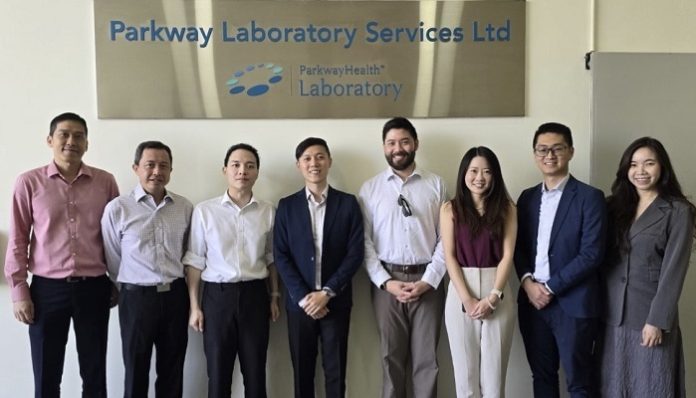
QIAGEN Singapore Pte. Ltd. today announced a partnership with Parkway Laboratories, one of Singapore’s leading clinical laboratories, to advance healthcare services through the installation of the QIAstat-Dx syndromic testing system in three of IHH Healthcare’s hospitals in Singapore: Gleneagles, Mount Elizabeth and Mount Elizabeth Novena hospitals.

The collaboration aims to enhance patient management by optimizing syndromic testing diagnosis and treatment with accurate pathogen identification. QIAstat-Dx, a multiplex molecular diagnostic system, employs cost-efficient, single-use cartridges with built-in sample processing and on-board reagents. Utilizing multiplex real-time PCR, it detects and differentiates between multiple pathogens, with results in about an hour, thereby providing rapid answers for the detection of a wide range of infections. The disease area panels include the QIAstat-Dx Respiratory SARS-CoV-2 Panel, QIAstat-Dx Gastrointestinal Panel, and QIAstat-Dx Meningitis/Encephalitis Panel.

The QIAstat-Dx system also provides easy-to-view cycle threshold (Ct) values and amplification curves, offering additional insights not available with end-point PCR or other techniques. By connecting to the QIAsphere, QIAstat-Dx provides Parkway Laboratories with valuable epidemiological trends to support public healthcare management.

“Our partnership with Parkway Laboratories represents a significant step forward in improving healthcare outcomes in Singapore,” said William Lin, Senior Director, Commercial Operation, APEC at QIAGEN. “By providing fast and accurate syndromic testing solutions across respiratory, gastrointestinal, and central nervous system infections, we’re enabling healthcare providers to make informed decisions quickly, potentially reducing unnecessary antibiotic use and supporting antimicrobial stewardship efforts.”

“QIAGEN’s solution contributes to Parkway Laboratories’ efforts in improving antimicrobial stewardship (AMS) through rapid diagnostics. AMS is one of IHH Healthcare’s sustainability goals, targeting the public by nurturing a healthier society” said Dr Shawn Ng, CEO of Parkway Laboratories.

The agreement expands a previous successful collaboration between QIAGEN and Parkway Laboratories for latent tuberculosis infection screening using QuantiFERON-TB Gold Plus, the leading IGRA test. This continued partnership demonstrates the ongoing commitment of both organizations to advancing healthcare diagnostics and improving patient outcomes in Singapore.

How Patient-Centered Outcomes Research is driving medical and pharma innovation

Pharmaceutical companies are used to the term patient-centric. However, as the needs of the patients change, the medical industry should start thinking about a move to embrace patient-centered science. This involves actively listening to patients and using relevant data to advance services offered.

What is PCOR?

It is essential to understand patients’ perspectives from themselves to facilitate growth in different sectors like drug development. This has been a must-have and ever-evolving development in the pharma and medical industries. For instance, companies like Carenity offer Patient-Centered Outcomes Research solutions by leveraging their own online patient community. PCOR answers several questions, including what to do to improve the most important outcome for me. What should I expect given my preferences, characteristics and conditions? What options are available? What are the consequences of those options?

How PCOR is Helping Improve the Pharma and Medical Industry

To make things run smoothly, PCOR employs state-of-the-art technology and innovation ideals in the science industry. Therefore, it is responsible for assessing the advantages and disadvantages of diagnostics, health delivery systems, therapeutic, preventive and or palliative interventions to show caparisons, help in decision-making and developing outcomes that matter to individuals. Also, PCOR is responsible for investigating outcomes while addressing issues relating to available resources, stakeholder perspectives and individual needs.

Thanks to advanced technology, Patient-Centered Outcomes Research solutions incorporate a diversity of participants and settings to deal with barriers and individual differences. This helps when it comes to the dissemination and implementation of certain medical services and products. It is inclusive of autonomy and needs, individual preferences and outcomes that people care about and notice like symptoms, survival, healthy eating, quality of life and function.

Listening to Patients

PCOR understands that the patient is the center of the treatment and each has unique insights, experiences and perspectives that can affect the treatment journey. This means that the traditional communication system where the healthcare provider is telling the patients what to do is abolished. For example, understanding PFIC patients can help in the development of measurement tools to help in dealing with impacts and symptoms like sleep disturbance.

Utilising Technology

The research takes advantage of technology to ensure patients can share their experience and give feedback on the drugs used or services received. Things like eDiary, well-designed and patient-friendly, can help patients report their pruritus experience, in the case of PFIC, at least twice a day throughout the trial period. This encourages the engagement rate between the healthcare provider and patients, improving the services offered.

In a Nutshell

The medical and pharma landscape is constantly evolving with complex ecosystems and needs. Stakeholders need to agree on a common goal: making the lives of patients easy by delivering high-quality services. PCOR ensures that communications are non-misleading, well-informed, easy to interpret and reliable.

Expert Prosthodontics Services by Specialists on the Upper West Side

The Upper West Side is home to a team of adept prosthodontists who excel in providing thorough prosthodontics services, ranging from dental implants to full mouth reconstructions. With a deep understanding of the complexities of oral health, these specialists utilize the latest technology and high-quality materials to create customized solutions for their patients. Their commitment to excellence in patient care and satisfaction sets them apart, as does their ability to achieve long-lasting, aesthetically pleasing results. Yet, what is the impact of their expertise on the local community, and how are they shaping the future of prosthodontics?

Understanding Prosthodontics

To fully grasp the scope of prosthodontics, it is essential to understand that it is a specialized branch of dentistry focused on the design, manufacture, and fitting of artificial replacements for teeth and other parts of the mouth. This field has a rich history, tracing back to the ancient Egyptians who used gold and ivory to create replacements for missing teeth. The term ‘prosthodontics’ itself was coined in the 18th century, heralding an era of noteworthy advancements in dental science.

Dental implants basics form an integral part of prosthodontics. These are surgical fixtures placed into the jawbone and allowed to fuse with the bone over a few months. The fundamental principle of implantology, osseointegration, was discovered in the 1950s by Swedish orthopedic surgeon Per-Ingvar Brånemark, marking a pivotal moment in prosthodontics history. Dental implants serve as a foundation for replacement teeth that feel, look, and function like natural teeth.

In modern times, prosthodontics has evolved significantly, using cutting-edge technology and materials to ensure patients receive the most effective and aesthetically pleasing solutions. This specialized field continues to enhance oral health care, underscoring the importance of understanding its history and fundamentals.

Importance of Prosthodontic Treatment

The necessity of prosthodontic treatment is multifaceted and greatly impacts oral health and overall well-being. It offers a host of benefits, ranging from improving facial aesthetics to restoring the function of the oral cavity. When selecting prosthodontic services, several factors must be taken into consideration to guarantee the best possible outcome.

Understanding Prosthodontic Treatment

In the domain of dental health, prosthodontic treatment plays an important role, primarily focusing on the design, manufacture, and fitting of artificial replacements for teeth and other parts of the mouth. This specialized field addresses not only functional concerns but also the aesthetic aspects of oral rehabilitation.

Prosthodontic cost factors vary based on the complexity of the case, the type of prosthetic device used, and the expertise of the prosthodontist. These could include dental implants, crowns, bridges, dentures, or veneers. It’s important to have a detailed consultation with your prosthodontist to understand the overall cost and plan your treatment effectively.

The prosthodontic recovery process also varies depending on the type of prosthesis and individual patient factors. After an initial adjustment period, most patients experience significant improvements in both function and appearance. Regular follow-up visits are crucial for monitoring the prosthesis and ensuring excellent oral health.

In essence, understanding prosthodontic treatment is key to realizing its potential in restoring oral function, enhancing aesthetics, and improving the quality of life. As a patient, gaining insights into cost factors and the recovery process will enable you to make informed decisions about your dental health.

Benefits of Prosthodontics

Harnessing the power of prosthodontics can bring about several benefits, such as restoring oral functionality, enhancing facial aesthetics, and improving overall quality of life. This specialized field of dentistry has undergone a remarkable evolution in recent years, thanks to advancements in technology and techniques.

  1. Restoration of Oral Functionality: Prosthodontics treatments repair and replace missing or damaged teeth. This restoration allows patients to regain their ability to chew and speak properly, greatly improving their daily life.
  2. Enhancement of Facial Aesthetics: Through procedures like veneers, crowns, and dental implants, prosthodontics can improve the overall appearance of a person’s smile, thereby boosting their self-confidence.
  3. Improvement of Overall Quality of Life: By addressing oral health issues, prosthodontics enhances patients’ overall wellness. It alleviates pain and discomfort associated with dental problems, contributing to a better quality of life.

The initial cost of prosthodontics treatment might seem high, but it must be viewed as an investment towards enhanced well-being and improved lifestyle. This field’s evolution has made treatments more efficient, durable, and aesthetically pleasing, offering patients the best possible results. Therefore, the benefits of prosthodontics far outweigh the costs, making it a highly valuable service for those in need.

Choosing Prosthodontic Services

When considering prosthodontic treatment, selecting an experienced and skilled prosthodontist is essential, as this specialist will play a significant role in restoring and enhancing your oral health and overall well-being. These experts are adept at handling complex dental conditions and reconstructive procedures, promising an improved quality of life through enhanced function and aesthetics.

Prosthodontics cost factors should be a key consideration in your decision-making process. The cost of prosthodontic services can vary, depending on the type and complexity of the procedure, the materials used, and the time required for treatment. It’s wise to discuss these factors with your provider to understand the full scope of your investment.

Dental insurance considerations are also paramount when choosing prosthodontic services. Not all insurance plans cover prosthodontic procedures, and coverage levels can vary significantly. It’s important to review your dental insurance policy for coverage limitations, deductibles, and out-of-pocket maximums before starting treatment.

Remember that investing in your oral health is not just about aesthetics, but also about preserving your overall health and wellbeing. Therefore, choosing the right prosthodontic services should be approached with careful consideration, thorough research, and open dialogue with your healthcare professional.

Innovative Prosthodontics Techniques

With the advent of modern technology, the field of prosthodontics has seen a surge in innovative techniques that enhance patient comfort while ensuring high-quality dental restorations. These methods leverage the latest advancements in prosthetic materials and digital dentistry evolution.

Three key innovations leading this transformation include:

  1. CAD/CAM Systems: Computer-Aided Design and Computer-Aided Manufacturing (CAD/CAM) technology enables prosthodontists to create precise and individualized prosthetics. They enhance the fitting accuracy and durability of dental restorations, improving the long-term oral health of patients.
  2. Advanced Prosthetic Materials: The development of superior prosthetic materials, such as zirconia and IPS e.max, has revolutionized the creation of dental restorations. These materials provide excellent aesthetics, high strength, and biocompatibility, offering patients natural-looking and lasting solutions.
  3. Digital Imaging: High-resolution digital imaging allows specialists to capture detailed information about the oral structure. It improves diagnostic accuracy, planning, and execution of complex prosthodontic procedures, making them more efficient and less invasive.

These cutting-edge techniques herald a new era in prosthodontics, delivering excellent results with reduced patient discomfort. As these methods continue to evolve, the future of prosthodontics promises even greater advancements, enhancing patient care and outcomes.

Choosing the Right Prosthodontist

While these innovative techniques have revolutionized the field of prosthodontics, selecting the right prosthodontist is fundamental to achieving successful results and a pleasant dental experience. This process involves considering various factors, including prosthodontic affordability and insurance considerations.

The cost of prosthodontic procedures can vary widely, and it is important for patients to find a provider that offers thorough, high-quality care within their budget. Prosthodontic affordability does not necessarily equate to lesser quality; many skilled prosthodontists offer flexible payment plans and work with patients to make sure they receive the care they need without financial strain.

Insurance considerations also play a significant role in choosing a prosthodontist. Not all dental insurance plans cover prosthodontic procedures in full, so it’s crucial to verify what your policy covers before committing to a provider. Some prosthodontists may also participate in network with certain insurance providers, which can greatly decrease out-of-pocket costs.

In addition to affordability and insurance, other factors such as the prosthodontist’s experience, credentials, and patient reviews should also be taken into account. Your oral health is an important aspect of your overall wellbeing, and it’s important to entrust it to a professional who can provide the high-quality, personalized care you deserve.

Expert Prosthodontists on the Upper West Side

The Upper West Side boasts a selection of prosthodontics services by Upper West Side specialists who are skilled in delivering various prosthodontic treatments. These professionals excel in procedures ranging from dental implants to full mouth reconstructions, ensuring a thorough service to meet diverse patient needs. When choosing a prosthodontist, it is important to consider their expertise, the range of treatments offered, and the quality of patient care provided.

Prosthodontic Treatments Offered

Offering a wide range of treatments, expert prosthodontists on the Upper West Side are adept at restoring and enhancing patients’ oral health and aesthetics. These specialists excel in various aspects of prosthodontics, including, but not limited to, prosthetic material selection and implant longevity studies.

  1. Prosthetic Material Selection: Prosthodontists specialize in selecting the most appropriate prosthetic material for each patient. This process involves thorough evaluation of the patient’s oral condition, lifestyle, and personal preferences. The selected prosthetic material must not only restore function but also harmonize with the patient’s facial aesthetics.
  2. Implant Longevity Studies: Expert prosthodontists continually participate in implant longevity studies to improve treatment outcomes. These studies provide crucial information about the long-term performance of different implant systems, enabling prosthodontists to offer the most reliable solutions to their patients.
  3. Other Prosthodontic Treatments: Besides these, prosthodontists on the Upper West Side also offer treatments like dentures, bridges, veneers, and full-mouth rehabilitation. Each treatment is individually tailored to meet the unique needs of the patient, ensuring excellent oral health and aesthetics.

Selecting a Prosthodontist

Given the wide range of prosthodontic treatments available, selecting an expert prosthodontist on the Upper West Side is an important step towards achieving peak oral health and aesthetics. This decision requires careful consideration of prosthodontist qualifications and cost.

The qualifications of a prosthodontist provide insights into their expertise and ability to deliver high-quality treatment. They should have a Doctor of Dental Surgery (DDS) or Doctor of Dental Medicine (DMD) degree, and a certification from the American Board of Prosthodontics. This guarantees they have undergone rigorous training and demonstrated competence in the field. Additional training in advanced prosthodontics is a plus, indicating a specialization in complex cases and an ability to provide thorough treatment plans.

Prosthodontist cost is another critical factor. It can vary widely depending on the complexity of the treatment, the materials used, and the prosthodontist’s level of expertise. It’s important to discuss costs upfront to avoid unexpected expenses. Some prosthodontists offer flexible payment plans or accept dental insurance, which can help make treatments more affordable.
Case Studies of Complex Dental Restorations

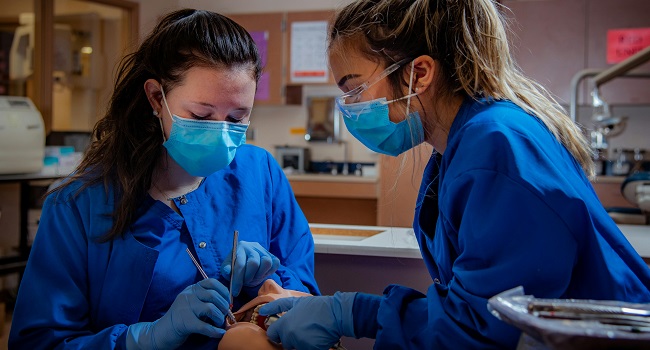
Venturing into the domain of complex dental restorations, we have managed numerous intricate cases at our Upper West Side Prosthodontics clinic, offering invaluable insights into the transformative power of advanced dental procedures. Our specialist team is equipped with the knowledge of different dental restoration materials, understanding their specific attributes and how they affect the prosthesis life span, allowing us to choose the best solution for each patient.

  1. Full Mouth Rehabilitation: We had a case of severe bruxism, which had led to extensive tooth wear. We leveraged high-quality porcelain to reconstruct the patient’s dentition, restoring functionality and aesthetics.
  2. Implant-Supported Prosthesis: A patient presented with several missing teeth, impacting speech and mastication. Titanium implants were placed, and the prosthesis was constructed using durable zirconia for longevity and biocompatibility.
  3. Maxillofacial Prosthesis: A challenging case involved a patient who had undergone partial maxillectomy. Using a combination of bio-compatible acrylic and silicone materials, we created a prosthesis that restored the patient’s facial symmetry and oral functions.

These case studies illuminate the intricate process of dental restorations, demonstrating our commitment to delivering exceptional prosthodontics services on the Upper West Side.

Cosmetic Dental Enhancements and Procedures

As we move on from our earlier discussion on complex dental restorations, we now shift our focus to the domain of cosmetic dental enhancements and procedures. The emphasis of this section will be to explore the latest advancements in teeth whitening techniques and the evolving field of dental veneers. These two elements are crucial in the current landscape of cosmetic dentistry, offering patients enhanced aesthetic appeal and increased confidence in their smiles.

Teeth Whitening Techniques

In the domain of cosmetic dental enhancements and procedures, teeth whitening techniques stand as a popular and effective solution for enhancing one’s smile. As specialists on the Upper West Side, we are equipped with the knowledge and technology to provide you with a brighter and whiter smile.

We understand that some individuals may prefer home remedies or over-the-counter whitening products, but it is important to remember that professional intervention can yield faster and safer results.

Here are three primary teeth whitening techniques that we offer:

  1. In-Office Bleaching: This procedure is performed by our dental specialists, and it involves the use of high-concentration peroxide gel. The results are almost immediate and the treatment offers the advantage of being monitored by a professional.
  2. At-Home Bleaching with Custom-Made Trays: To guarantee a perfect fit, we provide custom-made trays which are filled with a lower concentration peroxide gel. This technique is effective but requires more time to see results.
  3. Whitening Toothpastes and Rinses: These products contain mild abrasives that help remove surface stains. They can be used alongside the other methods for an even brighter smile.

Dental Veneers Advancements

Over the years, advancements in dental veneers have revolutionized cosmetic dentistry, offering an effective solution for a range of dental imperfections such as discoloration, gaps, and misshapen teeth. This transformation can largely be attributed to the veneer material evolution, seeing a shift from porcelain to resin composite materials, which offer superior durability and a more natural appearance.

These developments have also spurred celebrity veneer trends, with many public figures opting for this cosmetic enhancement to achieve a flawless smile. The veneer application process has been refined to be minimally invasive and highly customizable, allowing for a perfect match with the patient’s natural teeth regarding color, size, and shape.

Furthermore, the introduction of CAD/CAM technology in the fabrication of veneers has notably improved the precision and speed of the procedure. This technology utilizes digital impressions to create a 3D model of the patient’s teeth, ensuring an exact fit of the veneers.

Maintenance Tips for Dental Prostheses

Securing the longevity of your dental prosthesis requires routine maintenance and care, a critical aspect that patients often overlook. The importance of practicing diligent hygiene cannot be overstated when it comes to prosthetic longevity. Proper cleaning techniques play a significant role in maintaining the health of your oral prosthetic and the surrounding tissues.

Here are three key steps to follow in maintaining your dental prosthesis:

  1. Daily Cleaning: Use a soft toothbrush or specialized prosthetic brush to clean your dental prosthesis daily. Use gentle, circular movements and pay particular attention to the areas where the prosthesis meets the gum line.
  2. Regular Check-ups: Schedule regular appointments with your prosthodontist. These check-ups allow for early detection of any potential issues that could compromise the long-term use of your prosthesis.
  3. Avoid Abrasive Cleaning Materials: Avoid using harsh toothpastes or denture cleansers that can scratch the surface of your prostheses, making them more susceptible to stains and bacteria build-up.

Following these tips will ensure that your dental prosthetic serves you well for years to come. Remember that the quality of care directly impacts the lifespan of your prosthesis.

Patient Testimonials and Success Stories

While maintenance of your dental prosthesis is certainly important, it’s also beneficial to hear from those who have successfully navigated this journey – let’s explore some patient testimonials and success stories.

Many patients speak highly about the prosthetic affordability of our Upper West Side clinic. For instance, Jane, a 50-year-old patient, shares, ‘I had been hesitant about getting dental implants due to cost concerns. But the clinic’s flexible payment options and insurance facilitation made the journey far more affordable than I had anticipated.’

Another dimension of success stories revolves around the dental implants journey itself. A testimonial from Robert, a 60-year-old retiree, encapsulates this: ‘From the initial consultation to the final fitting, the dental implants journey at the clinic was smooth, efficient, and surprisingly comfortable. The specialists were highly knowledgeable, detailed and professional, and they kept me informed throughout the process.’

These testimonials underscore the clinic’s commitment to providing high-quality, affordable prosthodontics services. The thousands of satisfied and smiling patients are a confirmation of the clinic’s dedication and expertise. So, if you’re considering prosthodontics, remember these success stories and take the first step towards a beautiful and healthy smile.

Booking Your Prosthodontic Consultation

After hearing these success stories, you might be considering your own path to a healthier smile, and the first step in this journey is to book a prosthodontic consultation at our Upper West Side clinic. This consultation is a fundamental part of the process, as it facilitates a thorough dental history discussion and lays the groundwork for your personalized treatment plan.

To guarantee that your consultation is as productive as possible, we recommend the following:

  1. Consultation Preparation: Gather any relevant documentation, such as previous dental records or radiographs. This will aid our specialists in understanding your dental history and current situation better.
  2. Discussion of Dental History: Be prepared to discuss your dental history in detail. Our prosthodontists need to know about past procedures, current discomfort or dissatisfaction, and your overall oral health goals.
  3. Ask Questions: Remember that a consultation is your opportunity to ask any questions you may have. Whether you’re curious about potential treatment options, timelines, or costs, our team is here to provide you with all the necessary information.

Our goal is to make sure that you feel educated and comfortable with the process moving forward, and your consultation is a significant component of this commitment.

Frequently Asked Questions

What Insurance Plans Do These Prosthodontic Specialists Accept?

For precise insurance coverage details, it’s advisable to contact the prosthodontic specialists directly. They can provide information on accepted insurance plans and out of network options to guarantee thorough dental care coverage.

What Are the Office Hours of the Prosthodontists on the Upper West Side?

The office hours for prosthodontists on the Upper West Side vary. Appointment scheduling can be done online or by phone. The latest dental technology guarantees efficient and effective treatment within their operational hours.

Is There an Emergency Contact for After-Hours Dental Issues?

Yes, for after-hours dental issues, an emergency contact is available to guarantee patient comfort and immediate attention. Emergency procedures are executed efficiently by our trained professionals to provide prompt and effective relief.

Do These Specialists Offer Services for Children and Adolescents?

Yes, these specialists provide Pediatric Prosthodontics services, catering to the unique dental health needs of children and adolescents. They’re experienced in handling various adolescent dental health issues and ensuring peak oral health for these age groups.

What Languages Do the Prosthodontists and Their Staff Speak?

In order to guarantee effective communication and overcome language barriers in healthcare, the prosthodontists and their staff are multilingual. They speak English, Spanish, and French, providing a diverse and inclusive environment for all patients.


Indonesia’s Top Hospitals and Laboratories Meet at InterSystems Asia Healthcare Summit in Jakarta to Discuss an AI and Connected Care Future

Healthcare leaders from across the Asia Pacific region have come together for the InterSystems Asia Healthcare Summit, featuring an AI and Connected Care Symposium designed to help healthcare leaders navigate a future shaped by data and AI-enabled care. The summit, from August 21-22 in Jakarta, advanced data-enabled healthcare initiatives across the Asia Pacific region, with a particular focus on Indonesia’s rapidly evolving healthcare landscape.

The opening day of the summit focused on preparing healthcare organisations for a data and AI-enabled future. Discussions centred on the integration of health and care data and the critical role of the HL7® FHIR® interoperability standard.

Luciano Brustia, Regional Managing Director, Asia Pacific, InterSystems, highlighted how the company’s innovative technologies are revolutionising healthcare delivery across the Asia Pacific region. “Many of the region’s best private hospitals rely on our TrakCare® electronic medical record system to deliver world-class care and service and to improve efficiency. A growing number of healthcare organisations are also using our InterSystems IRIS for Health™ data platform to fully unlock the potential of their data, resulting in improved decision-making and business agility. We are proud of our regional partnerships and growing customer community and we remain dedicated to supporting the ongoing digital transformation of healthcare in Asia,” he said.

Kathleen Aller, InterSystems Global Head of Healthcare Market Strategy, engaged delegates with the question, “Are You and Your Data AI Ready?”. She discussed strategies for preparing data for AI. Meanwhile, Stella Ramette, InterSystems Director of Customer Relations – Healthcare, Southeast Asia, presented strategies for “Putting AI into Action.” Kathleen Aller highlighted the challenge of AI readiness, noting, “According to Gartner, only 5% of organisations feel their data is AI-ready. Without comprehensive, usable data, AI initiatives may not achieve the desired outcomes.”

Local perspectives were shared by Alwidyarly Zufly, Head of Data Analytics at BitHealth, and Andri Hidayat, Digital Service Transformation and IT Director at Prodia, who presented valuable case studies on building FHIR repositories in their session “Getting Value from FHIR.” These sessions highlighted the successful implementation of InterSystems technology in Indonesia, demonstrating how local organisations leveraged data to achieve improved patient outcomes, enhanced operational efficiencies, and streamlined healthcare delivery.

A notable panel session titled “Driving Change” featured Benedict Sulaiman, Vice President of Information Technology at PT Affinity Health, Dr. Gracia Yudo, Director of Medical, Ancillary Service, Quality, and Patient Safety at Eka Hospital, and Ignacio Diaz Sanchez, Chief Process Innovation Officer at Thailand’s Bumrungrad International Hospital. They discussed the importance of managing change within an organisation when implementing disruptive technology initiatives like Electronic Medical Record systems. This session shed light on how healthcare providers addressed these challenges and drove significant value from their investments.

Attendees also experienced demonstrations of the latest innovations from InterSystems and its partners participating in the Partner Pavilion. Thomas How, CTO of Malaysia-based Hesper Technologies, and Daniel Wang, Co-founder and CTO of Singapore-based Jonda Health, showcased cutting-edge solutions built upon InterSystems technology in a session titled “Data Visualization and Interoperability with InterSystems IRIS.” These demonstrations provided insights into the future of healthcare technology.

Paul Grabscheid, Vice President of Strategic Planning at InterSystems, stated that InterSystems is proud to contribute to healthcare transformation by enabling customers to not only meet today’s data management challenges but to be ready for what comes next. “Our long-term partnerships with Indonesia’s premier private hospital groups and more recently with its largest laboratory network underscore our commitment. Technologies like TrakCare have empowered hospitals such as Eka Hospital, EMC Healthcare, Rumah Sakit Pondok Indah Group, and PT Affinity Health Indonesia to deliver consistent, high-quality care. Additionally, our support in building FHIR repositories is helping customers to unlock their data for new uses, driving innovation and excellence,” he said.

InterSystems unveiled upcoming AI capabilities for its TrakCare electronic medical record (EMR) system, including an AI-enabled assistant designed to enhance patient care and reduce administrative tasks. This AI-driven innovation is set to be a game-changer for many leading private hospitals that already rely on TrakCare, positioning them at the forefront of healthcare technology.

The summit also served as a platform to outline InterSystems’ future plans in Indonesia, which include expanding collaborations with local healthcare providers, seeking new partners who want to build interoperable, AI-enabled software solutions, and supporting the government’s health information exchange initiatives like SATUSEHAT. The event was tailored for healthcare leaders, technology innovators, and industry professionals. By continuing to build robust solutions that unify healthcare delivery and empower Indonesian healthcare organisations to unlock the full potential of their data, InterSystems aims to improve patient care and health outcomes.

For more information and updates from the InterSystems Asia Healthcare Summit, visit https://www.intersystems.com/sg/ISCAsiaSummit2024/.

Ciba Health Launches Longevity Offering, Thrive, To Help People Understand, Mitigate And Reverse Chronic Conditions

Ciba Health, a digital health company transforming healthcare with root-cause medicine and leveraging cutting-edge technology AI/ML, announced today its launch of Thrive by Ciba (Thrive), a data-powered, customizable disease prevention platform to help people live longer and healthier lives.

Thrive offers deeply-personalized, comprehensive blood work, offering 100+ labs along with on-demand education to help members better understand their health and treat chronic conditions, including type 2 diabetes, high cholesterol, gut health imbalances, hormonal disruptions, thyroid functions, MSK pain, mental health and more — which is more than five times than what doctors typically offer. Combined with a dedicated care team and a data-powered platform, these advanced labs can help find answers to common chronic conditions, which are responsible for seven out of ten deaths in the US, with 86% of healthcare costs attributed to these conditions. Along with easy-to-interpret lab results, the offering includes monthly guidance from registered dieticians and health coaches, as well as on-demand lifestyle resources for habit-formation. This offering goes well beyond what traditional healthcare provides by empowering people to accurately read their results, act on them—whether their labs are “out of range” or not—and optimize their health. While this concierge approach typically costs thousands of dollars yearly, Thrive costs $499 per year, or $42 per month.

“As the world shifts and stressors become more intense, longevity has never been more crucial to protect,” says Dr. Innocent Clement, CEO and Founder of Ciba Health. “Blue Zones are popping up across the globe, and there’s no reason the US can’t house our longest-living people with the highest quality of life, too. America has a chronic conditions problem between diabetes, obesity, mental health challenges and more. We are too focused on treating surface-level symptoms rather than getting to the root of the problem and providing a long-term solution. Thrive will help all Americans decode their health and pave the way to longer, healthier lives at a low cost.”

Members can access the platform by providing their email and filling out a short questionnaire detailing their medical history, the current state of their health and their health goals. Then, they can schedule an in-person lab visit at one of Thrive’s partner labs, available in 50 states with multiple locations nationwide.

A yearly Thrive membership includes initial testing, high-touch webinars led by registered dieticians and health coaches, and a content library so members can make small manageable changes in their daily lives that last. Members will re-test their blood after six months to see how their lifestyle changes are making an impact on their biochemistry. For an even deeper dive into their health and access to 1:1 sessions with a physician, registered dietician and health coach along with connected devices (e.g. CGMs, sleep/fitness trackers), members can add on to their Thrive membership for an additional cost, which is FSA/HSA eligible.

Thrive enters the market with a robust team of root-cause medicine providers and AI-driven technology to equip patients with insights and tailored recommendations that allows them to redesign their health and revolutionize healthcare at the same time. Looking ahead, Ciba Health aims to onboard new members to Thrive seamlessly once they provide their email and payment.

Translate »