Close
Digital Health & Ai Innovation summit 2026
LiGHT26

Navenio Launches AI Powered Smart Tasking to Improve Hospital Efficiency and Reduce Patient Backlogs

Navenio, a global leader in the delivery of Real-Time Location Services for hospitals and health systems, today announced the launch of its new AI Smart Tasking capability to improve hospital workflow and patient care.

The Smart Tasking feature, part of Navenioโ€™s Intelligent Workforce Solution, ensures healthcare professionals can efficiently allocate tasks to the optimal staff member and seamlessly chain tasks, such as patient movement and ward cleaning. This ensures the โ€œjust in timeโ€ movement of activity, where as soon as one task is completed, the next related task is automatically triggered, allowing for continuous workflow and maximum efficiency.

One NHS Trust that has adopted the technology has already reported significant improvements, including a 62% decrease in task completion times, a 42% rise in self-service task bookings, and a 63% increase in task creation. These enhancements have been particularly beneficial in key departments such as A&E and radiology, ensuring better alignment with portering services, catering, and cleaning staff.

Connie Moser, Chief Executive Officer at Navenio, commented โ€œThe launch of our AI Smart Tasking function represents a significant step forward in our mission to transform hospital operations and patient care. By leveraging the power of AI, we are getting more nurses and healthcare teams back to the bedside and creating a streamlined process for staff and their patients.ย  We look forward to seeing how this enhancement will continue to generate benefits for care teams and technology partners across the globe.โ€

The tasking feature also empowers clinical and non-clinical staff to drive activity through tasking independently, reducing administrative burden and improving operational efficiency, supporting the smooth management of increased task volumes effectively.

Ways2Well Selects Cancer Check Labs as its Exclusive Provider of Early Cancer Detection Testing

Cancer Check Labs, a leader in early cancer detection, announced that it has been selected as the exclusive provider of early cancer detection tests through Ways2Well, a regenerative and functional medicine clinic that provides telehealth appointments and personalized care plans for patients. Cancer Check tests will now be available to all of Ways2Well’s 52,000 patients across the country.

According to the CDC, approximately 4 in 10 people will be diagnosed with cancer in their lifetime. Today, only 5 types of cancers โ€“ breast, lung, colorectal, prostate and cervical โ€“ come with recommended screening tests. Yet there are more than 200 known types and subtypes of cancer, with cancer surpassing heart disease as the number one cause of death in high income developed populations. The urgency for early cancer detection is increasing as researchers learn more about the dramatic benefits of early cancer treatment, however, many cancer screening tests are either too invasive, non-specific or prone to error.

In recent years, companies like GRAIL have developed early detection blood tests that utilize circulating tumor DNA (ctDNA) detection technology to determine the likelihood of the presence of cancer. While a step in the right direction, ctDNA methods only provide a partial glimpse of the whole picture, essentially relying on scraps of DNA information and signals from which to extrapolate answers, often creating erroneous results, false positives and unnecessary subsequent treatment for patients.

In contrast, Cancer Check Labs has developed an entirely new way to screen for the presence of cancerous circulating tumor cells (CTCs) โ€“ rather than ctDNA โ€“ from more than 200 types of solid tumors with just a 40 ml blood draw. The cellular tissue from the blood sample is then processed and subsequently reviewed by a board-certified pathologist to determine whether or not CTCs are present. CTCs provide a profound level of insight into the whole, intact tumor cell, revealing structural and morphological characteristics which can enhance accuracy. The output of the analysis is a board-certified pathology report, the same output you would receive from a standard tissue biopsy. This first-of-its-kind level of detail and alignment with standard procedures is the reason why Ways2Well moved on from GRAIL to exclusively provide cancer screening with Cancer Check Labs.

“Our primary focus is on early detection and preventative care so that our patients can avoid complications from illness down the road,” said Danese Rexroad MSN, APRN, FNP-C, Chief Clinical Officer at Ways2Well. A major part of that focus is cancer prevention, which can only happen if detected in its earliest stages. As a company that utilizes blood analysis to determine the underlying causes and risks for disease, we were encouraged by some of the ctDNA early cancer detection blood tests gaining traction in the market, but there were still concerns about their accuracy and limitations. That’s why it was so crucial for us to switch to a company like Cancer Check Labs who has changed the game with their ability to detect whole CTCs and can enable us to analyze actual cellular tissue.”

“We are thrilled to be partnering with such a renowned clinic that is dedicated to providing the most innovative and personalized care solutions to its patients,” said Sumit Rai, CEO of Cancer Check Labs. “Access to Cancer Check Labs’ game-changing early cancer screening can benefit both Ways2Well patients and the broader cancer research community by spreading awareness around the power of CTC detection technology over ctDNA and traditional screening methods.”

Children’s Hospital of Philadelphia Researchers Reveal New Hope for Chemotherapy-Resistant Neuroblastoma Patients

Researchers at Children’s Hospital of Philadelphia (CHOP) announced a significant breakthrough in understanding chemotherapy resistance in high-risk neuroblastoma, a common and potentially deadly childhood cancer arising within the peripheral nervous system. The study marks the first time that researchers identified malignant cells responsible for relapse in neuroblastoma and offers insights for potential new therapeutic targets. The findings were published recently in the journal Cancer Discovery.

In the United States, about 800 new cases of neuroblastoma are diagnosed each year, more often in boys. The average age of diagnosis is about 18 months but occasionally the disease is seen in teens and young adults. Neuroblastoma has a high mortality rate and despite extensive studies, the malignant cells responsible for relapse were not well understood until this research.

This study is part of research conducted by the Human Tumor Atlas Network (HTAN), a National Cancer Institute (NCI) Moonshot initiative led by Kai Tan, PhD, an investigator in the Center for Childhood Cancer Research at CHOP, and a multi-institutional NCI Program Project Grant (PPG) focused on neuroblastoma and led by John M. Maris, MD, a study co-author and pediatric oncologist at CHOP.

“This study is a major step forward in identifying why neuroblastoma is so difficult to cure,” said Maris, who also holds the Giulio D’Angio Chair in Neuroblastoma Research. “Targeting specific cells and pathways responsible for relapse empowers us to chart a new path forward, allowing us to develop potentially safe and effective treatments for children and families battling this aggressive cancer.”

The CHOP research team employed advanced single nucleus RNA sequencing (snRNA-seq) and bulk whole genome sequencing techniques to analyze the genetic and transcriptional profiles of tumor samples from 20 pediatric patients with high-risk neuroblastoma who were treated between 2007 and 2022. The samples included matched diagnostic biopsies and definitive surgery specimens obtained after several cycles of induction chemotherapy.

“HTAN played a crucial role in generating the powerful multi-omics dataset that led to the hypothesis we tested in this paper,” said Tan, who is also a professor in the Department of Pediatrics at CHOP and spearheads CHOP’s participation in the HTAN. “It supports the broader application of the identified therapeutic targets and resistance mechanisms in high-risk neuroblastoma.”

The investigators discovered and validated the fact that neuroblastoma can evade chemotherapy by becoming dormant and not constantly multiplyingโ€”a major hallmark of cancer. Thus, these “non-cycling” cells are resistant to chemotherapy, which is designed to kill cells that are actively multiplying. These “persister cells” can hide in the body for months or even years and see a relapse when they later awaken.

To validate their findings and enhance the analysis, the researchers leveraged independent post-induction chemotherapy data generated by other groups in the HTAN. By assessing the primary study’s findings within the context of other datasets, the researchers ensured consistency and reliability in the transcriptional subtypes they identified.

For example, researchers were able to study the expression level of the MYCN gene and its relationship to the transcriptional subtypes. This provided several insights into the biology of neuroblastoma and offered promising new therapies. As a result, Maris noted that the NCI-funded neuroblastoma PPG is actively pursuing research and that several immunotherapeutic strategies to eliminate persister cells are already being tested.

“This research could have far-reaching implications beyond neuroblastoma, as it enhances our understanding of chemotherapy resistance mechanisms,” said Liron Grossmann, MD, MSc, the study’s lead author, who managed the research during his Hematology-Oncology fellowship at CHOP, and is currently a Senior Attending Physician at Sheba Medical Center in Israel. “We’ve gained invaluable insights that can inform new approaches for various cancers, potentially improving treatment outcomes and reducing relapse rates across a broad spectrum of malignancies.”

The study was supported by Human Tumor Atlas Network U2C CA233285 and the National Cancer Institute (NCI) grants R35 CA220500, P01 CA217959, and K08 CA266914. This work was also supported by the Sheba Medical Center Physician-Scientist Program, the Giulio D’Angio Endowed Chair, the Richard & Sheila Sanford Endowed Chair and the Patricia Brophy Endowed Chair.

MEDICAL JAPAN 2024 TOKYO Expands Horizons with New Trade Fairs and Comprehensive Healthcare Coverage

MEDICAL JAPAN TOKYO, Japanโ€™s leading healthcare trade show, returns to Makuhari Messe from October 9 to 11, covering everything related to the medical, elderly care, pharmacy, and healthcare sectors and introducing more than seven new trade fairs in addition to its existing six specialized shows to ensure attendees have a comprehensive experience.

Like in the previous edition, MEDICAL JAPAN TOKYO features six sub shows. First off is the HOSPITAL EXPO, which is an international trade fair showcasing medical devices, equipment, and IT services specifically designed to address hospital needs. The CLINICS EXPO gathers medical devices and technologies specifically for clinics. The PHARMACY SOLUTIONS EXPO covers everything related to pharmacy systems, from dispensing equipment to functional food and supplements. Another B2B trade show is the ELDERLY CARE & WELFARE EXPO, an ideal venue for elderly care facility owners as it offers exclusive equipment and technologies like elderly care robots, medical wear, communication tools, and more. Meanwhile, the INFECTION PREVENTION EXPO presents different types of infection prevention products and systems, including PPEs and UV light devices. Finally, the JAPAN WELLNESS & HEALTH EXPO exhibits healthcare, food, and fitness products.

To further enhance the extensive lineup of sub-shows, MEDICAL JAPAN TOKYO will introduce more than seven new trade fairs aimed at addressing specific industry challenges.

Among the new trade fairs is the SLEEP FAIR, held inside the JAPAN WELLNESS & HEALTH EXPO. This trade fair will showcase sleep-related technologies such as sleep trackers, smart pillows, and white noise machines. Additionally, visitors will find prescription and over-the-counter sleep aids, specialized mattresses, and supplements designed to promote deeper sleep.

Another new trade fair is the AESTHETIC MEDICINE FAIR, featured in the CLINICS EXPO. It will present a range of cosmetic medical equipment, including laser and energy-based aesthetic systems, as well as hair removal and skincare products. This trade fair will also offer consultations for business start-ups, human resources, and educational opportunities.

Also held inside the CLINICS EXPO is the DENTAL/ORAL CARE FAIR. This venue will exhibit various dental products and services, from dental equipment and prosthetics to insurance plans. Visitors will also have the opportunity to network with companies providing administrative support and management services to dental practices.

MEDICAL JAPAN TOKYO invites everyone to join in its mission to advance the medical, elderly care, pharmacy, and healthcare sectors in Japan and the Asia-Pacific region. Visitors will have the chance to personally experience, assess, and evaluate the functionality and quality of each innovation on display. There are ample opportunities to find potential business partners among the 600 companies expected to exhibit. Plus, attendees can expand their industry knowledge through concurrent conferences led by market influencers and visionaries.

Visit MEDICAL JAPAN TOKYOโ€™s official website, for more details and register here, as a visitor and get a free badge ticket.

Zynext Ventures Invests in Promaxo: Revolutionizing Point-of-Care Imaging with Advanced MRI Technology

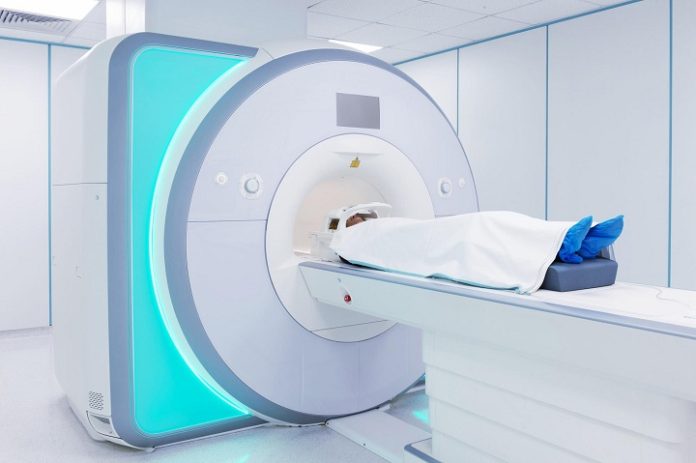
Zynext Ventures USA LLC, the venture capital division of Zydus Lifesciences, has made an investment in Promaxo Inc., an innovator in portable low-field MRI systems and minimally invasive robotics.

Promaxoโ€™s technology is set to transform patient care by enabling point-of-care imaging and intervention.

Their portable MRI system, which has received FDA 510(k) clearance for prostate biopsy and treatment, features a compact and open design with minimal fringe field.

This design allows for installation in a variety of healthcare settings, including clinics and operating rooms.

Additionally, Promaxo is working towards FDA clearance for its own robotic system, which aims to enhance precision in prostate interventions.

The investment reflects Zydus Lifesciences’ commitment to advancing healthcare innovations that address unmet needs.

Promaxoโ€™s integration of accessible MRI technology with robotics for guided interventions is expected to improve patient outcomes and expand access to critical point-of-care imaging.

The National Cancer Institute (NCI) reports approximately 3.3 million men in the US living with prostate cancer, with around 300,000 new cases projected for 2024.

The market for prostate biopsy and treatment in the US is valued at approximately $3 billion, with around one million biopsies performed annually.

Promaxo is also looking to expand into other areas such as female pelvic, kidney, breast, and orthopedic imaging.

Healthcare Innovation: AI And IoT Transforming Patient Care

Diagnostics that are powered by artificial intelligence and remote patient monitoring that is driven by the internet of things are just two examples of the digital advances that are progressively making their way into the healthcare business. The cornerstone of these improvements is stable infrastructure and networks that operate at high speeds.

A significant scarcity of trained healthcare personnel is now plaguing Germany, which is made worse by demographic transitions that are increasing the need for medical attention. During this time, the number of nursing trainees is decreasing, which has resulted in a significant shortage of nursing personnel. This shortfall has a negative impact on patient care and places additional stress on those who are still employed.

Urgent measures are required to make nursing jobs more attractive and to alleviate the burden that is currently being placed on experts in order to handle these difficulties in a sustainable manner. One approach that shows promise is the entire digitalization of care procedures, which goes beyond the administration of basic data. Enterprise resource planning (ERP) systems, hospital information systems, and integrated imaging technologies have been deployed by hospitals for a considerable amount of time in order to improve the quality of patient care and the efficiency of the process.

AI and Internet of Things Improving Medical Procedures

In order to make cutting-edge technologies such as the Internet of Things (IoT) and artificial intelligence (AI) available to medical practitioners, developers are working hard to make these technologies accessible. On the other hand, rather than completely automated solutions, the emphasis is placed on integrating digital tools that are easy to use. These tools are designed to blend in smoothly with everyday chores, relieving employees of routines that are repetitious.

Recent developments, like diagnostics driven by artificial intelligence and remote patient monitoring based on the internet of things, show a great deal of potential for improving patient care. Devices connected to the Internet of Things, for example, are able to continually monitor vital indicators such as heart rate, blood pressure, and oxygen levels. This enables early diagnosis of complications and faster reaction times from medical professionals. A further benefit of Internet of Things sensors is that they ease the process of monitoring and inventorying medical equipment, which improves asset management.

Artificial intelligence (AI) technologies, on the other hand, make it possible to make diagnoses more quickly and accurately by analyzing large volumes of medical data in order to identify intricate patterns. An example of this would be the ability of artificial intelligence to correctly analyze X-rays, CT scans, and MRI pictures, therefore recognizing probable abnormalities or illness. This accuracy enables medical professionals to make well-informed judgments, which in turn optimizes therapy based on the specific health profile of each individual patient. Early illness diagnosis with the use of AI also makes it possible to treat patients more quickly, which increases the efficacy of treatment and decreases the risk of consequences.

Furthermore, artificial intelligence enables individualized treatment by taking into account individual medical histories, genetics, and lifestyle decisions. This makes it possible to adapt treatment to each unique patient. In general, artificial intelligence improves the efficiency, accuracy, and patient happiness of healthcare.

Defining New Frontiers in Medical Research

Surgeons are already receiving assistance from artificial intelligence in the form of virtual surgical assistants during surgeries. Utilizing artificial intelligence, these systems do data analysis in real time, therefore delivering vital information that assists in the accurate planning and execution of surgical procedures. These assistants provide live feedback, spot deviations from planned treatments, and propose alternatives by constructing three-dimensional models from patient data and scans. As a result, they improve the safety of operations and the likelihood that they will be successful via their efforts. In addition to this, they play a significant part in the education and training of new surgeons via the use of simulation exercises.

Digital pathology is another fast-growing discipline that is fueled by artificial intelligence. Using digital tissue sample analysis, it enhances the speed at which diseases like cancer may be diagnosed while simultaneously improving the accuracy of the diagnosis. Histological pictures are evaluated by computers powered by artificial intelligence, which recognize tissue patterns and are able to identify abnormalities, hence improving diagnostic efficiency. The ability to easily share and examine digital pictures is another way that digital pathology encourages cooperation among medical experts.

Considering the Importance of Reliable Networks

Every single one of these digital tools, from the most basic to the most sophisticated, is dependent on a reliable infrastructure and networks that are capable of high performance. It is vital to have internet connections that are both fast and reliable in order to transfer significant amounts of data in real time. This is necessary for continuous patient monitoring and a prompt reaction to any problems that may arise. Internet of Things devices that monitor vital signs are required to communicate without any breaks with central systems.

Processing and storing the enormous volumes of medical data in an effective manner requires the use of powerful servers and data storage systems that are secure. Artificial intelligence systems need a significant amount of processing power in order to carry out intricate analysis and provide accurate diagnoses. The only way to successfully meet these needs without any problems is to have an intelligent infrastructure.

Furthermore, it is very necessary to have strong network security in order to safeguard critical healthcare data from any cyberattacks. Because of the increased vulnerability that is caused by the integration of medical equipment and systems, hospitals are required to guarantee that their networks are protected by contemporary security standards and that they get frequent upgrades.

Last but not least, an intelligent infrastructure encourages the seamless integration of a variety of digital tools, which in turn enables easy interoperability across diverse applications and platforms. Because of this, medical personnel are more likely to work together and share information, which ultimately results in improved patient care.

Despite the fact that a combination of skilled personnel, high-performance infrastructure, and innovative technology might not be able to completely solve the workforce shortage and potential care gaps, it has the potential to make a significant contribution to the preservation of patient care quality and the enhancement of the healthcare system’s resilience to future challenges.

Innovative Surgical Robots: Ensuring Data-Driven Precision

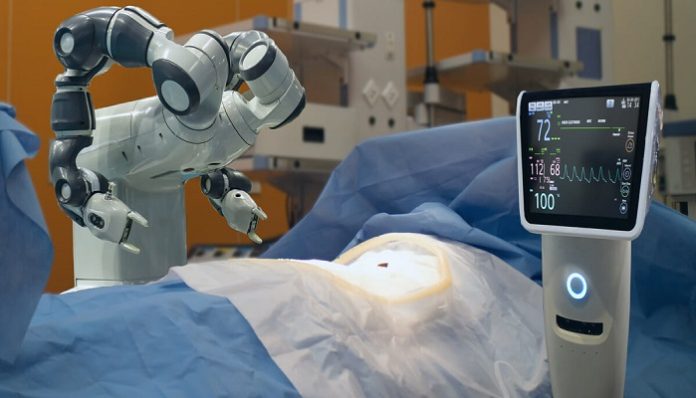
With real-time data analysis and intraoperative feedback, next-generation robotic systems have advanced significantly, restoring trust in surgical judgments and reducing the risk of mistakes during surgery.

Surgery is progressing quickly because of robotic platforms, which are bringing forth breakthroughs that have the potential to transform the field and enhance patient outcomes. In the operating room, technological innovation and human creativity are setting new benchmarks for efficacy, efficiency, and safety, and the body of clinical data is only becoming stronger.

A 2021 study that contrasted conventional methods for abdominopelvic operations with robotic-assisted laparoscopic (RALS) procedures found that although there were some minor gains, robotics did not prove to be a significant advantage. But in the little period since that publication, developments have set the stage for the next generation of robotic surgical instruments to have an unprecedented influence on patient outcomes.

In particular, intraoperative feedback and real-time data processing have greatly advanced next-generation robotic systems. They have reduced the possibility of surgical mistakes while fostering a renewed sense of confidence in surgical judgments.

An overview of surgical robots’ past

Early robotic systems were designed to provide surgeons more control and accuracy, but they were unable to significantly improve patient outcomes over conventional techniques. By iterating continuously, technology developers have given surgeons more range of motion, better dexterity, and ergonomic improvements that make it easier for them to execute difficult procedures.

Robotics has shown to be no different from medicine, which has been sluggish to accept new technology in the digital era. Examples of these technologies include digitizing medical records and replacing fax machines. Even among the most passionate supporters, adoption rates of robotic systems were hampered by their high initial cost, upkeep requirements, and training requirements. In the United States, millions of operations are done every year, yet very few of them make use of robotic help.

But recently, that picture has shifted due to the innovation community’s tremendous strides. Robotics advances have led to an increasing amount of clinical data that, for the first time, demonstrates quantifiable improvement. The quality of the clinical data has led to a rise in interest and acceptance as more surgeries take place. Now that robotic surgery is becoming more widely used, there’s excellent reason to think that this will happen as increased global training programs and technological acceptance spur greater research and development for the next generation of surgical professionals with digital capabilities.

Entering the contemporary era of surgery

One of the best examples of how digital interfaces may enhance a typically mechanical experience is seen in the car sector. Road navigation has become safer and more effective with innovations like lane departure sensors, GPS services, rearview cameras, blind spot monitoring, and even self-driving capabilities. Between 1960 and 2012, automobile safety technology is said to have saved over 600,000 lives, according to the US Department of Transportation.

A similar result might be attained by improving robotic-assisted procedures with integrated digital elements. By enabling data-driven choices and methods, emerging digital technologies have the potential to increase operating room effectiveness and patient safety. Just as digital instruments in surgery aid surgeons without completely replacing them, more safety measures in cars help drivers without replacing them.

Improving surgical results via sophisticated robots

Surgical rooms all around the world are already being impacted by contemporary robotic systems, which assist doctors in avoiding avoidable mistakes and increase operating room productivity. Surgeons are being outfitted with technology for training, safety, and analysis.

Although surgical complications are still a major problem, improved robotic integration has been shown to improve uniformity and standardization with favorable results. These platforms have the potential to revolutionize surgical techniques by offering a digital interface that enhances the surgeon’s skills.

Many have questioned whether robotic platforms in surgery can really improve patient outcomes since their introduction. The new generation of gadgets demonstrates for the first time that robotic technology with digital interfaces and advertisements might lead to better results.

How Digitalization Is Continuously Transforming MedTech

Innovation in MedTech Is Encouraged by Digitalization

The pharmaceutical and medical device sectors are emerging from a time of unparalleled adversity and disruption. The sector has been plagued by supply chain issues and increasing complexity at a time when the distribution of novel treatments, gadgets, and medications has made speed and agility essential. Notwithstanding the shortened timescales, risk management and patient privacy and safety protection continue to be of utmost importance.

On the other hand, this disruption has spurred a surge of creativity and inventiveness in the development and manufacturing of drugs and medical equipment. The life sciences sector has benefited from the introduction of digital components, electronics, and software, which have sped up the research of new medications and allowed for the production of smarter, more affordable medical equipment. A change in care delivery is underway, with the home replacing the hospital, thanks to the continuous digitization of healthcare service.

Trends in pharmaceuticals and medical devices in the wake of the pandemic

The pandemic brought to light the high level of inherent risk connected to highly international supply chains, which were already commonplace in many sectors. The epidemic gave priority to shortening development cycles, which were already becoming shorter. Production of different vehicles, equipment, and gadgets was also impeded by disruptions to the semiconductor industry. As computers and electronics become more commonplace, this has an effect on almost every business.

In the meantime, the industry was shown by the quick development of the Covid diagnostic tests and vaccines that quicker timelines could be met within the existing regulatory framework. This led pharmaceutical and device manufacturers to look for more effective ways to manage the complexity of drug and device development in order to shorten development cycles.

Moving from the hospital to the home

In recent years, there has also been some change in the ways that care is delivered. As more people age and need more care, hospital beds are in great demand. The capacity to provide patients with outside-the-hospital assistance and high-quality remote care is becoming more important due to space constraints and rising expenses in conventional hospital and clinical settings.

This calls for the development of medical devices that are more resilient, intelligent, and safe and that may be given to patients to use at home or on the road. In order to guarantee safety, effectiveness, and simplicity of use by inexperienced users, device producers must deal with a greater degree of complexity in the design, engineering, and regulatory clearance of new gadgets. For instance, wearable or implantable smart glucose monitors are now available to assist diabetic individuals control their condition more effectively and lower the need for episodic emergency clinical treatment. The patient may use this information to follow their blood sugar levels and how it reacts to various variables such as stress, exercise, nutrition, and other changes since the smart gadget continually checks blood glucose levels.

The era of care characterized by software

In the future, software will play an ever more crucial role in the delivery of contemporary medicines. In the medical and biological sciences, software is ubiquitous. It is used in the creation, manufacturing, administration, and distribution of medical equipment and pharmaceuticals. There is a growing trend of using software as a medical device in and of itself. Software has made significant strides in medical technology possible by being integrated into so many different processes. This has helped with illness detection and treatment, chronic condition management, and patient data organization and security. However, there are some difficulties with the expanding use of digitalization and software in the medical field.

To guarantee patient safety and effectiveness, all of this softwareโ€”whether used by a patient or a medical professionalโ€”must pass a stringent certification and risk assessment process. This includes upgrades.

Additionally, very sensitive patient data is produced or managed by smart medical devices, software used in medical equipment, and even wellness gadgets like smart watches. Therefore, just as conventional innovation routes for medical goods and treatments need equal focus and investment, manufacturers must employ stringent data security and risk management methods.

Innovation and progress are encouraged by digitalization

The medical sector is embracing digitalization and digital twins because of their potential to enhance fundamental engineering, design, and data management procedures. This becomes more crucial when gadgets become smarter, more sophisticated, and software-defined. Medical devices are particularly well-suited to further the digitalization of design, engineering, testing, and manufacturing since many of them are discrete-manufactured goods made in a similar fashion as automobiles and smartphones, two sectors that are recognized as leaders in digitalization. In order to guarantee dependability and safety, engineers may model and forecast several elements of a new medical device’s functioning, such as heating or power consumption, thanks to its full digital twin. Similarly, digitization is helpful in the creation of durable and extremely accurate surgical robots, which allows surgeons to confidently conduct delicate operations.

Pharmaceutical and medical device firms are at the forefront of digitization because of the potential benefits that digital twins might provide. However, these industries haven’t embraced digitalization at the same rate as others, like the automotive and consumer electronics sectors, because of the need to minimize risks and ensure safety, as well as the strict regulatory criteria that new devices and medications must meet. Given the significance of maintaining patient safety and product quality, makers of pharmaceuticals and medical devices must demonstrate that the potential advantages of a new technology or technique outweigh those of a legacy approach. In light of this, how can engineers and designers anticipate that digitalization and the digital twin will progress in the pharmaceutical and medical device sectors to gain even more traction?

The advancement of digitalization in the provision of novel treatments

In general, further investments in digitalization will provide new avenues for the development of medical devices, implants, and medicines via the use of automation, artificial intelligence (AI), the digital twin, and the industrial metaverse. The use of these technologies will be essential for boosting healthcare systems’ productivity and enhancing remote care delivery. It will be essential to be able to provide quality treatment both in and out of the hospital as hospital space becomes more scarce, particularly for older populations.

Artificial Intelligence is already being used by the pharmaceutical industry to assess drug efficacy and get a better understanding of how the body absorbs various drugs. A novel pharmaceutical product must undergo many testing phases in both clinical and laboratory settings before receiving regulatory clearance. Usually, these studies provide sizable data sets on the dangers, side effects, effectiveness, and patient information about the treatment. Using biomarkers to identify the intricate connections between an individual’s anatomy, genetics, and the chemistry of the medicine being provided, artificial intelligence is being utilized to analyze very massive data sets. Biologists and medical professionals may use artificial intelligence (AI) to identify drug interactions that may not be evident in a single research, leading to the development of safer and more efficient medications by analyzing data from several trials involving various pharmaceuticals.

Looking forward, the industrial metaverse might be used in healthcare delivery to save costs, shorten hospital stays for patients, and enhance condition diagnostics. A standard doctor’s appointment might change to a remote consultation when the doctor looks at a digital twin of a particular anatomy, giving the patient and the doctor a greater understanding of the patient’s condition and available treatments.

Additionally, doctors may be able to tailor a medication or treatment to a patient’s anatomy, genetics, and condition thanks to the work already being done in AI and pharmaceutical research, highlighting health advantages and minimizing negative effects. Frequent wellness visits may also be more successful in identifying illnesses early on, averting protracted and costly hospital admissions, and enhancing patient outcomes.

Pharmaceuticals and medical devices in a digital age

Manufacturers of pharmaceuticals and medical devices are facing a future of increasing complexity, speed, and innovation as they come out of a disruptive and particularly difficult time. Manufacturers of medical equipment are overseeing the creation of more sophisticated, intelligent, and user-friendly gadgets. This puts more pressure on conventional engineering and design techniques. The desire for innovation to happen quickly has increased in the pharmaceutical and device industries, pushing businesses to look for process enhancements that might quicken development cycles without sacrificing data confidentiality, safety, or effectiveness.

In the pharmaceutical and medical device sectors, digitalization and the digital twin are still in their infancy. Nonetheless, producers of pharmaceuticals and medical devices can lay the groundwork for transformative capabilities that will allow them to create new generations of therapeutic drugs and devices by committing to digitalization and utilizing potent technologies like the digital twin, artificial intelligence, and the industrial metaverse. These cutting-edge treatments will help create a more efficient, accessible, and productive healthcare system.


Tools For Healthier Lives โ€“ A Digital Health Initiative

In the years that have gone by, digital health has gone on to become quite critical when it comes to helping in going after longer and healthier lives. Right from telemedicine to wearable devices to even customized healthcare solutions, tech advances go on to allow us in monitoring, managing as well as enhancing the well-being in a very effective way.

Telemedicine โ€“ Taking Us There

It has indeed transformed access when it comes to healthcare, especially in the remote as well as underserved areas. Virtual consultations go on to help in enabling the patients to get medical advice along with the treatment sans needing to visit a healthcare facility in person. This goes on to save immense time and at the same time also decreases the dependence on healthcare setups.

It is noteworthy that during COVID-19, telemedicine proved to be a boon when it came to making sure of continuity in care while at the same time reducing the risk concerning virus transmission. In the times to come, telemedicine is anticipated to be a major element of modern healthcare through coming up with novel ways to deliver care. For instance, RPA Virtual Hospital happens to have a team of health professionals that supports patients in a remote way, thereby offering them convenience as well as accessibility.

Tracking health real time โ€“ the advent of wearable devices

Wearable tech has changed the way we track our health. Devices such as smartwatches as well as fitness trackers happen to offer real-time data based on health metrics like sleep patterns, rate of heart as well as physical activity levels. This information goes on to help individuals to go ahead and take a more active role when it comes to managing their health. For instance, people can go ahead and keep a track of their exercise routines, set themselves high goals and also get alerts in terms of irregularities as far as their vital signs are concerned- all by way of wearable devices. This consistent and precise monitoring of health can help in offering early detection of potential health issues and at the same time also enable for enhanced results with timely interventions.

Customised Healthcare โ€“ Tailored treatments for individuals

The idea of customized healthcare happens to be gaining the traction because of the advances when it comes to data analytics as well as genetic research. Customised medicine goes on to involve tailor-made medical treatments that are very relatable with individual patients. This may involve lifestyle elements, genetic info as well as influences pertaining to environment so as to offer insights that give out more precise and effective safeguarding, along with diagnosis and medical interventions. This kind of approach helps with more effective and exact treatments thereby decreasing the possibility of adverse reactions and at the same time enhance outcomes. By way of leveraging digital health tools, healthcare providers can go on to develop tailor-made treatment plans that happen to cater to the distinct needs of every patient thereby elevating the medical interventions effectiveness.

Access & Support for Mental Health

It is well to be noted that digital health has gone on to advance quite prominently when it comes to the spectrum of mental health. Be it the online therapy platforms, virtual support groups as well as mental health apps, all offer accessible as well as confidential support when it comes to those who are in need.

These resources happen to be especially of great value for those who face barriers to the very traditional in-person therapy like the geographic limitation or stigma. An array of digital tools along with resources support individuals when it comes to managing mental well-being in a much more effective way, hence elevating the total quality of life.

Management of chronic diseases โ€“ It has to be proactive as well as preventive

Taking care of chronic diseases happens to be a major challenge for healthcare systems across the globe. But the digital health tech provides novel methods so as to track as well as manage scenarios like hypertension, diabetes, and even heart disease. Remote health tracking programs, mobile health applications and also digital therapeutics help in consistent tracking of health parameters therefore helping with proactive and preventive care.

Patients can get feedback in real-time and guidance as well thereby helping with the treatment plan adherence. This kind of proactive approach can decrease the chronic disease burden and at the same time also enhance long-term health results.

Digital health happens to have the capacity to cause a revolution in the approach towards health and wellness. It helps in effective health tracking, medical care thatโ€™s convenient as well as customised treatments. Through adopting the innovations, one can indeed realise a future with customised, proactive along with accessible healthcare for one and all.

Digitalization Reshapes The Post-Pandemic Medical Devices

Getting used to life after the pandemic

Because of recent world problems, especially the pandemic, the medical gadget business has changed in big ways. Supply chain problems and longer, more complicated production processes have made it more important than ever to make new medical products quickly and easily. The pandemic made global supply lines more vulnerable, so we need to find faster and more reliable ways to make things right away. The quick creation and use of COVID-19 testing tools showed that shorter timelines are possible. This led the medical device industry to come up with new ideas and make processes more efficient while still protecting patients and following the rules.

The rise of smarter devices and digitization

The medical device business is becoming more and more digital, which has led to a wave of innovation that has made products better and cheaper. Electronics, software, and digital features are now important parts of both designing and making modern medical equipment. Using digital twins, which are virtual copies of real devices, lets us test and simulate how well devices work in detail, making sure they are safe and reliable before they go on sale. This method works especially well for complicated machines like medical robots that need to be built with accuracy and strength in mind. Digital twins are being used more and more in the medical field. They are expected to change the industry by making the testing and development processes better, which will lead to more advanced and reliable medical products.

Change from hospital care to care at home

There has been a big change in how healthcare is provided in the last few years, with more and more focus on home-based care. Because hospitals are having a harder time keeping up with the needs of older patients and rising healthcare costs, being able to provide high-quality care in places other than hospitals is becoming very important. As a result of this trend, smart, durable, and safe medical gadgets have been made that people can use at home or on the go. For example, smart glucose monitors now let people with diabetes take care of their condition from home, so they don’t have to go to the hospital as often and their quality of life is better overall.

How software is used in modern medical tools?

These days, software is an important part of designing, making, and using medical equipment. People use it not only in the gadgets themselves, but also in managing them and in the healthcare system as a whole. Software is being used more and more as a medical gadget on its own, helping to diagnose and treat illnesses, keep track of patients with long-term conditions, and organize patient data. Putting software into medical equipment, on the other hand, can be hard, especially when it comes to keeping patients safe and data safe. All software used in medical equipment, by both healthcare workers and patients, has to go through a strict licensing and risk assessment process in order to meet legal requirements and protect patients’ health.

How have digital twins changed the process of making medical devices?

Digital twins are being used more and more in the medical device business because they make engineering, design, and data handling so much better. Medical gadgets are often made in the same way that cars and computers are, so these methods work really well when they are digitized. Digital twins let engineers model different parts of a device’s performance, like how much power it uses or how hot it gets. This way, they can make sure the devices are safe and reliable before they are made. This method not only speeds up the development process, but it also makes the end result more accurate and useful.

The Future of Digitalization in Medical Devices: A Look Ahead

As the medical device business continues to move toward automation, there is a huge amount of room for new ideas. Medical gadget development is expected to make big steps forward as long as money keeps flowing into digital technologies like digital twins, automation, artificial intelligence (AI), and the industrial metaverse. These tools will be very important for making healthcare systems more productive and for making it easier to give care from a distance. It will become more and more important to be able to provide effective care in non-traditional settings as hospital rooms become more limited, especially for older people.

Taking care of complexity and making sure patients are safe

Traditional design and engineering methods are under more stress than ever because medical gadgets are getting more complicated and new ideas need to be found quickly. Manufacturers must make sure that their products meet strict safety and effectiveness standards as they get smarter and easier for people to use. Because of the strict rules that must be followed for new medical equipment, this industry has been slower to accept digitalization than others like cars or consumer electronics. But the possible benefits of going digital are getting too big to ignore, and the business world is slowly moving toward more digital integration.

Final Words

Rapid technology progress and changing ideas about care have put the medical device business through a time of unique challenges. As companies keep adding software and technology to their goods, they are not only making medical gadgets safer and more efficient, but they are also changing how and where care is given. There will be a lot of new innovations in the future that will improve patient results and make healthcare easier to get, more efficient, and more focused on the patient. The medical device business is ready for a big change because it is committed to going digital and using cutting edge technologies like digital twins and AI.

Translate ยป