









The Decentralization of the Clinical Encounter: Bridging the Distance
The long-standing paradigm of healthcare one defined by the patient traveling to a centralized facility for periodic assessment is undergoing a radical transformation. As the global population ages and the prevalence of chronic conditions rises, the traditional model is proving increasingly unsustainable. In response, remote patient monitoring expanding care access has emerged as a vital strategy for maintaining high-quality outcomes while reducing the logistical and financial burdens on both patients and systems. This evolution is driven by the realization that health is a continuous state, not a series of isolated events, and that the most effective care occurs in the environment where the patient lives and breathes.
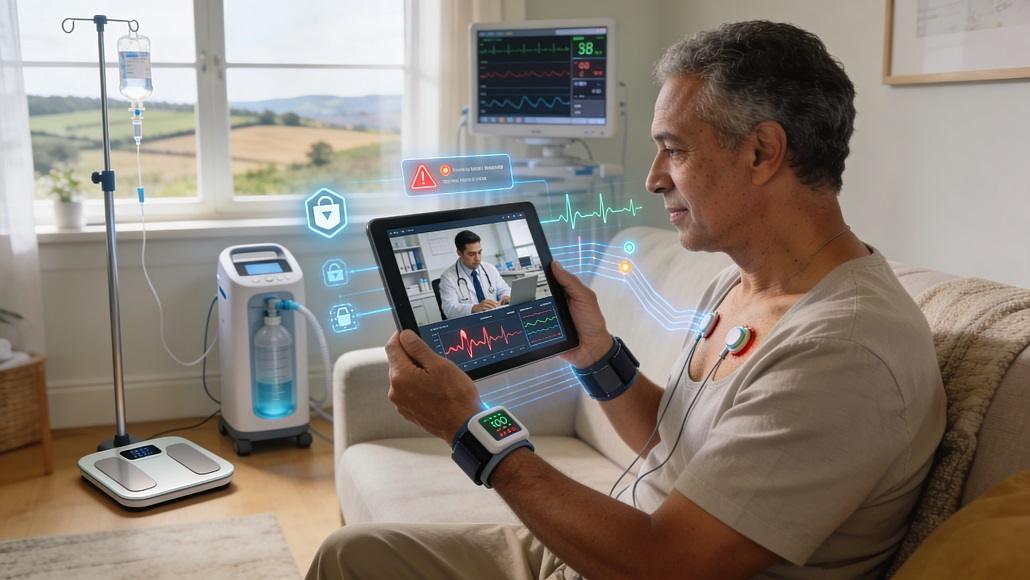
By leveraging advanced sensors and high-speed data networks, clinicians can now maintain a constant “digital presence” in a patient’s life. This is particularly transformative for underserved populations, including those in rural areas or those with mobility challenges, for whom a trip to a specialist can be a multi-day ordeal. Through the integration of home healthcare technology, we are effectively moving the “front door” of the hospital into the patient’s living room, ensuring that specialized expertise is no longer a matter of proximity but of connectivity.
Continuous Surveillance and the Virtual Safety Net
At the core of remote patient monitoring expanding care access is the ability to track physiological parameters in real-time. Unlike the intermittent snapshots taken during a clinic visit, which can be influenced by “white coat hypertension” or other temporary factors, remote data provides a cinematic view of a patient’s health trends. For a patient managing heart failure or chronic obstructive pulmonary disease (COPD), subtle changes in weight, oxygen saturation, or heart rate can be detected days before they become clinically apparent to the patient.
This virtual safety net allows for proactive intervention, which is the cornerstone of modern chronic disease management. When a monitoring system flags an abnormality, it triggers a cascade of actions: an automated alert to the care team, followed by a virtual consultation to assess the situation. Often, a minor medication adjustment or dietary correction made at this stage can prevent a catastrophic event that would otherwise result in an emergency room visit. This proactive stance is not just a clinical benefit; it is an essential tool for institutional efficiency, keeping beds available for those who require acute, in-person care.
Virtual Care Solutions: Redefining the Consultation
The synergy between monitoring and communication is what makes these systems so powerful. Virtual care solutions have evolved beyond simple video calls to become integrated platforms where data and dialogue meet. During a telemedicine session, a clinician can view the patient’s real-time biometric feed while discussing their symptoms, providing a level of context that was previously missing from remote encounters. This integrated approach improves diagnostic accuracy and builds a stronger sense of trust and partnership between the provider and the patient.
Furthermore, these platforms are democratizing access to specialists who may be located hundreds of miles away. A patient in a remote village can now receive regular follow-up from a world-class cardiologist or endocrinologist without the stress of travel. This accessibility is a key driver of health equity, ensuring that the quality of one’s care is not dictated by their zip code. As we refine these tools, the distinction between “in-person” and “virtual” care is becoming less about the quality of the interaction and more about the specific needs of the clinical moment.
Empowering Patients through Data Transparency
One of the most significant, yet often overlooked, benefits of remote patient monitoring expanding care access is the psychological impact on the patient. For many, managing a chronic condition is a source of constant anxiety. By having access to their own biometric data and knowing that a professional team is watching over them, patients often report a greater sense of security and control. This empowerment leads to higher levels of engagement and better adherence to treatment protocols.
When a patient can see the direct correlation between their daily habits and their health data such as how a high-sodium meal affects their blood pressure the feedback loop becomes a powerful tool for behavioral change. Telemedicine platforms often include educational modules tailored to the patient’s specific data, turning the monitoring process into a continuous learning experience. This transition from passive recipient to active manager is essential for the long-term success of any treatment plan for chronic disease.
Operational Efficiency and the Future of Home Healthcare
From an institutional perspective, the shift toward remote monitoring is a financial and operational necessity. Hospitals are facing a crisis of capacity, and the costs of inpatient care continue to spiral. Remote patient monitoring expanding care access provides a scalable solution by allowing hospitals to manage larger patient populations without increasing their physical footprint. Home healthcare technology is now sophisticated enough to support “hospital-at-home” programs, where patients receive acute-level care, including IV infusions and continuous monitoring, in their own beds.
These programs have been shown to reduce recovery times and lower the incidence of hospital-acquired infections, as the home is often a safer environment for a vulnerable patient than a ward. Furthermore, the data collected from remote systems can be fed into population health management tools, allowing administrators to identify community-wide trends and allocate resources more effectively. The hospital of the future is not a destination, but a hub that coordinates a vast network of home-based care nodes.
Overcoming the Barriers to Digital Inclusion
While the promise of remote monitoring is immense, its implementation is not without challenges. The “digital divide” the gap between those who have access to technology and those who do not remains a significant hurdle. To ensure that remote patient monitoring expanding care access is truly equitable, we must address issues of broadband availability and digital literacy. Healthcare systems must work with policymakers and technology providers to ensure that the necessary infrastructure is in place for all populations.
Additionally, the integration of these systems into existing clinical workflows requires careful planning. Clinicians are already under significant pressure, and the influx of massive amounts of remote data can lead to “alert fatigue.” The solution lies in the development of sophisticated AI filters that can distinguish between “noise” and clinically significant events, ensuring that the care team is only alerted when action is required. By streamlining the interface between the data and the doctor, we can ensure that technology remains a help rather than a hindrance.
The Ethical Imperative of Data Security and Privacy
As we move toward a world where health data is constantly being transmitted from the home to the hospital, the issue of cybersecurity takes center stage. Remote patient monitoring expanding care access relies on the absolute trust of the patient. Any breach of privacy could have devastating consequences for the individual and the reputation of the healthcare system. Consequently, robust encryption, multi-factor authentication, and strict adherence to data protection regulations are non-negotiable components of these systems.
Manufacturers and providers must prioritize “security by design,” ensuring that devices and platforms are resilient against unauthorized access from the outset. Transparency about how data is stored, who has access to it, and how it is used for clinical research is also vital for maintaining patient trust. When handled correctly, the data generated by remote monitoring can be a powerful resource for medical research, leading to new insights into the progression and treatment of various diseases.
A Vision for a Connected and Compassionate Future
The expansion of care access through remote monitoring is not merely a technological achievement; it is a reaffirmation of the core values of medicine. It represents a commitment to meeting the patient where they are, providing care that is personalized, timely, and humane. As we continue to refine these tools, we must never lose sight of the human connection at the heart of the healing process.
The future of healthcare is one where the walls of the hospital are permeable, and where the expertise of the clinician is always within reach. Through the continued development of remote patient monitoring expanding care access, we are building a healthcare system that is as dynamic and resilient as the human spirit. It is a journey toward a world where every individual, regardless of their location or circumstance, has the support they need to live a healthy and fulfilling life.