













The Engineering of Healing: A New Era for Hospital Infrastructure
The modern hospital is no longer just a building with beds; it is a high-tech ecosystem where engineering and medicine converge to push the boundaries of human health. This transformation is being spearheaded by advanced medical equipment reshaping hospitals, turning them into centers of extreme precision and rapid recovery. As we move further into the 21st century, the distinction between a medical professional and a technology expert is blurring, as the tools used at the bedside require a sophisticated understanding of robotics, imaging, and materials science.
This wave of innovation is not merely about incremental improvements. It represents a fundamental shift in the surgical and diagnostic philosophy. We are moving away from broad-spectrum interventions toward highly targeted, minimally invasive procedures that prioritize the preservation of healthy tissue and the acceleration of patient healing. This structural and functional evolution is making hospitals more efficient, safer, and more capable of handling complex cases that were once untreatable.
The Rise of Robotic Surgery Systems
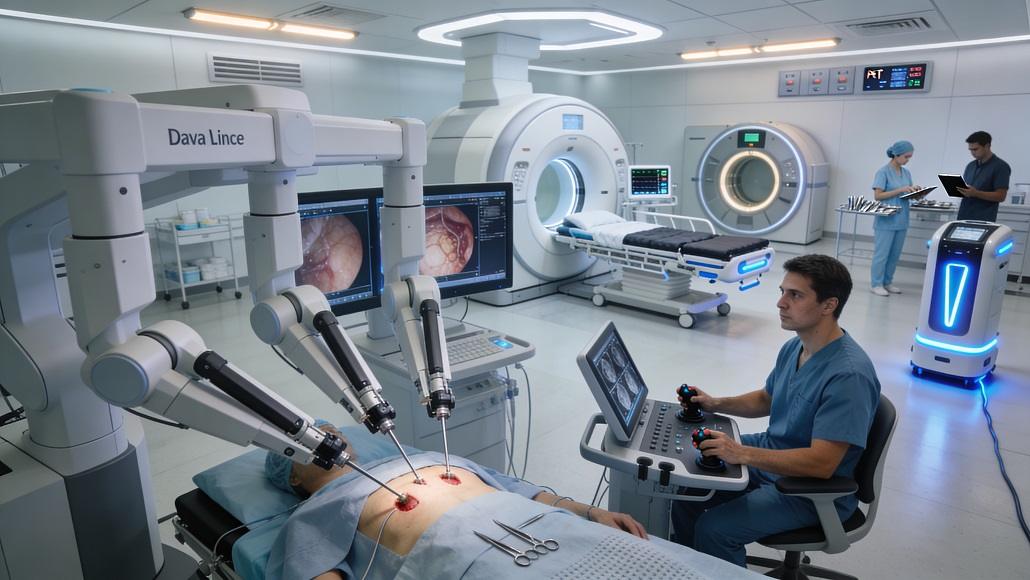
Perhaps the most dramatic evidence of advanced medical equipment reshaping hospitals is found in the operating room. Robotic surgery systems have transitioned from being a luxury of elite academic centers to becoming a standard of care for many urological, gynecological, and cardiothoracic procedures. These systems allow surgeons to operate with a degree of dexterity and visualization that far exceeds human capability. A surgeon sitting at a console can control robotic arms that possess a greater range of motion than the human wrist, all while viewing the surgical site in high-definition, 3D magnification.
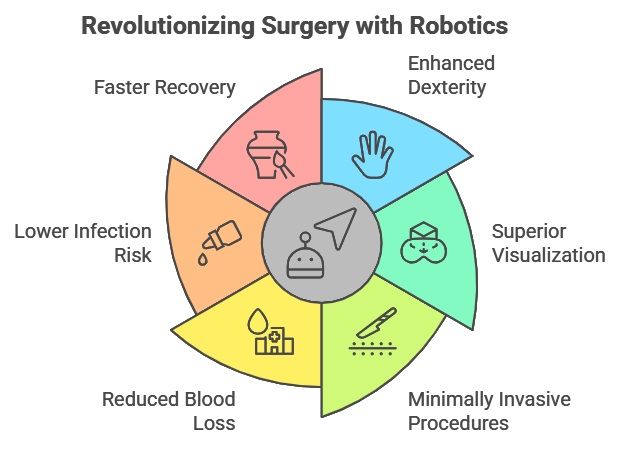 The benefits of these robotic platforms extend far beyond the “cool factor” of the technology. For the patient, robotic-assisted surgery typically results in smaller incisions, less blood loss, and a significantly reduced risk of infection. Because the robot can filter out human tremors and perform micro-movements with absolute consistency, the trauma to surrounding tissues is minimized. This leads to shorter hospital stays and a faster return to normal activities, which is a critical metric for both patient satisfaction and hospital throughput.
Precision Diagnostics: Seeing the Invisible
Before a surgeon ever picks up a scalpel, the path to healing begins with an accurate diagnosis. Advanced medical equipment reshaping hospitals is fundamentally changing the diagnostic timeline through the development of ultra-high-resolution imaging and rapid laboratory technologies. Modern MRI and CT scanners are now capable of capturing images with such clarity that doctors can visualize physiological processes in real-time. This level of precision diagnostics allows for the detection of diseases at their earliest, most treatable stages.
For instance, functional MRI (fMRI) is allowing neurologists to map brain activity with pinpoint accuracy, assisting in the treatment of epilepsy and the removal of complex brain tumors. Similarly, PET-CT scanners are becoming indispensable in oncology, allowing for the metabolic tracking of cancer cells and the precise monitoring of a patient’s response to chemotherapy. When diagnostics are this precise, the treatment plan can be tailored to the specific molecular profile of the disease, embodying the true spirit of personalized medicine.
Minimally Invasive Devices and the Outpatient Revolution
The drive toward less invasive care is also being fueled by a new generation of specialized instruments. Minimally invasive devices, such as advanced endoscopes and catheter-based delivery systems, are allowing complex procedures to be performed through natural orifices or tiny needle punctures. What used to be an “open” heart surgery with a week-long recovery can now, in some cases, be performed through a small incision in the groin as an outpatient procedure.
This shift toward “scarless” or “keyhole” surgery is a primary driver of hospital technology advancement. By reducing the physical toll of surgery on the body, hospitals can treat older and more frail patients who would not have survived traditional operations. Furthermore, the move toward outpatient or “same-day” surgery is helping hospitals manage their bed capacity more effectively, focusing their intensive resources on those who truly need 24-hour monitoring.
Smart Infrastructure: The Hospital as a Living Machine
While individual devices are critical, advanced medical equipment reshaping hospitals also encompasses the very infrastructure of the facility. We are seeing the rise of the “intelligent ward,” where every element from the lighting to the HVAC system is integrated into a central management platform. Smart hospital beds are now equipped with sensors that can monitor a patient’s respiratory rate and detect if they are attempting to leave the bed, triggering an alert to prevent a fall.
Smart infrastructure also includes advanced sterilization systems, such as UV-C light robots that can disinfect an entire operating room in minutes, significantly reducing the incidence of hospital-acquired infections (HAIs). These automated systems provide a level of consistency that manual cleaning can never match, ensuring that the hospital environment is as safe as possible for every patient. By integrating these various technologies, hospitals are becoming “proactive” environments that can sense and respond to the needs of both patients and staff.
The Human-Machine Synergy in Clinical Care
A common concern when discussing the influx of advanced medical equipment reshaping hospitals is the potential loss of the human element in medicine. However, the reality is quite the opposite. By automating routine tasks and providing highly accurate data, these tools allow medical professionals to spend more time on the complex, cognitive, and emotional aspects of patient care. A surgeon who is less physically fatigued by a robotic procedure has more mental energy to devote to the nuances of a patient’s recovery plan.
The training of medical staff is also evolving to keep pace with these technological changes. Virtual reality (VR) and augmented reality (AR) are now being used to train surgeons and nurses in a risk-free digital environment. This ensures that when they step into the actual operating room, they are already proficient with the advanced medical equipment reshaping hospitals. This culture of continuous learning and technological fluency is the hallmark of a world-class medical institution.
Sustainability and the Global Reach of Advanced Tech
As hospitals invest in these high-cost technologies, there is also an increasing focus on sustainability and long-term value. Modern equipment is designed to be more energy-efficient and modular, allowing for software updates rather than complete hardware replacements. This “future-proofing” is essential for managing the financial sustainability of healthcare systems. Furthermore, the development of portable versions of advanced equipment such as handheld ultrasound devices is bringing high-level diagnostics to the patient’s bedside, whether they are in a city hospital or a remote field clinic.
The transformation of the hospital through advanced medical equipment is a global phenomenon. While the most cutting-edge systems often debut in major urban centers, the lessons learned and the efficiencies gained are rapidly trickling down to community hospitals and clinics worldwide. Through the continued refinement of these tools, we are creating a healthcare infrastructure that is not only more capable but also more resilient and accessible. The hospital of the future is being built today, one robotic arm and one precision sensor at a time.