









The Digital Standards of the Empowered Patient
In the contemporary medical landscape, the definition of a “patient” has fundamentally changed. Today’s individuals are empowered, informed, and highly mobile, and they expect their healthcare providers to interact with them on their own terms. The introduction of healthcare consumerization redefining service delivery addresses this change by providing a layer of digital convenience that mirrors the standards of the modern digital economy. Patients no longer want to wait for weeks to book an appointment or spend hours in a waiting room; instead, they expect online scheduling, 24/7 access to their medical records, and the ability to communicate with their care team through secure messaging or video link. This shift toward digital healthcare services is a fundamental requirement for modern medicine, as it ensures that the healthcare system is as accessible and responsive as the people it serves.
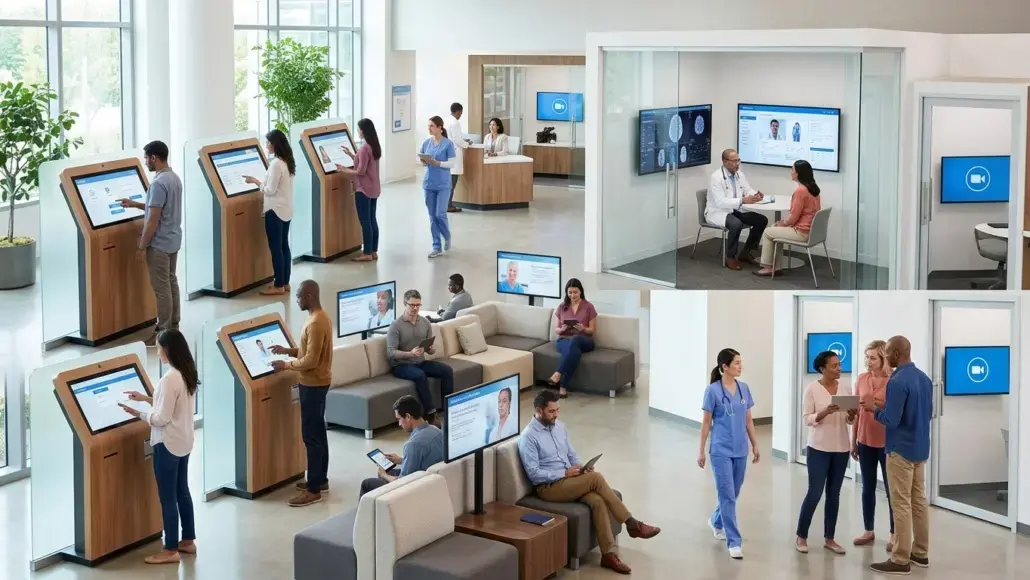
This evolution is particularly evident in the rise of “retail health” and “concierge medicine.” Large retail chains and technology companies are entering the healthcare space, offering convenient, walk-in clinics and digital-first primary care that prioritize the speed and comfort of the experience. Traditional healthcare institutions are responding by adopting these same principles, redesigning their physical spaces to be more welcoming and utilizing patient experience technology to streamline the administrative aspects of care. By making the “friction” of healthcare as low as possible, providers can encourage deeper engagement and better adherence to treatment plans. When the system is easy to use, patients are more likely to seek care early and to stay committed to their wellness goals. This transition is not about devaluing the clinical mission; it is about providing the supportive infrastructure that allows that mission to flourish in a fast-paced, digital world.
Personalization and the Power of Choice
At the heart of the consumerization movement is the move toward hyper-personalization. Healthcare personalization involves using data-driven insights to tailor every aspect of the care experience to the individual’s unique needs, preferences, and cultural background. This goes beyond simple marketing; it involves creating personalized care pathways that recognize the patient as a whole person rather than just a diagnosis. For example, a patient with a chronic condition might receive a customized health plan that includes a diet based on their food preferences, a workout schedule that fits their daily routine, and educational content delivered in their preferred language. This level of personalization is a cornerstone of healthcare consumerization redefining service delivery, as it ensures that the care plan is not only clinically sound but also practically achievable and personally relevant.
Personalization also extends to how information is delivered and how choices are presented. Today’s healthcare consumers want to be active partners in their own care, and they expect their providers to facilitate shared decision-making. This requires the use of intuitive patient engagement tools that provide clear, plain-language explanations of treatment options and their associated costs and outcomes. By providing individuals with the information they need to make informed choices, healthcare organizations are fostering a deeper sense of trust and agency. This is particularly important in an era of high-deductible health plans, where patients are bearing more of the financial responsibility for their care. When patients feel that they have a voice in the process and that their personal goals are respected, their satisfaction with the experience increases significantly. The goal is to create a partnership where the patient’s “life goals” are as important as their “health goals.”
Digital Convenience and the Seamless Patient Journey
The patient journey is no longer confined to the walls of the clinic; it is a continuous experience that spans multiple digital and physical touchpoints. Healthcare consumerization redefining service delivery ensures that these transitions are seamless and intuitive. From the initial search for a provider to the final follow-up visit, every interaction should be characterized by speed, clarity, and ease of use. This is achieved through the integration of omnichannel communication platforms that allow patients to move effortlessly between a mobile app, a web portal, and a phone call without having to repeat their story. This “continuity of experience” is a vital component of the modern digital patient experience, providing a sense of stability and support that is essential for long-term health management.
Moreover, the use of automation in the patient journey is reducing the administrative burden on both the patient and the provider. Automated check-in systems, digital payments, and real-time appointment reminders are becoming standard features of the consumerized practice. This operational efficiency allows the human staff to focus on the high-touch, empathetic interactions that are central to healing. For many patients, the “convenience” of being able to pay a bill or fill a prescription with a single tap on their phone is a powerful driver of loyalty and engagement. It demonstrates that the healthcare provider respects their time and is invested in making their life easier. By embracing these digital tools, healthcare organizations are not just improving their metrics; they are showing their commitment to the person behind the patient. Convenience is a form of care.
The Role of Wearables and Mobile Health in Engagement
The explosion of wearable technology and mobile health apps has provided patients with unprecedented tools for self-monitoring and health assessment. For the first time, individuals have real-time access to their own physiological data such as heart rate, sleep quality, and activity levels all day, every day. This “data democratizing” is a key catalyst for healthcare consumerization redefining service delivery, as it allows patients to take a leading role in their own wellness. Instead of waiting for an annual check-up to see how they are doing, patients can now use their devices to identify trends and adjust their behaviors in real-time. This proactive engagement is essential for the management of lifestyle-related conditions and for the pursuit of long-term health.
Healthcare providers are increasingly integrating this consumer-generated data into their clinical systems, allowing for a more holistic view of the patient’s life. This allows for “nudge-based” care, where a mobile app might suggest a brisk walk or a change in diet based on the data it receives. This continuous, low-friction interaction keeps health at the forefront of the individual’s mind and helps to build the habits that lead to better outcomes. However, it is essential that this data is managed with the highest level of privacy and that it is used in a way that provides genuine value to the patient. When the technology serves to empower the individual and to strengthen their connection with their care team, it becomes a powerful tool for transformation. The goal is to move from “passive monitoring” to “active wellness orchestration,” where every bit of data is used to support the patient’s personal health journey.
Future Horizons: The AI-Driven Healthcare Concierge
Looking toward the future, the integration of generative AI will lead to the rise of the “digital healthcare concierge” an intelligent, empathetic assistant that provides personalized support to every patient. This concierge could answer medical questions, manage appointments, and even provide emotional support during a difficult recovery. This level of hyper-personalized service is the ultimate expression of healthcare consumerization redefining service delivery, moving the institution from a reactive service provider to a proactive, lifelong partner in health. The AI concierge will be able to understand the patient’s unique “voice” and to deliver support that is as intuitive and responsive as a trusted friend. This will be particularly transformative for elderly patients and those with complex needs, providing them with a constant layer of support that ensures they never feel lost in the system.
Furthermore, the rise of “predictive consumerization” will allow healthcare systems to anticipate a patient’s needs before they even occur. By analyzing patterns in a patient’s data, an AI agent could identify the early signs of a health issue and suggest a preventative intervention, such as a screening or a lifestyle change. This shift from “sick-care” to “well-care” is the primary goal of the modern healthcare movement, and consumerization is the vehicle that will make it a reality. By prioritizing the experience, the agency, and the unique needs of the individual, we are building a healthcare system that is more resilient, more accessible, and more profoundly human. The future of healthcare is one where the technology is invisible, but the care is omnipresent. This is the promise of consumerization, and it is a promise we are fulfilling one personalized interaction at a time.
Conclusion: Redefining the Heart of Medicine
The ongoing journey of healthcare consumerization redefining service delivery is a testament to the power of human expectations and the pursuit of clinical and operational excellence. We have moved from a time of institutional control to an era of individual empowerment. By prioritizing personalized experiences, digital convenience, and patient-driven engagement, healthcare organizations are ensuring that their services are as sophisticated as the people they support. Consumerization is not just a marketing trend; it is a fundamental redefinition of the patient-provider relationship, ensuring that the healing process is supported by a system that is as intuitive and responsive as the best modern service industries.
Ultimately, the success of consumerization will be measured by its ability to improve the health of the population through deeper engagement and better adherence to care. When the system works perfectly, it provides a seamless and supportive environment where every person feels seen, heard, and valued. This is the ultimate goal of all our technical and administrative efforts. By investing in the highest levels of personalization and professional standards, we are safeguarding the future of healthcare, ensuring that the healing process is supported by the best that modern science and technology have to offer. This is the promise of consumerization, and it is a promise we are fulfilling every day, for every person. The consumer-centric future is here, and it is a future we are building together, one empowered patient and one intuitive service at a time.