












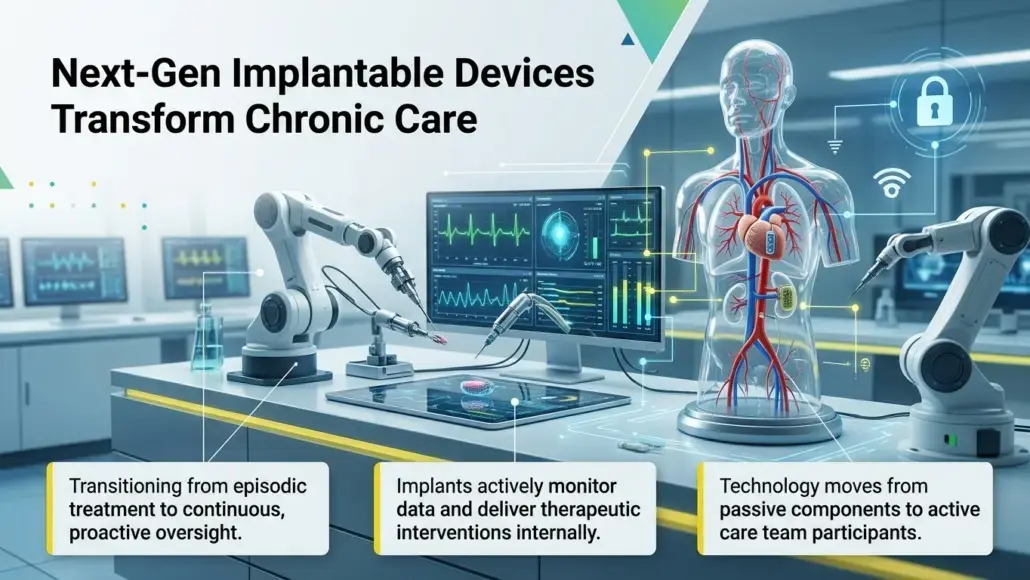

The management of persistent health conditions is undergoing a significant transition as the industry moves away from episodic treatment toward a model of continuous, proactive oversight. At the center of this shift are advanced implantable medical devices that offer the ability to monitor physiological data and deliver therapeutic interventions from within the body. These technologies are no longer passive components; they have become active participants in the patient’s care team. The reality is that implantable devices transform chronic care by providing a level of consistency and precision that traditional external monitoring simply cannot match.
Chronic care often involves complex medication regimens and frequent clinical visits, which can lead to significant patient fatigue and variable adherence. Medical implants that can automatically regulate heart rhythms, manage glucose levels, or deliver neurostimulation therapy offer a solution to these challenges. By automating these critical functions, the technology ensures that the patient remains within the desired therapeutic window at all times. This shift toward long term therapy that is both personalized and automated is a hallmark of contemporary healthcare technology.
Automation and Real-Time Clinical Intervention
The integration of connected devices into the clinical workflow allows for the remote transmission of data to healthcare providers. This means that a clinician can identify a potential issue before it becomes a crisis, allowing for early intervention and a reduction in emergency department visits. The way that implantable devices transform chronic care is often through this ability to provide real-time alerts and trends that inform clinical decision making. When a device can signal a worsening of heart failure or a change in cardiac activity, the response can be measured and timely, significantly improving patient outcomes.
Medtech innovation in the field of biocompatibility and power management has been essential for the development of these next generation tools. Modern implants are smaller, more durable, and capable of operating for many years without the need for replacement. This durability is crucial for maintaining care continuity, as it reduces the frequency of surgical revisions and the associated risks. As the technology continues to mature, we see the emergence of biodegradable sensors and wireless charging systems that further enhance the convenience and safety of these devices for the end user.
Strategic Value and Population Health Data
The clinical data generated by these implants provides a wealth of information that can be used to refine treatment protocols for entire populations. By aggregating data from thousands of connected devices, researchers can identify patterns that were previously hidden. This information is vital for the development of new therapies and the optimization of existing ones. The evidence shows that implantable devices transform chronic care by turning every patient interaction into a data point that contributes to the broader understanding of disease progression and management.
For healthcare systems, the adoption of these advanced implants represents a strategic investment in the long term health of their patient populations. While the initial cost of the device and the implantation procedure can be high, the reduction in downstream costs—such as hospitalizations and complications—provides a compelling financial case. Additionally, the ability to manage more patients remotely allows for a more efficient allocation of clinical resources. In an era where the burden of chronic disease is straining health budgets globally, the role of medtech innovation in driving efficiency is more important than ever.
Enhancing Quality of Life and Patient Agency
The patient experience is also being redefined by the presence of these intelligent systems. For individuals living with chronic pain or neurological disorders, the relief provided by targeted neurostimulation can be life-altering. These medical implants allow patients to regain a level of independence and quality of life that was previously out of reach. By focusing on the functional outcomes that matter most to patients, the healthcare industry is demonstrating the true value of its technological investments. The human impact of these therapies is the ultimate measure of success for any new medical advancement.
The role of healthcare technology in supporting integrated care is further strengthened by the interoperability of modern implantable systems. When the data from an implant can be shared across multiple clinical platforms, the entire care team has access to a single source of truth regarding the patient’s status. This level of coordination is essential for managing comorbidities, which are common in patients requiring chronic care. The ability to synchronize data between an implantable cardioverter defibrillator and a primary care physician’s electronic health record is a prime example of how digital integration supports better patient management.
Cybersecurity and the Future of Autonomous Care
Security and privacy remain paramount as more devices become connected to the internet. Manufacturers are investing heavily in encryption and secure communication protocols to protect patient data from unauthorized access. This focus on cybersecurity is essential for maintaining the trust of both clinicians and patients in the digital health ecosystem. As the regulatory environment for connected devices continues to evolve, the industry must remain vigilant in ensuring that the benefits of remote monitoring are not compromised by security vulnerabilities.
The future of long term therapy will likely involve even more sophisticated feedback loops, where the device can adjust its therapeutic output based on real-time physiological markers. We see the development of closed-loop systems for insulin delivery, and similar concepts are being explored for blood pressure management and psychiatric conditions. This move toward autonomous therapy is the next frontier for medical implants. The goal is to create a system that can manage a patient’s condition with minimal human intervention, allowing the patient to live their life without being constantly reminded of their diagnosis.
Training for clinicians must keep pace with these technological changes. Understanding how to interpret the complex data streams generated by these implants and how to manage the hardware effectively is now a core competency for many specialists. Professional societies are developing new guidelines and certification programs to ensure that healthcare providers can maximize the benefits of these tools for their patients. The collaboration between medtech manufacturers and clinical educators is a critical component of the successful deployment of any new healthcare technology.