















Modern healthcare relies heavily on the integrity and sterility of a vast array of medical instruments, ranging from simple surgical scalpels to highly sophisticated robotic surgical systems and implantable cardiac devices. The evolution of sterilization technologies improving medical device safety has become a cornerstone of clinical success, directly impacting the reduction of healthcare-associated infections and ensuring that patient outcomes are not compromised by microbial contamination. As the complexity of device materials and geometries increases, the industry has transitioned from rudimentary heat-based methods to sophisticated chemical, gaseous, and radiation-driven solutions that maintain material integrity while achieving a Sterility Assurance Level of 10-6.
The Critical Role of Advanced Decontamination in Patient Care
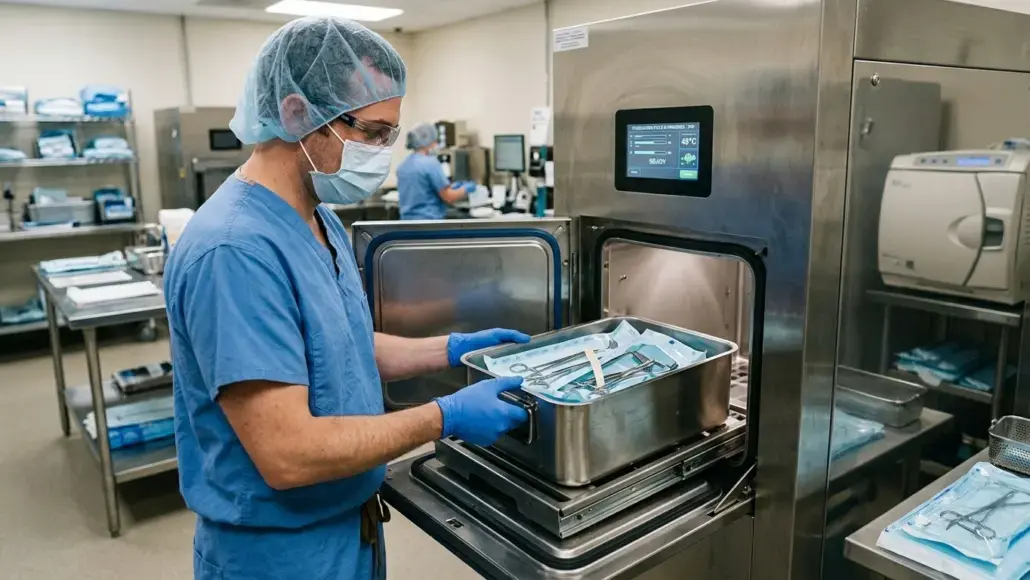
Ensuring the safety of patients undergoing invasive procedures begins long before the first incision is made. The application of sterilization technologies improving medical device safety involves a multifaceted approach that addresses the unique challenges posed by multi-part instruments, internal lumens, and heat-sensitive polymers. Traditional steam sterilization, while effective for stainless steel, often proves destructive to modern optics and electronic components. This necessitates a shift toward low-temperature methods such as Hydrogen Peroxide Gas Plasma and Ethylene Oxide, which penetrate intricate designs without causing the thermal degradation that leads to premature device failure or the release of toxic residues.
Navigating the Complexity of Material Compatibility
When engineers design the next generation of life-saving equipment, they must account for how these devices will be cleaned and sterilized repeatedly throughout their lifecycle. Sterilization technologies improving medical device safety are not one-size-fits-all; a material that thrives under Gamma radiation may become brittle and lose its structural integrity when exposed to Electron-beam processing. Consequently, deep technical knowledge of polymer chemistry and metallurgy is required to select a sterilization modality that achieves total microbial kill without altering the physical properties of the device. This synergy between material science and sterile processing is what ultimately protects the patient from device malfunctions during critical procedures.
Innovations in Low-Temperature Gas Sterilization
Among the most significant breakthroughs in recent years is the refinement of low-temperature gas sterilization. Hydrogen peroxide vapor systems have gained immense popularity due to their rapid cycle times and non-toxic byproducts, which consist solely of water and oxygen. By utilizing this method, healthcare facilities can increase the turnover rate of expensive surgical kits, ensuring that sterilized equipment is always available for the next patient. This efficiency does not come at the cost of safety, as modern sensors and software-driven process controls provide real-time monitoring of concentration, pressure, and temperature, ensuring that every cycle meets the stringent requirements for total decontamination.
Validation and Regulatory Compliance as Safety Pillars
The effectiveness of any sterilization process is only as good as the validation that supports it. Regulatory bodies like the FDA and EMA require rigorous evidence that sterilization technologies improving medical device safety are consistently delivering the intended results. This involves performing microbial challenge studies using biological indicators, such as spores of Geobacillus stearothermophilus, to prove that even the most resistant microorganisms are eradicated. Furthermore, process validation ensures that the sterilization parameters are within a tight window that guarantees safety while protecting the device’s functionality, a delicate balance that defines the quality of modern medical manufacturing.
The Future Landscape of Sterile Processing
Looking forward, the industry is exploring even more advanced methods, such as Supercritical Carbon Dioxide and Nitrogen Dioxide sterilization. These emerging sterilization technologies improving medical device safety offer potential benefits in terms of environmental sustainability and compatibility with biologics-integrated devices. As we move toward more personalized medicine, including 3D-printed implants, the ability to sterilize these unique structures at the point of care will become increasingly important. The ongoing commitment to innovation in this field reflects a broader dedication to zero-harm initiatives within global healthcare systems.
Enhancing Safety through Digital Integration
The digitalization of sterile processing departments represents another leap forward. By integrating RFID tracking and automated data logging, hospitals can create a complete digital thread for every instrument. This means that a specific device’s sterilization history can be instantly retrieved, providing an additional layer of quality assurance. If a cycle deviates even slightly from the validated parameters, the system can automatically flag the item, preventing it from reaching the operating room. This proactive approach to safety is a testament to how sterilization technologies improving medical device safety are evolving from mechanical processes into intelligent, data-driven systems.
Addressing Environmental and Occupational Safety
While patient safety is paramount, we cannot ignore the safety of the clinicians and technicians operating these systems. Modern sterilization equipment is designed with advanced containment and filtration systems to prevent the leakage of sterilants like Ethylene Oxide, which are effective but hazardous to humans. By automating the aeration and evacuation phases of the cycle, these technologies minimize occupational exposure, creating a safer work environment. This holistic view of safety encompassing the patient, the device, and the practitioner is what characterizes the highest standards of contemporary medical device sterilization.
Conclusion
The journey toward improved medical device safety is an ongoing process of refinement and discovery. Through the continuous improvement of sterilization technologies improving medical device safety, the healthcare industry is successfully navigating the challenges of modern medicine. By prioritizing material compatibility, rigorous validation, and digital integration, we ensure that every medical device, no matter how complex, is delivered to the patient in a state of absolute sterility, thereby upholding the most fundamental promise of medicine: to do no harm.