


















Healthcare facilities are integrating remote clinical psychiatric care to accelerate emergency room intake, reduce boarding times, and address specialist shortages.
Acute care hospitals, regional medical centers, and emergency departments face mounting pressure during crisis intake. Managing sudden influxes of patients often strains local resources and stretches physical capacities to the limit. Integrating virtual psychiatric networks offers a practical pathway to mitigate physician shortages, reduce patient boarding times, and deliver immediate mental health triage right when individuals need support most.
Why Is Emergency Room Intake Facing Severe Behavioral Health Bottlenecks?
Emergency departments manage countless crises daily, leaving staff overwhelmed by complex behavioral health cases. Patients frequently wait hours or days in crowded intake rooms while awaiting psychiatric evaluations. Local medical teams struggle to secure on-site specialists, creating severe backlogs that impact every department. When psychiatric resources remain scarce, emergency rooms turn into holding areas rather than healing environments.
How Can You Streamline Triage and Cut Crisis Stabilization Delays?
Accelerating intake processes transforms how regional hospitals handle acute mental health emergencies. Quick identification of psychiatric needs allows nurses and physicians to initiate targeted stabilization protocols immediately. Digital assessment tools connect intake teams with remote experts within minutes of patient arrival. Streamlining this workflow prevents prolonged boarding times and accelerates treatment pathways. Data from the U.S. Department of Health and Human Services highlights that tele-emergency services provide expert care and build confidence by delivering treatment closer to home.
What Drives the Need for Remote Clinical Psychiatric Care?
Rural and regional medical centers experience chronic shortages of board-certified psychiatrists. Hospital administrators seeking to expand coverage during peak intake can partner with dedicated providers for telepsychiatry staffing for hospitals to secure licensed virtual clinicians.
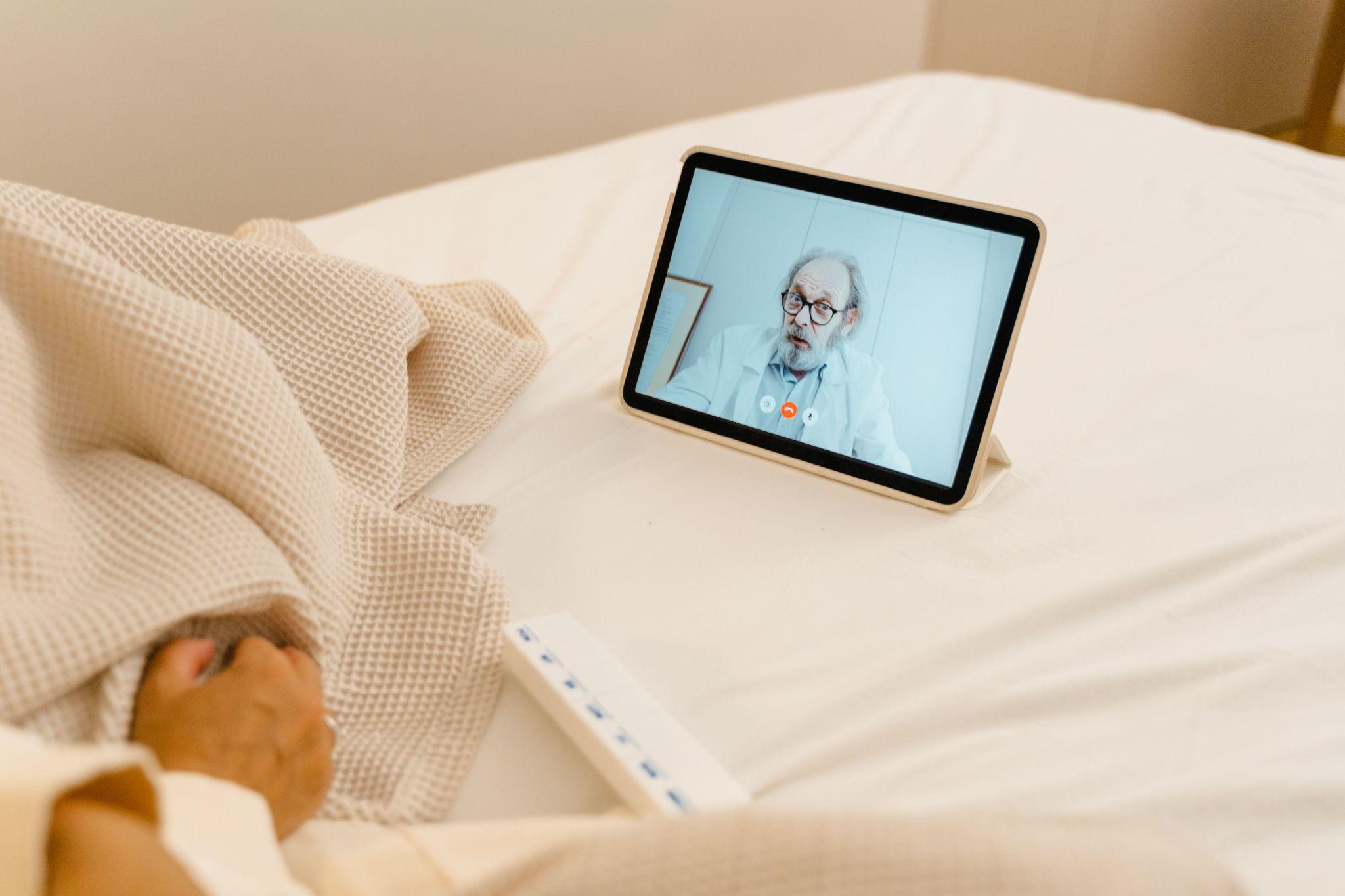
Patients living outside major metropolitan areas often lack access to timely psychiatric consultations. Implementing remote clinical care bridges geographic divides by bringing specialists straight to the bedside via secure video platforms.
How Do You Build Seamless Workflows Between On-Site Nurses and Remote Doctors?
Effective virtual psychiatric integration relies on clear communication protocols between bedside staff and remote clinicians. On-site nurses gather initial vital signs and patient history before launching virtual consultations.
Remote psychiatrists evaluate behavioral symptoms and recommend immediate interventions through shared electronic health records. Establishing structured operational steps ensures that nursing teams feel supported rather than overburdened by new technology.
- Define clear roles: Map out exact responsibilities for nurses and virtual clinicians during intake.
- Standardize handoff protocols: Use shared digital templates to transmit patient details instantly.
- Train support staff: Conduct regular simulation drills to build staff familiarity with telehealth hardware.
Managing Hospital Compliance and Credentialing Challenges
Integrating external virtual providers requires strict adherence to state licensing regulations and federal healthcare standards. Medical staff offices must verify credentials rapidly without sacrificing thoroughness.
Credentialing verification organizations streamline this process by maintaining updated rosters of licensed telepsychiatry providers. Maintaining compliance safeguards patient safety while expanding clinical capacity across multiple facilities.
How Can You Maintain Continuity of Care Across Virtual Networks?
Transitioning patients from emergency intake to outpatient follow-up requires coordinated discharge planning. Remote psychiatrists collaborate with local case managers to schedule post-discharge appointments before patients leave the facility. Electronic tracking systems monitor patient progress across different care settings.
Consistent follow-up reduces readmission rates and promotes long-term recovery for vulnerable individuals. Clear communication helps ensure that no patient misses needed care. Regular check-ins help teams spot problems early. This approach helps patients feel supported as they move through each stage of care.
What Strategies Help You Secure Licensed Virtual Clinicians?
Sourcing qualified behavioral health professionals presents a continuous hurdle for regional healthcare administrators. Building reliable staffing partnerships guarantees consistent coverage even during unexpected surges in patient volume. Proactive recruitment models protect hospital budgets while maintaining high standards of patient care.
Local leadership teams benefit from establishing clear performance metrics when contracting external clinical partners. Regular reviews help ensure clinicians meet all required standards. Strong training programs also help staff provide safe and effective care. These steps build trust and support better outcomes for patients.
Sustaining Round-the-Clock Behavioral Health Coverage
Maintaining round-the-clock psychiatric support protects both patients and clinical teams from burnout. Research published in the National Institutes of Health PubMed Central repository demonstrates that virtual physician coverage prevents thousands of hours of ambulance diversions and lessens the burden of overnight calls for rural doctors.
- Optimize shift scheduling: Deploy remote clinicians during peak night and weekend intake windows.
- Monitor response metrics: Track intake speed and patient satisfaction scores monthly.
- Review clinical outcomes: Evaluate readmission rates regularly to refine telehealth protocols.
Embracing flexible clinical staffing platforms empowers hospital administrators to maintain round-the-clock behavioral health coverage without straining local budgets. Equipping your emergency department with reliable virtual psychiatric resources transforms patient outcomes and uplifts your entire clinical team.