















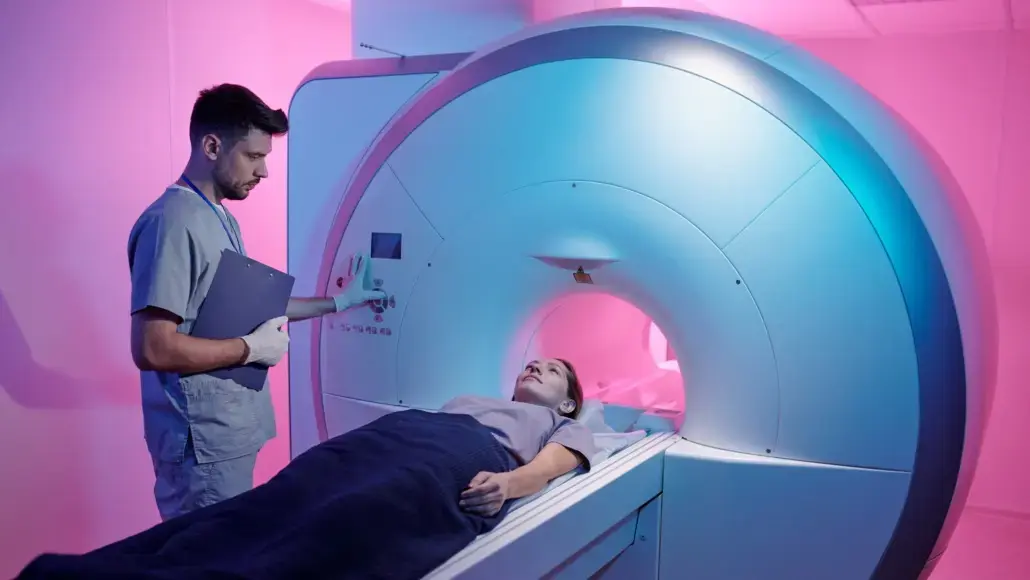
Not every imaging-system fault begins inside the imaging system. Equipment that continues to misbehave may be reacting to the electrical panel rather than failing on its own. Yet power is usually the last area examined. Service teams investigate and replace components, but the problems repeat because the true cause remains hidden. Each round of investigation adds more than repair costs; it increases imaging downtime, delays patient care, and degrades imaging equipment worth millions of dollars. Breaking this cycle starts with distinguishing equipment-related failures from facility-side power disturbances as early as possible.
Why power is the last place anyone looks
When an imaging system acts up, troubleshooting naturally starts with the machine. Teams follow a predictable series of steps: run the diagnostics, swap the board, and replace the equipment’s internal power supply. Checking the electrical power emerges only after those fixes fail, if it comes up at all.

That’s because power is invisible. It can’t be seen or smelled, and it sits behind the wall. It also doesn’t have to fail completely to cause trouble. Voltage sags, spikes, and electrical noise can last fractions of a second, too brief for a standard meter to catch, and the lights never go out. These events can still disrupt a scan, degrade sensitive electronics, or damage components.
Many facilities also treat uninterruptiblepower supply (UPS)as another outlet, rather than part of the imaging equipment. When problems surface, technicians check the incoming power, verify its stability, and rule out power as the cause. Yet monitoring power as close to the point of service as possible provides the most accurate sample of the power the equipment actually receives. Fluke estimates that approximately 75% of power-quality problems relate to wiring and grounding inside the facility. EPRI documented a case study in which a hospital’s computed tomography (CT) scanner suffered lockups and image quality problems for three years. The manufacturer found nothing wrong, and the utility was blamed. Investigators ultimately discovered that improper wiring and grounding near the scanner caused the issue.
Expansions compound the risk. When hospitals add a new wing or equipment without assessing the electrical system, the added load can push the system past what it can reliably support. “Is there enough power?” isn’t the only question. “What is the quality of the power reaching the equipment?” is just as critical.
Warning signs that point behind the imaging equipment
Power problems leave clues, even if they don’t trigger a fault condition. The first is a problem that won’t sit still. Random resets, frozen screens, failed scans, and error messages occur but can’t be reproduced. The second is a fix that doesn’t hold. Replacing a circuit board or power supply may restore operation temporarily, but it doesn’t address the underlying cause. When the same component keeps failing, or service calls keep ending with “no trouble found,” the problem may be the environment connected to the equipment. Timing is another clue. Faults that cluster around generator testing or transfer-switch operations may point to the building’s electrical system.
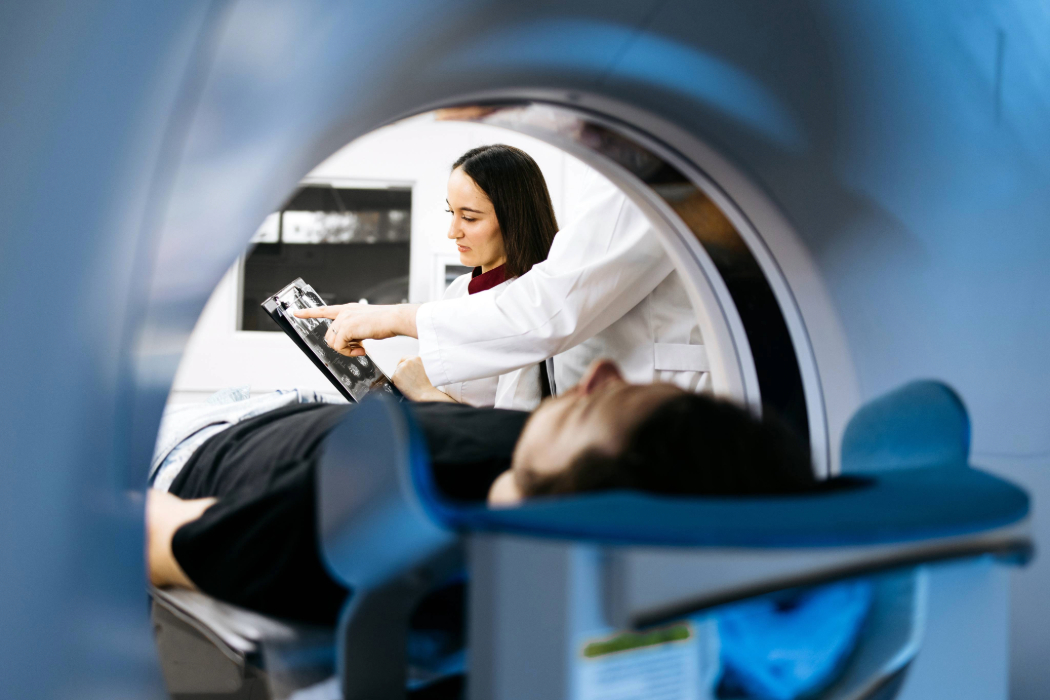
By asking facilities and biomedical teams a few targeted questions, hospital leaders can decide when power deserves a closer look. For example, are imaging systems resetting, locking up, or showing errors that no one can explain? Are the same parts getting replaced often? Do problems coincide with other major systems or equipment, such as heating, ventilation, and air conditioning (HVAC) startup, storms, or other large equipment switching on? Has the incoming power to the imaging system been tested with a power monitoring system?
If the answer to the last question is no, part of the picture is missing. Examining the power where it feeds the imaging equipment can reveal more information before replacing another expensive component.
Measuring at the machine and connecting the dots
Many disturbances last only fractions of a second and can be identified only by monitoring the incoming power, not by spot checks with a standard meter. Conducting a power-quality study before installation creates a baseline. Continued periodic or ongoing monitoring can reveal power irregularities. Measuring power at the point of use, as close to the imaging equipment as possible, shows that the power the equipment receives is acceptable for the system.
From there, the goal is to build a timeline that looks beyond the equipment. In addition to recording what the equipment was doing and the error code after an event, it can help identify an event that correlates to the system error. One hospital installed a power-quality monitor to investigate recurring issues with a CT scanner. The data revealed a disturbance every Sunday around 4:45 a.m. The facilities team compared these results to building operations and determined the disturbance coincided with the hospital’s weekly backup generator test. Ultimately, they linked the weekly testing to a power event affecting the CT scanner. The strongest evidence often arises from aligning equipment logs with time stamped power data. If a scanner throws an error at the exact moment a monitor records a voltage sag, that data point is hard to dismiss as a coincidence.
Complete root-cause investigations are necessarily broad and require comprehensive input. The original equipment manufacturer (OEM) service team knows the equipment. Facility engineers understand the building’s electrical infrastructure. Electricians know the wiring, grounding, and panels. When teams share observations and timing, the dots start to connect.
Match the fix to the disturbance
Once the cause is identified, the findings guide the solution. No single technology addresses every power-quality issue. A generic solution can leave a root cause in place. Most conditioning equipment targets specific problems: isolation power conditioners reduce noise and grounding-related issues, surge suppressors handle transients, and filters address high-voltage spikes. Some uninterruptible power supply (UPS) units address sags and transients, in addition to bridging power gaps before a backup generator kicks in during an outage.
In some instances, the fix requires no new hardware. In a separate EPRI case study, a hospital’s CT scanner shut itself down as often as twice a day, and the manufacturer recommended a UPS solution. Upon closer inspection, monitoring showed that the chiller’s startup caused a brief voltage sag just below the scanner’s undervoltage trip point, which the installer had set too high. Resetting the trip point to the OEM’s recommended threshold solved the problem. Once a solution is in place, routine inspections of grounding, connections, and protection devices, along with regular monitoring, help confirm it’s working and make the next problem easier to catch and diagnose.
Reliable power, reliable imaging
When power problems stay hidden, they ultimately affect patient care. Every unexplained reset, rescheduled appointment, or repeated scan undermines the imaging process, delays answers, and strains staff and patients. Protecting that process and the equipment behind it requires treating power as an integral part of the imaging system, not an external utility. That starts with power-quality checks that follow power from the facility’s incoming service to the equipment. When those checks are part of the standard troubleshooting and monitoring programs, power is no longer an afterthought. The payoff extends beyond lower service costs to more reliable imaging, fewer disruptions to patient care, and improved protection of multimillion-dollar equipment.