















The functional integrity and clinical efficacy of a medical device are only as reliable as the packaging system that protects it from the factory floor to the operating room. In the high-stakes world of modern medicine, where everything from simple surgical tools to complex bio-implanted devices must be delivered to the point of care in pristine, sterile condition, medical packaging solutions ensuring device safety play an absolutely indispensable role. Beyond the basic requirements of containment and identification, these sophisticated systems serve as a critical sterile barrier, safeguarding the device against microbial contamination, physical trauma, and environmental degradation such as moisture, light, and temperature fluctuations. As medical technology becomes increasingly intricate and the supply chain more globalized, the engineering of medical packaging has risen to meet the demands of a diverse and often punishing logistics environment.
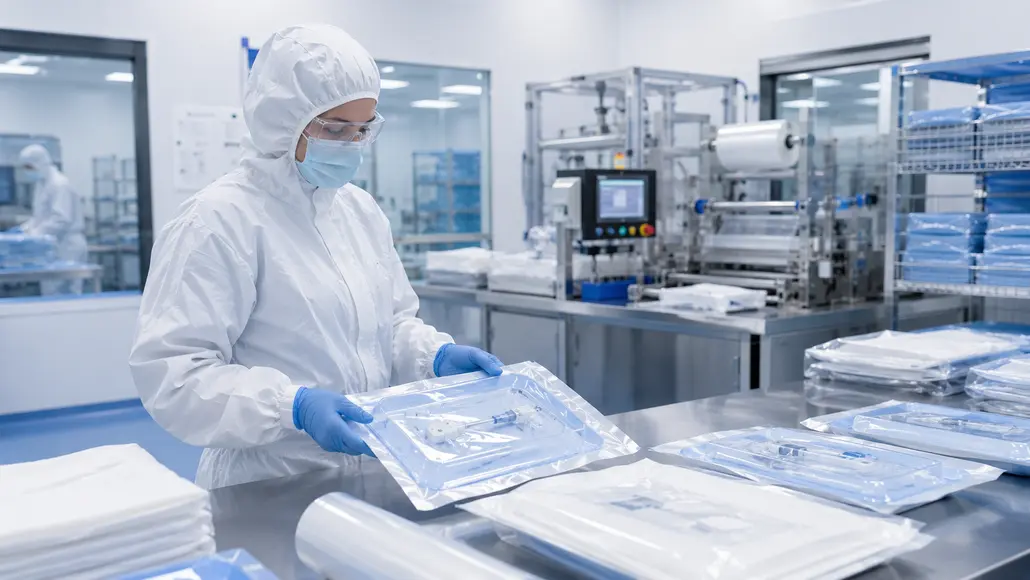
The primary and most vital function of medical packaging is the maintenance of terminal sterility until the exact moment of use. This is achieved through a meticulous combination of advanced material science and rigorous manufacturing protocols. High-performance materials like Tyvek, specialized medical-grade films, and high-barrier foil laminates are carefully selected for their ability to allow effective sterilization—whether through ethylene oxide (EtO), gamma radiation, electron beam, or steam—while simultaneously preventing the ingress of bacteria or viruses. The design of these sterile packaging systems must account for the specific geometry, weight, and fragility of the device, ensuring that it remains stationary and protected from abrasion or impact during transit. For manufacturers and designers, the central challenge lies in balancing the need for robust, impenetrable protection with the clinical necessity of a smooth, intuitive, and aseptic opening experience for healthcare professionals.
The Critical Importance of Validated Sterile Barrier Systems
A sterile barrier system is defined by international standards as the minimum packaging required to prevent the entry of microorganisms and allow aseptic presentation of the product at the point of use. Medical packaging solutions ensuring device safety are fundamentally built around this concept. The selection of materials is a highly technical and multi-disciplinary process, requiring deep knowledge of polymer porosity, tensile strength, and puncture resistance. For instance, orthopedic implants with sharp edges or high-density components require reinforced trays and heavy-duty, puncture-resistant films to prevent “pinholing,” which would immediately compromise the sterile field. The chemical and physical interaction between the device and its packaging is scrutinized during the validation phase to ensure that no material leaching, chemical migration, or physical abrasion occurs over the product’s intended shelf life.
Regulatory bodies such as the FDA in the United States and the European Medicines Agency (EMA) have established stringent, non-negotiable guidelines, most notably the ISO 11607 standard, which governs the requirements for terminally sterilized medical device packaging. Compliance with these standards is not merely a formality; it is a foundational requirement for market entry and patient safety. This includes extensive shelf-life testing, where packaged devices are subjected to accelerated aging in environmental chambers to prove they remain sterile and functional throughout their entire expiration period. By adhering to these rigorous, science-based standards, medical packaging solutions ensuring device safety provide the essential assurance that a device manufactured in a cleanroom in one corner of the globe will perform exactly as intended when opened in a hospital on the other side of the world, years later.
Innovations in Material Science and Advanced Barrier Protection
The evolution of medical packaging is intrinsically tied to advancements in polymer chemistry and material engineering. Traditional packaging materials are being rapidly replaced or supplemented by multi-layered, co-extruded structures that offer enhanced barrier protection against moisture, oxygen, and UV light. This is particularly important for the growing market of drug-device combination products, where the pharmaceutical component may be highly sensitive to environmental exposure and degradation. Modern healthcare packaging solutions utilize high-barrier films that can provide years of uncompromising protection, ensuring that critical emergency equipment, such as automated external defibrillators (AEDs) or pre-filled epinephrine syringes, is ready for immediate, life-saving deployment when every second counts.
Sustainability and environmental responsibility are also becoming key drivers in material innovation within the medical sector. The healthcare industry generates vast amounts of plastic waste, much of it originating from single-use medical packaging that must be discarded after a single procedure. Packaging engineers are now tasked with the complex challenge of developing recyclable or biodegradable materials that do not compromise the safety, durability, or sterile integrity of the device. This “green” transition requires a careful, data-driven re-evaluation of the entire lifecycle of the packaging, from raw material extraction to final disposal. However, patient safety remains the non-negotiable priority. Any new, sustainable material must undergo the same rigorous validation and biocompatibility testing as traditional plastics to ensure it can withstand the harsh conditions of industrial sterilization and long-term storage without failure.
Regulatory Compliance and Global Logistics Readiness
The path from the manufacturing facility to the patient is rarely a straight or gentle line. Medical devices are shipped via air, sea, and land, often passing through multiple climate zones, high-altitude pressure changes, and various handling facilities with differing levels of care. Medical packaging solutions ensuring device safety must be “logistics ready,” meaning they can withstand the mechanical stresses of vibrations, drops, and compression throughout the journey. For products that require a strict cold chain, such as certain biologics or temperature-sensitive diagnostics, the packaging must also incorporate thermal insulation and sophisticated monitoring systems to ensure that the internal environment remains within its specified range.
Effective packaging design also facilitates the precision tracking and tracing of devices throughout the global supply chain. The implementation of Unique Device Identification (UDI) requirements by global regulatory bodies has made the exterior of the package a vital hub for data and transparency. High-quality, durable labeling and standardized barcodes ensure that every individual device can be identified, tracked, and if necessary recalled with absolute precision. This integration of physical protection and digital information is a hallmark of modern medical logistics packaging. When packaging is designed with the entire lifecycle and potential failure points in mind, it becomes a proactive tool for risk management rather than just a passive container.
Enhancing Clinical Workflow and Improving Patient Outcomes
While the primary focus of packaging is safety and sterility, its impact on the clinical environment and workflow is significant. In the high-pressure setting of a modern operating room or an emergency department, ease of use and clarity are paramount. Medical packaging solutions ensuring device safety are increasingly designed to be “user-friendly,” with clear visual indicators for aseptic opening and intuitive layouts that allow clinicians to access the device quickly without risk of contamination. Features such as “peel-clean” seals that do not shed fibers and color-coded labels help reduce the cognitive load on healthcare workers, minimizing the potential for human error during a complex procedure.
The role of packaging extends beyond the hospital into the recovery room and the growing home care setting as well. For patients managing chronic conditions with home-use devices, such as insulin pumps, portable oxygen concentrators, or sophisticated wound care kits, the packaging must be easy to navigate for non-professionals. Clear, pictorial instructions for use, integrated into the packaging design, empower patients and their caregivers to manage their health safely and effectively. In this context, medical packaging is a vital link in the chain of care, ensuring that the benefits of advanced medical technology are fully realized without compromising patient safety through improper handling, contamination, or confusion.
The Future of Device Safety Through Smart and Active Packaging
The next frontier for medical packaging solutions ensuring device safety is the integration of “smart” and “active” technologies. Sensors and indicators embedded directly into the packaging materials can provide real-time feedback on the state of the sterile barrier or the environmental conditions the device has encountered. For example, color-changing chemical indicators can alert clinical staff if a package has been exposed to excessive moisture or if the temperature has exceeded safe limits for a sensitive component. In the near future, NFC (Near Field Communication) or RFID tags could allow clinicians to verify the authenticity, sterility, and expiration date of a device simply by waving a mobile device or a scanner over the package.
These advancements represent a fundamental shift from reactive to proactive safety measures. By leveraging data, connectivity, and active chemistry, packaging can become an active participant in the healthcare ecosystem, providing insights that lead to better inventory management, reduced waste, and enhanced patient protection. As we look forward, the continued collaboration between device manufacturers, packaging engineers, regulatory experts, and clinical stakeholders will be essential in driving these innovations. The ultimate goal remains unchanged: to ensure that every medical device, regardless of its complexity or destination, reaches the patient in a condition that is safe, sterile, and ready to perform its life-saving or life-enhancing function.