








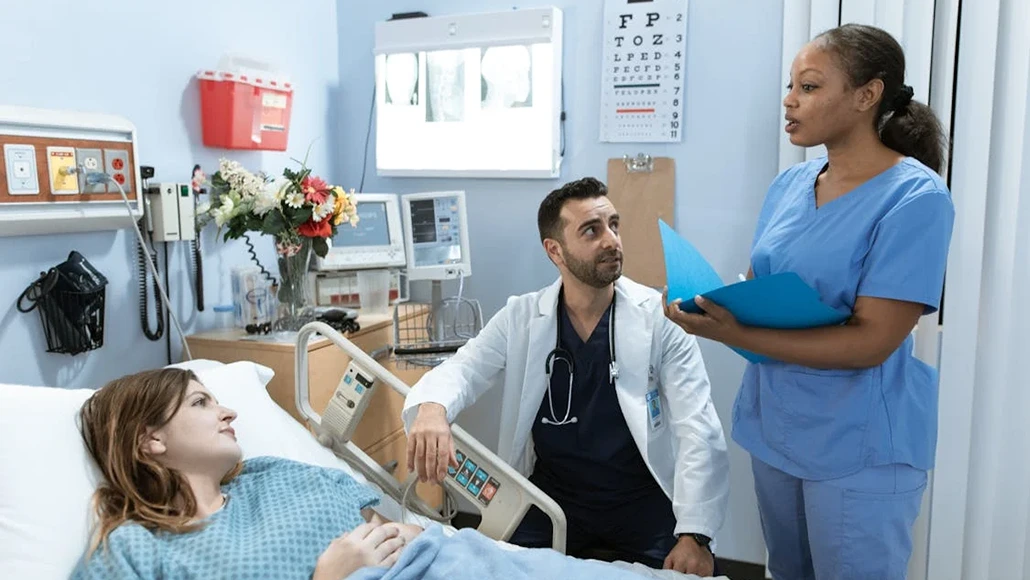
Healthcare systems now serve communities that speak many different languages, with Spanish-speaking patients representing one of the largest groups. Many organizations now encourage staff to work with a medical Spanish tutor to improve communication during patient care. Hospitals regularly treat patients who have limited English proficiency during routine visits. These encounters can create communication barriers that affect diagnosis, treatment planning, and patient understanding. Preparing healthcare staff for multilingual patient care has therefore become an important operational priority.
Language barriers influence nearly every stage of clinical care. Patients may struggle to describe symptoms or explain medical history clearly. Clinicians may also find it difficult to explain procedures, medications, or recovery instructions in simple language. When communication breaks down, misunderstandings can delay treatment and create confusion after discharge.
Why Multilingual Communication Matters in Healthcare
Clear communication allows clinicians to gather accurate information during consultations. When patients explain symptoms effectively, diagnosis becomes more reliable and treatment decisions improve. Patients who understand medical instructions are also more likely to follow medication guidance and attend follow-up visits. Strong communication, therefore, supports both safety and long-term care outcomes.
Hospitals also track communication through patient experience metrics. When language barriers exist, patients often report confusion about medications, treatment plans, or discharge instructions. These problems can increase readmission risk and reduce patient confidence. Improving multilingual communication helps healthcare organizations strengthen trust with diverse communities.
Communication Challenges in Multilingual Clinical Settings
Healthcare professionals frequently encounter communication difficulties during time-sensitive situations. Emergency departments, outpatient clinics, and inpatient units all require rapid information exchange between patients and clinicians. When language barriers exist, even simple conversations about symptoms or medications may take longer. This can slow clinical workflows and increase frustration for both patients and staff.
Cultural differences may also influence how patients describe symptoms or ask questions. Some patients hesitate to challenge medical recommendations or request clarification. Others explain symptoms using everyday language rather than medical terms. Healthcare professionals must therefore confirm understanding and adapt their communication style when working with diverse patient populations.
Training Healthcare Staff for Spanish Communication Readiness
Hospitals often begin multilingual preparation through communication training programs. These programs teach clinicians how to ask clearer questions and confirm patient understanding. Staff members practice simplifying complex explanations while maintaining medical accuracy. Training with a Spanish tutor for healthcare professionals also encourages active listening and respectful communication when interacting with patients from Hispanic backgrounds.
Some clinicians also pursue additional language learning by working directly with a medical Spanish tutor to improve daily patient interactions. Structured lessons help healthcare professionals practice vocabulary used during common medical conversations. For example, clinicians may strengthen their communication skills by working with a medical Spanish tutor who can guide real-world conversations, including symptoms, medications, and follow-up care with Spanish-speaking patients.
A tutor-led approach allows healthcare professionals to ask questions, receive immediate feedback, and practice conversations that reflect real clinical situations.
Choosing a Medical Spanish Tutor vs Self-Study for Clinical Communication
Healthcare professionals often begin learning Spanish through apps or self-study materials. While these tools can help build basic vocabulary, they rarely reflect the complexity of real clinical conversations.
In healthcare settings, communication involves more than memorizing terms. Clinicians must ask follow-up questions, clarify symptoms, and adjust explanations based on patient responses. These dynamic interactions are difficult to replicate with static lessons or generic language platforms.
Working with a medical Spanish tutor provides structured guidance, personalized feedback, and practice tailored to real patient scenarios. Clinicians can simulate consultations, refine pronunciation, and learn how to navigate sensitive or complex conversations with confidence.
This type of one-on-one support is especially valuable for professionals who want to learn medical Spanish with a tutor and apply it directly in patient care settings.
Integrating Language Support Into Clinical Workflows
Training alone cannot solve communication challenges in multilingual healthcare environments. Hospitals must also build systems that support language access across clinical workflows. Clear interpreter protocols, translated documents, and multilingual signage help patients navigate healthcare facilities more easily. These systems reduce confusion while supporting clinicians during busy clinical schedules.
Healthcare organizations should also evaluate where language barriers appear most often. Emergency departments, outpatient clinics, and discharge planning often require additional language support. Identifying these areas allows administrators to improve interpreter access and patient education materials. Practical workflow improvements help ensure communication support remains consistent across departments.
Building a Culture of Inclusive Patient Communication
Preparing staff for multilingual patient care also requires a supportive organizational culture. Healthcare leaders must emphasize that communication quality is part of clinical excellence. Encouraging staff to develop communication skills improves patient trust and strengthens relationships with the communities hospitals serve.
Hospitals that prioritize inclusive communication often see improvements in patient engagement. Patients who feel understood are more likely to share important medical details and ask questions about treatment plans. These conversations lead to better decisions and safer care. Strong communication ultimately benefits both healthcare providers and the patients they serve.
The Future of Multilingual Healthcare Communication
Healthcare systems will continue serving increasingly diverse patient populations. As communities grow and change, language diversity within hospitals will also expand. Preparing healthcare professionals for multilingual communication will therefore remain an essential part of healthcare operations.
Organizations that invest in communication training, including working with a medical Spanish tutor, language resources, and supportive workflows position themselves for long-term success. Multilingual readiness strengthens patient safety, improves care experiences, and builds trust between healthcare providers and the communities they serve. In modern healthcare systems, clear communication is no longer optional. It is a fundamental component of effective patient care.