








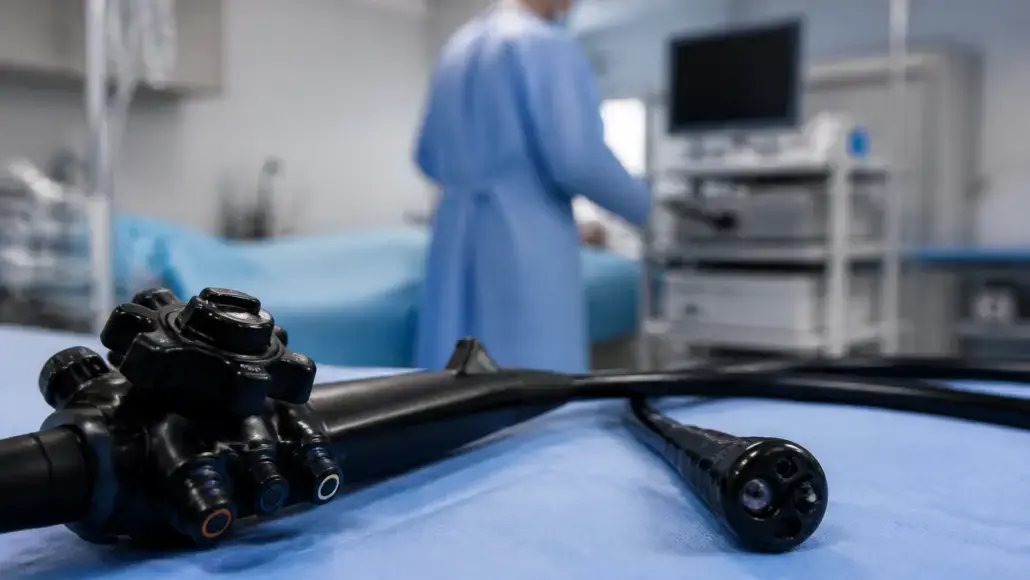

Medical scopes play an important role in diagnosing and treating patients, but problems with their design, cleaning, or sterilization can cause avoidable health risks. In October 2025, Olympus initiated a product correction involving its TJF-Q190V duodenoscope after identifying potential deviations in reprocessing procedures. Global reports from 2024 onward included 2 deaths and 5 serious injuries involving infections or positive cultures potentially associated with the device, although a direct connection had not been established. Across the US, concerns about medical device safety have also brought greater attention to manufacturer accountability and infection prevention.
In St. Louis, MO, patients affected by contaminated surgical scopes may face difficult questions about the source of infections and the parties responsible for their injuries. The Olympus scope lawsuit reflects broader efforts to examine whether device manufacturers adequately addressed contamination risks, provided appropriate safety instructions, and responded to reported problems. The FDA’s October 2026 warning letter raised additional concerns about Olympus’s quality controls, complaint investigations, and corrective actions across multiple facilities. As these regulatory developments unfold, litigation can offer a potential avenue to examine product safety failures and pursue accountability.
How Reprocessing Enters the Claims
Hospitals clean and disinfect reusable scopes between procedures. Claims may question whether a device’s channels and moving parts allowed biological material to remain despite following the prescribed process. The legal issue is not simply that reprocessing occurred, but that evidence must support a connection between the device or its instructions and the alleged contamination.
The device’s usage history can matter. A patient’s records may identify the procedure and facility, while facility records can help determine which scope was used and how it was processed. These details are not always available in a patient’s discharge papers, so a claim review may require records from several sources.
What Plaintiffs Allege About Design
Some claims assert that the construction of the scope made thorough cleaning difficult. Narrow channels, joints, or components that move during use can complicate access for cleaning. Plaintiffs may argue that a device should have been designed to reduce contamination risks or that its instructions did not adequately address those risks.
These are allegations, not automatic proof of defect. A review needs evidence about the specific model, its condition, cleaning procedures, and the infection involved. The patient’s diagnosis alone does not establish that a scope caused the illness.
Warnings and Safety Information
Other claims focus on whether hospitals and clinicians received adequate information about infection risks and reprocessing requirements. Relevant materials can include device instructions, safety notices, and communications held by a facility. Their timing and wording matter when assessing what users were told before a procedure.
A claim can also examine how safety concerns were handled after reports of infections. The question is whether available information should have prompted different warnings or precautions. The outcome relies heavily on the facts and applicable rules.
Linking Illness to a Procedure
The timing of symptoms is only one part of the evidence. Medical records can show:
- When a patient developed an infection
- What organism clinicians identified
- What treatment followed
Bacterial infections after an endoscopic procedure still require careful review, as other exposures or health conditions can explain an illness.
Testing and treatment records help clarify the type and severity of harm. Hospital stays, medications, follow-up care, and continuing effects may document the medical consequences. A qualified medical review can assess whether the infection is consistent with the alleged exposure.
Records That Can Clarify Exposure
The patient, the hospital, or treating providers may have useful records. A focused collection can help establish the procedure, illness, and impact:
- Procedure and discharge records identifying the date and type of endoscopy
- Laboratory results naming the bacteria and dates of positive cultures
- Treatment records documenting hospitalization, medication, and follow-up care
- Billing and employment records showing expenses or missed work
Patients should keep copies and avoid altering original documents. The facility may hold device tracking or reprocessing records that patients do not routinely have.
How Claim Review Assesses Losses
A legal review considers both the evidence linking the infection to the scope and the losses that followed the condition. Medical expenses and missed income can be documented, while pain, ongoing symptoms, or changes in daily activities require supporting details. Families may face separate considerations when an infection results in death.
Deadlines and procedures vary by state, and the relevant rules depend on the circumstances. Early attention to records can help identify what evidence exists before information becomes harder to obtain.
Conclusion
Contamination claims advance through evidence that links four key elements: a device, a procedure, an infection, and resulting losses. A patient’s diagnosis matters, but it does not answer every question about exposure or cause.
Anyone assessing a possible claim can start by requesting procedure, laboratory, and treatment records, then note when symptoms appeared and what care followed. These details provide a clearer basis when reviewing the case with a qualified attorney while preserving the patient’s account of events.