











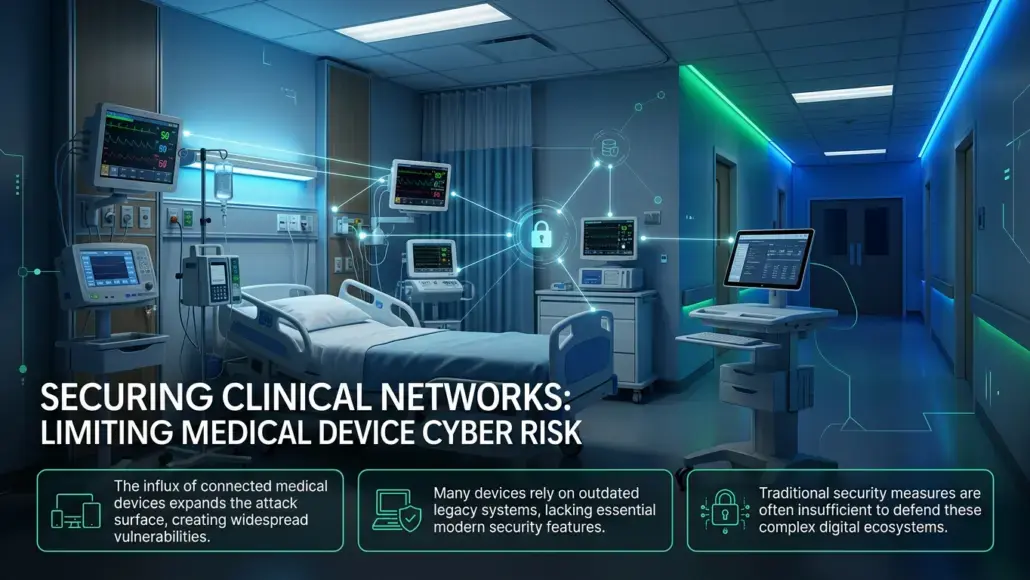

The rapid proliferation of connected medical devices has transformed the modern hospital into a highly integrated digital ecosystem. While this connectivity has enabled significant improvements in patient monitoring and data accessibility, it has also created a sprawling attack surface that is difficult to secure using traditional perimeter-based defenses. Many medical devices are built on legacy operating systems that lack modern security features, making them easy targets for attackers. Once a single device is compromised, a malicious actor can often move laterally across the entire hospital network, accessing sensitive patient records or disabling critical clinical systems. To counter this threat, healthcare organizations are increasingly turning to clinical network segmentation as a primary defensive strategy.
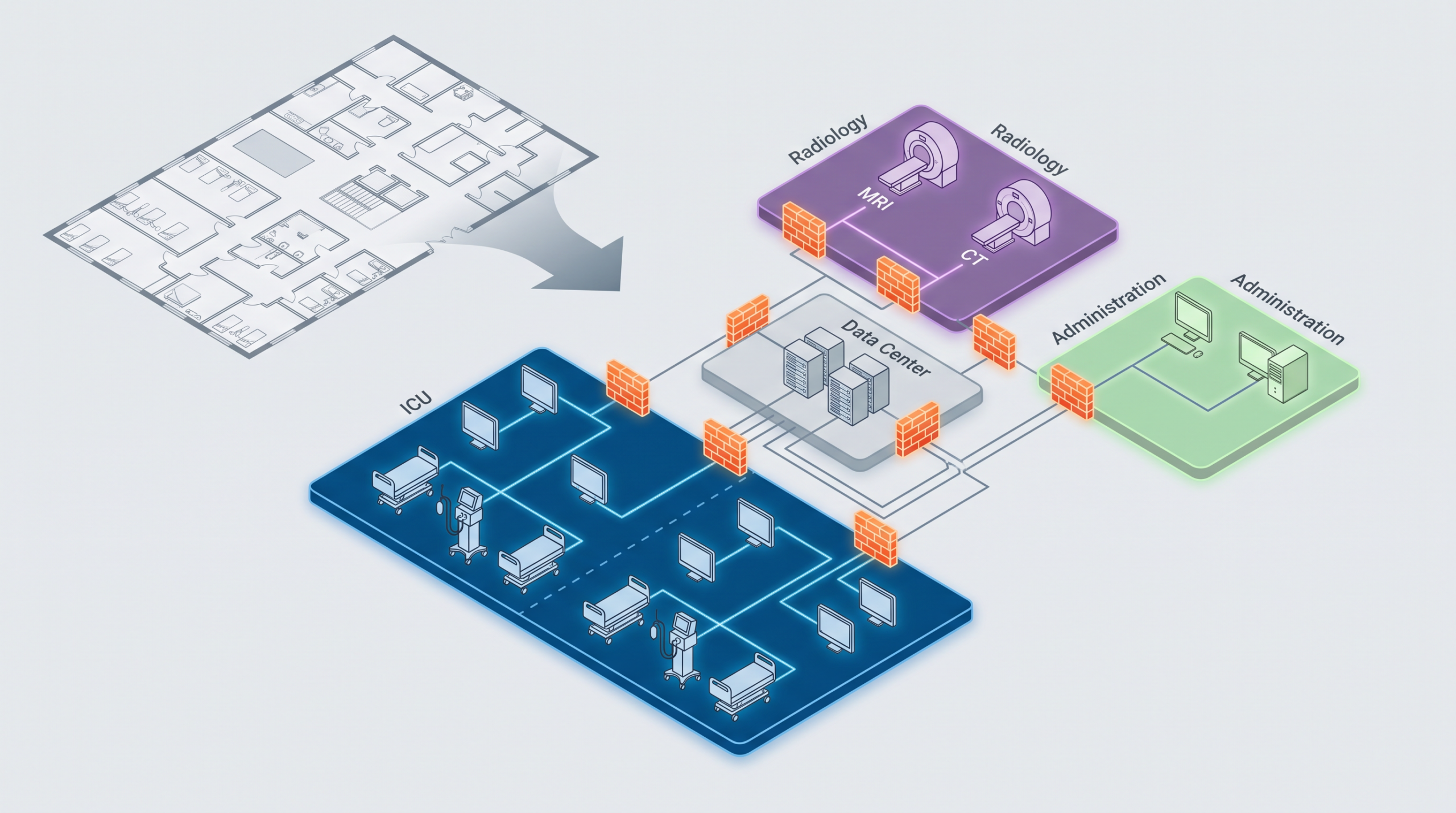
Clinical network segmentation involves the logical division of the hospital’s internal network into smaller, isolated zones based on device function, clinical department, or risk profile. By restricting the communication paths between these zones, the hospital can effectively contain a security incident and prevent it from spreading to other parts of the enterprise. This blast radius reduction is vital for maintaining clinical continuity and protecting patient safety during a cyber attack. In an environment where downtime can have life-altering consequences, the ability to isolate a compromised asset without shutting down the entire facility is a critical operational requirement. This strategic isolation is the most effective way to manage the risks associated with the Internet of Medical Things.
The Architecture of a Segmented Clinical Environment
The implementation of clinical network segmentation requires a deep understanding of the hospital’s data flows and device behaviors. Unlike a typical office network where users and applications communicate freely, a clinical network consists of thousands of specialized devices that only need to talk to a few specific servers or services. For example, an infusion pump may only need to communicate with its central management server and the hospital’s pharmacy system. By creating a dedicated network segment for these pumps and applying strict firewall rules, the hospital can ensure that the devices are shielded from unnecessary traffic and potential threats originating from other parts of the network. This involves the use of Virtual Local Area Networks to physically or logically separate traffic at the switch level.
Modern segmentation strategies often utilize software-defined networking and micro-segmentation to provide even greater levels of granularity. Micro-segmentation allows security administrators to apply security policies to individual devices or small groups of assets, regardless of their physical location in the hospital. This approach is particularly useful for protecting legacy medical equipment that cannot be updated with modern security patches. While clinical network segmentation provides a vital defensive layer, it should be complemented by a rigorous program to manage medical device vulnerability at the endpoint. Together, these strategies create a defense-in-depth architecture that protects the hospital from both internal and external threats. The focus remains on creating a network that is secure by design.
Enhancing Patient Safety through Isolation
The primary driver for clinical network segmentation is the protection of patient safety. In many cases, medical devices are vulnerable to simple network probes or denial-of-service attacks that can cause them to malfunction or reboot. By isolating these sensitive assets into their own protected segments, the hospital can shield them from the noise of a busy enterprise network. This isolation ensures that critical devices such as ventilators and cardiac monitors remain stable and available when they are needed most. Additionally, segmentation prevents a compromised administrative workstation from being used to access and manipulate the settings of medical equipment. The integrity of the clinical environment is maintained by strictly controlling who and what can interact with patient-facing hardware.
In addition to preventing direct attacks on devices, segmentation also protects the integrity of the clinical data itself. When devices are grouped into logical segments, it becomes much easier to monitor for anomalous behavior. For instance, if a device in the radiology segment suddenly begins attempting to communicate with a database in the finance department, the security system can automatically flag this as suspicious and take action to block the traffic. This early detection is essential for identifying and stopping a breach before it can result in the loss of protected health information. By maintaining the confidentiality and integrity of patient data, the hospital upholds its ethical and legal obligations to its community. This level of monitoring is a core requirement for a modern healthcare security operations center.
Challenges in Implementing Segmentation at Scale
While the benefits of clinical network segmentation are clear, the implementation process can be challenging, especially in large and complex hospital environments. One of the biggest hurdles is the need for accurate and up-to-date asset discovery. If the IT team does not have a complete inventory of every device on the network and an understanding of its communication requirements, it is impossible to create effective segmentation policies. Overly restrictive policies can break clinical workflows and prevent devices from functioning correctly, while policies that are too loose will fail to provide adequate protection. Striking the right balance requires close collaboration between IT security, clinical engineering, and the clinical staff. This dialogue is necessary to ensure that security measures do not hinder the speed of medical care.
The legacy nature of many medical devices also adds to the complexity. Some older equipment may rely on outdated protocols that are difficult to secure or monitor using modern network tools. In these cases, the hospital may need to implement specialized security gateways or virtual patching solutions to provide an additional layer of protection. Additionally, the ongoing management of segmentation policies can be resource-intensive. As new devices are added to the network and clinical workflows evolve, the policies must be constantly reviewed and updated to ensure that they remain effective. This requires a commitment to continuous improvement and a dedicated team of security professionals who understand the unique requirements of the healthcare environment. The long-term maintenance of these policies is as important as their initial deployment.
Differentiating East-West and North-South Traffic
A sophisticated segmentation strategy must account for both North-South traffic (traffic moving in and out of the hospital network) and East-West traffic (traffic moving between devices within the network). Historically, hospital security focused almost entirely on the perimeter, but the increase in lateral movement attacks has made the control of East-West traffic a top priority. By implementing internal firewalls and access control lists between clinical segments, the hospital can stop an attacker who has already breached the perimeter from reaching high-value targets. This granular control is what defines the transition from a traditional network to a modern, clinical network segmentation architecture. It requires the deployment of high-performance security appliances that can inspect traffic at gigabit speeds without introducing latency into critical clinical applications.
The transition to a segmented network is a key step toward the adoption of a zero trust security model in healthcare. In a zero trust environment, no user or device is trusted by default, and every request for access is strictly verified based on identity, location, and device health. Clinical network segmentation provides the foundational infrastructure needed to enforce these fine-grained access controls. By moving away from a traditional moat and castle defense and toward a more granular and dynamic security architecture, hospitals can stay ahead of the evolving threat environment. This strategic shift is essential for protecting the hospital’s digital future and ensuring that the benefits of connected healthcare are realized safely.
The following list identifies the core components of a successful clinical network segmentation project:
- Automated discovery and classification of all connected clinical and IoT assets using passive monitoring techniques.
- Baseline monitoring of device communication patterns to understand normal behavioral profiles for every asset class.
- Creation of logical network zones based on clinical department, device type, or risk level to contain potential breaches.
- Implementation of software-defined networking tools to enforce granular access control policies across the entire campus.
- Regular auditing and testing of segmentation rules to ensure they do not interfere with time-sensitive patient care workflows.
- Integration of segmentation with the hospital’s central security information and event management system for real-time alerting.
- Collaboration between IT, clinical engineering, and department heads to define and validate security zones for critical equipment.
- Use of micro-segmentation for high-risk or legacy assets that require individual protection from network-based exploits.
- Development of emergency break-glass procedures to restore connectivity in the event of a critical system failure during an incident.
- Continuous education for clinical staff on the importance of network hygiene and the risks of unauthorized device connections.
Implementing clinical network segmentation is a journey that requires time, effort, and institutional support. However, the reduction in risk and the improvement in patient safety make it one of the most important security investments a hospital can make. By protecting its clinical assets from the threat of lateral movement, the hospital can ensure that it remains a safe and trusted environment for the delivery of care. As the healthcare industry continues to move toward a more connected and data-driven future, the ability to manage network risk with precision and clinical focus will be a defining characteristic of successful healthcare institutions. This dedication to security ultimately leads to a more resilient healthcare system that can withstand the challenges of the modern digital world while protecting the lives of the patients it serves.