










Close
Digital Health & Ai Innovation summit 2026
Medical Taiwan 2026

AI Technology Can Accelerate The Heart Disease Diagnosis

Note* - All images used are for editorial and illustrative purposes only and may not originate from the original news provider or associated company.

Subscribe

- Never miss a story with notifications

- Gain full access to our premium content

- Browse free from any location or device.

Media Packs

Expand Your Reach With Our Customized Solutions Empowering Your Campaigns To Maximize Your Reach & Drive Real Results!

– Access the Media PackNow

– Book a Conference Call

– Leave Message for Us to Get Back

Related stories

Sustainable Pharma Manufacturing and Green Facilities

Comprehensive analysis of the environmental strategies being adopted by the pharmaceutical industry to reduce its global footprint. The focus is on integrating energy-efficient technologies, minimizing waste, and ensuring that green facility design becomes a core component of long-term ESG compliance.

Advancing Biopharmaceutical Processing and Quality Systems

Comprehensive analysis of the methodologies and technological frameworks driving the next generation of biologics. The focus remains on optimizing complex manufacturing protocols while ensuring that every stage of the process aligns with the highest global regulatory and safety standards.

Biotech Innovation Strengthening Clinical Pipelines

The discovery and development of next-generation therapies are being propelled by a fundamental leap in our understanding of molecular biology and cellular mechanics. By bridging the gap between laboratory research and clinical application, the life sciences sector is creating a robust stream of precision treatments that offer new hope for previously intractable conditions.

By giving medical practitioners crucial information, an AI tool that analyses the heart’s function quickly and thoroughly could advance the detection and treatment of cardiac disease in the future. Finding a faster method to diagnose heart illness is crucial because the existing procedure for analysing the findings of MRI heart scans requires a lot of time and resources.

The tool has been created by the University of Sheffield and the Sheffield Teaching Hospitals NHS Foundation Trust.

How can AI help in the diagnosis of heart disease?

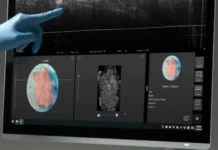
The technique, called AI segmentation of cardiac MRI to automate the measurement of cardiac function and volume, uses images from MRI heart scans to automatically identify the heart’s chambers, a procedure that traditionally requires a protracted manual examination.

A patient’s heart health is routinely checked during the heart disease diagnosis process using MRI scans since they provide detailed information on the heart’s pumping action. For the doctors, this procedure takes a lot of time and involves several specialists, including those in cardiac imaging. The professionals must first outline the heart’s scan images with outlines before doing challenging volumetric and mathematical computations to determine the heart’s blood flow in and out.

According to the researchers, the AI technology will help doctors and imaging professionals save up to 30 minutes in each scan, freeing up necessary NHS resources and facilitating an earlier identification of cardiac disease.

Dr. Andrew Swift, a senior lecturer at the University of Sheffield and a consultant cardiothoracic radiologist at Sheffield Teaching Hospitals, stated that getting answers promptly and precisely will cut down on the time it takes for patients to start getting the right treatment even more. It takes a lot of time to manually collect sophisticated measures that show how well the left and right sides of the heart are pumping. This issue is solved by the AI segmentation of cardiac MRI for automated measurement of heart function and volume. It might allow hospital staff to take care of more patients instead of spending time on image processing. The clinical and technical know-how that they have in Sheffield is displayed prominently in this superb example of creativity from within the NHS.

Using thousands of photos to test the programme

Over the past three years, the AI technology has been tested on scans from more than 30 institutions in the UK and verified in over 5,000 anonymized patient scans at Sheffield Teaching Hospitals. With recent financing from a Medipex NHS Innovation Award victory, the team is now trying to make the tool accessible to a larger portion of the NHS.

In a sizable fraction of heart disease diagnosis instances, the tool’s accuracy is comparable to, if not better than, manual analysis.

They have a long and proud tradition of being innovators in new research and new development that may be used for the benefit of more patients, according to Director of Innovation at Sheffield Teaching Hospitals, Professor Wendy Tindale OBE.  They are honoured that this distinguished regional awards programme has recognised the skills of their scientific and clinical experts in discovering and seeking out answers to healthcare problems.

MEDICAL FAIR ASIA 2026

Latest stories

Related stories

Sustainable Pharma Manufacturing and Green Facilities

Comprehensive analysis of the environmental strategies being adopted by the pharmaceutical industry to reduce its global footprint. The focus is on integrating energy-efficient technologies, minimizing waste, and ensuring that green facility design becomes a core component of long-term ESG compliance.

Advancing Biopharmaceutical Processing and Quality Systems

Comprehensive analysis of the methodologies and technological frameworks driving the next generation of biologics. The focus remains on optimizing complex manufacturing protocols while ensuring that every stage of the process aligns with the highest global regulatory and safety standards.

Biotech Innovation Strengthening Clinical Pipelines

The discovery and development of next-generation therapies are being propelled by a fundamental leap in our understanding of molecular biology and cellular mechanics. By bridging the gap between laboratory research and clinical application, the life sciences sector is creating a robust stream of precision treatments that offer new hope for previously intractable conditions.

Precision Diagnostics Accelerating Early Detection

The fundamental strategy of clinical medicine is shifting from managing symptoms to identifying the earliest molecular indicators of disease. By integrating sophisticated genomic analysis with high-fidelity imaging, practitioners are now able to intercept pathological processes long before they manifest as systemic illness, significantly improving the efficacy of therapeutic interventions.

Subscribe

- Never miss a story with notifications

- Gain full access to our premium content

- Browse free from any location or device.

Media Packs

Expand Your Reach With Our Customized Solutions Empowering Your Campaigns To Maximize Your Reach & Drive Real Results!

– Access the Media Pack Now

– Book a Conference Call

– Leave Message for Us to Get Back

Translate »