Close
Digital Health & Ai Innovation summit 2026
Medical Taiwan 2026

Medtronic Receives FDA Clearance for Reveal LINQ Insertable Cardiac Monitor with TruRhythm Detection

Note* - All images used are for editorial and illustrative purposes only and may not originate from the original news provider or associated company.

Subscribe

- Never miss a story with notifications

- Gain full access to our premium content

- Browse free from any location or device.

Media Packs

Expand Your Reach With Our Customized Solutions Empowering Your Campaigns To Maximize Your Reach & Drive Real Results!

– Access the Media PackNow

– Book a Conference Call

– Leave Message for Us to Get Back

Related stories

Healthcare Financing Models Supporting Modern Care...

The transformation of the economic foundations of medicine from a volume-based to a value-based model represents the most significant shift in clinical administration in over a generation. In an era of rising costs and an aging population, the traditional "fee-for-service" approach is being replaced by sophisticated financial structures that incentivize high-quality outcomes and long-term health maintenance. By integrating insurance innovation, sustainable investment strategies, and data-driven cost optimization, healthcare financing models supporting modern care delivery are becoming the primary driver of clinical sustainability and innovation. This evolution ensures that financial resources are allocated where they have the most impact improving the lives of patients and ensuring that the healthcare system remains resilient and accessible for every member of society.

Regulatory Compliance in Healthcare Technology Advancements

The rapid integration of sophisticated digital tools into clinical practice requires a robust and adaptive oversight framework to ensure that innovation never comes at the expense of patient safety or data integrity. As medical technologies evolve from simple mechanical devices to complex, AI-driven diagnostic and therapeutic systems, the role of governmental and professional standards becomes increasingly critical. By establishing clear certification processes and rigorous risk management protocols, regulatory compliance in healthcare technology advancements is becoming the primary guardian of quality in the modern medical landscape. This commitment to oversight ensures that the benefits of high-tech medicine such as improved accuracy and more personalized treatments are delivered within a secure and ethically sound environment, effectively bridging the gap between scientific discovery and safe clinical application.

Healthcare Interoperability Enabling Connected Care Systems

The ability of disparate digital platforms to seamlessly exchange and interpret clinical information represents the critical infrastructure upon which modern medicine is built. In a complex care environment where patients often interact with multiple specialists, pharmacists, and community health providers, the lack of data connectivity can lead to fragmented care and significant safety risks. By establishing a unified framework for data exchange and electronic health records integration, healthcare interoperability enabling connected care systems is becoming the primary driver of clinical coordination and efficiency. This transformation ensures that the right information reaches the right provider at the right time, creating a comprehensive "clinical narrative" that supports better decision-making and a more patient-centered approach to healing.
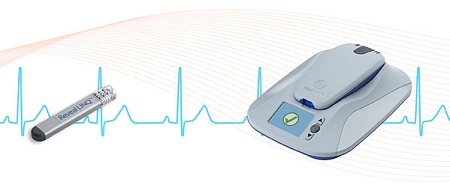
Medtronic plc announced U.S. FDA clearance for its Reveal LINQ Insertable Cardiac Monitor with TruRhythm Detection, an advanced cardiac monitor offering improved accuracy to better identify abnormal heartbeats.

Reveal LINQ ICM with TruRhythm Detection offers exclusive algorithms that result in a 95 percent reduction in false bradycardia (slow heartbeat) episodes and a 47 percent reduction in false pause (brief absence of cardiac activity) episodes when compared with its predecessor, the Reveal LINQ(TM) ICM. The device also features a self-learning atrial fibrillation (AF – an irregular and often very fast heart rate) algorithm, which learns and adapts to a patient’s heart rhythm over time.  AF episodes, which are most likely to trigger false positives with ICMs, experienced a 49 percent reduction in false detections with the Reveal LINQ ICM with TruRhythm Detection when compared to the Reveal LINQ ICM.1

“ICMs help physicians find answers for patients at risk for cardiac arrhythmias to better manage a range of patient populations,” said James Allred, M.D., electrophysiologist at Cone Health Medical Group Heartcare in Greensboro, N.C. “The enhancements with the Reveal LINQ ICM with TruRhythm Detection make it smarter by streamlining device data review so physicians can make decisions more accurately and quickly for patients.”

Reveal LINQ ICM with TruRhythm Detection, which allows physicians to continuously and wirelessly monitor a patient’s heartbeat for up to three years, is approximately one-third the size of an AAA battery (~1 cc). It is placed just beneath the skin through a small incision of less than 1 cm in the upper left side of the chest, using a minimally invasive procedure, and its presence is often nearly undetectable to the naked eye once the incision has healed. The device communicates wirelessly with a patient bedside monitor that uploads device data to the Medtronic CareLink® network; it is MR-Conditional, allowing patients to undergo magnetic resonance imaging (MRI), if needed.
“For nearly twenty years, Medtronic has led innovation in cardiac monitoring, including Reveal(TM), the world’s first loop recorder, and Reveal LINQ, the world’s smallest ICM,” said Nina Goodheart, vice president and general manager of the Patient Monitoring & Diagnostics business at Medtronic. “We collaborated with hundreds of clinicians and analyzed more than 50,000 ECGs allowing us to pinpoint how we could redesign our algorithms to improve detection specificity, without compromising sensitivity.”
In collaboration with leading clinicians, researchers and scientists worldwide, Medtronic offers the broadest range of innovative medical technology for the interventional and surgical treatment of cardiovascular disease and cardiac arrhythmias. The company strives to offer products and services of the highest quality that deliver clinical and economic value to healthcare consumers and providers around the world.
About Medtronic
Medtronic plc (www.medtronic.com), headquartered in Dublin, Ireland, is among the world’s largest medical technology, services and solutions companies – alleviating pain, restoring health and extending life for millions of people around the world. Medtronic employs more than 88,000 people worldwide, serving physicians, hospitals and patients in approximately 160 countries. The company is focused on collaborating with stakeholders around the world to take healthcare Further, Together.
Any forward-looking statements are subject to risks and uncertainties such as those described in Medtronic’s periodic reports on file with the Securities and Exchange Commission. Actual results may differ materially from anticipated results.
1 TruRhythm Detection Algorithms. Medtronic data on file. 2017.
Contacts:
Ryan Mathre
Public Relations
+1-763-514-9625
Ryan Weispfenning
Investor Relations
+1-763-505-4626

MEDICAL FAIR ASIA 2026

Latest stories

Related stories

Healthcare Financing Models Supporting Modern Care Delivery

The transformation of the economic foundations of medicine from a volume-based to a value-based model represents the most significant shift in clinical administration in over a generation. In an era of rising costs and an aging population, the traditional "fee-for-service" approach is being replaced by sophisticated financial structures that incentivize high-quality outcomes and long-term health maintenance. By integrating insurance innovation, sustainable investment strategies, and data-driven cost optimization, healthcare financing models supporting modern care delivery are becoming the primary driver of clinical sustainability and innovation. This evolution ensures that financial resources are allocated where they have the most impact improving the lives of patients and ensuring that the healthcare system remains resilient and accessible for every member of society.

Regulatory Compliance in Healthcare Technology Advancements

The rapid integration of sophisticated digital tools into clinical practice requires a robust and adaptive oversight framework to ensure that innovation never comes at the expense of patient safety or data integrity. As medical technologies evolve from simple mechanical devices to complex, AI-driven diagnostic and therapeutic systems, the role of governmental and professional standards becomes increasingly critical. By establishing clear certification processes and rigorous risk management protocols, regulatory compliance in healthcare technology advancements is becoming the primary guardian of quality in the modern medical landscape. This commitment to oversight ensures that the benefits of high-tech medicine such as improved accuracy and more personalized treatments are delivered within a secure and ethically sound environment, effectively bridging the gap between scientific discovery and safe clinical application.

Healthcare Interoperability Enabling Connected Care Systems

The ability of disparate digital platforms to seamlessly exchange and interpret clinical information represents the critical infrastructure upon which modern medicine is built. In a complex care environment where patients often interact with multiple specialists, pharmacists, and community health providers, the lack of data connectivity can lead to fragmented care and significant safety risks. By establishing a unified framework for data exchange and electronic health records integration, healthcare interoperability enabling connected care systems is becoming the primary driver of clinical coordination and efficiency. This transformation ensures that the right information reaches the right provider at the right time, creating a comprehensive "clinical narrative" that supports better decision-making and a more patient-centered approach to healing.

Patient Engagement Technologies Enhancing Care Experience

The evolution of clinical care from a provider-centric model to one that actively involves the individual represents a profound shift in the modern medical landscape. By integrating digital communication tools, comprehensive patient portals, and intuitive mobile health applications, healthcare institutions are empowering individuals to take a leading role in their own wellness journeys. This transformation is not merely about the introduction of new software; it is about fostering a collaborative environment where information flows freely and the patient-provider relationship is built on a foundation of mutual transparency and respect. As these systems become more sophisticated, patient engagement technologies enhancing care experience are becoming the primary catalyst for improved health outcomes and a more personalized standard of care.

Subscribe

- Never miss a story with notifications

- Gain full access to our premium content

- Browse free from any location or device.

Media Packs

Expand Your Reach With Our Customized Solutions Empowering Your Campaigns To Maximize Your Reach & Drive Real Results!

– Access the Media Pack Now

– Book a Conference Call

– Leave Message for Us to Get Back

Translate »