














Close
Digital Health & Ai Innovation summit 2026
APE 2026

Philips and Accenture Plan to Develop Brainwave System for ALS Patients

Note* - All images used are for editorial and illustrative purposes only and may not originate from the original news provider or associated company.

Subscribe

- Never miss a story with notifications

- Gain full access to our premium content

- Browse free from any location or device.

Media Packs

Expand Your Reach With Our Customized Solutions Empowering Your Campaigns To Maximize Your Reach & Drive Real Results!

– Access the Media PackNow

– Book a Conference Call

Leave Message for Us to Get Back

Related stories

FDA May Scrutinize Medical Device Cybersecurity...

The scrutiny by the US Food and Drug Administration...

US Lawmakers Push Access For AI-Powered...

The US bipartisan legislation, which was introduced in the...

MHRA in the UK Accelerates AI...

The Medicines and Healthcare Products Regulatory Agency (MHRA) from...
The Netherlands’ Royal Philips and IT consulting firm Accenture have joined hands to develop software that helps people with neurodegenerative diseases like Amyotrophic Lateral Sclerosis (ALS), commonly known as Lou Gehrig’s disease. The software application is aimed at helping those affected with the disease to get some capabilities they have lost.
The new software allows ALS patients control devices in their surroundings. The application used in this software allows patients to indicate signals like turning on lights, and sending alerts for help, using brainwaves.
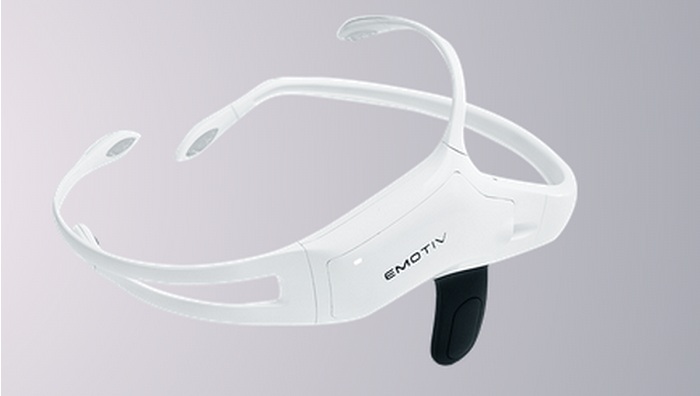
This breakthrough software is built-in into the Emotiv Insight Brainware, a wearable device that can read brainwaves and translate them. The device allows users to record eye and voice commands, and thus sends signal to connected Philips products like Lifeline Medical Alert Service, SmartTV and Hue personal lighting system, whenever the ALS patients think of performing an action.
ALS is a neurodegenerative disease that affects muscles throughout the human body, hampering the ability to move and communicate.
“At this point, we are exploring this concept for the sake of innovation and research. We’ll continue to collect feedback and explore its potential, but we cannot confirm any commercial development at this time, nor any plans to test this on patients in the future,” said a Philips spokesperson in a statement at the launch of the new software.

Latest stories

Related stories

FDA May Scrutinize Medical Device Cybersecurity More in 2026

The scrutiny by the US Food and Drug Administration...

US Lawmakers Push Access For AI-Powered Medical Devices

The US bipartisan legislation, which was introduced in the...

MHRA in the UK Accelerates AI Rollout in the NHS

The Medicines and Healthcare Products Regulatory Agency (MHRA) from...

Philips, Masimo Extend Partnership to Sensor Technologies

Philips and Masimo have gone on to renew their...

Subscribe

- Never miss a story with notifications

- Gain full access to our premium content

- Browse free from any location or device.

Media Packs

Expand Your Reach With Our Customized Solutions Empowering Your Campaigns To Maximize Your Reach & Drive Real Results!

– Access the Media Pack Now

– Book a Conference Call

Leave Message for Us to Get Back

Translate »