

















The integrity of a surgical procedure is only as robust as the cleanliness of the instruments used during the operation. For decades, hospital sterilization has relied on manual logging and mechanical validation, which, while effective, remain susceptible to the nuances of human error and process inconsistencies. Today, the integration of smart sterilization systems enhancing patient safety is fundamentally redefining the standards of the Central Sterile Supply Department (CSSD). These intelligent ecosystems leverage the Internet of Things (IoT), real-time data analytics, and sophisticated tracking mechanisms to ensure that every scalpel, forcep, and endoscope undergoes a rigorous, validated, and transparent decontamination journey. By digitizing the sterilization pipeline, healthcare facilities are drastically reducing the risk of healthcare-associated infections (HAIs), which remain a leading cause of morbidity and mortality in clinical settings worldwide.
The move toward smart sterilization systems enhancing patient safety represents a strategic shift from passive equipment management to active, data-driven oversight. In a traditional setup, once an instrument tray enters an autoclave, its status is largely a black box until the cycle completes. If a sensor fails or a temperature fluctuation occurs unnoticed, the risk of a non-sterile instrument reaching the operating theater becomes a terrifying possibility. Smart systems eliminate this uncertainty by providing continuous monitoring of critical parameters such as pressure, temperature, and chemical concentrations directly to a centralized dashboard. This level of transparency not only ensures immediate intervention in the event of a cycle failure but also creates a permanent, unalterable digital twin of every sterilization event, providing a level of accountability and compliance that manual logs simply cannot match.
Integrating CSSD Technology into the Modern Clinical Workflow
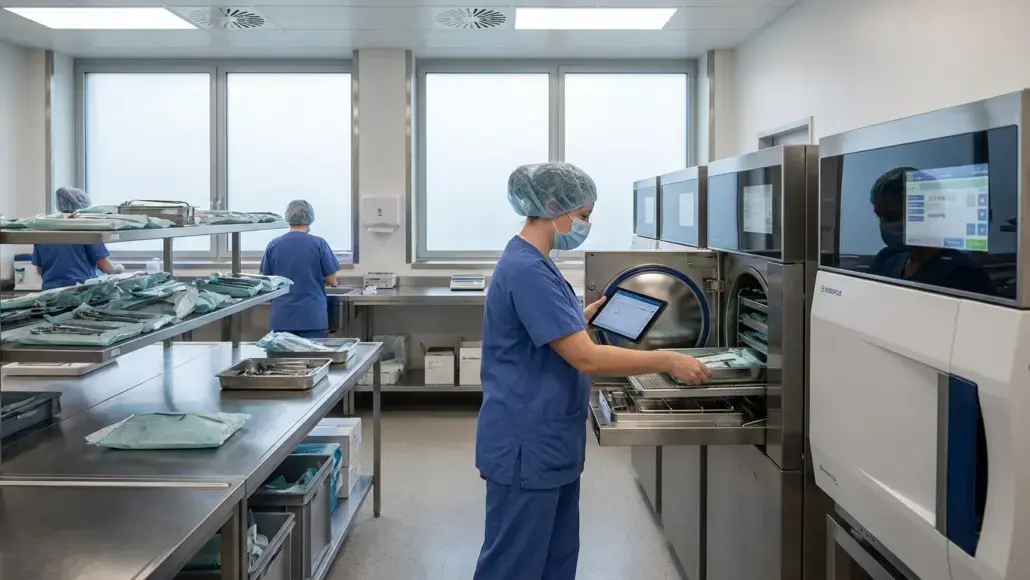
The Central Sterile Supply Department is often described as the heart of the hospital, pumping clean resources into every clinical artery. When smart sterilization systems enhancing patient safety are integrated into this environment, the efficiency of the entire hospital improves. Advanced CSSD technology utilizes Radio Frequency Identification (RFID) and 2D barcodes to track individual instruments through their entire lifecycle from the point of use in the operating room to decontamination, assembly, sterilization, and storage. This granular visibility allows hospital administrators to optimize instrument utilization, reducing the need for costly “just-in-case” inventory and ensuring that high-demand surgical kits are processed with maximum throughput.
Beyond logistics, the human element of sterilization is greatly supported by these automated systems. Sterilization technicians operate under immense pressure, often managing thousands of unique instruments every day. Smart sterilization systems enhancing patient safety reduce the cognitive load on these essential workers by providing guided workflows and automated verification steps. For example, an intelligent workstation can scan a surgical tray and immediately alert the technician if a single component is missing or if an instrument is nearing its maintenance threshold. This preventative approach to equipment management not only safeguards the patient but also extends the lifespan of expensive medical assets, contributing to the overall financial health of the institution.
The Critical Role of Infection Prevention and Compliance
Infection prevention is the primary driver behind the adoption of smart sterilization systems enhancing patient safety. Healthcare-associated infections are not merely a clinical failure; they are a significant financial burden on the healthcare system, leading to extended hospital stays and increased litigation risks. By ensuring a higher degree of sterilization reliability, smart systems act as a critical line of defense against multidrug-resistant organisms (MDROs) and other pathogens that thrive in clinical environments. The ability to correlate a specific sterilization cycle with a specific patient outcome allows for unprecedented “trace-back” capabilities. If an infection occurs, the hospital can quickly verify the sterilization history of the instruments used, either ruling out the equipment as a source or identifying a systemic failure that needs immediate correction.
Compliance with international standards, such as those set by the Joint Commission or ISO, is another area where smart sterilization systems enhancing patient safety provide immense value. Regulatory audits often require the retrieval of months or years of sterilization records. In a manual system, this is a labor-intensive process prone to missing documentation. Digital systems, however, generate comprehensive compliance reports at the touch of a button. These reports include every parameter of the sterilization cycle, the identity of the technician who processed the load, and the biological indicator results. This readiness for inspection reduces the administrative burden on hospital staff and ensures that the facility consistently meets the highest safety benchmarks.
Enhancing Medical Equipment Sterilization through IoT and AI
The future of medical equipment sterilization is deeply intertwined with the evolution of artificial intelligence and machine learning. As smart sterilization systems enhancing patient safety collect more data over time, they can begin to perform predictive analytics. For instance, the system might notice that a particular autoclave is starting to take longer to reach its target temperature, signaling a potential heater failure before it actually occurs. This transition from reactive to predictive maintenance ensures that the CSSD experiences minimal downtime, preventing the “surgical gridlock” that occurs when sterile supplies run low.
Furthermore, AI can assist in the optimization of sterilization recipes. Different materials from traditional stainless steel to modern polymers used in robotic surgery require different sterilization parameters to ensure both sterility and material integrity. Smart sterilization systems enhancing patient safety can automatically recognize the composition of a tray and adjust the cycle accordingly. This level of precision is particularly important as surgical technology becomes more complex. Robotic surgical instruments, for example, have narrow lumens and delicate components that are difficult to clean and can be easily damaged by traditional high-heat methods. Intelligent low-temperature sterilization systems are being developed specifically to handle these high-value assets, ensuring they are safe for the next patient without compromising their functionality.
Scaling Patient Safety Across Global Healthcare Facilities
The implementation of smart sterilization systems enhancing patient safety is not a luxury reserved for elite academic centers; it is a global necessity. In developing regions, where the burden of infectious disease is often higher and resources are more constrained, the efficiency gains provided by smart technology can be transformative. While the initial capital investment may be higher than traditional equipment, the long-term savings in terms of reduced infection rates and improved asset management provide a compelling return on investment. Furthermore, the ability to monitor these systems remotely allows for expert oversight of sterilization practices in rural or underserved areas, bridging the gap in clinical expertise.
As we look toward the next decade of healthcare innovation, the focus will increasingly be on the “connected hospital.” In this vision, smart sterilization systems enhancing patient safety do not exist in isolation. They will be seamlessly connected to the electronic health record (EHR) and the operating room management software. This connectivity will allow for real-time adjustments to the surgical schedule based on the availability of sterile supplies. If an emergency surgery requires a specific set of instruments, the system can automatically prioritize those items in the sterilization queue, ensuring that the clinical team has what they need exactly when they need it.
Conclusion: A New Benchmark for Hospital Sterilization
The journey toward a zero-infection surgical environment is a challenging one, but smart sterilization systems enhancing patient safety are making it a reachable goal. By replacing manual uncertainty with digital precision, these systems are raising the bar for what we expect from hospital hygiene. They protect the most vulnerable patients, support the most hardworking staff, and ensure that the promise of modern surgery is never undermined by a failure in the most basic of clinical requirements: cleanliness. As technology continues to advance, the “smart” in sterilization will no longer be an optional upgrade, but the foundational standard upon which all patient safety is built.
The adoption of these systems is a testament to the healthcare industry’s commitment to continuous improvement. By embracing the power of data and automation, hospitals are not just cleaning tools; they are building a culture of safety that extends into every corner of the facility. The peace of mind that comes from knowing every instrument is validated and safe is invaluable to surgeons, nurses, and, most importantly, the patients who trust their lives to the medical community. In the end, smart sterilization systems enhancing patient safety represent the perfect harmony of technology and care, ensuring that the future of surgery is as safe as it is innovative.