
















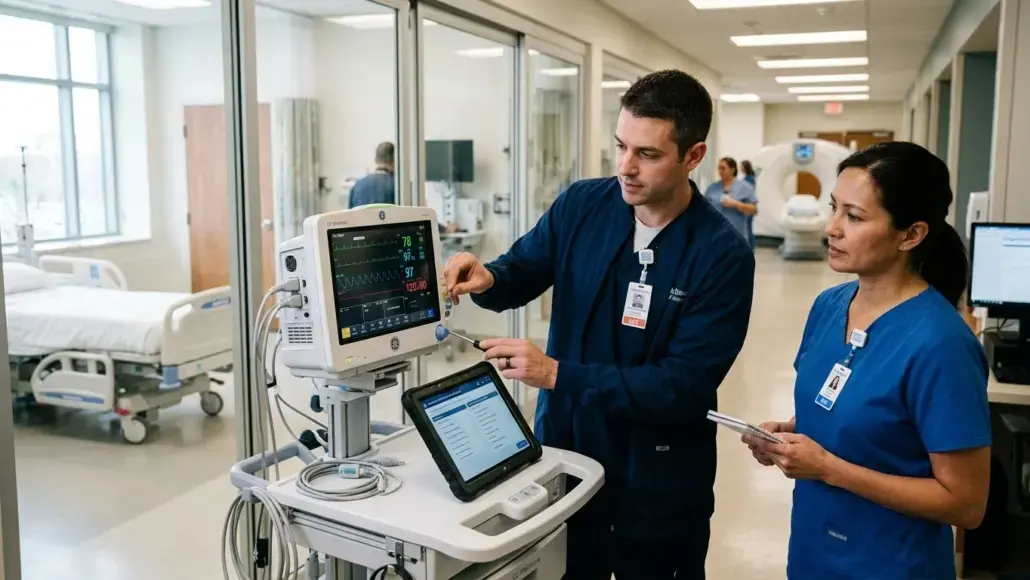

The modern hospital is a complex ecosystem where the seamless operation of thousands of medical devices directly dictates the quality of patient outcomes. From high-end diagnostic imaging suites to bedside infusion pumps, the sheer volume of technology requires more than just reactive repair; it demands a comprehensive, strategic approach. Medical device lifecycle management driving performance has emerged as the definitive framework for ensuring that these critical assets are utilized to their maximum potential, maintained with surgical precision, and replaced before they become a liability. By viewing equipment not as a one-time purchase but as a continuous journey from procurement to decommissioning, healthcare organizations can unlock significant gains in both clinical effectiveness and financial sustainability.
The Strategic Shift from Reactive to Proactive Management
For decades, many healthcare facilities operated under a “fix it when it breaks” mentality. However, the increasing complexity of modern medical technology makes this approach both dangerous and costly. Medical device lifecycle management driving performance shifts the focus toward proactive and predictive strategies. By utilizing sophisticated asset management software, clinical engineers can track the real-time health of equipment, identifying early warning signs of failure before a device goes offline during a critical procedure. This transition not only increases the availability of equipment but also extends the total usable life of the asset, ensuring that the initial capital investment provides the highest possible return over time.
Harnessing Data for Predictive Maintenance
The backbone of successful lifecycle management is the intelligent application of data. Modern medical equipment is increasingly connected, providing a wealth of information regarding usage patterns, error logs, and internal diagnostic metrics. Medical device lifecycle management driving performance leverages this data to implement predictive maintenance schedules. Instead of performing service based on a rigid calendar which often leads to unnecessary downtime or missed failures maintenance is performed based on the actual condition and utilization of the device. This data-driven approach ensures that high-demand assets receive the attention they need, while underutilized equipment is not over-serviced, optimizing the workflow of the biomedical engineering department.
Optimizing Asset Utilization and Procurement
A significant portion of healthcare budgets is consumed by the procurement of new technology, yet many devices in a typical hospital sit idle for a large percentage of their lives. Through medical device lifecycle management driving performance, administrators can gain a clear view of how their current inventory is being used across different departments. This transparency allows for better resource allocation, potentially moving underutilized equipment to areas of high demand instead of purchasing new units. When it does come time to buy, the historical performance data collected throughout the lifecycle provides a robust evidence base for selecting the most reliable and cost-effective models, moving procurement from a guessing game to a strategic business decision.
Ensuring Continuous Regulatory Compliance
In the highly regulated world of healthcare, maintaining compliance with standards from organizations like The Joint Commission or the FDA is a non-negotiable requirement. Medical device lifecycle management driving performance provides a central repository for all service records, calibration certificates, and software updates. This digital audit trail is essential for proving that every piece of equipment is safe for patient use and meets all manufacturer specifications. Furthermore, as cybersecurity becomes a growing concern for connected devices, a lifecycle approach ensures that security patches and firmware updates are systematically applied, protecting both patient data and the hospital network from malicious actors.
Enhancing Clinical Performance and Patient Safety
While the financial and operational benefits of lifecycle management are clear, the ultimate beneficiary is the patient. When equipment is managed correctly, clinical staff can focus entirely on patient care rather than troubleshooting faulty devices or searching for functional equipment. Medical device lifecycle management driving performance reduces the risk of medical errors associated with equipment malfunction and ensures that diagnostic results are accurate and reproducible. By maintaining a high standard of equipment readiness, hospitals can reduce procedure cancellations and improve the overall patient experience, fostering a culture of safety and reliability that is fundamental to modern medicine.
The Role of Software and Digital Twins in Lifecycle Management
The future of this field is being shaped by the concept of “Digital Twins” virtual replicas of physical devices that can be used to simulate performance and predict failures. Medical device lifecycle management driving performance is increasingly utilizing these digital models to understand how different usage scenarios affect the longevity of an asset. For example, a digital twin of an MRI machine could predict how increased patient throughput would impact the cooling system, allowing for pre-emptive adjustments. This level of sophistication allows healthcare leaders to plan for the future with unprecedented accuracy, ensuring that their technological infrastructure is always a step ahead of clinical demand.
Decommissioning and Sustainable Disposal Practices
The final phase of the lifecycle decommissioning is just as important as the first. When a device reaches the end of its clinical usefulness or becomes too costly to maintain, it must be removed from service in a way that is both secure and environmentally responsible. Medical device lifecycle management driving performance includes protocols for the secure wiping of patient data from internal hard drives and the proper recycling of hazardous materials. In some cases, older equipment can be refurbished and donated to regions with fewer resources, extending the value of the device even further. A well-managed exit strategy completes the cycle, ensuring that the organization is ready to transition to the next generation of technology without leaving a legacy of waste or risk.
Conclusion
Effective management of medical technology is no longer a back-office function; it is a strategic imperative that touches every aspect of healthcare delivery. By embracing medical device lifecycle management driving performance, organizations can navigate the challenges of rising costs, complex regulations, and rapid technological change. The result is a more resilient healthcare system where technology is a reliable partner in the healing process, rather than a source of frustration or risk. As we continue to integrate more advanced and connected devices into our clinical workflows, the principles of lifecycle management will remain the essential guide for achieving excellence in healthcare operations and patient care.