













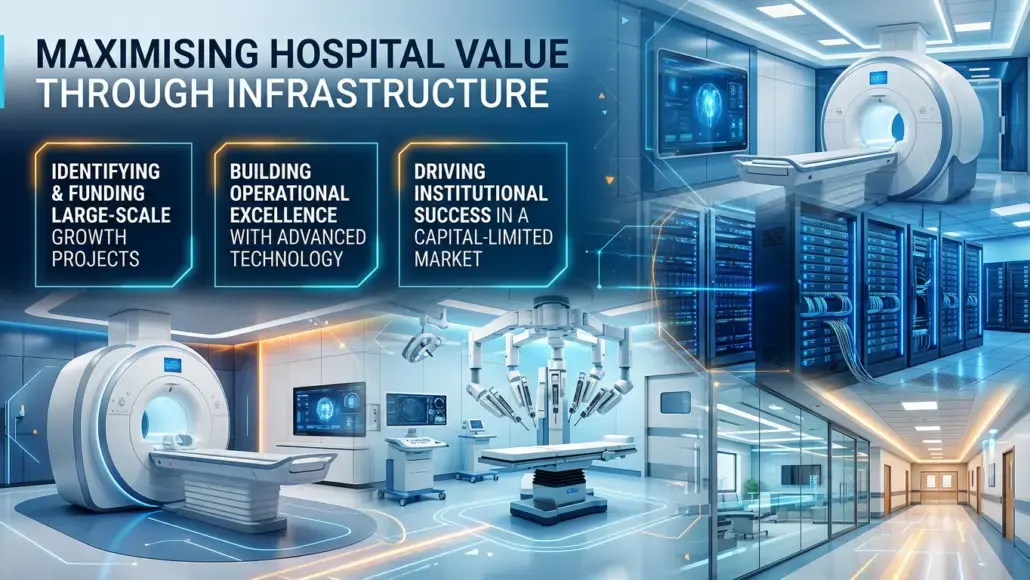

The long term success of a healthcare institution is intrinsically linked to the quality and efficiency of its physical and technological infrastructure. Capital investment planning is the systematic process of identifying, evaluating, and funding large-scale projects that will drive future growth and operational excellence. In a market where capital is both expensive and limited, the ability to prioritise projects with the highest return on investment (ROI) is a critical leadership skill. This involves a rigorous analysis of each proposed investment’s potential to improve patient care, increase operational efficiency, and generate long term financial value for the organisation.
A robust capital planning framework begins with a comprehensive assessment of the hospital’s current assets and future needs. This includes everything from the age and condition of the physical facility to the capabilities of the medical technology and information systems. By understanding where the greatest needs exist, administrators can develop a multi-year roadmap that aligns capital spending with the overall strategic goals of the hospital. Capital investment planning requires a high level of coordination between clinical, operational, and financial leaders to ensure that every dollar spent is directed toward projects that will have the greatest impact on the organisation’s mission.
The use of data-driven scoring systems can help to objectively evaluate different projects based on a variety of factors, such as clinical necessity, financial impact, and strategic alignment. This transparency in the decision-making process is essential for building trust with the board of directors and other stakeholders. Effective capital investment planning also involves a careful consideration of the total cost of ownership for each investment, including the costs of operation, maintenance, and eventual replacement. By taking a long term view of infrastructure spending, hospitals can ensure that they are building a sustainable foundation for the future of healthcare in their community.
Technology Integration and Digital Health Infrastructure
The rapid pace of technological innovation is transforming how healthcare is delivered, making the integration of new systems a top priority for capital investment. From the adoption of advanced imaging equipment and robotic surgery systems to the implementation of comprehensive electronic health records and telehealth platforms, technology is a major driver of clinical excellence. Capital investment planning must focus on building a resilient and scalable digital health infrastructure that can support these new capabilities. This involves not only the purchase of the technology itself but also the investment in the network, security, and data storage systems that are required for it to function effectively.
Interoperability is a critical consideration for any technological investment. New systems must be able to share data seamlessly with existing platforms to ensure that clinicians have a complete and accurate view of the patient’s health. Strategic capital investment planning involves the selection of vendors and products that adhere to open standards and have a track record of successful integration. Furthermore, by investing in flexible and modular systems, hospitals can better protect themselves from the risks of technological obsolescence and ensure that their infrastructure can evolve along with the needs of their patients and staff.
The use of data analytics and artificial intelligence is also playing an increasingly important role in infrastructure management. These tools can monitor the performance of medical equipment in real time, predicting when maintenance is required and reducing the likelihood of costly emergency repairs. Capital investment planning should include the funding for these advanced management systems, which can significantly improve the longevity and efficiency of the hospital’s assets. By building a “smart” infrastructure that is capable of self-monitoring and optimisation, healthcare organisations can drive significant improvements in both clinical performance and financial sustainability.

Facility Modernisation and Sustainable Design Principles
The physical environment in which care is provided has a major impact on patient outcomes and staff productivity. Many older hospitals suffer from outdated layouts and inefficient workflows that can lead to delays and increased operational expenses. Facility modernisation projects aim to create a more healing and efficient environment through the use of evidence-based design principles. This might involve everything from the redesign of patient rooms to improve privacy and comfort to the optimisation of surgical suites to reduce the time spent by staff moving between locations. Capital investment planning is the engine that drives these transformations, providing the necessary funding to build the hospitals of the future.
Sustainability is another key focus for modern facility planning. By incorporating energy-efficient HVAC systems, LED lighting, and sustainable building materials, hospitals can significantly reduce their utility bills and environmental impact. These investments not only lower the long term operating costs of the facility but also create a healthier environment for patients and staff. Effective capital investment planning involves a commitment to environmental responsibility and a recognition that sustainable design is a sound financial strategy. Many hospitals are also finding that “green” facilities are a powerful recruitment and retention tool for high-quality clinical staff.
- Adoption of modular construction techniques to reduce the time and cost of facility expansion projects.
- Implementation of advanced energy management systems to monitor and optimise utility usage across the entire facility.
- Investment in water conservation technologies, such as low-flow fixtures and greywater recycling systems, to reduce environmental impact.
- Development of a master facility plan that provides a clear vision for the long term growth and development of the hospital campus.
The role of the patient in facility design is also changing, with a greater focus on creating a more personalised and accessible care experience. This might include the development of comfortable waiting areas, clear wayfinding systems, and easily accessible outpatient clinics. By involving patients and their families in the design process, hospitals can ensure that their facilities truly meet the needs of the community they serve. Capital investment planning should always be focused on the ultimate goal of improving the patient experience, ensuring that the physical environment supports the delivery of high-quality, compassionate care.
Financial Management and Funding Strategies for Capital
Securing the necessary funding for large-scale infrastructure projects is a constant challenge for hospital finance teams. Capital investment planning involves a sophisticated approach to financial management, including the use of both internal and external funding sources. Internal sources might include operating cash flow, investment income, and philanthropy, while external sources often involve the use of municipal bonds, bank loans, and equipment leasing. By maintaining a strong balance sheet and a high credit rating, hospitals can access the capital they need at the most favourable rates, reducing the overall cost of their infrastructure projects.
Philanthropy is becoming an increasingly important part of the capital funding mix, especially for projects that have a strong community impact. Effective capital investment planning involves a close collaboration with the hospital’s development office to identify potential donors and develop compelling cases for support. By building strong relationships with the community and showcasing the benefits of proposed investments, hospitals can secure significant charitable contributions that can offset the need for debt financing. This focus on community engagement is a key factor in building a sustainable and resilient healthcare organisation.
The use of public-private partnerships (PPPs) is another innovative strategy for funding infrastructure projects. In these arrangements, a hospital might partner with a private company to design, build, and maintain a new facility or technology system. This allows the hospital to benefit from the expertise and capital of the private sector while sharing the risks and rewards of the project. Strategic capital investment planning involves the careful evaluation of these partnerships to ensure that they are truly in the long term interest of the organisation. Balancing the benefits of PPPs with the need for operational control is a key skill for modern healthcare leaders.
Long Term Strategic Alignment and Future Resilience
The ultimate goal of capital investment planning is to ensure that the hospital has the infrastructure it needs to achieve its long term strategic goals. This involves a commitment to innovation and a willingness to invest in the people and technology that will drive future success. By focusing on the health of the community and the quality of the care provided, hospitals can build a strong reputation that will attract both patients and high-quality staff. This virtuous cycle of excellence is the ultimate reward of any capital investment initiative, ensuring that the organisation remains a vital part of the healthcare system for generations to come.
Governance and leadership are also critical for the successful implementation of these plans. The board of directors and the executive team must have a clear vision for the future of the organisation and be able to communicate this vision effectively to all staff members. This includes setting clear goals for infrastructure development and providing the necessary resources to achieve them. Capital investment planning requires a high level of collaboration across all levels of the organisation, from the frontline clinical staff to the administrative leadership. By fostering a culture of transparency and accountability, hospitals can create an environment where everyone is working together to build a better future.
Additionally, many leaders are finding that hospital cost optimisation strategies improving operational efficiency are an essential part of the capital planning process, as the savings achieved through efficiency can be reinvested into future infrastructure projects. The journey toward infrastructure excellence is ongoing, requiring a commitment to continuous improvement and a willingness to adapt to new challenges. By maintaining a focus on capital investment planning, healthcare leaders can ensure that their organisations remain fiscally sound and capable of providing the highest level of care for generations to come. This commitment to long term value and integrity is what will ultimately ensure the survival and success of the hospital in an increasingly complex and challenging environment.
Finally, the continuous evolution of healthcare technology and policy will provide new opportunities for improving infrastructure management. From the use of blockchain for secure facility data management to the adoption of 3D printing for on-site medical supply production, the future of hospital infrastructure is bright. By staying at the forefront of these developments, hospitals can continue to improve their operational performance and provide a better experience for their patients and staff. The future of healthcare is about building a foundation that can support the delivery of exceptional care for everyone, and those organisations that embrace this reality today will be the leaders of tomorrow. This focus on the future is what will drive the healthcare industry forward in the coming decade.