















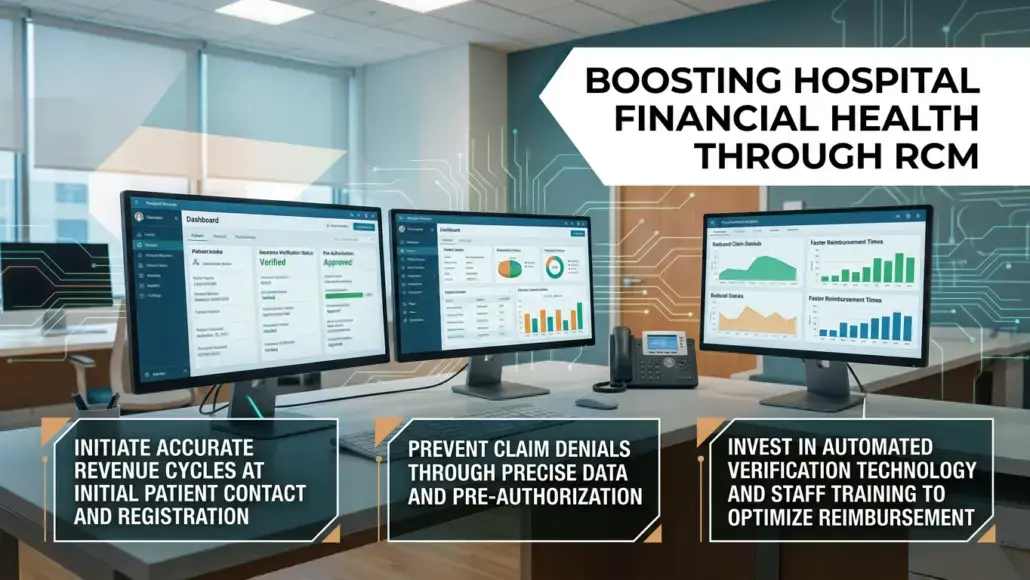

The financial health of any healthcare institution begins long before a patient receives treatment. Effective revenue cycle management starts at the point of initial contact, encompassing patient registration, insurance verification, and the pre-authorisation of medical services. Inaccurate data entry during these early stages is a primary driver of claim denials, which can significantly delay reimbursement and increase administrative costs. By investing in staff training and automated verification tools, hospital administrators can ensure that the foundation of each claim is accurate and complete, thereby reducing the likelihood of downstream errors and improving the overall efficiency of the financial lifecycle.
A proactive approach to patient financial engagement is also essential for maintaining revenue integrity. Providing patients with clear and accurate estimates of their out-of-pocket costs before treatment helps to manage expectations and increases the likelihood of timely collections. Modern revenue cycle management strategies often include the use of digital patient portals that allow for easy payment and communication, providing a more convenient experience for the patient while reducing the burden on administrative staff. This focus on transparency and accessibility is a key factor in building trust and ensuring that the hospital receives the payments it is owed for the services provided.
The integration of clinical and financial data is another critical component of front-end optimisation. When registration teams have access to real-time clinical information, they can more accurately determine the necessity of specific procedures and ensure that all required authorisations are in place. This level of coordination is vital for revenue cycle management, as it prevents the provision of services that may not be covered by insurance, thereby protecting the hospital from unnecessary financial loss. By fostering a culture of collaboration between clinical and administrative departments, healthcare organisations can create a more seamless and effective revenue lifecycle that supports long term financial sustainability.
Advanced Coding and Documentation for Revenue Integrity
Accurate clinical documentation and coding are the engines that drive the reimbursement process. Every medical intervention must be precisely recorded and translated into the appropriate codes to ensure that the hospital is fairly compensated for the complexity and intensity of the care provided. Revenue cycle management relies on the expertise of certified coders who understand the nuances of various coding systems and the specific requirements of different payers. Regular audits of coding practices are essential for identifying areas where improvements can be made and for ensuring compliance with ever-changing regulatory standards.
The use of computer-assisted coding (CAC) technology is becoming increasingly common as hospitals look for ways to improve accuracy and efficiency. These systems use natural language processing to analyse clinical documentation and suggest the most appropriate codes, reducing the time spent by coders on routine tasks and allowing them to focus on more complex cases. This technological integration is a cornerstone of modern revenue cycle management, providing a more scalable and reliable way to manage the high volume of claims generated by a busy hospital. However, human oversight remains essential to ensure that the final codes accurately reflect the clinical reality of each patient encounter.
Clinical documentation improvement (CDI) programs are also vital for ensuring revenue integrity. By working closely with physicians to improve the specificity and completeness of their notes, CDI specialists can ensure that the full story of the patient’s care is captured. This not only leads to more accurate coding but also improves the quality of the clinical record, which is important for both patient care and legal protection. Effective revenue cycle management requires a commitment to ongoing education for all staff involved in the documentation process, ensuring that they understand the financial implications of their work and the importance of accuracy in every detail.
Claims Management and Denial Prevention Strategies
The submission and tracking of claims is a complex process that requires constant vigilance to ensure timely reimbursement. Any delay in the submission of a claim can lead to a significant increase in the accounts receivable (AR) days, which puts a strain on the hospital’s cash flow. Revenue cycle management involves the use of sophisticated claims management software that can identify potential errors before a claim is submitted, reducing the likelihood of a denial. This proactive approach is essential for maintaining a healthy financial position and for ensuring that the hospital has the resources it needs to continue providing high-quality care.
Denial management is another critical area of focus for healthcare financial leaders. When a claim is denied, it must be quickly analysed to determine the cause and then appealed if appropriate. This process can be time-consuming and expensive, making it essential to have a structured approach to denial prevention. By tracking the reasons for denials and identifying patterns, hospital administrators can implement targeted improvements to their revenue cycle management processes. This might involve additional staff training, changes to clinical documentation practices, or updates to the hospital’s information systems.
- Implementation of automated claim scrubbing tools to identify and correct errors before submission.
- Development of a dedicated denial management team to track, analyse, and appeal denied claims in a timely manner.
- Regular review of payer contracts to ensure that the hospital is being reimbursed at the agreed-upon rates.
- Utilisation of predictive analytics to identify claims that are at high risk of denial and take proactive steps to address potential issues.
The use of electronic data interchange (EDI) for the submission of claims and the receipt of remittances is a fundamental requirement for efficient revenue cycle management. This digital communication allows for faster processing and reduces the likelihood of errors associated with manual data entry. Furthermore, by integrating EDI with the hospital’s financial systems, administrators can gain real-time visibility into the status of their claims and more accurately predict future cash flow. This level of financial oversight is essential for making informed decisions about capital investments and operational improvements.
Accounts Receivable and Collection Optimisation
Managing the accounts receivable is a constant challenge for hospital finance teams. As the complexity of healthcare reimbursement increases, so does the time and effort required to collect payments from both payers and patients. Effective revenue cycle management involves a structured approach to AR management, including regular follow-up on outstanding claims and the use of collection agencies for delinquent accounts. By maintaining a low number of AR days, hospitals can ensure that they have the liquidity needed to meet their financial obligations and invest in future growth.
Patient collections are becoming an increasingly important part of the revenue cycle as high-deductible health plans become more common. Hospitals must be able to offer flexible payment options and financial assistance programs to help patients manage their medical bills. This focus on patient-centred financial services is a key component of modern revenue cycle management, as it helps to improve collection rates while also enhancing the overall patient experience. By providing clear and compassionate communication about financial matters, hospitals can build stronger relationships with their patients and reduce the likelihood of bad debt.
The use of data analytics is also playing a critical role in AR management. By analysing historical collection data, hospitals can identify which payers and patient groups are most likely to pay on time and which may require more intensive follow-up. This allows for a more targeted and efficient approach to collections, ensuring that resources are focused where they will have the greatest impact. Revenue cycle management is increasingly becoming a data-driven discipline, requiring a high level of analytical skill and a commitment to continuous improvement in every aspect of the financial lifecycle.
Strategic Integration and Long Term Sustainability
The long term financial sustainability of a hospital depends on the successful integration of revenue cycle management with the overall strategic goals of the organisation. This involves a commitment to innovation and a willingness to invest in the people and technology that will drive future success. By focusing on revenue integrity and operational efficiency, hospitals can build a strong financial foundation that will support their mission of providing exceptional care to their community. This strategic alignment is the ultimate goal of any revenue cycle initiative, ensuring that the organisation remains resilient and capable of meeting the challenges of a rapidly changing healthcare environment.
Governance and leadership are also critical for the successful implementation of these strategies. The board of directors and the executive team must have a clear vision for the financial future of the organisation and be able to communicate this vision effectively to all staff members. This includes setting clear goals for revenue performance and providing the necessary resources to achieve them. Revenue cycle management requires a high level of collaboration across all levels of the organisation, from the frontline administrative staff to the clinical leadership. By fostering a culture of transparency and accountability, hospitals can create an environment where everyone is working together to achieve the best possible financial outcomes.
Additionally, many leaders are finding that strategic procurement reducing hospital operating expenditure is a vital companion to revenue cycle efforts, as it helps to control the costs that the revenue must cover. The journey toward financial excellence is ongoing, requiring a commitment to continuous improvement and a willingness to adapt to new challenges. By maintaining a focus on revenue cycle management, healthcare leaders can ensure that their organisations remain fiscally sound and capable of providing the highest level of care for generations to come. This commitment to financial integrity is what defines the most successful healthcare organisations in the modern era, providing a path toward a more sustainable and effective healthcare system for everyone.
Finally, the continuous evolution of healthcare technology will provide new opportunities for improving the revenue cycle. From the use of artificial intelligence for predictive analytics to the adoption of blockchain for secure data sharing, the future of revenue cycle management is bright. By staying at the forefront of these developments, hospitals can continue to improve their financial performance and provide a better experience for their patients and staff. The future of healthcare finance is digital, data-driven, and patient-centred, and those organisations that embrace this reality today will be the leaders of tomorrow.