




Close
Digital Health & Ai Innovation summit 2026
LiGHT26

Hybrid Care Models: Transforming Healthcare Delivery Flow

hybrid care models

The Synthesis of Digital and Physical Medicine

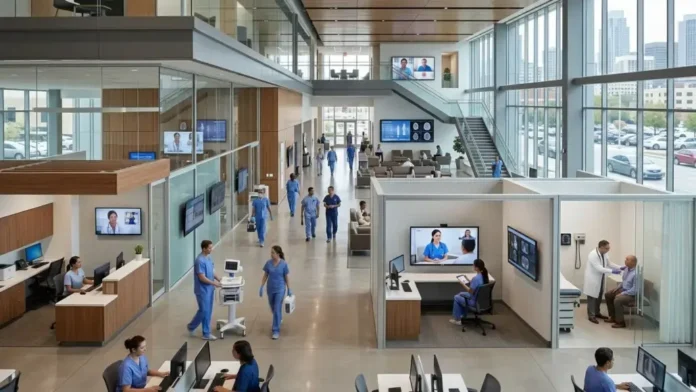
In the contemporary medical landscape, the choice between in-person and virtual care is no longer a binary one. Todayโ€™s healthcare institutions are building sophisticated hybrid environments that leverage the strengths of both modalities. The introduction of hybrid care models transforming healthcare delivery flow addresses the limitations of the traditional brick-and-mortar model, such as long travel times and the risk of hospital-acquired infections, while maintaining the essential human connection and physical assessment capabilities of the clinic. A hybrid model might involve a digital first-visit for triaging and initial consultation, followed by a targeted in-person visit for diagnostic testing or physical intervention, and finally a long-term digital monitoring phase to ensure a successful recovery. This integrated approach ensures that the “clinical conversation” is never interrupted, regardless of where the patient is physically located.

This synthesis is particularly transformative for the management of chronic conditions and postoperative care. For a patient recovering from a major surgery, the traditional model required frequent, stressful, and often unnecessary trips back to the hospital for simple follow-up assessments. In a hybrid care model, the patient can be monitored at home using wearable devices and mobile health platforms, with virtual check-ins allowing the surgical team to monitor their progress in real-time. If the data indicates a potential issue, the patient can be brought into the clinic immediately for a physical evaluation. This “active-surveillance” model is a key component of virtual care innovation, as it provides a higher level of safety and convenience than traditional care alone. By making the hospital “omnipresent” in the patientโ€™s life, hybrid models are fostering a deeper sense of security and a more proactive approach to health maintenance.

Digital Care Pathways and Seamless Coordination

At the heart of a successful hybrid model is the digital care pathway a structured, automated, and personalized journey that guides the patient through every stage of their treatment. These pathways ensure that the transition between physical and digital environments is seamless and that no critical information is lost. For example, when a patient is scheduled for an in-person procedure, the digital pathway can automatically send them preparation instructions, collect their preoperative history, and answer common questions through an AI-driven interface. This reduces the administrative burden on the clinical staff and ensures that the patient is fully prepared for their visit. This level of coordination is a cornerstone of hybrid care models transforming healthcare delivery flow, providing a consistent and supportive experience that mirrors the standards of the best service industries.

Digital care pathways also allow for the collection of high-fidelity data throughout the entire patient journey. By tracking how a patient progresses through their pathway, clinicians can identify patterns and bottlenecks that may indicate a need for a change in treatment or operational strategy. This data-driven insight is essential for the continuous improvement of healthcare transformation, as it allows for a more evidence-based approach to both clinical and administrative decision-making. Furthermore, pathways can be highly personalized to the patientโ€™s specific needs, cultural background, and language preferences. This ensures that the care experience is not only efficient but also profoundly inclusive and respectful. By building the technology around the human journey, rather than the other way around, hybrid models are creating a more resilient and empathetic healthcare system for all.

Flexible Access and the Hospital-at-Home Movement

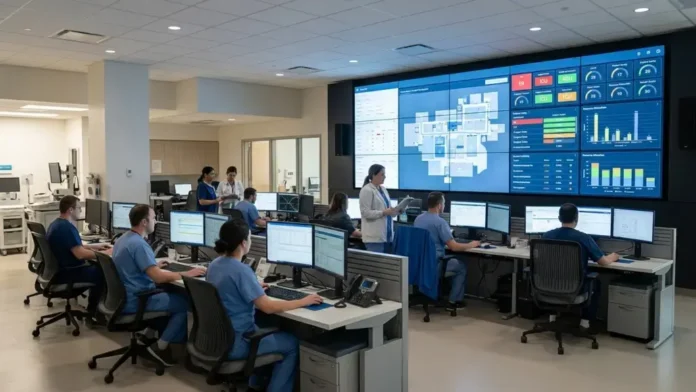
One of the most ambitious expressions of the hybrid model is the “hospital-at-home” movement, which allows for the delivery of acute-level care in the comfort of the patientโ€™s own residence. This is achieved through a combination of mobile clinical teams, advanced remote monitoring, and sophisticated logistics systems. Patients who would traditionally require an inpatient stay for conditions like pneumonia or heart failure can instead receive the same standard of care at home, with the support of a digital command center and daily in-person visits from a nurse or paramedic. Hybrid care models transforming healthcare delivery flow are the primary engine for this movement, as they provide the infrastructure needed to manage the complexities of decentralized care. This not only improves the patientโ€™s comfort and recovery but also significantly reduces the pressure on hospital bed capacity.

Flexible access also extends to primary and preventative care. In a hybrid environment, patients have a wide range of options for interacting with their care team, from same-day virtual visits for urgent needs to scheduled in-person consults for more complex issues. This multi-channel approach is a hallmark of integrated care delivery, ensuring that the system is always accessible when and where the patient needs it. For many individuals, particularly those in rural or underserved areas, the ability to access expert care virtually is a life-changing development. By breaking down the geographical barriers to health, hybrid models are promoting a more equitable and inclusive healthcare system. The goal is to ensure that the highest standard of care is a universal right, rather than a localized privilege, and hybrid technology is the key to making that a reality.

Integrated Care Delivery and Operational Resilience

The impact of hybrid care models transforming healthcare delivery flow extends beyond the patient to the very operation of the healthcare institution. By shifting a significant portion of routine care to the virtual space, hospitals can optimize the use of their physical facilities for the most complex and high-acuity cases. This “precision allocation” of resources is essential for maintaining the clinical and financial sustainability of the modern medical center. It also enhances organizational resilience, as the hospital can rapidly scale its virtual capacity to meet a sudden surge in demand, as seen during global health crises. This flexibility is a vital component of healthcare transformation, ensuring that the system remains stable and responsive in an increasingly unpredictable world.

Furthermore, integrated care delivery fosters a more collaborative and multidisciplinary approach among the clinical staff. In a hybrid environment, the entire care team from the surgeon in the hospital to the home health nurse and the remote monitoring specialist has access to the same real-time data and treatment plan. This shared understanding reduces the risk of communication errors and ensures that every provider is working toward the same clinical goals. This team-based approach is essential for providing high-quality care for patients with complex, chronic conditions who require a coordinated effort across multiple specialties. By using digital tools to connect the “human dots” of the healthcare system, hybrid models are creating a more unified and effective care environment. The technology serves as the bridge that brings the best minds in medicine together for the benefit of the patient.

Future Horizons: The Augmented Hybrid Experience

Looking toward the future, the integration of augmented reality (AR) and virtual reality (VR) will lead to the rise of the “augmented hybrid” experience. For example, a specialist could use AR to virtually “step into” a patientโ€™s home during a telehealth visit, providing them with hands-on guidance for managing a medical device or performing a physical therapy exercise. Similarly, VR could be used to provide immersive education and pain management for patients in both the clinic and the home. This level of hyper-connectivity is the ultimate expression of hybrid care models transforming healthcare delivery flow, moving the institution from a reactive service provider to a proactive, lifelong partner in health. The hybrid model of the future will be one where the physical and digital worlds are so deeply integrated that the distinction between them ceases to matter.

Furthermore, the rise of AI-driven “care orchestrators” will allow for the autonomous management of hybrid care pathways. These agents will be able to monitor a patientโ€™s progress across all modalities and to automatically adjust their care plan or schedule a physical visit based on the data they receive. This shift from “manual coordination” to “autonomous orchestration” is the primary goal of the modern healthcare movement, and hybrid care is the foundation that will make it possible. By prioritizing the experience, the agency, and the unique needs of the individual, we are building a healthcare system that is more resilient, more accessible, and more profoundly human. The future of healthcare is a hybrid one, where the technology is the vessel, but the healing is the destination. This is the promise of the hybrid model, and it is a promise we are fulfilling one integrated care pathway at a time.

Conclusion: Building a Healthcare System without Walls

The ongoing journey of hybrid care models transforming healthcare delivery flow is a testament to the power of integration and the pursuit of clinical and operational excellence. We have moved from a time of static, institutional care to an era of fluid and decentralized medicine. By prioritizing integrated physical services, digital care pathways, and flexible access, healthcare organizations are ensuring that their services are as sophisticated as the people they support. Hybrid care is not just a technological trend; it is a fundamental redefinition of the medical architecture, ensuring that the healing process is supported by a system that is as intuitive and responsive as the modern world.

Ultimately, the success of the hybrid model will be measured by its ability to improve the health of the population through better access and more personalized care. When the system works perfectly, it provides a seamless and supportive environment where every person can access the best care, regardless of where they are. This is the ultimate goal of all our technical and administrative efforts. By investing in the highest levels of integration and professional standards, we are safeguarding the future of healthcare, ensuring that the healing process is supported by the best that modern science and technology have to offer. This is the promise of the hybrid model, and it is a promise we are fulfilling every day, for every person. The healthcare system of the future is a system without walls, and it is a future we are building together, one integrated visit at a time.
Healthcare Consumerization Redefining Service Delivery

Healthcare Consumerization Redefining Service Delivery

The Digital Standards of the Empowered Patient

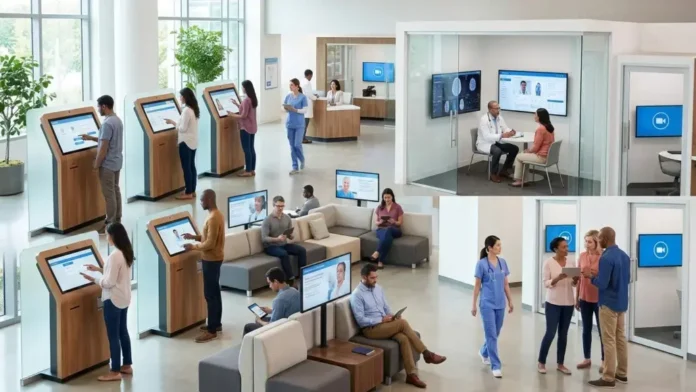
In the contemporary medical landscape, the definition of a “patient” has fundamentally changed. Todayโ€™s individuals are empowered, informed, and highly mobile, and they expect their healthcare providers to interact with them on their own terms. The introduction of healthcare consumerization redefining service delivery addresses this change by providing a layer of digital convenience that mirrors the standards of the modern digital economy. Patients no longer want to wait for weeks to book an appointment or spend hours in a waiting room; instead, they expect online scheduling, 24/7 access to their medical records, and the ability to communicate with their care team through secure messaging or video link. This shift toward digital healthcare services is a fundamental requirement for modern medicine, as it ensures that the healthcare system is as accessible and responsive as the people it serves.

This evolution is particularly evident in the rise of “retail health” and “concierge medicine.” Large retail chains and technology companies are entering the healthcare space, offering convenient, walk-in clinics and digital-first primary care that prioritize the speed and comfort of the experience. Traditional healthcare institutions are responding by adopting these same principles, redesigning their physical spaces to be more welcoming and utilizing patient experience technology to streamline the administrative aspects of care. By making the “friction” of healthcare as low as possible, providers can encourage deeper engagement and better adherence to treatment plans. When the system is easy to use, patients are more likely to seek care early and to stay committed to their wellness goals. This transition is not about devaluing the clinical mission; it is about providing the supportive infrastructure that allows that mission to flourish in a fast-paced, digital world.

Personalization and the Power of Choice

At the heart of the consumerization movement is the move toward hyper-personalization. Healthcare personalization involves using data-driven insights to tailor every aspect of the care experience to the individualโ€™s unique needs, preferences, and cultural background. This goes beyond simple marketing; it involves creating personalized care pathways that recognize the patient as a whole person rather than just a diagnosis. For example, a patient with a chronic condition might receive a customized health plan that includes a diet based on their food preferences, a workout schedule that fits their daily routine, and educational content delivered in their preferred language. This level of personalization is a cornerstone of healthcare consumerization redefining service delivery, as it ensures that the care plan is not only clinically sound but also practically achievable and personally relevant.

Personalization also extends to how information is delivered and how choices are presented. Todayโ€™s healthcare consumers want to be active partners in their own care, and they expect their providers to facilitate shared decision-making. This requires the use of intuitive patient engagement tools that provide clear, plain-language explanations of treatment options and their associated costs and outcomes. By providing individuals with the information they need to make informed choices, healthcare organizations are fostering a deeper sense of trust and agency. This is particularly important in an era of high-deductible health plans, where patients are bearing more of the financial responsibility for their care. When patients feel that they have a voice in the process and that their personal goals are respected, their satisfaction with the experience increases significantly. The goal is to create a partnership where the patientโ€™s “life goals” are as important as their “health goals.”

Digital Convenience and the Seamless Patient Journey

The patient journey is no longer confined to the walls of the clinic; it is a continuous experience that spans multiple digital and physical touchpoints. Healthcare consumerization redefining service delivery ensures that these transitions are seamless and intuitive. From the initial search for a provider to the final follow-up visit, every interaction should be characterized by speed, clarity, and ease of use. This is achieved through the integration of omnichannel communication platforms that allow patients to move effortlessly between a mobile app, a web portal, and a phone call without having to repeat their story. This “continuity of experience” is a vital component of the modern digital patient experience, providing a sense of stability and support that is essential for long-term health management.

Moreover, the use of automation in the patient journey is reducing the administrative burden on both the patient and the provider. Automated check-in systems, digital payments, and real-time appointment reminders are becoming standard features of the consumerized practice. This operational efficiency allows the human staff to focus on the high-touch, empathetic interactions that are central to healing. For many patients, the “convenience” of being able to pay a bill or fill a prescription with a single tap on their phone is a powerful driver of loyalty and engagement. It demonstrates that the healthcare provider respects their time and is invested in making their life easier. By embracing these digital tools, healthcare organizations are not just improving their metrics; they are showing their commitment to the person behind the patient. Convenience is a form of care.

The Role of Wearables and Mobile Health in Engagement

The explosion of wearable technology and mobile health apps has provided patients with unprecedented tools for self-monitoring and health assessment. For the first time, individuals have real-time access to their own physiological data such as heart rate, sleep quality, and activity levels all day, every day. This “data democratizing” is a key catalyst for healthcare consumerization redefining service delivery, as it allows patients to take a leading role in their own wellness. Instead of waiting for an annual check-up to see how they are doing, patients can now use their devices to identify trends and adjust their behaviors in real-time. This proactive engagement is essential for the management of lifestyle-related conditions and for the pursuit of long-term health.

Healthcare providers are increasingly integrating this consumer-generated data into their clinical systems, allowing for a more holistic view of the patientโ€™s life. This allows for “nudge-based” care, where a mobile app might suggest a brisk walk or a change in diet based on the data it receives. This continuous, low-friction interaction keeps health at the forefront of the individualโ€™s mind and helps to build the habits that lead to better outcomes. However, it is essential that this data is managed with the highest level of privacy and that it is used in a way that provides genuine value to the patient. When the technology serves to empower the individual and to strengthen their connection with their care team, it becomes a powerful tool for transformation. The goal is to move from “passive monitoring” to “active wellness orchestration,” where every bit of data is used to support the patientโ€™s personal health journey.

Future Horizons: The AI-Driven Healthcare Concierge

Looking toward the future, the integration of generative AI will lead to the rise of the “digital healthcare concierge” an intelligent, empathetic assistant that provides personalized support to every patient. This concierge could answer medical questions, manage appointments, and even provide emotional support during a difficult recovery. This level of hyper-personalized service is the ultimate expression of healthcare consumerization redefining service delivery, moving the institution from a reactive service provider to a proactive, lifelong partner in health. The AI concierge will be able to understand the patientโ€™s unique “voice” and to deliver support that is as intuitive and responsive as a trusted friend. This will be particularly transformative for elderly patients and those with complex needs, providing them with a constant layer of support that ensures they never feel lost in the system.

Furthermore, the rise of “predictive consumerization” will allow healthcare systems to anticipate a patientโ€™s needs before they even occur. By analyzing patterns in a patientโ€™s data, an AI agent could identify the early signs of a health issue and suggest a preventative intervention, such as a screening or a lifestyle change. This shift from “sick-care” to “well-care” is the primary goal of the modern healthcare movement, and consumerization is the vehicle that will make it a reality. By prioritizing the experience, the agency, and the unique needs of the individual, we are building a healthcare system that is more resilient, more accessible, and more profoundly human. The future of healthcare is one where the technology is invisible, but the care is omnipresent. This is the promise of consumerization, and it is a promise we are fulfilling one personalized interaction at a time.

Conclusion: Redefining the Heart of Medicine

The ongoing journey of healthcare consumerization redefining service delivery is a testament to the power of human expectations and the pursuit of clinical and operational excellence. We have moved from a time of institutional control to an era of individual empowerment. By prioritizing personalized experiences, digital convenience, and patient-driven engagement, healthcare organizations are ensuring that their services are as sophisticated as the people they support. Consumerization is not just a marketing trend; it is a fundamental redefinition of the patient-provider relationship, ensuring that the healing process is supported by a system that is as intuitive and responsive as the best modern service industries.

Ultimately, the success of consumerization will be measured by its ability to improve the health of the population through deeper engagement and better adherence to care. When the system works perfectly, it provides a seamless and supportive environment where every person feels seen, heard, and valued. This is the ultimate goal of all our technical and administrative efforts. By investing in the highest levels of personalization and professional standards, we are safeguarding the future of healthcare, ensuring that the healing process is supported by the best that modern science and technology have to offer. This is the promise of consumerization, and it is a promise we are fulfilling every day, for every person. The consumer-centric future is here, and it is a future we are building together, one empowered patient and one intuitive service at a time.

Agentic AI Platforms Transforming Hospital Decision Making

Agentic AI Platforms Transforming Hospital Decision Making

The Rise of Autonomy in Clinical Operations

In the contemporary healthcare landscape, the volume of data generated by electronic health records, imaging systems, and patient monitors has far exceeded the capacity of any human team to process in real-time. This data saturation often leads to cognitive overload and delayed decision-making, which can have direct consequences for patient outcomes. The introduction of agentic AI platforms transforming hospital decision making addresses this challenge by providing a layer of intelligent agency that can operate across these data silos. Unlike simple automation, which follows rigid “if-then” rules, agentic AI uses sophisticated reasoning models to understand context, set goals, and determine the most efficient path to achieve them. This means that instead of a nurse manually checking for available beds and coordinating with the transport team, an AI agent can identify a discharge, verify the patientโ€™s readiness, and autonomously schedule the cleaning and transport processes, all while keeping the relevant clinicians informed.

This level of autonomy is particularly valuable in the management of complex clinical workflows. For example, in the emergency department, where patient acuity and volume can shift in an instant, agentic systems can act as “operational air traffic controllers.” They can analyze incoming ambulance data, current waiting room status, and hospital bed availability to suggest or even execute real-time triaging decisions. By taking over these high-frequency, high-complexity logistical tasks, the technology allows the human clinical team to remain focused on the direct, hands-on care of the patient. The result is a more fluid and responsive environment where the “hidden” friction of hospital operations is minimized. This transition toward autonomous healthcare systems is not about replacing human judgment but about providing the infrastructure that allows that judgment to be applied more effectively and efficiently.

Workflow Orchestration and System-Wide Integration

The true power of agentic AI platforms transforming hospital decision making lies in their ability to interact with existing healthcare IT infrastructure. Historically, hospital systems have been notorious for their lack of interoperability, with clinical, financial, and logistical data often locked in separate repositories. Agentic platforms serve as a connective tissue, using advanced language processing and API integration to “read” and “write” across these systems. This allows for the creation of truly end-to-end automated workflows that span the entire patient journey. For instance, when a lab result indicates a critical finding, the agent doesn’t just send a notification; it can autonomously check the patient’s current medication list for contraindications, suggest a revised treatment plan based on the latest clinical guidelines, and draft a summary for the attending physicianโ€™s review. This level of orchestration ensures that no critical piece of information is lost in the gaps between departments.

Moreover, these platforms are becoming increasingly adept at managing the “back-office” functions that are essential for hospital sustainability. In the realm of revenue cycle management, AI agents can autonomously review clinical documentation to ensure accuracy and compliance before a claim is submitted. If a discrepancy is found, the agent can reach out to the relevant clinician for clarification or even correct simple errors based on the data in the EHR. This reduces the administrative burden on clinical staff and minimizes the risk of claim denials, which is a significant factor in the financial health of the institution. By automating these complex, multi-step processes, healthcare automation is proving that efficiency and quality are two sides of the same coin. The ability of agentic AI to handle both clinical and administrative tasks with equal precision is a testament to its transformative potential.

Intelligent Decision Support and Predictive Staffing

One of the most pressing challenges facing hospital leaders today is the management of the healthcare workforce. Staffing shortages and burnout have reached crisis levels, requiring a more sophisticated approach to resource allocation. Agentic AI platforms transforming hospital decision making are providing a new way to manage these human resources through predictive and autonomous staffing models. By analyzing historical patient volume, current acuity levels, and even local event data, these platforms can forecast staffing needs days or even weeks in advance. More importantly, they can then act on these insights by autonomously reaching out to per diem staff or suggesting shift adjustments to ensure that every unit is properly supported. This proactive management reduces the stress on the clinical team and ensures that the hospital can maintain its standard of care even during peak periods.

Beyond logistical staffing, agentic AI is also providing deeper clinical decision support. These platforms can act as “digital residents,” continuously monitoring a patientโ€™s vital signs and lab results to identify the early warning signals of deterioration. When a risk is identified, the agent can autonomously trigger a rapid response protocol or call up a summary of the patientโ€™s history for the attending physician. This “always-on” monitoring is a vital layer of safety in the modern hospital, where the sheer volume of patients can make it difficult for even the most vigilant human team to catch every subtle change. By providing real-time, actionable insights, AI decision support is helping to bridge the gap between data collection and clinical intervention, ensuring that every patient receives the attention they need at exactly the right moment.

The Human-in-the-Loop: Ethics and Accountability

As hospitals move toward a more autonomous model of operation, the question of ethics and accountability becomes paramount. The goal of agentic AI platforms transforming hospital decision making is not to create “unsupervised” systems, but to build tools that work in a transparent and collaborative partnership with human clinicians. This “human-in-the-loop” approach ensures that while the AI can handle the logistical and data-intensive aspects of care, the final responsibility for clinical outcomes remains with the human expert. It is essential that these platforms are designed with clear “guardrails” and transparency mechanisms, allowing clinicians to understand the reasoning behind every autonomous action or suggestion. This transparency is the foundation of trust, which is necessary for the successful integration of any new technology into the clinical environment.

Furthermore, addressing bias in AI algorithms is a critical concern that must be managed through continuous monitoring and diverse training datasets. If an AI agent is used to assist in triaging or resource allocation, it is vital that the system operates fairly across all patient populations. This requires a commitment from both technology developers and hospital leaders to implement rigorous auditing and bias-detection protocols. By prioritizing ethical design alongside technical performance, the medical community can ensure that the transition to agentic AI is one that improves equity and safety for everyone. The promise of autonomy must be balanced with the requirement for professional and moral integrity, ensuring that the technology serves as a force for good in the lives of both patients and the people who care for them.

Future Horizons: The Hospital as a Living Autonomous Entity

Looking toward the future, the integration of agentic AI will likely lead to the concept of the “living hospital” an environment where every sensor, device, and software system is part of a unified, autonomous nervous system. In this future, the hospital will be able to sense its own internal and external state and adjust its operations accordingly. For example, during a mass casualty event or a public health crisis, the hospitalโ€™s AI platform could autonomously clear elective surgeries, ramp up supply chain orders, and reconfigure clinical spaces to meet the sudden surge in demand. This level of organizational resilience is the ultimate expression of agentic AI platforms transforming hospital decision making, moving the institution from a collection of departments toward a single, cohesive, and intelligent entity.

Moreover, the data captured by these autonomous agents will provide an unprecedented look at the “hidden” patterns of hospital life. By analyzing millions of autonomous interactions and decisions, researchers will be able to identify the most effective clinical pathways and operational models with a level of precision that was previously impossible. This will lead to a new era of evidence-based hospital management, where every decision is backed by the collective intelligence of the entire system. As these platforms continue to evolve, they will become more intuitive and better at anticipating the needs of the clinicians they support. The future of hospital decision-making is not just about smarter data; it is about smarter action. By embracing the power of agency, we are building a healthcare system that is more responsive, more resilient, and more dedicated to the pursuit of health than ever before.

Conclusion: Navigating the Autonomous Frontier

The ongoing journey of agentic AI platforms transforming hospital decision making is a testament to the power of human ingenuity and the pursuit of operational and clinical excellence. We have moved from a time of manual coordination to an era of high-tech autonomy. By prioritizing agency, orchestration, and ethical integration, healthcare organizations are ensuring that their decision-making processes are as sophisticated as the medical science they support. The AI agent is no longer just a tool; it is a vital member of the team, providing the logistical and analytical support that allows the human healers to do what they do best. This partnership is saving lives, reducing burnout, and ensuring that the healthcare systems of the future are prepared for any challenge.

Ultimately, the success of agentic AI will be measured by its ability to fade into the background, providing a seamless and supportive environment where the right decisions are made every time. This is the ultimate goal of all our technical and administrative efforts. By investing in the highest levels of autonomy and professional standards, we are safeguarding the future of healthcare, ensuring that the healing process is supported by the best that modern science and technology have to offer. This is the promise of agentic AI, and it is a promise we are fulfilling every day, for every patient and every provider. The autonomous frontier is here, and it is a future we are building together, one intelligent decision at a time.

Healthcare Digital Twins Optimizing Clinical Operations

Healthcare Digital Twins Optimizing Clinical Operations

The Virtual Revolution in Hospital Management

In the contemporary medical environment, the complexity of clinical operations has reached a level where traditional management methods are often insufficient. Hospitals are highly dynamic systems with thousands of moving parts from patient flow and staffing levels to equipment utilization and supply chain logistics. The introduction of healthcare digital twins optimizing clinical operations addresses this complexity by providing a real-time, three-dimensional view of the entire facility. These digital twins are fed by a constant stream of data from IoT sensors, EHR systems, and operational records, allowing them to mirror the exact state of the physical hospital at any given moment. This allows administrators to identify bottlenecks, such as a backup in the radiology department or a shortage of beds in the intensive care unit, and to test potential solutions virtually before applying them to the physical facility.

The value of hospital simulation technology is particularly evident during times of crisis or significant operational change. For instance, when a hospital is planning a major renovation or a move to a new facility, a digital twin can be used to simulate the impact on patient flow and staff movement. This ensures that the new layout is optimized for efficiency and that potential safety risks are identified and mitigated during the design phase. Similarly, during a public health emergency, administrators can use the digital twin to simulate different surge scenarios and to determine the most effective way to reallocate resources. This predictive capability is a vital component of modern clinical operations, providing a level of foresight that protects both the patient and the institutionโ€™s long-term sustainability. By building a “virtual sandbox” for hospital management, we are ensuring that the physical facility is as resilient and efficient as possible.

Predictive Healthcare Modeling and Patient-Specific Twins

While organizational digital twins focus on the facility, the concept of a patient-specific digital twin is revolutionizing the clinical side of medicine. A patient digital twin is a virtual model that incorporates an individualโ€™s genomic data, medical history, lifestyle factors, and real-time physiological signals from wearable devices. This allows for predictive healthcare modeling on a highly personalized level. For example, a cardiologist could use a digital twin of a patientโ€™s heart to simulate how they will respond to a specific medication or a surgical procedure. This “virtual trial” allows for the identification of the most effective and safest treatment plan without any risk to the actual patient. Healthcare digital twins optimizing clinical operations thus extend from the logistical backend to the very heart of the clinical decision-making process.

This level of personalization is particularly transformative in the management of chronic and complex diseases. For a patient with a condition like diabetes or chronic kidney disease, a digital twin can be used to predict how their physiological markers will change over time based on their diet, activity level, and treatment adherence. This allows for “just-in-time” interventions that can prevent acute episodes and slow the progression of the disease. By providing a longitudinal view of the patientโ€™s health in a virtual space, clinicians can move away from “snapshot” medicine toward a more proactive and continuous model of care. This shift is a key driver of precision medicine, ensuring that every intervention is tailored to the unique biological and lifestyle profile of the individual. The digital twin is becoming a vital partner in the pursuit of long-term health and wellness, providing a roadmap for the patientโ€™s clinical journey.

Optimizing Resource Planning and Workforce Management

One of the most pressing challenges in clinical operations is the effective management of human and material resources. Staffing shortages and equipment downtime can lead to significant delays and increased costs. Healthcare digital twins optimizing clinical operations are providing a new way to manage these resources through data-driven resource planning. By analyzing the flow of patients through the hospital, the digital twin can identify the exact times and locations where staffing needs are highest. It can then simulate different staffing models to determine the most effective way to deploy the available team, reducing burnout and ensuring that every patient receives the attention they need. This proactive management of the workforce is essential for maintaining the high standards of care required in a modern medical institution.

Furthermore, digital twins are being used to optimize the “human-equipment” interface. By tracking the location and utilization rates of mobile medical equipment such as infusion pumps, ventilators, and portable X-ray machines the digital twin can ensure that these critical tools are always in the right place at the right time. It can also predict when a particular machine is likely to fail, allowing for proactive maintenance that prevents intraoperative delays. This level of logistical precision is a hallmark of digital twin healthcare, where every bit of data is used to eliminate waste and improve safety. By creating a more predictable and efficient logistical environment, hospitals can reduce their operational overhead and reinvest those savings into direct patient care. The digital twin is not just a model; it is a powerful engine for organizational excellence and fiscal responsibility.

Integrating the Supply Chain and the Clinical Environment

The impact of a digital twin extends beyond the physical walls of the hospital into the global medical supply chain. By integrating supplier data with the hospitalโ€™s internal operational model, administrators can create a “resilience twin” that monitors the flow of essential supplies in real-time. If a disruption occurs in the supply of a critical medication or surgical component, the digital twin can automatically simulate the impact on the hospitalโ€™s upcoming schedule and suggest alternative sourcing options or clinical pathways. This level of integration is essential for healthcare digital twins optimizing clinical operations, as it ensures that the “logistical backbone” of the hospital is as robust as its clinical frontline. In a world of increasing global uncertainty, this organizational resilience is a primary driver of patient safety and stability.

Moreover, this integration allows for a more “circular” approach to medical resource management. By tracking the life cycle of every product used in the hospital from surgical trays to linens the digital twin can identify opportunities for waste reduction and recycling. This supports the move toward more sustainable healthcare systems, ensuring that clinical excellence and environmental stewardship go hand-in-hand. The digital twin provides the visibility needed to manage these complex, multi-layered systems with a high degree of sensitivity and care. It allows for a holistic view of the hospitalโ€™s impact on both the patient and the environment, ensuring that the institution remains a positive and healthy presence in the community. The future of clinical operations is one of total visibility and intelligent, sustainable orchestration, powered by the best that simulation technology has to offer.

Future Horizons: The Interconnected Digital Ecosystem

Looking toward the future, we are moving toward a state of “networked digital twins,” where multiple hospitals, clinics, and community health providers are connected in a unified virtual ecosystem. This would allow for the optimization of clinical operations across an entire regional health system, ensuring that patients are directed to the facility with the best resources and the shortest wait times for their specific needs. It would also facilitate large-scale clinical research, as the anonymized data from millions of virtual simulations could be used to identify the most effective treatments and operational models for diverse populations. Healthcare digital twins optimizing clinical operations is thus a foundational step toward a more intelligent and collaborative global health network, where the “lessons learned” in one virtual space can benefit patients everywhere.

Furthermore, the integration of generative AI with digital twins will likely lead to “autonomous twins” that can not only simulate but also suggest and implement operational improvements in real-time. For example, the system could automatically reconfigure the layout of an outpatient clinic to accommodate a sudden surge in demand or adjust the temperature and lighting in the OR to match the physiological needs of the patient on the table. This level of responsiveness is the ultimate goal of digital twin healthcare, moving the hospital from a static building toward a living, breathing entity that adapts to the needs of its people. As we continue to refine these tools, the line between the physical and virtual worlds will continue to blur, leading to a new era of “intelligent medicine” that is safer, more efficient, and more profoundly patient-centered than ever before. This is the future of clinical operations, and it is a future we are building one simulation at a time.

Conclusion: The Twin as a Foundation of Trust

The ongoing journey of healthcare digital twins optimizing clinical operations is a testament to the power of human ingenuity and the pursuit of operational and clinical excellence. We have moved from a time of manual coordination to an era of high-tech simulation. By prioritizing visibility, prediction, and holistic integration, healthcare organizations are ensuring that their operational processes are as sophisticated as the medical science they support. The digital twin is no longer just a model; it is a vital foundation for trust, providing the data needed to make every clinical and administrative decision with confidence. This partnership between the physical and virtual worlds is saving lives, reducing waste, and ensuring that the healthcare systems of the future are prepared for any challenge.

Ultimately, the success of the digital twin will be measured by its ability to fade into the background, providing a seamless and supportive environment where the right operational choices are made every time. This is the ultimate goal of all our technical and administrative efforts. By investing in the highest levels of simulation and professional standards, we are safeguarding the future of healthcare, ensuring that the healing process is supported by the best that modern science and technology have to offer. This is the promise of digital twins, and it is a promise we are fulfilling every day, for every patient and every provider. The virtual frontier is here, and it is a future we are building together, one data point and one simulation at a time. This is how we optimize the future of clinical care.

Can You Really Become a Nurse Online? Here’s the Honest Answer

online nursing program accreditation and clinical placement

The short answer is: partially. And understanding what “partially” means is the most important thing a prospective nursing student can know before enrolling in any program that describes itself as online.

Nursing requires hands-on clinical experience there’s no accredited path to licensure that gets around that requirement. What has changed significantly is how much of the didactic coursework, theory, and foundational science can be completed remotely. For the right student in the right circumstances, that shift opens a real pathway to licensure that didn’t exist a decade ago. For the wrong student with the wrong expectations, it leads to a frustrating and expensive mismatch.

What “Online” Actually Means in a Prelicensure Nursing Program

Prelicensure refers to the education that qualifies a student to sit for the NCLEX-RN the licensing exam that grants registered nurse status. It’s different from post-licensure graduate programs, which are far more amenable to fully online delivery because they build on clinical competency the student already holds.

At the prelicensure level, accrediting bodies and state boards of nursing require direct patient care hours completed in supervised clinical settings. No simulation lab, no virtual patient platform, and no amount of online coursework substitutes for that requirement. What online prelicensure programs actually offer is a hybrid structure: didactic content pharmacology, pathophysiology, health assessment, nursing theory delivered through an online learning platform, combined with in-person clinical rotations arranged in the student’s local area or at affiliated partner sites.

That structure is legitimate and increasingly common. It’s also meaningfully different from what most people picture when they hear “online program.” Students considering this path should ask programs specifically how clinical placements are handled, who is responsible for securing them, and what happens if a placement falls through in a given semester.

Who Benefits Most From a Hybrid Prelicensure Format

The students who get the most out of online prelicensure nursing programs tend to share a few characteristics that have less to do with academic ability and more to do with life situation and learning style.

Geographic flexibility is the most common driver. Someone living in a rural area without a nursing school within reasonable commuting distance can complete the online portion of the program from home while arranging clinical hours at a local hospital or clinic. For these students, the hybrid model isn’t a second-best option it’s the only viable one. The alternative would be relocating or commuting hours each week for classroom instruction that can just as effectively happen on a laptop.

Career changers with existing degrees also tend to thrive in online accelerated formats. They’ve already demonstrated they can manage academic demands independently, they’re motivated by a specific career goal rather than general educational exploration, and they usually have the organizational habits that self-directed online learning requires. Students who struggled with self-motivation in previous academic settings, or who are entering college for the first time, may find the format more challenging than they anticipated.

The Accreditation Question You Should Ask Every Program

Accreditation determines whether your degree leads to licensure which makes it the single most consequential fact about any prelicensure program, online or otherwise. There are two nursing-specific accrediting bodies that matter: the Accreditation Commission for Education in Nursing (ACEN) and the Commission on Collegiate Nursing Education (CCNE). Programs accredited by either organization meet the standards that state boards of nursing and most employers recognize.

A program without accreditation from one of these bodies is a significant risk, regardless of how the rest of the program looks. Some states will not accept applications for licensure from graduates of non-accredited programs, which means a student could complete an entire program and still be unable to sit for the NCLEX in their state. That outcome is not hypothetical it has happened, and it’s entirely avoidable by verifying accreditation before enrolling.

Regional institutional accreditation the kind that applies to the university as a whole is a separate requirement. Both types of accreditation should be confirmed, not assumed, before any tuition is paid.

How Clinical Placement Works and Why It Matters More Than People Expect

Clinical placement is where online prelicensure programs most commonly run into trouble, and it’s the area prospective students are least likely to ask about during the admissions process. The excitement of flexible coursework can overshadow a critical logistics question: where, exactly, will you complete your patient care hours, and how much help will the program provide in arranging them?

Some programs maintain established partnerships with hospital systems and clinical sites that guarantee placements for enrolled students. Others provide a framework and expect students to coordinate their own rotations which can create real problems in areas where clinical sites are already at capacity from partnering with local brick-and-mortar programs. Before enrolling, it’s worth asking a program directly:

  • Does the program guarantee clinical placement, or is the student responsible for securing sites?
  • What happens if a student cannot find a placement in their area for a required rotation?
  • Are clinical preceptors vetted and trained by the program, or is that left to the individual site?

The answers to these questions reveal more about a program’s operational quality than any feature listed on its admissions page. Online coursework is increasingly standardized and reliable across programs. Clinical support infrastructure is where real differences emerge and where the consequences of a weak program hit hardest.

For students who do the due diligence upfront, a hybrid prelicensure program can be an efficient and legitimate path to becoming a registered nurse. The flexibility is real. So are the requirements. Going in with clear eyes about both is how students end up licensed, employed, and glad they made the choice.

TMH, Inspirity Partner to Strengthen Healthcare Supply Chain

TMH, Inspirity Partner to Strengthen Healthcare Supply Chain

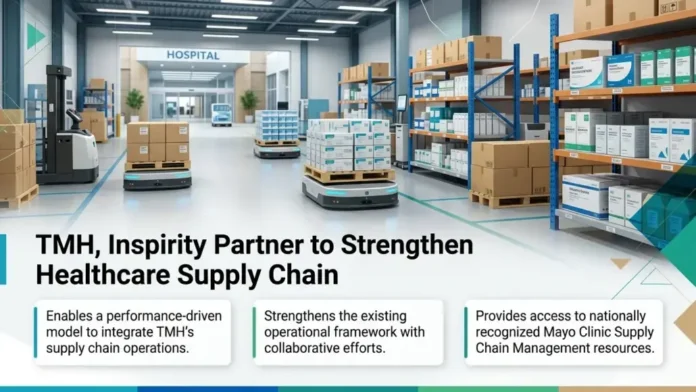
Tallahassee Memorial HealthCare (TMH) has entered into a multi-year agreement with Inspirity Health Partners (IHP) aimed at advancing and integrating its supply chain operations through a collaborative performance-driven model. Announced on May 28, the initiative is intended to strengthen TMHโ€™s existing operational framework while providing access to nationally recognized resources from Mayo Clinic Supply Chain Management. The agreement focuses on enhancing the organization’s Healthcare Supply Chain capabilities while supporting long-term operational and financial objectives. TMH, which already maintains an established category management structure, disciplined processes and strong clinical engagement, will leverage the partnership to expand access to expertise, analytics and sourcing resources without compromising its local governance structure.

According to the organizations, the collaboration is designed to improve financial performance, streamline administrative activities and reinforce the connection between supply chain strategy and clinical priorities. TMH will retain decision-making authority and leadership oversight while benefiting from broader support in areas including strategic sourcing, purchased services optimization, analytics-driven decision making and clinical-supply alignment. The integrated approach is expected to enable multiple value-focused initiatives to move forward simultaneously, helping accelerate results while reducing pressure on internal teams. Speaking about the agreement, David Adkins, Executive Director of Supply Chain Management, Tallahassee Memorial HealthCare, said, “This partnership allows us to build on that momentumโ€”adding scale, expertise and advanced analytics while preserving local ownership. It strengthens our ability to continuously improve and ensures we are well-positioned to serve our patients and community for the long term.”

A key aspect of the arrangement is TMHโ€™s established culture of clinical collaboration, including physician champion support and experience with co-management models. These capabilities are expected to support closer integration between clinical stakeholders and supply chain planning. Bruce Mairose, Vice President of Inspirity Health Partners and Division Chair, Supply Chain Management at Mayo Clinic, stated, “TMH brings a disciplined approach and a clear commitment to continuous improvement. Together, we are building one fully integrated TMHโ€“Inspirity supply chain teamโ€”seamlessly combining local expertise with national scale to deliver meaningful, sustainable value.” The organizations said the partnership reflects a broader movement among health systems seeking stronger operating performance while maintaining community-focused governance. Through advanced analytics, operational methodologies and national-scale resources, the collaboration is intended to create a resilient Healthcare Supply Chain platform that supports continued strategic growth.

InterSystems and 59stVentures Advance AI-Ready Data Ecosystems Across ASEAN

AI-Ready Data Ecosystems Across ASEAN

Partnership enables interoperable data to accelerate scalable AI adoption across Southeast Asia

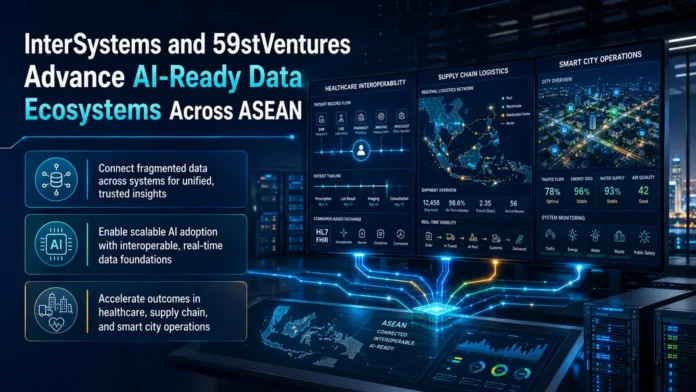
InterSystems, a creative data technology provider dedicated to helping customers solve critical scalability, interoperability, and speed problems, today announced a new partnership withย 59stVenturesย to enable more connected, interoperable, and AI-ready data ecosystems across ASEAN and the broader Asia-Pacific region.

The partnership combines the InterSystems global leadership in interoperable, high-performance data platforms and AI-ready architectures with 59stVenturesโ€™ industry transformation and regional digital innovation and execution capabilities, to help organisations integrate fragmented data and scale AI adoption.

Many organisations across ASEAN remain constrained by fragmented, siloed data spread across multiple systems and formats. This lack of interoperability limits the ability to generate unified insights, slowing down digital transformation efforts. Together, InterSystems and 59stVentures will tackle these barriers, empowering organisations to integrate, harmonise, and activate their data for scalable AI adoption, real-time analytics, and more informed decision-making.

AI-Ready Platforms for Healthcare, Supply Chain and Smart Cities

InterSystems data platforms โ€“ includingย InterSystems IRISยฎย andย InterSystems IRIS for Healthโ„ขย โ€“ enable organisations to integrate and harmonise data across complex systems, support standards-based exchange such as HL7ยฎย FHIRยฎย (Fast Healthcare Interoperability Resources), and build and customise their own AI-ready applications.

By aligning InterSystems technology with local market requirements, 59stVentures and its ecosystem-driven expertise will equip organisations to deploy interoperable, AI-ready data environments more efficiently. This will accelerate real-world adoption and ensure solutions are tailored to the diverse regulatory and operational contexts across the region.

Ultimately, the partnership aims to helpโ€‹ enterprises and public sector agencies transition from reactive operations to truly predictive, adaptive, and resilient models. While healthcare is a cornerstone โ€“ particularly in enabling longitudinal medical records and system-wide visibility, the partnership will also extend to supply chain, logistics, and smart cities with theย InterSystems Data Studioโ„ขย andย InterSystems Supply Chain Orchestratorโ„ขย solutions providing unified data orchestration and harmonisation across diverse stakeholders.

โ€œAcross Southeast Asia, organisations are moving quickly to adopt AI in multiple industries, but many remain constrained by fragmented data. AI success depends not only on models, but on trusted, interoperable data ecosystems and strong industry collaboration,โ€ said Jim Lim, Chief Strategy Officer and Managing Director of 59stVentures.โ€ Together, we aim to help organisations across ASEAN operationalise AI in practical, scalable, and sustainable ways.โ€

โ€œWe are seeing strong momentum around AI across ASEAN,โ€ said Luciano Brustia, Regional Managing Director, Asia Pacific, InterSystems. โ€œThrough this partnership, we are bringing global best practices into the region to help organisations accelerate AI adoption and deliver meaningful outcomes at scale.โ€

Stroke Care Imaging Advances Through Siemens Healthineers-Cercare Deal

Stroke Care Imaging

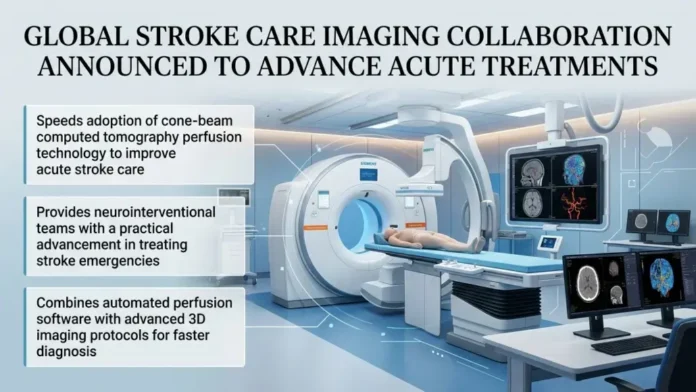
The Siemens Healthineers and Cercare Medical collaboration aims to speed up the adoption of cone-beam computed tomography perfusion technology, which serves as a practical step forward in acute stroke care.

The two companies have merged Cercare Medical’s automated perfusion software with multiphase 3D acquisition protocols from Siemens Healthineers. On a technical level, this setup uses the vendor-neutral Cercare Medical Neurosuite to read perfusion maps and metabolic metrics directly inside the angiography suite. By connecting this software to the Syngo DynaCT Multiphase system, operators can generate up to ten cone-beam computed tomography phases for immediate review.

With these tools in place, medical staff can complete detailed stroke care imaging without having to move the patient to a different wing of the hospital.

Keeping a patient in the angiography room removes the typical requirement to transport them for standard magnetic resonance or computed tomography scans during the most critical acute window.

  • Cutting down on patient transfers directly reduces procedural delays.
    Faster treatment decisions save millions of neurons that are otherwise lost each minute.
  • During a thrombectomy, having instant data about cerebral blood flow and tissue viability gives operators the exact metrics they need to modify their approach on the spot.

Quick access to stroke care imaging makes it much easier to evaluate brain tissue health. The combined technology shows exactly how well different regions of the brain are receiving oxygen and essential nutrients. Because of this, clinical teams can spot microvascular issues, no-reflow occurrences, and distal occlusions right alongside the main thrombectomy procedure.

Clinical researchers who helped establish the scientific groundwork for this solution point out that having direct imaging in the intervention space ensures treatment can carry on seamlessly, even when conventional imaging machines are occupied or unavailable. This immediate line of sight ultimately helps predict clinical outcomes and assess any residual complications as they happen.

With qualitative perfusion technology now holding necessary regulatory clearances, both companies plan to scale their specialized offering globally, aiming to standardize how hospitals handle time-sensitive neurological emergencies.

AiM Medical Robotics Partners with Siemens Healthineers for Scanner Integration with Robotic Neurosurgery System

robotic neurosurgery system

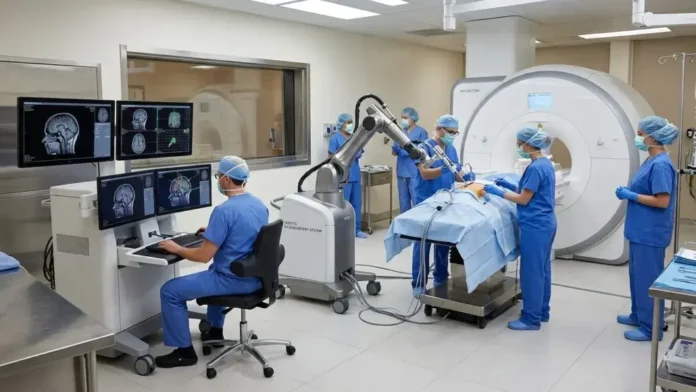
AiM Medical Robotics has finalized a collaboration agreement with Siemens Healthineers to develop a specialized interface for its clinical platform. This strategic alignment allows the robotic neurosurgery system from AiM Medical Robotics to communicate directly with MAGNETOM MRI scanners from Siemens Healthineers. Through this interface, healthcare providers gain access to a streamlined, automated workflow. For healthcare industry executives, this represents an optimization of image-guided therapies, fostering precise and real-time operations directly within the scanner bore.

This technological integration connects the surgical hardware to a wide range of Siemens Healthineers equipment, encompassing 1.5T, 3T, and the newer 0.55T MRI scanners, including the recently introduced MAGNETOM Free.XL. By establishing a direct software interface, the two entities facilitate robust data exchange and collaborative functionality between the devices. Building upon this foundational compatibility, AiM Medical Robotics plans to pursue deeper integration to continually enhance the efficiency of its robotic neurosurgery system.

The newly formed interface significantly boosts the clinical accessibility of complex image-guided therapies. This capability is particularly relevant for rapidly and accurately placing neurostimulator leads, conducting tumor and epilepsy ablation, performing biopsies, and delivering targeted therapeutics. By executing these tasks with real-time diagnostic guidance, clinical teams can elevate the standard of care while optimizing operational workflows.

  • Real-time data exchange enhances in-bore precision for stereotactic interventions.
  • Software compatibility covers a broad spectrum of diagnostic imaging environments.
  • The collaboration sets the stage for next-generation automated medical treatments.

The initiative validates the growing ecosystem necessary to support sophisticated robotic neurosurgery. The combined efforts of AiM Medical Robotics and Siemens Healthineers establish a strong technical baseline, paving the way for future advancements in robotic neurosurgery and broader medical interventions.

$2.4bn I-MED Radiology Network Acquisition by Jardine Matheson

radiology network acquisition

Jardine Matheson has entered into an agreement to purchase I-MED Radiology Network, an Australian diagnostic imaging and teleradiology provider, for an enterprise value of A$3.4bn ($2.4bn). This radiology network acquisition entails buying 100% of I-MED from funds advised by Permira, acting via its UK platform, alongside other existing shareholders.

The radiology network acquisition encompasses I-MED’s minority equity interest in Harrison.ai, a technology firm developing artificial intelligence applications for radiology, including computed tomography (CT) chest and brain scans. I-MED delivers comprehensive diagnostic imaging services across regional and metropolitan regions. As an established teleradiology provider, I-MED offers remote medical image interpretation across Australia, the US, and New Zealand. This service aids patient diagnostics in areas experiencing radiologist shortages. The core modalities include:

  • Magnetic resonance imaging (MRI) and computed tomography (CT)
  • Positron emission tomography (PET) and nuclear medicine
  • Ultrasound and X-ray diagnostics

Jardine Matheson plans to finance this healthcare investment utilizing a combination of debt and cash reserves on its balance sheet. The transaction supports the organizationโ€™s long-term strategy for APAC healthcare investment in prominent regional enterprises. Jardine Matheson CEO Lincoln Pan stated that the company is eager to collaborate with Dr. Shrey Viranna, Clare Battellino, and the I-MED clinical team. Pan highlighted the management team’s ability to drive earnings growth and maintain innovation, specifically referencing the AI integration that supports their market position and high clinical standards. He added that the goal of this long-term investment is to develop larger, high-quality assets across their portfolio.

Excluding the Harrison.ai stake, Jardine Matheson forecasts that I-MED’s core operations will achieve an adjusted EBITDA multiple of approximately 11.5x the purchase price for the 12-month period ending June 2026. Furthermore, over the five years leading up to June 2025, the teleradiology provider reported a compound revenue increase of 11% and an adjusted EBITDA growth of 12%. The continuous demand for remote medical image interpretation contributes to supporting these consistent financial metrics.

The closing of the transaction remains subject to customary regulatory approvals and is scheduled to be finalized later in 2026. For this radiology network acquisition, Jardine Matheson retained Rothschild and Co for financial counsel. EY-Parthenon supplied tax and financial guidance, while Chapman Tripp, Linklaters, and Allens acted as legal advisors for the healthcare investment.

Translate ยป