











Close
Digital Health & Ai Innovation summit 2026
LiGHT26

Healthcare On Wheels: Medical Van vs Medical Bus

In the ever-evolving healthcare system, mobility has become a key factor in reaching underserved communities and providing essential medical services. Two main components that bring quality care are medical vans and medical buses, both designed to bring healthcare directly to those in need. But which one is the right choice for your practice: medical van vs medical bus?

Here, weโ€™ll delve in-depth into the advantages and disadvantages, along with the cost and size of each option, and help you navigate the path to better healthcare access.

Mobile Medical Van vs. Medical Bus

Many healthcare professionals still need help learning the difference between a medical van vs medical bus.

Even though these two transportation types are used for similar purposes, they differ in certain aspects to fit the objectives of a particular health clinic.ย 

Before choosing between large medical buses and mobile medical coaches, consider their functionality, convenience, and capacity differences.

Size

Mobile medical vans are smaller in size compared to medical buses. Thus, they are easy to control while driving. Drivers can fit mobile vans in narrow streets and always find their place in parking lots.

Medical buses are more spacious. Thus, healthcare providers can comfortably offer assistance to patients and store medical equipment. But their large size makes mobile buses more difficult to drive. They require wide roads and parking spots.

Purpose

Mobile health clinicโ€™s medical vans are used in rural areas to provide quick healthcare assistance for patients who need it. They are also used during school medical check-ups, basic treatments, and advice.

Settled areas can benefit more from medical buses. They are used to deliver healthcare services to patients residing in different locations across the town. They offer a larger capacity than medical vans so that doctors can attend to more patients simultaneously.

Weight

Mobile medical vans are lighter in weight than mobile medical buses. Due to their heavy weight, buses require regular inspections to ensure they work properly. Also, the bus driver of a mobile health clinic must be licensed to drive a heavy-weight class vehicle.

Not only are mobile buses too large for rural and tight roads, but they might also be classified as too heavy to cross certain bridges. The roads and bridges may handle the weight of a medical bus and undergo severe damage because of the large pressure.

Equipment space

Since mobile medical vans are smaller than mobile medical buses, they canโ€™t hold large amounts of medical equipment. For example, a patientโ€™s treatment may require specific procedures, like an X-ray scan.ย 

Mobile medical vans are too small to fit an X-ray machine. But that doesnโ€™t mean vans cannot hold the necessary equipment required for a mobile health clinic.ย 

On the other hand, larger mobile buses can carry more medical equipment, which helps healthcare providers offer different medical services to patients.

Cost

Mobile medical buses are more expensive than mobile medical vans. They are larger, heavier, and offer more capacity for equipment storage and treating more than one patient at a time. However, the cost of mobile medical vehicles increases with maintenance.

Buses are also costly to operate. They must be regularly maintained in order to ensure they function properly. Also, they burn more fuel in comparison to vans, which makes buses a very expensive investment for your business.

Do you want to know how to start a mobile health clinic without wasting much money? Choose transportation with medical vans. This option is more cost-effective for your organization.

Location suitability

Some people live in remote areas. Thus, mobile health services must travel on rough roads to get to them and offer assistance. Mobile medical vans are perfect for this purpose. They are small and easy to drive even during bad weather conditions.

But mobile medical vans are also great for large cities. Due to their size, they can be parked anywhere easily without taking up too much space, unlike buses, which cannot fit into tighter spaces.

However, an easily accessible medical vehicle is also needed in smaller cities. Suburban areas usually offer more space to fit a large mobile medical bus. Thus, people there can quickly visit the clinic whenever they feel like they need medical assistance.

Image credit: Craftsmen Ind

Which One Should You Choose?

Medical buses and vans are excellent options for healthcare providers to offer medical attention to patients at home and in various locations. However, the differences of a medical van vs medical bus might make one of a better choice for your clinic compared to the other, depending on your preferences and needs, of course.

The staff of your mobile healthcare unit has more room to work and comfort to provide in a medical bus. They can also store more medical equipment in it and offer patients who desperately need a restroom within the bus.

The compact size of medical vans gives this transportation option different advantages. In addition to being easy to maneuver in any space, they are also great for people who want to create a small mobile clinic offering basic equipment and the expertise of a few healthcare professionals.

Before you choose one or the other, ensure you have established your clinicโ€™s requirements and your teamโ€™s preferences. The location in which a mobile clinic serves is also important to determine the capacity, speed, and flexibility your transportation offers.

Mobile Health Clinic System in St. Charles

St. Charles is a city located in Missouri. This suburban town offers a lot of entertainment and outdoor activities for locals and tourists. The most interesting places to visit include the Lewis & Clark Boat House and Museum and Frontier Park.

Mobile health clinics can offer multiple services in this area. Some of them include health screenings, vaccination, blood testing, and dental care.

Conclusion

Choosing the right transportation is one of the most crucial steps for healthcare professionals who want to bring quality health care to communities in need of healthcare. When it comes to the difference between a medical van vs medical bus we have a few things to noteโ€“ medical vans tend to be smaller, cheaper to equipt, but lack the space and comfort that the medical bus offers.


What Makes Patient Scheduling Software Essential for Healthcare Providers

Appointment scheduling and staffing deficiencies are the main inefficiencies that affect healthcare providers today. They lead to low productivity of the healthcare staff and significant income loss due to increased stress and workload, patient no-shows, and eventually, worker burnout.

It requires healthcare providers and clinics to focus more on appointment scheduling. With the right patient scheduling software, patient appointments can be easily scheduled, organised, and tracked.

Know What Patient Appointment Scheduling Software Is

Patient appointment scheduling software is intended to assist medical facilities, clinics, and healthcare providers in managing and planning patient appointments. By automating the scheduling process, it increases efficiency and reduces the possibility of mistakes.

By using the software, your staff can assign time slots in a way that minimises wait times and avoids double or multiple bookings. Your patients will find this software convenient because it lets you make online appointment requests and get reminders for forthcoming meetings.

Patient scheduling software can make it easier for healthcare businesses that offer in-home or virtual treatment to schedule appointments across several locations. It also helps reduce travel time by optimising routes between patient appointments.

Many Features of Patient Scheduling Software

Healthcare scheduling systems come in a variety of configurations, but the majority of them have the same fundamental features that allow you to automate patient appointment scheduling and support your organisation in multiple ways.

1. Patient appointment scheduling

Healthcare practitioners can effortlessly plan patient appointments with the help of the program. It frequently has an intuitive design that shows staff members the available time slots, making it easy for them to choose hours that work for them.

A patient self-booking system is another feature of scheduler software that lets patients make online appointments. With the use of this self-service tool, patients can see the doctor’s calendar and make, modify, or cancel appointments as needed.

2. Instant notifications and reminders

Clinics and health practices can provide better care and, most crucially, lower no-show rates with the aid of this vital feature. Healthcare practitioners can notify patients about medication consumption and remind them of the day and time of their next appointments using automated reminders and alerts. To make sure a patient receives it, the software allows you to send reminders by phone calls, SMS, or email.

3. Integrate with the calendar

Healthcare practitioners can better manage their schedules, prevent double bookings, and keep track of appointments by integrating patient scheduling software with calendars.

4. Multiple user access

In order to improve patient information management and prevent unauthorised access, your clinic can provide distinct user groups, like doctors, administrative staff, and nurses,with specific access. For example, patient appointments scheduled by a nurse or assistant require approval from a medical practitioner.

5. Gateway for patients

With a patient portal, which is a feature of some patient schedulers, the user can check the availability of appointment times, make or change appointments, and see their test results and medical records.

6. Electronic Health Records (EHR) Integration

Patient data is kept current and available with the support of seamless connectivity with EHR systems. Direct access to patient medical records and other information allow practitioners to easily schedule and cancel appointments on the software. The physicians can now find information on the assigned patient without having to launch a separate app.

7. Capabilities for reporting

Not all reliable patient scheduling software provides analytical tools for data analysis on things like appointment trends, booking rates, and the number of shows and cancellations. Clinics can increase overall productivity by streamlining procedures and scheduling with the help of these tools.

8. HIPAA adherence

To protect patient privacy and security, patient scheduling software needs to abide by healthcare laws, including the Health Insurance Portability and Accountability Act (HIPAA).

4 Ways Realistic Med Pass Simulations Aid in Skill Enhancement of Nurses

As nurses, we must strive for excellence in our practice. One of the most challenging aspects of our job is administering medications accurately and safely.

This is where realistic med pass simulations come into play. These simulations are an invaluable tool for enhancing our skills and preparing us for real-life scenarios. In this evolving healthcare landscape, we must develop and improve our skills.

Join us as we delve into the ways realistic med pass simulations aid in the skill enhancement of nurses. Discover how we can further strengthen our practice.

1. Providing a Safe and Controlled Environment

In a controlled environment, nurses can make mistakes without fear of harming real patients. This allows them to learn and improve their techniques without any consequences. This safe environment also enables nurses to receive immediate feedback from experienced instructors.

It allows for continuous learning and skill enhancement. By providing a safe and controlled environment, realistic med pass simulations aid in building confidence and competence in nurses, leading to better patient care and outcomes.

2. Practice Critical Thinking and Decision-Making Skills

One crucial aspect of these simulations is the opportunity for nurses to practice critical thinking and decision-making skills. This is especially important in medication administration. Here, even the slightest error can have serious consequences.

By simulating real-life scenarios, nurses can also practice their critical thinking skills and make decisions on how to administer medication, considering factors such as the following:

  • patient history
  • drug interactions
  • and dosing calculations

These simulations also need them to check equipment for nurse medication administration. This ensures that they are familiar with the proper procedures and medication safety training measures.

3. Immediate Feedback

With these simulations, nurses get the opportunity to practice and refine their skills before performing them in a real-life scenario. This immediate feedback helps nurses to do the following:

  • identify their strengths and weaknesses
  • and make necessary improvements

It also allows them to learn from their mistakes and make adjustments accordingly. By receiving prompt feedback, nurses can apply their skills in real-life situations. In turn, this leads to the following:

  • better patient care
  • and improved performance in their profession

The invaluable experience gained through immediate feedback in realistic med pass simulations is also crucial in enhancing the skills of nurses. This in turn provides better quality healthcare.

4. Expose Nurses to a Variety of Scenarios

These simulations provide a safe and controlled environment for nurses to do the following:

  • practice their skills
  • gain confidence
  • and identify areas for improvement

By exposing nurses to different scenarios, they can encounter situations that they may not have experienced before, such as the following:

  • emergencies
  • or complex medication regimens

This allows them to develop critical thinking and problem-solving skills. They also learn how to adapt their nursing techniques to different situations.

Thus, exposure to a variety of scenarios in simulation-based learning prepares nurses for the unpredictable and challenging nature of their job. This ensures they are better equipped to provide quality care to their patients.

Discover the Realistic Med Pass Simulations for Nurse Skill Enhancement

Realistic med pass simulations contribute to the skill enhancement of nurses. Through hands-on practice and critical thinking exercises, nurses can build confidence, improve efficiency, and ensure successful patient outcomes. Thus, institutions and individuals must incorporate these simulations into their training.

They must strive for excellence in patient care. Take the first step towards improving nursing skills by incorporating realistic med pass simulations today.

Looking for more tips and advice? You’re in the right place! Make sure to bookmark our page and come back to check out more interesting articles.

Sciatica Solved: 7 Practical Tips for Banishing Pain and Regaining Mobility

Living with sciatica can be a daily struggle, impacting every aspect of your lifeโ€”from simple movements to enjoying your favorite activities. Imagine a searing or stabbing feeling that radiates from the lower back down through the legs โ€” dealing with that often can be debilitating. Finding effective solutions for managing this pain and improving your mobility is crucial for reclaiming your quality of life. In this post, we’ll explore seven practical tips that can help you manage sciatica pain and regain your mobility.

Understanding Sciatica: What It Is and What Are Its Causes and Symptoms

The path to sciatica pain management also involves knowing what the condition is and what its causes and symptoms are. Sciatica is a condition characterized by pain that spreads along the sciatic nerve, which runs from the lower back through the hips and buttocks and down each leg. The primary causes of sciatica include herniated disks, bone spurs on the spine, and spinal stenosis, which compress part of the nerve. Symptoms often include:

  • Pain that radiates from your lower spine to your buttock and down the back of your leg
  • Discomfort that can range from a mild ache to a sharp, burning sensation or excruciating pain
  • Numbness, tingling, or muscle weakness along the nerve pathway
  • Worsening pain with prolonged sitting or standing

Understanding these causes and symptoms is the first step toward effective management. From there, you have a solid foundation on how you can effectively apply tips for managing sciatica pain that will be shared below.

1.ย  Physical Therapy and Exercise

Engaging in physical therapy and regular exercise can provide significant relief from sciatica pain. Specialists in sciatica treatment in Orlando recommend a specific and individualized treatment approach and customized exercise plans tailored to individual needs and conditions. These exercises typically focus on strengthening the core muscles, improving flexibility, and promoting good posture, all of which can alleviate pressure on the sciatic nerve. Physical therapists may also employ techniques such as manual therapy, heat and cold treatments, and stretching exercises to reduce pain and inflammation. By incorporating these practices into your daily routine and working closely with a specialist, you can improve your mobility and reduce the frequency and severity of sciatica flare-ups.

2.ย  Proper Posture and Body Mechanics

Maintaining proper posture and using correct body mechanics are crucial in managing and preventing sciatica pain. Ensuring that you sit, stand, and move correctly can help minimize the strain on your lower back and sciatic nerve. Simple adjustments, such as keeping your feet flat on the floor when sitting and ensuring your back is well-supported, can make a significant difference. Additionally, when lifting objects, it’s important to bend at the knees and keep your back straight to avoid unnecessary pressure on your spine. By incorporating these habits into your daily routine, you can not only alleviate existing pain but also prevent further episodes of sciatica, promoting long-term spinal health and overall well-being.

3.ย  Heat and Cold Therapies

Applying heat and cold therapies can provide immediate and effective relief from sciatica pain. Cold therapy, such as using ice packs, can help reduce inflammation and numb the sharp pain associated with sciatica. It’s most effective when used soon after the onset of pain. Heat therapy, on the other hand, relaxes tight muscles and improves blood circulation, which can help ease chronic pain and stiffness. Alternating between heat and cold treatments can be particularly beneficial, allowing the combination of both therapies’ advantages. It’s important to apply each therapy for about 15-20 minutes at a time and to use a barrier, like a towel, to protect your skin. Consistently incorporating these treatments into your pain management routine can offer substantial relief and enhance your overall comfort.

4.ย  Over-the-Counter and Prescription Medications

Medications can play an important role in managing sciatica pain, offering both short-term relief and long-term solutions. Over-the-counter options like ibuprofen or acetaminophen can help reduce inflammation and alleviate mild to moderate pain. For more severe pain, your doctor may prescribe stronger medications such as muscle relaxants, anti-inflammatories, or even nerve pain medications like gabapentin. It’s crucial to use these medications as directed and to consult with your healthcare provider to tailor the treatment to your specific needs and medical history. While medications can provide significant relief, they are often most effective when used in conjunction with other treatments like physical therapy and lifestyle changes, ensuring a comprehensive approach to managing and alleviating sciatica symptoms.

5.ย  Massage and Chiropractic Care

Incorporating massage and chiropractic care into your pain management plan can offer substantial relief for sciatica sufferers. Massage therapy focuses on alleviating muscle tension, improving blood circulation, and promoting overall relaxation, all of which can reduce the severity of sciatica symptoms. Targeted massages can help loosen tight muscles that may be compressing the sciatic nerve, providing immediate and lasting comfort. Chiropractic care, on the other hand, involves spinal adjustments and manipulations performed by trained professionals to improve spinal alignment and relieve nerve pressure. These adjustments can enhance mobility and reduce pain by addressing misalignments that may be contributing to sciatica. Combining these therapies can lead to a synergistic effect, offering a holistic approach to managing pain and improving quality of life. Before starting any new treatment, it’s advisable to consult with your healthcare provider to ensure it’s appropriate for your specific condition.

6.ย  Acupuncture and Other Alternative Therapies

Acupuncture and other alternative therapies can play a valuable role in the holistic management of sciatica pain. Acupuncture, an ancient Chinese medicine practice, involves inserting thin needles into specific points on the body to balance energy flow and stimulate natural healing processes. Many people find that acupuncture helps reduce their sciatica pain by promoting blood circulation and releasing endorphins, the body’s natural painkillers. Other alternative therapies, such as yoga, Tai Chi, and mindfulness meditation, can complement acupuncture by enhancing overall body awareness, improving posture, and reducing stressโ€”factors that are crucial for chronic pain management. By integrating these alternative approaches with conventional treatments, individuals can achieve a more comprehensive and personalized strategy for alleviating sciatica discomfort and enhancing their quality of life. As always, it is important to consult with your healthcare provider before beginning any new therapy to ensure it aligns with your specific health needs.

7.ย  Lifestyle Changes and Self-Care Practices

Adopting positive lifestyle changes and engaging in regular self-care practices can significantly enhance your ability to manage sciatica pain. Incorporating healthy habits like maintaining a balanced diet, staying hydrated, and ensuring adequate sleep can improve overall physical health, which is crucial for managing chronic pain conditions. Regular exercise, including low-impact activities such as walking or swimming, can help maintain a healthy weight, reduce inflammation, and improve cardiovascular health, all of which can mitigate the impact of sciatica. Additionally, integrating stress-management techniques like deep breathing, meditation, and mindful relaxation can reduce muscle tension and promote psychological well-being. By prioritizing these lifestyle adjustments and self-care strategies, individuals can create a supportive environment that fosters healing and enhances their ability to cope with sciatica pain more effectively.

Sciatica pain can feel overwhelming, but with the right strategies, you can manage it effectively and regain your mobility. From physical therapy to lifestyle changes, the tips outlined here provide a comprehensive approach to managing sciatica. Remember, you’re not aloneโ€”many have successfully navigated this journey, and you can too.

If your pain persists, don’t hesitate to seek professional help. Share your own stories and tips with our community, and stay connected for further support and advice. Together, we can overcome the challenges of sciatica and move towards a more comfortable, active life.

AI Making Headway In Medical Device Supply Chain Models

In a world that happens to be facing the rising challenge of constant transitions, what remains a priority is the health and well-being of the public. Therefore, in this digital age, healthcare as well as its related services happen to be undergoing a phenomenal change. Right from forecasting the demand fluctuations so as to optimize inventory management and also making sure of regulatory compliance, artificial intelligence- AI is indeed molding every element of the medical device supply chain.

The disruptive power of AI

In the medical device supply chain spectrum, there are aspects of traditional inefficiencies that have for long gone on to plague functioning, right from tracking manually to anticipating errors. But a new era happens to be coming up as digital tech such as the likes of IoT-Internet of Things and Radio Frequency Identification- RFID happen to lay the base for solutions that are AI-driven. Through automating tasks that are repetitive and at the same time, offering real-time insights, AI helps the supply chain professionals to indulge in much faster as well as more informed and insightful decisions.

It is well to be noted that AI-driven solutions go on to help with the identification and also assessment of cost-saving opportunities all across the supply chain by way of decreasing the cost of transportation, optimizing the levels of inventories, and also reducing the waste. But the most prominent of all the impacts is AIs contribution when it comes to enhanced patient care. By way of making sure of critical medical device availability whenever required, AI goes on to help the healthcare providers to deliver timely as well as effective treatments.

Here is a look at AIs disruptive power when it comes to this critical sector-

Predictive Analytics- The massive amounts of data that are generated through supply chains can go on to be evaluated efficiently due to AI algorithms. The fact is that AI-led inventory management systems can go on to optimize the levels of stocks based upon real-time data like sales forecasts, supplier performance, and also lead times. Modern platforms like Coupa and LLamasoft can also go on to forecast probable equipment breakdowns, fluctuations in demand, and also disruptions as far as supply chains are concerned. All this goes on to help in optimising the inventory levels, decrease the scenarios of stockouts and enhance the total supply chain efficiency.

Visibility of supply chain- There is a scope of real-time tracking that AI tech in medical devices across the supply chain can help with. The elevated levels of visibility enables to track bottlenecks, keep a track of shipments and also make sure of compliance along with regulatory requirements.

Demand forecasting-

AI models can as well analyse numerous elements like population as well as patient demographics, and also prevalence data so as to precisely forecast the future demand when it comes to medical devices. All this helps manufacturers alter the levels of production and inventory in a proactive way.

Optimisation of Supply Chain-

AI algorithms can go on to optimize supply chains and their logistics by way of analysing aspects like the location of warehouses, transport routes, and also product schedules. AI can reduce the cost of transportation and also reduce delivery times through identifying the most ideal routes as well as scheduling strategies.

Tailor-made medicine-

It is worth noting that AI-led medical devices go ahead and evaluate patient data in real-time so as to personalise the treatment plans and also optimize the results. For instance, wearable devices that are teamed with AI algorithms can go on to track important signs and also offer customized recommendations in terms of dosage adjustments or even lifestyle changes.

Quality control-

AI-led power image recognition systems can go on to detect issues in medical devices across the manufacturing process. Through the automation of the quality control part, AI helps in improving the quality of the product, making sure it is in sync with the standards, and decreasing waste.

The Barriers

Although there happen to be many advantages when it comes to integration of AI, there is a mighty challenge when it comes to making sure of data security as well as compliance with the patient privacy regulations. The fact is that AI-driven solutions happen to depend on massive amounts of data thatโ€™s sensitive such as patient information, the proprietary manufacturing data, and also medical records.

Hence, it becomes all the more vital and necessary to go ahead and safeguard unauthorised access, probable misuse, and data breaches by way of making sure that the data is handled securely and in a tight form, right from its collection and storage to the evaluation and finally the dissemination. It is hence required that healthcare organizations as well as manufacturers must go on to establish crystal clear guidelines and also ethical systems so that AI is made use of in a responsible way that further ensures of patient privacy and their autonomy. Besides this, the patients must also be informed about the collection as well as the use of their data.

One cannot deny the fact that the integration when it comes to AI technologies happens to mark a new era as far as heightened efficiency, reduction in costs, as well as enhanced patient care are concerned. By way of AI-driven solutions, organizations can go ahead and streamline the functionalities, make utmost use of resource allocation, and also deliver interventions that are timely, thereby ultimately enhancing patient outcomes in patients. As the revolution of AI goes on to evolve, it indeed promises to mold the spectrum of healthcare, driving the gamut of innovation and also making sure of access to high-quality medical devices for patients across the globe. Taking note and also accepting this humongous shift in supply chain management is no longer only a necessity but should sure be taken as an opportunity that helps in leading the way to a more robust, remarkable, and a healthier future.

UK MHRA Seeks Global System For Medical Device Recognition

The UK Medicines and Healthcare Products Regulatory Agency- MHRA has gone on to announce a sort of framework for global recognition when it comes to medical devices.

The UK government, in its statement of policy intent, went on to detail the intent to go ahead and acknowledge regulatory nods coming from certain countries.

The policy looks to facilitate access in terms of quality-led medical devices and, at the same time, stresses streamlining the evaluation process. It goes on to focus on specific types and classes, with advance approvals coming from Canada, Australia, the US, and the EU being considered for recognition.

The initiative happens to be designed to decrease the duplication of evaluation by comparable regulators, thereby enabling the resources to be allocated so as to assess much more innovative products.

Apart from the countries that are already listed, the MHRA also happens to be in talks with the PMDA, the Pharmaceuticals and Medical Devices Agency, to go ahead and cover Japan among the regulatory bodies that are recognized.

This statement also goes on to serve as a preliminary guide for manufacturers, thereby helping them evaluate the device’s eligibility for optional routes to the market as part of the proposed framework.

But the framework at present happens to be in draft form, with the final version that will be integral to the core regulations that govern medical devices across the UK.

Dr. Laura Squire, who is the chief quality and access officer at MHRA, said that the announcement happens to be a very pivotal step towards a strong medtech regulatory framework that prioritizes the safety of patients, goes on to give patients access to medical devices that they require, and makes sure that the UK happens to remain a very attractive market in terms of medical technology innovators.

She added that they are going to continue to work on how the intended policy pertaining to international recognition of medical devices is going to operate in real time. By way of sharing the draft policy now, they look forward to giving much greater clarity on the future direction of MHRA when it comes to making regulatory approvals much simpler and also where it happens to be safe to do so. She went on to say that simultaneously, they remain completely committed when it comes to the UKCA marking for the medical devices.

It is well to be noted that this latest development comes after MHRA launched its AI Airlock sandbox model for evaluating virtual as well as real-world projects by way of simulation and also helping in developing AI as a medical device.

New China Plan Makes Hong Kong Global Health Innovation Hub

The 14th Five-Year Plan from China goes on to support the evolution of Hong Kong into one of the premier global hubs when it comes to technology, especially within the gamut of healthcare, thereby positioning the city as a leading center when it comes to health innovation. Innovation in health has found new grounds due to the onset of research and development that is taking place at a rapid pace not just within the sector but even across the spectrum of ancillaries.

The fact is that this initiative goes on to open novel opportunities throughout the healthcare vertical. Leaders throughout the global healthcare and also traders of medical products, along with startups, services, and investors, convened in Hong Kong for the third International Healthcare Week- IHW which was organized by the Hong Kong Trade Development Council- HKTDC and where there happened to be discussions pertaining to the latest developments as well as trends that exist in the healthcare industry. Major events were the Asia Summit on Global Health- ASGH which attracted more than 2800 participants coming from 40 nations and areas. Moreover, the Hong Kong International Medical and Healthcare Fair went on to attract over 12,000 buyers coming from 60 countries as well as regions.

This gathering went on to offer many networking opportunities, with more than 350 deal-making sessions taking place and over 650 business matching meetings being held up that went on to encourage collabs throughout various industries.

More than 80 experts, which included the likes of researchers, business leaders, medical professionals, and various other healthcare sector reps from across the world, engaged in thorough and in-depth discussions at the ASGH. They happened to cover a myriad of topics that included the development of innovative drugs, healthcare innovation, opportunities for investment within healthcare, and also healthcare insurance.

Prof Lo Chung-mau, who happens to be the Secretary for Health of the Hong Kong SAR, spoke at the first plenary on opportunities to go ahead and co-create a synergistic health innovation ecosystem. He went on to say that Hong Kong is indeed on the road of reforming its medical product registration as well as innovating biomedical research in the decade to come, and that he is also confident the city will indeed attain the objective in terms of developing into a medical and health innovation hub.

Apart from this, one more highlight was the second plenary, where Professor Roger Kornberg, who was also a Nobel Laureate in 2006, underscored the advances within biotech and pointed out that a major limiting element in research in todayโ€™s times happens to be financial support, and Hong Kong has gone on to take prominent steps very recently and gone on to announce a program so as to fund US$770 million on a research center with regards to the fundamental studies. He added that this in indeed a good start; however, the point is that it should not end here.

The session, which is known as Whatโ€™s Next in Chinaโ€™s Healthcare Arena, went on to discuss the recent advancements in healthcare and also the investment spectrum in mainland China. Nan Fung Groupโ€™s chairman, Antony Leung, stressed the potential for elevating experiences of patients as one of the areas that is ripe for industry investment.

In one more session, Advancing Healthcare in Asia Through Innovation, the representative Corporate Officer and COO from Eisai Co., Ltd., Yasushi Okada, highlighted the role of Hong Kong as a major hub for East Asia and the ASEAN region and how it is critical for pushing development across science, tech, finance and economics.

The ASGH helped in deal-making by way of teaming healthcare investment projects with many investors, such as venture capitalists, private equity investors, and angel investors, thereby leading to more than 360 one-to-one meetings between project initiators and investors.

In order to give more thrust to broader collaboration within the healthcare industry, like gastrointestinal health, ophthalmology, innovative pharmaceuticals, and AI, the 2024 summit went on to witness the signing of numerous cooperation agreements, such as partnerships between Optima International and TRB Chemedica, Thailand, Zhaoke- Hong Kong Ophthalmology and PT Erela Indonesia, and many more.

The event also went on to witness the inception of the LiverCare-Hong Kong 10 million liver scans program done by the Hong Kong LiverCare Alliance, thereby looking forward to conducting 10 million early liver disease screenings in order to enhance awareness of public when it comes to liver health.

Moreover, the Medical Fair, which happens to be jointly organized by the Hong Kong Medical and Healthcare Device Industries Association and HKTDC, showcased almost 300 exhibitors across numerous countries and regions, including the likes of contributions coming on from local universities as well as healthcare enterprises.

Dr. Cheng Man-Hong, the Director of Maxwin & Honwell Limited, a medical equipment company exhibiting at the fair for the very first time, remarked that they have gone on to connect with more than 150 new customers, and they do believe the fact that more than 50% of them happen to have collaboration opportunities. They are also expecting to secure orders with a total value of almost $3 million. Assel Abakova, the deputy director of Amanat LLP Pharmaceutical Company, a Kazak company, happened to attend this fair for the first time. Due to the increasing scenarios of laryngeal cancer within the area, there indeed happens to be a quick requirement in terms of a quick diagnostic tool that can help with immediate treatment. As per her, they went on to find a Hong Kong exhibitor that happens to offer AI-led diagnostic solutions, which may as well relieve the shortage in terms of medical and testing professionals across the region.

The buyers will go on to keep negotiating with the exhibitor so as to customize and also adapt to the local requirements, and due to this, the anticipated value of the project could very well go over $10 million.

Treatment Options for Neck Pain: From Physical Therapy to Alternative Medicine

You might think neck pain is just something you’re stuck with, but that’s not the case. There are countless treatment options to explore, from conventional approaches like physical therapy to lesser-known alternatives such as chiropractic care or even acupuncture. There’s a wealth of solutions that can alleviate your discomfort, enhance your overall health, and improve your quality of life. So, why not delve into this topic and discover what could work best for you? Stay tuned, you may find the remedy to your neck pain is not as elusive as you’d thought.

Understanding Neck Pain: Causes and Symptoms

If you’ve ever experienced a stiff or painful neck, it’s essential to understand causes of neck pain and treatment options and that various factors can cause this discomfort, ranging from poor posture to more serious conditions like osteoarthritis. The neck, a complex structure made up of vertebrae, muscles, and ligaments, is prone to wear and tear from daily activities and aging. This can result in neck pain, often accompanied by stiffness and difficulty moving your head.

Your neck pain might be due to poor posture, especially if you’re spending prolonged periods sitting at a desk or looking down at your phone. You might also experience neck pain from conditions like whiplash, which is a neck injury caused by a sudden forceful movement of the head. More serious conditions that can cause neck pain include cervical disc disease, where the discs between the vertebrae in your neck become damaged, or cervical spondylosis, an age-related condition that affects the joints and discs in your neck.

Benefits and Techniques of Physical Therapy

When it comes to neck pain relief, physical therapy offers a host of benefits, employing a range of techniques designed to reduce discomfort, improve mobility, and strengthen your neck muscles. Physical therapy isn’t a one-size-fits-all approach. It’s individualized, targeting your specific pain points and limitations.

You’ll likely start with gentle exercises to increase flexibility and range of motion. As your strength improves, your therapist will introduce more demanding exercises to bolster your neck muscles, which can help prevent future injuries. It’s not just about exercise though. Physical therapists also utilize manual therapy, including massage and manipulation, to alleviate your pain.

Physical therapy also equips you with the knowledge and tools to manage your condition at home. You’ll learn practical strategies to modify your daily activities, reducing strain on your neck. This can help you break the cycle of pain and disability, leading to long-term relief.

Utilizing physical therapy, you’re not just treating the symptoms; you’re addressing the underlying causes of your neck pain. It’s a safe, effective method that can provide you with the tools to manage your pain, improve your quality of life, and potentially reduce your reliance on medication.

Chiropractic Care for Neck Pain Relief

Turning to chiropractic care can offer another effective avenue for alleviating your neck pain. This approach focuses on the diagnosis and treatment of mechanical disorders of the musculoskeletal system, particularly the spine. If you’re struggling with chronic or acute neck discomfort, a chiropractor may be able to assist.

In a typical session, you’ll undergo a series of adjustments designed to improve spinal alignment and reduce nerve irritability. These adjustments, or manipulations, involve a rapid, controlled force applied to individual vertebrae. They’re tailored to your specific needs, taking into account factors such as your age, health, and the exact nature of your neck pain.

In addition to these manual adjustments, some chiropractors may also use devices like activators or drop tables to aid in their treatments. They might recommend exercises or stretches you can do at home to further support your recovery.

Exploring Acupuncture as a Treatment Option

While chiropractic care can provide relief, you might also consider exploring acupuncture, an ancient Chinese therapy, as another potential treatment for your neck pain. Acupuncture involves the insertion of thin needles into specific points on your body to stimulate energy flow and promote healing.

You might wonder how needles can help with neck pain. The theory is that these needles work to balance your body’s energy pathways, known as meridians, and can trigger the release of endorphins, your body’s natural painkillers. Some studies suggest acupuncture can be effective for chronic neck pain, providing both immediate and long-lasting relief.

When considering acupuncture, it’s important you select a trained professional. Acupuncture is generally safe, but complications can occur if it’s not performed correctly. An experienced acupuncturist will make sure the needles are sterile and inserted correctly, minimizing any potential risks.

Yoga and Other Alternative Medicine Approaches

Beyond acupuncture, you may find relief from neck pain through yoga and other alternative medicine practices. Yoga, renowned for its focus on flexibility, strength, and mindfulness, can be especially beneficial. Certain poses target tension in the neck and shoulders, promoting relaxation and reducing discomfort. It’s a holistic approach, addressing both the physical and psychological aspects of pain.

Also, consider practices like biofeedback and guided imagery. Biofeedback helps you understand your body’s reactions and how to control them. By monitoring physiological markers like muscle tension, you can learn to alleviate stress in your neck. Guided imagery, on the other hand, uses the power of visualization to promote relaxation. You’re encouraged to imagine a peaceful place or situation, distracting your mind from the pain.

Lastly, Tai Chi, a form of martial art known for its slow, deliberate movements, could be beneficial. It promotes body awareness, balance, and relaxation, which can indirectly help manage neck pain.

Cosion

You’re not alone in your quest for neck pain relief. From the targeted exercises of physical therapy to the holistic allure of yoga, your options are diverse.

Consider the precise adjustments of chiropractic care or the energy-balancing effects of acupuncture. Explore, compare, and contrast these methods, and remember, what works for one may not work for all.

In this journey, it’s about finding the right balance for your unique needs, comfort, and well-being.

Should You Get A Hair Transplant Or Scalp Micropigmentation?

Hair loss and thinning hair is a problem that affects a large number of people as they get older. While some are happy to go through the aging process, others want to reverse the problem and recapture what they had. The question is how to do this? When shampoos and hair regrowth treatments fail, there are options for micropigmentation or a hair transplant. So, which should you go for?

Hair Transplant Vs. Scalp Micropigmentation

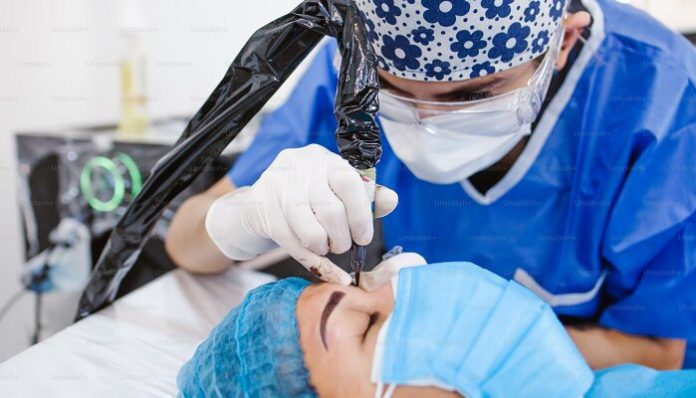
Both of these procedures are very different and allow for contrasting results. What is best for one person might not be ideal for another. So, it is important to really take the time to consider your options and see what you want to do. With hair transplants, we’re talking about a surgical procedure where surgeons collect donor hairs from healthier areas of the head and implant them into areas with no or thinning hair. It’s a lot to sign up for, but the results could make it worthwhile. Micropigmention is also known as cosmetic tattooing or permanent make-up. Clinics can add the pigment to the skin in place of real hair. This can give an illusion of a more youthful hairline or fuller eyebrows without surgical intervention. Here are some of the important pros and cons of these processes.

The Benefits of A Hair Transplant

The main benefit here is the fact that this treatment uses real human hair. All the transplanted hair comes from a site on your head, so it will immediately match what’s already there. This makes it a much more realistic approach where you really can reverse the signs of hair loss and aging with convincing results. The real hair from your own hair will blend in, and the stimulation of new hair growth makes it even more natural and appealing. When the transplant works, you can get something with length, texture, and visual interest rather than some dark flat markings on the scalp. That is where micropigmentation has its biggest limitation. You can fill in gaps on the scalp and create the illusion of a closely shaved head, but that’s about it.

This real hair growth then allows for greater customization and personal touches once it starts to grow out. Micropigmentation means isn’t anything to style or color. Men can regrow hair around a receiving hairline without it having to look shaved. Women with patches of thinning hair can thicken them out, regrow the hair, and start styling as they used to. Once there is enough healthy regrowth, and the scalp has fully healed, you can also dye it.

Also, when this professional treatment works as planned, it can be a much more permanent approach to hair loss. Micropigmentation can look great for a while, but it can also fade away over time. Eventually, you will have to go back to the clinic to get everything touched up and back to its best.

The Benefits of Scalp Micropigmentation

One of the obvious benefits here is the chance to get the appearance of a full head of hair without the need to go under the knife. Hair transplants require invasive surgical work to collect and transplant donor hairs. This also means a lot of prep before the procedure and plenty of aftercare. Each hair is extracted individually and placed into the scalp via an incision at a suitable spot. This can lead to swelling and redness for a short time, and you will need to commit to taking care of the scalp for a better chance of healthy regrowth. You may also have to make some sacrifices for a week or two before going under local anesthetic.

Then there is the fact that not all hair transplants are successful. After the initial thermal shock and hair loss, you should get new hair growth from the follicle. However, this isn’t guaranteed if the follicles are too damaged. Micropigmentation may not be permanent, but the ink will take effect, and you will get that sense of a full hair of hair. This means you don’t have to go through the stress and disappointment of a failed procedure.

Last, and certainly not least, there is the high cost involved with hair transplants. It isn’t cheap to get this done. The idea is that it is a big one-time investment to get your hair to regrow and look great once more. When you weigh that up against the repeated costs of micropigmentation, you might think it makes the most sense. Still, it is a lot to spend on one treatment. You need to weigh up the pros and cons here to see if you are prepared to pay out for a high-end service.

Different Types of Hair Transplant

The great thing about these hair transplants is that almost anyone can get one for their thinning hair. It doesn’t matter where the implantation site is or what gender you are. You can go into a clinic, talk about your current hair loss concerns, and arrange for a straightforward hair transplant. The FUE process is a lot to deal with, but your skilled team will help you determine the best way to deal with your hair loss problem and create the right final effect.

On top of that, there are also services available for eyelash and eyebrow replacement. These aren’t quite the same as the typical hair transplant in terms of the procedure, but the general aim is the same. If you have pale and thinning lashes and brows, this could be a good permanent solution compared to tinting and make-up options.

Is A Hair Transplant The Right Approach For You?

The pros and cons of hair transplants and micropigmentation are significant. There isn’t one approach that works best for everyone, so you need to determine what is best for you. If you have really short hair and a receding hairline, the cosmetic tattooing approach may be more suitable. It could provide the required aesthetic with far less stress and invasive procedures. The same goes for eyebrow treatments. However, the limitations in the look of this illusion mean it doesn’t compare to hair transplants for those with significant hair loss. Transplanting real hair can solve the problem and let you recapture what you have lost. When it works, it can be highly beneficial.

Take your time to figure out what you should do for your condition, book a consultation with a leading clinic, and get started on your hair replacement journey. With the right procedure, you could soon have the look you want.

The Ultimate Guide to Healthy, Glowing Skin: Your Essential Skincare Routine and Beyond

Having clear, glowing skin significantly impacts how we look and feel every single day. However, with the vast array of skin care products and conflicting advice available, figuring out an effective regimen can be extremely confusing for many people. From understanding your specific skin type’s needs to navigating ingredient claims, it’s no wonder most consumers feel overwhelmed when purchasing skincare.

The Foundation of a Healthy Skin Routine

The starting point for great skin is consistently practicing a basic skincare routine with key steps:

  • Cleanse: Washing your face each morning and evening clears away oil, dirt, makeup, and impurities so they donโ€™t clog pores. Use lukewarm water and pick products for your skin type.
  • Exfoliate: Gently sloughing off dead skin cells 2-3 times a week retextures skin and allows products to absorb better. Try scrubs with soft exfoliants like jojoba beads or chemical exfoliants like glycolic acid.
  • Tone: After cleansing, toning rebalances the skinโ€™s pH levels so other products work optimally. Look for alcohol-free formulas with skin-soothing ingredients.
  • Treat: Serums with Vitamin C, retinoids and peptides target specific concerns like dullness and wrinkles by supplying concentrated doses.
  • Moisturize: Hydrating creams and lotions replenish moisture and reinforce the skinโ€™s barrier to keep environmental aggressors out. Go for lightweight gels or rich creams based on your skin type.
  • Protect: Applying broad-spectrum SPF 30 sunscreen guards against UV damage that ages skin and causes dark spots. Reapply every few hours when outdoors.

Beyond the Basics: Nourishing Your Skin from Within

A comprehensive skincare routine also means feeding skin health from the inside:

  • Diet: Eat plenty of antioxidant and nutrient-rich fruits, vegetables, whole grains and healthy fats. These nourish skin and protect it from inflammation and damage.
  • Hydration: Drinking enough water keeps skin supple and radiant. Stick to the recommendation of six to eight 8-ounce glasses per day.
  • Sleep: Aim for seven to nine hours per night. Quality rest allows skin regeneration and rebalancing of moisture. Lack of sleep accelerates aging.

The Building Blocks of Healthy Skin

Making sure you get enough of these vital nutrients ensures skin has what it needs to stay youthful:

  • Vitamin A: Vitamin A, also called retinol, supports collagen growth and stimulates new skin cell formation. Getting enough vitamin A helps maintain skin strength and elasticity to prevent wrinkles and sagging. Retinol also helps with skin healing and regeneration for healthy-looking skin overall.
  • Vitamin C: Vitamin C is essential for healthy skin because it increases collagen production and protects skin from sun damage – two of the biggest causes of premature aging. As a strong antioxidant, vitamin C also neutralizes harmful free radicals that can rupture skin cells and destroy skin tissue. Adequate vitamin C keeps skin looking youthful and radiant over time.
  • Vitamin E: Vitamin E is another antioxidant that shields skin cells from environmental pollutants and damage. It also helps to retain moisture in the skin, keeping it supple rather than dry and brittle. Vitamin E is effective at alleviating damage caused by excessive sun exposure, allowing skin to repair.
  • Zinc: Zinc plays critical roles in skin growth, function, and repair. It reactivates skin cell growth and regeneration, leading to smoother and younger-looking skin. Zinc also controls oil gland function to clear oil buildup in conditions like acne. With strong anti-inflammatory and antibacterial properties, zinc calms irritated skin and promotes wound healing.
  • Selenium: Selenium is a trace mineral that partners with vitamin E in protecting skin cells. It boosts skin elasticity so it doesn’t lose firmness or sag with age. Selenium is also vital for evening out skin tone, reducing sun damage and age spots. It functions as an antioxidant with significant anti-aging benefits for the complexion.

Common Skin Concerns and Solutions

Even with great care, most people deal with occasional skin issues. Here are some top complaints and fixes:

  • Acne: Gentle cleansers, oil-free products and targeted treatments with salicylic acid or benzoyl peroxide help clear and prevent breakouts without over-drying.
  • Dryness: Hydrating cleansers, vitamin E, and rich creams with plant oils seal in moisture. Limit hot showers that strip natural oils.
  • Hyperpigmentation: Using sun protection vigilantly can help minimize. Lightening products with vitamin C, niacinamide and licorice root extract also help fade discoloration over time.
  • Rosacea: Avoid triggers like spicy food, alcohol, and heat. Calm inflammation with gentle cleansing, green tea, and azelaic acid.

Natural Remedies for Glowing Skin

In addition to traditional skincare, these natural solutions promote clear, healthy skin:

  • Honey: Has antimicrobial and hydrating benefits. Use raw honey masks weekly to deeply nourish.
  • Aloe Vera: Soothes sensitive, irritated skin and heals burns and scars. Apply gels or freshly sliced leaves.
  • Tea Tree Oil: An antibacterial and anti-inflammatory that clears acne and blemishes without drying. Use diluted in creams or toners.
  • Green Tea: Contains antioxidant EGCG that renews skin cells and prevents damage. Enjoy it orally and apply cooled tea bags.

Choosing the Right Skincare Products

With countless skincare products available, selecting an effective skincare brand for your needs can get confusing. These tips make it easier:

Know your skin type

Determining if you have normal, dry, oily, or sensitive skin helps narrow product selections. Oily and acne-prone skin benefits from oil-free, non-comedogenic formulas with salicylic acid. Dry, flaky skin needs rich hydrating ingredients like ceramides, plant oils, and shea butter. Sensitive skin requires gentle cleansers free of fragrance, alcohol, and parabens.

Read the labels

Study active ingredients to ensure they target your exact concerns. Vitamin C brightens dull skin. Retinol and peptides reduce fine lines. Benzoyl peroxide clears acne while hyaluronic acid provides moisture. Avoid irritants like added fragrance if sensitive. Watch for potential allergens too.

Start simple

Begin with a basic gentle cleanser, alcohol-free toner, oil-free moisturizer, and broad-spectrum SPF protection. Using too many products simultaneously may cause irritation, sensitivity, and decreased effectiveness. Once your skin adjusts, slowly add targeted serums or treatments.

Be patient

Consistently use products for several weeks before expecting transformational results. Skin cell turnover and regeneration take time. However, discontinue use if major adverse reactions occur such as redness, peeling, or swelling.

Patch test

To check for skin sensitivity or reaction, apply a small amount of new products to one area like the jawline for a few days before full facial use. If no issues emerge, they should be safe to then apply all over.

Consult a dermatologist

Schedule an appointment with a skincare professional if significant or persistent skin problems arise like cystic acne, rosacea, or eczema. They can examine your issues and craft a customized treatment plan which may include prescription topicals or procedures.

Following these guidelines when selecting skincare products helps ensure you choose high-quality, effective items tailored to your unique skinโ€™s needs and concerns. Reach out to experts like [skincare brand] for additional guidance.

Conclusion

Achieving clear, healthy skin requires consistently practicing both internal and external nourishment strategies. By adopting the fundamental skincare routine steps, getting enough skin-boosting nutrients, managing lifestyle factors, and addressing problems properly, your complexion will start glowing. Remember to have patience with new products but donโ€™t hesitate consulting professionals for personalized guidance. With diligent care over time, youโ€™ll master the art of radiant skin from the inside out.

Translate ยป