Close
Digital Health & Ai Innovation summit 2026
LiGHT26

CHC Survey Focuses on Community Hospital Resiliency

Community Hospital Corporation announced its inaugural survey of community and rural hospital executives on financial resiliency issues impacting their institutions.

CHCโ€™s comprehensive survey, completed in Q1 2024, found that most of the executives surveyed indicated their hospitals showed a less-than-stellar financial performance, impacted by economic and regulatory forces. Two-thirds of the respondents (69%) rated the financial health of their hospitals as poor or average. In comparison, 31% responded that their hospitals were in good or excellent financial condition.

In response to health industry challenges, respondents said a mix of expense-reduction and revenue-generating strategies were needed to bolster their hospitalsโ€™ resiliency. Adding services (70%) and reducing contract staff (69%) were the most popular choices for improvement, followed by physician recruitment (63%) and reducing supply costs (58%).

Jim Kendrick, CHCโ€™s President and CEO, commented: โ€œThe survey findings underscore the pressing need to fortify the financial resilience of community hospitals. As healthcare landscapes continue to evolve and economic pressures persist, these institutions remain steadfast in their commitment to serving local communities.โ€

Kendrick added: โ€œItโ€™s important for these facilities to leverage partnerships, embrace innovation, and proactively address challenges to navigate the complexities ahead. It will take the collective efforts of healthcare leaders, policymakers and public support to ensure the financial resilience of community hospitals and safeguard access to essential healthcare services.โ€

The survey covered a broad cross-section of hospital executives — with 64% in CEO and CFO positions — located in half of U.S. states. Eighty-six percent of the total 99 respondents were affiliated with not-for-profit hospitals of which 81% were community hospitals, including critical access facilities. Other respondents represented Long-Term Acute Care hospitals and rural emergency hospitals, among other hospital types. The survey focused on hospitals with up to 250 beds, and the net patient revenue for two-thirds of the respondentsโ€™ hospitals was $75 million or less.

Brigham and Women’s Hospital Names New Chief Nursing Officer and Vice President of Patient Care Services

Brigham and Womenโ€™s Hospital, a founding member of the Mass General Brigham healthcare system, and Brigham and Womenโ€™s Faulkner Hospital, announced today that Julia Mason, DNP, MBA, RN, CENP, will join the Brigham as chief nursing officer and senior vice president of Patient Care Services, effective June 10, 2024.

Mason comes to the Brigham from Cleveland, Ohio, where she serves as senior vice president of Patient Care Services and chief nursing officer for the hospital division of The MetroHealth System.

Mason began her nursing career more than 30 years ago, practicing as a clinical nurse in critical care settings. Over the last 12 years, Mason has served in leadership roles in both community health and academic medical center settings, including as chief nursing officer at University Hospitals (UH) Parma Medical Center and UH Bedford and Richmond Medical Centers in Ohio. She also was a senior clinical executive at Vocera Communications.

Mason expressed her excitement about joining the Brigham family, โ€œIโ€™m so pleased to join the Brigham family and am deeply committed to continuing the Brighamโ€™s long tradition of excellence in nursing. Iโ€™m honored to be a part of such a talented team of healthcare providers.โ€

โ€œWe are very excited to have Julia join our leadership team here at the Brigham. Julia is deeply focused on fostering positive practice environments that support nurses and all care team members in providing excellent care to patients,โ€ said Kevin T. Giordano, MBA, FACHE, Chief Operating Officer at Brigham and Womenโ€™s Hospital and President at Brigham and Womenโ€™s Faulkner Hospital. โ€œShe is very much looking forward to joining the Brigham family and supporting our culture of excellence, dedication to compassionate, high-quality care, and our exceptional nursing and Patient Care Services teams.โ€

Mason received her DNP from Ohio State University, her MBA from Baldwin Wallace University, and her BSN from the University of Wisconsin.

The Benefits of Using Billing Automation Software in Substance Abuse Treatment Facilities

In substance abuse treatment facilities, efficient billing processes are crucial for maintaining financial health and providing quality care to patients.

However, manual billing is slow, error-prone, and leads to reimbursement delays. This is where billing automation software comes into play, offering a plethora of benefits that streamline billing operations and improve overall efficiency.

In this article, we’ll explore the advantages of implementing billing automation software in substance abuse treatment facilities.

Addressing Challenges in Substance Abuse Billing

Billing for substance abuse involves complex procedures. These include checking insurance, sending claims, and managing patient accounts. Paying close attention to details and keeping up with changing rules is a must.

Using manual billing eats up staff time. It also increases the chance of mistakes. This causes payment delays and revenue loss for treatment centers.

Plus, the billing stuff can overwhelm staff who might not be pros at medical coding and insurance. This can slow down reimbursements and mess with the cash flow.

Why Do You Need a Billing Automation Software?

Billing automation software offers a solution to these challenges. It does this by making the billing process simpler and more efficient. Here are some of the key benefits that substance abuse treatment facilities can experience by implementing this technology:

Streamlining Billing Processes

Automated billing software makes billing a breeze! It has features like electronic claim submission and real-time eligibility verification. Staff can sail through billing with less manual work.

Automated prompts and reminders ensure that no steps are overlooked. They boost accuracy and speed up reimbursement. This not only saves time but also cuts down on errors, resulting in more revenue in the long run.

Improved Cash Flow

The simpler billing process speeds up payments. It also boosts cash flow for substance abuse treatment centers. Unlike old billing ways with delays and errors, automation software submits claims fast and right.

This means faster insurance reimbursements and on-time patient payments. It helps the facility keep cash flowing, preventing financial hiccups.

Reduced Costs

Processing bills can eat up time, be a real hassle, and cost a pretty penny. Billing automation software kicks out the need for staff to slog through data entry and paperwork tied to billing.

This lets them do other important tasks. It cuts down on extra staff, saving the facility money. Also, facilities have spot-on claims and prompt payments. This helps them avoid pricey slip-ups, like missed billing chances or denied claims.

Efficient Tracking and Reporting

Automated billing software also gives you useful tracking and reporting tools. They make it a breeze to watch your revenue, outstanding claims, and payments.

Spot any billing hiccups and resolve them pronto. Also, those detailed reports offer great insights into your financial health. They help with smarter decision-making and planning.

Improved Patient Satisfaction

Automation software can streamline billing. It also cuts errors and delays. This can improve patient satisfaction.

Patients will get clear and timely bills. This will reduce the chance of billing misunderstandings or disputes. This leads to a better patient experience. It can make them more likely to return for future services.

Streamlined Communication

The software automates billing. It also streamlines communication between facilities and insurers. Claims are submitted and processed electronically.

This reduces the need for manual paperwork and phone calls. This not only saves time but also reduces the chances of errors or missing information during the claims process.

Boosting Revenue Cycle Management

Good revenue cycle management is crucial. It keeps substance abuse treatment centers financially healthy. Billing automation software makes it easier to stay on top of things. It gives you info on key stats.

For example, claim rejection rates and how long reimbursement takes. By using detailed analytics, you can spot where things can get better and put plans in place to make more money.

Improving Compliance and Accuracy

You must follow the rules to avoid penalties and legal issues. This is crucial in substance abuse billing. The software automates billing to meet industry standards and keep up with rule updates.

This ensures billing stays compliant. Also, automated checks cut down on coding and documentation errors. They lower the chances of claim denials and audits.

Maximizing Staff Efficiency

Manual billing tasks can overwhelm staff and detract from their ability to focus on patient care. Automating billing processes is repetitive and time-consuming.

It lets staff spend more time on clinical work. This not only enhances the quality of patient care but also boosts staff morale and job satisfaction.

Reducing Administrative Costs

Old billing methods have high administrative costs. These costs come from paper-based processes, postage, and labor-intensive tasks. Medical bill software cuts many of these costs. It does this by digitizing workflows and reducing the need for manual work.

Over time, savings from simpler billing can affect the bottom line of rehab facilities.

Increasing Revenue Capture

Substance abuse treatment facilities must capture revenue to stay stable. They must optimize this, as it is a key goal. The software automates billing. It helps find missed chances for reimbursement. These include unbilled services and under-coded claims.

By billing accurately and efficiently, facilities can capture all billable services. This lets them maximize revenue and invest in expanding services and improving patient outcomes.

Facilitating Seamless Integration

Connecting to electronic health record (EHR) systems and other healthcare software is essential. It streamlines workflows and ensures data accuracy.

Billing automation software connects with existing systems. It lets patient information and billing data flow between them. This makes things faster and reduces the risk of errors. It comes from working together and not entering data by hand.

Embracing Innovation in Substance Abuse Billing

In sum, using billing automation software has many benefits. It’s great for substance abuse treatment centers that want to streamline their billing. It helps with workflows, revenue management, and compliance. It also boosts patient satisfaction. Plus, it ensures billing tasks run smoothly.

By using this tech, facilities can work better. They can stay financially sound. And most importantly, they can provide top-notch care to those fighting substance abuse. Choosing medical billing software improves operations. It shows a commitment to innovation in substance abuse billing.

Seeking valuable tips and guides? Dive into our blog for a treasure trove of information on diverse topics that can provide valuable insights.


CVS Health Takes Over Medicare Advantage Broker Hella Health

CVS Health has gone on to acquire startup Hella Health, a Medicare Advantage broker, as per one of the LinkedIn handles of the CEO of Hella Health.

This acquisition will go on to add a range of insurance offerings, which Hella has, and, of course, digital capabilities as well for seniors, to the CVC tech platform.

It is worth to note that Hella Health which was founded in 2021, sells insurance by way of a licensed agency and also partners with yet another platform in terms of telephone-enabled shopping. The company goes on to say that it offers thousands of MA plans from insurers like UnitedHealthcare, Humana, Cigna, and CVS. The terms pertaining to the deal havenโ€™t been disclosed yet.

Interestingly, the MA plans, which happen to be the Medicare coverage offered by private insurers, have gone on to become increasingly popular among seniors.

Since the plans have actually gone on to see a massive increase, so have the brokers, and around a third of the beneficiaries opine that they make use of the intermediaries so as to help shop for plans, as per the Commonwealth Fund.

But the MA brokers have also come under quite increased scrutiny coming from regulators on the issues of intermediaries making use of marketing tactics that happen to be predatory, such as advertisements that are kind of misleading, so as to gain some profitable compensation from the insurers.

In April 2023, the Biden Administration went ahead and released a final rule capping how much the MA plans can go on to compensate the brokers. Before the rule, brokers could collect over $1300 from every enrolee each year by way of add-on payments, which happened to be more than the double of the prior compensation limit that was set by the regulators.

Analysts went on to say that the final rule, which was proposed in 2023, can go on to help smaller plans with fewer marketing resources to go on to compete for MA members.

Hellaโ€™s website goes on to say that though it happens to receive commission when it comes to selling plans, it does not get the profit from the marketing incentives coming from the insurance carriers.

Although there have been no comments from any of the spokespersons with regards to the acquisition of Hella, the buy goes on to suggest that CVC is indeed interested in throttling its health service unit digital capabilities, which, by the way, sells a range of services to other companies as well as health insurers.

There has been quite a significant turbulence in MA, but despite that, CVS is snapping up Hella. The insurer went on to announce that first quarter earnings results happened to be quite worse in 2024 than what the healthcare giant or even Wall Street analysts anticipated as the company went on to grapple with the high medical use among MA seniors. As a result of this, CVS went on to slash its 2024 guidance. It is worth noting that CVA went on to buy Hella from venture capital firm Cue Ball.

C8 Health Partners with the Society for Obstetric Anesthesia and Perinatology to Provide Better Access to Clinical Resources and Best Practices

C8 Health, the clinical resource management platform designed for healthcare providers, is pleased to announce a partnership with the Society for Obstetric Anesthesia and Perinatology (SOAP) to bring the C8 Health platform to SOAP members. Through this partnership, C8 Health will provide SOAP members with an exclusive version of the C8 Health app available for smartphones, tablets, and desktops. This dedicated platform will provide members with seamless access to all of SOAP’s clinical resources and keep them updated on new guidelines or changes in existing best practices.

โ€œDisseminating best practices efficiently and streamlining access to these practices by clinicians and healthcare teams is critical for their adoption and implementation. This, in turn, drives better patient outcomes and efficient care delivery,โ€ said Galia Schwarz, CEO at C8 Health. โ€œOur partnership will ensure that SOAP members can leverage the C8 Health platform to easily access the most updated SOAP guidelines and apply it in their practices.โ€

SOAPโ€™s mission is to advance and advocate for the health of pregnant women and their babies through research, education, and best practices in obstetric anesthesia care. SOAPโ€™s vision is safe and equitable care for women and newborns everywhere. Through this collaboration, SOAP will streamline access to resources and best practices for its members, including anesthesiologists, pediatricians, and researchers worldwide to ensure better health outcomes and shorten the time from evidence to practice.

This puts SOAP in perfect alignment with C8 Healthโ€™s mission to support clinicians with best practices anywhere and at any time. With C8 Health, clinicians get a single, trusted cloud-based platform to centralize clinical resources, disseminate them efficiently, and access them quickly from any device. It empowers clinicians to make quick decisions and provide efficient and high-quality patient care.

โ€œWe are excited about this collaboration with C8 Health and the opportunity to seamlessly share SOAP resources and best practices with our members through the C8 Health platform,โ€ said Dan Katz, Chair of the Education Committee at SOAP. โ€œThis collaboration will help ensure that SOAP members have quick and continuous access to all of our clinical resources and educational materials. It will also allow SOAP to gain insight into how its members engage with its content to inform decision-making on new content creation.โ€

Omnicell Transforms the Point-Of-Care Medication Management in the Middle East

Omnicell, a leading provider of healthcare Automation, has recently introduced two groundbreaking solutions to the Point-of-care medication healthcare landscape in the Middle East. The first of these innovations is MedXpert, a real-time dashboard that promises full data traceability to enhance clinical practices, streamline operational workflows and improve financial performance. MedXpert is a comprehensive service that combines cutting-edge digital tools with the essential expertise needed to unlock the true power of data.

With modules for reporting, electronic control drug management and click-and-collect functionality, MedXpert empowers the healthcare institutions with over 120 reports for optimized workflows, paper-free control drug management and streamlined nursing tasks.

โ€œIn alignment with Fakeeh University Hospital’s mission and values, the integration of MedXpert underscores a commitment to innovation, excellence in healthcare outcomes and patient-centric care.

MedXpert has the capability to optimize workflows, increase operational efficiency and elevate decision-making by leveraging data analytics and providing real-time information access. This translates into patients experiencing timely access to medications and heightened medication safety, fostering an overall positive and efficient healthcare experience.โ€ Dr. Mohamed Magoury โ€“ Pharmacy Director at Fakeeh University Hospital

Additionally, Omnicell is transforming the healthcare landscape in the Middle East with the introduction of the AMiS-Pro Smart Cart. This smart cart ensures safer medication administration with individual patient bins, eliminating mixing errors and providing transparent closed-loop recording. It also streamlines medication ordering and management, allowing healthcare professionals in the Middle East to request and collect patient medications.

When combined with Omnicell XT ADCs, the smart cart enables closed-loop medication administration at the patient’s bedside, enhancing patient care and ensuring medication accuracy. These innovations from Omnicell are poised to play a pivotal role in shaping the future of healthcare in the Middle East by improving operational efficiency, enhancing patient safety, and ultimately delivering better patient care.

โ€œFor the past 30 years, Omnicell has been partnering with healthcare professionals and pharmacists to provide the latest and the greatest when it comes to medication management through automation. This year specifically we are proud to launch our new digital platform which is MedXpert and securing the last 50ft of medication management with our new AMiS-Pro Smart Cart.โ€ Salim Hammoud, Commercial Director Middle East.

As part of its long-term partnership strategy, Omnicell has established a Regional Headquarter in the Kingdom of Saudi Arabia (KSA). This milestone marks a significant step forward in the commitment to enhance Omnicell presence and engagement within the region. By securing the RHQ in Riyadh, Omnicell aim to strengthen their operational capabilities, deepen their relationships with local stakeholders, and better serve the needs of their customers and partners.

Telehealth, Hybrid Care Increase EHR Strain For Doctors

Although the gamut of telehealth doesnโ€™t appear to be adding significantly to the workload of the primary care physician, the mix of modalities like telehealth and in-person hybrid care environments have gone on to a lead to a 6% surge in the time spent with documentary along with EHR work, as per one of the new researches from the April study of the MedStar Health Research Institute and Georgetown University School of Medicine that has been published in the JAMA Network Open, which happens to be focusing on how the hybrid-care environments go on to have an effect on the PCPs administrative duties.

It is worth noting that the research team went on to examine the percentage of everyday visits through telehealth throughout five levels and also assess numerous measures in terms of active EHR time for the PCPs for 67,894 days.
Days with both telehealth as well as in-person care happened to correlate with the rising EHR, documentation, as well as medical record review time.

Days showing 26% to 99% of visits through telehealth were associated with almost 15 minutes more of active EHR time, almost 5 additional documentation minutes, and also 5.5 extra medical record review minutes. But the hybrid care happened to show no impact on the next-day documentation time, thereby suggesting PCPs managed to blend the additional workload.

The report said that the greater EHR time may as well be because of rising multitasking during the course of the telemedicine visits in ways that happen to be not possible in person. This multitasking may as well go on to feel more efficient and hence may not register as burdensome.

There is, however, further research that needs to be conducted in order to determine more closely if additional EHR time on days with mixed-modality care happens to be a burden to physicians.

One of the recent health reports shows that telehealth enhances outcomes and, at the same time, reduces spending, revealing increased medication adherence as well as decreased hospitalizations and also ER visits. However, the future regulatory flexibilities have come under scrutiny.

The technology can go on to help the providers enhance healthcare equity as well as access to care by way of a detailed execution strategy that will be needed for the objectives to be reached.

The potential benefits go on to extend to telepsychiatry, especially to help reach those patients based in rural areas- places where there happens to be a dearth of specialists.

The care providers happen to be looking at mixing AI along with telemedicine services so as to improve patient care, since some experts go on to argue that telehealth technology can offer benefits to providers as well as patients in the primary care area. For instance, Cedars-Sinai recently broadened its purview of an AI-powered healthcare platform called Cedars-Sinai Connect to have in it Spanish version that caters to the parents of children within the age range of 3 to 17, giving out all day and night demand access to healthcare providers for issues that are urgent.

The evolution when it comes to telehealth isnโ€™t without any speed bumps as well as setbacks, but as it has been demonstrated very recently by the decision of Walmart to end the virtual care program amidst rising operational costs and also a challenging environment pertaining to reimbursement, there is also Optum Care that is also going ahead with shuttering its large telehealth business.

It is well to be noted that telehealth usage went on to surge quite substantially during and post COVID-19 pandemic and happens to be having the potential to offer low-acuity medical services at costs that are lower.

But the fact is that telemedicine also goes on to levy fresh costs on clinicians. Telemedicines need to shift the care delivery workflows since they very rarely go on to include clinical support staff; however, they can have levels of patient complexity that are similar to those of in-person visits.

All this may go on to surge administrative as well as electronic health record burdens for the clinicians and, at the same time, raise cognitive costs since clinicians go on to switch modalities.

Why Training and Development Programs are Vital for Older Healthcare Workers

The convergence of seasoned experience with cutting-edge technology in healthcare is transformative. Older healthcare professionals embody invaluable knowledge, yet they confront the relentless pace of medical advancements. Essential to their success is ongoing training and development, which enhances their expertise and ensures that patients benefit from both time-honored wisdom and the latest medical innovations. This dynamic blend optimizes patient care by integrating the best of both worlds.

The Challenges Confronting Older Healthcare Workers

As the healthcare landscape continues to shift under the influence of new technologies and evolving practices, older healthcare workers encounter specific challenges that can affect their ability to perform effectively.ย 

Technological Adaptation

One of the most significant hurdles for older workers in healthcare is keeping pace with technology. From electronic health records (EHR) to advanced diagnostic tools and telehealth platforms, the rapid digital transformation requires learning new systems and unlearning old habits. This digital divide can lead to feelings of inadequacy and frustration, as these workers struggle to adapt to interfaces and workflows often designed with younger users in mind.

Physical Limitations

The physical demands of healthcare jobs do not diminish with age. On the contrary, they become more pronounced as physical endurance wanes. Older workers might find it increasingly difficult to endure long hours on their feet, perform repetitive tasks, or manage the physical strain of clinical duties. For older female healthcare workers, symptoms of menopause such as hot flashes, sleep disruptions, anxiety, mood swings, low energy, and fatigue can significantly impact their ability to function optimally in a high-stress environment. Hormone replacement therapies, according to Winona experts, can help address these changes.ย 

Cognitive Load

With age, the cognitive load of processing new information can become more taxing. Learning new skills and absorbing the latest medical knowledge requires mental agility, which can be challenging as cognitive processes slow down. Cognitive decline can affect their confidence and decision-making abilities, crucial elements in high-stakes environments like healthcare.

Workplace Integration and Ageism

Older workers often face stereotypes and biases that can impact their interactions with colleagues and superiors. These biases can manifest as doubts about their capabilities, resistance to their ideas, or isolation in team dynamics. Such ageism undermines their professional identity and can dampen their motivation and job satisfaction.

Benefits of Training Programs for Older Workers

As the healthcare sector evolves, the need for skilled, adaptable, and satisfied employees becomes more crucial than ever. Training programs designed with the needs of older workers in mind not only bolster their capabilities but also enrich their professional lives in several significant ways.ย 

Enhanced Skill Set

Training programs are pivotal in ensuring that older healthcare workers remain at the forefront of medical practice. These programs provide regular updates on the latest medical technologies, treatments, and protocols, allowing seasoned professionals to stay relevant in a fast-paced industry.ย 

By continuously refining their skills, older workers can effectively handle more complex cases, utilize new tools, and make informed decisions that are crucial in patient care. Furthermore, such training helps bridge the gap between traditional methods they mastered years ago and innovative practices that now lead the field, ensuring a comprehensive approach to healthcare.

Increased Job Satisfaction

Engagement in lifelong learning is more than just an educational commitment; itโ€™s a key to enhanced job satisfaction. For older workers, ongoing training programs offer more than skill enhancementโ€”they provide a sense of purpose and belonging.ย 

Learning new skills and updating their knowledge make them feel valued and capable, boosting their morale and job satisfaction. This is vital not only for their personal gratification but also for enhancing their engagement with the team and patients.ย 

Feeling competent and knowledgeable also reduces stress and increases enthusiasm for their roles, contributing to a more positive work environment for everyone involved.

Improved Interpersonal Dynamics

Training programs for older healthcare workers often incorporate elements that improve communication and interpersonal skills, which are vital in a collaborative environment like healthcare. Improved communication leads to more effective team interactions, better understanding between staff and patients, and more efficient management of care services.

These programs help older workers navigate the complexities of modern healthcare settings where teamwork and clear communication are essential. By enhancing their interpersonal skills, older workers can foster stronger relationships within their teams, improve patient engagement, and enhance the overall care experience.ย 

Extended Career Longevity

Training programs directly contribute to extending the careers of older healthcare workers. By staying updated with the latest medical advancements and maintaining essential skills, they can continue to contribute effectively to their fields. This not only benefits the healthcare system by retaining experienced personnel but also helps reduce the turnover rates, which are often high in this stressful industry.ย 

Additionally, when older workers see a clear path for growth and adaptation through training, they are more likely to remain in the workforce longer. This continuity is invaluable for healthcare institutions that rely on the deep-rooted knowledge and stability that seasoned professionals provide.

Tips for Designing Effective Training Programs for Older Healthcare Workers

Photo by National Cancer Institute from Unsplashย 

Creating effective training programs for older healthcare workers involves understanding their unique needs and learning styles. The goal is to enhance their skills and knowledge while ensuring the training process is engaging, respectful, and conducive to their long-term career growth.ย 

Understand Learning Preferences

  • Assess Needs: Conduct surveys or interviews to understand the specific training needs and preferences of older workers.
  • Diverse Formats: Incorporate a mix of teaching methods including hands-on practice, visual aids, and interactive e-learning modules to cater to varied learning styles.
  • Pace Appropriately: Allow for a flexible pacing that acknowledges the possibility of a longer assimilation period for new information.

Leverage Technology Wisely

  • User-Friendly Technology: Use technology that enhances learning without creating barriers. Ensure the interfaces are intuitive and provide training on how to use new digital tools.
  • Supportive Tools: Implement assistive technologies that accommodate physical limitations, such as larger text sizes, audio enhancements, and ergonomic workstations.
  • Continuous Access: Provide ongoing access to training materials online so that older workers can learn at their own pace and revisit content as needed.

Foster an Inclusive Environment

  • Encourage Collaboration: Design training sessions that encourage collaboration between older and younger workers to foster mutual learning and respect.
  • Mentorship Programs: Establish mentorship programs where older workers can be mentors or mentees, promoting knowledge sharing and intergenerational support.
  • Recognition: Acknowledge the contributions and progress of older workers in training sessions to boost morale and encourage continued participation.

Support Lifelong Learning

  • Career Development Plans: Offer clear pathways for advancement or lateral moves within the organization that recognize the value of continuous learning.
  • Regular Updates: Keep training programs dynamic and updated regularly to reflect the latest advancements in the healthcare field.
  • Feedback Mechanism: Create a robust feedback system where older workers can express their concerns and suggest improvements to the training programs.

Wrapping Upย 

Overall, training and development programs tailored for older healthcare workers are crucial for leveraging their invaluable experience while equipping them with the latest medical knowledge. These programs enhance care quality and foster a culture of continuous improvement and respect across generations. Investing in the growth of seasoned professionals ensures a robust, dynamic healthcare workforce, ready to meet the challenges of both today and tomorrow.

Lifemd Becomes The First Virtual Primary Care Provider To Elevate Glp-1 Patient Care With Real-Time, At-Home Monitoring Of Blood Pressure And Body Composition

LifeMD and Withings Health Solutions partnership exemplifies the potential of digital health technology to transform virtual patient care and improve outcomes.

NEW YORK and BOSTON, May 2, 2024 โ€“ LifeMD, Inc.ยฎ (Nasdaq: LFMD), a leading provider of virtual primary care services, and Withings Health Solutions, a leader in digital health technology, announce a new strategic partnership designed to revolutionize weight management patient care by providing LifeMD’s GLP-1 weight-loss patients with Withings advanced in-home health monitoring devices, including the Body Pro 2 scale and the BPM Connect Pro blood pressure monitor. With these devices, LifeMD is setting a new standard in virtual care by providing clinicians with near real-time and actionable patient data that can drive compliance, enhance clinical decision-making, encourage preventive healthcare, and, most importantly, improve long-term outcomes.

LifeMD’s GLP-1 weight-loss program is uniquely positioned to support patients on their weight-loss journey and make healthy living accessible by providing online consultations with licensed clinicians, prescriptions for weight management medications, and orders for full-service laboratory testing. By leveraging the detailed health data from Withings’ in-home health monitoring devices, LifeMD aims to gain deeper insight into the effectiveness of GLP-1 treatments and their impact on overall health. This partnership also lays the groundwork for pioneering real-world evidence studies.

“Our partnership with Withings supports a key corporate objective of building a significant chronic care management business,” said Anthony Puopolo, M.D., President, LifeMD Affiliated P.C.s. “Many patients currently treated by our affiliated medical group for weight management have heart disease, diabetes, or other chronic conditions. Accessible interaction with a virtual provider โ€” combined with diagnostics, remote patient monitoring, and in-home tools like those offered by Withings โ€” can improve patient outcomes and reduce the cost of care for chronic diseases.”

“By being one of the first to monitor body composition in GLP-1 weight-loss programs, LifeMD is pioneering a comprehensive approach to weight management. This collaboration underscores our shared commitment not just to weight management but to a deeper understanding of a patient’s health,” said Antoine Robiliard, VP of Withings Health Solutions. “LifeMD’s dedication to leveraging advanced technology to enhance the patient experience aligns perfectly with our vision. Our cellular devices, with patient engagement features, will help LifeMD’s teams drive consistent patient engagement and benefit from larger datasets to make more informed decisions.”

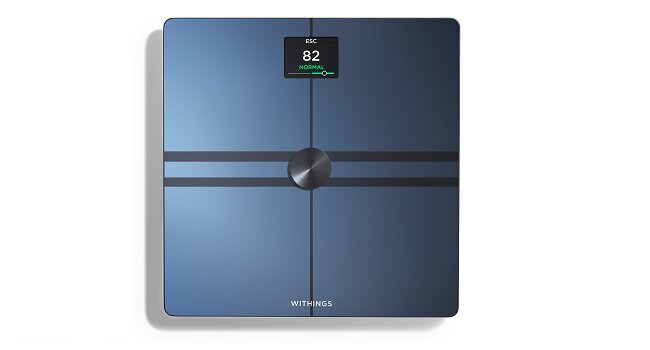
Body Pro 2 is the first cellular body composition scale that measures weight and provides a comprehensive analysis of body composition, including body fat, muscle mass, water percentage, and bone mass. With Body Pro 2, LifeMD benefits from a device that puts patient care at the forefront with features such as Personalized Health Nudges, allowing care teams to send personalized messages to patients through the scale’s screen, and ProgramMemberID, Withings exclusive patient recognition feature to assure the measurement came from the patient rather than from another user.

BPM Connect Pro offers medically accurate blood pressure monitoring, enabling healthcare providers to track changes in blood pressure alongside weight-loss progress. As GLP-1 medications can lower the risk of cardiovascular events, BPM Connect Pro offers LifeMD-affiliated providers a comprehensive view of their patients’ progress and the knowledge to adjust their medications if necessary.

Both devices utilize cellular connectivity, ensuring that LifeMD receives HIPAA-compliant, accurate, and reliable measurements continuously, displayed in near real-time via the LifeMD patient portal for use by the patient and clinical team. Thanks to cellular connectivity, the devices work right out of the box and require no installation.

This partnership is not only a significant advancement in GLP-1 weight-loss treatment, but it also exemplifies the potential of digital health technology to transform patient care and outcomes in the virtual care landscape.

How Risky Is LASIK Eye Surgery? 8 Things To Consider

Lasik surgery might seem like a tempting shortcut to ditching your glasses, but it’s important to weigh the risks before going under the laser.ย While it can improve your vision,ย there’s a chanceย it could also lead to complications.ย Whether you’re constantly losing your specs or simply curious, consider these key factors before deciding if LASIK eye surgery is right for you.

What Is LASIK Eye Surgery?ย 

LASIKย (Laser-Assisted In Situ Keratomileusis) is a laser-using vision correction procedure with the goal of reshaping the cornea, which is the clear dome at the front of your eye. What it does is it helps light focus properly on the retina, situated in the back of your eye, improving your vision and potentially eliminating the need for contacts or glasses.

During the surgery, a thin layer of the cornea is temporarily folded back. Then, a laser precisely reshapes the underlying tissue. The flap is then put back in place, where it heals naturally.

Much like other laser eye procedures, such as cataract surgery, LASIK is typically performed on an outpatient basis. Moreover, LASIK and cataract eye surgeryย boast relatively brief recovery times.

While LASIK procedures are successful for many people, it’s important to talk to an eye doctor to see if you’re a good candidate and to understand the potential risks and benefits.

Risks Of LASIK Eye Surgeryย 

While LASIK eye surgery is generally safe and effective for most people, like any surgical procedure, it does carry some risks. Here are some of its potential dangers and side effects:

Dry Eyes

LASIK canย mess with yourย eyes’ natural tear production, makingย them feel dry, irritated, and blurry.ย This dryness can be temporary (lasting a few months) or long-term, requiring treatments like eye drops.

Vision Issues

Glare, halos, double vision, and trouble seeing at night are common after laser eye surgery, especially at first. These usually improve as your eyes heal, but some people experience them long-term.

Correction Errors

Sometimes, LASIK doesn’t achieve the exact vision improvement you need. You might end up needing glasses or contacts anyway or needing another LASIK procedure.

Flap Problems

Creating the corneal flap during surgery can lead to complications.ย The flap might beย incomplete, uneven, or move out of place.ย These issues can usually be fixed, but theyย canย affect your vision and increase your risk of infection.

Vision Backsliding

Over time, your vision might worsen after LASIK.ย Thisย can happen naturally due to changes in your eye or because the initial correction wasn’t perfect. You might need another procedure or glasses/contacts to see well again.

Eye Infections

Though rare, LASIK can cause infections if proper care isn’t followed.ย Thisย can be serious and requires prompt treatment with antibiotics.

Corneal Weakening

In rare cases, LASIK can weaken your cornea, causing it to bulge and distort your vision.ย Thisย is called corneal ectasia and can be serious. It’s important to catch it early for treatment.

Other Issues

Less common eye surgery risks after LASIK include inflammation, cells growing under the flap, scarring, and other irregularities on the cornea. These can affect your vision and might require additional treatment.

Factors That Increase Risksย 

Several factors can increase potential LASIK complications. These include:

Existing Eye Issues

If you have conditions like dry eye or a bulging cornea (keratoconus), LASIK might not be the best option. These can make the procedure unpredictable and increase complications afterward.

High Prescription

Strong nearsightedness, farsightedness, or astigmatism can also be tricky. Correctingย themย with LASIK might lead to under-correction, over-correction, or blurry vision.

Thin Corneas

Corneas that are thin or uneven are more likely to develop problems after LASIK, like corneal ectasia (a bulge) or flap complications. Other vision correction methods might be safer in this case.

Age

While LASIK is generally safe for adults, older folks might experience more dryness or slower healing. Age-related eye changes can also affect results.

Overall Health

Certain diseases like diabetes or autoimmune diseases can increase your risk of complications or slow healing after LASIK. A checkup with your doctor is important to see if this procedure is safe for you.

Medications

Some medications, like steroids, can also make LASIK riskier or hinder healing. Tell your eye doctor about all your medications to see if they’ll affect the surgery.

Surgeon Experience

Aย skilled and experienced LASIK surgeonย is crucial. Look for someone who hasย doneย many procedures and uses advanced techniques to minimize complications.

Following Instructions

Not following your doctor’s instructions before and after surgery can raise your risk of problems.ย These include stopping contacts, avoiding certain medications, and attending follow-up appointments.

Takeawayย 

Overall, while LASIK eye surgery is considered safe and effective for the majority of patients, it’s essential for individuals considering the procedure to weigh the potential complications against the anticipated benefits. It’s also best to undergo a thorough preoperative evaluation with an experienced eye care professional to determine candidacy and minimize the likelihood of complications.

Additionally, carefully following all pre- and postoperative instructions can help reduce the risk of adverse outcomes and promote optimal healing and visual recovery.

Translate ยป