







Close
Digital Health & Ai Innovation summit 2026
LiGHT26

Singapore: Slowly-Surely Cementing Place In World Biotech

It is worth noting that Singapore may still be waiting for its first biotech bellwether, but it has for sure turned a corner in the eyes of many across the West. An advent of investor interest as well as the recent launches when it comes to minded incubators across the country go on to signify a big leap forward when it comes to giving attention to the country.

However, it is worth noting that Singapore happens to be facing the same questions as other emerging hubs, and thatโ€™s what it requires to do to make its position strong as far as the global biotech map is concerned.

Apparently, the second half of last year went on to bring a flurry of news from Singapore, like the launches of three incubator-like initiatives as well as a steady stream of company foundations and financings. Teamed with its established expertise across the manufacturing gamut and the growing number of Western as well as Chinese-based companies that go on to view the island nation as a geopolitically secure place so as to conduct business, Singapore happens to have fair grounds for optimism that reflect the fact that it can indeed grow its footprint in terms of a biotech hub.

Although the growth has waxed as well as waned across the past 20-plus years, the same stretch has gone on to see many regions try with varied degrees of success so as to establish biotech hubs. For Singapore, it is indeed quite clear that homegrown start-ups have to look beyond the countryโ€™s borders for a pretty sizable market for their products and also for the funding as well as expertise that happen to be still limited within the region.

The CEO of ClavystBio, Khoo Shih, opined that the idea is to get start-ups to think from a global perspective right from day one.

Notably, ClavystBio was created by one of Singaporean worldwide investment company named Temasek and happens to be among the driving forces as far as the maturation of Singaporeโ€™s life sciences ecosystem is concerned. The firm went on to formally open the life sciences partnership space for the newly formed companies, by the name of Node 1, on October 4, 2023.

As per Khoo Shih, the idea is to give companies support that goes on to extend beyond funding, thereby aiding them raise the profile as well as expanding their network so as to seek broader investor guidance and potential partners. They believe in worldwide connectivity, thereby creating partnerships and getting along from a global perspective.

Apparently, hindsight will say if this will be the turning point, however, the momentum across the end of 2023 has had enough heavy hitters that it is most likely to bring new eyes as far as the opportunities from stakeholders are concerned, who, by the way, have not yet paid attention.

Momentum play

In October 2023, the day after Node 1 was announced, ClavystBio, with the syndicate of three other VCs like Leaps by Bayer, Polaris Partners as well as Lightstone Ventures, and also Germanyโ€™s Evotec SE, went ahead and launched 65Lab, which happens to be an early-stage incubator that looks to move academic projects by way of the steps toward company formation.

It is well to be noted that 65Lab is all set to invest almost $1.5 million in every project in the next 18-24 months, thereby also providing mentorship simultaneously and advancing the projects to the point where they can go ahead and attract start-up investments. Graduates from 65Lab could very well be the candidates for entering ClavystBioโ€™s partnership spectrum. Evotec happens to bring drug development expertise to the initiative and has even gone on to establish a physical site at the incubator.

Together, 65Lab as well as Node 1 go on to create a continuum of support when it comes to translating Singaporeโ€™s best science within the commercial development plans, and they go on to join other incubator-type initiatives within the region like A*STARโ€™s Innovation & Enterprise office, which looks to do more company creation in the times to come, said the director of venture creation and growth, Su Ling Yeo.

A*STAR, which happens to be the Agency for Science, Technology, and Research, happens to be one of the many local agencies that engage with external stakeholders so as to ramp up involvement across Singapore.

Interestingly, Johnson & Johnson has also gone ahead and joined a government-backed entity in order to build its presence across the early-stage start-up spectrum.

On Sept. 27 last year, Johnson & Johnson Innovation as well as Singaporeโ€™s Economic Development Board went ahead and came up with an initiative by way of which J&J will go ahead and offer resources so as to support translational projects, work with capital sources, and also draw talent to the country.

The fact is that it is not just Western companies as well as investors that are setting up shop in Singapore, even prominent players from China also go on to see the value when it comes to doing business there. WuXi Biologics Inc. went ahead and announced in 2022 that it was going to be setting up a CRDMO center in the country, which would go on to offer R&D services as well as other large-scale manufacturing facilities when it comes to biologics.

Other major companies that have gone on to place certain significant bets within the region recently go on to include BioNTech SE, which went ahead and announced in May 2021 that it would establish its very first mRNA manufacturing facility in the country.

Notably, the site is going to represent the Asia regional headquarters when it comes to BioNTech, a choice that goes on to bridge between the manufacturing center, which Singapore has been known for as BioNTech has gone ahead and acquired the GMP-certified manufacturing facility from Novartis AG, and the center when it comes to innovation that the city-state looks to become. Apart from mRNA-based vaccines as well as therapeutics, the facility may as well expand its presence into other drug classes like cell therapies, thereby creating a talent base across next-generation modalities from which companies would be able to recruit as they go ahead and move into clinical development.

Moderna Inc., which is BioNTechโ€™s mRNA competitor, announced in 2022 that Singapore will house one of the four subsidiaries it was looking to establish across ย Asia when it comes to manufacturing and distributing its COVID-19 vaccine as well as future mRNA vaccines along with therapeutics. The other three subsidiaries would be in Hong Kong, Malaysia, as well as Taiwan.

Venture rising

The momentum happens to be reinforced due to the rising venture activity from Western as well as Chinese VCs building their activity and presence across Singapore.

In November 2023, Flagship Pioneering went on to announce the opening of a regional hub in Singapore as it looks to expand across the Asia-Pacific region.

Also in November last year, the Seattle-based Accelerator Life Science Partners, which has a permanent presence within the country now, announced its very first investment within the region, co-leading $16mnn series A round with ClavystBio in Automera Pte. Ltd., a start-up with a new take as far as targeted protein degradation is concerned.

When we talk of China, CBC went ahead and moved its headquarters to Singapore from Shanghai, whereas Lyfe Capital is going to set up an office as well as build its presence across the region.

It is worth noting that a minimum of 12 venture rounds happened to be disclosed by Singapore-based biotechs last year, with a slight rise over 2022, even as a prolonged downturn slowed venture funding elsewhere.

Although the numbers are a bit pale as compared to the U.K., they are indeed not far off of the venture activity across other European countries, which have, by the way, been pretty steady contributors when it comes to global biotech. Furthermore, the buildup across the last three years, in the context of stated intent coming from Polaris, Novo Holdings, Flagship, Lightstone, etc., could very well go on to encourage the next innovators so as to take an entrepreneurial route.

The drive happens to be clearly in early-stage funding when it comes to Singapore biotechs. In 2021-23, of the 34 financings that happened to be raised by 29 companies, a minimum of 44% were seed or series-A rounds- 3 and 12, respectively. The proportion may be even higher as 10 of the rounds happened to have undisclosed series.

Interestingly, Polaris happens to be one of the most renowned Western VCs in the region, with its managing partner, Amy Schulman, saying that she sees loads of academic science hungry to be translated that dovetails with the business-friendly environment of Singapore.

Novo Holdings has also gone on to plant a footprint in Singapore by establishing an Asian life sciences platform in 2020 so as to invest in three of its life science funding areas across Asia: Principal Investments: when it comes to established companies; Novo Growth: in terms of expansion capital; and Novo Ventures: pertaining to venture-stage biotech.

Lightstone, on the other hand, has been dedicated so as to help build the start-up spectrum. It went on to create a $50 million Singapore-focused fund in 2016 that has gone on to invest in biotechs like Allay Therapeutics Inc., MediSix Therapeutics Pte. Ltd., and Locanabio Inc., as well as Gemini Therapeutics Inc., which went ahead and reverse-merged to form Disc Medicine Inc. in 2022.

As per CEO Adam Gridley of Allay, Lightstone could see an opportunity so as to develop the tech for polymer-based drug delivery, for instance, through implants that can go on to steadily release non-opioid analgesics in weeks rather than days.

The fact is that much of the momentum in the last few years has been to fill that gap, with an intent to create infrastructure that can enable companies to create product engines that go from preclinical proof of mechanism to clinical proof of concept.

Despite the surge in Western VC interest, the most active investors in 2021-23 happened to be government-backed venture arms.

In order to be a sustainable ecosystem, Singapore has been able to weather some failures too. Apparently, Tessa Therapeutics Ltd., an immunotherapy company, shuttered one year after raising a $126 million Series A round, which was led by Polaris, as it was unable to raise more funds or even find a buyer because of the tough financing environment at the time. All this has not deterred Polaris, which went ahead and led a $27 million series A round for Engine Biosciences Pte. Ltd., a Singapore-based company, in October last year.

Notably, with many of Singaporeโ€™s present crop of companies now in the clinic, the next step is going to be generating meaningful clinical data, which can go ahead and also drive broader as well as sustained investor interest in order to fuel the next phase of growth.

10 Must-Have Tactics For Building Healthcare Infrastructure

It is well to be noted that building sustainable as well as resilient healthcare facilities across Asia happens to be a complex urge that requires a holistic along with an integrated approach. Let us dive into ten crucial strategies that are essential when it comes to creating healthcare infrastructure that goes on to address immediate healthcare requirements as well as long-term challenges.

Right from green building design as well as climate-resilient infrastructure to technology integration, resource efficiency, community engagement, as well as resilient supply chains, each strategy goes ahead and contributes to the total sustainability along with the resilience of healthcare facilities. The incorporation when it comes to capacity building, public-private collaborations, regulatory frameworks, along with a commitment to research as well as innovation completes the overall framework. Clubbed together, these strategies go on to offer a blueprint for coming up with healthcare infrastructure that not only serves communities in an effective way but also goes ahead and adapts to the dynamics of healthcare that are evolving as well as environmental elements in the Asian context.

Building healthcare facilities that happen to be both sustainable as well as resilient across Asia presents quite an intricate challenge that requires an absolute approach. Be it the integration of green building design, infrastructure that is climate-resilient, advanced tech as well as community engagement, such facilities can go ahead and address healthcare needs that are urgent while at the same time, withstanding environmental issues as well as crises. This inclusive strategy has in it the elements like resource efficiency, capacity building, resilient supply chains, public-private collabs, dedication to research and innovation, along with regulatory frameworks. All these components put together go on to establish a framework within the healthcare infrastructure that not just serves for the well-being of communities but at the same time also fosters long-term sustainability within a dynamic Asian perspective.

1. The green building design

Integrating the principles of green building within the design of healthcare facilities happens to be a fundamental step when it comes to sustainability. This has in it a very careful selection when it comes to sustainable materials, the energy-efficient systemsโ€™ incorporation, as well as the execution of strategies like proper insulation along with ventilation. By way of adopting such measures, healthcare structures can go on to significantly decrease their environmental effect, thereby creating an eco-friendly as well as energy-efficient environment that goes on to promote both patient well-being along with environmental conservation.

2. Infrastructure that is Climate-Resilient

Climate change effects have become more apparent lately, thereby highlighting the requirement when it comes to incorporating resilience within the design of healthcare infra. This happens to involve enhancing structures within the flood-prone zones, making buildings more robust externally so as to withstand earthquakes, and also executing measures so as to alleviate the extreme weather effects. By way of establishing climate-resilient infrastructure, one guarantees uninterrupted delivery as far as healthcare services within environmentally challenging situations are concerned, thereby securing the communitiesโ€™ well-being.

3. Integration of Tech

Integration when it comes to advanced healthcare technologies happens to be pivotal for efficiency as well as accessibility within healthcare services. Telemedicine, along with digital health solutions, can go ahead and bridge gaps within remote areas, thereby offering timely medical aid. Moreover, the execution when it comes to smart building systems goes on to contribute to energy management, a decrease in waste, as well as overall functional efficiency. Embracing tech is not just about elevating healthcare delivery but, at the same time, also about coming up with intelligent as well as sustainable healthcare infrastructure.

4. Engagement of the Community

The effectiveness of healthcare facilities gets maximized when they are customized to the specific requirements of the communities they serve. Engagement with local communities within the planning as well as development processes goes on to cultivate a sense of ownership and, at the same time, also guarantees that the facility goes ahead and caters to the varied needs of the population. Community engagement happens to go beyond construction, having in them education on sustainable healthcare practices as well as establishing cooperative and supportive relationships when it comes to healthcare providers as well as the communities that they serve.

5. Efficiency of Resources

Stretching resource efficiency is indeed a fundamental aspect as far as sustainable healthcare infrastructure is concerned. This has in it integrating water-efficient fixtures, executing systems when it comes to rainwater harvesting, and at the same time establishing strengthened waste management programs, that encompass proper medical waste handling. By way of reduction of consumption of resources, healthcare facilities not only play a significant role when it comes to environmental conservation but at the same time also achieve a reduction in operational costs, thereby enhancing long-term economic sustainability as far as healthcare provision goes.

6. Supply chains that are resilient

Making sure of the reliability of healthcare services goes on to hinge quite significantly on supply chain robustness. Creating resilient supply chains for crucial resources such as medical equipment and pharmaceuticals is paramount for maintaining a consistent flow of supplies during emergencies or crises. A vital strategy involves diversifying suppliers so as to mitigate risks and also forestall disruptions, thereby ultimately making sure of uninterrupted operation within healthcare facilities even in challenging circumstances.

7. Capacity building as well as training:

The resilience of healthcare facilities happens to be intrinsically linked to the preparedness of healthcare professionals. Investing in the training of healthcare staff goes on to elevate their ability so as to manage emergencies as well as disasters in an effective way. Moreover, developing as well as regularly updating disaster response strategies ensures a rapid and coordinated response throughout crises. Capacity building in addition to the training go ahead and contribute not just to the resilience of healthcare facilities but across the overall quality of healthcare services.

8. Public-Private Partnerships- PPPs

Partnering between the public as well as private sectors happens to be a very powerful strategy so as to develop sustainable as well as a resilient healthcare infrastructure. Public-private partnerships- PPP can go ahead and also leverage efficiency as well as the innovation of the private sector while at the same time also maintaining public sector’s commitment when it comes to community well-being. These partnerships can go ahead and facilitate the development as well as maintenance of healthcare facilities, thereby making sure of a harmonious integration across resources and expertise.

9. Regulatory Frameworks:

Effective regulation happens to be essential for making sure that healthcare facilities go ahead and adhere to sustainability along with the resilience standards. Establishing and, at the same time, enforcing regulatory frameworks that go ahead and incentivize adherence to green building standards and resilience guidelines is critical. This not only makes sure of compliance but atย  the same time also fosters a culture of accountability within the developers as well as operators, thereby promoting construction as well as operation within healthcare facilities that go on to prioritize sustainability for the long term.

10. Research as well as innovation

It is well to be noted that staying ahead when it comes to emerging healthcare issues requires consistent investment in research and innovation. Support when it comes to initiatives that explore new technologies as well as methodologies not only fosters enhancement within healthcare infrastructure but at the same time also positions facilities so as to adapt to evolving healthcare requirements efficiently. Research and innovation happen to be the cornerstones of a dynamic healthcare system, along with a forward-thinking healthcare system, thereby making sure that facilities go on to remain right at the forefront when it comes to medical advancements.

Finally, building sustainable along with resilient healthcare facilities across Asia goes on to demand a strategic as well as an integrated approach. Through incorporating green building design, technology integration, resilient supply chains, climate-resilient infrastructure, community engagement, resource efficiency, capacity building, PPPs, regulatory frameworks, and a steadfast bent to research and innovation, healthcare facilities donโ€™t just meet the urgent needs of communities but at the same time also withstand the issues pertaining to the future. The complete strategy is the blueprint for creating healthcare infra that is not only efficient and effective but at the same time environmentally conscious and resilient in an ever-changing world.

CenTrak Transforms Healthcare Operations with Connect RT Software Platform

CenTrak Transforms Healthcare Operations with Connect RT Software Platform

CenTrak, the leader in real-time location technology solutions, introduces ConnectRT, a state-of-the-art cloud-based software platform developed to advance the utility of Real-Time Location Systems (RTLS) in healthcare. RTLS software has become a crucial asset within healthcare systems, playing a pivotal role in improving patient health outcomes, optimizing financial performance, reducing non-clinical burdens, and supporting staff safety. CenTrakโ€™s new cloud-based platform marks a paradigm shift in the industry, offering a secure, high-performance cloud environment, and seamless scalability to meet the needs of modern healthcare organizations.

Cloud software simplifies setup, configuration, and maintenance, reducing costs and easing the labor-intensive management typically associated with physical servers. In conjunction with its unified dashboard and Single Sign-On (SSO) capabilities, ConnectRT operates as a centralized hub, providing immediate access to CenTrak’s solution applications and system management tools. The ConnectRT platform delivers:

ย ย ย ย ย ย ย ย  Cloud architecture:

  • Enables automatic and proactive application updates for easier maintenance and support.
  • Provides a multi-tenant, secure environment offering advanced encryption, regular security audits, and compliance certifications, including HIPAA.

Shared experience:

  • Presents a unified user interface with a consistent look and feel to ensure ease of navigation and efficiency.
  • Consolidates essential administrative functions like user management, staff assignments, site hierarchy structures, facility maps, and device configurations across the platform.

“ConnectRTย boldly asserts its position at the forefront of cloud-based RTLS platforms, ushering in a new era of efficiency and performance, whileย unburdening healthcare professionals,โ€ stated Crystal Ryan, chief commercial officer at CenTrak. “Our platform empowers healthcare organizations to seamlessly scale their RTLS solutions, whether they need targeted point solutions or expansive enterprise-wide deployments. This versatility ensures that healthcare organizations of all sizes can harness the full spectrum of benefits that cutting-edge RTLS solutions bring to their operations and bolster the support provided to staff and patient care.”

WorkflowRT and Hand HygieneRT, CenTrakโ€™s next generation hand hygiene compliance monitoring solution, are the first two SaaS applications available on the new cloud-hosted ConnectRT platform. Hand HygieneRT is an innovative, modern, and user-friendly Hand Hygiene solution, offering a data-driven approach to improve infection control practices. Designed for enhanced and intuitive compliance reporting, CenTrakโ€™s cloud-enabled, fully integrated, and easy-to-use solution provides healthcare organizations with clear insights into compliance status and facility-wide, role-based, departmental, and individual performance.

โ€œOur solutions are improving the user experience for medical professionals and empowering them to deliver better healthcare outcomes,โ€ shared Andrew Robinson, president and CEO at CenTrak. โ€œConnectRTย represents our customer-focused approach to innovation, and we look forward toย  unveiling additional products in the near future.โ€

With the launch of ConnectRT, CenTrak seeks to elevate the future of work and efficiency for nurses and other healthcare professionals as well as unburden staff involvement in administrative functions. The company is continuing to listen to the needs of the industry to drive innovation, develop the RTLS cloud-based platform further, and seamlessly supply the affordable location data healthcare facilities need most to improve operations, support staff, and enhance patient outcomes.

How Are Medical Specimens Kept Safe From Collection Onwards?

Biologist researcher woman with white coat discovering vaccine against virus typing medical expertise on computer. Professional modern equipment standing on table in hospital laboratory

In the complex world of medical science and healthcare screenings, the integrity of specimens is paramount. Each collected sample holds clues that steer patient care, support accurate diagnoses, and guide health interventions. But how do these delicate pieces of biological puzzle stay safe from collection to analysis?ย 

With careful procedure and advanced tech, it is possible to add a layer of safety and security to every vialโ€™s journey. In this guide, we will take you behind the scenes of this process, from a sampleโ€™s collection to its final destination at the lab.

Choosing Medical Couriers With Special Training in Handling Specimens

Not all couriers and transportation companies are equally experienced in dealing with the challenges and risks involved with transporting specimens. That is why it is important for clinics and hospitals to partner with specialized companies that ensure the safety of each sample through several strategies.ย 

These should include tracking systems, privacy policies, temperature-controlled vehicles, and added layers of security to safeguard precious cargo.

For example, systems like Circuit’s healthcare delivery app offers reliable tracking of your specimen. The app is not only about courier logistics, but it’s engineered with a deep understanding of medical necessities, including sticking to delivery times and maintaining control over factors such as temperature, location, and integrity of each specimen throughout its journey.ย 

Keeping Specimens Steady and Stable Through Ad Hoc Storage Solutions

The stability of a specimen can make or break a diagnosis, hence it is imperative to have robust ad hoc storage solutions. These dedicated solutions ensure your samples stay at the correct temperature, hold their orientation, and maintain other vital characteristics during transportation. This attention to detail, stability and steadiness can majorly impact the accuracy of your diagnostic results.

Maintaining Patient Safety and Privacy Through Proper Labelingย 

Blood, urine, and stool tests are often the centerpiece of a comprehensive healthcare screening strategy, and they are something everyone should undergo at least once a year. But, they can quickly turn problematic if not handled with care. A mix-up in the samples can impact diagnostics, while contaminations of the blood cultures can lead to false positives and unreliable results.

So, when it comes down to ensuring your safety and privacy, correct labeling of these specimens is non-negotiable. Through a bulletproof labeling strategy that uses smart labels and technologies like RFID and NFC, both patients and healthcare providers can ensure confidentiality and diagnostic accuracy.ย 

Safety Starts At Collection: The Impact of Proper Clinic Management

When talking about the safety of biologic samples, it is important to keep in mind that it all starts at collection.

In fact, there are two aspects that equally and significantly impact the integrity of specimens, as well as their safety throughout their journey from collection to analysis

  • The professionalism of the healthcare provider who collects the samples, andย 
  • How well the hospital or clinic is managed.ย 

Case in point: recent studies have drawn a correlation between hospital overcrowding within Emergency Departments (ED) and subpar blood culture performances. In other words, overcrowded clinics or hospital departments could increase the risk of sample contamination and decrease the accuracy of diagnosis.ย 

Tracking Specimens Across Their Journeyย 

Every specimen embarks on a journey the moment it is collected: it travels through multiple hands, different locations, and various procedures. The meticulous tracking of this journey maintains the integrity of the specimen, and in turn, safeguards accurate diagnostic results.ย 

Comprehensive databases and state-of-the-art tracking systems are increasingly vital in accurately registering every pitstop of a specimen’s journey, protecting it against logistics failures and consequent mishaps. Some of the latest technologies that can help in this endeavor include:

  • Microtaggingย 
  • Temperature monitoring sensors
  • Near Field Communication (NFC)
  • Electronic ink display labels
  • Time-temperature iIndicator labels
  • Anti-tamper smart labels
  • Biosensors for pathogen detection
  • 2D barcodes
  • Track-and-Trace technology
  • Radio Frequency Identification (RFID) tags

Practices for Long-Term Specimen Preservation

As much as immediate analysis is vital, the long-term preservation of specimens holds significant importance too. Correct preservation practices essentially may translate into reanalysis, valuable data comparisons, and trend identification down the line.ย 

Factors like the solutions chosen for the specimens, their containers, temperature and humidity control are all meticulously considered to ensure that today’s specimen is tomorrowโ€™s invaluable data source.

Stress Relief: Effective Tips for Inner Harmony

In today’s fast-paced world, stress has become a pervasive part of our lives, affecting our mental and physical well-being. The demands of daily life, work, and personal responsibilities can often leave us feeling overwhelmed and anxious. Therefore, it is essential to recognize the significance of stress relief in nurturing our inner harmony and preserving our overall health.

This blog post offers practical tips for stress relief, aiming to restore inner harmony. We will explore the impact and signs of stress, followed by practical tips like deep breathing, exercise, nutrition, and sleep hygiene. Additionally, we will discuss when it is vital to seek professional help, recognizing therapy’s role in stress management. By following these tips, you can learn to manage stress effectively and foster lasting tranquility in your life.

Understanding Stress

Stress is a ubiquitous part of modern life, affecting both our mental and physical well-being. It arises when the demands placed upon us exceed our ability to cope effectively. Identifying the sources of stress is the essential first step in addressing this problem. Common stressors can range from workplace pressures and financial worries to personal relationships and health issues. Signs of stress can be headaches, digestive issues, muscle tension, fatigue, and changes in appetite. Moreover, emotional responses like anxiety, irritability, and anger may also be indicative of stress. Behavioral changes like changes in sleep patterns, increased caffeine or alcohol use, and withdrawal from other activities may also be signs of stress. Therefore, by understanding the signs and symptoms of stress, we can better identify the source of our stress and take steps to manage it. Remember, stress is a normal part of life, but it does not have to control you.

Practical Tips for Stress Relief

Now that we understand what stress is and how it can significantly impact our daily lives, let’s delve into a set of practical techniques that can aid in alleviating its effects and reestablishing inner harmony.

  • Mindfulness and Meditation: These practices encourage us to be fully present in the moment, which can be a powerful antidote to stress. Consider incorporating short meditation sessions or mindfulness exercises into your daily routine. Even just a few minutes of mindful breathing or guided meditation can make a noticeable difference in your stress levels.
  • Deep Breathing Exercises: Simplicity often holds the key to effective stress reduction. Deep breathing exercises, for example, are incredibly powerful yet easy to implement. Try inhaling deeply for a count of four, holding for four, and then exhaling for four, repeating several times. This straightforward technique can help activate your body’s relaxation response, making it a valuable tool for reducing stress and promoting a sense of calm.
  • Physical Activity: Regular exercise is another effective stress reducer. Engaging in physical activity not only releases endorphins, which are natural mood lifters, but it also helps to release built-up tension in the body. You do not need to commit to strenuous workouts; even a short walk or a gentle stretching session can work wonders in releasing stress and boosting your overall mood.
  • Nutrition and Diet: Paying attention to your dietary choices can have a significant impact on your stress levels. Foods rich in antioxidants, such as fruits and vegetables, support stress reduction by combating the harmful effects of oxidative stress on the body. Additionally, try to avoid excessive caffeine and sugar, as these substances can exacerbate stress and lead to energy crashes, further adding to your daily stressors.
  • Sleep Hygiene: Establishing a consistent sleep routine is paramount for managing stress. Go to bed and wake up at the same time daily to regulate your body’s internal clock. Create a sleep-conducive environment that is comfortable, dark, and free from distractions. Quality sleep not only rejuvenates the body but also equips you with the mental and emotional resilience to handle stress more effectively.
  • Supplements: As an additional tool to relieve stress, consider incorporating Nerve ReGen Formula from PureHealth Research into your daily regimen. This natural supplement is specifically designed to support nerve health, potentially reducing stress-related symptoms. Nerve ReGen Formula contains a unique blend of ingredients that may promote nerve function and overall well-being, complementing your efforts to find inner harmony.

By implementing these practical tips and considering supplements like Nerve ReGen Formula, you can effectively manage stress and work towards restoring that much-needed inner balance in your life. Remember, the key to long-term stress relief lies in finding the right combination of strategies that work for you. Always consult with a healthcare professional before adding supplements to your daily routine, especially if you have underlying health conditions or are taking other medications.

Mindful Living and Self-Care

Beyond specific stress-relief techniques, adopting a mindset of mindful living and self-care is crucial for maintaining inner harmony. Mindful living involves being fully present in your daily experiences, embracing each moment with awareness and gratitude. This mindset shift can help you manage stress by reducing worry about the future or dwelling on the past. Prioritizing self-care activities, such as leisure time, hobbies, and relaxation, is equally important. Carving out time for self-nurturing practices reinforces your resilience against stressors and fosters emotional well-being. Remember, self-care is not selfish; it is a vital aspect of maintaining your overall health and happiness.

Seeking Professional Help

When stress becomes overwhelming, professional therapists and counselors offer essential guidance, helping you manage stress, address root causes, and develop coping strategies. Whether through individual therapy, group counseling, or specialized stress programs, seeking professional help is transformative. Do not hesitate to reach out when stress significantly impacts your life; therapy plays a vital role in reducing its harmful effects and promoting lasting emotional well-being.

Conclusion

In the fast-paced world we navigate, stress is an inevitable companion, affecting our well-being. However, with the tools and strategies discussed, you can effectively manage stress and cultivate inner harmony. Embrace mindfulness, practice self-care, and consider professional help when needed. Remember, stress relief is not a one-size-fits-all journey. Finding the right combination of techniques tailored to your needs is key. By prioritizing your mental and physical health, you can reduce stress’s impact, enhance your overall quality of life, and embark on a path toward lasting tranquility and well-being.

As Technology Behind Eye Exams Improves, More Avenues Open for Eye Health

In January 2024, DigitalOptometrics made a significant breakthrough in the field of eye care with the launch of DigitalOptometrics Translate (DOT). The system introduces a remarkable voice translation capability in real-time, thus empowering eye care professionals, including technicians, refractionists, and doctors, to engage with patients in their preferred language. This holds significant promise for the approximately 68 million Americans with English as a second language or those with limited English language proficiency and ensures patients receive proper care without communication barriers hindering the process.

As the industry continues to embrace such innovations, the potential for transformative shifts in patient care is becoming increasingly evident. Below, we take a closer look at how recent developments are shaping the future of eye care.

Eye exams and technological integration

A cornerstone of vision care, eye exams are a multifaceted examination of ocular health and overall well-being. With the right tools, a proper eye test can evaluate visual acuity, ascertain changes in eyesight, and identify potential eye health conditions โ€” which is why experts recommend that adults check their eyes every two years. Vision Express uses the Optical Coherence Tomography (OCT) 3D eye scan, an advanced imaging technology that provides a detailed cross-sectional view of the retinas. This helps the optical chain detect signs of underlying health problems, like diabetes or some brain tumors, and tailor solutions to individual needs.

Healthcare providers play a pivotal role in shaping the future of eye health by selecting technologies that align with their practice’s objectives and contribute to the overall advancement of the field. Other companies may opt to use alternative technologies such as the RightEye Sensorimotor, which focuses on evaluating eye movement behaviors. This friendly, all-in-one examination system by RightEye stands as an insurance-reimbursable solution and thus may be enticing for practices looking to add substantial incremental revenue.

The future of eye exams

Looking ahead, the future of eye exams is shaped by dynamic trends that highlight the industry’s commitment to innovation. One such trend revolves around the integration of artificial intelligence. Evolution Optiks Limited, with its Optokare product line, stands at the forefront of this movement. Combining light field technology, state-of-the-art optics, and eye tracking, Optokare creates a comprehensive approach to eye exams. With the potential to detect a broad spectrum of health patterns and conditions, from minor issues like poor focus to serious diseases such as glaucoma and Alzheimer’s, this pioneering initiative represents a significant leap forward in predictive health through eye examinations.

Another facet of the evolving landscape is the digitization of eye exams. In 2022, Visibly made history by securing FDA approval for the first online visual acuity test, catering to the need for accessible eye assessments. This takes approximately six minutes to complete, and 90% of prescriptions are reportedly issued within 24 hours. However, it is crucial to note that this online test cannot fully replace the comprehensive insights gained from an in-person eye exam. Thatโ€™s because it may lack the ability to assess eye health comprehensively, detect diseases like glaucoma, or evaluate conditions such as astigmatism accurately.

Nevertheless, new shifts in tech are proof of a positive outlook on the future of eye exams. The integration of AI, online testing, and sophisticated diagnostic tools demonstrates the industry’s commitment to evolving and providing more accessible and personalized eye care solutions. As we navigate this transformative journey, the focus remains on enhancing patient care, promoting accessibility, and embracing the positive impact that technological advancements can bring to the world of eye health.

In-Home Care vs. Assisted Living Facilities: Which Home Care Option Is For You?

In senior care, deciding between in-home care and assisted living facilities is pivotal and requires careful consideration. This choice is influenced by various factors, including the level of independence desired, the specific health and personal care needs, the financial situation, and the individual’s social preferences. Both options offer distinct advantages and cater to different needs and preferences. Understanding the nuance of each can help in making an informed decision that aligns with the individual’s lifestyle and care requirements.ย 

Understanding In-Home Careย 

In-home care provides individuals with the assistance they need within the comfort of their own homes. It encompasses a range of services from personal care, such as bathing and dressing, to more complex medical care, depending on the caregiver’s qualifications. One of the significant advantages of in-home care is the personalized and flexible care plan that adapts to the individual’s changing needs. Additionally, it allows seniors to maintain a sense of independence and comfort in a familiar environment. Exploring home care packages can be a beneficial step when considering in-home care. These packages support individuals who prefer to stay at home but require ongoing care that family members cannot easily provide. They are tailored to meet diverse needs, from basic assistance to comprehensive care plans.ย 

Exploring Assisted Living Facilitiesย 

On the other hand, assisted living facilities are residential options designed to support individuals who need assistance with daily activities but do not require the intensive medical and nursing care provided by nursing homes. These facilities offer a blend of independence and care, providing residents with apartments or rooms and a shared common area for social activities. Assisted living facilities typically offer a wide range of services, including meals, housekeeping, medication management, personal care, and various social and recreational activities. They are ideal for individuals who seek a community setting that encourages social interaction and provides a structured environment.ย 

Key Considerations in Choosing Between In-Home Care and Assisted Livingย 

  • Family Support and Involvement: Family support and involvement play a significant role in the decision-making process. In-home care often requires family members or friends to take on caregiving responsibilities, which can be physically and emotionally demanding. Assisted living facilities can provide respite for family caregivers, allowing them to maintain a more balanced lifestyle.

Conversely, some families may prefer to keep their loved ones at home, where they can maintain a closer connection and oversee their care more directly. Open communication and understanding the family’s dynamics are essential when considering home care options.

  • Level of Care Needed: The choice between in-home care and assisted living often hinges on the level of care required. In-home care can be highly customized, making it suitable for individuals with specific health conditions that require one-on-one attention. On the other hand, assisted living may be a better fit for those who need moderate support daily and appreciate the availability of care around the clock without needing specialized medical attention.ย 
  • Cost Implications: The cost is critical in deciding between in-home care and assisted living. In-home care costs vary widely depending on the care needed, whereas assisted living facilities typically charge a monthly fee for most services. While in-home care might seem more cost-effective for those requiring minimal assistance, the costs can increase significantly with the need for comprehensive care. It’s essential to compare the costs of both options in the context of the services provided and the care needs.ย 
  • Social and Emotional Needs: When considering care options, social and emotional well-being is as important as physical health. In-home care allows individuals to stay home, providing a sense of security and continuity. However, it might lead to feelings of isolation if not supplemented with regular social interactions. Assisted living facilities naturally foster a community environment, offering numerous opportunities for socialization, activities, and companionship, which can benefit those seeking an active social life.ย 
  • Independence and Privacy: The desire for independence and privacy plays a significant role in choosing between in-home care and assisted living. In-home care offers the utmost privacy and the ability to maintain a sense of independence, living by one’s schedule. Assisted living, while promoting independence to a degree, involves more structured living arrangements and schedules, which might appeal to only some.ย 
  • Long-term Needs: Considering long-term needs is crucial in making a sustainable choice. While in-home care may be suitable for the current situation, it’s important to consider potential future health developments and whether the chosen option can accommodate those needs. Assisted living facilities often provide a more scalable solution, with the ability to adjust the level of care as needed without significant disruption to the individual’s living situation.ย 

Final Thoughtsย ย 

Deciding between in-home care and assisted living facilities is a complex process that involves weighing various factors, including care needs, cost, social preferences, and the desire for independence. Each option offers distinct benefits and challenges, making it essential to consider the individual’s situation and preferences carefully. By thoroughly evaluating these considerations and exploring available home care packages and assisted living facilities, individuals and their families can make an informed decision that best supports their needs and lifestyle preferences.

How to Increase Stamina Naturally: Simple Tips for Long-Lasting Energy

Feeling sluggish even after a good night’s sleep? Struggling to power through your day without relying on caffeine? Well, you are not alone. Many of us experience dips in energy throughout the day, affecting our productivity, mood, and overall well-being. But before you reach for another energy drink or sugary snack, remember: lasting energy and sustained stamina can be achieved through simple, natural lifestyle changes.

In this blog post, we will explore the art of increasing stamina naturally, without the need for artificial stimulants or quick fixes. From dietary choices to exercise routines, lifestyle adjustments to best supplements for endurance, we will provide you with simple yet effective tips to boost your endurance, helping you maintain long-lasting energy throughout your day.

The Basics of Stamina

Stamina, often referred to as endurance, is the body’s ability to sustain prolonged physical or mental effort. It’s a fundamental aspect of overall well-being and plays a significant role in everyday activities. Stamina can be categorized into two main types: aerobic and anaerobic.

  1. Aerobic Stamina: This type of stamina involves the body’s ability to endure sustained physical activities that rely on oxygen for energy production. Activities like jogging, swimming, and cycling are excellent examples. Improving aerobic stamina enhances cardiovascular health, increases lung capacity, and boosts energy levels.
  2. Anaerobic Stamina: Anaerobic stamina focuses on short bursts of intense effort where the body’s oxygen supply is insufficient. Activities like weightlifting, sprinting, or high-intensity interval training fall into this category. Developing anaerobic stamina helps with power, strength, and agility.

It is important to note that genetics, age, and lifestyle factors can influence your baseline stamina. However, with the right approach, you can naturally enhance your stamina levels and enjoy a more energetic and fulfilling life.

Natural Ways to Increase Stamina

When it comes to boosting your stamina naturally, your lifestyle choices and daily habits can make a world of difference. Here are some key strategies to enhance your endurance:

  • Balanced Nutrition: Your diet forms the foundation of your stamina. Focus on incorporating a variety of nutrient-rich foods into your meals. Complex carbohydrates from whole grains, fruits, and vegetables provide a steady source of energy. Proteins from poultry, fish, and legumes aid in muscle repair and growth, ultimately enhancing endurance. Healthy fats from sources like avocados, nuts, and olive oil contribute to sustained energy release.
  • Adequate Hydration: Dehydration can quickly lead to fatigue and reduced stamina. Ensure you stay well-hydrated throughout the day, especially when engaging in physical activities. Water is essential for proper muscle function and energy production.
  • Regular Exercise: Engaging in a well-rounded exercise program that includes both aerobic exercises and strength training is crucial. Aerobic activities like jogging, swimming, or cycling improve cardiovascular fitness, while strength training builds muscle mass and supports better stamina. Consistency is key, so find a workout regimen that suits your fitness level and preferences.
  • Quality Sleep: A good night’s sleep is essential for stamina. During deep sleep, the body repairs and regenerates tissues, which is vital for endurance. Aim for 7-9 hours of quality sleep each night to maximize your stamina potential.
  • Stress Management: Chronic stress can deplete your energy reserves. Incorporate stress-reduction techniques such as meditation, yoga, or deep breathing exercises into your daily routine to maintain mental and physical stamina.

By embracing these natural ways to increase stamina, you’ll be well on your way to enjoying long-lasting energy and improved overall well-being. Remember that developing stamina is a journey, and consistency in these practices will yield the best results.

Lifestyle Choices That Boost Stamina

In addition to dietary and exercise habits, your overall lifestyle choices can significantly impact your stamina. Consider these key factors:

  • Consistent Routine: Establishing a structured daily routine can work wonders for your stamina. Maintain consistent wake-up times, meal schedules, and relaxation breaks. Predictability in your day-to-day life can help regulate energy levels and reduce fatigue.
  • Avoid Harmful Habits: Steering clear of detrimental habits like smoking, excessive alcohol consumption, and drug use is vital. These habits not only harm your overall health but also deplete your stamina over time.
  • Healthy Body Weight: Maintaining a healthy weight is essential for stamina. Excess weight can place additional strain on your cardiovascular system, making it harder to sustain physical effort. Focus on achieving and maintaining a healthy body weight through a balanced diet and regular exercise.
  • Stress Reduction: Chronic stress can drain your energy reserves. Incorporate stress management techniques into your daily life, such as mindfulness meditation, progressive muscle relaxation, or engaging in hobbies you enjoy.
  • Rest and Recovery: Rest is an integral part of building stamina. Listen to your body and allow for adequate rest between physical activities. Avoid pushing yourself to the point of exhaustion, as this can lead to burnout and reduced stamina.

By making mindful lifestyle choices that prioritize your physical and mental well-being, you’ll create a supportive environment for boosting your stamina naturally. These adjustments, combined with dietary improvements and regular exercise, will help you maintain enduring energy levels and lead a more vibrant life.

Additional Tips and Conclusion

In your pursuit of long-lasting stamina, here are some additional tips to keep in mind:

  1. Consistency is Key: Whether you’re adopting dietary changes or embracing a new exercise routine, consistency is paramount. Gradual and sustained progress is more effective than sporadic efforts.
  2. Listen to Your Body: Pay attention to your body’s signals. Rest when needed, avoid pushing yourself to exhaustion, and allow for proper recovery between workouts.
  3. Stay Hydrated: Adequate hydration is crucial for maintaining stamina. Water is your body’s best friend during physical activity.
  1. Stress Management: Continue to practice stress-reduction techniques like meditation and deep breathing to support your mental and physical stamina.
  2. Natural Supplements: Consider natural supplements for stamina like chia seeds, cordyceps, walnuts, spinach, and bananas that are easy to incorporate into your diet.

In conclusion, building stamina naturally is a holistic process that involves maintaining a balanced diet, regular exercise, and a healthy lifestyle. While supplements can be helpful, you can achieve remarkable results by focusing on these natural strategies. By incorporating these tips into your daily life, you’ll unlock the potential for enduring energy, improved well-being, and a more vibrant, resilient you.

Unveiling the power of testosterone therapy: a comprehensive guide to boosting vitality

Many seek the highest degree of health and vitality, and testosterone treatment is one way to boost muscle mass, increase energy levels, and bring back a sense of passion for life. This comprehensive guide will explore the intricacies of testosterone therapy, shedding light on its benefits, risks, and the convenience of online TRT clinics.

Understanding Testosterone and Its Role in the Body

Often referred to as the “male hormone,” testosterone is essential for both men and women. It controls the creation of red blood cells, bone density, muscular mass, and even mood. But as people age, their testosterone levels tend to decline, which can result in a number of symptoms like fatigue, a decline in libido, and a decline in cognitive function.

The Benefits of Testosterone Therapy

  • Revitalizing Energy Levels: One of the primary reasons individuals seek testosterone therapy is to combat the fatigue and lethargy associated with low testosterone levels. By optimizing hormone levels, many experience a noticeable surge in energy and vitality.
  • Enhancing Muscle Mass: Testosterone is a key player in muscle development. Engaging in regular physical activity alongside testosterone therapy can lead to increased muscle mass and strength.
  • Boosting Libido and Sexual Function: The fall in sexual desire and performance can be attributed in part to low testosterone levels. Testosterone treatment can enhance general sexual well-being by rekindling the passion in the bedroom.

The Convenience of Online TRT Clinics

In the digital age, accessing healthcare services has never been more convenient. Online TRT clinics offer a streamlined approach to receiving testosterone therapy. Through virtual consultations and discreet delivery of testosterone shots, individuals can embark on their hormone optimization journey from the comfort of their homes.

Virtual Consultations: Online TRT clinics provide a hassle-free experience by offering virtual consultations with experienced healthcare professionals. This eliminates the need for in-person appointments, allowing individuals to discuss their symptoms and medical history from the privacy of their own space.

Discreet Delivery of Testosterone Shots: ย Gone are the days of waiting in line at the pharmacy. Online TRT clinics often provide discreet and secure delivery of testosterone shots, ensuring that individuals can adhere to their treatment plan without unnecessary disruptions.

Risks and Considerations in Testosterone Therapy

Even though testosterone therapy has a lot of potential advantages, there are certain hazards and factors that should be carefully considered before beginning treatment. A well-informed decision, guided by healthcare professionals, ensures a safer and more effective experience.

  1. Cardiovascular Concerns:

The possible effects of testosterone treatment on cardiovascular health are one of the main causes for concern. Research on the connection between cardiovascular risks and testosterone has shown contradictory findings. Some point to a possible rise in heart-related problems, while others counter that these risks may be reduced with appropriate monitoring and customised treatment programmes. To decide on the best course of action, it is crucial to address any pre-existing cardiovascular issues with your healthcare professional.

  1. Mood Changes and Emotional Well-being:

Hormone fluctuations, particularly those involving testosterone, might impact one’s emotional state and overall mood. During testosterone therapy, some people may experience mood swings, irritation, or changes in their mental health. It is essential to have open lines of communication with medical staff in order to quickly address any emotional adverse effects. Keeping an eye on mental health during the course of treatment enables dose or plan modifications, guaranteeing a well-rounded and satisfying outcome.

  1. Prostate Health:

There is a longstanding concern about the potential impact of testosterone therapy on prostate health. Some studies suggest that testosterone may stimulate the growth of existing prostate cancer cells. Regular prostate screenings and discussions with healthcare providers are vital to assess individual risk factors and develop a tailored approach to testosterone therapy.

  1. Hormonal Imbalance and Fertility:

Engaging in testosterone therapy can temporarily suppress the body’s natural production of testosterone, which may affect fertility. For individuals planning to conceive, it’s essential to discuss fertility concerns with healthcare providers. They can offer guidance on preserving fertility, including potential pauses in treatment or alternative approaches to maintain hormonal balance.

  1. Individualised Treatment Plans and Regular Monitoring:

Every individual responds differently to testosterone therapy. Healthcare providers need to develop individualised treatment plans based on in-depth evaluations of each patient’s health, medical history, and lifestyle factors in order to successfully manage potential hazards. It is essential to regularly check hormone levels, cardiovascular health, and mental wellness in order to make necessary treatment plan adjustments and maximise benefits while lowering dangers.

  1. Potential for Abuse and Misuse:

Like any medical procedure, there is a chance that testosterone will be abused or misused. Adverse effects may result from persons attempting to improve their body composition or athletic performance beyond what is considered therapeutic. It is crucial to strictly adhere to prescribed dosages and follow healthcare professionals’ guidance to prevent misuse and potential harm.

Embracing a Vitalized Life with Testosterone Therapy

In conclusion, testosterone therapy can be a game-changer for those seeking to reclaim their vitality and well-being. From understanding the role of testosterone in the body to exploring the benefits and conveniences of online TRT clinic, this guide serves as a roadmap for individuals considering this transformative journey. Recall that making educated decisions, seeking advice from medical specialists, and making a commitment to living a healthier, more energetic life are crucial.

Overcoming Chronic Pain With Functional Medicine: Techniques and Treatments

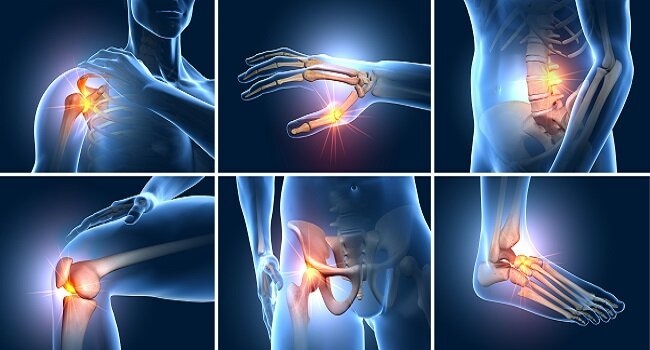
Are you living with chronic pain? It can turn even simple tasks into daunting challenges. Functional medicine, a holistic approach, provides effective techniques and treatments to combat this persistent pain.

Unlike conventional methods that often focus on merely alleviating symptoms, functional medicine goes a step further. It aims to identify and address the underlying dysfunctions contributing to the pain.ย 

This approach ensures that the root causes of the discomfort are directly targeted, rather than just treating the symptoms. By addressing these root causes, functional medicine offers more than just temporary relief. It provides a pathway for long-term alleviation from pain and a restored sense of well-being.

Now, letโ€™s delve into the specific techniques and treatments that functional medicine employs to achieve these results.

1. Perform A Comprehensive Health Evaluation

The journey toward overcoming chronic pain begins with a comprehensive health evaluation. Certified functional medicine practitioners, such as those from the Center For Functional Medicine, are skilled in conducting in-depth evaluations to pinpoint the factors driving your pain. Theyโ€™ll review your full medical history and evaluate your diet, genetics, stress levels, toxin exposure, and other lifestyle elements.ย 

This comprehensive assessment reveals biological imbalances or dysfunction contributing to chronic pain. Once these underlying drivers are identified, targeted treatment can then address them.

2. Run Diagnostic Testing

Following the initial evaluation, practitioners will order specialized lab tests. These tests, which are not typically conducted by conventional doctors, can identify nutritional deficiencies, inflammatory markers, hormone imbalances, and food sensitivities that influence pain levels.ย 

Diagnostic testing in functional medicine provides objective evidence that guides personalized treatment plans. Whether itโ€™s blood, urine, stool, or imaging tests, these diagnostic tools shed light on whatโ€™s causing your ongoing pain, paving the way for effective treatment.

3. Correct Nutritional Deficiencies

One significant aspect of functional medicine is addressing nutritional deficiencies, which frequently underlie chronic pain but often go undetected. Functional medicine testing can determine if you lack sufficient levels of essential nutrients like magnesium, vitamin D, omega-3s, or B vitamins that help regulate pain pathways.ย 

If deficiencies are found, your practitioner may recommend targeted supplementation and improved dietary intake of these nutrients to correct shortfalls that may be causing increased pain sensitivity.

4. Implement An Anti-Inflammatory Diet

Focusing on diet is vital, given that inflammation is a common source of widespread pain. Functional medicine practitioners craft customized anti-inflammatory diets designed to reduce both systemic and localized inflammation.ย 

This may involve eliminating common trigger foods like gluten, dairy, and refined carbs, while increasing the intake of anti-inflammatory foods rich in antioxidants and omega-3s. These nutrition changes help calm inflammatory responses that may be promoting pain.

5. Improve Gut Health and Heal Leaky Gut

Another crucial aspect of functional medicine is the emphasis on gut health. Thereโ€™s a strong connection between gut health and chronic pain. Issues like leaky gut syndrome, food sensitivities, and gut inflammation can generate inflammatory compounds and immune reactions that affect pain.ย 

To combat this, your practitioner may implement gut-healing protocols. These protocols use probiotic foods, prebiotic fibers, bone broth, and glutamine to restore a healthy gut environment and intestinal barrier, which can alleviate associated pain.

6. Balance Hormones and Neurotransmitters

Moving beyond the gut, functional medicine also addresses hormone imbalances and neurotransmitter deficits, which can influence pain sensitivity and perception. Functional medicine practitioners identify and treat issues like low thyroid, adrenal insufficiency, and dopamine or serotonin deficiencies.ย 

The process of balancing hormones and neurotransmitters involves lifestyle changes, nutrients, or bioidentical hormone therapy, which can normalize their modulation of pain signaling.

7. Reduce Toxic Burden

Additionally, functional medicine takes into account the impact of toxins on your health. Toxins, molds, heavy metals, and chemicals found in foods, water, and the environment can promote inflammation and pain sensitivity.ย 

To address this, your practitioner will take a detailed environmental history and may order tests to assess toxic exposures. Theyโ€™ll then craft a detoxification regimen, which can include sauna therapy, antioxidant support, and dietary changes, to eliminate toxins that may be triggering pain responses.

8. Correct Underlying Infections

Infections, whether they be bacterial, viral, or fungal, can instigate systemic inflammation and nerve irritation, resulting in pain. Functional medicine takes this into account.ย 

If testing uncovers an underlying infection, your doctor will prescribe antimicrobial therapies or herbs to eradicate the infection and the associated pain it causes. This approach targets the source of the pain, providing lasting relief as opposed to merely alleviating pain symptoms.

9. Heal Microbiome Dysfunction

Functional medicine also addresses gastrointestinal issues like microbiome imbalance, which can promote inflammatory compounds that heighten pain. Functional medicine treatments aim to heal this intestinal problem through nutrient-dense diets, gut-lining supplements, soil-based probiotics, and curcumin.ย 

This approach eases inflammation and immune reactions tied to microbiome and intestinal dysfunction that triggers pain.

10. Reduce Stress and Improve Sleep

Functional medicine recognizes the strong influence of both high stress and poor sleep on chronic pain. Your practitioner will coach you on effective stress management techniques like meditation, yoga, breathing, and adaptive coping tools. Theyโ€™ll also offer sleep-promoting methods to optimize restorative sleep quality and quantity, which can help calm pain pathways.ย 

By optimizing stress and sleep, functional medicine provides a natural pathway to pain relief.

11. Apply Integrative Therapies

In addition to addressing nutritional and hormonal imbalances, functional medicine utilizes integrative modalities like acupuncture, massage, chiropractic care, and structural correction. These therapies are designed to relieve myofascial and nerve-related pain by restoring alignment, loosening tight muscles, improving blood flow, and calming nervous system responses that amplify pain.ย 

Furthermore, patients can also benefit from psychological counseling, which can help manage anxiety and depression that often exacerbate pain.

A Whole Person Approach

Functional medicine stands apart from conventional treatment by adopting a โ€˜whole personโ€™ approach. Instead of focusing solely on the symptoms, all aspects of your health are examined to determine what environmental, lifestyle, infectious, or biological factors might be driving your chronic pain.ย 

This holistic approach aims to resolve the underlying causes for long-term improvement, making you an engaged partner in your healing process.

Final Thoughts

If chronic pain is diminishing your health and quality of life, functional medicine offers multiple avenues for relief. Using diagnostic testing and customized protocols, practitioners identify and treat the root causes of your pain. This results in the restoration of comfort, function, and wellness. The distinct healthcare approach of functional medicine can help you overcome stubborn pain and enjoy an active, pain-free life.

Translate ยป