





Close
Digital Health & Ai Innovation summit 2026
LiGHT26

Enhancing Healthcare Revenue Cycle Management: The Impact of Advanced Billing Systems and Legal Compliance Strategies

Ever felt like managing the financial side of a healthcare practice is a rollercoaster?

You’re not alone.

There’s a lot between ensuring accurate bills and dealing with complex regulations.

But here’s the kicker: advanced billing systems and staying on top of legal compliance can make that rollercoaster smooth.

Let’s explore how integrating tech-savvy solutions with a solid understanding of the law can make a world of difference in healthcare RCM.

Understanding Revenue Cycle Management in Healthcare

RCM is the backbone of the financial side of healthcare.

It’s the journey from when a patient makes an appointment to when the payment is fully processed. Sounds straightforward.

But with various steps like billing, coding, and dealing with insurance companies, it’s anything but simple.

Challenges like claim denials and billing errors are more common than we’d like, often leading to headaches for providers and patients.

Diving deeper into the essence of Revenue Cycle Management (RCM) in healthcare, imagine it as the circulatory system of your practice’s finances.

Just like the heart pumps blood to sustain life, RCM pumps financial resources to keep the healthcare facility thriving.

Every step, from the moment a patient walks in with a need to the final satisfaction of that need being financially settled, is crucial. Mistakes or inefficiencies in this process can lead to financial losses, much like a block in a blood vessel can lead to health issues.

Effective RCM ensures a smooth flow, from accurate coding and billing to dealing with insurance claims and collecting patient payments without delay. It’s about creating a seamless experience not just for patients but for providers and staff, ensuring that the facility’s financial health is always in peak condition.

This holistic view is essential for anyone involved in healthcare management to understand and optimize for the benefit of all parties involved.

The Role of Advanced Billing Systems

Enter advanced billing systems, the superheroes of the healthcare financial world.

These systems are like having a super-smart assistant who ensures everything’s billed correctly, codes are up to date, and payments are processed efficiently.

They can dramatically reduce errors, speed up the process, and even give you real-time insights into how your practice is doing financially.

And when systems like Adonis medical billing come into play, you’re not just getting efficiency but setting a new standard for how healthcare can manage its finances.

Diving deeper into the role of advanced billing systems, imagine a world where errors in billing are significantly reduced, not by chance, but by design.
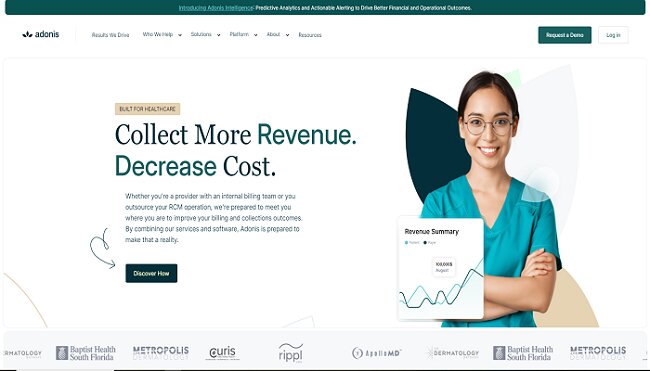
These systems are not just about automating tedious tasks; they’re about bringing intelligence to the financial operations of healthcare.

With features like automated claim submissions and real-time eligibility checks, they cut through the complexity that traditionally bogs down the billing process. It’s like having a financial wizard at your fingertips, one that understands the nuances of healthcare billing codes can predict common pitfalls, and offers solutions before problems escalate.

These systems provide actionable insights by leveraging data analytics, allowing healthcare providers to make informed decisions directly impacting their revenue stream.

In essence, advanced billing systems are transforming the financial landscape of healthcare, making it more efficient, accurate, and ultimately, more patient-centric.

Legal Compliance: Navigating Healthcare Regulations

Now, let’s talk about the legal maze known as healthcare regulations. Staying compliant isn’t just about avoiding fines (though that’s pretty important); it’s about ensuring patient privacy and trust.

Regulations like HIPAA and the Affordable Care Act constantly evolve, and keeping up can feel like a full-time job.

That’s where companies like The Simon Law step in, offering a roadmap to navigate these complex regulations while keeping your practice on the right side of the law.

Integrating Billing Systems with Legal Compliance Strategies

How do we combine advanced billing systems and legal compliance in a way that makes sense?

It’s all about integration.

When your billing system is designed with compliance in mind, like ensuring patient data is secure and billing practices meet legal standards, you’re not just avoiding penalties; you’re streamlining your entire RCM process.

This integration means less time worrying about whether you’re compliant and more time focusing on what matters most: your patients.

Best Practices for Implementing Integrated Solutions

If you’re thinking, “This sounds great, but where do I start?” don’t worry. The first step is assessing your current system and identifying where to improve.

Look for billing solutions that offer scalability, integration with your existing EHR, and robust security features. And don’t forget about training your team.

A new system is only as good as those using it, so investing in comprehensive training is key.

Continuing under the umbrella of best practices for implementing integrated solutions, let’s dive a little deeper. Beyond just picking the right system and training your team, there’s a crucial aspect of communication.

Keeping open lines of communication with your technology providers ensures that any hiccups can be addressed swiftly.

Think of them as part of your extended team, ready to help optimize your practice’s operations.

Another key practice is to actively engage with your staff during the transition. Change can be tough, especially when it involves complex systems that staff use daily.

Set up a feedback loop where employees can share their experiences, challenges, and suggestions. This helps fine-tune the system and fosters a culture of continuous improvement and team collaboration.

Lastly, don’t overlook the importance of patient education. As you implement new billing systems, ensure your patients understand how these changes benefit them, from clearer billing statements to more secure handling of their personal information.

Transparent communication can significantly enhance patient trust and satisfaction, making them feel more connected and supportive of your practice’s advancements.

By focusing on these areasโ€”partnership with providers, staff engagement, and patient educationโ€”you create a robust ecosystem around your new billing and compliance systems. This holistic approach smooths out the implementation process and sets the stage for long-term success and sustainability in the ever-evolving healthcare landscape.

Wrapping Up

Navigating the financial aspects of healthcare can be daunting, but with the right tools and knowledge, it doesn’t have to be. By embracing advanced billing systems and ensuring your practices are legally compliant, you’re setting your healthcare facility up for success.

And remember, it’s not just about the bottom line; it’s about providing the best care possible by keeping your focus where it belongsโ€”on your patients.

So, take the leap, and see how these changes can positively impact your practice and your patients’ lives.

Remember, managing the financial health of your healthcare practice is just as important as managing the health of your patients.

You can ensure that both are cared for seamlessly with the right approach and tools.
Why to Choose Custom Software Development for Healthcare

Healthcare is changing fast. Instead of using the same software for everyone, there’s a big move towards custom healthcare software development solutions. This is because everyone realizes we need care that’s more personal and works better. Doctors and hospitals want to improve their services, keep patient information safe, and handle digital challenges well. Using general software just doesn’t work well anymore.

We’re seeing how important it is to have software made just for a healthcare practice’s needs today. Turning to custom healthcare software development services can help everything run smoothly, keep information safe, and fit what each healthcare place needs in the digital world.

Why General Software Doesn’t Cut It Anymore

Imagine if every healthcare place tried to use the same tools, regardless of specialization or who they’re helping. This is what’s happening with some using general software. It’s clear this approach could be better.

Such systems are often rigid, needing more adaptability to accommodate particular operational flows, thus obliging medical staff to adjust their procedures to fit the software rather than the software being designed to fit their procedures. It’s comparable to expecting clear vision while wearing glasses prescribed for someone else – it’s simply ineffective.

The Integration Headache

Healthcare providers typically juggle various systems to keep their operations running smoothlyโ€”from patient records to inventory management. However, when these standardized platforms don’t play nicely together, it creates a fragmented technology landscape. Information gets trapped in silos, making it a Herculean task to provide timely patient care or ensure that billing is accurate and efficient.

Navigating the Payment Labyrinth

Processing payments in healthcare can be complicated. The financial landscape is intricate With many payers, including insurance entities, government programs, and the patients themselves. Standardized payment systems often lack the finesse to navigate this labyrinth, leading to bottlenecks in claims processing, payment collections, and managing denials.

An arduous user experience

Have you ever encountered an e-commerce platform or medical website that felt more like a maze than a helpful resource? This is the experience that many healthcare professionals and patients have while using standardized solutions. These systems can lack essential elements that make life easier, including simple appointment scheduling or quick access to medical records, and they can be cumbersome and confusing.

The Puzzle of Security

Protecting patient data is crucial at a time when data breaches are all too common. However, standardized software might only sometimes be up to the task, providing generic security measures that are at odds with the unique requirements and laws of the healthcare industry.

Growing Pains

As healthcare institutions expand and evolve, their software needs to keep pace. Unfortunately, scalability is often an afterthought in standardized solutions, making it challenging for providers to broaden their services or cater to more patients.

The Impact of Custom Software Development for Healthcare

Electronic Health Records (EHRs)

Electronic Health Records (EHRs) are digital versions of patients’ medical histories. They enhance patient care by facilitating improved provider coordination, minimizing errors, and streamlining billing processes.

  • Enhanced Coordination: EHRs enable seamless sharing of crucial patient informationโ€”such as allergies, medications, and medical historyโ€”among healthcare providers, leading to better coordinated and safer patient care.
  • Error Reduction: By automating tasks like prescribing medication and ordering, EHRs reduce the likelihood of human errors. They also alert healthcare providers about potential issues, like drug interactions or allergies.
  • Simplified Billing: By automating coding and claim submissions, EHRs make the billing process more efficient while tracking patient co-pays and deductibles.

Practice Management Systems (PMS)

Practice Management Systems (PMS) are designed to help healthcare providers manage their administrative duties more efficiently. By automating various tasks, PMS allows healthcare staff to dedicate more time to patient care.

Automated Scheduling and Reminders: These systems streamline the appointment scheduling process, improving staff efficiency and patient satisfaction while reducing no-shows through automated reminders.

Efficient Billing and Collections: PMS automates billing processes and the collection of patient co-pays, enhancing staff productivity and improving the financial flow.

Telemedicine

Telemedicine utilizes telecommunications technology to deliver healthcare services remotely, offering a critical solution for reaching patients in remote or underserved areas or those unable to travel.

  • Expanded Access: It provides essential healthcare services to patients in remote locations.
  • Convenience: Patients can receive care without leaving their homes, offering a convenient alternative to traditional visits.
  • Cost Savings: By eliminating travel, telemedicine reduces costs for both providers and patients.

Data Analytics

Data Analytics plays a pivotal role in healthcare by analyzing patient data to uncover trends and patterns. This insight can lead to improved care, cost reduction, and better resource allocation.

Enhanced Patient Care: Healthcare providers can offer more targeted and effective care by identifying high-risk patients and trends.

  • Cost Efficiency: Data analytics can identify opportunities to reduce operational costs and prevent unnecessary hospital readmissions.
  • Informed Decision-Making: Providers can make better decisions on resource distribution based on demand and utilization trends.

Custom Software Development in Healthcare

Custom healthcare software development solutions are transforming healthcare, making it more innovative, more personal, and way more efficient. Let’s break down why they’re so essential.

  • Boosting Efficiency Like a Pro

Imagine a world where healthcare folks spend less time on paperwork and more on caring for you. That’s what custom software does. It automates the boring stuff so doctors and nurses can focus on what matters mostโ€”patients.

  • Making Healthcare Feel Personal

Custom healthcare software development services give healthcare a personal touch. It makes booking appointments easy, brings doctor visits to your living room through video calls, and lets you chat securely with your doctor. It’s all about making you feel cared for and connected.

  • Keeping Things on the Straight and Narrow

Healthcare has tons of rules. Custom software is like a smart assistant that helps healthcare providers follow these rules effortlessly, ensuring everyone gets safe and reliable care.

  • Upping the Quality of Care

With custom software development in healthcare, doctors have the latest tools and data at their fingertips to make the best decisions for your health. It’s like having a super-smart helper whispering advice, making sure you get top-notch care.

  • The Future Is Custom

Custom web solutions are changing the game in healthcare by cutting through the one-size-fits-all approach. They’re designed to make healthcare better, smarter, and more tailored to patients’ and providers’ needs.

  • Making Work a Breeze

Custom software is all about making healthcare workers’ jobs easier so they can spend more time helping patients. From scheduling to managing records, the behind-the-scenes hero makes everything run smoothly.

  • A Better Experience for Patients

This software puts you at the center, making your healthcare journey smoother and more engaging. It’s about giving you control and ensuring you’re a key player in your health journey.

  • Payments Simplified

Handling payments becomes a snap with custom solutions. They ensure everything is paid on time and keep your financial info safe and sound.

  • Ready for Tomorrow

Custom healthcare software development solutions grow with the healthcare field. It adapts and evolves, ensuring that healthcare providers always have the best tools to care for you.

  • Smart Insights from Data

These solutions turn heaps of data into clear insights, helping healthcare providers make informed decisions and offer better care.

  • Privacy, Please

In a world where privacy matters more than ever, custom software keeps patient data safe, ensuring that your information is always protected.

  • Designed with You in Mind

Custom software in healthcare is more than just technology; it’s about creating an experience that feels right for patients and healthcare workers. It’s tech with a heart.

In short, custom software is the unsung hero of healthcare, making everything from the day-to-day tasks to the overall patient experience better, safer, and more tailored to everyone’s needs.

A Brighter Future for Software Development in Healthcare

In today’s world, getting things done right and quickly and keeping patients happy is important. That’s where special software, made just for healthcare, comes into play. It’s like giving doctors and nurses a magic wand to make their jobs fit precisely what they need. This means patients get better care, paperwork gets easier, and everything runs smoothly.

As healthcare keeps changing, using this kind of software isn’t just a good idea anymore; it’s something you have to do to keep up and give your patients the best. It’s all about ensuring that healthcare providers can keep up as things get more advanced, making everyone get the care they need without missing a beat.

Sanitary Fittings Are Important for the Medical Industry, and Here’s Why

Sanitary fittings are crucial in the medical industry, serving as the unsung heroes in the battle against contamination and infection. These specialized components are designed with the utmost precision to ensure a sterile environment, which is essential in protecting patients and healthcare workers. Their ability to withstand rigorous cleaning protocols and their resistance to microbial growth make them indispensable in hospitals, laboratories, and any facility where hygiene is paramount. By maintaining the integrity of medical instruments and the purity of substances that come into contact with patients, sanitary fittings play a pivotal role in medical outcomes and patient safety. ย 

Sterilization and Infection Control

Sterilization and infection control are vital for patient safety. Sanitary clamp fittings play a key role by creating secure, leak-proof connections in medical equipment, preventing seepage and cross-contamination that can cause infections. With a design that allows for quick disassembly and reassembly, sanitary clamp fittings enable efficient cleaning and sterilization, essential in fast-paced medical settings. Their strong build can withstand high temperatures and harsh chemicals in autoclaves and cleaning processes.

This durability assures long-term reliability and sustains the performance of medical apparatus vital for life-saving procedures. The meticulous integration of sanitary clamp fittings into healthcare systems underscores their unyielding role in upholding standards for a clean and safe medical environment. Sanitary fittings play an integral role in infection control measures by inhibiting microbial growth and promoting sterilization.

Preventing Cross-Contamination

Preventing cross-contamination in clinical environments is a concern and a critical mandate. Using high-quality sanitary fittings significantly reduces the risk by providing an impervious barrier between different substances and processes. Materials such as stainless steel, commonly used in these fittings, are durable and non-reactive to a vast array of chemicals, minimizing potential reactions and leaching.

The smooth and non-porous surfaces of these fittings prevent the adherence and proliferation of bacteria and other pathogens. Furthermore, their design often incorporates quick-release mechanisms, allowing for rapid changes and cleaning, which is imperative in emergencies where time is of the essence. This attention to detail in the design and use of sanitary fittings fortifies the relentless fight against cross-contamination in medical care facilities.

Versatility and Compatibility

Sanitary fittings come in a wide range of sizes, shapes, and materials, making them highly versatile. They are designed to conform to various standards and specifications; these fittings are interoperable with a wide range of medical devices and equipment. This universal design minimizes equipment downtime and facilitates seamless integration into different systems, ensuring uninterrupted medical care.

Additionally, the modular nature of these fittings allows for easy upgrades or replacements, adapting quickly to technological advancements or procedural changes. Compatibility with diverse cleaning agents and sterilization methods also positions sanitary fittings as a versatile solution for maintaining a hygienic environment. Thus, their adaptability streamlines medical processes and reinforces a commitment to patient health and safety.

Economic Efficiency and Longevity

Using sanitary fittings not only bolsters medical safety but also proves economically viable. Their sturdy construction and reliability reduce the need for frequent replacements, saving on maintenance costs in the long run. Furthermore, their compatibility with numerous cleaning methods and agents lowers expenses associated with specialized equipment or products.

In contrast to other materials that may require replacement due to corrosion or wear, sanitary fittings are made from durable materials such as stainless steel, ensuring longevity and cost-effectiveness. This resilience also makes them an environmentally friendly choice, with a reduced ecological impact compared to disposable or short-lived alternatives.

Ensuring Patient Safety Through Stringent Hygiene Measures

The primary responsibility of any medical establishment is to provide safe conditions for patients undergoing treatment. Keeping these environments sanitary in a closed healthcare environment is especially challenging but crucial. Sanitary fittings must meet the industry’s rigid standards and be designed to promote meticulous hygiene protocols.

Touchless or sensor-activated fixtures further reduce the risk of contamination. This technology is vital in areas where infectious diseases are treated or can spread, such as in isolation rooms or emergency departments. Ensuring the patient environment is safe is a non-negotiable goal; the right sanitary fittings are integral to achieving it.

Complying with Hygiene Regulations

The medical industry is one of the most heavily regulated sectors and for a good reason. Compliance with rigid hygiene standards isn’t just about checking boxes; it’s about instilling a culture of safety and responsibility. Sanitary fittings, therefore, must be not only effective but also in line with current regulations.

Facility managers who invest in top-tier sanitary fittings and consistently enforce their use mitigate risks and set a benchmark for operational excellence. Awareness, training, and the proper infrastructure are foundations for a healthcare system that is both safe and efficient.

Sanitary fittings play a vital role in medical environments, impacting human welfare. As hospitals focus more on this aspect, they raise the standard of care to exceptional levels. It’s time to acknowledge these unsung heroes and give them the attention and investment they deserve. In saving lives, every detail matters.

Why Tissue Paper Is The Smart Choice For A Sustainable World

COMMITTED TO SUSTAINABILITY ACROSS THE SUPPLY CHAIN

ETS is committed to driving sustainable practices throughout the industry. It is also looking to increase sustainability across the supply chainโ€“ from water and energy through to transport and recovery. Tissue paper production ensures that every part of the raw material โ€“ trees โ€“ is put to good use. It uses mainly bark and twigs from the lumber industry which are made into pulp that is the basis of tissue paper.

SUPPORTING CERTIFICATION SCHEMES

Third-party certification is one of the best ways to ensure that suppliers meet recognised standards. It lends credibility to the sector and offers reassurance to both customers and consumers. Most tissue producers support the different international and national forest certification schemes and over 80%of the forests owned by paper and lumber companies in Europe are certified. Some tissue producers have chosen to carry labels on their products in order to show their high environmental credentials โ€“ such as the EU Ecolabel, the FSC and PEFC labels and regional labels including Nordic Swan and Blue Angel. The paper sector is also signatory to the Legal Logging Code of Conduct which condemns illegal logging. The EU timber regulation furthermore upholds industry standards and ensures that only products from legally sourced wood are sold within the EU. Some 11% of timber felled in the world is used to make paper,and 83% of Europeโ€™s paper mills are certified by an environmental management system.

Click here to Download the Whitepaper

Should Hospitals be More Accommodating Toward Patient Dietary Preferences?

Nutrition plays a massive role in patient recovery. Not only can adequate nutrition help us get the protein and amino acids we need to support our physical and mental well-being after an injury, but it can aid in addiction recovery. This all means food is our ultimate superpower.ย 

But, have you ever been served a slab of hospital mystery meat and thought, “There’s gotta be a better way?” Well, you’re onto something. However, should hospitals tailor their menus to hug each patient’s unique tastes and needs? Itโ€™s more than a question of diverse palates.ย 

Letโ€™s explore the ins and outs of embracing dietary preferences within hospital wallsโ€”because your taste buds shouldnโ€™t have to check out while youโ€™re checked in.

8 Reasons Hospitals Should Accommodate Dietary Preferences

Chowing down in a hospital doesn’t have to be a drag. Here are 8 reasons why hospitals should flex their menus to meet dietary preferences and make every bite count for their patients.

1. Hospital Food Often Lacks Proper Nutrition Anywayย 

More often than not, eating hospital food is like playing nutrition rouletteโ€”you never know if youโ€™ve hit the jackpot or if your luckโ€”and vitaminsโ€”have run dry. Letโ€™s face it: most hospital food lacks proper nutrition, and this is widely the fault of slashed budgets plaguing the system.ย 

So, while the problem isnโ€™t often the fault of the hospitals itself, itโ€™s a problem that needs to be fixed. In the meantime, you might as well give patients what they crave. If a hospital is serving up empty-calorie carbs or mystery meats anyway, preferences should win out.

2. Provides a Sense of Routine and โ€œNormalcyโ€ย 

When you’re pinned down by hospital routines, everything can feel topsy-turvy. Toss in some faves at chow time, though, and whooshโ€”that’s a little gust of normal life right back at ya! It sets a rhythm to your day when you can look forward to grub that’s more than just passable.ย 

Take Mrs. Ramirez in 502; her face lit up seeing ketogenic meal kits on the menu, tailored just like how she has ’em at home. Itโ€™s these small flickers of hominess against the sterile backdrop that can give patients the comfort reminiscent of their own dining table rituals.

3. Dietary Preferences May Be Used to Lessen Health Burden

Leaning into dietary preferences isn’t just about tickling taste buds; itโ€™s a solid game plan for taking some weight off patientsโ€™ shoulders. Imagine being allergic to nuts and always having that little itch of worry at mealtime in a hospital. That can really impact your mental health!

Now, picture menus morphing to sidestep those allergens while still dishing out some delish eats. Bingo! You’ve hacked a pathway to better recovery without pumping extra stress hormones into someone who’s already sick. Personalization is power in the healing process.

4. Could Lead to Shorter Hospital Stays

Did you know that nearly half of all American adults have a poor-quality diet? Lack of proper food education is the culprit here. But, since most hospitals donโ€™t stock nutritionally supportive food, patients who know will take charge and end up asking their families to bring food in.

There is a direct correlation between nutritional status and the length of hospital stays. If patients take control of their own health, theyโ€™re less likely to have a worsening nutritional status after a prolonged hospital stay. Basically, better nutrition gets you a ticket home sooner!

5. Our Food Choices Are Typically Cultural

Alright, let’s dive into something pretty close to the heart: grub is like the unofficial ambassador of our cultural roots. In hospitals, recognizing this by giving a nod to folks’ heritages through food isn’t just nice; it’s affirming. It makes you feel valued and supported while you recover.ย 

Imagine a world where your abuelaโ€™s comforting Arroz con Pollo isn’t just a memory when you’re feeling low and stuck in a hospital room. Serving up dishes that taste like home does wonders for spirit-liftingโ€”itโ€™s like getting a warm hug from your culture on some of your worst days.

6. Helps Others Feel Like Theyโ€™re Treated With Dignityย 

There’s something about having your food picks honored that just makes you feel… respected. Itโ€™s like the hospital staff are giving you a silent nod, saying, “We see you as an individual.” It’s about having that tiny bit of control in a situation where everything is out of your hands.ย 

Being asked, “What would you like to eat?” instead of being handed a mystery meal goes miles for dignity. This practice is especially important when a person in the hospital is adjusting to unfamiliar healing traditions or getting to grips with a new culture they arenโ€™t familiar with.

7. Accommodations are Sensitive to Economic Circumstances

When folks land in hospital beds, their wallets donโ€™t get to hit pauseโ€”even as everything else does. Itโ€™s a breath of fresh air then when hospitals realize that and offer meal choices that don’t give your budget the side-eye. This includes when theyโ€™re in and out of the hospital.

Crafting menus with an eye on affordability shows they get itโ€”that life outside those walls continues to tote the checkbook around, bills piling up like unwelcome house guests. Tailoring meals with economic smarts is kind-hearted and downright savvy for your patients.

8. Many People Are On Diets for Ethical Reasons (i.e., vegan)ย 

Let’s not forget about the vegans, vegetarians, and all the folks eating with their ethics on their plates. Whether itโ€™s for the love of animals, Mother Earth, or something else, these dietary choices are deep-rooted convictions that donโ€™t clock out just ’cause theyโ€™re in the hospital.ย 

When hospitals step up and serve plant-based goodness or sustainably sourced eats, theyโ€™re not just fueling bodiesโ€”theyโ€™re acknowledging beliefs. It’s sending a message: โ€œYour principles matter here.โ€ Plus, dishing out compassionate cuisine? Itโ€™s like good karma in meal form.

2 Reasons To Not Accommodate Dietary Preferencesย 

Although accommodating dietary preferences is shown to provide better outcomes (for physical and mental health), there are some reasons why we should let the hospital do its thing.

1. Some Diets Do More Harm Than Good

Not all diets are created equal, right? Some folks might be jazzed about their latest fad diet thatโ€™s all the rage on Instagram, but it could be doing zilch for their health. Hospitals shouldnโ€™t be serving up a trend thatโ€™s more about shedding pounds or hitting likes than actual wellness.ย 

It’s their duty to filter out the fads from the facts and make sure patients arenโ€™t unintentionally signing up for something that’ll keep them snoozing in those adjustable beds longer than needed. In a perfect world, hospitals would serve up nutritious meals that help, not harm.ย 

2. Their Old Diet Canโ€™t Coexist With Their New Lifestyle

Let’s say someone’s rolling out of the operating room after open-heart surgery; they can’t just dive back into a deep-fried love affair if they’re gonna buddy up with their new ticker. This isnโ€™t about crushing foodie dreamsโ€”it’s straight-up looking out for ’em and their overall health.ย 

Hospitals have this tricky gig of steering patients toward a lifestyle reboot, teaching them to maybe not eat something harmful. Itโ€™s tough love, but itโ€™s all about playing for Team Heart Healthy. But this only works if hospitals coach patients on how to switch their eating habits!

In Conclusionโ€ฆย 

So, what’s the verdict? Should hospitals up their meal game to keep our spiritsโ€”and healthโ€”high? If you’re nodding your head, why not be the change maker? Start that conversation with your local healthcare providers, share this read on socials, or maybe drop a comment about how personalized food choices could have perked up your last hospital stay.

Authenticx Launches Generative AI Solution Built Exclusively for Healthcare Customer Experience

Authenticx, the new standard in healthcare for listening at scale,ย has introduced a new generative AI solution, expanding the capacity for healthcare organizations to use recorded customer conversations as a key source of business insight. The generative AI solution adds to an already well-established AI platform that uses deep learning to structure, tag, and aggregate trends that surface customer friction and disruptive business processes.

According to Deloitte,ย 75% of leading healthcare companiesย are experimenting with or planning to use generative AI (GenAI) in 2024. Authenticxโ€™s 7 billion parameter large language model is the first GenAI platform built specifically for the healthcare customer experience. A collaboration of data scientists, healthcare professionals and social scientists has built and trained the platform to identify problems faced by all healthcare customers.

โ€œWeโ€™re in the middle of a transformation in technology being driven by amazing tools like GenAI, but it’s vital for organizations to stay grounded in practical business needs that new technology like this can serve,โ€ said Eric Prugh, Chief Product Officer of Authenticx. โ€œAuthenticx helps organizations identify and solve issues and we have been intentional in how weโ€™ve introduced GenAI to our platform to further enrich those capabilities.โ€

The platformโ€™s GenAI capabilities proactively summarize conversations into topics as AI reshapes healthcare solutions, utilizing platforms for efficiently summarizing with AI optimizes customer insights and facilitates clearer communication that are aggregated into insights across thousands or millions of similar customer interactions. From here, teams use GenAI to sift through thousands of data points that help streamline deeper analysis and develop business strategies to improve the customer experience and other activities that directly impact an organizationโ€™s ROI.

With this launch, Authenticxโ€™s enhanced GenAI features:

  • Insights Summaries: Summarize noteworthy insights from key reports surfaced from conversational data analysis using GenAI.

  • Conversation Summaries: Auto-generate summaries from long conversations that provide context and easy reading to quickly disseminate by teams.

  • Generative Conversations: Identify the main topics of discussion occurring across your conversations automatically to help your team proactively address emerging issues, understand concerns or measure impact of implemented changes.

  • Coaching Notes (Coming Soon): Automate the delivery of tailored coaching notes to compile a set of recommendations based on agent performance across their conversation.

โ€œItโ€™s essential for any type of AI adoption to start by identifying a real problem. One problem we commonly see is organizations donโ€™t realize where complex processes negatively impact the customer experience,โ€ said Amy Brown, Founder and CEO of Authenticx. โ€œThe best way to understand these problems is to listen to conversations where barriers are encountered. With these expanded GenAI capabilities, organizations will proactively be able to understand roadblocks at scale and remedy the real frustrations healthcare customers and agents experience.”

Cost-effective solutions for small and medium-sized healthcare practices

Explore our guide to reducing costs without sacrificing patient care.

As costs continue to rise, most small to medium-sized healthcare practices are grappling with the dual challenge of financial viability and maintaining effective patient care.

And the solutions arenโ€™t always simple. According to Harvard Business Review, taking steps such as reducing staff or underinvesting in space can have a huge impact on patient safety and care.

While there will never be a one-size-fits-all approach to savings, here are three strategies you can use to examine your organization’s spending.

1. Undertake a full review of your staffing resources.

For most healthcare practices, staffing costs are one of the largest areas of expenditure, so itโ€™s worth exploring employee functions. However, this doesnโ€™t necessarily mean layoffs. Small to medium-sized healthcare practices should focus on decreasing staff turnover and retraining costs by focusing on employee retention.

Oracle estimates that within the healthcare industry, the average cost of turnover for a regular position is between six and nine months of an employee’s salary. And this figure only grows with more specialized roles. So, how can you improve retention? Investing in staff training and employee development is key to retaining talent, as are more general employee engagement strategies such as staff well-being and celebrating employee achievements.

You can also consider cross-training staff with an eye on resource redeployment, filling any gaps using your current headcount. This also has the benefit of empowering managers to play a more active role in cost reduction, which can hugely benefit your business.

2. Utilize technology to improve workflow.

You canโ€™t underestimate the role of technology in improving administrative functions. Many healthcare practices still use outdated administrative tech, leaving them with higher costs that add up over time and less reliable services. Here are a few ways practices have reduced costs using technology:

โ— Use a medical answering service: This can help practices take calls after hours and free up administrative staff – especially those who have been cross-trained – to support your practice in other areas.

โ— Automate insurance claims: Automated insurance claims can reduce hundreds of hours of labor for healthcare practices. However, many are still using legacy or manual systems. Investing in automation can free up valuable time for staff and ensure you can account for every claim.

Remote patient monitoring and wearables: For some practices, exploring remote patient monitoring (RPM) can reduce ER visits, and encourage medication adherence and doctor-patient coordination.

3. Review Patient Satisfaction.ย 

Unsure where to start when reducing costs? Start by exploring whatโ€™s important to your patients as well as their current frustrations and pain points. Your patients may value shorter wait times, a simpler patient portal or even improved customer service. From there, you can prioritize what is essential for your patients and where you should be consistently investing.

For example, you could introduce the option of video conferencing to provide remote follow-ups or consultations for those with chronic conditions that require regular visits. These can often improve patient experiences for those who experience poor mobility or difficulties with social interaction. Another option could be to ensure that your reception staff are trained in additional languages to support patients. This can not only increase bookings, but could also help your team triage patients more effectively.

Ultimately, any exploration of cost reduction should be strategic. Your cost-saving exercises should focus on:

โ— How to redistribute and free up talent,

โ— How to use technology and external vendors to grow your practice.

Approaching cost reductions with this in mind will allow your practice to continue to grow sustainably without impacting staff morale or patient satisfaction.

Want to find out more about how you can grow your healthcare practice while maintaining your bottom line? Get in touch with WellReceived today and discover the power of a 24/7 medical reception.

Book a free consultation

Global Hospital Bedsheets, Pillows – CAGR of 8.3% Till 2032

In a recent development, the global hospital bedsheet as well as pillow cover market has gone on to show quite impressive growth, and is presently valued at around US$ 6 billion in 2022. This market is expected to elevate at a prominent CAGR of almost 8.3% during the period of 2022 to 2032, thereby reaching a probable valuation of US$ 13.3 billion by 2032.

The rising demand when it comes to enhanced healthcare amenities, teamed with an increased focus in terms of hygiene standards within medical facilities worldwide, happens to be a primary driver pushing the growth of the hospital bedsheet as well as pillow cover market. These products go ahead and play quite a pivotal role in terms of maintaining a sterile environment and, at the same time, making sure of patient comfort in healthcare settings.

Market analysts anticipate that the rise in healthcare infrastructure growth, teamed with the stress on infection control steps, will very well go on to stimulate demand when it comes to quality hospital bedsheets along with pillow covers. This surge in demand is attributed to healthcare facilitiesโ€™ requirement so as to meet strict regulatory standards while simultaneously also offering enhanced patient care.

The report goes on to underscore the importance when it comes to technological advancements as well as innovation when it comes to fabric materials, pushing enhancements in terms of durability, comfort, and also the anti-microbial properties of hospital bedsheets along with pillow covers. These upliftments are most likely to play a very significant role when it comes to shaping the market spectrum in the years to come.

With a forecast of a substantial valuation of the market of US$ 13.3 billion by 2032, the hospital bedsheet and pillow cover market goes on to see incredible opportunities for manufacturers as well as stakeholders so as to innovate and cater to the ever-transitioning requirements of healthcare facilities across the world.

According to Future Market Insights, the hospital bedsheet and pillow cover marketโ€™s progress trajectory is a justification of the healthcare industryโ€™s present commitment to upgrade the patient experience while also maintaining quite strict hygiene protocols. The push on infection control along with patient comfort goes on to remain at the forefront of healthcare facilitiesโ€™ priorities across the globe.

These happen to be some of the very important points to consider pertaining to the hospital bedsheet and pillow cover market:

1. Range of the product: The market goes on to offer a wide range of products, which includes hospital bedsheets, blankets, pillow covers, mattress protectors, as well as other bedding and linen products. These products are essentially designed to be durable, easy to clean, and resistant when it comes to stains and fluids.

2. Infection Control: Safeguarding from infection is indeed a top priority in healthcare settings, and hospital bedsheets as well as pillow covers are designed with traits like antimicrobial coatings and materials that enable in reducing the risk of cross-contamination as well as the infection’s spread.

3. Comfort with Patient Experience: Patient comfort along with satisfaction are necessary in healthcare. Bedding that is high-quality, comfortable can overall enhance the experience of patients and residents within healthcare facilities, which can go on to lead to better outcomes as well as reviews.

4. Regulations as well as Standards: The production as well as distribution of hospital bedding and linen are subject to numerous regulations along with standards in order to ensure safety and quality. Manufacturers are required to adhere to guidelines that are concerned with material safety, flame resistance, as well as infection control.

5. Trends within the market: Trends when it comes to the hospital bedsheets as well as pillow cover market go on to include the usage of eco-friendly and sustainable materials, smart textiles that have traits such as temperature control and tracking, and bespoke designs that go on to cater to the aesthetics and branding of certain healthcare facilities.

6. Worldwide Reach: The bedsheet and pillow cover market happen to be global, with suppliers and manufacturers functioning across numerous regions so as to meet healthcare facilities’ demand globally.

15 Surprising Menopause Symptoms You May Not Know About

Which are the first symptoms that come to your mind at the mention of menopause? Hot flashes, period problems, night sweats, and sleep problems. Right? The other day, I went through a 2018 study on 180 women in the 40-45 age group. The results were as expected. Around 52% of the women had experienced menopause.

Of them, around 56% weren’t aware of most of the menopausal symptoms. About 34.4% of the women mentioned an absent period as the symptom of menopause, while 32.8% spoke of irritability, and 27.8% mentioned hot flashes. The most common and most known symptom of menopause is hot flashes, seen in almost 80% of women.

However, if you are under the impression that menopause is only about hot flashes, night sweats, mood issues, and vaginal dryness, you are mistaken. There is a lot more to know and understand, much more than you can imagine. No, my intention isn’t to scare you but to make you aware of the umpteen lesser-known symptoms that hormonal imbalances because of menopause can bring in.

Before we get any further, here’s a word or two about me. This is Dr. Karen Pike. I’ve been associated with the medical field for a long. If you were to ask me what made me write more about menopause, well, in a word, I would say that it is the lessened awareness among women. In the ER, I would find that almost nine of the ten women I encountered didn’t know the basics of menopause. This is when I decided to reach out to women on a broader scale through my writings. So, let’s get started.

15 Lesser Known and Surprising Symptoms of Menopauseย 

Women in their mid-40s often complain of things happening together, like their skin getting drier than before, their hair getting thinner, or even a change in their hearing. Most of these changes can be attributed to the hormonal fluctuations a woman experiences.

Burning Mouth Syndromeย 

A woman in the ER once complained that she would often feel her tongue, gums, and lips burning to the extent as if someone had put something hot inside. I have heard many women saying that feeling was similar to what you experience when your tongue gets burnt after you’ve sipped or eaten something hot. The low estrogen levels are responsible for the same. Around 18-33% of menopausal women experience burning mouth syndrome, as per studies.

Tingling Sensations

If you thought estrogen only helped in reproduction, you were wrong. It influences other systems of the body as well. So, when your estrogen levels are low and fluctuate, it negatively impacts the central nervous system. This leads to varied sensations in the skin.

You could experience tingling, crawling, burning, cold, or even a pin-and-needle sensation on your hands, face, and feet. A patient once said that the tingling sensation in her legs and hands was so intense that it would wake her from sleep.

Cold Flashes

You are more acquainted with hot flashes. But what about a cold flash? Most of you may experience a cold flash right after a hot flash. It’s the cold, chilly feeling you may have right after all the heat and sweat. Though, the exact cause is yet to be known. However, the reason is similar to hot flashes. The hypothalamus is the part of the brain that controls body temperature.

A reduction in the estrogen level disrupts the function of the hypothalamus, lessening the brain’s ability to regulate body temperature. This leads to a fluctuation in the body temperature from extreme heat to immense cold.

Thinning of Hairย 

A study on 200 women in the postmenopause phase showed that around 52.2% experienced hair thinning. Many women in their mid-40s and 50s often tell me how their thick tresses seem to be thinning with every passing time.

Hair thinning is one of the symptoms of menopause that most of us aren’t aware of. The fluctuating levels of estrogen and progesterone cause a shrinkage in the hair follicles, resulting in lessened hair growth and increased shedding,

Vertigo or Dizzinessย 

Feelings of dizziness and lightheadedness are other less-known symptoms of menopause. The drop in estrogen levels is mainly responsible for the same. However, that’s not the only reason.

Fatigue after a hot flash episode can also lead to dizzy spells. Moreover, menopause even takes a toll on your hearing sometimes, which may lead to vertigo issues, balance problems, and lightheadedness.

Brittle Nailsย 

Little did you think that changes in your fingernails may also happen when you reach menopause age? The protein keratin that helps keep your nails hard and strong gets affected due to low estrogen levels. Lessened keratin production makes the nails soft and thin so they can split, break, and crack easily.

Alterations in your Body Odor

Women who have increased episodes of hot flashes and night sweats may notice a change in their body odor on the unpleasant side. This would elevate further when you have trigger foods like caffeine, alcohol, or spicy foods.

Metallic Tasteย 

Some women may experience a metallic taste due to menopause. This is caused by the fluctuation and reduction in estrogen levels that also affects your taste buds. If you don’t maintain oral hygiene, this will be aggravated further.

Itchy and Dry Skin

Collagen and natural oils significantly maintain the skin’s elasticity, moisture, and suppleness. Low estrogen levels also lessen the supply of collagen, resulting in dry, elastic, tight, and itchy skin. It’s a less-known symptom but not rare. Around 50% of menopausal women experience skin-related disorders.

Cognitive Issuesย 

Cognitive impairment may come as a surprise to many, but that doesn’t mean it is rare. Around 2/3rds of women are likely to experience the same in perimenopause and menopause. The low estrogen levels may disrupt the functioning of the brain cells, resulting in cognitive issues. Many women struggle to pay attention, solve problems, make decisions, or memorize things.

Vaginal Pain

Vaginal dryness is common but vaginal pain as a menopause symptom seems unheard of, right? Low estrogen causes the vaginal walls to become inflamed, dried, and thin. This results in vaginal pain, particularly during intercourse.

Less Full Breasts

Many women find their breasts to appear less fuller than before after 40. They may experience other symptoms as well, like soreness, burning sensation, or pain in their breasts. You can attribute all of these to the hormonal imbalances.

Dry Eyesย 

I wouldn’t call this a rare symptom of menopause because 61% of women in the perimenopause and menopause stage go through it. However, few people know low estrogen levels are often responsible for dry eyes. Estrogen maintains the eye’s immune system, producing, draining, and evaporating tears. Its reduced levels could cause your eyes to become dry, itchy, teary, and watery.

Tinnitusย 

Your ear cells have estrogen receptors, which aid in proper hearing. When there is a reduction in the estrogen levels, it affects the auditory functioning. Research shows that high estrogen levels facilitate better hearing in frequencies higher than 2000 Hz. In contrast, reduced levels impair hearing. So, if you are in your mid-40s and experience a clicking, humming, buzzing, or roaring sound, it could be due to menopause or any underlying condition. Women with a pre-existing tinnitus condition may experience a severity in their condition during menopause.

Other Symptomsย 

I mentioned just a few of the lesser-known symptoms of menopause above. But that’s not it. It’s a long list, indeed. Heart palpitations, headaches, digestive disorders, allergies, digestive disorders, voice change, dry mouth, changes in taste and smell, and so on.

Tips to Manage the Less Common Menopausal Symptomsย 

I am giving you a few quick tips, which I often tell my female patients when they tell me of the array of issues they experience, especially in their midlife.

  • For burning mouth syndrome, stay hydrated, and suck ice chips for relief. Avoid carbonated beverages, coffee, acidic foods, and juices. Say away from alcohol and tobacco products also.
  • For a crawling sensation, identify the riggers causing it. Try relaxation techniques to manage stress. Maintain proper skin hygiene.
  • Add a layer of clothing to feel warm when you have a cold flash. Keep moving, as that helps increase your body’s temperature. If you’ve experienced a ho0t flash, immediately change your wet clothes or bedding. That may save you from a cold flash.
  • If you are recurrently going through hair loss, eat well, stay hydrated, exercise regularly, manage stress, and, above all, avoid using straightening irons and hair dryers that may cause hair breakage and loss.
  • Having a balanced diet and drinking sufficient water helps manage dizziness to a greater extent.
  • To deal with brittle nails, moisturize them well with cream without harsh chemicals, and take special care of your diet. Also, wear gloves when doing household chores, saving your nails from damage.
  • A warm compress will provide relief for those struggling to manage dry eyes. Lessen screen time, and wear sunglasses while going out. Relaxation techniques also help.

Conclusionย 

I hope the mention of these symptoms makes you aware of all that your body can go through when you are transitioning into menopause. Above all, I would say that if you experience any problem for long, do not pass it off as menopause woes. It could be an underlying condition, too. So, consult the doctor at once for prompt treatment.

Most Vendors Using APIs To Broaden EHR Functionality – ONC

In a recent move, the University of California San Francisco, the California Health Care Foundation, and the Office of the National Coordinator for Health Information Technology, ScaleHealth, have gone on to develop a survey in order to learn about application programming interface integrations, hurdles faced during API integration, as well as API-relevant policy efforts.

ONC indicated on February 15 that the study, which was published in JAMIA in January this year, not only showed high levels when it comes to adoption of the Fast Healthcare Interoperability Resources standard within the healthcare technology companies that were surveyed, but EHR companies executed the standards-based APIs and made the same available to third-party users much before the December 31, 2022, deadline, thereby requiring that they make use of HL7’s FHIR standard for certified APIs.

Wes Barker, Benjamin Rosner, and Catherine Strawley, the study authors of ONC, say in one of the posts that this new data reveals the broad usage of the technology among the intended users – third-party applications as well as software developers. The study also went on to indicate that around 57% of respondents said that they made use of both standards-based along with proprietary APIs so as to integrate with an EHR, with 24% going on to state that they worked around equally with both APIs.

Companies go on to face hurdles when it comes to adopting standards-based APIs, which have high fees, a dearth of realistic clinical testing data, as well as lack of data elements concerning interest or value,” the researchers went on to say in the study report.

Barker, Strawley, as well as Rosner explained further in the blog from ONC that these results go on to validate other challenges raised by health IT community members, specifically app developers and other digital health companies, around the limited scope of the present certified APIs as well as the barriers to entry such as fees, data access, as well as developer support that go on to affect the realization of APIs sans special effort as called for within the 21st Century Cures Act.

There are certain needs in ONCโ€™s recent HTI-1 final rule that also aim to resolve some consistent barriers by decreasing the endeavors to use such APIs, as stated by Barker, Strawley, and Rosner.Especially standardizing requirements so as to publish electronic FHIR endpoints as well as also adopting the United States Core Data for Interoperability version 3.

HTI-1 went on to establish that USCDI v3 will be the only USCDI version thatโ€™s needed within the Certification Program as of January 1, 2026. The agency went ahead and published USCDI 4 standards in 2023. At this time, ONC is also wanting to seek comments on Draft USCDI Version 5.

Access, exchange, and use of electronic health information standards happen to be the key resources for interoperability for information blocking compliance across the country.
It is well to be noted that breaches of information blocking rules can go on to cost noncompliant providers thousands.

The Cures ACT, which went on to codify secure, programmatic access to patientsโ€™s electronic health information in 2016, goes on to mean that information sharing is expected as per Micky Tripathi, who happens to be the National Coordinator for Health IT, as well as Principal Deputy Administrator of the CMS, Jonathan Blum, within an article on disincentives for healthcare providers as well as consequences.

Barker, Strawley, and Rosner confirm that studies such as this enable ONC, along with its partners, to better gauge the requirements of the community and also evaluate the execution of health IT policies.

Translate ยป