Close
Digital Health & Ai Innovation summit 2026
LiGHT26

Aptamer Group signs material agreement with genetic medicines company

Aptamer Group signs material agreement with genetic medicines company

Aptamer Group plc, the developer of novel Optimer® binders to enable innovation in the life sciences industry, announces that it has entered into a material agreement with a biotechnology company developing genetic medicines.

Under the terms of the agreement, Aptamer Group will use its proprietary platform to discover Optimer binders to enable the specific targeting of genetic medicines to specific cell types. Aptamer Group will receive up to £553,000 in development fees for discovering and developing the Optimer binders. Work is expected to commence shortly subject to receiving target materials from the customer and is expected to be completed within the current financial year.

Optimer binders are a novel class of molecules for selectively targeting new biomarkers and tissues. Optimers are fully synthetic oligonucleotide molecules that offer a controlled development process, delivering high affinity and highly selective binders, which makes them attractive candidate molecules for drug delivery. The smaller size of Optimers allows for improved tissue penetration, enabling effective therapeutic delivery, while the ability to control Optimer conjugation to therapeutic payloads allows precision in therapeutic development and dosing of payloads.

Dr Arron Tolley, Chief Technical Officer of Aptamer Group, said: “This project builds on the work we have been doing in drug delivery since being refunded and supports the need for new delivery modalities within the genetic medicines space. Targeting oligonucleotide therapeutics beyond hepatocytes remains a challenge across the industry; we believe the properties of Optimers make them suitable for developing precision-guided therapies and that Optimer-targeted therapies may represent the next stage in targeted drug delivery.”

Child Wellness: Psychologists Vs Therapists Explained

Imagine you’re navigating a maze, it’s your child’s mental health, and you’re not sure which professional, a psychologist or a therapist, can best guide you through.

Child wellness is a complex, multi-faceted challenge. In this guide, you’ll delve into the roles of psychologists and therapists in promoting child wellness. You’ll learn about their methods and techniques, and discover the key differences and overlaps between these two professions.

With this knowledge, you’ll be better equipped to choose the right support for your child’s unique needs.

So, let’s explore this not-so-mysterious maze together, shall we?

Understanding Child Wellness

To truly get a handle on child wellness, you’ve got to grasp its multidimensional nature, which includes physical, emotional, social, and intellectual aspects. It’s not just about ensuring your child is physically healthy or scoring high grades at school. It encompasses a broader spectrum of your child’s life.

Take a moment to reflect on your child’s emotional health. Are they expressing their feelings appropriately? Are they happy, or are they struggling with feelings of anxiety or depression? It’s vital to pay attention to these cues and seek professional help if needed.

Social wellness involves your child’s ability to form meaningful relationships with others. If your child is struggling socially, it could lead to feelings of isolation.

Intellectual wellness is about fostering a love for learning in your child. It’s not all about academic achievement; it’s also about nurturing curiosity, creativity, and problem-solving skills.

Understanding these aspects of child wellness can feel overwhelming, but remember, it’s okay to seek help. Reach out to Child Psychologist vs. Child Therapist who specialize in child wellness. They have the knowledge and tools to guide you and your child towards a path of holistic wellness.

Role of Psychologists in Child Wellness

Diving into the role of psychologists in child wellness, you’ll find they play an integral part in addressing and improving the emotional and intellectual aspects of your child’s well-being. They’re there to help your child navigate through challenging times, including social, emotional, or learning difficulties.

Psychologists provide valuable assistance by:

  • Uncovering underlying issues:
    • They identify emotional distress or developmental disorders that may be affecting your child’s ability to thrive.
    • They use standardized tests and observations to get to the root of the problem.
  • Offering effective solutions:
    • They create customized treatment plans that cater to your child’s unique needs.
    • They employ therapeutic techniques, like cognitive-behavioral therapy, to teach your child effective coping strategies.

As a parent, it’s painful to see your child struggle. But remember, reaching out to a psychologist isn’t a sign of failure. It’s an act of love, showing your child that their mental health is a priority. By seeking help, you’re empowering your child with the tools they need to build resilience and cope with life’s challenges.

Psychologists are crucial allies in fostering your child’s wellness, helping them to lead happier, healthier lives.

Methods Used by Child Psychologists

In your journey to understand how child psychologists operate, it’s essential to explore the various methods they employ to promote emotional and mental wellness. These professionals utilize a range of techniques, each tailored to the unique needs of the child in question.

One widely-used approach is cognitive-behavioral therapy (CBT), which aims to help children identify and change negative thought patterns that might be causing distress.

Play therapy is another common method, where psychologists use play to communicate with and help children express themselves. This can be particularly effective for younger children who may lack the vocabulary to verbalize their feelings.

Family therapy is also often employed, recognizing the crucial role family dynamics can play in a child’s mental health. This method involves working with the whole family to improve communication and resolve conflicts.

Psychodynamic therapy, inspired by the theories of Freud, seeks to bring unconscious thoughts and behaviors to the child’s consciousness, helping them understand and resolve their conflicts.

These methods, while diverse, share a common goal: to foster resilience and emotional health in children.

As we move forward, let’s delve into the role of therapists in child wellness.

Role of Therapists in Child Wellness

While you might often hear the terms ‘therapist’ and ‘psychologist’ used interchangeably, it’s crucial to understand that therapists play a unique and pivotal role in promoting child wellness.

Therapists can provide a safe, supportive environment where children can express their feelings, learn coping strategies, and work through complex emotions.

Here’s a deeper look into their roles:

  • Therapists help children navigate their emotions. This entails:
  • Assisting kids to recognize and verbalize their feelings
  • Teaching children to manage their emotions effectively, which is vital for their mental health and overall well-being
  • Therapists use therapeutic play and other techniques to facilitate communication. This includes:
  • Using games, toys, and art to help children express what they’re feeling
  • Guiding children in articulating their thoughts and emotions, which can sometimes be challenging for them.

So, when your child is facing emotional or psychological difficulties, consider turning to a therapist. They’re skilled in helping children understand and process their feelings, fostering resilience and emotional intelligence.

The role they play is fundamental in child wellness, often serving as the first line of defense in addressing any mental health issues. They’re there to guide, support, and help your child navigate their intricate emotional world.

Therapeutic Techniques for Children

You’ll find a multitude of therapeutic techniques specifically designed to help children articulate and manage their emotions effectively. Cognitive Behavioral Therapy (CBT) is one such method, where a child learns to identify and alter harmful thought patterns. It’s proven to be especially beneficial in treating anxiety and depression.

Play therapy is another popular technique. It utilizes the natural language of children – play – to help them express their feelings and navigate complex emotional issues. It’s a gentle, non-threatening approach that lets kids explore their world and make sense of it.

Art therapy uses creative expression as a tool for emotional healing. Children are encouraged to draw, paint, or sculpt to communicate their thoughts and feelings. This can be particularly useful when words fail them.

Lastly, family therapy involves the child and their family in sessions to improve communication, resolve conflicts, and foster understanding.

These techniques aren’t one-size-fits-all. It’s crucial to find a method that resonates with the child and meets their specific needs.

In the next section, we’ll delve into the key differences between psychologists and therapists, to help you make an informed choice for your child’s wellness.

Psychologists Vs Therapists: Key Differences

Understanding the differences between psychologists and therapists can help you select the best professional for your child’s needs. Both are trained to help children navigate their emotions and behavior, but their approaches and expertise differ.

Psychologists typically hold a Ph.D. or Psy.D. and are trained to conduct psychological testing and research. They often work with children suffering from more severe mental health issues.

Therapists can have different qualifications, including being a licensed clinical social worker (LCSW), marriage and family therapist (MFT), or mental health counselor. They generally work with children facing everyday stresses and mental health concerns.

You may feel overwhelmed, but remember, your child’s welfare is at the heart of their profession. It’s about finding the right fit for your child’s unique needs. Your child might benefit from a psychologist’s in-depth testing and diagnosis, or perhaps a therapist’s focus on coping strategies and family dynamics will resonate more.

It’s okay to ask questions, seek recommendations, and take your time in this process. Your child deserves the best support, and you’re taking the right steps towards that.

Psychologists and Therapists: Overlapping Areas

In the realm of child wellness, psychologists and therapists share some common ground despite their distinct roles and approaches. Both professionals are deeply committed to helping children navigate their mental and emotional challenges, offering valuable guidance based on their extensive training and experience.

Both psychologists and therapists work with a broad range of mental health issues, such as anxiety, depression, and behavioral problems. They utilize various therapeutic techniques to promote healthier thoughts, feelings, and behaviors in children. The focus of their work is to nurture resilience, self-esteem, and emotional well-being, helping children to thrive in their daily lives.

Both professionals are also committed to creating a safe, supportive environment for children. They strive to understand each child’s unique needs, using empathetic listening and open communication to foster trust and rapport. They’re skilled at interpreting children’s verbal and non-verbal cues, thus enabling them to provide the best possible support.

In essence, psychologists and therapists both serve crucial roles in promoting child wellness. They share a common goal – to empower children to overcome mental and emotional challenges, fostering healthy development and well-being.

As we transition into the next section, we’ll delve into how to choose between a psychologist and a therapist for your child’s needs.

Choosing Between a Psychologist and Therapist

While both psychologists and therapists can play integral roles in your child’s mental well-being, it’s crucial to consider their specific strengths when deciding who might be best suited to support your child’s unique needs. This decision is no easy feat, and it’s one we understand can be filled with emotional turmoil.

Consider these factors:

  • Psychologists:
    • If your child is experiencing deep-seated issues or mental disorders, a psychologist might be a more suitable choice. They’re trained in understanding the human mind and can provide comprehensive testing and diagnoses.
    • Psychologists are adept at research-based methods, offering an evidence-based approach to tackle complex mental health issues.
  • Therapists:
    • Therapists can be a great option if your child is dealing with emotional stress, relationship issues, or life transitions. They offer a safe space for your child to express feelings and thoughts.
    • They use therapeutic techniques to help your child develop coping strategies, improve communication skills, and boost self-esteem.

Case Studies: Psychologists and Therapists in Action

Now, let’s delve into the practical application of psychologists and therapists through real-life case studies, giving you a clearer picture of their roles in child wellness.

Imagine a 10-year-old boy named Zack, struggling with anxiety. His grades are slipping and he’s begun to isolate himself. A psychologist might assess Zack’s condition using various tests and observations, diagnosing him with Generalized Anxiety Disorder. They’d use therapeutic techniques, like Cognitive Behavioral Therapy, to help Zack understand his feelings, and work on coping strategies.

In another case, let’s consider Emma, a 14-year-old girl grappling with her parents’ divorce. She’s feeling overwhelmed and it’s impacting her social life. A therapist, in this situation, would focus on helping Emma navigate her emotions. They’d use techniques such as talk therapy, role playing, or art therapy. The therapist’s goal isn’t to diagnose, but to provide Emma with a safe space to express her feelings and develop resilience.

These cases illustrate how psychologists and therapists can work separately or together, depending on a child’s needs. Remember, the end goal is always the same: to enhance a child’s wellness and equip them with tools to handle life’s challenges.

You’re not alone in this journey, and there’s always help available.

Conclusion

Choosing between a psychologist and therapist for your child’s wellness can be challenging. Yet, it’s a critical decision as one in five children in the U.S. experiences mental disorders. Remember, both professionals have unique roles and overlap in certain areas.

Your choice should hinge on your child’s specific needs. Whether it’s a psychologist or a therapist, the right help can make a world of difference in your child’s life.

You’re not alone in this journey.

Workplace Wellbeing: First Aid Skills Every Employee Needs

Is it true that first aid skills can make a significant difference in the workplace? Indeed, they could be a literal lifesaver.

In this guide, you’ll explore the importance of workplace wellbeing and the first aid skills you need to acquire. It’s not just about knowing how to react during a crisis – it’s also about understanding how to prevent accidents and maintain a safe environment.

Whether it’s handling common injuries or dealing with emergencies, every employee plays a role in promoting safety and health at work.

So, let’s dig into the essential first aid skills you need to know.

Understanding the Basics of First Aid

In the event of a workplace accident, it’s crucial that you understand the basics of first aid to respond effectively and promptly. This knowledge isn’t just for medical professionals; it’s essential for everyone. You never know when you’ll be the first responder in an emergency, and your actions could be the difference between life and death.

You should familiarize yourself with the ABCs of first aid: Airway, Breathing, and Circulation. Ensure the victim’s airway is clear to allow breathing, and check for any signs of circulation like pulse or movement. Administer chest compressions and rescue breaths if necessary.

It’s also important to know how to handle common injuries like burns, cuts, and fractures. For burns, cool the area under running water and cover it with a sterile cloth. If someone’s cut, apply direct pressure to stop bleeding. For fractures, immobilize the injured area, if possible, and seek immediate medical help.

Essential First Aid Skills and Procedures

Building on your basic knowledge, let’s delve into some essential first aid procedures that you should master to handle emergencies effectively at your workplace.

Firstly, you need to be adept at assessing situations swiftly and accurately. This involves checking for safety, identifying injuries, and determining the severity of the situation. You’ll also need to know how to provide immediate and appropriate care until professional help arrives.

Secondly, mastering CPR (Cardiopulmonary Resuscitation) is crucial. It’s a lifesaving technique that’s particularly useful in many emergencies, including heart attacks or near drownings, where someone’s breathing or heartbeat has stopped.

Thirdly, you should learn to handle choking incidents, using techniques like the Heimlich maneuver for adults and back blows for younger individuals. Also, knowing how to treat minor wounds, burns, and fractures can make a significant difference when waiting for medical professionals.

Lastly, familiarizing yourself with the use of an AED (Automated External Defibrillator) can be invaluable, as these machines can help restart a heart that’s stopped beating.

With these skills in your first aid toolkit, you’ll be better equipped to handle emergencies at work.

Now, let’s transition to handling common workplace injuries, a crucial part of workplace wellbeing.

Handling Common Workplace Injuries

Now that you’re equipped with essential first aid skills, let’s tackle how to handle common injuries that may occur in your workplace.

  1. Cuts or Lacerations:
    1. These can happen in any work environment, from kitchens to construction sites.
    2. If someone sustains a cut, your first step should be to clean the wound with warm water and soap, then apply an antibiotic ointment and a clean bandage.
    3. If the cut is deep and causes significant bleeding, apply pressure with a clean cloth and seek medical help immediately.
  2. Burns:
    1. In case of a burn, immediately place the affected area under cool running water for at least 10 minutes.
    2. Cover the burn with a clean, non-stick bandage or cloth.
    3. Avoid applying ointments or creams as they can cause infection.
    4. If the burn is severe, call for medical assistance.
  3. Sprains or Strains:
    1. If a colleague sprains or strains a muscle, help them to a comfortable position and apply an ice pack to the area.
    2. Encourage them to rest and elevate the injured part.
    3. If the pain persists, they should seek medical attention.

Dealing With Emergency Situations

When your coworker’s life is at stake during an emergency situation, your quick response can make a significant difference. Emergencies can occur without warning, so it’s crucial to stay calm, think clearly, and act swiftly. You must prioritize calling for professional help, but in the meantime, your actions could be lifesaving.

Firstly, assess the situation quickly but thoroughly. Determine the level of danger to yourself, the victim, and others. If it’s safe, provide immediate assistance.

Next, if the person is unconscious, check if they’re breathing. If they aren’t, start CPR immediately. If they’re choking, perform the Heimlich maneuver. You must be trained, though, as incorrect technique can cause more harm.

In case of severe bleeding, apply firm pressure to the wound with a clean cloth, elevating it if possible. Don’t try to remove any objects lodged in the wound.

Remember, you shouldn’t move an injured person unless absolutely necessary as this can worsen their condition.

Finally, reassure the person that help is on the way. Your calm demeanor can help them stay composed and focused.

In essence, being prepared to deal with emergencies is a critical skill every employee should have. It’s not just about saving lives, but also about fostering a safer workplace.

Importance of First Aid Training

Understanding the importance of first aid training for employees in the workplace with Blueguard can’t be overstated, as it equips you with the knowledge and confidence to respond effectively during a crisis. This training is a critical element in ensuring safety and wellbeing, and it’s a key factor that can make a life-or-death difference in an emergency.

Let’s break it down into three main points:

  1. Safety: First aid training promotes a safer environment by teaching you how to respond to various scenarios, from minor injuries to major health emergencies. This knowledge significantly reduces the risk of further harm.
  2. Confidence: When an emergency occurs, panic often ensues. However, with proper first aid training, you’ll have the confidence to take charge, provide care, and potentially save a life.
  3. Legal Compliance: In many jurisdictions, it’s a legal requirement for employers to ensure their staff have access to first aid equipment and training.

Promoting a Safety-conscious Work Environment

In the face of potential workplace hazards, it’s crucial for you to foster a safety-conscious environment, acting as a catalyst for increased awareness and preventative measures. This begins with cultivating a culture where safety isn’t just a protocol, but an ingrained part of the office ethos.

Make sure you’re regularly disseminating safety information and updates to your employees. This could be through posters, emails, or briefings. Remember, knowledge is power, and informed employees are safer employees.

Also, it’s important to facilitate first aid training for all your staff. This not only equips them with essential skills but also underlines the importance of safety. Include drills and simulations in your training to ensure employees are well-versed in handling emergencies.

Engage in routine safety audits to identify and rectify any potential risks. Encourage employees to report any safety concerns they may have – a proactive approach is always better than a reactive one.

Promoting a safety-conscious work environment isn’t just about minimizing risks, injuries, and downtime. It’s about creating a workspace where employees feel valued and protected. And this is a surefire way to boost morale, productivity, and overall business success.

Conclusion

In conclusion, your knowledge of first aid can make a massive difference in the workplace. Remember, 95% of workplace accidents can be prevented with proper first aid training. So, don’t underestimate the value of these skills.

They not only promote a safer work environment, but also empower you to handle emergencies effectively. Stay informed, stay safe, and ensure your workplace does the same.

It’s more than just a job, it’s about creating a culture of care and safety.

Healthcare AI Transparency – ONC Finalises Sweeping Rule

In a recent development, the HHS’ Office of the National Coordinator for Health Information Technology- ONC has gone on to finalize a sweeping rule that is aimed at boosting data interoperability along with patient access, which includes a provision to create transparency requirements for AI when it comes to health software.

Under this rule, developers related to clinical decision support as well as predictive tools certified by the ONC should make a limited set of identified users to get an access to information like the value of the intervention, how it ought to be used, known risks as well as inappropriate uses, and how the tool gets maintained as well as updated. Notably, the requirements will take shape and go into effect at the end of next year.

The final regulation also went on to include a number of information blocking updates as well as exceptions, such as actors sharing data under the TEFCA framework that, by the way, went live recently.

AI’s role when it comes to the healthcare sector has become a very significant issue for the sector as lawmakers along with the experts anticipate the potential benefits in terms of drug discovery, medical documentation, as well as data analysis.

There are some who are concerned about the rapid rollout of new tools, which include generative AI products, the objective of which is to decrease the number of healthcare workers’ administrative tasks, which could perpetuate inaccuracies or bias.

The new regulations that surround the health clinical decision support software along with the predictive tools look to boost transparency and at the same time decrease the risk in the industry, opined Steven Posnack, who happens to be the deputy national coordinator for health information technology, in one of the media briefings.

It has indeed been a long time in the making to get an update to this certification criterion to be in coherence with the technical evolution in industry and also the response to some of the new issues that are posed by AI and ML as well as other types of large language models, said Posnack. 

Algorithm Transparency and Information Sharing, The Health Data, Technology, and Interoperability: Certification Program Updates, or HTI-1, went on to add a number of provisions for interoperability as well as data sharing. 

The rule takes into account an updated standard when it comes to interoperability, the United States Core Data for Interoperability Version 3, at the beginning of 2026. The industry is at present making use of Version 1, and the regulation goes on to create a predictable step for the sector so as to move toward as well as build new services along with connectivity, Posnack said. 

The standard has in it updates that broaden the data elements as well as classes that can be exchanged, which, as per the ONC, will go on to help promote equity, decrease disparities, and also promote public health data interoperability. 

The rule rolls out some exceptions to data and information blocking regulations as well. Actors who do not adhere to the information sharing requests in any of the matters besides the Trusted Exchange Framework and Common Agreement, or TEFCA, will not be considered to be information blocking.

TEFCA, which happens to set a governance framework along with a technical requirement for nationwide data exchange, was live with five Qualified Health Information Networks. It went to mark a prominent milestone in an effort that went over yearlong, as per the leaders at the HHS. But the framework indeed needs industry buy-in so as to succeed.

Posnack said that they have rolled out a clear set of guidelines and approaches that are associated with this information blocking exception for those actors to become responsive and either to make the electronic health information accessible, exchangeable, or usable by way of TEFCA, so as to promote usage and also provide convenient incentives for participation in TEFCA.

Wireless Mini Robots Successfully Traverses Via Arteries

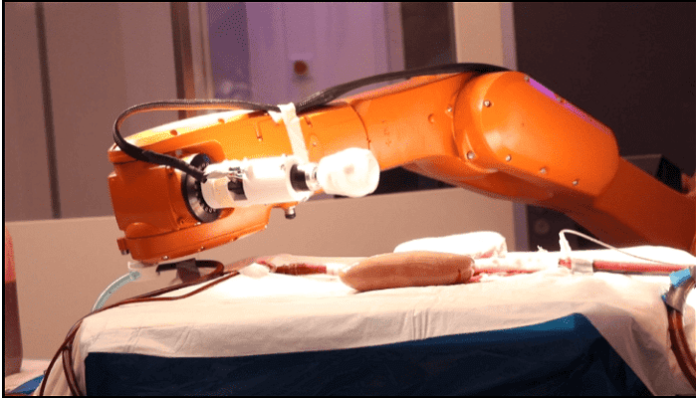
It is worth noting that the researchers from the University of Twente as well as Radboudumc in the Netherlands went on to insert the screw-shaped robots in a detached aorta with kidneys, where they went on to control them by way of using a robotically controlled rotating magnet. Notably, Health Holland recently went on to award a grant to develop further the technology so as to be able to get rid of blood clots.

Every year across the world, one in every four people dies from conditions that are caused due to blood clots. A blood clot goes on to block a blood vessel, thereby preventing the blood from taking oxygen to specific areas of the body. Surgeons can go on to use flexible instruments so as to remove the blood clot, hence allowing the blood to flow again, yet some regions in the body happen to be difficult to reach. Millirobots can make sure to overcome these lacunas as well as remove blood clots from certain difficult-to-reach blood vessels.

The studies went on to suggest that these millirobots were able to go through blood vessels. To do so, millirobots require the power to travel up as well as downstream and to precisely be controlled as well as localized. They also need to be biocompatible as well as leave no further damage when it comes to the inside of blood vessels. It is well to be noted that at the Technical Medical Centre of the University of Twente, the scientists went on to set up their experiment along with a real aorta as well as kidneys. Islam Khalil says that this needed an interdisciplinary approach, and the partnership among several different departments, such as the robotics lab, blood lab, laboratory of biointerface, DesignLab, MESA+, as well as LipoCoat, all aided them in achieving this successful result.

In the study, the researcher went on to use a robotically controlled rotating magnetic field in order to control the millirobots with a wireless mode. Due to the X-ray machine, they were capable enough to localize the millirobot while driving via the aorta. The researchers also maintained an arterial flow of 120 ml in a minute inside the aorta. But due to a stronger magnetic field, the millirobots can be able to overcome a greater blood flow. The millirobots went on to perform some stable straight runs with or even against the flow, also due to numerous robots at the same time. 

The robots themselves happen to be 3D-printed, screw-shaped objects that have a small permanent magnet inside. Khalil says that this tiny magnet, which is just one millimetre long and one millimetre in diameter, happens to be placed in a way that it can rotate the screw both ways. This enables swimming against the flow and thereafter turning around as well as swimming back. Its small size enables it to make use of many robots at the same time, and the screw shape helps it to drill via a blood clot.

These millirobots happen to have huge potential when it comes to vascular surgery, opines Michiel Warle, who is a vascular surgeon at Radboudumc. At present, they are using blood thinners as well as flexible tools, but a millirobot can go through hard-to-reach arteries, and they only need minimal incisions so as to get inserted. In a new partnership with Radboudumc and Triticum Medical from Israel, the researchers will go on to further develop the millirobots so as to help them get rid of blood clots wirelessly. The consortium will find ways to make the most of this technology, thereby eyeing a collaborative growth in medical robotics as well as technical medicine.

Apart from breaking up the blood clots so as to enable the blood flow of arteries, the technology can go on to be used for other interventions. As per Khalil, the robots can deliver drugs to very precise places across the body where the drug happens to be needed the most. That way, one can witness least side effects when it comes to the rest of the body.

It is worth noting that this collaboration between Radboudumc as well as the University of Twente has received funding from the TURBO-Twente University RadBoudumc Opportunities program. Due to the TURBO program, research groups from both institutions can go on to broaden this landmark idea into one large research project. The researchers have also extended their partnership with Triticum Medical-Israel so as to further create more millirobots. Significantly, Health Holland recently gave them a TKI-LSH-Topconsortia for Knowledge & Innovation – Life Science & Health grant for public-private partnerships through Health Holland.

Healthcare Mergers & Acquisitions – A Peep Into The Future

Come to think of it there happen to be two contrasting trends in healthcare M&As that are seen today: one in the present, that is characterized by a reduced dealmaking, and the other in the future, wherein dealmakers go on to hold a growing positive outlook.

It is well to be noted that the deal data has seen a significant dip in its entirety since its peak in the latter half of 2021 and early 2022. This dip has been witnessed in the second as well as third quarters of 2023. It is quite significant to note that these figures could vary based on how deal data gets defined and who is going to report it.

2023 third quarter went on to see a significant decline of 44% in M&A activity within the digital health gamut, thereby hitting its lowest point in three years. The steep dip in digital health exits began in the second quarter of 2022. In the first quarter of 2023, there happened to be only 56 exits observed, followed by 36 exits in the second quarter, and another decrease to only 20 exits in the third quarter. But there is indeed a promising outlook emerging that suggests that in the coming year there is going to be a significant upswing.

The fact is that since the HLTH conference in Las Vegas in October, there has been a sense of optimism and signs of progress. These positive developments can be characterized by certain factors:

Healthcare companies happen to be facing shrinking valuations, which could go on to make them more appealing as targets of acquisitions. There are many reasons for this, which include decreased progress, alterations when it comes to market multiples, edits to regulations, or shifts in investor sentiment. Lower valuations have the capacity to attract buyers who were previously discouraged by the very high prices seen in certain healthcare landscapes. The shift in valuation presents potential choices for strategic acquisitions as well as expansions. The statement goes on to serve as a reminder that M&A activity goes on to follow a cyclical pattern, thereby presenting opportunities that come up as and when market conditions change.

Companies specific to the healthcare sector may consider to divest to non-core assets, like selling off or disposing of assets that are not necessary when it comes to core business operations. Executing strategic moves could help in terms of streamlining their operations and also elevating their focus on core business activities, which could then increase their attractiveness to acquirers that have the potential.

Notably, as the healthcare industry evolves, healthcare companies are most likely to engage in more M&As so as to adapt to these changing dynamics. Companies may go on to consider restructuring, merging, or even acquiring other entities so as to enhance their positioning within the healthcare industry that’s evolving.

New players: Based on the current trends, it is most likely that one will see a jump in non-traditional participants who enter the health care industry. These may go on to include major technology companies such as Amazon and other venture capital firms with technology being the focus, such as General Catalyst. As a matter of fact, General Catalyst made a surprising announcement on the final day of the HLTH conference, stating their intent to acquire a health care system, which is a move that’s unprecedented for a venture capital firm.

There is also a possibility of a resurgence when it comes to healthcare M&As in early 2024. The rise in M&A deals during the first half of 2024 depends on many elements. Firstly, it goes on to rely on the Federal Reserve’s decision to slash interest rates. Apart from this, the global economy, geopolitical conflicts, and regulatory hurdles will also play a major role in gauging the potential for M&A activity. CEOs as well as corporate boards will go on to feel more confident to resume dealmaking as soon as there is stability in the outlook. It is uncertain whether this is going to surge or occur in a sporadic way. It is indeed expected that there will be a growth in stock-for-stock transactions, which will help buyers to offer potential benefits to sellers.

These predictions go on to demonstrate how the healthcare sector is consistently changing and how different elements can impact M&As. But it is also important to consider that these forecasts happen to be subject to change, as the actual creations in the healthcare M&A spectrum may be influenced by real-world events as well as market conditions. It is time we discover some key factors that will influence the decisions of healthcare M&A buyers in 2024.

Stressing the significance of value-based care

The healthcare sector is heading towards making steady progress in its shift towards value-based care. It is well to be noted that the focused endeavor to offer high-quality and affordable healthcare services goes on to create excitement for digital health companies that have the capacity to facilitate this shift. As a result, these companies are anticipated to be in high demand when it comes to being potential acquisition targets.

In the M&A landscape that’s rapidly changing, buyers in 2024 will go on to prioritize a strategic shift to value-based care. In light of the major changes that are taking place in the healthcare industry, M&As are no longer just about raising market share or combining resources; they now focus on enhancing the quality of care that gets provided to patients.

Value-based care models give priority to the outcomes as well as the overall health of patient populations, thereby taking the focus away from the quantity of services which is offered by healthcare organizations. The fact is that as more M&A buyers push to adhere to such principles, one can anticipate a rise in terms of partnerships that helps the exchange of data as well as technologies with the objective of enhancing patient experiences as well as outcomes. This transition goes on to demonstrate a bent toward a healthcare approach that gives priority to patients, leading to a more cohesive along with promising future in the industry.

Remote patient monitoring is on the rise

In 2024, M&A buyers within the healthcare sector are most likely expected to display a strong interest when it comes to the growing trend of remote patient monitoring- RPM. RPM goes on to help healthcare providers remotely monitor patients’ health information by way of wearable devices or varied sensors. RPM is, in all likelihood, becoming popular in the healthcare industry as it enables healthcare providers to detect and also manage potential health issues at a very early stage, thereby resulting in patient outcomes that are enhanced.

The usage of wearable tech and sensors has altered the healthcare industry by letting healthcare providers to remotely monitor patients’ health data on a consistent basis. RPM solutions are becoming more exciting to potential investors because of their ability to help early problem identification as well as greatly improve outcomes in patients. Healthcare experts as well as industry reports underscore the growing demand for RPM-driven solutions, which stresses the growing significance of preventive as well as proactive healthcare. This, in turn, goes on to help in reshaping the healthcare M&A spectrum.

RPM happens to be a service that gets covered by Medicare, Medicare Advantage, most commercial health plans, as well as many state Medicaid programs. Besides remote monitoring services, there are certain other services that are mostly covered, like chronic care management, remote therapeutic monitoring, transitional care management, principal care management, behavioral health integration, as well as chronic pain management.

Starting January 2024, Medicare will go on to extend reimbursement in terms of remote monitoring so as to include federally qualified health centers as well as rural health clinics. These healthcare facilities were at a time not eligible to get separate payments when it came to remote monitoring services. In the near future, there is most probably going to be high demand when it comes to digital health companies that develop as well as sell RMP solutions. 

Mental health: the focus

The focus when it comes to mental health is rising, and there happens to be a growing interest in digital health companies that go on to provide solutions in order to address this issue. Buyers are most likely to give out significant interest when it comes to teletherapy platforms, mental health apps, and tools for managing mental health.

In the last few years, society’s perception as well as prioritization of mental health have gone through a significant shift. The focus when it comes to mental health has become a topic of interest in public discussions because of this cultural shift. It is indeed having a major impact on individual well-being as well as transforming the healthcare industry along with the digital health sector. This shift has created a decent environment for digital health companies so as to develop innovative approaches when it comes to addressing mental health challenges.

Teletherapy platforms, along with mental health applications, have become mandatory elements of mental health care. It is well to be noted that teletherapy platforms have majorly raised the availability of mental health services by way of offering convenience, accessibility, as well as affordability to individuals. Telehealth services not only offer a solution for individuals who may encounter issues pertaining to distance or logistics, but they also go on to cater to a wider audience seeking accessible as well as confidential mental health assistance. There has been a growth in the number of mental health applications that are available in the market, thereby giving out a wide range of services so as to address different elements of mental well-being. These apps offer a variety of features, which include mood tracking, self-help resources, meditation, as well as stress management tools. They help individuals take control of their mental health by giving them a customized approach to self-care. Apparently, many applications utilize AI as well as machine learning- ML to personalize their content and recommendations as per the specific needs of each user.

Notably, the reimbursement for telemental health services has expanded with time, especially post the public health emergency. Beginning in January 2024, Medicare will go on to extend coverage for telehealth-based therapy so as to include marriage as well as family therapists and mental health counselors. This means that these professionals will be eligible to get payment for their services offered by way of telehealth platforms. New payments go beyond therapy as well as counseling to encompass numerous other social factors. For example, Medicare has gone on to broaden its coverage to have in it virtual health and well-being coaching services. Apart from this, they now cover risk assessments of evidence-based social determinants when it comes to health.

With the rising impact of mental health, investors as well as healthcare organizations are now recognizing the potential of digital health companies that are functional in this field. Venture capital firms happen to be investing major amounts of money into innovative startups that are focused on mental health. Moreover, healthcare providers that are established are actively looking for partnerships and acquisitions so as to incorporate these technologies into their existing services that are existing. The digital mental health sector is at present receiving a lot of attention as well as investment because of its widespread belief that it has the capacity to completely shift the delivery when it comes to mental health care.

Embracing the AI Revolution

The digital health spectrum is being revolutionized through AI, which is playing a very important role when it comes to the development of innovative solutions. Some instances of these technologies have in its diagnostics powered by AI, platforms for drug discovery, as well as virtual assistants. Companies that happen to be developing AI-driven health technology are being focused upon by those who want to keep themselves ahead in the digital transformation of healthcare.

There may be growth in the M&A’s in the digital health sector since the companies that are leading in the integration of AI go on to become highly sought-after by strategic buyers who are looking to stay ahead in the continuously changing healthcare industry. Apart from this, the White House announced in October 2023 that an executive order will be put in place so as to introduce regulations when it comes to AI. They have already gone on to release an initial framework that outlines the content of these regulations. The AI community has gone on to respond in a positive way to the announcement, thereby appreciating its thoughtfulness and, at the same time, recognizing that regulation goes on to add credibility when it comes to emerging technologies. If the regulation is not burdened and that too excessively, it will promote transparency along with accountability in the new AI digital health tools. This, in turn, will fill in confidence in the end users of such tools, like clinicians and patients. Simultaneously, this will also instill confidence in the investors with regards to the sustainability, scalability, as well as value of the AI tools.

The rise in significance of AI-powered solutions will soon go on to drive M&As in the digital health sector. Established healthcare companies, technology giants, as well as pharmaceutical firms are anticipated to actively participate when it comes to the acquisition spree as they look to enhance their portfolios with the help of AI-driven capabilities that are innovative. Companies from numerous sectors are indeed taking into account the profound impact that AI can have when it comes to healthcare, and this trend may even extend to cross-sector acquisitions. Due to this, digital health enterprises that make use of AI’s potential are anticipated to be in high demand. Their expertise as well as technology will become critical elements of wider healthcare strategies.

Caring for Your Teeth After Root Canal Treatment

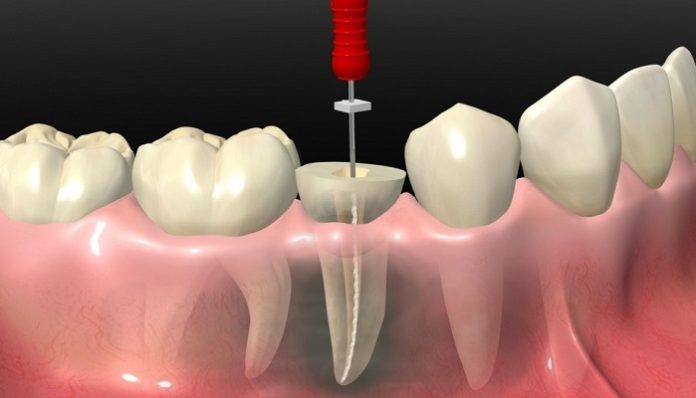
If you have a tooth that is severely damaged or infected, you may have to undergo a root canal treatment. And once the procedure is done, it’s important to understand the proper aftercare measures necessary to promote optimal healing and maintain your oral health. In this article, we’ll explore essential post-procedure care tips that will ensure a fast recovery and a healthy smile, whether it’s your first time getting a root canal or you’ve been through this treatment before.

Manage Pain and Discomfort 

It’s normal to experience some discomfort and pain after a root canal procedure. The good news is that for many patients, this pain is manageable. Over-the-counter pain relievers can be effective in easing mild to moderate pain, andyour dentist might prescribe stronger medication if needed. To prevent further irritation, it’s advisable to avoid chewing with the treated tooth until the discomfort subsides.

Opt for Soft Foods

In the days following your procedure, your treated tooth might be sensitive. To make the recovery process more manageable, stick to a diet of soft, easy-to-chew foods such as scrambled eggs, mashed potatoes, soups, and yogurt. Avoid eating hard, crunchy, and sticky foods, as they could potentially cause discomfort or harm to the treated tooth.

Prioritize Your Oral Hygiene

Maintaining excellent oral hygiene is crucial after undergoing a root canal. This helps prevent further damage and the risk of reinfection. Brush your teeth diligently twice a day with fluoride toothpaste and a toothbrush with soft bristles. Make sure to establish a daily flossing routine to eliminate any buildup of plaque and food particles between your teeth and gums. Incorporating an antiseptic mouthwash into your routine can help reduce bacteria and prevent infection.

Schedule Follow-Up Appointments

Schedule follow-up appointments with your dentist a few days or weeks after your root canal procedure. These appointments can be essential for evaluating the healing process of your tooth and detecting any potential issues early on. By going back to the dentist, you’ll receive personalized guidance and ensure that your recovery is progressing as expected.

Safeguard Your Treated Tooth

It’s important to avoid any unnecessary trauma or injury to the treated tooth in order to maintain its longevity for a root canal before and after treatment. Avoid using your teeth for tasks such as opening bottles or tearing off labels. If you’re involved in contact sports, consider wearing a mouthguard for extra protection. Additionally, if teeth grinding is a concern, your dentist might recommend a nightguard to prevent further damage while you sleep.

The Bottom Line

Root canal treatment is a reliable method for salvaging a damaged or infected tooth, and proper aftercare significantly contributes to its success. By managing discomfort, sticking to soft foods, maintaining good oral hygiene, scheduling follow-up appointments, and safeguarding your treated tooth, you can ensure a smooth recovery and the long-term health of your tooth.

The Vital Role of Advanced Imaging in Modern Healthcare: A Focus on OCT and IVUS

The Vital Role of Advanced Imaging in Modern Healthcare: A Focus on OCT and IVUS

When a patient steps into a physician’s office or hospital with a medical concern, the speed and accuracy of diagnosis and intervention is paramount. One of the most critical aspects of this process is diagnostic imaging, which plays a pivotal role in identifying and diagnosing medical issues. However, outdated imaging technology does not allow for the same level of safety and effectiveness when used during intervention.

Making Informed Decisions

In cases where patients present symptoms such as chest pain, weakness, and shoulder discomfort, the need for advanced imaging tools becomes apparent. Coronary angiography,  which has been in use since its introduction in 1958, utilizes a special dye to contrast material and x-rays to evaluate the blood flow through the heart’s vessels. On the other hand, optical coherence tomography (OCT), a newer technology, uses light waves to deliver highly detailed cross-sectional images of blood vessels. These imaging options are invaluable when confirming the presence of a blocked coronary artery, as well as for assisting in percutaneous coronary intervention (PCI).

Although coronary angiography is currently the standard of care for guidance when physicians implant stents, it has limitations in capturing information, which can pose challenges in making nuanced decisions during PCI. In contrast, OCT’s high-resolution images and AI empower physicians to easily discern differences in arterial walls, leading to a more comprehensive understanding of the patient’s condition. This heightened level of detail not only improves diagnostic accuracy but also instills greater confidence in intervention strategies, ultimately resulting in more precise and effective patient care.

The recent ILUMIEN IV trial conducted by Abbott compared these two intravascular imaging modalities. Specifically, the trial compared OCT and angiography in PCI patients and provided compelling evidence of OCT’s superiority in several key aspects of coronary interventions. In terms of efficacy, it was found that OCT, results in a substantial increase in the objective of stent area expansion compared to angiography alone. For safety, the data revealed that OCT guidance led to reductions in safety concerns like cardiac death, target vessel myocardial infarction, and thrombosis.

Making Strategic Decisions About Imaging Technology Adoption

The study highlights the significance of staying updated with cutting-edge medical imaging technologies to enhance patient care and safety. The trial’s results demonstrate how investing in advanced imaging tools can lead to more effective procedures and improved patient outcomes. As hospital leaders consider adopting and incorporating imaging technologies into their care plans, they should consider the following best practices:

  • Evidence-Based Decision Making – Evaluating medical imaging technology based on evidence is crucial for ensuring the safety and efficacy of diagnostic and therapeutic procedures. By analyzing real-world patient outcomes and experiences, healthcare professionals can identify the strengths and weaknesses of imaging tools, allowing for informed decisions on their use. This evaluation enables medical practitioners to fine-tune their diagnostic accuracy and treatment plans, leading to better patient care and outcomes. Moreover, it promotes evidence-based medicine and supports the continuous improvement of imaging technology to keep pace with evolving medical needs and technological advancements.
  • Address Concerns – Periodic reassessment of concerns related to technology and medical imaging is essential to maintain the highest standards of patient care. This proactive approach allows medical leaders to address apprehensions related to patient data security, radiation exposure, and diagnostic accuracy in light of technological advancements and evolving healthcare practices.For example, a historical concern related to OCT adoption has been the use of contrast during imaging. There have been long-standing apprehensions about the potential risks of contrast nephropathy, a kidney condition that can occur as a result of exposure to contrast agents used in medical imaging procedures, including CT scans. However, recent research, such as the OCTIVUS Randomized Clinical Trial, has debunked these concerns by demonstrating that OCT does not pose a higher risk of contrast nephropathy compared to IVUS. This critical finding alleviates one of the major concerns associated with OCT adoption.
  • Integrate More Training Opportunities – One primary challenge in implementing new imaging techniques is the variance in training opportunities for interventional cardiologists. Many physicians lack standardized training for advanced imaging technologies during their fellowships, limiting their familiarity and confidence in using these tools. To address this issue, hospital and healthcare leaders should invest in state of the art technology, like AI, that helps with the learning curve and provides efficiencies.

For example, despite the compelling evidence supporting new imaging techniques, primary challenges have been the variance in training opportunities for interventional cardiologists. Many physicians lack standardized training for technology like OCT during their fellowships, limiting their familiarity with and confidence in using this advanced imaging technology. As a result, when they complete their training, they often do not have such tools as part of their diagnostic toolbox.

Looking Forward

Strategically incorporating imaging technology within healthcare is not only essential for improving current patient care, but also for improving standardization of care, creating efficiencies and enhancing physician’s education and learning of new techniques. Advanced imaging techniques greatly enhance the precision of diagnoses and treatment plans, leading to improved patient outcomes. As we look ahead, the healthcare landscape will continue to evolve, with technology playing a central role.

Europe Digital Health: 2024 – The Year To Look Forward To

The COVID pandemic has led to a major surge when it comes to the adoption of digital health technologies. However, both patients as well as market players may occasionally feel that advancements and also investments in this field are not growing at a satisfactory pace. One reason for this is the fragmented legal landscape throughout the EU and other regions and the strict regulations governing the usage of health data.

What can one expect in 2024, a potentially groundbreaking year?

In the last few years, there have been numerous legislative and regulatory proposals that have affected the healthcare along with the life sciences sectors. These initiatives look forward to driving further reform in a sector that often lags behind when it comes to digital transformation. The goal for Health Tech happens to come up with an environment that makes use of artificial intelligence so as to provide safe solutions that elevate patient outcomes. The use cases happen to range from using big data algorithms within clinical studies to leveraging machine learning so as to assist healthcare professionals. Furthermore, these use cases go on to include aiding patients by way of robotics and improving efficiency in hospitals by executing AI-based tools. At the same time, there is optimism for a regulatory framework that goes on to reduce obstacles and also promotes the availability of patient data. In 2024, the health tech industry could go on to see significant growth because of various elements, such as the European Health Data Space, the EU’s draft AI Act, and several national initiatives.

The AI Act is anticipated to have enough influence on digital health within the European Union- EU

The AI Act- AIA, which is expected to come into effect in 2024, will go on to have a major impact on medical device companies that make use of machine learning technology. Additionally, it will also go on to have broader implications for the healthcare as well as life sciences industries. The objective is to keep confidence in EU citizens so they become more willing to adopt AI-based solutions like AI-enabled medical technologies.

The AIA will go on to cover all products that meet the definition of an AI system. AI-based medical software systems are going to be subject to regulation. The AIA, like the GDPR as well as the Medical Devices Regulation, embraces a risk-based approach. Compliance obligations with regards to the development and use of AI systems happen to be directly linked to the level of risk they may cause, which can be categorized as unacceptable, high, low, or even minimal.

In the healthcare or life sciences sectors, AI applications can be categorized as “high-risk AI systems.” In such cases, the most rigorous obligations will be applicable. These obligations include implementing a quality and risk management system, maintaining detailed technical documentation, and conducting a conformity assessment similar to those required for CE markings. Implementing this would impose a significant burden on healthcare companies within its scope, necessitating careful execution.

The AI Liability Act

The idea behind the EU’s AI Liability Act- ALA is to address a dearth of regulation in the field of AI. The AIA does not go on to provide direct protective rights for individuals; therefore, the ALA seeks to address this by offering individuals who are negatively impacted by an AI system the ability to take legal action. They look to achieve this by making it easier for individuals to bring forth their claims. As a result, it puts in place a new liability framework that begins with the underlying assumption that liability for AI is based on the presence of causality, which means that the affected person is not required to give out the connection between the damage caused and the use or output in terms of the AI system. The ALA- Artificial Intelligence Liability Act is still in its early stages, and it may take a while before it gets enacted and applied. But healthcare providers who make use of AI should consider the possibility of facing more litigation in the times to come. It is important for them to factor this in when it comes to their development and use of AI tech.

The European Health Data Space will make progress

The European Health Data Space- EHDS is the initial common European Data Space that was proposed by the EU. This proposal happens to be part of a broader initiative which is aimed at establishing shared data spaces for numerous sectors. The EU’s data strategy takes this as a crucial pillar. As explained in greater detail, the EHDS has the objective of creating a legal structure for accessing and sharing data while also ensuring the quality and interoperability of health data. Patients will have access to their own personal health data, and also healthcare professionals from different Member States will also be able to access electronic health records across borders.

The EHDS happens to be crucial for digital healthcare as it enables the downloading and utilization of anonymized health data, which can be used for various purposes, like training AI applications in the healthcare sector, as long as specific conditions are met. Apparently, the EU is not the only entity that is attempting to facilitate the sharing of health data in the way it is. For instance, the UK is at present conducting tests on secure data environments to access NHS data for research purposes and also for other external uses. There are even plans for a broader implementation in the future.

The EHDS is at present advancing through the regulatory process. The European Parliament and the Council are most likely to act on their compromise proposals very soon, possibly by the end of 2023. The EHDS is anticipated to be finalized next year, but it is unlikely to become completely operational before 2025, based on how things progress.

It is well to be noted that Germany will maintain its position as a frontrunner in the regulation of digital health.

The country is currently working on multiple legislative initiatives to establish an absolute and legally sound framework so as to access as well as share health data. Two significant acts which happen to be the Digital Act and the Health Data Use Act, are expected to come into effect in February of next year.

Industry-University Collab To Help Australia Health Sector

An alliance has taken place between nine universities as well as industry partners to address in a collective way the issues that have been encountered by the healthcare sector in Australia.

The RMIT-Cisco Health Transformation Lab happens to be leading the new National Industry Innovation Network- NIIN Health Alliance, which aims to identify, pilot, and also prototype technology-driven solutions that will go on to bring major changes when it comes to the Australian health sector.

As per Professor Vishaal Kishore, who happens to be the Executive Chair of the RMIT-Cisco Health Transformation Lab, tech as well as digitization happen to be crucial when it comes to addressing various health equity challenges. These also happen to play a great role when it comes to elevating resilience against internal as well as external threats, like pandemics and cyberattacks. Moreover, technology also helps to take care of the workforce effectively as well as enhance the healthcare sector as a whole.

Their collab with Cisco is ongoing and has already shown some transformative solutions being executed in the healthcare industry. It is well to be noted that the collaboration has laid the platform for reimagining how one can blend numerous advanced technology offerings so as to create intelligent healthcare spaces as well as environments.

Interestingly, the RMIT-Cisco collaboration has gone on to develop numerous solutions, like advanced prototyping studios that happen to have devices as well as sensors that are capable of detecting falls in aged care centers. They have also gone on to create technology that can track hazards and behavioral risks that too in real time. Beside this, a robotic dog has been designed so as to take care of manual tasks.

It is well to be noted that this partnership looks to speed up the development of technology-based solutions that can elevate the quality of the care provided to individuals and also the management of one of the largest workforces as well as information systems across the Asia-Pacific region.

Reg Johnson, who happens to be the director of education and strategic industries at Cisco, went on to express that the NIIN Health Alliance will go on to pave the way for a future that is driven by digital innovation. Apparently, this future will rely on workforce skills application and cutting-edge innovation in order to address important national and regional challenges.

Johnson went on to express that this bond strengthens their alliance and presents a unique option for industry-academic collaboration to make a major impact on a large scale.

Johnson added that they are indeed thrilled to make their relationship with RMIT more robust and collaborate on developing innovative solutions in order to address the pressing issues. Their objective is to have a positive impact on people’s lives and also improve the healthcare system.

It is well to be noted that the member universities of NIIN happen to include Flinders University, Curtin University, La Trobe University, Queensland University of Technology, as well as Canberra University. The solutions will go through prototyping and testing at numerous facilities, which also include the RMIT-CISCO Sandbox facility at the Health Transformation Lab and some other RMIT prototyping labs as well.

Notably, the RMIT-Cisco Health Transformation Lab was set up in 2018 with the idea of fostering innovation in the health sector. The lab goes on to partner closely with industry partners, health services, and the government to identify issues and thereby develop innovative solutions by way of using an amalgamation of new thinking along with digital technologies.

Translate »