Close
Digital Health & Ai Innovation summit 2026
LiGHT26

Hospital Discharge Care Intervention Reduces Readmissions

Patients who happen to be given transitional care right before as well as during the discharge from the hospital happen to be less likely to be readmitted, as per new research from the University of Manchester.

The systematic review as well as the network meta-analysis, which happened to be published in the journal JAMA Network Open, happened to consider data across 126 trials with 97,408 people participating in them.

It displayed that interventions were associated with a decent number of reductions when it came to readmissions at 180 days post-discharge.

Although the types of changes that were implemented varied across the studies, common changes went on to include improved discharge planning, a review of medication, multi-agency team meetings, case management, psychological support, home visits, along with peer support.

It is well to be noted that the low-complexity interventions included one to three alterations to the usual care that were applied together and were associated with a 55% decrease in readmissions at 180 days post-discharge.

Apparently, the medium-complexity interventions with four to seven changes to usual care happened to be associated with a 42% decrease during the same time period.

Even at 30 days, the low-complexity interventions were associated with a 22% dip in the odds of readmission, as well as the medium-complexity interventions were associated with an 18% decrease.When it came to high-complexity interventions, which had eight or more changes to the regular practice applied together, got associated with a 24% dip in readmissions at 180 days post-discharge.

Maria Panagioti, who is the principle investigator as well as the senior lecturer from the University of Manchester, opined that this study elaborates that more changes to regular practice are not always better so as to reduce health care needs as well as prevent emergency department visits for patients shifting from the hospital to the community.

One needs to think about what alterations to the usual care happen to be truly meaningful for patients in case if professionals can execute those changes, and also how those changes can get together as a coherent care bundle.

They strongly recommend that the NHS goes on to develop a set of patient- along with staff-reported outcomes so as to better capture the entire range of benefits as well as impacts of transitional care interventions, specifically those that have high complexity.

A research fellow from the University of Manchester as well as the lead author of the study, Natasha Tyler, added that this study demonstrates that transitional care arrangements are indeed a powerful way so as to avoid readmission to the hospital since patients feel better involved in decisions and are also supported through a particularly vulnerable stage across the care pathway.

It indeed happens to be a well-known fact that a rising demand for urgent hospital care has gone on to create pressure to discharge patients to the community. They know of some of those patients who are discharged too early or without the required support in order to recover in the community.

There also happens to be evidence that one in every five patients may feel suboptimal or unsafe care at the time of discharge from the hospital, majorly due to the prompt decrease in continuity of care along with coordination issues with regards to multiple independent professionals as well as agencies.

Therefore, it is indeed very important to gauge the value of intermediate care and how effectively it can be delivered.

Building Trust in Healthcare Through Digital Engagement

The pandemic has acted as a catalyst exposing fault lines in our healthcare systems that existed long before the first COVID-19 case came to light. One significant issue has been patientsโ€™ trust โ€“ or lack of it โ€“ in healthcare providers. Whereas previously we took this trust for granted, weโ€™re now more aware of skepticism and mistrust in science generally and medicine in particular.

If nothing else, the pandemic has underscored the pressing need for healthcare providers to shift towards better transparency, accountability, and communication to build patient trust. Itโ€™s about addressing immediate concerns and laying the groundwork for resilient healthcare systems that can withstand future challenges.

But where do we begin? Just as we relied on the power of information to limit the impact of COVID-19, providers can leverage technology to build trust with patients through digital engagement.

Promote transparency and accountability through digitization

Healthcare organizations can promote transparency and accountability through digitization by capturing healthcare information in an electronic medical record (EMR) system.

Transparency is only possible if you have complete information about patient care in a readily available and sharable form. Traditional, paper-based medical systems cannot be easily shared, and the information is often limited. Digital information captured and shared in an EMR system, on the other hand, facilitates transparency amongst care providers and from providers to patients.

In addition to digitizing patient information, healthcare providers should adopt a digital-first care model that prioritizes digital patient engagement for better accountability.

The ultimate transparency and accountability is to the patient. Patients should be digitally engaged in managing their care, including access to health information and the cost of care. Now we have better digital healthcare literacy, a digital-first care model helps patients to better monitor their health. This promotes better engagement with their providers, helping them create individualized care plans and improving health outcomes.

Share clinical data for effective communication

Effective communication plays a significant role in building trust. But it can only happen when there is a shared understanding. Digital engagement facilitates this by enabling providers and patients to see the same data set and, for example, collaborate to build personalized care plans.

Healthcare providers must always be sensitive to what they communicate and what their organization represents. Are they an organization that promotes the latest medical treatments? Or do they want to be seen as providing the best care for each patient? If itโ€™s the latter, you need detailed, personalized clinician information.

Especially with most patient communications happening remotely, the lack of a shared clinical data foundation could lead to misunderstandings and create risks. A digital-first, patient-centered care model, where clinical data is always part of the equation, promotes effective communication and builds trust.

Promote cultural change and data innovation

Often, cultural and technical barriers to sharing health data with patients can inhibit digital engagement with patients. To overcome them and promote the adoption of new data-driven models of care, clinical staff must share in the benefits of innovation.

To be successful, however, healthcare providers also need governance systems that support change and innovation safely, including clinical and social safety. While organizations want to move quickly to engage patients digitally, their services must do no harm. Digital systems must also be accompanied by information security and privacy investments, for example, for trust to be built and maintained.

A healthcare data platform accelerates this process. While an easy-to-use EMR system facilitates data entry and sharing and provides clinical support, a data platform enables easy access to data anywhere and anytime. It can unify distributed data from across the organization, deliver real-time insights, and provide analytic capabilities, including business intelligence and machine learning.

A data platform makes processing and sharing accurate data more convenient, efficient, and secure.ย And that makes it faster and easier to gain insights and power new applications to help get clinical staff on board.

Address mistrust in science and medicine

Trust takes time to build but can be destroyed in the blink of an eye. Provider-patient relationships can take years to make, but a misdiagnosis or one medical error could put them in jeopardy.

Digital engagement based on a shared clinical data foundation enables patients and providers to work with the same factual information. It involves patients in managing their care and provides transparency and accountability to their care providers.

For example, patients can use their mobile phones or computers to:

  • Review clinical notes from their consultations
  • Review lab and other test results
  • Check medication lists and arrange for refills
  • Get information to help manage chronic health conditions
  • Get reminders for vaccinations and regular appointments

Patients should have access to accurate information about their care, including medical opinions about their care plan and how their health outcomes have been and can be achieved. This transparency and accountability will help build trust in the science and medicine behind care provision.

Adopt value-based care models across the system

Weโ€™ve seen how health providers can leverage technology for better transparency, accountability, and communication at the hospital or other provider level to build patient trust. Similar technology can also improve public health infrastructure and build confidence in the healthcare system as a whole.

One solution is to leverage technology to improve healthcare outcomes and reduce the cost of medical treatment. This is the idea behind value-based care. That means you need to capture data to analyze the effectiveness of outcomes and the cost of treatment across the healthcare system.

Governments across South East Asia are already moving towards value-based care as part of reforms to their healthcare systems. Many are building healthcare data-sharing infrastructure based on the latest HL7ยฎ FHIRยฎ (Fast Healthcare Interoperability Resources) clinical data standard or encouraging healthcare providers to adopt FHIR to participate in data-sharing initiatives.

Leading healthcare providers are also looking to FHIR to further innovate with interoperability between their systems to enable data analytics, Artificial Intelligence, and Machine Learning to improve quality of care, patient experience and engagement, and operational efficiency.

By adopting these modern, data-driven approaches to care โ€“ with FHIR and other advanced healthcare technology โ€“ we can remove barriers to innovation and address system-wide healthcare problems. Putting patients at the center of these initiatives โ€“ and leveraging technology for better transparency, accountability, and communication to build trust โ€“ will be crucial to success.

How Healthcare Systems Address the Complexities of Trauma Recovery

Trauma, whether caused by a single event or prolonged exposure to distressing circumstances, can have profound and lasting effects on an individual’s mental, emotional, and physical well-being. Recognizing the significant impact of trauma, healthcare systems around the world are increasingly prioritizing comprehensive approaches to trauma recovery. This article explores the multifaceted strategies healthcare systems employ to address the complexities of trauma recovery, ranging from early intervention to long-term care.

Understanding Trauma and Its Impact

Before delving into the ways healthcare systems address trauma recovery, it’s crucial to understand what trauma entails and its potential repercussions. Trauma can result from various experiences, including but not limited to accidents, natural disasters, violence, and abuse. The effects of trauma can manifest in mental health disorders, such as post-traumatic stress disorder (PTSD), anxiety, and depression, as well as physical symptoms and long-term health challenges. Fortunately, there are now various providers of betrayal therapy specializing in helping individuals cope with the aftermath of betrayal and complex traumas. There are also integrative therapeutic approaches that recognize the interconnected nature of physical and emotional well-being. These approaches acknowledge that trauma is not a one-size-fits-all experience, and recovery requires personalized strategies that encompass the mind, body, and spirit.

Early Intervention and Screening

Healthcare systems are now recognizing the importance of early intervention in trauma recovery. Early identification of trauma survivors allows for timely support and reduces the risk of long-term complications. Screening tools, often integrated into primary care settings, help healthcare professionals identify individuals who may have experienced trauma and are at risk of developing associated conditions. For example, routine screenings for trauma exposure may be incorporated into primary care visits, emergency room assessments, and mental health evaluations. By identifying trauma early on, healthcare providers can initiate appropriate interventions, such as counseling, psychoeducation, and support groups tailored to the individual’s needs.

Integration of Mental Health Services

To address the complexities of trauma recovery, healthcare systems are working towards integrating mental health services into primary care settings. This approach aims to eliminate the stigma associated with seeking mental health support and ensures that individuals have easy access to a continuum of care. Integrated care models involve collaboration between primary care physicians, mental health professionals, and specialists. This collaborative approach paves the way for a more holistic understanding of an individual’s health, considering physical and psychological well-being. For trauma survivors, this integration is particularly beneficial as it acknowledges the interconnectedness of mental and physical health in the recovery process.

Trauma-Informed Care Practices

Trauma-informed care has emerged as a critical framework within healthcare systems to create environments that promote safety, trust, and empowerment for trauma survivors. This approach recognizes the prevalence of trauma and the potential for retraumatization within healthcare settings. Thus, healthcare professionals are trained to incorporate trauma-informed practices into patient interactions.

Trauma-informed care involves understanding the impact of trauma on a person’s life, avoiding judgment, and prioritizing safety and empowerment. This approach is not limited to mental health services but extends to all facets of healthcare, including emergency rooms, primary care, and specialized medical treatments. By fostering a trauma-informed culture, healthcare systems aim to create supportive environments that facilitate healing.

Accessible and Culturally Competent Services

Recognizing the diverse nature of trauma experiences, healthcare systems strive to provide accessible and culturally competent services. Various factors, including cultural background, language, and socioeconomic status, influence trauma recovery. Healthcare systems aim to eliminate barriers to care by offering services sensitive to cultural nuances and responsive to the unique needs of diverse populations. Culturally competent trauma recovery involves:

  • Understanding the cultural context of trauma.
  • Incorporating culturally relevant therapeutic approaches.
  • Providing language-appropriate resources.

This approach enhances the effectiveness of interventions and ensures that individuals from different cultural backgrounds receive support that respects their values and beliefs.

Collaborative Community Partnerships

Healthcare systems understand that trauma recovery extends beyond clinical settings and often requires collaboration with community-based organizations. Collaborative partnerships with non-profit organizations, community centers, and support groups enhance the availability of resources and support networks for trauma survivors. Community-based programs may offer various services, including counseling, peer support, educational workshops, and recreational activities. By working with community organizations, healthcare systems can extend the reach of trauma recovery services and address the diverse needs of individuals within the community.

Comprehensive Rehabilitation Programs

In cases where trauma results in physical injuries or disabilities, healthcare systems implement comprehensive rehabilitation programs. These programs, often multidisciplinary, bring together physical therapists, occupational therapists, psychologists, and other specialists to address recovery’s physical and psychological aspects. Comprehensive rehabilitation programs may include physical therapy to address injuries, cognitive-behavioral therapy to manage psychological symptoms, and vocational rehabilitation to support individuals in returning to work. The goal is to provide a coordinated and personalized recovery approach, considering each individual’s unique challenges.

Holistic Approaches to Wellness

Recognizing that trauma affects multiple dimensions of an individual’s life, healthcare systems are increasingly adopting holistic approaches to wellness. Holistic care encompasses mental and physical health and factors such as nutrition, exercise, and spiritual well-being. Integrative medicine, combining conventional medical treatments with other therapies like acupuncture, yoga, and mindfulness, is gaining traction in trauma recovery. These approaches aim to address the interconnected aspects of an individual’s life, promoting overall well-being and resilience in the face of trauma.

Telehealth and Technology

Advancements in technology have facilitated the expansion of trauma recovery services through telehealth platforms. Telehealth allows individuals to access mental health support remotely, overcoming geographical barriers and increasing care flexibility. Telehealth services may include virtual therapy sessions, online support groups, and mobile applications to provide coping tools and resources. This approach not only enhances accessibility but also caters to individuals who may feel more comfortable receiving support from the privacy of their own homes.

Healthcare systems worldwide are evolving to meet the complex needs of trauma survivors, recognizing the intricate interplay between physical and mental well-being. From early intervention and integrated mental health services to trauma-informed care practices and community collaborations, the comprehensive strategies employed underscore a commitment to fostering healing and resilience.

As healthcare systems continue to refine their approaches to trauma recovery, it is essential to prioritize research, education, and community engagement. By staying attuned to the evolving understanding of trauma and recovery, healthcare professionals can adapt and implement innovative strategies to ensure that trauma survivors receive the support they need on their journey toward healing and reclaiming their lives.

Revolutionizing Treatment: Stem Cell Therapy for Chronic Diseases

Stem cell therapy, a cornerstone of regenerative medicine, is poised to transform the treatment of chronic diseases.

This innovative approach exploits the versatility of stem cells, our body’s foundational cells, to potentially heal long-term conditions such as arthritis, cancer, Parkinson’s disease, heart disease, multiple sclerosis, and diabetes.

Despite ethical controversies, particularly concerning embryonic stem cells, the potential for stem cell therapy to repair damaged tissue, mitigate inflammation, and enhance patient well-being is substantial.

Understanding Stem Cells

Stem cells are the body’s raw materials from which all other cells with specific functions arise. These cells exhibit pluripotency, which means they can morph into any cell type in the body.

This unique attribute allows stem cells to replace damaged or diseased cells, offering groundbreaking solutions for chronic conditions.

The Benefits of Stem Cell Therapy

Stem cell therapy harnesses the body’s own regenerative capacities to repair damaged tissues and cells. It can stimulate the body’s repair system to grow new, healthy cells, replacing the diseased or dysfunctional ones.

In addition to its regenerative capabilities, stem cell therapy from Cellaxys, for instance, can also reduce inflammation and pain and improve physical function and quality of life for patients. The potential impact of this treatment on chronic disease management is immense.

Stem Cell Therapy for Arthritis

For patients suffering from arthritis, stem cell therapy offers a novel approach to managing this chronic condition by harnessing the body’s ability to repair damaged joint cartilage.

This innovative treatment taps into the regenerative potential of the patient’s own stem cells, which can differentiate into various cell types, to restore joint function and alleviate symptoms.

These cells can reduce inflammation and stimulate the production of cartilage, the smooth elastic tissue that cushions the joints. Furthermore, stem cell therapy provides long-term relief from arthritis symptoms as it addresses the root cause of the condition.

Cancer Treatment With Stem Cells

Stem cell transplants have revolutionized the treatment of cancers such as leukemia and lymphoma by replacing the damaged cells caused by these diseases.

This innovative approach has begun to transform the field of oncology, offering new hope for patients grappling with these debilitating conditions.

  1. Rejuvenation: Stem cells can rejuvenate the patient’s immune system, enabling it to fight cancer more effectively.
  2. Precision: The transplanted stem cells can specifically target cancer cells, minimizing damage to healthy cells and reducing side effects.
  3. Flexibility: Stem cell therapy can be tailored to individual patients, offering a personalized approach to cancer treatment.

While still in a relatively early stage of development, stem cell therapy holds immense potential for the future of cancer treatment.

Parkinson’s Disease and Stem Cells

In the realm of neurodegenerative disorders, Parkinson’s disease poses a significant challenge, impacting millions globally. Stem cell therapy emerges as a promising potential treatment.

Fundamental to Parkinson’s is the loss of dopamine-producing neurons in the brain, leading to motor and cognitive impairments. Stem cell therapy aims to replace these lost neurons, essentially restoring dopamine production and alleviating symptoms.

Experimental models have demonstrated that stem cells can differentiate into dopamine-producing cells. Transplantation into the brain of Parkinson’s patients has shown some promising early results.

Challenges remain, including controlling stem cell differentiation and addressing potential immune responses. Nonetheless, the potential of stem cells to revolutionize Parkinson’s treatment continues to fuel research and instill hope in patients.

Stem Cell Therapy for Heart Disease

Cardiac diseases, notably heart failure and post-heart attack damage, present a significant global health burden, and emerging research suggests stem cell therapy may offer a revolutionary approach to treatment.

  • Regeneration: Stem cells can regenerate and repair damaged heart tissue, improving heart function and patient survival rates.
  • Reduced Scarring: Post-heart attack, stem cells have been found to reduce scarring and promote the growth of new blood vessels, preventing long-term cardiac dysfunction.
  • Heart Failure Treatment: In cases of heart failure, stem cell therapy can help regenerate lost heart muscle cells, offering a potential alternative to heart transplants.

This therapy, still in the clinical trial phase, presents an exciting frontier in cardiovascular medicine, with the potential to significantly improve outcomes for heart disease patients.

Multiple Sclerosis: A Stem Cell Approach

A progressive neurodegenerative disease, MS damages the protective sheath around nerve fibers, disrupting communication between the brain and body. Stem cell therapy emerges as a promising approach, potentially repairing this neurological damage.

The therapy involves the infusion of stem cells capable of migrating to damaged areas in the brain, aiding in the repair of nerve cells. Furthermore, stem cells may regulate the abnormal immune response characteristic of MS, alleviating symptoms.

While research is ongoing and challenges remain, the prospects of stem cell therapy provide a beacon of hope for those grappling with Multiple Sclerosis.

Stem Cell Therapy in Diabetes Management

Stem cell therapy aims to combat diabetes by using pluripotent stem cells to replace damaged or non-functioning pancreatic beta cells, which are responsible for insulin production.

  1. Insulin production: Stem cell therapy could enhance the body’s insulin production, thus better controlling blood glucose levels.
  2. Beta cell regeneration: The process involves stimulating the pancreas to regenerate its own beta cells, potentially reducing the need for external insulin.
  3. Type 1 and Type 2 diabetes: Stem cell therapy shows promise for both types of diabetes, with studies showing improved blood sugar control and reduced insulin dependency.

Conclusion

Stem cell therapy holds the potential to revolutionize chronic disease management.

The unique ability of stem cells to differentiate into various cell types opens new avenues for treating diseases like arthritis, cancer, Parkinson’s, heart diseases, multiple sclerosis, and diabetes.

While ethical controversies exist, particularly regarding embryonic stem cells, the therapeutic benefits cannot be overlooked.

The future of stem cell therapy appears promising, offering hope for long-term solutions to chronic diseases.

FAQs

Can stem cells cure chronic diseases?

Stem cells have shown potential in treating some chronic diseases, but they are not a guaranteed cure. Research is ongoing to determine their effectiveness in various conditions.

What is the survival rate for stem cell therapy?

The survival rate for stem cell therapy varies greatly depending on the disease being treated, the type of stem cells used, and the patient’s overall health. It’s a promising field, but specific rates are continually evolving with ongoing research and clinical trials.

What are the negative effects of stem cell therapy?

Negative effects of stem cell therapy can include reactions at the injection site, infection, and the possibility of the stem cells differentiating into unwanted tissue types. In cases of allogeneic transplants, there can be a risk of graft-versus-host disease (GVHD).

What is the success rate of a stem cell transplant?

The success rate of a stem cell transplant also depends heavily on factors such as the type of disease, the patient’s condition, the match of the donor, and the transplant technique. Success rates are improving with medical advancements, yet they remain variable across different situations.

Best Practices for Chronic Disease Care in Family Medicine Clinics

Managing, mitigating, and mastering chronic disease care in family medicine clinics is no small task, but with the right strategies, you can make it more manageable.

This guide offers an overview of best practices to ensure optimal care for patients dealing with chronic illnesses. We’ll delve into the importance of early detection, patient education, and engagement, as well as the role of multidisciplinary teams and health technology.

You’ll also learn about personalizing treatment plans, continual patient monitoring, and fostering healthy lifestyle changes.

Understanding Chronic Diseases
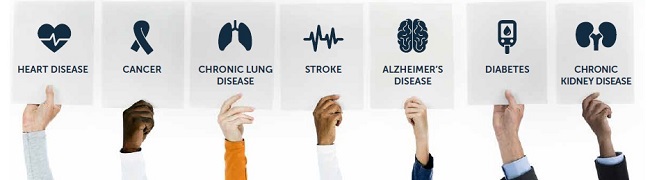
Chronic diseases are long-term medical conditions that, despite often being manageable, have no current cure. These illnesses, like diabetes, heart disease, or arthritis, impact your life daily and require continuous medical attention.

You’re not fighting a temporary battle, but learning to coexist with a persistent condition.

You must understand your illness to manage it effectively. That’s why you should constantly communicate with your healthcare provider, ask questions, and follow the care plan agreed upon.

Also, lifestyle modifications, such as healthy eating and regular exercise, can significantly help in managing the symptoms.

The Importance of Early Detection

Early detection increases the chances for successful treatments, reduces the risk of complications, and can significantly improve your quality of life.

Regular check-ups and screenings in a clinic or medical center are essential tools for early detection. These simple steps can identify potential health issues before they become severe or even life-threatening.

If you’re at risk for certain conditions, such as diabetes or heart disease, it’s crucial to discuss this with your healthcare provider. They can guide you to the appropriate screenings or tests.

Patient Education and Engagement

The next crucial step in managing chronic disease is your active involvement and understanding of your condition, which can be achieved through patient education and engagement.

This requires you to:

  • Actively participate in your care by asking questions and seeking clarity about your condition.
  • Regularly follow-up with your healthcare provider to monitor your progress and adjust treatment as needed.
  • Proactively manage your lifestyle, including diet, exercise, and stress levels, to support your overall health.

Multidisciplinary Care Teams

Multidisciplinary care teams play a pivotal role in your chronic disease management, offering a diverse range of expertise and perspectives for more comprehensive and effective patient care.

This team could include doctors, nurses, dieticians, physiotherapists, pharmacists, and social workers, all working together to provide cohesive care. These professionals pool their knowledge to address your unique health needs.

For example, a dietician can help manage your diabetes with diet, while a physiotherapist can provide exercises to keep you active and healthy. This collaborative approach ensures you receive well-rounded care, tailored to your specific conditions.

Utilizing Health Technology

Another critical aspect of chronic disease care is the effective use of health technology. As a caretaker, you should be utilizing tech advancements to enhance patient care.

Here are four key strategies:

  1. Use Electronic Health Records (EHRs) to keep track of patient history and improve diagnostic accuracy.
  2. Implement telemedicine when possible to give patients with mobility issues access to care.
  3. Employ predictive analytics to anticipate and prevent disease flare-ups.
  4. Use digital signs to offer personalized patient education, self-management tips, and targeted infotainment to improve health outcomes and engagement of patients with chronic disease.

Integrating these technologies not only improves the quality of care but also helps patients manage their conditions more efficiently.

Personalizing Treatment Plans

As a healthcare provider, you need to recognize that no two patients are alike, and because of this, each individual’s treatment plan should be tailored to their unique needs and circumstances.

This personalization might involve considering their age, lifestyle, other existing health conditions, and their personal preferences.

You’ll need to communicate effectively, involving patients in decision-making and ensuring they understand their options. It’s also crucial that you monitor the impact of the treatment regimen and adjust it as necessary.

While implementing personalized treatment plans requires more time and effort, it can lead to improved patient outcomes and satisfaction.

Continual Patient Monitoring

Patient monitoring is a cornerstone of effective chronic disease care in your family medicine practice. It’s not only about diagnosing and treating, but also keeping a close eye on your patient’s health status over time.

Here’s a simple guide to make it work:

  1. Schedule routine appointments to evaluate the patient’s condition and make necessary adjustments to the treatment plan.
  2. Incorporate telemedicine and wearable devices for real-time health tracking. This can provide valuable data and alert you to any sudden changes.
  3. Empower patients with knowledge about their condition. Encourage them to report any symptoms or concerns promptly.

Fostering Healthy Lifestyle Changes

Fostering healthy lifestyle changes in your patients as part of their chronic disease management is also essential. But how do you do this effectively?

  • Start by introducing small, manageable changes.
  • Encourage regular exercise, even if it’s just a short walk around the block.
  • Advocate for a balanced diet, rich in fruits, vegetables, and lean proteins.
  • Emphasize the importance of adequate sleep and stress management techniques.

Remember, it’s not about overnight transformation, but gradual, sustainable change. You’re not just treating symptoms, you’re helping to reshape habits.

Conclusion

Caring for long-term illnesses like diabetes or heart disease in family clinics involves teamwork, smart planning, and listening to what patients need. It’s important to catch diseases early through check-ups, and patients should learn about their health condition to help manage it.

Healthcare workers like doctors, nurses, and dietitians work together to offer the best care tailored to each person.

Using technology like online medical records and health tracking apps can improve care.

Treatment plans should be customized, and keeping a regular check on the patient’s health is necessary.

Lastly, encouraging small but important lifestyle changes, such as more exercise and eating healthy, can have a big impact on health.

Everyone’s effort counts when it comes to managing chronic diseases, and small steps can lead to big health gains.

FAQs

What is the role of primary care physicians in managing chronic disease?

Primary care physicians are pivotal in diagnosing, orchestrating treatment plans, and coordinating ongoing care, often collaborating with specialists to ensure that patients’ chronic conditions, such as diabetes or heart disease, are managed effectively to improve their quality of life and prevent complications.

What is the most common disease in family medicine?

Hypertension, or high blood pressure, frequently tops the charts as the most common disease encountered in family medicine. It’s a silent predator, often presenting few symptoms but leading to serious heart risks if left unchecked.

What is the hardest chronic illness to live with?

The hardest chronic illness to live with is subjective, as it can vary widely from person to person based on factors like severity, personal circumstances, and the effectiveness of treatment. Diseases like Chronic Obstructive Pulmonary Disease (COPD), chronic pain conditions, and autoimmune diseases like lupus often rank highly for their impact on daily living and the challenges they pose for both patients and caregivers.

What is a chronic disease clinic?

A chronic disease clinic specializes in the comprehensive management of long-term illnesses. These clinics offer a coordinated approach, often involving a team of specialists who work together to provide tailored care, education, and support for individuals with enduring conditions such as diabetes, arthritis, or heart disease, helping them navigate the complexities of their illness.


University of Cape Town Joins New Partnership to Enhance Primary Healthcare Across Africa

University of Cape Town Joins New Partnership to Enhance Primary Healthcare Across Africa

The Africa Higher Education Health Collaborative (AHEHC), a pioneering initiative aimed at strengthening primary healthcare in Africa, has gained the participation of the University of Cape Town (UCT) among its nine partners. This collaborative effort seeks to empower the continent’s health sector through transformative education and innovation, building upon the foundation laid by the Mastercard Foundation Scholars Program since 2012.

Africa, home to 16% of the world’s population, faces a significant shortage of skilled health workers, with only 2.2 skilled health workers per 1,000 population, one-third of the global average. By 2030, the projected shortage is around six million skilled health workers. The health sector in Africa contributes only about 5% to the continent’s gross domestic product (GDP), compared to the global average of 10%, highlighting the urgent need for targeted interventions to unlock the sector’s untapped economic potential.

The AHEHC brings together collaborative partners from universities within and beyond Africa to collectively address primary healthcare challenges. This collaborative effort and associated funding present significant opportunities to make a lasting impact on the health of young people through education and training while concurrently fortifying primary healthcare systems across three learning sites.

The AHEHC focuses on three key pillars of work to achieve its objectives:

Health Employment:ย Enhancing institutional capacity across Africa to train skilled workers for primary healthcare, meeting the growing demand and contributing to the expansion of systems that employ and retain this primary care workforce.

Health Entrepreneurship:ย Optimizing entrepreneurial ecosystems within African universities, the AHEHC will support the launch and scaling of health start-ups, generating employment and driving innovative solutions to address healthcare challenges.

Health Ecosystems:ย Collaborating to engage with broader health sector actors and enabling African students to acquire advanced skills across diverse disciplines crucial for sustainable and transformative growth in the health sector.

Recognizing that unlocking the full potential of the health sector requires addressing barriers hindering progress, particularly in primary healthcare, the AHEHC identifies challenges such as poor human resources capacity, limited access to health services, weak incentive structures, unaffordability of care, and fragmented health systems.

The collaborative envisions a transformative impact on primary healthcare across Africa through strategic interventions, including the training of 30,000 skilled health practitioners and community health workers. The goal is to deliver innovative and high-quality primary healthcare services, fostering overall community wellness and contributing to economic transformation.

Additionally, the AHEHC aims to nurture over 10,000 innovative and sustainable health ventures, creating a vibrant network of health entrepreneurial ecosystems. Working collaboratively with a shared vision, the AHEHC seeks to build a robust network of partners, sharing best practices and lessons to create healthier and more prosperous communities.

Google unveils MedLM, a family of healthcare-focused generative AI models

Google unveils MedLM, a family of healthcare-focused generative AI models

Google continues to advance its generative AI models designed specifically for healthcare use cases. This week, the tech giant unveiled MedLM, a family of foundation models designed for healthcare industry use cases and available through Google Cloud.

Google’s work on generative AI models in healthcare has advanced rapidly since it rolled out Med-PaLM, a large language model designed to provide answers to medical questions, just a year ago.

The company developed two models under MedLM, built on Med-PaLM 2. The first MedLM model is larger, designed for complex tasks. The second is a medium model, able to be fine-tuned and best for scaling across tasks, according to the company in a blog post. Its first two models are now available to U.S. Google Cloud customers via the companyโ€™s Vertex AI platform.

In the coming months, weโ€™re planning to bring Gemini-based models into the MedLM suite to offer even more capabilities,” wrote Yossi Matias, vice president of engineering and research at Google and Aashima Gupta, global director, healthcare strategy and solutions at Google Cloud in the blog post.

Gemini is Google’s newest large language model as a competitor to OpenAI and Microsoft’s GPT-4.

Google says it has been working with companies to test MedLM and those companies are now moving it into production in their solutions, or broadening their testing.

For the past several months, HCA Healthcare has been piloting a solution to help physicians with their medical notes in four emergency department hospital sites. Physicians use an app developed by tech company Augmedix on a hands-free device to create accurate medical notes from clinician-patient conversations.

Augmedix, which developed technology for ambient medical documentation, was piloting Google Cloudโ€™s Med-PaLM 2 and will now integrate MedLM into its technology stack.

“Generative AI solutions for use in healthcare delivery require a more tailored and precise approach than general purpose LLMs, which is why we value our strategic partnership with Google Cloud,โ€ Ian Shakil, Augmedix founder, director, and chief strategy officer said. โ€œGoogle Cloud has established its leadership as an AI innovator with solutions specifically designed to address the needs of healthcare providers.โ€

Augmedix uses Google Cloudโ€™s Vertex AI platform to fine-tune some models using training data created by the company’s existing technology, which generates 70,000 notes per week and spans more than 30 specialties.

The company anticipates that integrating MedLM into its ambient medical documentation products will improve the quality of medical note output and provide faster turnaround time. Augmedix also plans to rapidly expand into more sub-specialties through 2024.

BenchSci, a company that uses AI to hasten drug discovery, is integrating MedLM into its ASCEND platform to further improve the speed and quality of pre-clinical research and development.

Google also is working with Deloitte to use generative AI to improve provider search and Accenture to leverage the tech to improve patient access, experience and outcomes.

OrthoAI: Sancheti Hospital launches generative AI tool for orthopaedics

OrthoGrid Systems Receives FDA 510Clearance for New PhantomMSK Trauma Application

Sancheti Hospital announced the launch of a unique OrthoAI, a generative AI tool which will help orthopaedic experts access vast and rich medical literature. This first initiative powered by artificial intelligence (AI) for orthopaedics will update doctors with the latest content through thousands of published articles and videos under one roof to help them make better decisions.

OrthoAI was launched by chief guest and eminent Scientist Dr Raghunath Mashelkar who complimented the team on the initiative. Mashelkar said that India has created digital public infrastructure, tops data consumption and has also pole vaulted with digital payments. โ€œWe must take advantage of this leadership we have created. There are challenges and addressing them will require a multidimensional approach. Healthcare professionals, data scientists and policy makers should come together to address all challenges.

The initiative is a result of extensive work by a team of doctors from Sancheti Hospital and IT professionals from Pune-based Script Lanes for the last one year. The tool is modelled to be an evidence-based generative AI for orthopaedics built on LLM and a cognitive search model that provides answers to queries with citations to recent literature and also related videos.

Dr Parag Sancheti, Chairman of Sancheti Hospital; Dr Ashok Shyam, consultant orthopaedic surgeon and head of academics and research at Sancheti Hospital; Dr Neeraj Bijlani, consultant orthopaedic surgeon; and Rohan Lunawat and Amit Yerudkar, managing partners Script Lanes were present on the occasion. Explaining the concept, Dr Ashok Shyam, said that decision-making is generally based on three aspects โ€“ the surgeonโ€™s clinical experience, current literature and the patientโ€™s requirement.

It is challenging to keep up with current literature which is dynamic, vast and ever-expanding. Every surgeonโ€™s experience varies too. So it will help if we have shared experiences. Hence OrthoAI takes into account both aspects and searches the literature through PubMed and experience based knowledge from OrthoTV. So it is like a co-pilot for orthopaedic surgeons in making decisions. Since these decisions are optimised by literature and shared experiences, it can help in using resources in a better way. AI is an evolving concept and we will keep evolving with a tab on ethics and safety,โ€ Dr Shyam said.

Dr Neeraj Bijlani said the concept would be useful especially in complex cases in older patients with comorbidities like diabetes, osteoarthritis, hypertension and paediatric age groups with congenital abnormalities or in any complex cases. Different surgeons use different methods to handle complications and therefore this literature and shared experiences will help in knowing how other experts are managing those cases, he pointed out.

Dr Sancheti also said that the initiative is aimed at helping orthopaedics deliver best outcomes for the patient .

Perimeter Medical Imaging AI Expands in North Texas with Further Deployment of S-Series OCT in National Healthcare System

Perimeter Medical Imaging AI has recently disclosed a subsequent commercial deployment of its leading Perimeter S-Series OCT system at a newly established hospital facility within one of North Texas’s most extensive healthcare networks. This network is part of a prominent national healthcare system. The Perimeter S-Series OCT is a cutting-edge medical imaging system designed to offer real-time, cross-sectional visualization of excised tissue specimens in the operating room. Its image resolution surpasses that of X-ray and ultrasound by 10 times and is 100 times greater than MRI.

This additional commercial deployment in a major national healthcare system signifies the fifth unit placed within the existing customer network. The recurrence of placements within the same network indicates a high level of satisfaction and confidence in Perimeter’s technology by healthcare providers. The repeated adoption suggests that the Perimeter S-Series OCT system has proven its effectiveness and practicality in real-world clinical applications.

Key aspects of note include the advanced imaging capabilities of the OCT system, its integration into a sizable healthcare network in North Texas, and the endorsement it has received from both surgeons and other stakeholders within the broader healthcare system. The technology’s potential contribution to surgical precision, particularly in oncological procedures where accurate tumor removal is critical, is highlighted.

GBA Healthcare Group and CUHK Medical Centre Form Strategic Collaboration to Establish an Integrated Value-Based Care Ecosystem in the GBA

CUHK Medical Centre (CUHKMC) and The GBA Healthcare Group (HK) Limited (GBAH Group) have recently inked a strategic cooperation agreement to establish The GBA Integrated Value Based Care Partnership Ecosystem collaboratively. Leveraging their substantial experience in medical collaboration between Guangdong and Hong Kong, GBAH Group has officially launched this initiative, designating CUHK Medical Centre as its inaugural partner hospital in Hong Kong. Both entities are committed to prioritizing patient health outcomes and will jointly offer cross-border healthcare services. This includes general outpatient services in the Greater Bay Area and specialized inpatient services in Hong Kong for residents of the Greater Bay Area.

In the face of a rapidly aging society and soaring healthcare costs, there’s an urgent need to enhance medical efficiency and effectiveness. The increasing incidence of tumors and chronic diseases underscores the necessity to shift from a disease-centered medical model to one centered on health. Value-based care, emphasizing health over disease, charges based on patient health outcomes rather than services and provides cost-effective healthcare services while improving patient health outcomes.

The strategic collaboration between CUHKMC and GBAH Group initiates with research and clinical exchanges at the hospital housing the Hong Kong-Macau Residents Healthcare Services Center. Through a cross-border two-way referral service model, the collaboration aims to broaden healthcare options for residents of the Greater Bay Area, enhancing their medical experience from outpatient to inpatient care and from routine services to disease treatment. Supported by the partnership system, both entities plan to innovate insurance products centered around patient health, utilizing a cost-effective healthcare service payment model to offer residents valuable health coverage.

The GBA Integrated Value Based Care Partnership Ecosystem, pioneered by GBAH Group, represents a collaborative regional medical service system. Participants include payers (insurance and reinsurance companies), service providers (hospitals and clinics), technology companies (cross-border data and clinical systems), and retail pharmacies in Hong Kong and Greater Bay Area cities. This partnership ecosystem, focusing on residents’ health, aims to proactively maintain residents’ well-being and prevent illnesses through comprehensive medical collaboration.

Translate ยป