














Close
Digital Health & Ai Innovation summit 2026
LiGHT26

Facing Cognitive Decline: How to Keep Your Mind Sharp as You Age

Facing the cognitive decline that comes with aging is something we all must do, and itโ€™s normal to feel frightened by the sense that your brain is being blunted as time marches on.

The good news is that it doesn’t mean youโ€™re powerless to prevent this process. The following tactics are an effective option for maintaining and even enhancing your mental acuity as you age, so read on for a revelation on what your future might hold.

Embrace Regular Physical Exercise

Getting up and moving is good for your body and also beneficial to your brain. Challenging yourself with different forms of exercise, like brisk walking, fitness, or yoga, can activate your mind alongside your muscles.

Make sure to include cardio activities in the routine as they increase blood flow to the brain, leading to improved cognition over time. Even a simple daily walk could do wonders in preserving mental sharpness as you age.

Invest Time in Brain-Stimulating Activities

Keeping your brain active is another powerful weapon against cognitive decline. You can engage your mind with reading, or by solving puzzles like crosswords and Sudoku grids, in order to stimulate mental activity.

Also, try learning new skills, such as playing a musical instrument or getting to grips with a foreign language. Doing so can establish robust neural connections, thus enhancing cognitive performance.

Most importantly, be sure to vary these activities as this makes them even more beneficial since novelty triggers brain plasticity.

Prioritize a Balanced Diet

What you eat plays an influential role in brain health. Incorporate foods rich in Omega-3 fatty acids like salmon and mackerel into a healthy diet, as they boost cognitive functions.

It should go without saying, but fruits, vegetables, and whole grains should also be staple elements of your meals since they’re filled with antioxidants that protect the brain from damage over time.

A good diet isnโ€™t just about adding healthy ingredients but eliminating unhelpful ones. As part of this, limit your intake of processed foods that are high in sugar and fats, as these might impair memory and cognition.

Explore the Benefits of Nootropic Supplements

Itโ€™s possible to boost your brain with nootropics, which are compounds known for the impact they have on mental acuity.

These supplements include natural substances like ginkgo biloba which enhances memory and mental sharpness.

In addition to these plant-based options, certain vitamins such as B12 are proven to support neural health in aging populations.

Always consult a healthcare professional before starting any kind of supplement routine to ensure safety and maximum effectiveness.

Cultivate Solid Sleep Habits

Sleep is your brain’s mechanism for restoration and recovery. Experts recommend a consistent sleep schedule, aiming for 7 to 9 hours each night.

To achieve this, limit your caffeine intake in the afternoon and evening to ensure high-quality rest. If you find it hard to switch off your mind at bedtime, consider relaxation techniques such as meditation or listening to calming music before sleep.

These habits allow your brain to regenerate overnight, contributing significantly towards maintaining your mind over the years.

Stay Socially Engaged at All Ages

Sustaining social connections keeps your mind agile and engaged. Regular interaction with friends, family, or community groups provides mental stimulation that bolsters cognitive health.

This could involve joining hobby clubs in your area or scheduling regular catch-ups with loved ones. Donโ€™t just expect to be invited to social events, but be proactive in either arranging them or getting involved with the communities that organize them.

Wrapping Up

Embracing the tactics weโ€™ve talked about can significantly slow the signs of cognitive decline as we age, empowering us to lead richer, more fulfilling lives. Itโ€™s a reminder that brain health is a lifelong commitment, so start early, stay consistent, and revel in the process of keeping your mind sharp.

Circular Makes Smart Rings Even Smarter with the Launch of Circular Ring Slim the World’s Thinnest and Lightest Health Ring

Circular Makes Smart Rings Even Smarter with the Launch of Circular Ring Slim the World's Thinnest and Lightest Health Ring

Following the successย ofย the groundbreaking Circular Ring Pro,ย Circular,ย pioneers of smart ring technology, is excited to unveil theย Circular Ring Slim, the thinnest, and lightest, most intuitive smart ring in the world and the first to incorporate haptic navigation and alerts. Paired with Kira+, Circular’s powerful AI wellness assistant, the sleek Circular Ring Slim assesses 7 biometrics and 142 derived markersย 24/7 to help people sleep better and live healthier lives. By optimizing physical activities and maintaining mental wellness it is making personalized, preventative health a reality.

Circular is creating the next generation of remote monitoring solutions for consumers and health professionals built into the most wearable wearables – elegant, high-performing smart rings. The Circular Ring Slim is the company’s second smart ring, following in the footsteps of its original Circular Ring Pro. Both are designed to be used and worn constantly, providing a full circle of health information and delivering on the promise of proactive, personal health.

Circular Ring Slim – Miniature but Mighty

Measuring 2.2 mm in thickness and weighing only 2 grams, the Circular Ring Slim is the slimmest and lightest wearable in the world. It is also one of the most precise health trackers available, thanks to a suite of advanced sensors. It has a three-axis accelerometer count that assesses activity and movement, a surface temperature sensor, and advanced PPG sensors combining three different LED light wavelengths, green, red, and infrared, to capture a range of health vitals such as heart and respiratory rates, blood oxygen levels and heart rate variability.

With a 6-day battery life and 20 days of on-board memory, Circular Ring is designed to be constantly worn day and night. Its ultra-thin design ensures maximum comfort, and its mat black titanium shell makes it a perfect accessory for any social or business setting. It collects health data every 2 minutes to provide 15 times more health data than competitive trackers. By being continuously worn, Circular Ring Slim helps build a picture of overall health and can help predict potential health conditions.

During the day, the ring captures activity, blood oxygen levels, energy levels, calories burned, heart rate, respiration rate, and chronotype, among other metrics, while at night, the ring ambiently tracks circadian rhythm and records sleep quality, heart rate variability, sleep disturbances, REM cycles, and sleep and wake times. Its sensors measure temperature variations during sleep, which, combined with other biometrics, can provide a clearer picture of immune systems and provide early detection of the onslaught of illness.

Good Vibrations

As well as being the slimmest smart ring available, it is also the first to feature both haptic navigation and feedback. The Circular Ring Pro button is replaced on the Circular Ring Slim with a complete haptic navigation interface. Users select various functions by tapping inputs anywhere around the ring. Haptic vibrations are also used to provide feedback and alerts and drive a number of features, including aย Smart Alarm Clockย that will gently wake a person at the optimal time in the sleep cycle with gentle vibrations,ย Medication Remindersย providing alerts when it is time to take medicine andย Guided Breathing Exercises,ย providing prompts to inhale, hold and excel for calming breathing exercises and improved sleep hygiene.

Kira+, the AI Assistant Providing Personalized, Precise, and Predictive Healthย To make actionable sense of the wealth of data collected by the new slim version of the Circular Ring, it is connected to Kira+, an AI-powered conversational health and wellness assistant. Trained with millions of health data points and leveraging the latest generative AI language models, Kira+ is like having a personal health coach on hand 24/7, providing personalized health information and recommendations in a reliable and relatable way.

Kira+ continually analyzes the ring’s data and gets to know the user over time. Over a 14-day period, Kira+ asks questions about daily habits and preferences to set a base level. Based on an in-depth analysis of a user’s parameters, chronotype, digital biomarkers, and health goals, Kira+ then delivers personalized health recommendations and analyses tailored to individual users. Unlike other smart devices, this valuable advice is offered free without incurring monthly subscription fees.

Getting better over time, Kira+ also assesses the multitude of biomarkers monitored to predict potential health lifestyle or nutritional issues before they occur or even provides an early warning system for detractions in medication compliance.

Living within the Circular app that helps visualize data and trends over time, Kira+ also provides motivation through gamification strategies, challenges, leaderboards, and even the ability to earn financial rewards through the Circular Coin program. By achieving health or activity goals, users can earn Circular Coins, a digital currency that can be exchanged for Circular’s products and services such as outer shells, chargers, cable, rings, premium app features, or trusted 3rd party products and services.

Berrys PneumoHaler Enables Better Patient Adherence and Speed-to-Market

Berrys PneumoHaler Enables Better Patient Adherence and Speed-to-Market

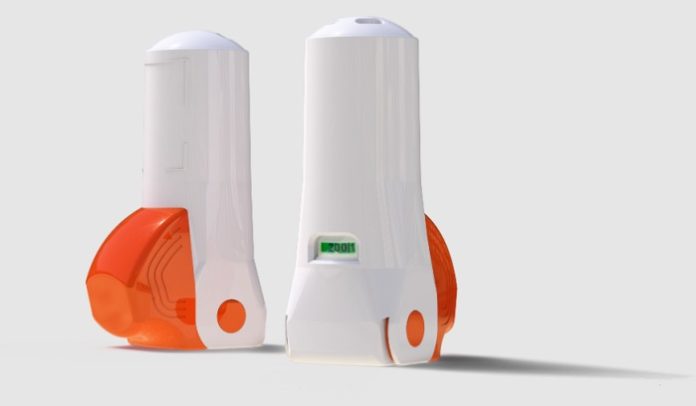
Berry Global Healthcare has launched the PneumoHaler, a new lightweight, breath-actuated, multi-dose inhaler with a dose indicator for the effective management of asthma and chronic obstructive pulmonary disease (COPD). Designed to provide a ready-to-use solution for new inhalation treatments, the PneumoHaler eliminates the need for pharmaceutical companies to develop their own platforms, enabling the delivery of faster-to-market solutions. Equally important, the PneumoHaler helps enhance medication adherence caused by poor user technique of pressurized metered dose inhalers (pMDIs).

โ€œWith the PneumoHaler, we have directly addressed the issue of poor finger pressing and breath coordination,โ€ explained Sanil Prasad, Head of Technology for Berry Bangalore and Sira. โ€œBy introducing a breath-actuated solution that removes the need for manual canister pressing and can accurately dispense the medicine at the correct time, we can provide an easier, seamless, and more effective treatment experience for patients of all ages compared to pMDIs.โ€

Unlike pMDIs, the PneumoHaler breath-actuated inhaler (BAI) does not require canister pressing while breathing-in, thus removing the risk of a coordination error. Another prominent feature of the PneumoHaler is its valve actuation system designed to release the drug dose only when the patient has achieved the correct inhalation airflow value. This helps maximize the effectiveness of the treatment by ensuring the correct dose is dispensed each time. By comparison, some other BAIs can sometimes release a dose when the device is shaken or if it falls over.

In addition, the PneumoHaler features a sleek ergonomic grip to ensure ease of use, and an integrated dose indicator allows individuals to monitor their medication intake.

Another important feature of the PneumoHaler is the deviceโ€™s advanced mechanical system. Unlike some current BAIs, where the internal mechanism is always compressed โ€“ which can result in performance deterioration over time – the PneumoHaler engages only when the patient opens the mouthpiece cap for inhalation. This means the device remains stress free for its entire shelf life, significantly reducing wear and tear to further increase its longevity and reliability.

The inhaler is also equipped with an โ€˜adaptive spring mechanismโ€™, which can accommodate crimping height variations in the canister with a wider tolerance range, without compromising overall performance.

The PneumoHaler offers a customizable orifice diameter, jet length, and sump volume and can be adapted for a variety of valves and canisters, making it compatible with a wide range of treatments and enabling it to be tailored to precise customer requirements. It can be actuated at a very low airflow rate, which is readily achievable by most patients. Another outstanding feature of the inhaler is that it can be supplied with or without a priming feature, further widening its suitability for many different pharmaceutical applications.

A choice of printing and labelling options enables clear communication of vital instructions and data and provides opportunities for individual branding.

โ€œAt Berry, we understand the challenges of the respiratory landscape, in particular the need to ensure accurate dosing and maximize adherence to treatments,โ€ said Alan Quemeneur, Global Sales Director for Berry Healthcare. โ€œThis is especially important as medicines become more sophisticated and personalized.

โ€œThe PneumoHaler has been designed primarily with patient ease in mind, removing the complexity of hand-breath coordination to offer a simplified yet highly effective inhalation experience for asthma and COPD patients. Equally important, it is readily available and easy to adapt to individual drug requirements, offering pharmaceutical companies speed-to-market.โ€

4 Common Causes of Insomnia You Need to Know

Many people today face sleeping disorders that affect their health in many ways. Some of them include difficulty in falling asleep at night, waking up in the night and not sleeping again, and day time sleepiness among others.

Unfortunately, most people donโ€™t know what causes them. But to get a solution for sleeping disorders, you have to first know the cause. This helps you to understand your behaviors and practices to change for better sleep. Let us take you through the four common causes of insomnia you need to know.

1. Stress

Stress is among the top causes of sleeping disorders because it affects your brain and prevents it from resting. Are you worried about your relationship, debts, bills, sickness or any other situation, you are most likely to fail getting sleep at night.

You will spend most of the time thinking about the problem in the night. The best thing is to cool down as you look for a solution. Sometimes you may worry about situations you donโ€™t have control over, so instead of letting them take away your peace, just let them be. Leave whatโ€™s meant to happen to take place because you canโ€™t control it. Best of all, medzino.com has a solution that can help you get better sleep throughout the night even if you have many things on your mind.

2. Eating Heavy Meals at Night

Another common reason why many people face lack of sleep in the night is having heavy meals near bed time. This causes discomfort throughout the night because the food canโ€™t easily be digested when your body is resting.

So, if you are one of the culprits, ensure that you have your meals several hours earlier before going to sleep. Moreover, if you are to have your supper late, eat light foods that your body can easily digest. Not only that, but you should also avoid carbonated drinks like sodas in the night because the caffeine in them can deprive you of sleep.

3. Poor Sleep Habits

Many people have poor sleep habits that deprive them of good sleep in the night. Some of them include uncomfortable sleeping environment, irregular bed time, and using the bed for work. Worst of all, using electronics before sleep is also bad.

For example, if you use your phone or tablet and watch TV during bedtime you canโ€™t easily fall asleep because the content you have consumed still occupies your mind and you first think about it for sometime. So, it is better to avoid them for some time when preparing to go to bed. This helps your eyes and mind to relax and by the time you sleep, your body is all prepared.

4. Medications

Some medications for different diseases also cause insomnia. Wondering how? Well, they have caffeine that deprives you of sleep, especially if you have to take the medication in the night. This includes antidepressants, cancer medication, and weight loss treatment among others.

You need to check your medication and examine if it the one depriving you of good sleep. If it is responsible, consult your doctors to see if you can change the schedule you take them to do it only during the day.

Get Improved Sleep

Get better sleep in the night by working on any situation that may be causing insomnia in your life. Good enough, medzino.com has the best solution for any sleeping disorder.

Navigating the Complexities of Medical Negligence Liability

Negligence in the medical field has serious consequences for both patients and doctors. Negligence on the part of medical professionals (doctors, nurses, and others in the healthcare industry) can give rise to legal issues and the issue of culpability. In this post, we’ll look at the most important nuances of medical negligence liability and what they mean for patients and doctors. By exploring these nuances, we hope to improve understanding of the medical malpractice legal system and provide insights that will be useful to stakeholders navigating this complicated landscape.

The Standard of Care

In cases involving medical negligence, familiarity with the standard of care is crucial. What constitutes an acceptable degree of competence and expertise for a healthcare provider is typically judged by what an equally qualified and experienced professional would do in a given situation. A personal injury case for negligence may be possible if this threshold is breached.

When it comes to their health, patients must put their trust in their healthcare providers, and the concept of standard care provides the yardstick by which to evaluate their performance. This criterion does not apply universally but rather considers the facts of each individual instance. For instance, a surgeon performing a difficult operation may be held to a different standard of care than a pediatrician treating a child’s illness.

Informed Consent

Medical practice cannot function without informed consent. Before getting a patient’s consent for treatment, healthcare providers will discuss the benefits, dangers, and options with the patient. Claims of medical malpractice may result from inadequate information provision. Patient autonomy is the bedrock of the concept of informed consent. Patients have the right to make educated decisions regarding their treatment, and healthcare practitioners must respect this right.

Patients may claim they were not given a fair chance to express their preferences for treatment if informed consent was not properly obtained. Furthermore, informed consent is an ongoing process that should encompass any adjustments to the treatment plan or newly identified concerns. Keeping patients informed about their medical care requires honesty and openness from all those involved.

Causation

One of the most difficult parts of a medical negligence case is proving causation. Plaintiffs must demonstrate that the healthcare provider’s actions or omissions actually caused harm. This requires providing concrete evidence connecting the medical mistake to the harm sustained by the patient. A key component of any negligence lawsuit is proof of causation.

The patient must show more than just that the healthcare professional was negligent. They also need to prove that their injuries were caused by the deviation. This is what’s known as the “but for” test in the law. If the doctor or nurse hadn’t been careless, the patient wouldn’t be hurt.

When there are several contributing components, determining the cause might be difficult. It is critical for plaintiffs to collect persuasive evidence to support their claims since healthcare practitioners may argue that the patient’s preexisting conditions or other unrelated variables contributed to the harm.

Expert Testimony

Expert witnesses in the medical field are frequently needed in cases of medical negligence to testify as to whether or not the defendant’s behavior departed from the accepted standard of care. This testimony is essential for proving negligence in court.

The foundation of any medical malpractice case is expert witness testimony. Since the standard of care is a specialized and intricate notion, it often requires the participation of experts who can examine the healthcare provider’s actions. These professionals help the court determine if the defendant’s activities were adequate.

The distance between medical expertise and legal standards is narrowed by their testimony. Doctors, nurses, and other medical professionals who are experts in their field can testify as expert witnesses. They offer their professional judgments and assessments based on their expertise.

Statute of Limitations

A plaintiff has a limited amount of time to initiate a claim for medical negligence, as established by each state’s statute of limitations. Because missing this deadline can prevent a patient from receiving compensation for their injuries, it is crucial that they are informed of it.

Statutes of limitations differ from one jurisdiction to another and are designed to facilitate the prompt resolution of legal claims. They are a basic deadline by which claimants must initiate court action. A patient may lose their right to sue if they do not begin legal action within the allotted time.

Understanding the statute of limitations that applies to a certain case is vital, as it defines a legal threshold for when a claim can be presented. Given the complexities involved, it is critical to consult an attorney as soon as possible after a suspicion of medical negligence has arisen.

Damages

Compensation for medical bills, pain and suffering, and lost pay are all forms of damages that can be sought in medical negligence lawsuits. Damages are difficult to calculate and may require a thorough examination of the individual case.

The awarding of damages is crucial in any lawsuit involving medical malpractice. They symbolize the patient’s losses because of the doctor’s carelessness. For example, a brain injury victim has significant losses they are subjected to live with all their life. These losses may have a monetary or intangible monetary value. Medical expenses, missed wages, and other monetary losses are examples of economic damages.

Pain and suffering, emotional discomfort, and a decline in the patient’s quality of life are all examples of non-economic damages. Damages are difficult to calculate since they take into account both short-term and long-term consequences. It may require the experience of financial and medical professionals to arrive at a reasonable and just compensation sum.

Endnote

Liability for medical mistakes is a complex and dynamic field of law. Both patients and medical professionals need to understand these nuances to help victims of medical malpractice get the compensation they deserve.

Navigating Drug And Alcohol Withdrawal: 8 Strategies For Coping

Embarking on the journey of overcoming drug and alcohol addiction is a courageous decision that demands resilience and support. One of the most challenging phases in this process is withdrawal. Withdrawal occurs when individuals abruptly stop the use of substances to which their bodies have become accustomed. This can result in various psychological and physical symptoms as the body readjusts to operating without the presence of drugs or alcohol.ย ย 

Itโ€™s important to have effective strategies in place to cope with the symptoms that may arise during this process. To help you navigate this crucial stage successfully, this article has compiled some effective strategies for coping that can make a substantial difference in your journey toward recovery. By implementing the right coping mechanisms, individuals can increase their chances of successfully navigating withdrawal and achieving long-term sobriety.ย 

1. Seek Professional Supportย 

One of the most effective steps in navigating drug and alcohol withdrawal is to seek professional support. Withdrawal symptoms can be in the form of seizures, hallucinations, and delirium tremens, and these can be dangerous or life-threatening in some cases. Thus, professional supervision is crucial and recommended.

Consulting with a healthcare provider, particularly an addiction specialist, is crucial for proper assessment, guidance, and monitoring during this process. They can provide tailored advice, create a personalized drug and alcohol detox plan, and may even prescribe medications to alleviate specific withdrawal symptoms. Just remember that as much as possible, attempting to detox alone or without medical oversight is never recommended.ย 

2. Identify Triggersย 

Understanding the triggers that contribute to drug and alcohol use is a pivotal aspect of managing withdrawal effectively. Triggers can vary from person to person, making it essential to explore your own experiences thoroughly.ย 

To help you identify your triggers, take some time for self-reflection to identify specific situations, emotions, or environments that lead to cravings. Keeping a journal can be a solid and powerful tool to track patterns and recognize recurring triggers. Seeking guidance from your trusted therapist or counselor may also help provide valuable insights into the underlying factors contributing to substance use.ย 

3. Build a Supportive Networkย 

Withdrawal can be a demanding process, and having a supportive network of family, peers, friends, or fellow individuals in addiction recovery can greatly impact one’s ability to cope with it. Surround yourself with understanding friends, family, or a support group who can provide encouragement, empathy, and motivation. By surrounding oneself with a solid support system, individuals like you can find solace and encouragement during these difficult moments.ย 

4. Adopt Healthy Coping Mechanismsย 

Replace old coping mechanisms, such as substance abuse, with healthier alternatives. For instance, if youโ€™re starting to crave again, you can go for a jog or run instead. Exercise helps release endorphins, which are natural mood boosters, and can be a great way to distract you from your cravings.ย ย 

Engaging in artistic or creative activities can also offer a positive outlet for negative emotions and cravings. Painting, writing, drawing, coloring, playing a musical instrument, or even cooking can be therapeutic outlets for self-expression and stress relief. These activities provide opportunities for individuals to channel their energy and emotions into something productive and fulfilling.ย 

5. Practice Mindfulness and Relaxation Techniquesย 

Withdrawal often comes with heightened stress and anxiety. Incorporating relaxation and mindfulness techniques into your routine can help manage these challenges. Simple practices, such as deep breathing exercises, meditation, or yoga, can promote a sense of calm and assist in redirecting your focus away from cravings.

6. Educate Yourselfย 

Educate oneself about the specific withdrawal symptoms, expected timeline, and potential challenges to help you feel more prepared and less anxious. Understanding that withdrawal is a natural part of the recovery process can reassure that the discomfort is temporary, which is crucial for maintaining motivation.ย 

7. Practice Self-Careย 

Taking care of oneself is crucial during withdrawal. So, allow yourself to do activities that promote your well-being, such as acquiring enough sleeping hours, eating nourishing meals, practicing relaxation techniques, and engaging in hobbies or activities that bring joy. Remember, nurturing your physical, mental, and emotional states can aid in a successful recovery journey.ย 

8. Understand the Importance of Patienceย 

Withdrawal is a process that takes time, and it’s crucial to recognize and appreciate the progress you make, no matter how small. Patience is a virtue during this challenging phase, as your body and mind gradually adapt to a life without substances. So, celebrate achievements, no matter how minor, and acknowledge that setbacks are a natural part of the recovery journey.ย 

Key Takeawayย 

While the withdrawal process can be challenging, implementing these strategies can significantly enhance one’s ability to cope with the withdrawal symptoms that may arise. Remember, every individual’s journey is unique, and finding what works best for you is key. So, utilize these strategies and increase your chances of successfully navigating withdrawal and embarking on a healthier, sober future.

3 Reasons Healthcare Setups Sustainability Must Be Pushed

The U.S. Department of Health and Human Service- HHS went ahead and established the Office of Climate Change and Health Equity in 2021 with the aim of tackling the diverse threats that climate change poses when it comes to public health. This mission also happens to be applicable to healthcare facilities such as hospitals, treatment centers, as well as clinics. Organizations in this gamut have been experiencing growing pressure to lessen the carbon emissions, improve building effectiveness, and also meet other sustainability needs. Calls to action for sustainability are being made by patients, investors, staff, communities, local as well as federal governing bodies. This has given rise to many healthcare leaders to prioritize the angle of sustainability.

However, the procedure of constructing or retrofitting environmentally conscious buildings requires a significant amount of commitment. Decision-makers in healthcare, such as those in other varied sectors, face challenges in terms of limited budgets and increasing costs, in addition to competing financial priorities. For organizations that are just starting out, it can be an issue to determine the best beginning point. On the other hand, those who have made the growth may face the dilemma of either expanding their environmentally friendly efforts or efficiently handling the expectations of all stakeholders. Besides this, they may require assistance when it comes to meeting state or federal compliance requirements that happen to be established by sustainability regulators such as the Environmental Protection Agency- EPA or the Department of Energy- DOE, as well as monitoring and documenting their line of progress. Healthcare leaders happen to be enthusiastic about investing in sustainability and also establishing partnerships with like-minded individuals, despite the unique issues that they may face. They recognize that doing so will help in numerous benefits for both people as well as the planet.

Enhanced patient outcomes

Patients usually visit healthcare facilities for a variety of causes such as being injured, sick, or managing a specific health condition. or individuals may also make a visit as family members or loved ones of someone who is in need of medical care. Because of this, a significant number of individuals entering through these doors are either physically or emotionally susceptible. In light of this aspect, it is important to prioritize the creation of highly comfortable as well as secure environments for patients, visitors, and also staff members. Executing healthy building enhancements leads to an elevated patient experience and improved total quality of care, while simultaneously reducing costs and at the same time optimizing resources.

Short-term and long-term cost savings

Executing green initiatives can go on to build savings throughout the entire organization. Efficient buildings not only make sure of significantly lower utility bills, but they also lessen the likelihood of unforeseen equipment issues that can lead to repairs that are expensive. In addition, there are many creative opportunities that are available to save or even earn money. For instance, individuals can discover options such as accessing capital by means of lenders who are specifically interested in supporting environmentally friendly steps. Another possibility is putting funds into rooftop solar panels, which can go on to generate energy that can be sold back to the grid. Given that sustainability happens to be a major concern for leaders in various industries and also jurisdictions, now is the right moment to get an affordable financing for projects. This can be achieved via government programs, public-private partnerships, or even performance contracting.

Facilities that are future-proofed

In order to get hold of decarbonization and renewable energy goals and, at the same time, create more buildings that are efficient, organizations must go on to prioritize the integration of digital technology across their plans. Today, there happen to be a wide range of technologies available, including standalone solutions as well as comprehensive as-a-service offerings. These technologies can be tailor-made to meet specific objectives. For instance, if the goal is all set to decrease energy consumption, one can go on to choose to install occupancy sensors that automatically turn off building systems in rooms that are unoccupied. Touchless environments go on to offer the advantage of energy conservation by enabling clinical staff so as to manage as well as enhance room elements such as lighting and temperature by way of using mobile, voice, or even web interfaces. Alternatively, if an organization’s main objective happens to be the measurement and reporting, they can utilize integrated facility command centers or also similar software that enables them to efficiently track building operations by way of a centralized dashboard.

It is well to be noted that sustainability efforts across the healthcare gamut go on to offer a significant return on investment, along with a deserving of leaders’ attention, financial allocation, and also resources. How, remains the question? The process may go on to vary for each organization, but it generally initiates by establishing baselines as well as asking questions such as, What technology, if any, is at present implemented in the building systems? How much is the current spending on each of these components? Third-party audits happen to have the ability to assess a wide range of factors, such as enhancing the air quality, HVAC performance, and also energy and water usage. These audits happen to be valuable as they identify areas that can be made better. Leaders can start by identifying their top sustainability objectives and post that proceed to determine the innovative technologies that are required to bridge the gap between their present state and their state that is desired.

Healthcare leaders are not expected to achieve all of their green goals immediately. However, they are anticipated to be proactive by creating a plan as well as consistently taking steps to meet their targets over time. By making sure to implement these measures, healthcare facilities can fully realize their capacity as tools of healing.

The Connection Between Oral Health And Overall Health

When we think about staying healthy, we often focus on diet, exercise, and mental well-being. However, there’s a crucial aspect of our health that frequently gets overlooked: our oral health. It’s not just about having a bright smile; the condition of our teeth and gums can be a window to our overall health.ย 

This connection is deeper and more significant than many realize, and in this comprehensive guide, we’ll explore how maintaining good oral health is integral to our general well-being.

1. The Mouth: A Gateway To Your Body’s Health

The mouth is the entry point to our digestive and respiratory systems, and how we take care of it can have far-reaching implications. Poor oral hygiene can lead to dental issues like cavities and gum disease, but the impact doesn’t stop there. For instance, a Dentist Montclair NJ, can help eradicate gum disease, which would otherwise lead to an increased risk of serious health problems like heart disease, diabetes, and stroke. This is because bacteria from the mouth can enter the bloodstream, affecting other parts of the body.

2. Oral Health And Heart Disease: A Surprising Connection

There’s a growing body of evidence suggesting a link between oral health, particularly gum disease, and heart disease. Researchers have found that people with gum disease are at a higher risk for heart conditions, including heart attacks. The inflammation caused by gum disease may be responsible for this connection, underscoring the importance of regular dental check-ups and good oral hygiene.

3. Diabetes And Oral Health: A Two-Way Street

For individuals with diabetes, maintaining oral health is especially crucial. Diabetes significantly increases the risk of developing gum disease, and in turn, severe gum disease can affect blood glucose control and contribute to the progression of diabetes. Regular dental visits and proper oral care are essential for managing diabetes effectively.

4. Oral Health And Pregnancy: Protecting Two Lives

Oral health takes on an added dimension of importance during pregnancy. Hormonal changes can increase the risk of developing gum disease, which in turn can have implications for the health of both the mother and the unborn baby. Studies have shown a correlation between gum disease in pregnant women and premature births and low birth weight.

5. The Impact Of Oral Health On Mental Well-being

Our oral health significantly influences our mental well-being, a connection that is often underestimated. Dental issues such as bad breath, tooth decay, missing teeth, or chronic dental pain can lead to far-reaching psychological effects.

a) Self-Esteem and Social Interaction

The appearance of our teeth plays a crucial role in our self-image and how we present ourselves to the world. Discomfort about the appearance of one’s teeth can lead to self-consciousness, impacting social interactions and professional opportunities. People with visible dental problems may avoid smiling or engaging in conversations, leading to social withdrawal. This can have a domino effect on mental health, increasing feelings of isolation and even contributing to depression.

b) The Anxiety-Oral Health Cycle

Anxiety about dental visits is a common phenomenon, often stemming from past experiences or the fear of pain. This dental anxiety can create a vicious cycle: avoidance of dental care leads to worsening oral health, which in turn increases anxiety due to the fear of more complex and painful procedures in the future. Breaking this cycle through supportive dental care and anxiety management is crucial for both oral and mental health.

Conclusion

The connection between oral health and overall health is undeniable. What happens in our mouth can have a profound impact on the rest of our body, influencing everything from heart health to mental well-being. This makes regular dental check-ups and good oral hygiene practices not just a matter of dental health, but a crucial aspect of maintaining overall health. Remember, a healthy mouth is a gateway to a healthier you.

Generative AI May Help Enhance Chest X-Ray Interpretation

A group of researchers from Northwestern Medicine has gone on to develop an advanced AI tool that effectively analyze chest radiographs. This tool goes on to demonstrate accuracy levels that are comparable to or even overtaking those of radiologists, particularly for certain medical conditions.

The study furnishes a tool that has been solely developed to aid emergency department radiologists who are overworked due to a heavy workload. Apart from this, it looks to offer guidance to clinicians happen to who work in environments where there happen to be no radiologist who are available on call.

The objective was to utilize the clinical expertise and experience in developing AI tools for clinical integration in order to address this issue by making use of their institutional data, stated the first author of the study and also a student in the Medical Scientist Training Program- MSTP at Northwestern, Jonathan Huang. They have gone on to develop a model that enhances the interpretation of X-rays and also assists physicians in analyzing medical images. This model automatically goes on to generate text reports from the images, which in turn helps to expedite clinical workflows and, at the same time, boost overall efficiency.

The researchers made use of 900,000 chest X-rays along with the radiologist reports to build the model. The tool was subsequently trained to use these findings so as to generate a report for every image. The report would help in describing the relevant clinical findings and their significance, employing the same language along with the style as a human radiologist.

The research team went ahead with the testing of the model using 500 chest X-rays that were obtained from an emergency department at Northwestern Medicine. The evaluations that were obtained were then compared to the initial interpretations that were made by the radiologists along with teleradiologists in the clinical setting.

Huang went on to explain that their objective was to assess the effectiveness of the AI model in case of an emergency department setting. This is specifically important as emergency physicians often do not have any access to onsite radiologists who can offer guidance while simultaneously attending to patients. This scenario goes on to represent a practical clinical use case in which an AI model could effectively elevate and, at the same time, support human decision-making.

Thereafter, a group of 5 board-certified emergency medicine physicians were requested to evaluate each report generated by the AI. They were asked to rate them on a scale of one to five, with a rating of five putting forth the fact of their agreement with the tool’s interpretation and no need for any changes when it comes to the wording of the report.

Throughout this study, the researchers explored how the AI demonstrated the ability to effectively pinpoint X-rays displaying worrisome clinical observations as well as generate imaging reports of excellent quality. The study also interpreted that there was no significant difference when it came to accuracy between reports that were generated by radiologists and those that were generated with the help of AI.

The AI went on to demonstrate a sensitivity of 84% and a specificity of 98% as compared to the on-site radiologists, indicating its capacity to accurately detect abnormalities. The original reports coming from teleradiologists for the same task had a sensitivity of 91% and a specificity of 97%.

It is well to be noted that in a few instances, the AI tool was even able to detect findings that the radiologists had missed, which included identifying a pulmonary infiltrate in an X-ray.

Researchers say that this is the first instance where a generative AI model has been made use of to generate chest X-ray reports.

Senior author, MD, PhD, assistant professor of Anaesthesiology and Biomedical Engineering at the McCormick School of Engineering, Mozziyar Etemadi,ย pointed out that AI tools within the radiology gamut have typically been designed for certain purposes, including ones that theyย have already created in the past. For example, consider an AI model thatโ€™s capable of evaluating a mammogram to gauge the presence or absence of cancer. In this case, theย AI model offers clinicians with total information about an image and gives accurate diagnoses, often surpassing the expertise and capabilities of certain doctors.

Apparently, the research team in the future plans to enhance the model’s capabilities so as to include the interpretation of MRIs, ultrasounds, as well as CAT scans. They happen to have high hopes that the tool will, in the end, prove to be valuable when it comes to clinics that are facing workforce shortages.

The objective of this is to become the radiologist’s assistant, thereby relieving them of the monotony when it comes to their work, stated Etemadi.

There are other institutions also that are also exploring AI application tools in the field of medical imaging.

The team of researchers from Johns Hopkins Medicine recently went on to announce the development of a machine learning model that is capable of estimating the percent necrosis in patients that have intramedullary osteosarcoma. PN refers to the percentage of a tumor that is regarded as dead and no longer active.

It is mandatory to calculate with precision the PN that occurs after chemotherapy in order to assess effectiveness when it comes to the treatment and at the same time provide an estimate of the patient’s survival prognosis. However, this function necessitates pathologists to analyze whole-slide images of bone tissue, which can be a time-consuming process.

The model went in to demonstrate success in gauging and evaluating these WSIs, although with certain limitations.

NGenBio Unleashes Innovative NGS-Powered Software for Cancer Companion Diagnosis Analysis

NGenBio Unleashes Innovative NGS-Powered Software for Cancer Companion Diagnosis Analysis

NGeneBio, a prominent precision diagnosis platform company, has made a significant announcement regarding their NGeneAnalySys software, which leverages next-generation sequencing technology for cancer gene analysis. On the 6th, the company introduced an updated version that includes a new feature โ€“ a cancer companion diagnosis report capable of evaluating important biomarkers.

Genomic data analysis is a pivotal component of NGS-based cancer diagnosis. However, the complexity and difficulty of this analysis have traditionally presented high entry barriers to the NGS-based cancer diagnosis market. NGeneBio managed to overcome these challenges back in 2016 when they successfully commercialized EngenAnalysis, the first automatic cancer genome data analysis software in South Korea. They achieved this milestone by combining their own big data technology with bioinformatics expertise.

One notable addition to EngenAnalysis is its ability to identify companion diagnostic markers for a wide range of FDA-approved targeted anticancer drugs. Through mutation analysis of genomic data, approximately 40 targeted anti-cancer drugs are examined, and the results are presented in detailed reports. This empowers healthcare professionals to identify the specific genetic mutations responsible for the cancer and prescribe personalized targeted therapies.

The advent of personalized medicine, as exemplified by Engen Analysis, is leading to the discovery of cancer-causing mutations and the recommendation of the most suitable treatments. Consequently, the companion diagnostics market is experiencing rapid growth, particularly in the field of oncology, which accounts for 87% of the overall demand. This added functionality enhances NGeneBio’s capacity to engage in collaborative efforts with global pharmaceutical companies focused on the development of targeted anti-cancer treatments.

Translate ยป