












Close
Digital Health & Ai Innovation summit 2026
LiGHT26

What Are The Benefits Of Running Regularly?

Running is a simple yet incredibly effective exercise that is often overlooked. Whether you’re a fitness enthusiast or someone merely seeking an efficient way to improve your health, running regularly can work wonders. It’s a universal activity that requires no fancy gyms or expensive equipment; just a good pair of running shoes, determination, and a bit of time. In this blog post, we’ll delve into the numerous benefits of running regularly, highlighting how this humble exercise can boost your physical and mental health, enhance your life quality, and even contribute to longevity. So, let’s lace up our shoes and explore the many advantages of running!

Improves Physical Health

This high-impact aerobic exercise engages multiple muscle groups and elevates your heart rate. As such, it offers numerous physical benefits, including:

Strengthening Your Muscles

Running regularly provides numerous benefits for muscle strength. It targets the muscles in your legs, core, and even upper body, helping to build strength, endurance, and overall performance. By engaging these muscles through repetitive motions, such as sprinting or hill running, you can effectively tone and strengthen them over time.

Enhancing Cardiovascular Health

When you run, your heart rate increases, pumping more blood throughout your body. This improved blood flow helps to lower blood pressure, increase oxygen delivery to your muscles, and improve overall heart function. Regular running can reduce the risk of heart disease, stroke, and other cardiovascular conditions.

Maintaining Bone Density

In addition to its muscle-strengthening benefits, running also plays a crucial role in maintaining bone density. The impact of running helps stimulate bone growth and strengthens your skeletal system. By subjecting your bones to these weight-bearing exercises, you can help prevent age-related bone loss and reduce the risk of conditions like osteoporosis.

Burning Calories

Running is a highly effective calorie-burning exercise that can aid in weight management and body fat reduction. The high energy expenditure during running helps burn a significant number of calories, making it an ideal activity for those looking to lose weight or maintain a healthy body composition. Combined with a balanced diet, running can contribute to achieving and maintaining a healthy weight.

Boosts Mental Well-being

Apart from its physical benefits, running also has a significant impact on mental health. It’s a powerful stress reliever that can boost your mood, increase self-confidence, and alleviate symptoms of anxiety and depression.

Reduces Stress and Anxiety

Running triggers the release of endorphins, chemicals in the brain that act as natural painkillers and improve mood. These feel-good hormones create feelings of euphoria and general well-being, also known as the “runner’s high.” Running every day can help reduce stress and improve mood by promoting the release of endorphins.

It allows you to disconnect from daily worries, providing a sense of calmness, relaxation, and mental clarity. The release of endorphins can also help reduce anxious feelings and promote a sense of peace. Plus, running in Millennium Park, Oz Park, or along the lakefront can provide a soothing and tranquil environment to enhance these effects. If you have an active pet dog, take them along with you for a run in one of the pet-friendly parks to experience even more stress relief!

Boosts Self-confidence

Running regularly can also boost self-esteem and confidence. It’s an excellent way to set goals, track progress, and celebrate achievements. Whether you’re aiming for a specific distance or time goal or simply want to maintain a consistent running routine, reaching these milestones can make you feel accomplished and confident in your abilities.

Moreover, as your stamina and endurance improve, you’ll gain a sense of pride in your physical capabilities, leading to an overall increase in self-confidence.

Alleviates Symptoms of Depression

Studies have shown that running can also be beneficial for people struggling with depression. Similar to how it reduces anxiety and stress, running promotes the release of endorphins that help lift moods and alleviate depressive symptoms. It also provides a healthy coping mechanism and can serve as an outlet for emotions, improving overall mental health.

Contributes to Longevity

Lastly, regular running has been linked to longevity and a reduced risk of premature death. Its numerous physical and mental health benefits, combined with healthy lifestyle choices, can contribute to living a longer and healthier life.

Reduces Risk of Chronic Diseases

The physical health benefits of running, such as improved cardiovascular function and weight management, can help reduce the risk of developing chronic diseases like heart disease, type 2 diabetes, and certain types of cancer. By incorporating regular running into your routine, you’re taking a proactive step toward preventing these conditions.

Promotes Healthy Habits

Running encourages healthy habits that can contribute to longevity. It can promote better nutrition choices, stress management techniques, and an overall active lifestyle. These habits, combined with the physical and mental benefits of running, can help increase life expectancy and improve quality of life.

In conclusion, running regularly offers numerous benefits that can enhance your physical and mental well-being, improve overall life quality, and contribute to longevity. So why not lace up those shoes and start reaping the many rewards of this simple yet powerful exercise? Whether you’re a beginner or an experienced runner, incorporating regular running into your routine is a valuable investment in your health and well-being.


Link Found Between Plastic Chemicals And Neuro Disorders

A recent study is revealing possible links between widely used plastic chemicals and neurodevelopmental disorders, presenting insight into the intricate causes of conditions like autism spectrum disordersย and attention-deficit/hyperactivity disorder.

The findings of the study could have significant implications for awareness of the environmental as well as genetic factors that contribute to these disorders.

Researchers from Rutgers University-New Jersey Medical School and also from Rowan University-School of Osteopathic Medicine in the United States conducted a study on 2 commonly used plasticizers, bisphenol-A (BPA) and diethylhexyl phthalate (DEHP). These plasticizers are frequently discovered in a range of consumer products. BPA is frequently used in the production of polycarbonate plastics, as well as in the manufacturing of PVC and also in the linings of food and beverage packaging. On the other hand, DEHP is responsible for regulating the strength of plastic materials.

The researchers examined whether there is any association between impaired glucuronidation, which is an essential metabolic process for these substances, and the occurrence of neurodevelopmental disorders.

Glucuronidation is a process that enhances the water solubility of substances, making it easier for the body to get rid of them. The study suggested that people who have impaired glucuronidation might be more vulnerable to the adverse consequences of plastic chemicals that involve BPA and DEHP.

The research team conducted an analysis of urine samples collected from three distinct groups of children, ranging in age from 3 to 16 years old. The groups consisted of children who had been diagnosed with ASD and ADHD, and also a control group of healthy children. Urine samples were collected and evaluated to assess the effectiveness of glucuronidation on BPA, DEHP, and other metabolites present in the body.

The findings of the study suggested a possible link between impaired glucuronidation and a risk to acquire neurodevelopmental disorders. Children with ASDย and ADHDย exhibited reduced efficiency in glucuronidation for certain compounds. However, the connections appeared to vary among various sub-pathways of glucuronidation.

The complex interplay

The researchers believe the findings of this study might point to a susceptibility to the negative impacts of plastic chemicals, specifically BPA and DEHP, which could be inherited. The findings bring up significant questions regarding the potential impact of individual genetic variations on a child’s capacity to purify these chemicals. This could potentially play a role in the onset of neurological disorders.

According to the authors, the primary means by which people are exposed to this substance are through eating habits and through ingesting food products that have been polluted through packaging. However, there is also some evidence suggesting that inhalation and personal products may also play a significant role in exposure.

The study offers valuable insights into the intricate relationship between environmental and genetic variables in the growth of ASD and ADHD. However, additional research is necessary to investigate the processes and repercussions of weakened glucuronidation. It is also important to gain a better understanding of the genetic factors that could potentially impact an individual’s vulnerability to these disorders.

The researchers point out that there is a significant amount of epidemiological evidence promoting a connection between neurodevelopmental disorders and environmental pollutants like plasticizers.

The study approach

The research introduces two distinct yet interconnected approaches for understanding metabolic pathways. The first approach concentrates mainly on the efficacy of glucuronidation, while the second approach explores the relationship between glucuronidation pathways and the body’s metabolome. Genetic factors have a significant impact on the efficiency of glucuronidation, which in turn influences these processes.

The research findings indicate a significant correlation between decreased efficiency in the glucuronidation of BPA and the occurrence of both ASD and ADHD. These results support previous evidence that has been reported. Surprisingly, the ADHD group also showed a correlation with the BPA pathway, emphasising a shared connection between impaired detoxification of BPA and both of these neurodevelopmental disorders. However, the control group did not show a connection with any of the glucuronidation pathways.

The second approach boosts the metabolic data by examining how the 12 glucuronidation pathways are connected to the metabolome and clinical diagnoses, thereby providing improved comprehension. The study found that more than 90% of the significant relationships in both the ASD and ADHD groups showed positive results for the BPA and MEHP pathways. This finding further supports the link between impaired plasticizer detoxification as well as neurodevelopmental disorders.

The study also emphasises the possible repercussions of this weakened detoxification process. Research has shown that both BPA and MEHP have the ability to disrupt the endocrine system, impacting an array of metabolic functions, including gene expression and oxidative stress.

These compounds have been linked to foetal growth, development, and behavioural impairments in rodent models. Children with ADHD show noticeable metabolic differences when compared to control children. These differences include increased protein turnover, amino acid flux, and basal metabolic rate.

The future scope

It is important to acknowledge that this study offers useful information on the connection between plasticizer exposure and neurodevelopmental disorders. However, it is worth noting that there may be other pathways that additionally play a role in the growth of ASD and ADHD. That said, the findings suggest that a considerable portion of these conditions can be attributed to neurodevelopmental disorders triggered by plasticizers.

However, the authors of the study acknowledge certain limitations. It is important to take into account the clinical and biological diversity of children with ASD and ADHD, in addition to the relatively small sample size.

Furthermore, the study primarily concentrates on a particular point in time and does not include information on how neurodevelopmental diseases affect the sulfation pathway. BPA and MEHP serve as indicators for additional unidentified compounds that are metabolised through similar pathways.

In summary, this research provides valuable insights into the link between impaired plasticizer metabolism as well as neurodevelopmental disorders. It points out the importance of conducting additional studies that investigate the connections among genetics, environmental factors, and metabolism in the formation of these conditions.

4 Different Paths to Changing Career and Working in Healthcare: Which Is Right for You?

If you are becoming tired of your current career, it is time to consider new options. For instance, there are lots of different careers available in the healthcare sector, which require varying levels of experience and qualifications.

To find out which is the right path for you, here are four options you will want to consider.

1. Volunteer or Complete an Internship

If you are unsure as to which type of career you want to pursue in healthcare, it is a good idea to volunteer with different organizations to get a feel for the settings and tasks you enjoy the most. For example, you could volunteer at a hospital, a research facility, or a doctorโ€™s office.

Likewise, if you already have a good idea of the type of healthcare career you want to enter, volunteering or completing an internship can enable you to ensure it is the right option for you.

Furthermore, having voluntary placements or internships under your belt will give yourย CV writingย a boost, as you will gain hands-on experience, which means it could be easier to secure jobs later down the line. Engaging in internships or volunteering experiences allows you to gain invaluable insights into healthcare environments, learn new skills, and build professional networks.

2. Complete a Degree Related to Healthcare

Once you decide to change your career and enter the healthcare industry, finding the right degree course will be pivotal. If you are seeking jobs in administration within the healthcare industry or lower-paid jobs like working as a porter at a hospital, for instance, you may not need qualifications.

But for job roles that involve direct healthcare and expert knowledge, such as nursing, surgery, or talk therapy, you will typically need to successfully complete a degree program and possibly further qualifications.

Thankfully, there are all kinds of degree programs available, so you can find the right one for your chosen career path. Furthermore, by completing an online healthcare degree, you can study at your own pace, which is ideal if you are juggling other responsibilities or prefer learning in your own time.

For example, you could complete a Bachelor’s Degree in Nursing. The qualification would enable you to work in nursing roles like a nurse practitioner or a registered nurse.

Alternatively, if you have a passion for crunching numbers and solving complex problems, an online degree in Healthcare Administration might be the perfect choice for you. Holding such a degree could propel you toward managerial roles within medical institutions.

3. Complete a Post-Baccalaureate Pre-Medical Program

Post-Baccalaureate Pre-Medical Programs offer targeted studies that focus on medical and healthcare topics. They are designed for ambitious souls who hold a bachelor’s degree in a non-science field. Basically, they are a bridge to medical school acceptance.

Upon completing this course, students are more attractive candidates for medical schools or other healthcare professional programs, such as dentistry, optometry, or pharmacy.

Therefore, these post-bac programs can be the stepping stone towards becoming a doctor of medicine, a doctor of osteopathic medicine, a dentist, an optometrist, or a pharmacist, to provide just a few examples.

If you are aiming high within the healthcare industry, you may need to complete a post-baccalaureate pre-medical program and go on to acquire relevant certifications for your chosen career role.

4. Get the Right Qualification for the Career You Want to Pursue

If you know from the offset what type of healthcare career you want to pursue, you can ensure you complete the right educational program to gain the qualifications you need to enter the profession. So, here are just a few roles that you might like to consider, with the qualifications you will require for each.

Medical Practitionerย 

This role covers various positions like general practitioner, specialist physician, and surgeon. Entry typically requires a basic medical degree followed by further specialized training and residency programs depending on the area of specialty. Advanced qualifications not only ensure success, but also lead to numerousย benefits for doctors, and greater job security.

Radiologic Technologist

Radiologic technologists produce diagnostic images for physicians using X-ray equipment. To enter this profession, you can earn an associate’s degree in radiologic technology or join a certificate program if you are already in a healthcare role.

Physical Therapist

Physical therapists help injured people improve movement and manage pain through exercise and rehabilitation techniques. Becoming one requires completion of a Doctor of Physical Therapy program after securing a Bachelor’s Degree. A state-provided license is also necessary in the U.S.

Healthcare Administrator

Healthcare administrators manage healthcare institutions, ensuring smooth functioning and patient satisfaction. Entry paths include a Master’s degree in Healthcare Administration or related fields, often coupled with professional experience in healthcare.ย 

Medical Laboratory Technician

Medical lab technicians process patient samples and operate lab equipment to help doctors diagnose diseases. An Associate’s degree in medical laboratory science is usually required for this role.

UC Davis Health, NODE.health, and Leading Health Systems launch VALID AI

As generative artificial intelligence (Gen AI) becomes more prevalent in health care,ย UC Davis Healthย along with the rest of the University of California health systems, is leading a member-led collective of health systems, health plans, nonprofit associations, and technology and research partners across the United States and internationally.

The group of more than 30 founding partners will be announced at the launch of VALID AI at theย Future & Health Summit at HLTH in Las Vegasย this week. VALID AI stands for Vision, Alignment, Learning, Implementation, and Dissemination of Validated Generative AI in Healthcare. It is a collaborative that will explore uses, pitfalls, and best practices for Gen AI in health care and research, and accelerate execution and real-world evidence.

Gen AI is a watershed moment in health care, but fewer than 1 in 10 health care organizations have concrete plans in place for execution. VALID AI hopes to help bridge this gap.

โ€œBy embracingย open innovation and radical collaboration, health care organizations of all sizes can lead the charge in creating value from Gen AI in a responsible manner,โ€ saidย Ashish Atreja, CIO and chief digital health officer at UC Davis Health. โ€œWe now have an opportunity to co-create the science of Gen AI with our diverse partners in a way that could fundamentally change how care and research will be delivered in the future.โ€ By bringing together diverse perspectives, expertise, and insights, VALID AI will push the boundaries of implementing AI technology and ensure the responsible and ethical development of Gen AI, ultimately shaping a more equitable future for all.

“Gen AI holds tremendous promise for health care but requires guardrails to ensure safety and efficacy,โ€ saidย Dennis Chornenky, chief AI advisor at UC Davis Health and CEO of Domelabs AI. โ€œVALID AI will accelerate adoption through coordinated validation of use-cases and alignment around best practices for AI governance and AI-enabled innovation.โ€

The VALID AI program revolves around a collective of five core values focused on bringing the power of generative AI to health care organizations and patients:

  • Vision: Create a cohesive strategy and shared vision to guide generative AI research in health care, aligning relevant parties, facilitating learning, promoting equitable access to generative AI resources, and accelerating implementation across member organizations.
  • Alignment: Help our member organizations and partners align with common standards as they evolve and apply them internally with best-suited organizational frameworks and safe and equitable governance practices.
  • Learning: Aggregate cutting-edge research on use-cases, implementation science, policy work, and industry standards from the U.S. and around the world. This knowledge will be shared with our member network and key partners through virtual learning sessions, executive briefings, in-person summits, an online portal, and an online forum for sharing ideas.
  • Implementation: Establish the collaborative AI sandbox to support member organizations with integration, validation, and implementation of generative AI use cases. The sandbox program will bring together startups, researchers, and leaders focusing on generative AI in health care with members receiving support and favorable terms for collaboration.
  • Dissemination: Share the knowledge and science generated through collective efforts on a global scale through co-publishing white papers, journal articles, and op-eds to advance innovation and enrich the scientific and business communities.ย An in-person โ€œGenerative AI in Health Care Summitโ€ will bring CEOs, executives, and leading practitioners together to discuss advancements and share insights.

โ€œUC experts across its health system are excited to be a catalyst and collaborative force to bring leading academic health centers and industries together for a shared purpose,โ€ saidย Van Williams, vice president and CIO of University of California. โ€œTaking this step forward in developing the frameworks that will guide groundbreaking and ethical uses of Gen AI is critical.โ€

Chornenky, who will serve as the executive director of VALID AI, will facilitate a panel with VALID AI founding partners at theย Future & Health Summitย in Las Vegas.

Mount Sinai Announces Partnership With the Chiba Institute of Technology in Japan Focusing on Artificial Intelligence to Transform Cardiovascular Research

Mount Sinai Announces Partnership With the Chiba Institute of Technology in Japan Focusing on Artificial Intelligence to Transform Cardiovascular Research

The Icahn School of Medicine at Mount Sinai announced that it has signed a memorandum of understanding with the Chiba Institute of Technology (CIT) to collaborate on using artificial intelligence (AI) for cardiovascular disease research. The goal is to make clinical trials more efficient, lead to quicker advances in patient care, and bring possible new treatments to heart patients more quickly.

“Clinical cardiovascular diseases are areas of utmost priority and concern worldwide,” said Deepak L. Bhatt, MD, MPH, FACC, FAHA, Director of Mount Sinai Heart and Dr. Valentin Fuster Professor of Cardiovascular Medicine at Icahn Mount Sinai. “Our partnership with the Chiba Institute of Technology presents an invaluable opportunity to harness the power of computational sciences, pushing the boundaries of what we can achieve. I firmly believe that our joint initiatives will contribute to advances in these fields, helping us create a healthier world.”

The affiliation between the two institutions aims to enhance the understanding, prevention, and treatment of cardiovascular disease, and develop new strategies to combat this global health challenge.

Under this partnership, Mount Sinai and CIT will launch international clinical trials involving AI and interventional cardiology, cardiac electrophysiology, heart failure, cardiac imaging, and preventive cardiology. The research will also focus on reducing bias involving gender and race at the intersection of AI and cardiovascular research and aims to improve patient care and outcomes.

“This is a significant step in bridging technology and health care, demonstrating our shared commitment to using innovation for the betterment of human health. We look forward to collaborating with our colleagues at CIT to advance the frontier of medical science,” explains Dennis S. Charney, MD, Anne and Joel Ehrenkranz Dean of Icahn Mount Sinai and President for Academic Affairs of the Mount Sinai Health System.

As part of this partnership, researchers from CIT in Japan will travel to Mount Sinai Heart in New York City to learn more about the latest advances in cardiovascular care and research, and Mount Sinai researchers will visit CIT to gain additional technological expertise.

“This Memorandum of Understanding marks the beginning of a fruitful partnership between CIT and ISMMS,” said Joichi Ito, PhD, President of CIT. “We’re confident that combining our expertise in computer science with Icahn Mount Sinaiโ€™s remarkable work in medicine will result in pioneering advancements and tangible benefits for patients worldwide.”

Mount Sinai Heart is one of the nationโ€™s top 4 hospitals in Cardiology/Heart Surgery

Mount Sinai Heart ranks No. 1 in New York and No. 4 globally for 2024 according toย Newsweekโ€™sย โ€œThe Worldโ€™s Best Specialized Hospitals.โ€ The Mount Sinai Hospital is also No. 1 in New York for cardiology, cardiac surgery, and vascular surgery in 2023-24, according toย U.S. News & World Reportยฎ.ย 

It is part of Mount Sinai Health System, which is New York City’s largest academic medical system, encompassing eight hospitals, a leading medical school, and a vast network of ambulatory practices throughout the greater New York region. We advance medicine and health through unrivaled education and translational research and discovery to deliver care that is the safest, highest-quality, most accessible and equitable, and the best value of any health system in the nation. The Health System includes approximately 7,400 primary and specialty care physicians; 13 joint-venture outpatient surgery centers throughout the five boroughs of New York City, Westchester, Long Island, and Florida; and more than 30 affiliated community health centers. Hospitals within the System are consistently ranked byย Newsweekโ€™sยฎ โ€œThe Worldโ€™s Best Smart Hospitalsโ€ and byย U.S. News & World Report‘sยฎ โ€œBest Hospitalsโ€ and โ€œBest Childrenโ€™s Hospitals.โ€ The Mount Sinai Hospital is on theย U.S. News & World Report‘sยฎ โ€œBest Hospitalsโ€ Honor Roll for 2023-2024.

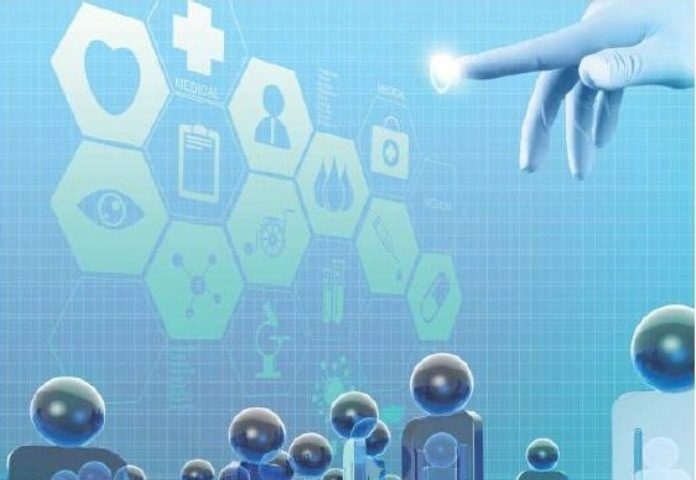
InterSystems Expands Startup Program with Eight New Companies to Accelerate Digital Health Innovation

InterSystems Startup Program now connects a total of 35 startups to the health and care ecosystem

SYDNEY, Australia & SINGAPORE โ€“ October 11, 2023ย โ€“ย InterSystems, a creative data technology provider dedicated to helping customers solve the most critical scalability, interoperability and speed problems, welcomed eight new companies to theย InterSystems Startup Program, bringing the total number of participants to 35. With support from InterSystems, these startups are better positioned to transform the digital health landscape โ€“ optimising patient care and revolutionising the industry.

โ€œInnovation in digital health underpins our companyโ€™s strategy and is driven in part by forward-thinking startups that are exploring applications of emerging technologies,โ€ said Don Woodlock, Head of Global Healthcare Solutions at InterSystems. โ€œBy giving these startups access to resources, capital investment and technology, InterSystems is accelerating innovation in this space and connecting startups to the broader health and care ecosystem.โ€

Empowering Startups through Three Pillars

The InterSystems Startup Program provides support, technical integration, resources and investments to data-driven startups in key industries such as healthcare, financial services,ย logistics and manufacturing. These startups pioneer emerging technologies, from remote patient monitoring and blockchain-powered health data security to artificial intelligence-driven diagnostics to enhance healthcare accessibility, ensure data integrity and optimise patient care.

By joining the InterSystems Startup Program, companies gain access to the necessary tools and support to develop ideas, create prototypes, validate solutions and prepare for funding rounds. Additionally, program participation offers invaluable networking opportunities, connecting startups with industry leaders, potential investors and strategic partners.

Driving Connection to the Digital Health Ecosystem

Theย addition of these eight companiesย to the InterSystems Startup Program reinforces the companyโ€™s commitment to advancing the digital health ecosystem. New additions to the program include:

  • AfyaRekodย โ€“ a venture backed, patient-driven, health-tech startup focused on consolidated ownership, continued access, interoperability and mobility of health data for patients and providers across the healthcare ecosystem.
  • Harmony Healthย โ€“ย a platform that supercharges hyperlocal community networks by digitally scaling their existing trusted relationships with vulnerable communities for health and social care. Harmony Health helps organisations tap into this trust fabric to reach diverse populations in their language and context, through trusted ambassadors that re-engage them to bring them into the healthcare system.
  • Heartbeat Healthย โ€“ a tech-enabled virtual cardiology company that leverages data, device connectivity and clinicians to deliver 24/7 on-demand cardiovascular services.
  • MAIA Labsย โ€“ a tech startup offering an endoscopic AI assistant, utilising cutting-edge AI algorithms on MAIA hardware to enhance the quality of examination and save 20% of doctorsโ€™ time.
  • Maroย โ€“ a paediatric healthcare company dedicated to promoting transparency in youth mental health intervention.
  • Modern Trialsย โ€“ a healthcare technology organisation that partners with healthcare organisations and leverages EHR data to streamline clinical trial patient recruitment and reduce time-to-market for new therapeutics.
  • Polygon Healthย โ€“ a platform that turns health data into an asset by empowering people to securely access their health data in minutes, all in one place, and find personalised health solutions.
  • Health Circuitย โ€“ evidence-based, integrated-care solutions for sustainable healthcare that is patient-centric and digitally delivered, such asย Surgifitโ„ขย for surgical pre-habilitation.

Fuelling Innovation through Comprehensive Support

The InterSystems Startup Program is a multifaceted initiative designed for early-stage and pre-seed startups across various stages of their journey. The three main pillars of InterSystems Startup Program include:

  • Acceleration Programs: The intensive 6โ€“9 month program provides startups with the framework to integrate InterSystems technology into their products to prepare for pre-seed, seed funding rounds and position themselves for success in competitive markets. Through training and mentorship, startups can convert ideas into tangible prototypes, validating their Minimum Viable Products (MVPs). Since the programโ€™s March 2022 launch, startups such asย Priaย have succeeded in accelerating delivery of health-at-home solutions that improve patient outcomes and transform the patient engagement experience.
  • Startup Growth Toolkits: For startups integrating InterSystems technology into their solutions, the program’s Startup Growth Toolkits provide access to learning, technical and market resourcing to accelerate growth and go-to-market paths.
  • Venture Fund: The Venture Fund actively seeks out and invests in health tech, fintech and supply chain startups that harness the power of InterSystems technology. The program offers equity investments and grants to evaluate InterSystems tech and build proofs of concept, deliver MVPs and scale their operations.

The Future Of Healthcare: What Conditions Will Be Monitored From Home?

The Future Of Healthcare: What Conditions Will Be Monitored From Home?

As the rapid pace of technology infiltrates the healthcare sector, many aspects of medical care that once required a trip to the doctor’s office are now feasible from the comfort of one’s home. Innovations in remote healthcare are transforming how patients engage with medical professionals, manage their health, and receive treatment.ย 

Amid these advancements, pain management remotely has become an intriguing focal point. Similarly, when you look at these blood pressure monitors, they provide an easily accessible way to keep track of heart health and notify patients of potential concerns.

Benefits Of Remote Healthcare Monitoring

Remote healthcare monitoring offers numerous benefits to patients. Firstly, the convenience of monitoring and managing one’s health from home eliminates the need for frequent trips to clinics or hospitals, saving individuals time and money.ย 

Additionally, many patients experience stress or anxiety in clinical settings, which can negatively impact their overall health. Through remote monitoring, patients can avoid these stressful settings and take control of their health in a more comfortable environment.ย 

Lastly, home-based monitoring allows patients to track their health on their schedule, improving their overall quality of life and allowing them to take a more proactive role in their healthcare journey.

1. Monitoring Cardiovascular Health

Monitoring cardiovascular health has become increasingly important as heart disease remains a leading cause of death worldwide. Modern technology has provided us with devices such as wearable heart rate monitors and smartwatches that are capable of detecting irregular heart rhythms.ย 

These innovative tools, along with these blood pressure monitors for example, enable individuals to stay well-informed about their cardiac health, allowing for timely interventions when necessary. By proactively monitoring their cardiovascular health, individuals can potentially prevent serious complications and even save lives.

2. Managing Diabetes From A Distance

Managing diabetes from a distance has become more efficient with the latest advancements in glucose monitoring technology. Diabetic patients understand the significance of regularly monitoring their blood glucose levels. Newer glucose meters provide real-time tracking of glucose levels and allow instant sharing of this information with healthcare providers.ย 

This constant feedback loop between patients and healthcare providers enables timely adjustments in insulin dosages, resulting in better blood sugar control and reduced risks of complications associated with diabetes. With the ability to manage diabetes remotely, individuals can maintain better control over their condition and receive prompt interventions when necessary, ultimately improving their overall health and quality of life.

3. Lung Function And Respiratory Health At Your Fingertips

At-home monitoring solutions offer significant benefits for patients with chronic respiratory conditions such as asthma and COPD. Portable spirometers, for example, enable individuals to assess their lung function conveniently. By regularly tracking changes in lung function, patients can identify any decline in respiratory health and make informed decisions about adjusting their medications or seeking medical attention as needed.ย 

This proactive approach to monitoring lung function empowers individuals to control their respiratory conditions and optimize their treatment plans, ultimately leading to improved quality of life and better respiratory health management.

4. Remote Mental Health Check-Ins

Your mental well-being is just as critical as your physical health. Technology now supports online therapy sessions, apps that track mood patterns, and platforms that offer cognitive behavioral therapy exercises. Keeping tabs on your mental health is no longer confined to a therapist’s office.

5. The Digital Future Of Rehabilitation

Patients undergoing rehabilitation, whether after surgery or due to chronic conditions, can harness virtual reality’s (VR) power. VR platforms help you follow specific physiotherapy routines, ensuring that exercises are performed correctly and aiding faster recovery.

6. Enhancing Medication Adherence

Forgetting to take your medications? Smart pill dispensers notify you when to take your dose and alert caregivers if a dose is missed. Such devices can be instrumental for elderly patients or those with complex medication regimens.

Understanding Remote Health Challenges

It’s vital to recognize that remote healthcare is promising but not without challenges. Digital literacy, data privacy concerns, and ensuring consistent patient engagement need attention.

  • Ensuring Data Privacy And Security

One of the top concerns with remote monitoring is the shared data’s security. Manufacturers and healthcare providers must prioritize encrypting sensitive health information to prevent breaches.

  • Bridging The Digital Divide

While technology is more accessible than ever, a significant portion of the population is unfamiliar with using advanced gadgets. Ensuring that all patients, regardless of age or tech-savviness, can benefit from remote healthcare is essential.

  • Consistent Engagement Is Key

Merely having a remote health device doesn’t guarantee its effective use. It’s crucial to keep patients engaged, encouraging regular device use and accurate data input.

Looking Ahead: The Integration Of Remote And Traditional Healthcare

The blend of traditional and remote healthcare seems to be the most plausible future. While at-home monitoring provides convenience and real-time data, face-to-face interactions with healthcare providers remain irreplaceable for certain aspects of care. The key lies in striking a balance, ensuring patients get the best of both worlds. The future is indeed promising, with the potential to make healthcare more personalized, accessible, and effective than ever before.

What Causes Hearing Loss? 12 Common and Less Common Causes

What Causes Hearing Loss? 12 Common and Less Common Causes

A number of different things can be responsible for hearing loss. Letโ€™s explore twelve common and less common causes.

Three Common Causes

1. Noise-Induced Hearing Loss

One very common cause of hearing loss is exposure to loud noise or sound.

Noise-Induced Hearing Loss is typically caused by continual exposure to high-decibel sounds over an extended period, such as working in a noisy environment like a construction site or frequently attending loud music concerts.

2. Age-Related Hearing Loss

Another common cause is presbycusis, which is age-related hearing loss.

As you get older, the hair cells in your inner ear that assist with hearing can slowly begin to break down and become less effective. That does not mean all people hear less as they get older, but it is a common occurrence.

3. Conductive Hearing Loss

Conductive hearing loss refers to any blockage or damage to the outer or middle ear that prevents sound from reaching the inner ear. Causes may include things like wax buildup, or more seriously, a punctured eardrum.

However, the good news is that a doctor’s intervention can often treat these issues and restore some, if not all, of your hearing.

Nine Less Common Causes

1. Ear Infections

Ear infections not only cause immediate pain. They can also lead to more serious issues if left untreated.

While less common than many other causes of hearing loss, ear infections do often result in temporary or permanent loss of hearing.

2. Some Medications, Such as Tepezza

Believe it or not, specific medications can also lead to hearing loss. They can damage the delicate structures within your ear that are responsible for both balance and sound perception.

One recent case of a medication causing hearing loss is that of Tepezza. People who suffer from thyroid eye disease, which causes bulging eyes and vision damage, have been taking the prescription drug Tepezza, developed by Horizon Therapeutics, for some time to help treat their condition.

However, a recent study has found that Tepezza may be linked to dangerous side effects, including tinnitus and hearing loss.

As a result, affected people have been joining the Tepezza mass tort claim lawsuit to seek compensation and hold Horizon Therapeutics accountable.

3. Meniere’s Disease

Though less common, Meniere’s disease can induce hearing loss. This chronic inner ear condition causes vertigo, tinnitus, and a feeling of fullness or pressure in one or both ears.

4. Acoustic Neuroma

Acoustic Neuroma is a rare cause of hearing loss. The condition involves a benign tumor growing on the main nerve that leads from your inner ear to your brain.ย 

In addition to causing hearing loss, it can also lead to tinnitus and balance issues.

5. Autoimmune Inner Ear Disease

In very rare cases, your body’s immune system might mistakenly attack parts of your inner ear, which can potentially lead to hearing loss.

The condition is known as Autoimmune Inner Ear Disease.

6. Otosclerosis

Otosclerosis refers to abnormal bone growth in the middle ear, which could affect how sound travels from the outer ear to the inner one. This disturbance usually leads to a gradual decrease in hearing over time.

7. Sudden Sensorineural Hearing Loss

Although rare, sudden sensorineural hearing loss can occur quickly with little warning. It might happen overnight, causing you to wake up with significant hearing loss in one or both ears. The causes of SSHL can be various, including viral infections, trauma, or circulatory system disorders.

8. Cholesteatoma

This is a benign growth of skin cells that occurs in the middle ear. If left untreated, Cholesteatoma can lead to severe complications such as hearing loss or even facial paralysis.

9. Usher Syndrome

Lastly, Usher Syndrome is a genetic disorder that causes a combination of hearing loss and vision impairment. It is a leading cause of deaf-blindness.

How To Restore A Great Smile To Your Face

How To Restore A Great Smile To Your Face

When you look in the mirror, do you notice your smile first? If not, then it’s time to take action and restore that dazzling beam back to your face. There is no need for an expensive or complicated procedure; there are many ways to transform your grin and give yourself a confidence boost. In this blog post, we’ll discuss several techniques on how you can regain a beautiful smile without breaking the bank. With our tips and tricks, you will be beaming from ear to ear in no time!

Visit your dentist for a professional cleaning and checkup

Regular dental checkups are essential for maintaining good oral health, but did you know that they can also help detect other health issues? When you visit your dentist for a professional cleaning and checkup, they can identify potential symptoms of gum disease and tooth decay, both of which can lead to serious health problems if left untreated. Hopefully, you go to someone reputable like the best orthodontist in Houston or other US cities. In addition, your dentist can also screen for signs of oral cancer, which can be life-threatening if not detected early on. So, make sure to prioritize your dental health by scheduling regular visits with your dentist. Not only will it ensure a brighter smile, but it could also potentially save your life.

Follow a daily oral care routine to keep teeth and gums healthy

Maintaining a healthy smile takes effort, but following a daily oral care routine is a simple way to keep teeth and gums in top shape. Brushing twice a day with fluoride toothpaste is a great start, but it’s also important to floss daily and rinse with mouthwash to rid your mouth of bacteria and plaque buildup. Making small adjustments, such as swapping out sugary drinks and snacks for healthier options, can also improve oral health and prevent tooth decay. By prioritizing oral care and taking small steps each day, you can enjoy a bright, healthy smile for years to come.

Whiten your teeth with a whitening strip or at-home kit

A bright, white smile can boost your confidence and leave a great impression on those around you. Thankfully, there are several options available for achieving a radiant grin, including the use of whitening strips or at-home kits. These products provide a convenient and affordable way to lighten your teeth by removing stubborn stains caused by coffee, wine, and tobacco. You simply apply the strips or gel to your teeth, let them sit for a designated amount of time, and voila, you’re left with a brighter smile. While professional treatments may offer more impressive results, whitening strips, and at-home kits are a fantastic option for those looking to improve their smile on a budget.

Cut back on sugary drinks and snacks

Sugar is often irresistible; it’s sweet and addictive. However, it can also damage your teeth and undermine your overall oral health. Sugary drinks and snacks, in particular, are the culprits behind many dental problems. The sugar in these treats invites harmful bacteria into your mouth, which then feast on the sugary residue left behind. Over time, these bacteria can erode your enamel and cause cavities to form. To avoid these oral health problems, it’s crucial to cut back on sugary drinks and snacks. Instead, opt for healthier alternatives that are beneficial for your body and your teeth, such as water, fresh fruits and vegetables, and low-sugar snacks. Remember, healthy teeth are a valuable asset, and taking care of them should be a priority.

In conclusion, maintaining a radiant, confident smile is not as daunting as it may seem. The process involves consistent oral care habits, including regular dental checkups and a daily cleaning routine. Adopting a healthy lifestyle by cutting down on sugary treats and incorporating teeth-whitening methods can also be beneficial. Taking these simple, affordable steps can significantly enhance your oral health and restore a beautiful smile to your face.

AI In Healthcare – Patient Education To Build Trust A Must

As per a recent survey conducted by GlobalData, approximately two-thirds of patients are at ease in healthcare settings thatย employ artificial intelligence, but only if they have prior exposure to and familiarity with the technology.

According to the findings, 60% of patients who had knowledge about AI expressed a high level of comfort when it came to receiving healthcare in an AI-enabled environment. Merely 7% of patients went on to reportย discomfort over unfamiliarity with the technology.

The main concern expressed by patients regarding medical professionals using AI in clinicalย practiceย was the lack of face-to-face interaction. Additionally, most patients conveyed a greater level of comfort with physicians using AI to streamline administrative duties rather than using it to directly manage patient care.

The main advantages of using AI in clinical practice include faster delivery of healthcare and the capacity to address healthcare staff shortages.

The survey says thatย individuals between the ages of 18 and 55 showed a higher level of acquaintance with AI compared to those aged 56 years and older. More than 50% of younger people rated their knowledge of AI as slightly or very familiar.

Urte Jakimaviciute, who happens to beย the senior director of market research withย GlobalData,ย highlighted the significance of AI for identifying image-based diseases such as cancer. She stressed the need for a strong regulatory framework and emphasised the importance of teaching patients about this tech.

As per her, this education should have the goal of enhancing the understanding of how AI is used, its possible advantages, and the risks that come with its widespread use. Ultimately, the aim is to build greater trust in AI. Enhancing knowledge allows individuals to make educated choices and diminishes prejudices associated with this technology.

Previous studies have also identified similar issues regarding trust. A recent study carried out in 2021 and published in the journal NPJ Digital Medicine examined consumer worries regarding the use of AI in healthcare. The study identified multiple areas of concern, like AI safety,ย potential limitations on choice for patients, a possible rise in healthcare costs, prejudices in data sources, as well as data security.

The researchers also went on toย concludeย that patient willingness to embrace AI depends on tackling andย lowering these potential harms.

The recent GlobalData survey, titled Thematic Intelligence: AI in Clinical Practice โ€“ Patient Perspective 2023, gathered responses from 574 patients in various countries, including the likes of US, Germany, France, Italy, the UK, Spain, Japan, Canada, Brazil, India, and Mexico.

The patients happened to be diagnosed with various conditions, including diabetes, heart diseases, multiple sclerosis, chronic respiratory conditions, cancer, rheumatoid arthritis, psoriasis, as well as inflammatory bowel disease. The survey occurred between July and August 2023.

Translate ยป