







Close
Digital Health & Ai Innovation summit 2026
LiGHT26

The Worldwide Digital Health Market Eyes $939bn By 2032

The healthcare industry has experienced significant disruption, similar to a tsunami. Although the pandemic is now behind us, difficulties still remain.

The NHS is currently facing significant challenges, including pressure on costs, shortages of workers, disparities, and a backlog in patient care. The healthcare industry is actively working to improve outcomes by accepting digital healthcare. This change aims to enhance efficiency and move away from a hospital-centric approach, eventually leading to more personalised and precise medicine.

Innovations such as AI, digital therapeutics, as well as continuous sensors hold enormous promise for transforming disease forecasting, diagnostics, and treatment, ultimately resulting in improved healthcare. With a wide range of data available, such as ambient signatures, implants, and consumer wearables, it is crucial to harness and share this information.

The global digital health market is projected to reach a value of $939 billion by 2032, driven by these creative advancements. However, before personalised healthcare can be carried out on a large scale, there are certain underlying issues that need to be addressed and resolved.

Challenges pertaining toย interoperability

The increasing popularity of consumer wearables along with other connected devices produces a significant amount of health-related data. To safeguard the success of personalised care, it is crucial to establish an interoperability ecosystem. Enhancing diagnostics and reducing costs can be achieved by breaking into silos and guaranteeing seamless integration. The ability to share real-time data is essential, as it significantly improves treatment and enhances patient outcomes.

The regulatory landscape

With the increasing prevalence of wearables and implantable devices, there is a corresponding rise in cybersecurity concerns. For instance, if the device sends data to the individual’s mobile phone and it is breached, it could lead to the following consequences:

– The device may initiate unnecessary actions that could potentially harm the individual.ย 

– It could serve as an entry point for hackers to exploit the hospital network.

ย – This could go on to contribute to the increasing threat of ransomware that the NHS is currently combating.

Therefore, it is crucial to establish barriers to effectively mitigate these weaknesses and others. Enhanced regulation and oversight are crucial in order to protect data and promote secure and safe sharing of information, thereby facilitating the broad acceptance of digital healthcare.

Addressing Privacy and Trust Concerns concerningย Dataย 

The increasing number of connected devices, such as monitors for heart rate, pulse oximeters, electrocardiographs, and continuous glucose monitors, has led to the creation of new data streams. The data offers valuable insights that can help improve personalised therapeutic care. However, it is essential that oneย prioritisesย building trust in the data.

The expanding field of digital therapeutics happens to have the capacityย to revolutionise the progression of illnesses and aid in the restoration of connections between neurons in the brain. Doctors will be able to rely on precise data about what the individual does instead of solely relying on what the patient reports, leading to increased efficiency and effectiveness.

Doubling investment in digital technologies

To achieve enhanced holistic healthcare delivery with greater efficiency, it is necessary to employ intelligent technologies that are capable of dealing with the aforementioned issues. The integration of AIย and machine learningย with digital twin solutions offers a valuable approach for modelling, scenario planning, and predicting outcomes. In order to provide personalised care, intelligent digital twins need to have access to interoperable real-time data. This data is crucial for modelling, assessing, gaining insights, and executing effective action.

Many companies are currently utilising virtual patients to evaluate the effectiveness of drugs prior to conducting human trials. Digital simulations are valuable tools that can help identify issues at an early stage in the development cycle. Although it may appear futuristic, these efforts are already in progress, with innovations such as the simulation of a human heart.

The digital imperative

The global imperative is to transition from a one-size-fits-all approach to personalised and preventative healthcare. The advancements in digital healthcare have the potential to greatly impact our lives in various ways, right from enhancing the ability to detect and diagnose medical conditions to providing personalised treatments and implementing preventive measures. That said, there are obstacles that need to be addressed before it can be realised. If our goal is to enhance both the quality and duration of human life, it is crucial that we prioritise the shift towards anticipatory and therapeutic healthcare.

Amendments To The International Health Regulations Possible

Amendments To The International Health Regulations Possible

Significant progress has been achieved recentlyย with regards to theย numerous suggested modifications to the International Health Regulations 2005, bringing the total to over 300. During the fifth round of intensive discussions, the Working Group on Amendments to the International Health Regulations (WGIHR) convened.

This group consists of the 196 States Parties to the International Health Regulations, as well as the European Union and alsoย the Observer Delegation of Palestine. The participants addressed proposed amendments, especially in the areas of:

  • Points of Entry
  • Public health measures
  • General provisions.
  • Final Provisions
  • Definitions, purpose as well as scope, principles, and also responsible authorities
  • The Emergency Committee
  • The Decision Instrument when it comes to Assessment and Notification of Events

The Working Group additionally addressed a consolidated proposal by the States Parties who back the amendments to Article 13A, which focuses on Equitable Access to Health Products, Technologies, and Know-How for Public Health Response. In addition to this, they addressed the proposed amendments to Article 8, which relate to consultation.

It was agreed that work ought to keep going during the intersessional period. These efforts include:

  • The proponents of various proposed amendments engage in discussions with the aim of providing any outcomes to the drafting group for assessment.
  • The WGIHR will hold intersessional briefings and consultations to discuss articles, annexes, as well as topics that have been tackled in previous meetings. This includes subjects that have been the primary topic of intersessional work. This also encompasses work on funding for public health emergencies and the implementation of international health regulations. It also covers the Public Health Alert – PHEIC – pandemic spectrum, which includes definitions, criteria, and the process for determining each. The results of assisted intersessional consultations will not be considered agreed-upon text. However, they will be shared prior to the date of the next WGIHR meeting in December 2023.
  • The Bureau, with the assistance of the Secretariat, will prepare draft text proposals based on the conversations held thus far. These proposals will be presented to the working group for consideration at the sixth meeting.

They will be actively addressing various issues during the intersessional period leading up to WGIHR6, and also in early 2024, and are confident in their ability to fulfil the task assigned by the 77th World Health Assembly, stated Dr. Abdullah Assiri, Co-Chair of WGIHR from Saudi Arabia.

Theyย are highly committed to theย mandate of delivering a comprehensive set of specific amendments to the IHR. Theย main objectiveย is to ensure that equity is accurately represented in the IHR. Making the IHR worse would be a simple task. Enhancing them is going to beย challenging. Theyย will prioritise improving the difficult tasks, saidย Dr. Ashley Bloomfield, Co-Chair of WGIHR from New Zealand.

The Co-Chairs acknowledged that, based on Decision WHA75(9), it seemed improbable that a list of amendments would be prepared by January 2024. The Working Group has agreed to keep up its work from January to May 2024.

The Director-General will present the package of amendments, which has been agreed upon by the Working Group, to the 77th Health Assembly.

Apparently, the original International Sanitary Regulations were adopted in 1951 under the WHO Constitution. These regulations were created to establish agreed-upon approaches and responsibilities for countries in order to effectively anticipate and react to disease outbreaks and other acute public health events that have a likelihood of spreading internationally.

The International Sanitary Regulations underwent three revisions, which led to the establishment of the International Health Regulations in 1969. Subsequent modifications occurred in 1981 and 2005.

The International Health Regulations happen to be a legally binding instrument of international law that covers 196 state parties, including the 194 member states of the World Health Organisation (WHO). The IHR, as adopted in 2005, has undergone two amendments in 2014 and 2022. The most recent amendments will take effect in May 2024. The proposed amendments happen to be an answer to the challenges presented by COVID-19.

Tech Businesses, Investors To Lead Healthcare Generative AI

According to the Generative AI Tracker, the healthcare generative artificial intelligence market is worth over $1 billion as of 2022. However, the development of this market will heavily rely on the involvement of technology companies as well as investors.

The company will collaborate with healthcare providers, payers, and also other stakeholders across the healthcare industry to train broad language models via healthcare-specific data. In addition, they aim to establish trustworthy standards for evaluating the efficacy of these models.

Why It Matters

The Generative AI Tracker is a joint effort between Pymnts and AI-ID, a platform that isย based in Reno. AI-ID specialises in recording artificial intelligence outputs and handling tasks like authentication, origin validation, and information management.

The analysis of the current state and future potential for generative AI in healthcare reveals that many healthcare-focused companies and startups are utilising generative AI for complicated drug discovery, diagnostic testing, and patient care challenges. That said, it is important to note that these companies must continue to advance their solutions. Nonetheless, there are a few companies that are already making significant progress in altering care delivery as well as expanding their research capacities.

It is well to be noted that Generative AI: Elevating Health and Revolutionising Healthcare explores the potential effects of generative AI in the healthcare industry. It looks into the ways in which companies are now utilising natural language processing, machine learning, and various other technologies to transform healthcare.

Generative AI has already started to transform diagnostics, treatment plans, and the delivery of care in healthcare. Providers are taking into account the implications of this technology. In addition, generative AI innovations in healthcare are broadening researchers’ capabilities and speeding up the development of drugs and testing.

However, according to the Tracker, the development of generative AI in healthcare still needs to progress. The tracker mentions the need for training language models on healthcare-specific data and establishing reliable benchmarks. Additionally, the tracker discusses several important market factors.

  • Startups have the potential to revolutionise the care continuum.
  • The use of generative AI has the potential to greatly improve medical research and drug development.
  • Although emerging technology demonstrates commitment, it is still in the process of being perfected for healthcare applications.
  • Regulations pertaining to healthcare and technology are still being created.

According to the Tracker, healthcare-generative AI is still in the process of optimisation and experiencing various challenges as it grows.

As per a recent survey conducted by one of the management consulting firms, the primary obstacles to the implementation of generative AI in the healthcare industry are a lack of resources, expertise, and regulation. The authors of the survey additionally pointed out that challenges related to data access and quality, as well as organisational resistance, are closely following these barriers.

The Bigger Trend

Generative AI refers to a category of machine learning models that are specifically trained on extensive amounts of text, audio, or evenย image data. These models have the ability to generate novel and creative content. In the context of medical facilities that possess abundant data, generative AI holds great potential for various applications.

Dr. Shiv Rao, a practicing cardiologist and CEO of one of the vendors of generative AI-powered clinical documentation technology, expressed his belief that the industry will start implementing generative AI-based systems in the coming years. These systems will help, augment, as well as automate processes that have historically adversely affected the healthcare experience and led to unsustainable costs.

In one of the interviews, he stated that one will gain a more comprehensive and up-to-date understanding of patients, the effectiveness of treatments, and the most efficient ways to enhance the health of populations with significant similarities.

Digital Transformation – An Imperative Need For NHS Funding

As the world continues to progress, so should the approach to healthcare too, which illustrates the commitment to investing in the NHS.

The NHS, which has long been the backbone of the UK’s healthcare system, must harness the power of technology so as to enhance effectiveness, teamwork, and care for patients.

Digital transformation goes beyond simply adopting technology. It involves harnessing technology to drive the industries ahead and promote improved well-being.

However, the NHS continues to encounter a significant challenge in terms of funding. It is currently operating in an economy with limited cash flow and faces challenges in getting the necessary resources for advanced technology.

Investing in the NHS: Funding for Digital Transformation

The recent funding for levelling up has proven to be beneficial, as it has helped certain trusts begin their digital journey.

However, it is crucial to have more support. There is an ongoing extension of the timeline for achieving digitization goals, indicating the need for a significant change in ministerial thinking.

Digital transformation in the healthcare industry is not just an optional choice but rather a vital necessity. The COVID-19 pandemic has highlighted the significance of having a healthcare system that is resilient as well as adaptable.

During these challenging times, digital tools such as remote monitoring and electronic health records have served crucial roles in effectively managing patient care. Yet, if the NHS does not receive sufficient funding, it runs the risk of lagging behind in a healthcare terrain that is constantly evolving.

Investing in technology for the NHSย is highly advantageous

Investing in technology for the NHS provides a wide range of benefits, encompassing enhanced patient care and improved productivity within the healthcare system as a whole.

Electronic document management systems-ย EDMSย have the ability to streamline access to patient data and alleviate administrative burdens for healthcare professionals.

These technologies not only enhance the experience of patients but also enable healthcare providers to use their time more effectively, which ultimately contributes to cost reduction.

In addition, digital transformation promotes cooperation among healthcare providers. Integrated care systems facilitate the smooth exchange of patient information, resulting in enhanced coordination of care and reduced occurrence of errors.

By providing patients access to their health data and involving them in their own care decisions, it empowers them. The shift towards an approach that prioritises patients is crucial in order to enhance health outcomes and encourage preventative care.

Addressing the funding gap and promoting increased investment in the NHS

Despite having these benefits, the NHS continues to deal with a funding gap. In order to tackle this issue, the government should implement a comprehensive strategy that takes into account multiple aspects. First and foremost, it is crucial to allocate a substantial increase in funding.

Investing in the NHS’s digital future is not only a stake in the health of the nation but also in its economy. It is essential that one prioritise this funding in order to ensure that the NHS remains at the forefront of healthcare innovation.

The adoption of a strategic approach by the government is imperative.ย Recognising the limitations of resources, it is important to prioritise investments in areas that will provide the most advantages for patient care and efficiency gains.

Long-term planning is just as important. The NHS faces challenges in managing short-term projects and is consistently at risk of funding loss. A multi-year plan that outlines the roadmap for digital transformation provides stability, facilitates resource allocation, and promotes a unified electronic ecosystem within the healthcare system.

The issue of underfunding in the NHS is of utmost importance

The lack of sufficient funding for the digital transformation of the NHS in the UK is a pressing matter. Technology has the potential to revolutionise healthcare through bettering patient care, improving efficiency, and lowering costs.

By securing sufficient funding and implementing comprehensive long-term strategies, the UK can guarantee that the NHS continues to be a leading healthcare provider in the digital era. This will bring numerous advantages to both patients and healthcare professionals.

Health Sector Pinches Italy As Europe Grapples Post COVID

The government of Italy has issued an alert stating that the national health service is facing a significant shortage of doctors and nurses, which they consider to be an actual crisis.

In order to address the crisis, a few hospitals are providing contracts to foreign medical professionals so as to fill the staffing shortages. However, health experts argue that such an approach will only offer a brief respite and highlight that the healthcare sector is dealing with challenges that extend far beyond staffing issues.

It is well to be noted that the COVID-19 pandemic has put significant pressure on the publicly funded health systems across European countries. Here is an assortment of comparative data on various health metrics in Europe.

Health spending

According to data from the Organisation for Economic Co-operation and Development (OECD), total health spending in Italy in 2022 accounted for 9% of GDP, which obviously included both the private and public sectors. If we compare it with Spain, the health spending there was 10.5% of GDP, while Britain, France, and Germany had health spending percentages of 11.3%, 11.9%, and 12.7%, respectively.

According to the OECD, when it comes toย a per capita basis, Italy’s corresponding figure in 2022 is $4,291. In comparison, Spain’s corresponding is $4,462, Britain’s is $5,493, France’s is $6,517, and Germany’s is $8,011.

Beds

One regular indicator of health services is the quantity of hospital beds that are accessible to patients. However, a low number of beds does not necessarily indicate a crisis in the system; it could also suggest efficiency.

The OECD says Italy had a rate of 3.12 per 1,000 people, while France had a rate of 5.65 and Germany had a rate of 7.76. Spain had a total of 2.96 beds, while Britain had 2.42 beds.

Doctors & Nurses

According to the OECD, as of 2021, Italy hasย 4.2 doctors per 1,000 people, while France has 3.4, Britain has 3.2, and both Spain and Germany have 4.5. Italian unions have reported that a significant number of medical professionals have left the public sector due to various reasons, which has led to shortages in critical departments.

Italy has the fastest-ageing medical workforce in the European Union (EU). As per data from Eurostat, almost 40% of all doctors in the EU will be aged 55 years and over in 2021. In Italy, the percentage of individuals was 55.2%, with roughly one-quarter of them being over 65. No wonder; this represents the highest percentage of elderly individuals in Europe.

Italy had 6.4 nurses per 1,000 inhabitants as of 2021, while France had 9.7 nurses and Germany had 12.0 nurses per 1,000 inhabitants. On 6.3, Spain’s score was slightly lower than Italy’s, while Britain’s score was 8.7.

Attracting foreign workers

The percentage of foreign-trained doctors in Italy was only 0.94% in 2019. In comparison, France had 12.3%, Germany had 13.8%, and Britain had the highest percentage at 31.9%. In 2019, the share of foreign-trained nurses in Italy was 4.8%, while in France it was 2.9%, in Germany it was 8.9%, and in Britain it was 15.4%.

Doctor and Nurse salaries

The data from OECD says that specialist doctors in Italy earned 2.9 times the average income of the country in 2020. In comparison, the income ratio for specialist doctors in Germany was 3.4, in Britain it was 3.3, and in Spain it was 3.0. The ratio in France was 2.2. In contrast, both nurses in Italy and their British counterparts earned the equivalent of their respective countries’ median salaries in 2020. Spanish nurses earned 1.5 times the average wage, while German nurses earned 1.1 times and French nurses earned 0.9 times.

According to unions, the average net take-home pay for doctors working in Italian hospitals is 2,800 euros ($2,935) in a month. In contrast, public-sector nurses usually get an average monthly salary that ranges from 1,600 to 1,700 euros.

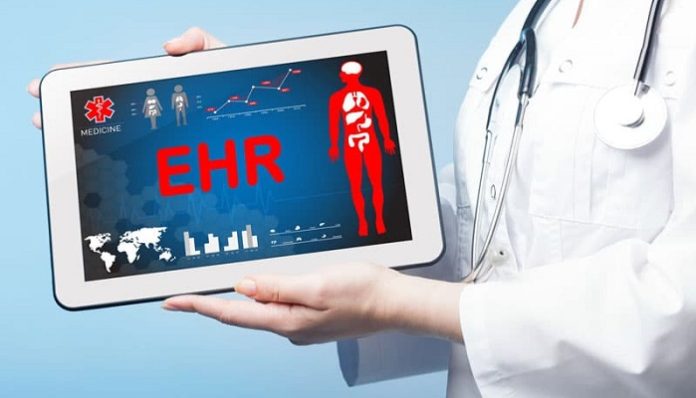
Europe EHR Market To See A Consistent CAGR of 4.5% Till 2032

The electronic health records markets in Germany as well as France collectively represent 19.9% and 17.4% of the European market share, respectively. Given the projections, it is expected that these markets will see a CAGR of 4.9% and 4.5% all through the assessment period.

The market size of European electronic health records is predicted to increase from $6.7 billion, which was seen last year, to $10.5 billion by 2032. This growth represents a steady CAGR of 4.5% from 2022 to 2032. This market has the potential to have a total revenue of $3.8 billion across the coming decade.

The European market is expected to experience progressย due to the increasing usageย of electronic health recordย solutions. These solutions are being applied so as to enhanceย the interoperability of health records, in syncย with the proposalsย of the European Commission.

Enhancing Cross-Border Access to Electronic Health Records across the EU

Electronic health records happen to be a digital compilation of a patient’s medical records. Citizens of the EU have been given access right to their personal health data throughout all the borders. This endeavour aims to improve the connectivity, trade, as well as interoperability of EHRs.

Furthermore, the European Commission is pushingย the technical advancement and increased exchange of EHRย via its proposals.

– Efforts are currently underway to simplify regulations and decrease administrative burdens so as to encourage the use of electronic health records in the near future, say from Q2 2022 to 2025.

ย – In the medium term, which is from 2025 to 2028, we anticipate an increasing use of EHR across various healthcare environments. This involves ambulatory surgical centres, specialty clinics, hospitals, as well as additional healthcare facilities.

ย – From 2028 to 2032, theyย expect market leaders to adopt advanced technologies, which will lead to the ongoing development of the market through the long term.

The European EHR Exchange Format Recommendations and the X-eHealth Project

The European Commission officially supports recommendations regarding the exchange format of electronic health records to promote smooth cross-border interoperability within the European Union (EU). The goal of this initiative is to guarantee that European citizens can safely use and disclose their health data, no matter where they reside within the EU. Additionally, it promotes the sharing of health data with healthcare professionals as needed. This collaborative effort will include a range of stakeholders, like national competence centres, healthcare professional organisations, national authorities, as well as patient advocacy groups.

The X-eHealth project aims to create a solid basis for a functional, interconnected, as well as cross-border exchange format. This will drive the advancement of the e-health sector across Europe. The purpose of this project is to put forth a standardised system for exchanging testing outcomes and medical imaging data between healthcare organisations in neighbouring nations and also EU member states.

Growing need for workflow optimisation and centralization across the healthcare industry

The adoption of electronic health records is expected to rise in the near future due to the rising need for effectiveness, efficiency, and centralization in healthcare administration. A value-based approach seeks to improve efficiency, reduce expenses, and improve patient care by centralising health information management, standardising processes, and streamlining activities.

The demand for electronic health records is expected to be significantly impacted by various factors, such as product authorizations, introductions, expansion attempts, acquisitions, partnerships, and the rising trend of digitalization. These factors are expected to fuel growth throughout the market.

Implementing and sustaining EHRs in Europe: A Challenge

The EHR market is experiencing significant growth due to various factors. That said, there are also major hurdles that are impeding the widespread use of EHR. A key obstacle is the considerable cost that comes with both the initial execution and ongoing upkeep of EHR systems.

Moreover, the current lack of IT support in healthcare services is anticipated to present an obstacle to the expansion of the EHR market in Europe in the years to come.

Insights: Country-Specific

Digital Healthcare Initiatives: Revolutionising Patient Engagement in Germany and France

The introduction of ePA in Germany marks the beginning of a digital healthcare revolution.

The implementation of electronic patient records- ePA within Germany has sparked a wave of transforming digital projects. These efforts have the goal of ensuring that all individuals have simple and straightforward online access to their personal electronic health records. This will create an age of comprehensive connections between patients and their healthcare service providers. The innovative ePA system is easily integrated into Germany’s telematics facilities, which serve as the digital backbone for sharing medical information. Patients now have unparalleled access to their health information, which allows them to play a greater part in managing their well-being.

France takingย a significant stride towards achieving healthcare interoperability

France has taken an innovative step in the field of health care by introducing a national electronic medical record system that is completely interconnected. The National Health Insurance Fund has carried out an ambitious initiative that marks the start of a new era in healthcare data management. The country is taking a leading role in digital healthcare innovation through the creation of a standardised electronic medical record system. This system will enable the seamless exchange of data across the healthcare landscape, thereby helping both patients as well as the concerned healthcare providers.

Insights: Category

The European electronic health record market-ย hospital segment leading the way.

The European market for electronic health record services and solutions happens to beย diverse, with various end-user segments including hospitals, ambulatory surgical centres, specialty clinics, diagnostic labs, and others.

Hospitals have an important position in the European market, retaining a substantial share of 29.1%. This specific segment will continue to experience significant growth, exceeding other segments with a noteworthy CAGRย of 4.9% between 2022 and 2032.

Moreover, multi-specialty as well as super-specialty hospitals are experiencing a significant increase in the use of electronic health and medical records. The rapid adoption of EHRย systems in hospitals can be attributed to the growing number of EHR solution suppliers that focus especially on serving the hospital sector. This trend is expected to contribute to the continued growth of this segment.

During the forecast years, there is expected to be a substantial increase in the usage of electronic health records in ambulatory surgical centres and specialty clinics. The projected CAGR for EHR usage in these settings is 4.6% when it comes to ambulatory surgical centres and 4.2% in the case of specialty clinics.

Holistic Health Approaches: Linking General & Dental Health

With increasing awareness about the importance of overall well-being, holistic health has gained significant popularity. Holistic health looks at the body as a whole, recognizing the interconnectedness of different aspects of health, including general and dental health. Taking a holistic approach to healthcare can improve overall well-being and oral health. This article will explore the importance of holistic health in maintaining optimum general and dental health.

Importance Of Holistic Health

The importance of holistic health lies in its comprehensive approach to healthcare that goes beyond treating isolated symptoms or diseases. Instead of focusing solely on one aspect, such as physical symptoms, holistic health recognizes that multiple emotional, mental, and spiritual factors influence well-being.

By considering the complete health picture of an individual, holistic health approaches aim to understand the underlying causes of health issues and address them at their roots. This approach promotes the alleviation of symptoms and the overall improvement of an individual’s well-being. By taking a holistic approach to healthcare, individuals can experience more effective and sustainable improvements in their health, leading to a better quality of life.

General Health And Dental Health Interplay

The connection between general health and dental health is undeniable. Poor oral health impacts the mouth and can have far-reaching effects on overall health. For instance, gum disease has been linked to various systemic conditions, including heart disease, diabetes, respiratory problems, and pregnancy complications. Moreover, certain medications and medical conditions can affect oral health. Hence, it is crucial to maintain good oral hygiene and seek regular dental care to prevent dental problems and maintain general health.

Practicing Good Oral Hygiene

One of the fundamental aspects of maintaining good dental health is practicing good oral hygiene. This includes brushing twice daily, flossing regularly, and using mouthwash to remove plaque and prevent gum disease. Additionally, regular dental check-ups and cleanings with a general dentist in Souderton are essential to promptly identify and address any dental issues. The dentist can also provide professional treatments such as fluoride application and dental sealants to strengthen teeth and prevent decay.

Maintaining A Balanced Diet

Diet plays a significant role in both general and dental health. A balanced diet rich in essential nutrients is essential for overall well-being. Nutritional deficiencies can weaken the immune system, making it more susceptible to dental problems. Additionally, excessive consumption of sugary and acidic foods and beverages can erode tooth enamel and contribute to tooth decay. Including nutrient-rich foods such as fruits, vegetables, whole grains, lean proteins, and dairy products can promote good dental health and support overall well-being.

Stress Management

Stress can negatively impact both general and dental health. Chronic stress can weaken the immune system, increase the risk of gum disease, and lead to teeth grinding or clenching, known as bruxism. Finding effective stress management techniques, such as exercise, meditation, or engaging in hobbies, is crucial for maintaining overall health, including dental health. Managing stress can reduce the risk of dental problems and contribute to a healthier body and mind.

The Importance Of Regular Exercise

Regular exercise not only benefits general health but also plays a role in maintaining good dental health. Physical activity improves blood circulation, including in the gums, promoting health. Moreover, exercise can help manage stress, reducing the risk of oral health problems associated with chronic stress. By incorporating regular exercise into your routine, you can improve your overall health and support good dental health.

The Mind-Body Connection

The mind-body connection is an essential aspect of holistic health. Research has shown that mental health conditions, such as anxiety and depression, can increase the risk of oral health problems. Stress and negative emotions can manifest in teeth grinding, dry mouth, or neglecting oral hygiene practices. Therefore, addressing and managing mental health is crucial for maintaining good dental health and overall well-being.

Incorporating Holistic Dentistry Approaches

While regular dental care is crucial, some individuals may opt for a more holistic approach to their dental health. Holistic dentistry considers the whole person, considering the impact of dental treatments on overall health. This approach focuses on using biocompatible materials, considering the patient’s lifestyle and health history, and promoting natural treatments whenever possible. Consulting with a general dentist who practices holistic dentistry can provide individuals with alternative treatment options that align with their overall health philosophy.

Conclusion

Considering the interplay between general and dental health, incorporating holistic health approaches can significantly benefit overall well-being. Individuals can support optimal general and dental health by practicing good oral hygiene, maintaining a balanced diet, managing stress, engaging in regular exercise, and addressing mental health. Consulting with a general dentist who understands and implements holistic dentistry principles can enhance the dental care experience and promote a holistic approach to oral health. Embracing holistic health can lead to a healthier and more fulfilling life, where both general and dental health are prioritized.

How a law firm can help victims of negligence or abuse at a nursing home

Nursing homes are intended to be comfortable environments for vulnerable individuals who require assistance with daily activities. Unfortunately, instances of negligence or abuse can occur within these facilities, potentially leading to harm or emotional distress. In such situations, victims and their families may seek recourse in order to hold the responsible parties accountable. This is where a law firm specializing in nursing home abuse can offer support. This article delves into the ways in which a law firm can assist individuals affected by negligence or abuse in nursing homes.

1. Initial Consultation and Assessment

The first and most crucial step towards pursuing action is to consult with a law firm that specializes in handling cases related to nursing home abuse. During the consultation, the victim or their family can provide the information to enable the law firm to assess the potential case. This includes sharing details about the alleged abuse or negligence, medical records, photographs, eyewitness statements, and any other pertinent evidence. The nursing home abuse law firm will evaluate the strength of the case and provide guidance on the course of action for the victim or their family.

2. Conducting an Investigation and Gathering Evidence

Once the law firm takes on the case, they will embark on an investigation to gather evidence in support of the victim’s claim. This may involve reviewing records, conducting interviews with witnesses, inspecting the nursing home premises, gathering photographic or video evidence, and consulting with medical experts to determine the extent of the injuries. The law firm will utilize its skills and available resources to construct a case on behalf of the victim.

3. Providing Legal Guidance and Representation

Navigating the complexities of the legal system can be challenging for individuals who are not familiar with its intricacies. A specialized law firm that deals with cases related to nursing home abuse can offer guidance and representation throughout the process. They will explain the rights of the victim and discuss options and remedies that can be pursued, such as filing a personal injury lawsuit or engaging in settlement negotiations for compensation. The law firm will diligently advocate for the victim and protect their interests.

4. Developing a Compelling Case

In order to develop a case, a law firm will leverage its expertise and available resources to gather persuasive evidence, including medical records, expert opinions, photographs, and witness statements.

They will carefully examine the evidence to determine whether negligence or abuse occurred, identify who is responsible, and establish a connection between the negligence or abuse and the victim’s injuries. It is crucial to present a convincing case, and a law firm will utilize its expertise to achieve this goal.

5. Negotiating Equitable Settlements

In some instances, nursing home abuse claims are resolved through settlement negotiations rather than going to trial. A law firm that specializes in nursing home abuse can negotiate on behalf of the victim to secure a settlement that takes into account the physical and emotional injuries endured, as well as any financial losses suffered. They will use their negotiation skills to hold those responsible accountable and obtain compensation that aligns with the damages suffered by the victim.

6. Legal Representation in Court

In situations where a settlement cannot be reached or if the victim chooses to proceed with a trial, a law firm specializing in nursing home abuse can provide representation in court. They will present the case before a judge and jury utilizing their knowledge of laws and courtroom procedures. The law firm will advocate for the victim’s right to obtain a verdict and pursue compensation for their injuries and losses.

Conclusion

When individuals who have experienced negligence or mistreatment in a nursing home seek fairness, a legal firm that focuses on cases of nursing home abuse can offer support. From the meeting and assessment to the investigation, advice, construction of a solid case, negotiation of settlements, and representation in court, a legal firm can assist victims through the intricate legal process and aid them in their quest for compensation and accountability. If you or someone you care about has been a victim of nursing home abuse or negligence, it is crucial to consult with a law firm that specializes in this field to safeguard your rights and pursue justice.

EU Health Data Plan Success Depends A Lot On Digital Prowess

If the European Health Data Space (EHDS) is wanting to be successful when it launches in 2025, it is indeed imperative that it address the fact that nearly half of Europeans do not have any digital skills. Elevating digital literacy is a top priority requirement with regards to this.

The EHDS, which was proposed by the European Commission in May last yearย and is expected to enter the final stage of interinstitutional discussionsย this autumn, comes with the aimย of empowering citizens to make use ofย their health data while at the same time alsoย enhancing healthcare and research.

Anyway, it is indeed important to enhance digital literacy all across the continent so as to be effective. According to the European Commission, an estimated 42% of Europeans currently do not have basic digital skills. Although several EU initiatives have been brought into play so as to enhance these abilities, the European Public Health Alliance (EPHA) along with other organisations emphasise the need for further action, especially concerning the EHDS.

EPHA states that merely having access to techย is insufficient for patients to effectively utilise their electronic health dataย and make informed decisions regarding the sharing of their information.ย 

The fact is that if Europeans lack digital skills, they may face the risk of falling behind and missing out on the actualย benefits of improved healthcare scenarios.

A new report published recentlyย by the European office of the World Health Organisationย highlights the relevanceย of making urgent investments, fostering innovation, and alsoย promoting inclusion so asย to fully benefit from the promise thatย digital health has in the offing.

As per a report, it was discovered that only 27 out of the 53 nations in the WHO European region have put in place policies and strategies that are aimed at enhancing digital health literacy. The increasing digitization of health systems has the possibility to further aggravate the already prominent health disparities that exist both within and across countries.

As per the report, digital exclusion happens to be a significant contributor to inequality and can prove to give out adverse health outcomes. The report specifically highlights the concerns that are related to ageing as a major point for the WHO European Region.

It is indeed unfortunate that individuals who happen to lack digital skills, such as older individuals or those living in rural areas, are often the most likely to benefit from digital health tools and measures. Hans Kluge, the regional director of WHO Europe, puts stress on the importance of addressing this imbalance so as to facilitate the digital shift of the health sector.

There is relatively a prominent optimism with regards to the potential impact of digitization across rural areas, which are often referred to as medical deserts because of their limited access to healthcare vis-a-vis to more densely populated regions.

The report points out three key recommendations for enhancing the efficacy of health systems’ digital solutions. These suggestions include ensuring access to trustworthy as well as affordable broadband, enhancing security measures for health data, and also encouraging the usage of digital health tools that are interoperable.

Nutrisense and Health Goals: Achieving Optimal Wellness with Continuous Monitoring

Nutrisense offers a revolutionary approach to achieving health goals through continuous monitoring, utilizing cutting-edge technology.ย 

It empowers individuals to comprehensively understand their bodily functions and nutritional requirements, thereby facilitating optimal wellness.

Continuous Monitoring: A Cornerstone for Health

Continuous monitoring presents a proactive method for health management, allowing for real-time tracking of vital health markers. This data-driven approach provides insights into one’s physiological functions, thereby illuminating pathways to improved health and well-being.

With continuous monitoring, individuals can promptly identify any abnormal trends or variations in their health markers. This early detection mechanism enables timely intervention, preventing minor issues from escalating into significant health concerns.

Nutritional Awareness through Nutrisense

Nutrisense employs advanced sensors to monitor nutritional intake and its impact on the body. It assesses individual responses to different foods, offering personalized dietary recommendations to enhance overall health. This highly individualized approach ensures that users receive nutritional advice tailored to their unique physiological profiles.

With Nutrisense, users have an invaluable tool to make informed dietary choices. By understanding how specific nutrients influence their bodies, individuals can craft diets that bolster their health, address deficiencies, and support their long-term wellness goals.

Unleashing the Power of Data

The power of Nutrisense lies in its ability to compile extensive data regarding an individualโ€™s health profile. This robust data collection allows for a nuanced understanding of the user’s health status and nutritional needs, providing a foundation for informed decision-making.

It facilitates the identification of patterns and trends in the userโ€™s health data over time.

The comprehensive data collected serves as a reference for healthcare providers, enhancing the accuracy and effectiveness of medical advice and interventions.

The Role of Personalization

Nutrisense recognizes the variability in individual health profiles and nutritional needs, addressing this diversity through personalized health monitoring. The technology discerns subtle differences in physiological responses, allowing for a finely-tuned approach to health and nutrition planning.

This personalized strategy acknowledges and embraces individual uniqueness, paving the way for highly effective, custom-tailored health and wellness interventions. Through this attention to detail, Nutrisense facilitates a user experience intimately aligned with each individualโ€™s health objectives and nutritional requirements.

Proactive Health Management

Nutrisense’s continuous monitoring facilitates a proactive stance towards health management, where prevention is prioritized. Users can engage with their health data actively, adjusting their lifestyles and nutrition in response to the real-time feedback provided by the system.

Through the lens of proactive health management, individuals respond to but anticipate their health needs, fostering a dynamic where wellness is not merely pursued but actively cultivated and maintained. This forward-thinking approach empowers users to reach and sustain their pinnacle of health and wellness over time.

Informed Decision Making for Wellness

Nutrisense fosters a culture of informed decision-making. With continuous monitoring and the wealth of data provided, users can strategically plan their nutritional intake and lifestyle choices to align with their health objectives. This proactive approach significantly enhances the likelihood of achieving and maintaining optimal wellness.

The actionable insights derived from Nutrisenseโ€™s data empower users to take control of their health. By implementing data-driven strategies, individuals can optimize their daily routines, dietary habits, and lifestyle choices, all of which significantly contribute to attaining health goals.

Optimal Integration for Seamless User Experience

Seamless integration of Nutrisense into daily life is fundamental to its success in assisting users to achieve their health goals. This integration is made possible through:

  • User-friendly Interface: The design is intuitive, making it accessible for individuals regardless of their tech-savvy level.
  • Customizable Alerts: Users can set personalized notifications for specific health markers, ensuring they are always in tune with their bodily functions and nutritional needs.
  • Secure Data Protection: Nutrisense employs advanced encryption techniques to safeguard usersโ€™ data, providing peace of mind alongside invaluable health insights.

Through thoughtful design and secure, user-friendly features, Nutrisense ensures an uncomplicated, supportive user experience, making pursuing health goals straightforward and enjoyable.

Conclusion

Harnessing the power of continuous monitoring and personalized data, Nutrisense stands as an essential partner in the journey toward optimal wellness.ย 

Its sophisticated technology and insightful recommendations provide a roadmap for individuals seeking to achieve and sustain their health goals, making wellness an attainable and manageable endeavor for all.

For those seeking a deeper dive into the real-world applications and benefits of Nutrisense, consider popping over to read this detailed review by Wish TV, which offers an in-depth analysis and testimonial of the system in action.

Translate ยป