Close
Digital Health & Ai Innovation summit 2026
LiGHT26

Elevating UK Healthcare With Ethical AI Solutions By BSI

Elevating UK Healthcare With Ethical AI Solutions By BSI

With the emergence of advanced AI tools, healthcare practitioners and providers in the UK have the opportunity to make well-informed diagnostic decisions efficiently, leading to improved disease intervention, prevention, and treatment. This advancement holds the potential to enhance patients’ quality of life and contribute positively to society.

Amidst the ongoing global discourse about the appropriate integration of AI, a Validation framework tailored for the application of AI in the UK’s healthcare sector, known as Specification (BS 30440), is being introduced. Its primary objective is to enhance confidence among UK-based clinicians, healthcare professionals, and clinical providers regarding the safe, effective, and ethical development of the AI tools they employ. This auditable standard, designed for global relevance, specifically focuses on products primarily intended for the treatment, diagnosis, or management of health conditions in the UK.

Projections suggest that the worldwide healthcare AI market could exceed $187.95 billion by 2030. Nevertheless, healthcare practitioners and providers in the UK might face constraints in terms of time, resources, or internal capacity to thoroughly assess AI products. In this context, the specification serves as a tool for making informed decisions regarding the adoption of AI tools. It facilitates the evaluation of healthcare AI products by both UK-based clinicians and patients, considering factors such as clinical utility, performance standards, integration into local clinical workflows, ethical considerations, and equitable societal outcomes.

This framework encompasses a diverse range of healthcare AI products used within various UK settings. It encompasses regulated medical devices (such as medical software), products directly accessed by users (e.g., imaging software), or those used by patients (like AI-driven smartphone chatbots). Furthermore, it extends to AI products used in home-based or community care settings, covering a wide array of products, models, systems, or technologies incorporating AI elements, including machine learning. The specification’s relevance extends beyond AI system suppliers and product auditors; it has been meticulously crafted by a multidisciplinary team of UK-based experts, including clinicians, AI specialists, ethicists, and healthcare leaders. It consolidates existing guidance and best practices, translating intricate functionality assessments into a structured framework against which AI systems can be evaluated.

For organizations operating within the UK’s healthcare sector and all those engaged with it, this standard holds profound significance. As AI gains prominence and showcases its potential to revolutionize healthcare within the UK, this framework will play a pivotal role in ensuring the responsible and ethical utilization of AI tools. Through the application of innovative AI tools and algorithms adept at processing substantial data volumes, clinicians and healthcare providers in the UK can make prompt and accurate well-informed diagnostic decisions, ultimately leading to more effective disease management and an enhanced quality of life for patients.

This specification effectively addresses the pressing need for an established validation framework for AI development and clinical assessment within the UK’s healthcare landscape. It builds upon a foundation initially tested by experts at Guy’s and St. Thomas Cancer Centre within the UK, refined through ongoing consultations with UK-based stakeholders entrenched in the AI and Machine Learning domain. Concurrently, the British Standards Institution (BSI) has been collaborating with UK regulators, healthcare institutions, and other relevant bodies to explore the role of standards in regulating and overseeing AI within the UK’s healthcare sector.

NHS Unveils Online Platform To Match Patients And Time Slots

A novel online ‘matching’ platform has been introduced to streamline the allocation of NHS treatment for thousands of patients, particularly those facing delays due to the COVID-19 backlog. This tool simplifies the process for NHS personnel to access and add available surgery slots across the country, including those in private hospitals. Clinical teams can input patient details from their waiting lists, and both NHS and private providers can use the platform to pair patients with suitable treatment options. Initially designed for hospital admissions, the system’s scope will soon expand to encompass cancer care, diagnostic assessments, and outpatient appointments, addressing a broader range of patient’s needs.

Since its launch in January, the platform has received over 1,700 offers of assistance, with numerous patients poised to benefit as the system matures. Its primary focus is on patients who have been on waiting lists for extended periods, aligning with the NHS’ concerted efforts to address the COVID-induced backlog. The goal is to notably reduce the backlog, with a subsequent aim to minimize 65-week waits by April 2024. Patient information, including willingness to travel, illness severity, BMI, and wait time, is shared to facilitate informed decision-making by healthcare organizations. In instances where multiple providers offer treatment, patients are empowered to select based on their preferences, such as travel distance.

Specifically, specialties like gynecology, colorectal care, and trauma and orthopedics have significantly benefited from this digital mutual aid initiative. However, the platform can accommodate a wide array of treatments and appointments. Amanda Pritchard, NHS chief executive, lauds the tool for enhancing collaboration among hospitals and improving patient care. The platform exemplifies the NHS’ commitment to leveraging technological innovations to enhance service delivery, reflecting the broader transformation occurring within the healthcare system. This emphasis on technology aligns with the NHS’ ongoing efforts to deliver optimal patient care.

The platform will play a crucial role in expanding patient choice and personalizing treatment services based on clinical needs and preferences. This approach promises to expedite diagnostic checks for major conditions and offers timely treatment, potentially eliminating the need for hospital visits in certain cases. By employing various tools, the government aims to reduce waiting lists, a top priority. The platform not only facilitates patient choice but also fosters collaboration between the NHS and the private sector, driving quicker patient treatment.

The platform’s expansion empowers both patients and healthcare professionals to jointly decide on treatment locations. Patients often aren’t aware of their choice rights, and this platform could boost the utilization of mutual aid in the NHS. The association’s positive experience with mutual aid initiatives in partnership with programs like Getting It Right First Time (GIRFT) underlines its value. Such collaborative endeavors have contributed to NHS recovery plans, considerably reducing long waits and enhancing patient care. The platform’s introduction exemplifies the NHS’ overarching strategy to optimize healthcare capacity and expedite recovery, significantly increasing its use of independent sector resources since 2021.

Global Leaders Aim To Prevent Future Pandemic Disparities

Global Leaders Aim To Prevent Future Pandemic Disparities

World leaders, recognizing the world’s unpreparedness for Covid-19 and the resulting scramble for resources that favored wealthier nations, are now proposing a pandemic treaty to address these disparities. This treaty is currently under negotiation through international meetings facilitated by the World Health Organization (WHO). The treaty’s main goal is to ensure fairness in distributing resources necessary for handling future pandemics, in contrast to the chaotic response seen during the Covid-19 pandemic.

However, reaching an agreement on this treaty is proving challenging due to differing government interests, reservations from pharmaceutical companies, and lingering anti-WHO sentiment from those who opposed pandemic-related measures. The proposed pandemic treaty is a response to the devastating impact of Covid-19, which caused millions of deaths and exacerbated poverty, hunger, and health system disruptions, especially in poorer countries. Negotiations are taking place under the WHO’s auspices, and member states are responsible for finalizing the agreement. Meetings have occurred throughout the year, with the aim of presenting a finalized draft to the World Health Assembly by May 2024.

The WHO’s director general, Tedros Adhanom Ghebreyesus, has likened this treaty to the convention on tobacco control, the first international treaty established under the WHO in 2005. The pandemic treaty is vital because while Covid-19 vaccines were swiftly distributed to wealthier nations, developing countries faced delays in accessing vaccines in substantial quantities. Although the Covax platform was initiated to support vaccine research, manufacture, and fair distribution, richer countries secured vaccines through individual agreements, exacerbating global inequalities. Shortages extended beyond vaccines to oxygen, personal protective equipment, and testing resources in poorer nations.

The draft political declaration within the pandemic treaty emphasizes “global solidarity” and concerns about Covid-19’s disproportionate impact on low-income countries and marginalized populations. It calls for increased access to affordable medication, support for local production and distribution, and empowerment of the WHO with the necessary authority and funding to mitigate pandemic risks. The treaty’s objective is to build on the lessons from Covid-19 and ensure equitable availability of treatments, resources, and equipment for future pandemics. Furthermore, it seeks to enhance surveillance and early warning systems to prevent and respond to future disease outbreaks.

Despite progress, questions persist about the strength of the treaty. Early drafts have been criticized as weak and ambiguous, with concerns that varying interpretations could hinder effective action. Additionally, challenges stem from opposition to the deal and skepticism towards the WHO. Tedros has pushed back against claims that the treaty represents a power grab by the WHO and likened detractors to those who once undermined the tobacco control treaty. He also addressed concerns that non-branded treatments would impact pharmaceutical profits, emphasizing the possibility of achieving a balance between equitable access and innovation.

Comprehensive Surgical Rehabilitation Personalized Care Plans For Optimal Recovery

Whether you’re recovering from major surgery or a minor procedure, the rehabilitation process can play a critical role in your overall recovery. Comprehensive surgical rehabilitation, which focuses on providing personalized care plans to patients, has become an increasingly popular approach to postoperative care in recent years. In this article, we’ll explore what comprehensive surgical rehabilitation means and the benefits it can offer patients.

Definition Of Comprehensive Surgical Rehabilitation

Comprehensive surgical rehabilitation involves a multidisciplinary approach that focuses on supporting the patient to achieve the best possible recovery outcomes. It typically includes various interventions such as physical therapy, occupational therapy, and pain management. Instead of a one-size-fits-all approach, treatment is tailored to address each patient’s unique needs. Visit sites like https://www.eliteprohomecare.com/ to find out more about such services.

Importance And Benefits Of Personalized Care Plans

When patients are given personalized care plans, they receive the specific interventions that their bodies need to recover optimally after surgery. This means that care is tailored to their medical history, pre-existing conditions, and personal goals for their recovery process. Personalized care plans offer several benefits, including:

  • Faster recovery times
  • Reduced hospital stays
  • Decreased risk of complications, such as infections or injuries caused by falls during physical therapy
  • Improved quality of life post-surgery

The ultimate goal of Comprehensive Surgical Rehabilitation is to help patients recuperate quickly and safely, improving their chances of returning to their daily activities and living life to the fullest.

Understanding The Basics Of Surgical Rehabilitation

Surgical procedures significantly impact the body, and the recovery process can vary depending on the type and complexity of the surgery. Understanding the basics of surgical rehabilitation is essential for patients and healthcare professionals involved in the recovery process. In this section, we will delve into the overview of surgical procedures, the common postoperative challenges, and the crucial role that rehabilitation plays in recovery.

A. Overview Of Surgical Procedures And Their Impact On The Body

Surgical procedures can range from major operations to minimally invasive surgeries. They may involve incisions, removal or repair of tissues and organs, or the insertion of medical devices. These procedures often result in trauma or physiological changes to the body. The impact of surgery can be seen in multiple ways, including pain, inflammation, limited mobility, and decreased functionality.

B. Common Postoperative Challenges And Complications

Following surgery, patients may encounter various challenges and complications as they recover. Some common postoperative issues include pain, swelling, stiffness, limited range of motion, loss of strength, and difficulty performing daily activities. Also, postoperative complications such as infections, blood clots, or wound complications can further hinder recovery.

C. Role Of Rehabilitation In The Recovery Process

Rehabilitation is a key component of the recovery process after surgery. It aims to optimize healing, restore physical function, and improve overall quality of life. Rehabilitation interventions may include physical therapy, occupational therapy, and other specialized treatments designed to address specific surgical procedures and individual patient needs. These interventions focus on gradually increasing mobility, relieving pain, enhancing strength and flexibility, and promoting independence in activities of daily living.

Through rehabilitation, patients are guided and supported in regaining their physical function and achieving optimal recovery. Rehabilitation helps patients recover physically and plays a crucial role in rebuilding confidence and emotional well-being.

Understanding the basics of surgical rehabilitation empowers patients to actively participate in their recovery journey. It encourages collaboration with the healthcare team to develop personalized care plans that address their specific needs and challenges.

Components Of Comprehensive Surgical Rehabilitation

Comprehensive surgical rehabilitation is a complex process that involves multiple components. The following sections detail the critical stages of surgical rehabilitation to provide individualized care plans and optimal recovery.

A. Assessment And Evaluation

Assessment and evaluation of a patient’s pre-operative health status are essential in determining the most appropriate treatment plan. It involves assessing medical history, physical capabilities, and limitations to determine the appropriate course of treatment and activities geared toward their strengths and weaknesses. Moreover, a complete postoperative assessment is necessary to determine the extent of the surgical trauma and assess the patient’s functional status.

B. Setting Goals And Objectives

Setting achievable goals and objectives is essential for optimal surgical rehabilitation. Goals should be tailored to patient needs and focus on long-term recovery outcomes, such as returning to work or other daily activities. Defining specific objectives and target outcomes helps track progress and ensure the rehabilitation program’s effectiveness.

C. Individualized Treatment Plans

Individualized treatment plans are essential for comprehensive surgical rehabilitation. Physical therapy exercises and interventions, occupation therapy techniques, and pain management strategies are among the interventions needed to promote healing, restore function, and improve overall quality of life. Nutritional support and guidance are in place to help promote recovery by feeding the body with adequate nutrients for faster healing.

D. Multidisciplinary Approach

Incorporating a multidisciplinary approach ensures a coordinated care plan to address all aspects of surgical rehabilitation. It involves collaboration between surgeons, physical therapists, occupational therapists, and other healthcare professionals for a more holistic and comprehensive approach to care. The multidisciplinary team can help provide tailored recommendations, monitor progress, and provide support throughout the postoperative recovery process.

Benefits Of Personalized Care Plans

A personalized care plan is integral to the success of comprehensive surgical rehabilitation. An individualized approach to care helps optimize rehabilitation by addressing the patient’s specific recovery needs, ultimately leading to optimal outcomes. Here are some major benefits of personalized care plans in comprehensive surgical rehabilitation.

A. Enhanced Recovery And Functional Outcomes

One of the main benefits of personalized care plans is enhanced recovery and better functional outcomes. With a tailored rehabilitation program, patients can participate in activities that promote healing at their own pace while gradually increasing their strength, flexibility, and range of motion. Patients who undergo personalized care programs experience a faster return to their normal activities, including work and other daily routines.

B. Reduced Risk Of Complications

Personalized care plans reduce the risk of postoperative complications. Rehabilitation techniques such as physical therapy, occupational therapy, and pain management help alleviate pain and swelling. When patients are better able to manage postoperative pain, they can move around more comfortably and practice daily activities. This, in turn, minimizes the risk of complications such as infections, blood clots, and other common health issues.

C. Improved Patient Satisfaction And Compliance

Personalized care plans improve patient satisfaction, promote active participation in recovery, and increase treatment adherence. With personalized care plans, patients become more involved in their recovery journey and feel empowered to take control of their healing process. This approach fosters better engagement, encourages compliance, and, ultimately, increases satisfaction with their treatment plans.

Conclusion

Comprehensive surgical rehabilitation with personalized care plans is vital for optimizing recovery outcomes. By reinforcing the importance of this approach and issuing a call-to-action for patients to seek personalized care plans, we can promote a patient-centric approach to surgical rehabilitation, leading to improved recovery outcomes and a better quality of life.


The Benefits And Challenges Of Paperless Healthcare

The entry of digital technologies has transformed the landscape for many industries, including the healthcare sector. Going paperless is a big shift as laboratory or machine results can be shared on the fly, and Electronic Health Records (EHR) can be filled out securely online. Even with just coding, billing, and HIPAA records, it is already unimaginable for healthcare to revert to paper-based records.ย 

Digital solutions enhance efficiency, offer convenience, and improve patient care. For instance, alerted by remote health monitoring, doctors and other healthcare professionals can provide timely, life-saving interventions. Telemedicine offers the benefits of an actual consultation without the patient leaving the comfort of home since prescriptions are sent electronically to pharmacies โ€“ all these are accomplished at less cost to the patient and without using a single piece of paper.ย 

However, going digital also poses unique challenges, such as incompatibility of machines across facilities or data corruption. Another issue is the failure to read file formats since computers have varying OS and programs installed, hence the need for a universal file format that can be opened across different types of computers and operating systems. Fortunately, that issue is easily resolved by using a universal file format and file conversion software such as Word to PDF | Convert Your Doc to PDF Online for free.

Benefits of Paperless Healthcareย 

Since it was introduced, paperless healthcare has well-documented benefits like the following:ย 

  • Improved File Organization And Security Of Patient Informationย 

Going paperless means, no more lost or incomplete hospital or clinic charts. If youโ€™ve ever experienced your medical records mysteriously disappear, you are not alone! With so many people handling charts, some of them temporary team members with varying experience, misplacing charts is a distinct possibility.ย ย 

However, with computerization, thereโ€™s instant access to patient records which are easy to locate and update, eliminating the time-consuming task of manually poring over piles of paperwork.ย 

Additionally, digitalization makes it easy to be Health Insurance Portability and Accountability Act (HIPAA) compliant. The system protects privacy and provides reliable security measures, ensuring patient information is safe from unauthorized access.ย ย ย 

  • Readability Of Records And Prescriptionsย 

Though itโ€™s not true for all doctors, handwriting legibility seems to be a common issue. This often leads to inaccuracies, especially with prescriptions. Drug prescriptions can now be sent directly to the pharmacy or to the patientโ€™s smartphone โ€“ no more deciphering and guessing!ย 

  • Enhanced Patient Careย 

Digital health records empower healthcare providers to access complete patient medical histories, current medications, allergies, and other vital information, literally at a click.

Moreover, the team of providers can write notes in a templated format wherever they are โ€“ and share data seamlessly across different departments and physical locations. For instance, a doctor working on leukemia can consult with researchers working on experimental drugs in another country.ย 

Laboratory data, X-rays, and other findings are included in the chart, expediting the diagnostic and treatment process. Plus, it makes billing and coding a breeze! In the past, there would be disputes with billing and insurance โ€“ issues significantly decreased by digitalization.ย 

  • Reduced Carbon Footprintย 

Paperless healthcare is a greener solution because of the limited paper and ink consumption. Storage of the files and loss through fire and force majeure are also addressed using digital data.ย 

Challenges Of Paperless Healthcare

Though the benefits outweigh the challenges, there are some constraints like the following:

  • High Cost Of Digitalizationย 

One of the challenges is the initial cost of hardware, software, security, cloud storage, and consumables as the system shifts to a paperless one. Maintenance is a recurring cost that can be high, and smaller healthcare providers might find this investment prohibitive.ย ย ย 

  • Retraining And Change Managementย 

Retraining and downtime are expected depending on the learning curve of the computer and software used. This shift may meet resistance from staff, necessitating change management strategies. Additionally, some doctors who used to write notes and reports may experience being uncomfortable with typing everything or dictating to a machine that will inscribe speech-to-text.ย 

  • Security Issuesย 

Security is a two-edged sword. While digitalization can make data safer, the system is vulnerable to virus attacks that can crash and destroy the data. With cyber threats becoming increasingly sophisticated, healthcare organizations must invest in robust security measures, restoration protocols, storage backups, and redundancy to safeguard sensitive patient information.ย ย ย 

Paperless systems are in danger of theft, fire, and natural disasters, just like their paper counterparts. However, retrieving data and restoring systems preserves data โ€“ unlike floods and termites where destruction is permanent.ย 

  • Interoperabilityย 

For a seamless, paperless healthcare system, there must be compatibility between various software systems used by different healthcare providers. Interoperability issues can hinder the smooth exchange of health information, reducing the efficacy of digitization.ย 

  • Digital Divideย 

While paperless healthcare enhances access to medical information, it also exposes the digital divide. Access to digital technology is not uniform – which can lead to disparities in healthcare provision.

Systems donโ€™t have to be strictly one or the other. Hybrid systems are a compromise when commitment to digitalization is not yet possible because of logistics or some other concern. However, the weaknesses can be addressed. For instance, acquire interoperable machines or computers or train the team on how to manage the shift.ย ย 

Conclusionย 

Despite the challenges, the transition to paperless healthcare is an exciting and necessary evolution, offering potential benefits that far outweigh the difficulties. To successfully navigate this digital transformation, healthcare providers must implement robust data security measures, invest in interoperable systems, undertake change management efforts, and address the digital divide.ย ย 

With a thoughtful and well-planned approach, paperless healthcare can usher greater efficiency, improved cost-effectiveness, and enhanced patient care.

What Are the Most Common Causes of Back Pain?

Chronic back pain impacts millions of people across the globe. Itโ€™s something that many people choose to ignore until it reaches a severity that negatively impacts their life and reduces their ability to move.

Back pain can range from mild to severe and, despite common belief, can impact people of all ages. In fact, back pain now affects more young people than ever before, most likely due to the modern-day lifestyle.

Understanding the common causes of back pain will enable you to identify the reason youโ€™re dealing with this issue. It also enables you to follow the best management and prevention plan going forward.

Here are some back pain red flags to look out for and the most common reasons why back pain appears.

Pregnancy

Many pregnant women can experience aches and pains in their lower back, particularly as they enter the latter weeks of their pregnancy. The expansion of the uterus to accommodate the growing fetus can compress the spine and cause dull, chronic pain.

There are a few different things that can reduce back pain in pregnancy and prevent back pain as a new mom, including heat packs, good posture, proper lifting, and adequate rest. Pain-relieving medications may be appropriate but itโ€™s important to speak to your doctor before taking any medications if you are pregnant, as some are contraindicated during pregnancy.

Pulled Muscles

If you accidentally move too quickly, you can cause excess strain on the muscles in the back. This is often referred to as โ€˜pulling a muscleโ€™, and itโ€™s caused by the muscle being overworked or overstretched.

Often, a pulled muscle occurs due to improper lifting or sudden movement. However, you can also pull a muscle gradually with poor posture. Youโ€™ll experience a localized aching or throbbing sensation if youโ€™ve pulled a muscle, and it should resolve by itself within a week or two.

Herniated Disc

A herniated disc, informally known as a slipped disc, occurs when the soft discs between the vertebral bones bulge or rupture. This can occur due to an injury or degeneration of the vertebrae, leading to stiffness and intense pain that radiates down the sciatic nerve of the leg (sciatica).

Spinal Stenosis

Spinal stenosis is the medical name for the narrowing of the spinal canal. It causes the nerves within the spinal cord, leading to radiating pain, numbness, and weakness in the back, buttocks, and lower limbs.

The most common cause of spinal stenosis is the development of calcium deposits within the spine. Older adults are more at risk of spinal stenosis than younger adults and children.

Osteoarthritis

Osteoarthritis is a degenerative condition caused by wear and tear of the joints and cartilage in the spine. It more commonly affects older adults, although some younger individuals can suffer from it. It occurs over time and leads to inflammation, pain, stiffness, and reduced spinal mobility.

The treatment for osteoarthritis includes positive lifestyle changes, such as regular exercise, pain-relieving medications, steroid injections, and physical therapy exercises. In severe cases, surgery may be necessary to improve function and relieve pain.

Advancing Circular Practices In Medical Device Packaging

Advancing Circular Practices In Medical Device Packaging

The topic of sustainability in healthcare and medical device packaging involves numerous factors, such as the necessity for sterilized items, specialized waste management, and strict regulations. However, within this intricate landscape, several efforts are being undertaken to enhance the circularity of healthcare plastics. These initiatives encompass packaging design, material reevaluation, inventive recovery methods, and emerging recycling technologies.

Healthcare settings heavily rely on thermoforms for diverse purposes, from safeguarding medical devices to preserving pharmaceutical products. One significant polymer in healthcare packaging is Polyethylene Terephthalate Glycol (PETG), which plays a critical role in safeguarding sensitive sterile medical equipment. Despite its importance, the recycling of PETG and similar packaging materials, such as clear PET used in rigid sterile barrier thermoformed trays, is hindered due to inadequate infrastructure in many hospitals and healthcare service providers (HSPs). Surprisingly, a significant portion of healthcare plastic packaging, although technically recyclable, is incinerated or sent to landfills. Only a small portion of this packaging waste is genuinely hazardous, constituting around 15% of the total.

Addressing the urgency for improved sustainability in healthcare plastics, multiple factors are driving action. Group purchasing organizations (GPOs) wield significant buying power and their environmentally preferred procurement initiatives underscore sustainability in purchasing decisions. NGOs like Practice Greenhealth provide guidance and resources to encourage sustainability initiatives. Healthcare facilities are committing to reduced and zero waste goals, influencing packaging design and disposal considerations. Furthermore, legislative policies, regulations, investor interests, and evolving consumer demands are propelling change.

Collaboration among stakeholders throughout the healthcare value chain is essential to enhance circularity. The Healthcare Plastics Recycling Council (HPRC) is a technical consortium operating in the US and Europe, dedicated to boosting plastic recycling in clinical settings. They have developed tools like the Hospicycle toolkit and the Design Guidance for Healthcare Plastics Recycling resource, which optimize package design for recycling. Successfully recycled healthcare plastics depend on source collection, volume aggregation, sortation logistics, and contamination control. Closed-loop recycling or “take back” programs offer circular solutions for specific cases.

Advancements in recycling technology are rapidly unfolding. Advanced recycling methods can facilitate a more circular future for healthcare plastics by tackling hard-to-recycle materials. Techniques like purification, depolymerization, and conversion break down polymers to a molecular level, producing high-quality materials for new products. Mass balance systems ensure recycled content is tracked through manufacturing, although individual recycled molecules can’t be traced. Incorporating a mass balance approach allows seamless integration of sustainable raw materials derived from advanced recycling into existing processes, aided by certifications like ISCC PLUS.

Incorporating a more sustainable approach to packaging doesn’t mean compromising quality or efficiency. Medical device manufacturers can redesign packaging for sustainability without sacrificing these aspects. Techniques like down-gauging and right-sizing can reduce weight and material usage, improving transportation and downstream efficiencies. For instance, Merit Medical Systems reworked its packaging using foamed PETG material called Eastalite co-polyester. This redesign exceeded goals in terms of function, economics, and environment. It resulted in improved protection, increased reusability, and substantial cost savings.

As the healthcare sector places greater emphasis on sustainability, medical device manufacturers are compelled to adapt. The evolution of plastic packaging is critical, and advancements are fostering innovative solutions. These developments are creating opportunities to enhance performance, cut costs, and prioritize sustainability, all while ensuring patient safety. Through collaboration, investments, and shared objectives, the healthcare packaging industry is actively transitioning toward a circular economy, securing a sustainable future for generations to come.

The Remarkable Advantages of Dental Implants

When it comes to restoring a confident smile and maintaining oral health, dental implants stand out as a superior option among various dental treatments. Whether you’ve lost a tooth due to an accident, decay, or other reasons, dental implants offer a range of benefits that set them apart from other alternatives. The dental implant professionals at Molson Park Dental discuss the remarkable advantages of dental implants and why they might be the perfect solution for your smile restoration journey.

Natural Aesthetics

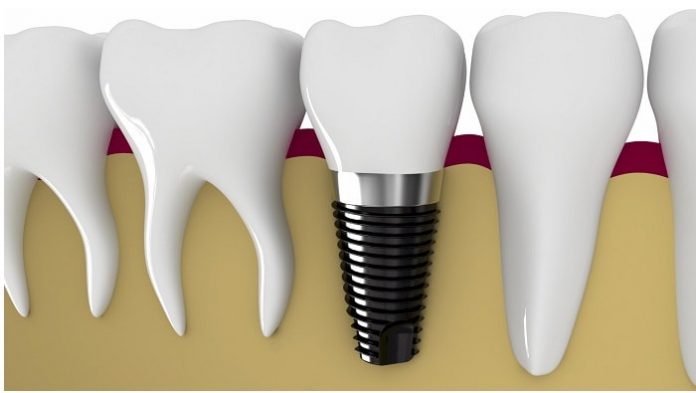
One of the most noticeable advantages of dental implants is their ability to mimic the appearance of natural teeth. Unlike some other treatments, implants are designed to look and feel just like real teeth, seamlessly integrating into your smile. The implant’s crown is custom-made to match the color, shape, and size of your existing teeth, ensuring a flawless and natural look that boosts your self-confidence.

Long-lasting Solution

When it comes to durability, dental implants take the lead. While other options like dentures and bridges may need frequent adjustments or replacements, dental implants are built to last for many years โ€“ even a lifetime โ€“ with proper care. This longevity makes them a cost-effective choice in the long run, as you won’t have to worry about constant replacements or repairs.

Enhanced Chewing and Speech

Missing teeth can impact your ability to chew food properly and enunciate words clearly. Dental implants provide a stable and strong foundation, allowing you to enjoy your favorite foods without restrictions and speak confidently without fear of slurred speech or clicking sounds often associated with dentures.

Bone Health and Preservation

Did you know that dental implants play a crucial role in maintaining the health of your jawbone? When a tooth is lost, the underlying bone can deteriorate over time. Dental implants help prevent this by stimulating the bone, just like natural tooth roots do. This stimulation encourages bone growth, preserving the integrity of your jawbone and facial structure.

No Impact on Adjacent Teeth

Unlike some tooth replacement alternatives, dental implants don’t rely on neighboring teeth for support. This means that your healthy teeth remain untouched, allowing them to maintain their original structure and integrity. With dental implants, you can focus on restoring the missing tooth without compromising the health of your other teeth.

Hassle-free Maintenance

Maintaining dental implants is as simple as caring for your natural teeth. Regular brushing, flossing, and dental check-ups are all that’s needed to keep your implants in optimal condition. There’s no need for special adhesives or cleaning solutions, as is often required with dentures.

Improved Self-esteem

The impact of a complete and beautiful smile on your self-esteem cannot be overstated. Dental implants provide a permanent solution that allows you to regain your confidence and show off your smile without any worries. You’ll feel more comfortable in social situations and interactions, leading to a more fulfilling and positive life experience.

Conclusion

Dental implants offer a plethora of advantages that make them a top choice for smile restoration. If you’re looking for a reliable, natural-looking solution to replace missing teeth and enhance your oral health, dental implants certainly deserve your consideration.

Getting an X -Ray While Pregnant: What You Need to Know

Getting an X -Ray While Pregnant: What You Need to Know

Becoming pregnant changes your whole relationship with the world. Suddenly, there are certain foods you can’t eat, activities you can’t do, and even simple chores you have to delegate to someone else. One question many women face when they become pregnant is whether it’s safe to get an X-ray.

Read on to discover the potential risks associated with X-rays while pregnant, how to lower the risk for yourself, and how to make your decision.

Can X-Rays Affect an Unborn Child?

Generally speaking, it is perfectly safe and healthy to get an X-ray taken while you are pregnant. While there is always a slim risk of radiation exposure, most X-rays expose you to only scant amounts of indirect radiation in parts of the body far away from the fetus.

The development of X-ray technology by companies like Patient Image means that the risks are far less serious than in the past. Institutions as venerable and trustworthy as the Food and Drug Administration and the Mayo Clinic certify that X-rays generally have no adverse effects on unborn children.

What Are the Potential Risks of X-Rays While Pregnant?

While the risks are scant enough to be safe, they still exist. It’s important to understand the major risks of getting an X-ray while pregnant before you sign off on one.

This kind of medical imaging process is used for localized images, often of bones. That means the amount of radiation used is small, and the area being imaged is correspondingly limited. If the X-ray is of the mother’s pelvic area, lower back, kidney area, or abdomen, you do run the risk of exposing the unborn child to radiation.

Radiation exposure can exacerbate some of the common complications of pregnancy, including preterm labor and even miscarriage. Radiation exposure can also increase the incidence rate of certain chronic and even terminal illnesses later in life, such as leukemia. Alcohol and drug use, infection, and smoking while pregnant are still the major causes of in-utero harm, not complications from X-rays.

How to Minimize Risk

The first thing you can do to minimize risk is understand what kind of medical imaging has been recommended for you. There’s a big difference between an X-ray, an MRI, and a Pet Scan. They each use different technology and image different parts of the body for different results. Consult with your trusted doctor and ask about the associated risks.

Make sure you’re seeing a radiologist who is specially trained. Radiologists have advanced training and education in medical imaging, and they will be able to consult with authority about whether it’s safe to go forward with your imaging.

How to Make a Decision

Know that most X-rays can be pushed until after pregnancy. Unless there is a pressing medical issue, ask your doctor if it’s safe to postpone your scheduled medical imaging. Weigh the positive benefits of going through with the X-ray against the potential negative side effects. But always keep in mind that those side effects are unlikely marginally adverse at worst.

Revolutionising Healthcare: Robots Boost Patient Experience

Autonomous robots perform various tasks, such as wayfinding, delivering medications, and distributing blankets. These three autonomous mobile robots, EDI, MEDi, and BLANKi, were deployed in the emergency department (ED) to improve staff efficiency and enhance the overall patient experience.

The robots are equipped with sensors, speakers, and touch screens to navigate through crowds without causing disruptions. EDI serves as a wayfinding assistant, guiding patients and their relatives to their intended destinations within the department; capable of communicating in four languages and saving up to 1.5 hours per day for nurses, health screeners, and service ambassadors.

MEDiโ€™s role is to efficiently pick up and deliver medications from the ED pharmacy to designated locations within the department, saving up to two hours a day and having a storage capacity of four baskets in four compartments for serving different areas.

BLANKi, on the other hand, roams the ED waiting areas to provide blankets to patients and their relatives, ensuring comfort while waiting for further medical attention.

The trial deployment of these robots will be completed next month, and the hospital plans to expand their usage to other areas of the CGH campus. CGH aims to leverage robotic technology to optimise processes and enhance patient care in its commitment to being a โ€œsmartโ€ hospital. The development of these robots was a collaborative effort between nurses, pharmacists, operations staff, service ambassadors, and engineers for Healthcare Assistive and Robotics.

Translate ยป