





Close
Digital Health & Ai Innovation summit 2026

Understanding the Differences Between Radiology and Nuclear Medicine

If you work in the healthcare sector, it could be important to know about the differences between radiology and nuclear medicine. So, letโ€™s delve in.

Defining Radiology and Nuclear Medicine

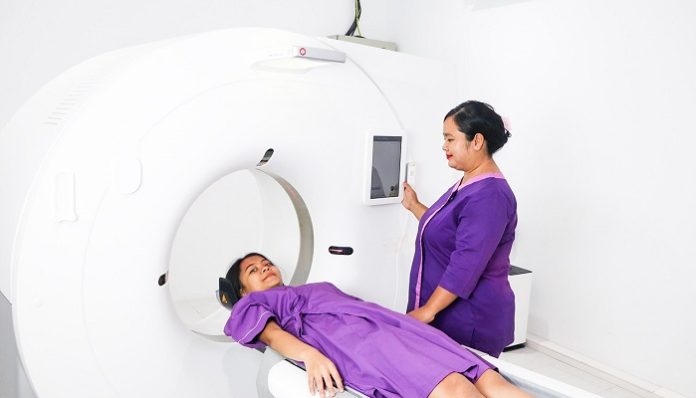
The field of radiology encompasses various imaging techniques, including X-rays, computed tomography (CT) scans, and magnetic resonance imaging (MRI).

These diagnostic tools allow medical professionals to visualize the internal structure of the body in a non-invasive manner.

On the other hand, nuclear medicine utilizes small amounts of radioactive material called radiopharmaceuticals to diagnose and treat different conditions.

The Application of Radiology

Radiology plays a vital role in diagnosing injuries and illnesses by providing detailed images of bones, organs, blood vessels, and soft tissues.

For example, an X-ray is commonly used to identify fractures or infections within bones.

CT scans offer three-dimensional images that are particularly helpful for detecting tumors or internal bleeding.

Meanwhile, MRI uses strong magnets instead of radiation to produce high-quality images that reveal subtle differences between healthy and abnormal tissues.

The Role of Nuclear Medicine in Healthcare

Nuclear medicine focuses on the functional aspects of the body at a molecular level.

This approach helps physicians understand cellular function and specific physiological processes taking place inside a patient.

For instance, positron emission tomography (PET) scans can show metabolic activity within cancerous cells or track blood flow after a heart attack.

Therapeutically, nuclear medicine utilizes targeted radiopharmaceuticals to treat conditions like hyperthyroidism or certain types of cancer, such as lymphoma.

Comparing Radiology and Nuclear Medicine Technologists

Both radiology and nuclear medicine technologists play crucial roles within the healthcare system by performing diagnostic imaging procedures.

However, their job responsibilities differ significantly โ€“ radiologic technologists focus on acquiring quality images using various modalities like X-rays, CT scans, or MRIs, while nuclear medicine technologists are responsible for preparing and administering radiopharmaceuticals for diagnostic or therapeutic purposes.

Training and Certification Requirements

To pursue a career in either field, one needs to complete an accredited program in radiologic technology or nuclear medicine technology.

Certification is typically obtained by passing a national examination offered by organizations like the American Registry of Radiologic Technologists (ARRT) or the Nuclear Medicine Technology Certification Board (NMTCB).

Your resume for a nuclear medicine technologist position should highlight your educational background, practical experience during training programs, and any relevant certifications.

Job Outlook and Career Opportunities

Employment prospects for both radiology and nuclear medicine professionals are highly promising as medical imaging continues to advance rapidly.

According to the U.S. Bureau of Labor Statistics, the job outlook for radiologic technologists in the U.S. is projected to grow by 7% by the year 2029, while that of nuclear medicine technologists is expected to grow at a rate of 5%.

Opportunities in both fields can be found in hospitals, clinics, outpatient care centers, and diagnostic imaging facilities.

But before applying, make sure you create an excellent resume for nuclear medicine technologist or radiologic roles.

Advancements in Medical Imaging Technology

Technological advancements have revolutionized medical imaging by improving image quality and launching new modalities.

A noteworthy example is hybrid imaging combining techniques like PET/CT or SPECT/CT for enhanced diagnosis and treatment planning.

As these technologies continue to evolve, medical professionals specializing in radiology and nuclear medicine must stay current with industry trends through ongoing education and training.

The Takeaway

Understanding the differences between radiology and nuclear medicine is fundamental for healthcare professionals seeking careers in diagnostic imaging.

While both fields offer promising opportunities and require similar educational backgrounds, their application, job responsibilities, and areas of focus vary considerably.

The path you choose as a medical imaging professional will depend on your interests and commitment to providing quality care for patients using advanced diagnostic tools.

South Korean Telemedicine Pilot To Improve Medical Services

The South Korean Ministry of Health and Welfare is launching a nationwide pilot program to establish telemedicine as a regular service. The three-month pilot will provide telemedicine to specific groups of patients, including those with chronic illnesses, pediatric patients seeking follow-ups, people in remote areas, disabled individuals, senior citizens over 65, and those dealing with infectious diseases.

The pilot includes clinics and some hospitals, providing services to patients with rare diseases and those requiring continuous health management after surgery. Consultations can be done via voice call if video conferencing is not possible. Prescriptions can be sent electronically to the patient’s chosen pharmacy, and medicine delivery options include self-pick-up, proxy pick-up, or home delivery for specific cases.

Initially introduced as a temporary measure during the COVID-19 pandemic, telemedicine proved popular, with around 14 million Koreans receiving treatment through this method from February 2020 to January 2023. The government aims to make telemedicine a permanent part of healthcare services. Due to the reduced COVID-19 infections, telemedicine services are currently not permitted in South Korea. To maintain improved access to care, the Ministry of Health and Welfare is conducting a nationwide pilot while waiting for revisions to the Medical Service Act to be implemented.

The ministry drafted the project and consulted with six industry associations, aiming to balance the safe delivery of telemedicine services with convenience and accessibility. The pilot project prioritizes public health, respects patient choice, and aims to improve convenience.

The telemedicine pilot project is a necessary measure to improve public health and medical accessibility until revisions to the Medical Service Act are implemented. Regular evaluations will be conducted to address any shortcomings and prepare a stable plan for institutionalization.

China, India Key In Driving APAC Medical Affairs Outsourcing

The healthcare regulatory affairs outsourcing market of Asia Pacific is anticipated to grow the fastest across the world over the next decade, led by, as expected, China as well as India, as per the latest insight.

The insight anticipates the demand for offshore service providers who happen to be assisting in regulatory services to increase between 2023 and 2033 across the world, with the APAC region poised to see robust growth as more and more healthcare companies enter economies that happen to be developing.

The skilled workforce as well as the cheap costs make the APAC region an attractive business destination, according to the insight. The insight went on to reveal that Chinaโ€™s medical affairs outsourcing sector happens to be on track so as to become an almost $540 million market in the next 10 years since pharmaceutical companies widen their footprint across the world and the supportive government investments and also healthcare policies that are favourable attract investors so as to set up establishments within the country.

The insight further adds that numerous pharmaceutical companies are looking to expand their presence throughout China, which will thereby require them to fund outsourcing services when it comes to documentation, product registrations, applications pertaining to clinical trials, as well as legal representations. All this is anticipated to boost sales in the market. On the other hand, when it comes to India, the demand will be most likely driven by supportive government programmes such as the Universal Health Insurance Scheme and also by the local health technology sector that is maturing.

It is well to be noted that medical affairs outsourcing happens to offer offshore services in securing and maintaining approvals by the government for medical devices, drugs, and equipment. As companies go on to expand worldwide, new products happen to be developed, and there is indeed a growing need for companies to tap outsourcing services for quick documentation and approvals across the target markets, while there still happens to be a growing focus when it comes to novel drug development.

As far as the segments are concerned, the insight opined that most of the demand would come from mid-sized biotech as well as pharmaceutical firms.

8 Signs You’re A Good Candidate For Dental Implants

While the aesthetics of a gleaming smile is something many of us covet, having a healthy set of teeth serves a far more critical role. Dental health plays a vital part in our overall health, and when things go awry, we often find ourselves seeking remedial measures. Dental implants, a groundbreaking innovation, have revolutionized tooth replacement methods. However, not everyone is an ideal candidate.

Read on to learn more about these dentures and the key indicators to consider that might suggest you’re a good fit for the procedure.ย 

Dental Implants And Their Benefitsย ย ย 

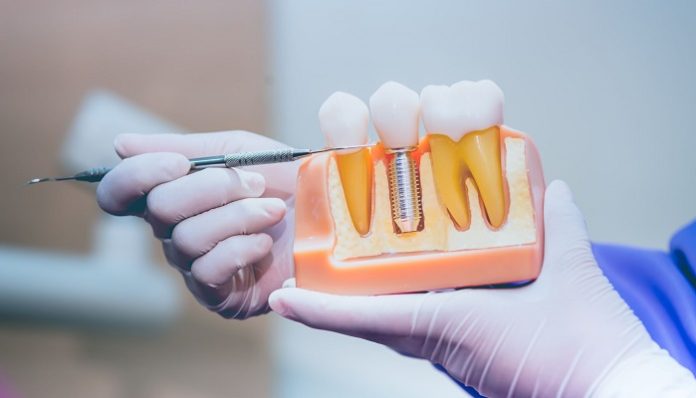
Dental implants represent a state-of-the-art approach to tooth replacement reshaping oral healthcare. They comprise a surgically implanted titanium post, an abutment (connector), and a crown that mimics a natural tooth’s visible part.

The unique feature of these prosthetics is their ability to integrate with the jawbone, thereby mimicking the root of a natural tooth. The titanium post fuses with the bone in a process called osseointegration, providing a stable and long-lasting foundation for the crown. This ensures that these implants aren’t just a superficial replacement but provide the functionality of natural teeth.ย 

On the other hand, these dentures have numerous benefits. For instance, they significantly improve aesthetic appeal to provide a natural-looking replacement for missing teeth. They also improve speech and eating abilities.ย 

Dental implants may also prevent bone loss that usually accompanies tooth loss. They stimulate the bone like natural teeth do, thereby preserving the jawbone and maintaining facial structure. They’re highly durable and, with proper care, can last a lifetime. Lastly, unlike dentures or bridges, these artificial teeth don’t require alterations to the neighboring teeth, which ensures the overall integrity of your oral health.ย ย 

So, if this dental procedure seems the right solution for you, consider consulting a dedicated dentist, such as those at Bellaire Modern Dental – Implant & Cosmetic Dentistry. They can assess your health and determine if dental implants are right for you.ย ย 

Key Indicators You’re A Good Candidate For Dental Implantsย 

Understanding the benefits of dental implants is the first step. Now, let’s explore some key indicators that can help determine if you’re a good candidate for this procedure.

1. Healthy Gumsย 

Healthy gums are essential for a successful dental implant procedure. Gums serve as a robust and healthy foundation to anchor the artificial teeth securely. ย Hence, you might not be an ideal candidate for these prosthetics if you suffer from periodontal diseases like gingivitis or periodontitis. On the contrary, if you have good oral hygiene and healthy gums, you may be unfit for the procedure.ย 

2. Sufficient Bone Densityย 

Another key component of successful dental implantation is adequate bone density in the jaw. The procedure involves embedding a titanium post into the jawbone, which needs to fuse with the bone, a process called osseointegration. If the bone density is insufficient, it could lead to the dentures failing to integrate, leading to a failed procedure. Therefore, your dentist should confirm if have adequate bone density in your jaw to become a prime candidate for the said procedure.ย 

3. Good Overall Healthย 

Undergoing dental implant surgery requires the body to be generally healthy. So, if you have a chronic condition, like diabetes or heart disease, you might experience complications during the surgery or the healing process. Moreover, habits such as smoking or excessive alcohol consumption may also impact the success rate of the surgery.ย 

Thus, maintaining good overall physical and mental health is crucial for being a successful fit for artificial teeth.ย 

4. Missing Teethย 

One of the most apparent indicators that you might be a good prospect for dental implants is if you have one or more missing teeth. These prosthetics are a long-term solution for missing teeth by providing a permanent alternative to dentures or bridges. If you have lost teeth due to decay, injury, or any other cause, they could be the optimal solution.ย 

5. Discomfort with Dentures or Bridgesย 

You may have experienced discomfort or inconvenience with previous dentures or bridges. You might also experience slippage while talking or eating or find the maintenance and care routine challenging. If you deal with these issues, you can be a desirable fit for the said dentures.ย 

6. Willingness to Commit to Oral Hygieneย 

The success of a dental implantation procedure also depends on post-operative care and long-term oral hygiene. Therefore, if you’re willing to commit to a stringent oral hygiene routine, including regular brushing, flossing, and dentist visits, you’re likely a good prospect for dental implants.ย 

7. Patience for the Processย 

Getting implants isn’t an overnight process. It involves several stages, including initial consultation, preparation, surgery, healing, and the final placement of the crown. This process can take several months to complete. So, if you understand and are ready to commit to this timeline, you’re better suited for this procedure.ย 

8. Realistic Expectationsย 

Finally, having a realistic expectation about the procedure, its risks, and outcomes indicates that you could be a good fit for dental implants. They have a high success rate, but like any surgical procedure, there may be complications like infection, damage to teeth, and nerve damage. Understanding this and having clear and realistic expectations can be crucial to its success.ย ย 

Final Thoughtsย 

Dental implants have revolutionized tooth replacement methods by offering a durable, long-term solution for missing teeth. However, not everyone is an ideal candidate for this procedure. If the indicators mentioned align with your dental health condition, it might be time to consider artificial teeth seriously. Remember, always consult with a dentist to discuss your situation and the best course of action for your health.

The Importance Of Air Filtration In Healthcare Facilities

Air filtration is helpful in maintaining a safe and healthy environment, particularly in healthcare facilities where vulnerable patients are treated. This is because the air quality within these facilities directly affects patient outcomes and healthcare workers’ overall well-being.ย 

Exploring the importance and benefits of air filtration in healthcare facilities can help healthcare institutions choose the most effective system.

Airborne Pathogens And Healthcare-Associated Infections (HAIs)ย 

Airborne pathogens and healthcare-associated infections (HAIs) present significant challenges within healthcare facilities, posing risks to patients and healthcare workers.ย 

HAIs are infectious diseases that patients acquire during their stay in a hospital. These infections can lead to serious complications, increased healthcare costs, and even fatalities. Airborne transmission plays a significant role in spreading HAIs, making air filtration a critical factor in controlling their spread.ย 

On the other hand, airborne pathogens commonly found in healthcare facilities include those that cause flu, pneumonia, and tuberculosis. These microorganisms can spread through the air and be inhaled by patients and staff, contributing to the transmission of infections.ย 

Effective air filtration systems andย smart sensor technologyย from Zeptive can significantly reduce the risk of exposure to these pathogens. However, to reduce infection rates and improve overall health outcomes, understanding the role of airborne transmission in spreading HAIs is a must, particularly in the implementation of effective air filtration systems. To choose suitable filtration systems that effectively combat these airborne threats in various healthcare settings, it would help to read through air purifier reviews first to determine the best types of units for the respective facilities.

Benefits of Effective Air Filtration in Healthcare Facilitiesย 

Healthcare facilities require an effective air filtration system to keep patients and workers safe. Efficient air filters offer the following benefits:ย 

1. Reduced Transmission Of HAIsย 

One of the primary benefits of effective air filtration in healthcare facilities is the reduced transmission of HAIs. By capturing and removing airborne pathogens, air filtration systems help to minimize the risk of infections spreading through the air. This protects patients and healthcare workers who are exposed to these pathogens daily.ย 

2. Improved Patient Outcomesย 

Effective air filtration has a direct impact on patient outcomes. A cleaner air environment reduces the likelihood of infection-related complications, resulting in shorter hospital stays and improved recovery rates. Furthermore, patients with compromised immune systems, such as those undergoing chemotherapy or organ transplants, are particularly vulnerable to infections. Efficient air filtration can provide an added layer of protection for these patients.ย 

3. Protection For Healthcare Workersย 

Healthcare workers are constantly exposed to pathogens in their work environment, which puts them at risk for infection. By maintaining a high level of air quality through effective filtration, healthcare facilities can help protect their staff and reduce the risk of illness and absenteeism.ย 

4. Enhanced Facility Reputation And Patient Satisfactionย 

A healthcare facility that prioritizes air quality and infection control is likely to have a better reputation among patients and the broader community. This can increase patient satisfaction and begin a chain of positive word-of-mouth referrals.ย ย 

Types Of Air Filtration Systems For Healthcare Facilitiesย 

There are many types of air filtration systems suitable for healthcare facilities, such as the following:ย 

1. Mechanical Filtersย 

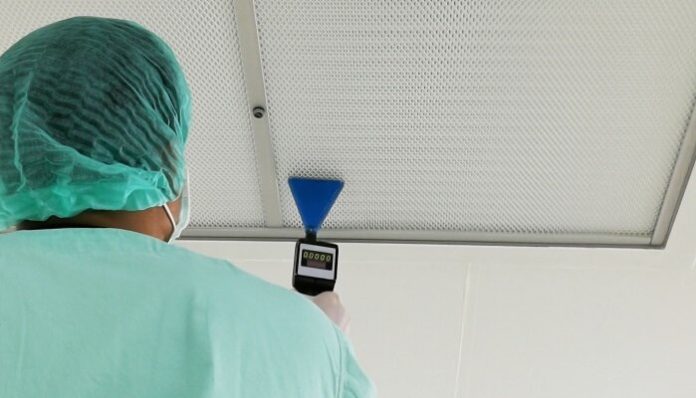
Mechanical filters are the most common air filtration system used in healthcare facilities. They physically trap particles in a filter medium, such as a HEPA (High-Efficiency Particulate Air) or ULPA (Ultra-Low Particulate Air) filter. HEPA filters are designed to capture at least 99.97% of particles 0.3 microns in size, while ULPA filters can capture at least 99.999% of particles 0.12 microns in size. These filters are particularly effective in removing airborne pathogens and allergens.ย 

2. Electronic Filtersย 

Electronic filters, including electrostatic precipitators and ionizers, use an electric charge to capture and remove particles from the air. Electrostatic precipitators apply a high voltage to a series of plates, attracting and capturing charged particles. Ionizers release ions into the air, which attach to airborne particles and make them easier to filter. Although electronic filters can be effective in the general filtration of dust and dander, theyโ€™re less efficient at capturing finer particles like smoke and viruses.ย 

3. Ultraviolet Germicidal Irradiation (UVGI) Systemsย 

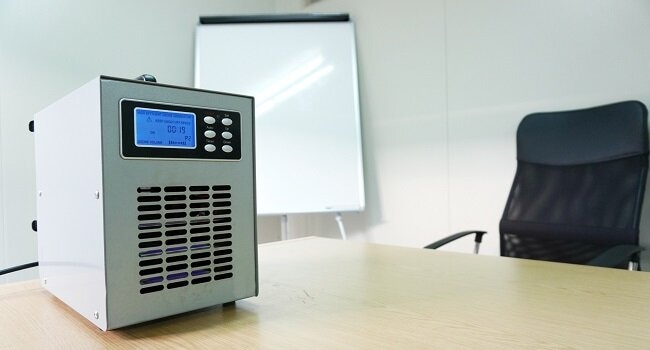
UVGI systems use ultraviolet (UV) light to inactivate or kill microorganisms, thereby preventing their spread. In healthcare facilities, UVGI systems can be installed within the air handling system or used as stand-alone devices. They are particularly useful in controlling the spread of pathogens resistant to other filtration methods.ย 

4. Gas-Phase Filtersย 

Gas-phase filters are designed to remove gaseous pollutants from the air, such as volatile organic compounds (VOCs) and odors. These filters typically use activated carbon or other absorbent materials to capture and neutralize contaminants. Gas-phase filters can be beneficial in healthcare settings with strong odors or chemical fumes.

Conclusionย 

Effective air filtration systems can reduce the transmission of HAIs, improve patient outcomes, protect healthcare workers, and enhance the facility’s reputation. When selecting and implementing air filtration systems, healthcare facilities must consider factors such as facility size, patient population, budget, and regulatory compliance. As innovations continue emerging in this field, healthcare facilities must stay informed and adopt new technologies to improve air quality and patient care.

7 Signs You Should Find A New Dentist

A great smile can light up a room, and it needs proper dental care to keep looking at its best.ย 

But what if the quality of dental care you receive is not up to par?ย 

While not all dentists are created equal, it doesnโ€™t mean you should settle for less. So, how do you know when you need to make a switch?ย ย 

This article will help you spot the signs to seek a different dental professional who better suits your needs.

1. Insufficient Communication

Effective communication with any healthcare provider dentist is crucial for the success of your care plan. They should explain everything clearly, answer your questions, and discuss treatment options.

If your dentist dismisses your concerns or rushes through explanations, itโ€™s a red flag. Everyone deserves a dentist or dental clinic, like Altima Brampton Dental Centre, which prioritizes patient education and open dialogue.

2. Negative Online Reviews

Online reviews are another thing to watch out for when youโ€™re considering a switch.

Patient reviews provide insights into a dentistโ€™s conduct, competence, and clinic environment, including their staffโ€™s behaviour. They also reveal what to expect from a dentist beyond marketing claims.ย 

Therefore, if you see a pattern of consistent negative reviews, it can be a cause for concern.ย 

Look for common themes among these reviews. Are patients often complaining about poor communication, excessive wait times, questionable billing practices, or discomfort during procedures? These shared experiences can indicate underlying issues within the practice.ย 

Additionally, pay attention to how the dentist responds to these reviews. A certified and caring professional will address negative feedback promptly and respectfully, showing commitment to patient satisfaction and continuous improvement. If the dental practice ignores and doesnโ€™t address such reviews (or does so dismissively), it could be a sign to start finding the right dentist for you.

3. Repeatedly Long Wait Times

This deserves its own discussion. Another common issue patients face, which also speaks volumes about the dentistโ€™s professionalism, is the long wait time for their appointments.

Occasionally, emergencies may necessitate them. But if youโ€™re constantly left waiting past your appointment time, itโ€™s a problem. Your time is valuable; if your dentist doesnโ€™t respect that, it might be best to seek out a professional who does.

4. Lack Of Concern For Your Comfort

A good dentist and dental staff will strive to make your visit as comfortable as possible. They should provide pain management options, explain what they do during a procedure, and respond to your distress signals.ย 

If your dentist leaves you in discomfort or pain, itโ€™s time for you to consider switching. This is especially important if they dismiss or belittle your fears.

5. Questionable Sanitation Practices

Aside from comfort, another aspect that may often go unnoticed is a dental clinicโ€™s cleanliness and safety practices. Sterility is critical in any healthcare environment, particularly a dental office.

If you notice unsanitary conditions, such as unclean instruments or lack of gloves, itโ€™s a serious issue. Likewise, failing to follow updated safety protocols during health crises is a clear sign you need a new dentist.

6. Lack Of Continued Education And Updated Tech

In dentistry, continued education is essential. Dentists should keep up with the latest trends, techniques, and technologies by attending seminars, workshops, or conferences.

Committed dental professionals will be passionate about learning and growing. If your dentist dismisses new treatment options or rarely discusses advancements, they may lack a commitment to professional growth.

In addition, the use of modern technology in dental practice indicates quality care. Practices failing to adapt to advancements risk falling behind and providing substandard care.

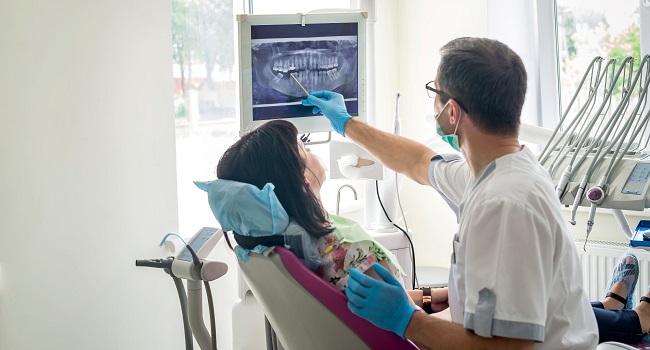
Modern technologies like digital X-rays, laser dentistry, and intraoral cameras enhance diagnosis accuracy, patient comfort, and treatment outcomes. If your dentistโ€™s office lacks these advancements or seems overly reliant on outdated equipment or techniques, itโ€™s a cause for concern.

Furthermore, your dentist should be able to explain and discuss the tech they use for their services. They should be able to walk you through how these tools work and why theyโ€™re beneficial. This transparency promotes a more cooperative dentist-patient relationship and indicates their commitment to providing the best possible oral care.

7. Difficulties With Billing And Insurance

Regardless of technology, how your dentist handles costs and insurance is also vital. Their office must have a reliable, transparent billing process. Moreover, they must be willing to work with your insurance company. If you frequently encounter unexpected costs, billing errors, or insurance claim difficulties, itโ€™s time to find a better dentist.

Find The Right Oral Care Provider

Your dental health shouldnโ€™t be in the hands of a dentist who doesnโ€™t meet your needs. If you experience these issues, consider finding a new one.

Remember, you deserve a care provider who respects your time, values your comfort, maintains sanitation standards, is committed to education, handles billing professionally, and has a good community reputation.

Unlocking Financial Success: The Power of Physicians Billing Services for Medical Practices

Introduction: In the ever-evolving landscape of the healthcare industry, medical practices face numerous challenges, with financial management being a crucial aspect that can significantly impact their success. This blog post explores the power of physicians billing servicesand how they can unlock financial success for medical practices. By outsourcing billing tasks to specialized professionals, medical practices can streamline their revenue cycle, increase efficiency, and focus more on patient care.

Understanding the Importance of Effective Billing Services

Effective billing services are the backbone of any successful medical practice. They involve the accurate and timely submission of claims, proper coding, and efficient handling of reimbursements. The benefits of utilizing specialized billing services are manifold:

a)ย ย ย ย  Improved Revenue Cycle Management:

  • Timely and accurate claim submissions lead to faster reimbursement.
  • Streamlined billing processes minimize claim denials and delays.

b)ย ย ย ย  Increased Efficiency:

  • Billing specialists are well-versed in complex billing procedures, reducing errors.
  • Automation and technology-driven solutions enhance efficiency.

c)ย ย ย ย ย  Cost Savings:

  • Outsourcing billing services eliminates the need for hiring and training in-house staff.
  • It reduces administrative overhead costs and allows for better resource allocation.

Key Features of Physicians Billing Services

To fully leverage the power of billing services, medical practices should consider the following essential features when selecting a reliable service provider:

a)ย ย ย ย  Coding Expertise:

  • Accurate coding ensures proper reimbursement and avoids compliance issues.
  • Billing services with certified coders enhance revenue optimization.

b)ย ย ย ย  Advanced Technology Solutions:

  • Modern billing services leverage cutting-edge software for seamless operations.
  • Features like electronic claim submission and real-time reporting streamline the billing process.

c)ย ย ย ย ย  Compliance and Regulatory Knowledge:

  • Medical billing companies well-versed in healthcare regulations ensure adherence to legal requirements.
  • Staying updated with changing billing guidelines reduces compliance risks.

The Positive Impact on Financial Success

By employing physicians billing services, medical practices can experience a range of financial benefits:

a)ย ย ย ย  Improved Cash Flow:

  • Efficient claims processing leads to faster reimbursements and increased revenue.
  • Accelerated cash flow allows for better financial planning and investment opportunities.

b)ย ย ย ย  Reduced Administrative Burden:

  • Outsourcing billing tasks frees up staff to focus on core medical activities.
  • Enhanced productivity and reduced burnout result in better patient care.

c)ย ย ย ย ย  Data-Driven Insights:

  • Billing services provide comprehensive reports and analytics for financial analysis.
  • Identifying trends and patterns allows for informed decision-making.

Unlocking Financial Success with Physicians Billing Services

To unlock financial success with physicians billing services, medical practices should consider the following tips:

a)ย ย ย ย  Thorough Research:

  • Research reputable billing service providers with a proven track record.
  • Read reviews and testimonials to assess their expertise and reliability.

b)ย ย ย ย  Customized Solutions:

  • Look for billing services that offer tailored solutions to meet specific practice requirements.
  • Flexibility in services ensures optimized revenue generation.

c)ย ย ย ย ย  Embrace Technology:

  • Choose billing services that leverage advanced software solutions for improved efficiency.
  • Automation and integration with practice management systems streamline workflows.

Conclusion:

Physicians billing Company (PBC) play a pivotal role in unlocking financial success for medical practices. By outsourcing billing tasks to specialized professionals, practices can optimize revenue, improve cash flow, and reduce administrative burdens. The power of these services lies in their ability to enhance operational efficiency, ensure compliance, and provide valuable financial insights. Embracing this powerful solution allows medical practices to focus on what matters mostproviding excellent patient care.

Revvity’s EUROIMMUN Spearheads Cutting-Edge Diagnostic Analysis with New Automated IIFT System

Revvitys EUROIMMUN Spearheads Cutting-Edge Diagnostic Analysis with New Automated IIFT System

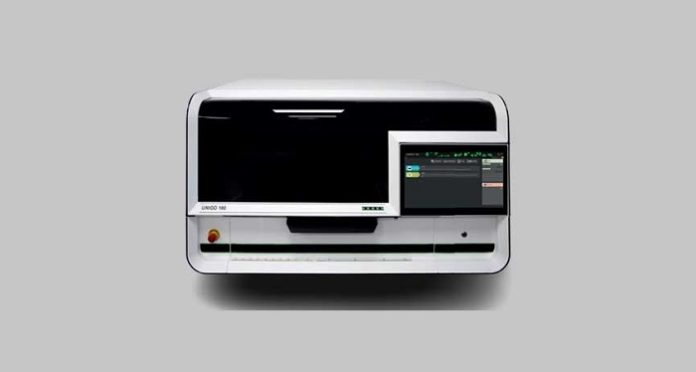
Revvity, Inc., announced today that its EUROIMMUN business has launched the UNIQO 160 (CE-IVDR), an automated indirect immunofluorescence test (IIFT) system for autoimmune disease diagnostics. Now available in countries accepting the CE mark, this all-in-one solution increases the efficiency of the entire IIFT process, encompassing sample preparation, incubation, washing and mounting of slides as well as image acquisition and analysis.

โ€œTraditional IIFT processing can be tedious and time-consuming, requiring the expertise of specially trained lab technicians and a dark room,โ€ said Dr. Bianca Huth, chief technology officer of EUROIMMUN. โ€œThe design of the UNIQO 160 system and technologies built into it alleviate laboratories of many common challenges by reducing hands-on time and creating efficiencies through end-to-end automation.โ€

Automation from Sample to Result

The UNIQO 160 integrates a fully automated processing system and high-quality microscope in a single benchtop device that can be seamlessly integrated into existing diagnostics laboratory workflows. Capable of processing 160 primary samples and 18 slides per run, the UNIQO 160 automatically identifies individual samples, reagents and slides loaded into the system by barcode, which ensures a high degree of reliability and traceability of both materials and samples. The UNIQO 160 also covers incubated slides with a mounting medium and a cover glass to protect them from drying out โ€“ an important step to create desirable conditions for subsequent acquisition of high-quality fluorescence images.

Results Derived from Brilliant Fluorescence Images

Ideally suited for medium-throughput laboratories, the UNIQO 160 produces brilliant fluorescence images with its optical systemโ€™s autofocus feature and three automatically changing objectives (4x, 10x, 20x). Once captured, images are transmitted to the systemโ€™s EUROLabOffice 4.0 middleware for evaluation. The UNIQO 160 system is also compatible with the EUROPattern Classifier, expected to become available later this year. This forthcoming software platform uses state-of-the-art pattern classification based on artificial intelligence methods to aid in final evaluation and propose analytical results.

Prioritizing Safety and Performance Standards

In May 2023, EUROIMMUN received its certificate of compliance with the European In Vitro Diagnostic Medical Device Regulation (EU IVDR). This regulation replaces the previous In Vitro Diagnostic Medical Devices Directive (IVDD) and mandates increased safety and performance requirements for manufacturers of invitro diagnostic medical devices offered within the European marketplace. The IVDR-compliant UNIQO 160 has been developed in accordance with these regulatory requirements.

The UNIQO 160 is the latest addition to EUROIMMUNโ€™s portfolio of automated laboratory solutions, which also includes the EUROPattern Microscope Live, EUROLabWorkstation IFA and Sprinter XL systems.

Lunit and Capio S:t Goran Hospital Collaborate to Address Radiologist Shortage with AI-Powered Mammography Analysis

KROhNE sensor

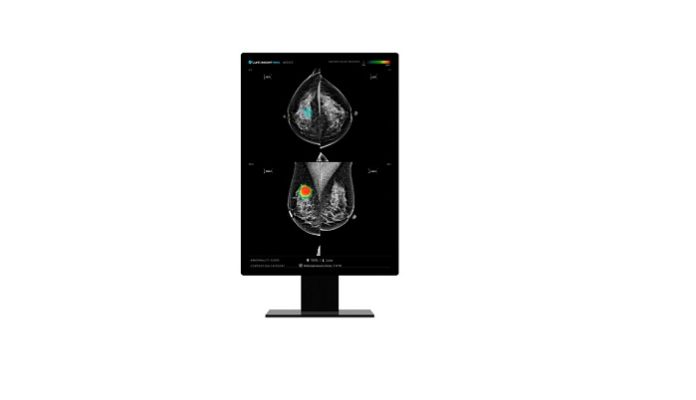
Lunit, a leading global provider of AI-powered cancer diagnostic solutions, announced the signing of a supply and license agreement with Capio S:t Gรถran Hospital, Stockholm, Sweden. Under the agreement, Lunit will provide S:t Gรถran Hospital with Lunit INSIGHT MMG, an AI solution for mammography analysis, for the next three years.

Capio S:t Gรถran Hospital is Sweden’s largest private hospital with over 2,300 medical staff. It is operated by Capio, a part of the Ramsay Santรฉ group. The hospital delivers both planned and emergency medical care services to 100,000 patients from the region of Stockholm.

The integration of Lunit’s AI solution will enable Capio S:t Gรถran Hospital to analyze approximately 78,000 patients’ mammography images each year, significantly contributing to Sweden’s national cancer screening program.

Sweden currently struggles with a pronounced shortage of radiologists, posing challenges to efficient mammography analysis. In response, Lunit INSIGHT MMG is poised to play a pivotal role in addressing this shortage and enhancing the efficacy of cancer screening programs. By harnessing the power of artificial intelligence, the solution assists radiologists in accurately interpreting mammography images, alleviating the burden on limited resources.

This collaboration introduces an advancement where, for the very first time, AI takes on the role of interpreting mammograms as an independent reader in a structural and validated setting. By leveraging AI technology in a safe, scalable, and effective manner, this innovative approach not only enhances productivity but also reduces the necessary workforce by half in the double screening setting.

The decision to adopt Lunit INSIGHT MMG by S:t Gรถran Hospital was bolstered by the results of the world’s first prospective medical AI study. Led by Dr. Fredrik Strand at Karolinska University Hospital. The study examined data from 55,581 Swedish women provided by S:t Gรถran Hospital. The study demonstrated that the combined analysis of one radiologist and AI, achieved higher cancer detection rates and lower recall rates compared to the analysis performed by two radiologists.

“This innovative step to becoming the world’s first breast center using AI as an independent reader, allows radiologists to be less burdened from the excessive amount of reading, enabling them to focus on more advanced diagnostics and ensuring shorter waiting times for patients,” said Dr. Karin Dembrower, Senior Physician of Capio S:t Gรถran Hospital Mammography Clinic, locally responsible for the study. “In the short term, we anticipate detecting more cancers; in the long term, we envision a decrease in interval cancers and the detection of smaller tumors. We are excited to conduct further studies to explore these possibilities.”

“We are delighted to partner with Capio S:t Gรถran Hospital and be part of their innovating efforts in transforming cancer screening workflows,” said Brandon Suh, CEO of Lunit. “This collaboration represents a significant milestone in leveraging AI technology to address the radiologist shortage in Sweden. Lunit INSIGHT MMG has the potential to revolutionize mammography analysis, make a substantial contribution to the national cancer screening program, and ultimately improve patient outcomes as well.”

Lunit remains committed to forging partnerships with medical institutions across Europe, offering advanced medical experiences for patients and enhancing operational efficiency for hospitals.

Omniscient Announces FDA Clearance of New MRI-based Functional Brain Analysis Technology

lewy body dementia treatment market

Omniscient announced FDA clearance for new functional brain mapping software, ‘Quicktome FC (Functional Connectome)’. This software has the capability to uncover the distinct connectivity patterns of an individual’s brain in a single scan.

The application of connectomics in the study of brain disorders has the potential to revolutionise the understanding of brain and how it functions. Connectomics focuses on mapping the intricate network of connections within the brain, providing insights into how different regions communicate and work together.

Integrating resting-state functional MRI (rs-fMRI) technology into Omniscient’s Quicktome platform can offer a valuable tool for assessing and treating neurological disorders. Its non- invasive nature, resting-state assessment capability, functional connectivity mapping, treatment guidance potential, and visualisation features make it a promising addition to the clinician’s toolkit.

This new era of neurological understanding and precision treatment, with the integration of technologies like resting-state functional MRI (rs-fMRI) offers clinicians the opportunity to move beyond generalised approaches and provide personalised care.

By harnessing the power of precise, individualised brain function data, clinicians can revolutionise the diagnosis, treatment, and management of neurological disorders, ultimately leading to improved patient outcomes and quality of life.

Translate ยป