










Close
Digital Health & Ai Innovation summit 2026

Countries Should Do More To Tackle Drug-Resistant Infections

National action plans to tackle the antimicrobial resistance (AMR) threat that comes into play when viruses, bacteria, parasites, and fungi donโ€™t respond to the drugs that are devised to treat them have been created by more than 100 nations. The plan goes on to focus on coming up with policies to curtail AMR and creating tools to execute them; however, it does not factor in evaluation or monitoring.

The new insight happens to be the first large-scale analysis of such plans. They were devised after being encouraged by the WHO, which apparently went on to declare AMR one of the top public health threats facing humanity today.

As per the lead author of the study, Jai Patel, their analysis brought out the fact that nations were pretty highly focused on designing AMR policies and thinking about the tools that would be required to execute them; however, they commonly did not consider how they were going to track and analyse the impact of the efforts that were put in.

All this goes on to suggest that the global response may not be enough to touch the scale as well as the severity of AMR. This is very concerning across low- and middle-income countries, where action plans regularly lack sustainable funding, instead relying on funds coming from philanthropies and donors from abroad.

The evidence that is available also goes on to suggest that just coming up with a national action plan may not essentially mean that a nation is more prepared to respond to the AMR threat. The study, as per Jai Patel, shows that the worldwide response to AMR as well as the preparedness for the challenges that are predicted by it surely demand improvement across the world.

According to the research team, governments from all over the world must make their response to AMR more robust.

It is well to be noted that AMR refers to the alterations in microbes, especially bacteria, that go on to cause the drugs that are used to treat infections to become less effective. As a matter of fact, AMR has gone on to emerge as a paramount challenge for international public health in this century. Significantly, in 2019 alone, AMR was responsible for 4.95 million deaths across the world, more than half of which happened due to infections from bacteria. Due to inaction, AMR went on to make several routine antibiotics ineffective, thereby claiming uncountable lives per year. In 2017, however, the WHO went on to encourage several member states to come up with new action plans to thwart AMR. Since then, more than 100 nations have devised such plans, many of which have been implemented. That said, there was no international analysis when it came to the contents of such plans.

It is well worth noting that this new research happens to be the first to in-depth assess worldwide AMR efforts as well as national action plans and also come up with quantitative results that are comparable across nations and regions. Notably, the 114 action plans that were laid down in 2020โ€“21 were all evaluated against 54 elements like education, stewardship, and accountability, and each one was awarded a score out of 100. Besides, a mean score out of 100 for each nationโ€™s plan was taken from these results.

The insight inferred that throughout all the plans, there happened to be greater focus when it came to policy design as well as implementation tools; however, the efforts to monitor as well as gauge the actions were poorly considered. Of all the areas that were evaluated, feedback mechanisms as well as accountability scored the lowest, followed by education. Professional education and training in human health, agribusiness, and veterinary medicine happened to be insufficient across many countries, with the majority of them lacking a sustainable workforce strategy in order to deliver policies pertaining to antimicrobial stewardship.

Nations also scored well when it came to participation, thereby demonstrating awareness that AMR can only be addressed in a successful way via engagement when it comes to multiple sectors that happen to span human, animal, and environmental health. It is well to be noted that infection prevention and control have been regularly regarded as one of the critical objectives. Apparently, the response from Norway happened to be the highest, with a score of 85, which was closely followed by the US at 84 and the UK at 83. Apart from this, the lowest-scoring nations were Sierra Leone and Ukraine, which scored 29 points each, and Barbados and Micronesia, which had 28 points.
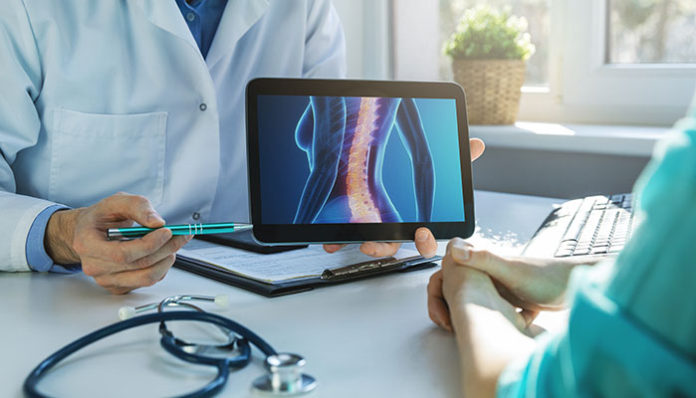

Valtruis Launches TailorCare, Providing a Value-Based Care Option for Musculoskeletal Patients

Valtruis, a WCAS company, announces the launch of TailorCare, a risk-based company that provides evidence-based, clinically-designed care navigation to patients living with joint, back, and muscle pain. TailorCare empowers patients to make informed treatment decisions based on their musculoskeletal (MSK) symptoms, goals, and lifestyle, which leads to better health outcomes, lower costs and happier patients.

“MSK care is expensive, complex and riddled with patient frustration, creating strain on the healthcare system. Current solutions are either narrowly focused or overly broad โ€“ we believe specialty care is best delivered with a targeted approach and that high-quality care must be comprehensive and connect the dots along the patient journey. We are thrilled to announce the launch of TailorCare, built specifically to address the fragmented category of MSK spend,” said Anna Haghgooie, managing director at Valtruis.

The TailorCare model is a holistic navigation and care delivery solution that provides personalized guidance throughout a patient’s MSK care journey. Common conditions include back, neck, hip, knee or shoulder pain and immobility. The American Academy of Orthopaedic Surgeons reports that half of Americans live with an MSK issue, making MSK one of the top drivers of medical spendingโ€“$380B annually, or 20% of total annual spend. Health plans and risk-bearing providers are taking notice of this trend, prioritizing the need for value-based MSK solutions. TailorCare is built around the belief that MSK conditions require providers to coordinate care, which current fee-for-service models do not support, leading to variability in cost and outcomes.

“TailorCare presents a massive opportunity for risk-bearing entities. Our solution transforms MSK care by identifying a patient’s ideal pathway, connecting them with a high-quality specialist and coordinating care within a value-based model. We are creating a more efficient healthcare system for all,” said Rachel Winokur, TailorCare’s co-founder and chief executive officer.

TailorCare’s proprietary clinical intake assesses a patient’s symptoms, lifestyle, preferences and goals using predictive modeling and evidence-based MSK treatment guidelines. Shared decision making enhances patients’ understanding of their conditions and treatment options. Patients are connected to high-quality orthopedists, physiatrists, physical therapists and occupational therapists who are leaders in their fields, and receive ongoing support throughout the care journey.

“MSK conditions are complex. In my decades of experience as an orthopedic surgeon, I’ve seen patients overwhelmed by the decision-making process, frustrated with imperfect surgery or disappointed with health outcomes. TailorCare simplifies the process,” said Kevin Coates, MD, TailorCare’s chief medical officer. “We empower patients to make the best decision for their needs, so they feel better faster.”

TailorCare partners with in-market providers to deliver high-quality MSK care. This includes primary care and specialty providers, such as United Musculoskeletal Partners (UMP), TailorCare’s anchor strategic orthopedic partner.

“Our goal is to partner with the highest value specialists in the market, and we are excited to have UMP alongside us on this journey,” said Karey Witty, managing director at Valtruis. “To partner with an organization of that reputation and scale validates the opportunity we see in the space, advancing both TailorCare and UMPโ€™s strategic initiatives.”

As CEO, Winokur brings 25 years of experience in healthcare leadership roles, building strategy and significant revenue streams for payors, provider organizations, digital health companies and medical device manufacturers. Among her many accomplishments, Winokur has started and scaled multiple businesses, generating revenues of up to $4B. She served as the chief executive officer of NeueHealth, Bright Health Groupโ€™s value-based care business, and helped start Bright Health in 2016 as its chief business officer. Winokur was previously a senior executive for Aetna, helping to build the companyโ€™s population health management business, where she launched a dozen new businesses to serve both employer and provider customers.

“Rachel is a passionate leader with a track record of leading successful healthcare organizations. Her vision and expertise in the delivery of value-based care make her a perfect fit to lead TailorCare. We are excited to support Rachel and her team as they work towards their goal of transforming how MSK care is delivered,” said Haghgooie.

Lunit and Capio S:t Goran Hospital Collaborate to Address Radiologist Shortage with AI-Powered Mammography Analysis

Lunit, a leading global provider of AI-powered cancer diagnostic solutions announced the signing of a supply and license agreement with Capio S:t Gรถran Hospital, Stockholm, Sweden. Under the agreement, Lunit will provide S:t Gรถran Hospital with Lunit INSIGHT MMG, an AI solution for mammography analysis, for the next three years.

Capio S:t Gรถran Hospital is Sweden’s largest private hospital with over 2,300 medical staff. It is operated by Capio, a part of the Ramsay Santรฉ group. The hospital delivers both planned and emergency medical care services to 100,000 patients from the region of Stockholm.

The integration of Lunitโ€™s AI solution will enable Capio S:t Gรถran Hospital to analyze approximately 78,000 patientsโ€™ mammography images each year, significantly contributing to Sweden’s national cancer screening program.

Sweden currently struggles with a pronounced shortage of radiologists, posing challenges to efficient mammography analysis. In response, Lunit INSIGHT MMG is poised to play a pivotal role in addressing this shortage and enhancing the efficacy of cancer screening programs. By harnessing the power of artificial intelligence, the solution assists radiologists in accurately interpreting mammography images, alleviating the burden on limited resources.

This collaboration introduces an advancement where, for the very first time, AI takes on the role of interpreting mammograms as an independent reader in a structural and validated setting. By leveraging AI technology in a safe, scalable, and effective manner, this innovative approach not only enhances productivity but also reduces the necessary workforce by half in the double screening setting.

The decision to adopt Lunit INSIGHT MMG by S:t Gรถran Hospital was bolstered by the results of the world’s first prospective medical AI study. Led by Dr. Fredrik Strand at Karolinska University Hospital. The study examined data from 55,581 Swedish women provided by S:t Gรถran Hospital. The study demonstrated that the combined analysis of one radiologist and AI, achieved higher cancer detection rates and lower recall rates compared to the analysis performed by two radiologists.

โ€œThis innovative step to becoming the world’s first breast center using AI as an independent reader, allows radiologists to be less burdened from the excessive amount of reading, enabling them to focus on more advanced diagnostics and ensuring shorter waiting times for patients,โ€ said Dr. Karin Dembrower, Senior Physician of Capio S:t Gรถran Hospital Mammography Clinic, locally responsible for the study. โ€œIn the short term, we anticipate detecting more cancers; in the long term, we envision a decrease in interval cancers and the detection of smaller tumors. We are excited to conduct further studies to explore these possibilities.”

“We are delighted to partner with Capio S:t Gรถran Hospital and be part of their innovating efforts in transforming cancer screening workflows,” said Brandon Suh, CEO of Lunit. “This collaboration represents a significant milestone in leveraging AI technology to address the radiologist shortage in Sweden. Lunit INSIGHT MMG has the potential to revolutionize mammography analysis, make a substantial contribution to the national cancer screening program, and ultimately improve patient outcomes as well.”

Lunit remains committed to forging partnerships with medical institutions across Europe, offering advanced medical experiences for patients and enhancing operational efficiency for hospitals.

Clarify Health Launches Generative Artificial Intelligence, Clara

Clarify Health, an an innovative leader in healthcare analytics and value-based payment solutions, is thrilled to announce the closed beta launch of its revolutionary generative artificial intelligence (AI), Clara. This groundbreaking technology is set to empower healthcare delivery organizations to access insights into influenceable behavior changes that matter the most in lowering the cost and improving the quality of healthcare โ€“ at a fraction of the time it traditionally takes.

Harnessing the power of Clarifyโ€™s healthcare claims dataset, one of the most comprehensive in the U.S., Clara utilizes advanced machine learning and natural language processing to quickly deliver precise, relevant, and actionable data to healthcare professionals.

Claraโ€™s closed beta launch is a significant step forward in Clarify Healthโ€™s commitment to transforming healthcare through the power of data and AI. This capability offers the potential to improve healthcare delivery with more precise and speedy decision-making, leading to improved patient outcomes and reduced costs for patients and the healthcare system.

The closed beta program will provide a select group of healthcare delivery organizations with early access to Clara, offering them an unprecedented opportunity to shape its development and tailor its capabilities to their unique needs. Interested parties are encouraged to contact us at clara@clarifyhealth.com to learn more about this exciting opportunity.

Home Remedies for Eustachian Tube Blockage: Natural Ways to Clear Blocked Ears

Having blocked ears due to Eustachian Tube Blockage (ETB) can be an annoying and sometimes painful experience. It can cause symptoms like muffled hearing, discomfort, tinnitus (ringing or buzzing noises), and even loss of balance. It’s a condition that can affect anyone – from children to adults – and can occur due to various factors like allergies, colds, sinus infections, or sudden changes in air pressure. While severe or persistent cases should always be referred to a healthcare professional, there are “natural ways to open blocked ears” at home, providing relief and comfort.

Understanding Eustachian Tube Blockage

Before we delve into the remedies, let’s quickly understand what ETB is. Eustachian tubes are small passageways that connect your middle ear to the back of your throat. These tubes help regulate air pressure inside your ears and drain out normal secretions. However, when these tubes get blocked, it can cause discomfort and affect your hearing.

Natural Remedies to Clear Blocked Ears

While severe or persistent cases should always be referred to a healthcare professional, there are natural ways to open blocked ears at home, providing relief and comfort.

While it’s important to consult a healthcare provider for persistent or painful ear blockage, many minor cases can be managed at home with some simple, natural remedies. Here are a few strategies to help open blocked ears:

Chewing and Yawning: These simple actions can often help “pop” your ears by activating the muscles that help open the Eustachian tubes.

Swallowing: Regularly swallowing can also help open the Eustachian tubes. If your ears are blocked due to a cold or sinus infection, try sipping on a warm herbal tea to soothe your throat and gradually clear the blockage.

Nasal Decongestants: Over-the-counter nasal decongestants can help reduce swelling and open up the Eustachian tubes. However, they should be used sparingly and under the guidance of a healthcare professional.

Warm Compress: Applying a warm compress, such as a warm washcloth, to the affected ear can help reduce pain and inflammation, eventually helping to open the Eustachian tubes.

Hydration: Staying hydrated, especially while travelling in flights, can help keep the mucus thin and prevent blockage of Eustachian tubes.

These natural remedies can provide relief and assist in opening blocked ears. However, they should not replace professional medical advice, especially if the symptoms persist or worsen.

To further assist in managing ETB, here are four preventive measures to consider:

1. Avoid Allergens: If allergies cause your ETB, try to identify and avoid the allergens. This can include certain foods, dust, or pollen.

2. Keep Your Nose Clear: Ensuring your nose is clear, especially during a cold or sinus infection, can prevent the Eustachian tubes from becoming blocked.

3. Don’t Smoke: Smoking can lead to inflammation in your Eustachian tubes. Avoiding smoking can thus help prevent ETB.

4. Avoid Sudden Changes in Altitude: Rapid altitude changes can affect the pressure balance in your ears. If you’re flying or driving at high altitudes, consider using special earplugs designed to help with pressure changes.

Concluding Thoughts

While blocked ears due to Eustachian tube blockage can be bothersome, remember that there are natural ways to provide relief. These simple home remedies and preventative measures can assist in managing minor cases of ETB. However, always remember to seek professional advice if symptoms persist, if there is severe pain, or if you suspect an ear infection. Remember, your ears are delicate structures; treat them with care!

Enhancing Eye Health: How Daily Contact Lenses Revolutionize Vision Care

The quest for better vision care has led to significant advancements in the field of contact lenses. Daily contact lenses have emerged as a revolutionary solution, offering not only improved visual acuity but also enhanced eye health. With their convenient and hygienic design, these contacts are transforming the way we approach vision correction. Here, we will explore the transformative impact of disposable daily contacts or dailies on eye health, focusing on their advantages, advancements, and potential to revolutionize vision care.

The Notable Advantagesof Dailies

Daily contact lenses provide a range of advantages over traditional lens options. One of the key benefits is their convenience. Unlike monthly or bi-weekly lenses, these contacts are designed for single-use and do not require cleaning or storage. This eliminates the risk of contamination and reduces the chance of eye infections, making them a healthier choice for individuals seeking optimal eye care.

Moreover, these lenses are crafted from highly breathable materials that allow for maximum oxygen flow to the eyes. This promotes ocular health by reducing the risk of hypoxia or insufficient oxygen supply to the cornea, a condition commonly associated with extended lens wear. Additionally, the regular replacement of lenses prevents the buildup of protein deposits and debris, minimizing the chances of discomfort and irritation.

Their transformative impact extends beyond individual users and into the realm of the healthcare sector and the hospital fraternity. Eye care professionals, including optometrists and ophthalmologists, play a vital role in ensuring the proper prescription, fitting, and monitoring of contacts. The advent of dailies has simplified the process for healthcare providers, allowing them to offer a convenient and hygienic solution to their patients.

In hospital settings, these lenses can be particularly beneficial for patients with various eye conditions or those recovering from eye surgeries. The disposable nature of these lenses minimizes the risk of post-operative infections and ensures a sterile environment during the critical healing period. Moreover, healthcare providers can prescribe them to patients who may require temporary vision correction, such as those with corneal abrasions or eye injuries.

Advancements in Daily Contact Lens Technology

The field of dailies has witnessed significant technological advancements, leading to improved comfort and visual performance. Today, manufacturers utilize innovative materials that offer higher water content, ensuring enhanced hydration and increased wearing comfort throughout the day. These materials also aid in maintaining a stable tear film, which is crucial for clear and sharp vision.

Modern daily contacts are designed with advanced optics that correct common refractive errors, such as myopia, hyperopia, astigmatism, and presbyopia. These lenses provide a customized and precise fit, addressing specific vision needs and ensuring optimal visual acuity for wearers.

Additionally, some lenses incorporate UV protection, shielding the eyes from harmful ultraviolet radiation. This added layer of defense reduces the risk of UV-related eye conditions, such as cataracts and macular degeneration.

The Potential Impact on Vision Care

Their introduction has the potential to revolutionize vision care by promoting overall eye health and increasing accessibility. Their convenience and hygienic nature encourage consistent and responsible lens wear, reducing the likelihood of complications and improving long-term eye health outcomes.

These lenses also offer a practical solution for individuals with active lifestyles. Athletes, outdoor enthusiasts, and those with demanding professions can benefit from the ease of use and enhanced comfort provided by daily lenses. These lenses eliminate the need for cleaning solutions and carrying cases, allowing wearers to enjoy clear vision without interruptions or inconveniences.

Furthermore, the improved oxygen permeability of daily contacts supports ocular health, reducing the risk of complications associated with extended lens wear. By providing more oxygen to the cornea, these lenses help maintain its integrity, reducing the chances of dryness, redness, and other discomforts.

These particular types of lenses have emerged as a transformative force in the field of vision care. Their convenience, hygienic design, and advanced technology contribute to improved eye health and enhanced visual experiences. By providing a hassle-free and comfortable option for vision correction, dailies encourage regular use and responsible eye care practices.

With ongoing advancements in material science and optical technology, the future of daily contact lenses looks promising. As researchers and manufacturers continue to refine their designs, we can expect further innovations that will enhance eye health, expand accessibility, and improve overall vision care.Through their transformative impact, these lenses are redefining the way we approach and prioritize eye health, enabling individuals to enjoy clear vision and vibrant lives.

The Vital Role of Audiologists in Customizing Personalized Hearing Solutions

Hearing loss affects millions of people worldwide, but thanks to advancements in audiology, personalized hearing aid solutions have become more accessible than ever. Audiologists, the dedicated professionals in the field of audiology, play a crucial role in customizing and fitting hearing devices to meet the unique needs of individuals with hearing impairment. Weโ€™ll explore the vital role of audiologists in providing personalized hearing solutions, their expertise in assessing hearing loss, and their contribution to improving the quality of life for patients. Additionally, we will highlight the intersection of audiology and the healthcare sector, underscoring the significance of audiological care within the broader healthcare framework.

The Role of Audiologists in Assessing Hearing Loss

Audiologists are specialized healthcare professionals trained in diagnosing and treating hearing disorders. Their role begins with a comprehensive evaluation of an individual’s hearing abilities. Through a series of tests and assessments, audiologists determine the nature and extent of hearing loss, helping to identify the most appropriate course of action. Based on the diagnosis of the patientโ€™s condition, they will be able to recommend the best hearing aids to use or other assistive listening devices.

These professionals employ various diagnostic tools and techniques, including pure-tone audiometry, speech audiometry, and tympanometry, to evaluate the precise nature and severity of hearing impairment. By conducting thorough assessments, audiologists gather essential information about the individual’s hearing thresholds, speech recognition abilities, and overall auditory function. This comprehensive evaluation forms the foundation for developing personalized hearing devices.

Customizing Hearing Aid Solutions

Audiologists utilize their expertise to customize devices tailored to each patient’s specific needs. This involves careful consideration of factors such as the individual’s lifestyle, communication requirements, and degree of hearing loss.

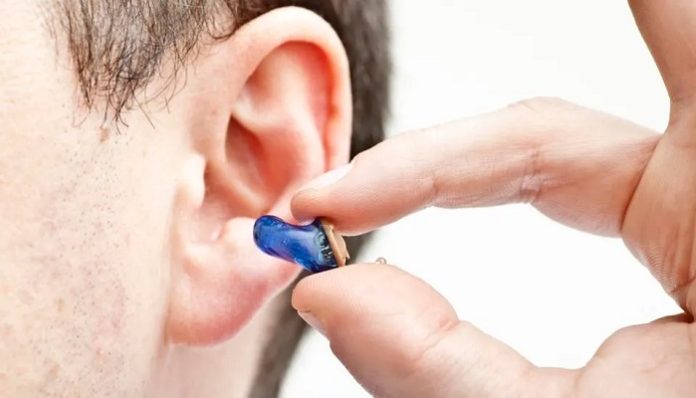
Following the assessment, audiologists work closely with patients to select the most appropriate assistive hearing devices including their style and technology. There are various styles available, including behind-the-ear (BTE), in-the-ear (ITE), and completely-in-the-canal (CIC) options, each with its own benefits and considerations. By considering factors such as comfort, dexterity, and cosmetic preferences, audiologists help patients make informed decisions regarding the most suitable style of device to wear.

Furthermore, audiologists play a crucial role in determining the technology and features required for optimal hearing assistance. Modern devices offer a range of advanced features, including noise reduction, directional microphones, telecoil compatibility, and Bluetooth connectivity. Audiologists consider the individual’s specific hearing needs and lifestyle factors to recommend the most appropriate technology, ensuring a seamless integration of hearing aids into the patient’s daily life.

Once the hearing devices are selected, audiologists meticulously program and calibrate them to meet the individual’s unique hearing profile. This customization process involves adjusting amplification settings, fine-tuning frequency response, and optimizing speech intelligibility. Audiologists leverage their expertise and knowledge of the latest advancements in hearing aid technology to ensure optimal sound quality and clarity for the patient.

The Intersection of Audiology and the Healthcare Sector

The role of audiologists extends beyond individual patient care to encompass a broader healthcare framework. Within the healthcare sector, audiologists collaborate with other healthcare professionals, including primary care physicians, otolaryngologists (ENTs), and speech-language pathologists, to provide comprehensive hearing healthcare services.

Audiologists work hand-in-hand with primary care physicians to ensure early identification and referral for individuals with hearing loss. This collaboration promotes timely intervention and minimizes the impact of hearing impairment on an individual’s overall health and quality of life. Audiologists also collaborate with otolaryngologists to address complex hearing conditions and provide specialized care for patients requiring medical interventions.

Moreover, audiologists work closely with speech-language pathologists to develop comprehensive treatment plans for individuals with hearing loss and speech-language difficulties. This collaborative approach helps optimize communication outcomes and ensures holistic care for patients.

In addition, audiologists contribute to public health initiatives by raising awareness about hearing loss, advocating for hearing screenings, and promoting hearing conservation practices. They actively participate in community outreach programs, educating the public about the importance of early intervention and the available hearing healthcare resources.

Audiologists play a vital role in customizing personalized hearing solutions for individuals with hearing loss. From assessing hearing loss to customizing and fitting hearing aids, audiologists bring expertise and knowledge to enhance the quality of life for their patients. Their work intersects with the broader healthcare sector, promoting collaboration with other healthcare professionals and contributing to comprehensive hearing healthcare. By recognizing the essential role of audiologists, we can appreciate the value they bring in addressing hearing loss and ensuring optimal auditory function and communication abilities for individuals in need.

Dr. Anosh Ahmed: Doctor, Entrepreneur, and Philanthropist

Doctor Anosh Ahmed of Houston is an eminent internal medicine physician, avid philanthropist, and visionary entrepreneur.

Throughout his life, heโ€™s dedicated himself to various ventures to learn and give back.

Dr. Ahmed continues to work daily to positively impact his community, and Thrive Global and other national publications have recognized Dr. Ahmedโ€™s professional accomplishments in medicine.

Dr. Anosh Ahmed โ€“ An Eminent Internal Medicine Physician

Having come from a humble background, one of Dr. Ahmedโ€™s most significant achievements is becoming a licensed physician.

Doctor Anosh Ahmed (M.D.) graduated with honors from Windsor University School of Medicine. He was also on the Deanโ€™s list and graduated cum laude.

He went on to complete an Internal Medicine Residency at Mount Sinai Hospital in Chicago. Then, he completed a Principles and Practices of Clinical Research program at the prestigious Harvard T.H. Chan School of Public Health.

Dr. Ahmed has made many remarkable contributions to the medical field. His accomplishments in healthcare administration and lasting impact have been widely recognized in the medical community. Not only is he a medical practitioner, but heโ€™s also a leader who inspired trust among many in his field.

Dr. Anosh Ahmed โ€“ A Visionary Entrepreneur

Doctor Anosh Ahmed has had a strong interest in entrepreneurship since childhood. Throughout his life, heโ€™s worked towards building a more equitable and prosperous world for all. He credits his entrepreneurial success to his steadfast work ethic and commitment to excellence.

Before a career in medicine, Dr. Ahmed founded various notable restaurants and other establishments. He also manages multi-million dollar capital projects and contract negotiations.

Today, Dr. Ahmedโ€™s leading focus is bringing new ideas to life to help people in his community and break the cycle of poverty through the Anosh Inc. Foundation.

โ€œIn order to build something, you have to be tenacious and extremely driven. Thereโ€™s always a solution if you look hard enough.โ€ -Doctor Anosh Ahmed

Dr. Anosh Ahmed โ€“ An Avid Philanthropist

Although Doctor Anosh Ahmed has faced various obstacles, he continues to work towards and is passionate about giving back to his community through philanthropic efforts.

Dr. Ahmedโ€™s recent philanthropy achievement has been the creation of the Anosh Inc. Foundation. Through the foundation, he contributes significant time and energy to lifting up his community and developing strategies to end poverty.

Through the Anosh Inc. Foundation, Doctor Ahmed focuses on safe housing, equal education opportunities, and medical care for the underserved. Heโ€™s provided laptops, books, and school supplies to children in Chicago and Houston via various churches and local organizations.

Not only does Dr. Ahmed help disadvantaged youth and their parents, but he also supports his team in taking classes for further education and guidance in helping others.

He also sponsors and volunteers with local events to support these efforts. Some recent efforts include a Thanksgiving turkey donation, a local blood drive, and Memorial Day flowers for Veterans.

Dr. Ahmedโ€™s goal moving forward with the Anosh Inc. Foundation is to continue serving those in his community and expand and help those in need worldwide to help people here and in other countries.

When Doctor Anosh Ahmed isnโ€™t learning and working with the Anosh Inc. Foundation, heโ€™s spending time with his family. He also enjoys traveling and experiencing different cultures.

Digital Transformation For Improved Patient Experiences

Patient-centric care is crucial in hospitals and healthcare organizations. To improve patient outcomes and experiences, healthcare providers are increasingly investing in digital solutions. The ongoing digital transformation is essential for the success of these organizations as they upgrade communication, cybersecurity, and administrative processes to meet evolving patient needs. Streamlining processes and automating practices are key to enhancing patient outcomes and experiences by reducing staff burdens and allowing more time for patient care.

Addressing Access Management Challenges

Healthcare organizations, like other industries, often face overwhelming paperwork related to patients, visitors, staff, and contractors. Managing compliance and ensuring patient safety and security can be challenging amid high volumes of foot traffic. The COVID-19 pandemic further emphasized the need for efficient management of people movement. To mitigate the risks of errors in manual sign-in and sign-out processes, many organizations turned to digital visitor access management solutions.

Digital solutions for visitor, contractor, and staff access management have emerged as effective remedies for administrative burdens in healthcare organizations. The advantages include:

Streamlined Processes:

Digital access management solutions simplify the sign-in and sign-out processes for hospitals and healthcare organizations. Features such as facial recognition, contactless sign-in, and pre-registration for visitors facilitate a seamless experience. Automating these processes not only saves time but also ensures a smoother flow of people, allowing patients and visitors to access the facilities more efficiently. Moreover, healthcare staff can devote more time to patient care rather than administrative tasks.

Improved Visibility:

Digital access management solutions provide improved visibility and compliance for healthcare organizations. Cloud-based solutions offer online portals, companion mobile apps, and real-time reporting, enabling staff to access accurate information about individuals present at any given time. This improves compliance and aids emergency response efforts. Having a holistic view of who is onsite enhances safety measures and allows healthcare organizations to run efficient operations.

Strengthened Security:

By leveraging digital access management solutions, hospitals and healthcare providers can enhance safety and security measures. Essential information, such as policies and critical messages, can be delivered to individuals during the sign-in process. Cloud-based solutions offer features like single sign-on (SSO) and data privacy to ensure compliance. Regular automatic updates keep the systems aligned with the latest regulations. Centralized management of multiple sites adds an extra layer of security and safeguards patient and visitor data.

Digital access management solutions play a crucial role in healthcare transformation by improving patient experiences and outcomes. By streamlining processes and automating practices, these solutions reduce administrative burdens on staff, allowing them to focus more on patient care. They enhance compliance, safety, and security without compromising productivity. Embracing digital solutions is essential for healthcare organizations to deliver exceptional care while minimizing administrative workloads.

What Happens If My Personal Injury Claim Goes To Court?

If you’ve been injured as a result of someone else’s actions, you may be entitled to compensation for your medical bills, lost wages, and other damages. Often, a personal injury claim can be resolved through negotiations with the other party’s insurance company or a settlement agreement.

However, there may arise situations in which a court trial may be necessary. Usually, it happens when you and the at-fault party were not able to come to an agreement on a fair and just compensation amount for your injuries. But, this process can be lengthy, uncertain, and emotionally draining.

It is why, during this time, it’s important to have a knowledgeable personal injury attorney to represent your interests in court and help you navigate the legal system.

You Will Likely Testify

Preparing to testify in court can be a nerve-wracking experience, but it is important to remember that our legal team is here to guide and support you throughout the process. When it comes to personal injury cases, your testimony can play a lead role in determining the outcome of your case.

As such, personal injury lawyers will take the time to ensure that you are properly prepared and equipped to testify to the best of your ability. This will involve going through the details of your accident and injuries with you, so that you are able to recount your version of events accurately and confidently. They will also work through any specific points of contention, such as claims that you may have been partially responsible for the accident.

The Whitley Law Firm has the experience to fight for the compensation you deserve, and with their guidance and support, you can feel confident and empowered as you prepare to testify in court.

A Jury Will Decide Liability

The jury is tasked with hearing all the evidence presented by both sides and ultimately deciding who is liable for the accident. This can be a complex task in cases where there are multiple parties involved, and the jury may need to allocate fault accordingly.

One of the key responsibilities of the jury is to assign a dollar amount to the losses suffered by the plaintiff. However, it’s important to note that juries can be unpredictable. Despite popular belief, jurors don’t always show favor to the plaintiff.

As a result, juries can undervalue a client’s pain and suffering, resulting in awards that are well below what is expected.

Your Case Could Settle

In the world of personal injury law, cases can settle at any point in time. Even if a case seems destined for trial, there is always the possibility that a settlement offer may arise. Settlement offers can even come on the day of trial, or even after the jury has begun deliberating. These offers often come as a result of the strong case that has been built by the personal injury lawyers, which can make the cost of proceeding with the trial too high for the opposing party.

Your Case Might End on an Appeal

At times, a trial is not necessarily the end-all-be-all. In fact, it is not uncommon for the losing side to appeal to a higher court after the trial concludes. This appeal is typically made based on the contention that the legal ruling made by the judge was incorrect or that the verdict lacked evidence to support it. The appeal process can take years before a final resolution is reached.

However, there are instances where the defendant may be compelled to pay compensation as the case progresses through appeal. On some occasions, the defendant may simply choose to pay to avoid the lengthy and expensive appeal process. It is important to note that both parties can bring appeals if they find themselves dissatisfied with the results of the first trial.

Ready to Take Your Personal Injury Claim to Court?

If your personal injury claim goes to court, it is important to be fully prepared and aware of what to expect. Litigation can be a lengthy and expensive process, but in some cases, it may be the only option to achieve the compensation you deserve.

It is essential to have a skilled attorney with experience in personal injury cases to represent you in court. Your attorney will help you navigate the complex legal system, advocate on your behalf, and protect your rights.

Translate ยป