Close
Digital Health & Ai Innovation summit 2026
Medical Taiwan 2026

UK Crowded Hospitals Get A Breather With NHS Virtual Wards

UK Crowded Hospitals Get A Breather With NHS Virtual Wards

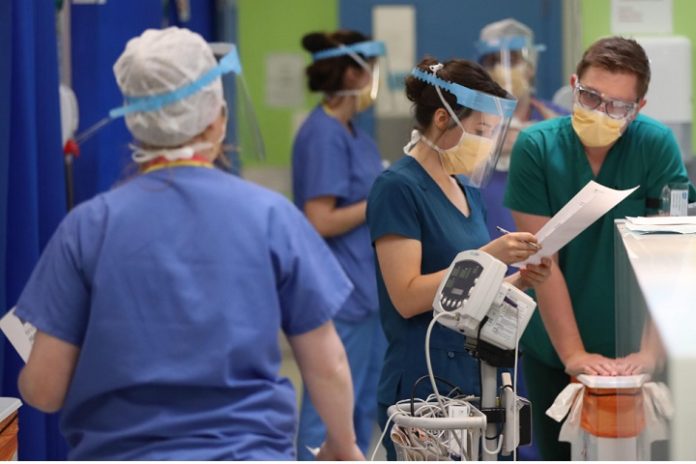
NHS virtual wards effectively treated over 100,000 patients last year, saving up thousands of hospital beds for the most vulnerable patients.

The goal of NHS virtual wards is to provide medical assistance at home while freeing up precious hospital space for patients in the greatest need. There are more than 340 NHS virtual wards in England, with 58 additional wards opening since January 2023.

Patients in NHS virtual rooms are managed by a medical team of healthcare experts. On virtual wards, patients have access to a variety of physical examinations and medical procedures, including blood tests, prescription medication, and intravenous drip fluids.

Each patient in a virtual setting is reviewed daily by the clinical staff, which can take place by video call or home visit. Several NHS virtual wards use cutting-edge technology, such as applications and wearable devices, to check on patients and monitor their recovery.

The NHS virtual hospital program has been provided by the Frimley Health Foundation Trust. A total of 83% of patients who participate in the program avoid hospitalization. In January 2023, the NHS came up with the aim of healing 500,000 patients monthly by utilizing virtual clinics as part of its urgent as well as emergency care treatment plans.

A number of fresh initiatives aimed at easing the burden on the NHS and shortening wait times were highlighted in the plan. They included the growth of community falls and frailty services, the addition of community response teams, and extra physical hospital beds.

The benefits of virtual rooms for both staff and patients have been a major shift in the way hospital services are delivered, and it is a huge accomplishment that more than 100,000 patients have benefited in the last year alone, with the number of beds increasing by nearly two-thirds in less than a year, according to NHS national medical director, Professor Sir Stephen Powis.

He further added that it is believed that up to a fifth of emergency hospital admissions can be avoided through properly supporting sensitive patients at home and in the community. These world-leading programs are making a genuine difference, not just for the people they directly help but also by lowering demand for wider services.

As per the research, many people recover from being at home and in the presence of friends, family, and pets. Research demonstrates that staying at home is better for certain patients’ physical health and mental well-being, as well as their total recovery rate.

People crave normalcy and the comforts of home, yet when they arrive, they may become anxious. Virtual care can accomplish anything that would happen in a hospital ward using the virtual room program. One can conduct six-hour observations to identify any problems and can even perform ECGs in the patient’s home. It has truly altered the way treatment is provided, explained Nurse Nisha Jose, clinical team leader at Mersey Care’s Clinical Telehealth Center.

Bio-Printed Patches Can Restore Heart Tissue That Is Dead

Bio-Printed Patches Can Restore Heart Tissue That Is Dead

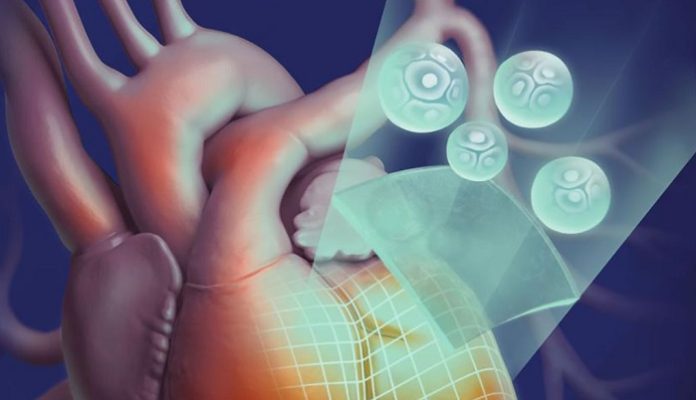
Scientists from the University of Technology Sydney have gone on to demonstrate that bio-engineered heart tissues can one day safely as well as effectively aid patients to recover from the damage that is caused by an extensive heart attack.

The novel technology goes on to create bio-inks that are made of a patient’s very own stem cells. These are then used to 3-D print the cardiac tissues so as to repair the areas of dead tissue that occur due to heart attacks. Dr. Carmine Gentile from UTSโ€™ Cardiovascular Regeneration Group thanks the study, as now one has a better understanding of how bio-engineered heart tissues get to work in the body post transplantation.

The study has gone on to demonstrate that the bio-engineered patches happen to be the best and most robust when it comes to the treatment of heart failure. The patches that were generated with other approaches either did not show any improvement or the improvement happened to be inconsistent. The bio-engineered patches look to be safer, more consistent, and more cost-effective for the patients.

It is well to be noted that cardiovascular diseases are the leading cause of death across the world, and in Australia, they account for 1 in every 4 deaths.

Heart failure happens to be a frequent complication when it comes to a heart disease that takes place due to inadequate blood supply that further results in heart tissue death in the affected area. This may well result in lifelong drug treatment, and end-stage heart failure would mean that some patients would go on to join the heart transplant waiting list.

Gentile opines that as this technology will help patients to use their own stem cells so as to create heart patches, not only will this help them to potentially decrease the trauma and heart transplant cost, but it will also help them avoid hurdles like the body rejecting donor tissues.

Apparently, further tests for the long-term effects of this technology are currently underway before the clinical trials begin.

A prominent funding partner of the research, Heart Research Australia, has gone on to commend the advances that have been made by Dr. Carmine Gentile and team when it comes to striving to improve the devastating numbers that surround heart disease.

The CEO of Heart Research Australia, Nicci Dent, said that it is indeed wonderful to know that this research collaboration has been successful and is now progressing towards the next stage. He added that they are excited to know the potential this technology carries in aiding thousands of people that happen to be affected by heart failure every year.

Best Practices for Supporting Patients with Major Depressive Disorder: Insights from Healthcare Professionals

Best Practices for Supporting Patients with Major Depressive Disorder: Insights from Healthcare Professionals

Understanding Major Depressive Disorder

Major depressive disorder (MDD) is a serious mental health condition affecting millions worldwide. It can cause persistent sadness, hopelessness, and worthlessness that interfere with daily life. If untreated, MDD can lead to many problems, including physical health issues, problems at work or school, and strained relationships with loved ones. In this article, we’ll discuss the best practices for supporting patients with MDD based on insights from healthcare professionals.

Diagnosing MDD: Methods and Considerations

Accurate diagnosis and assessment are essential in providing effective treatment for Major Depressive Disorder. Healthcare professionals use various methods to diagnose MDD, including questionnaires, interviews, and observation. In addition, it’s important to consider the patient’s medical history and other factors contributing to their symptoms. Once MDD has been diagnosed, then healthcare professionals need to assess the severity of the disorder to determine the appropriate treatment plan.

Working with Healthcare Professionals to Find the Correct Medication
Medication can be indispensable when managing MDD, but it’s important to work with healthcare professionals to find the right medication and dosage for each patient. There are several types of medication available for MDD, including selective serotonin reuptake inhibitors (SSRIs), serotonin-norepinephrine reuptake inhibitors (SNRIs), and tricyclic antidepressants (TCAs). Each medication has its benefits and potential side effects, and it’s important to consider these factors when developing a treatment plan.

โ€ข SSRIs (selective serotonin reuptake inhibitors): Nausea, diarrhea, insomnia, drowsiness, headache, sexual dysfunction, weight gain, and dry mouth.

โ€ข SNRIs (serotonin-norepinephrine reuptake inhibitors): Nausea, dizziness, headache, sweating, insomnia, sexual dysfunction, and dry mouth.

โ€ข Tricyclic antidepressants: Dry mouth, blurred vision, constipation, urinary retention, drowsiness, weight gain, and dizziness.

It’s worth noting that not all patients will experience these side effects, and that some side effects may go away as the body adjusts to the medication. Patients should work closely with healthcare professionals to monitor any side effects and adjust the treatment plan as necessary.

Working with Healthcare Professionals to Develop a Therapy Plan

Psychotherapy and counseling are also effective treatments for MDD. These therapies can help patients identify and address the underlying causes of their depression, develop coping skills, and build resilience. Several types of therapy are available, including cognitive-behavioral therapy (CBT), interpersonal therapy (IPT), and psychodynamic therapy.

Patients should work with healthcare professionals to find the best therapy.

Accurate diagnosis and assessment are essential in providing effective treatment for MDD. Traditional diagnostic methods for MDD include clinical interviews and symptom checklists.

Technological advances have led to the development of medical device treatments for depression, such as Deep TMSโ„ข (Deep Transcranial Magnetic Stimulation) by BrainsWay. Deep TMSโ„ข uses a noninvasive electromagnetic field to stimulate specific areas of the brain associated with depression.

Once MDD is diagnosed, healthcare professionals need to assess the severity of the disorder to determine the appropriate treatment plan. One commonly used tool is the Hamilton Rating Scale for Depression (HAM-D), which measures the severity of symptoms, such as mood, sleep, appetite, and cognitive function.

An accurate assessment is critical to developing an effective treatment plan that addresses the patient’s needs and preferences.

Supporting Mental Health Through Lifestyle Changes

Lifestyle changes can also help manage MDD. Regular exercise, a healthy diet, and sufficient sleep are crucial for maintaining good mental health. Working with healthcare professionals to develop a personalized lifestyle plan that considers the patient’s unique needs and preferences is important.

Seeking Help and Support When Needed

Social support networks are also essential for managing MDD. Family, friends, and support groups can provide emotional support, practical assistance, and a sense of belonging. Patients should be encouraged to build and maintain social connections and seek help.

Managing Side Effects and Adverse Reactions

There are several challenges healthcare professionals face when treating MDD. One common challenge is ensuring patients receive the appropriate treatment plan for their unique needs. For example, some patients may require a combination of medication, therapy, Deep TMSโ„ข and lifestyle changes, while others may benefit from a single treatment approach.

Another challenge is managing the potential side effects of medication. Therefore, healthcare professionals should monitor patients closely for adverse effects and adjust the treatment plan as necessary.

Collaborating for Effective MDD Treatment

Managing MDD requires a multi-faceted approach considering each patient’s unique needs and preferences. Accurate diagnosis and assessment, medication management, psychotherapy and counseling, lifestyle changes, and social support networks are critical in treating MDD.

Healthcare professionals must collaborate with their patients to develop individualized treatment plans considering their unique needs and preferences. By working together, patients with MDD can improve their quality of life and achieve better mental health outcomes.

It’s important for patients to seek help and support when needed and to be open and honest with their healthcare professionals about their symptoms and treatment experiences. Recovery from MDD is possible, and with the right support, patients can achieve their treatment goals and lead fulfilling lives.

Through collaborating for effective MDD treatment, healthcare professionals and patients can work together to overcome the challenges of managing this complex and challenging mental health condition.


5 Steps To Recover From A Whiplash Injury

A whiplash injury is one of the most common injuries after a car accident. This is caused by a quick and forceful head movement in one direction, usually after a strong force like a sudden brake or impact.

If you get into a car crash, a whiplash injury is one of the injuries you might get. The common symptoms include neck pain, dizziness, and shoulder and neck aches. Their severity varies, and some only experience minor ones. But those who get worse symptoms continue suffering from them even during the recovery stage.ย 

With that in mind, itโ€™s essential to learn what can be done to speed up your recovery so you can walk out of this experience without dire long-term effects.

Better whiplash recovery can be achieved after observing the following steps.ย 

1. Hire A Law Firmย 

How does hiring legal professionals like Loewy Law Firm, among others, fit into this equation?ย ย 

Itโ€™s actually a critical step to your recovery as a whole. Whiplash injuries usually result from a heavy blow to the neck and head area in a car accident. And that often occurs due to another driverโ€™s negligence. If thatโ€™s the case, dealing with legal matters is unavoidable.

A large chunk of the recovery process involves paying for various treatments. Such expenses can strain your budget, which is something you want to avoid after having to think about fixing your car.ย 

Itโ€™s a good thing getting compensation through a personal injury claim can get you the money you need. It can provide financial relief from medical expenses and other losses like economic damages due to the inability to work.ย 

Hiring a law firm to aid you in this process is essential. Good ones let you know your rights and fight for you to receive the best possible settlements. That way, you can focus on all other aspects of recovery while leaving legal matters in a professional lawyer’s hands.

2. Go Through A Medical Examinationย 

Immediately after the accident, you must seek medical attention immediately. Get to a nearby emergency ward or have someone call an ambulance. Many of the injuries you get may not seem apparent for a moment due to shock or confusion, so you need professionals to check for possible internal damage. This includes whiplash.ย 

During the medical examination, your doctor will ask questions about the event and your accompanying symptoms. They may run a battery of tests to understand your symptoms’ severity and provide the appropriate treatments.

Your doctor may ask you to move and perform simple tasks to check the following:ย 

  • Reflexes, sensation, and strength in your limbsย 
  • Range of motion in your shoulders and neck
  • Tenderness in your back, shoulders, and neck

After the initial medical exam, your doctor will know how to proceed with the appropriate treatment plan. As soon as you leave the doctorโ€™s office, itโ€™s now on your hands to be diligent enough to follow through. Keep them on your speed dial for questions and any immediate concerns.ย 

3. Take Medicines Exactly As Prescribedย 

Whatever medicines your doctor prescribes, take them exactly as directed. Most medication regimens only entail pain management. Your doctor may prescribe more potent pain relievers and muscle relaxants in severe cases, while over-the-counter medicines will do in minor cases.ย 

On that note, if you need to purchase over-the-counter medicines, it helps to ask your doctor which is best. Never take two different pain relievers in one go. Otherwise, you risk overdosing or getting harmful drug interactions.

4. Restย 

The appropriate amount of rest depends on your case. Resting for a day or two is usually necessary. But staying bedridden for too long also hampers recovery.ย 

After two days of resting, try slowly getting back to your usual routine. Donโ€™t rush or push yourself if the pain or spasms flare up. Getting your back, neck, arms, and head used to a bit of movement here and there is enough to โ€˜trainโ€™ it back to its proper function.ย 

5. Support Your Neckย 

You can use a soft foam collar to support your neck with your doctor’s permission. However, like resting, this should be worn only for two to three days. Any longer than that should come as their recommendation.

Recover The Right Way

While this guide doesnโ€™t cover every specific instance of a whiplash injury, it should help you understand what steps to take to recover well. Nothing beats a physical examination done by a doctor, so make it a crucial step for a successful recovery. Never self-diagnose!

Contact the experts for the best possible outcomes for everything else, like getting compensation for a work-related or vehicular accident.

How do I know if my armpit rash is fungal?

Do you have a lingering rash in your armpit that won’t disappear? Are you suspicious that a fungus may cause it? You are not alone. Many people experience redness, itchiness, and discomfort in their underarms due to an overgrowth of fungi. It can be very uncomfortable and painful at times – luckily, help is available.

In this article, we will give you all the information you need to answer the question: How do I know if my armpit rash is fungal? We’ll cover what causes these unwelcome fungi rashes, how to diagnose them properly, and review some treatment options. So let’s start learning about fungal armpit rashes so you can finally find relief from discomfort and gain back confidence.

Signs and symptoms of a fungal armpit rash

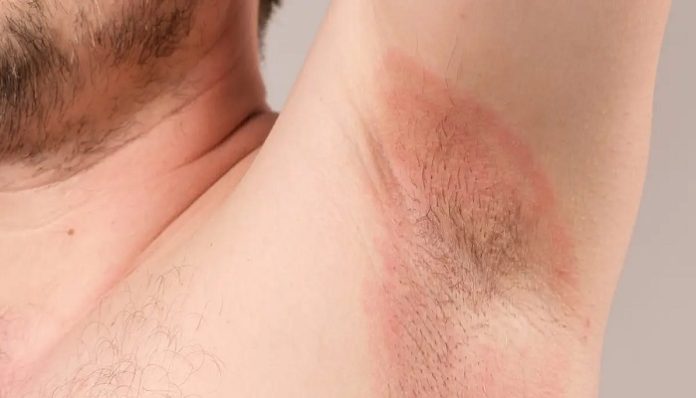
Having a fungal armpit rash can be both uncomfortable and embarrassing. Typically, signs and symptoms include an itchy or burning sensation and an area of reddened skin with visible scaling or peeling. The rash may form into a large patch or small bumps, and it can sometimes look like tiny clusters of red bumps that resemble acne.

Additionally, for some people, a moist discharge is accompanied by a pungent odor due to the overgrowth of fungus in the area. If you experience any of these symptoms, it’s best to consult with your healthcare provider, who can prescribe topical antifungal agents and other treatments if needed. Eczema under arm also might be a common symptom of fungal rash.

Causes of a fungal armpit rash

A fungal armpit rash can be a frustrating and annoying condition to deal with. It is often caused by excessive bodily humidity, along with tight clothing and materials that trap the sweat close to the skin. These conditions create an environment ripe for fungus to form and grow, leading to the development of a rash. Other potential causes include prolonged antibiotic use, which disrupts the body’s balance of bacteria and can enable the fungus to take hold.

Individuals who consume high amounts of sugar or carbohydrates may also be more likely to have fungal rashes in their armpits due to increased yeast growth. No matter the cause, it is vital to properly treat a fungal armpit rash due to its contagious nature and long-lasting symptoms.

How to diagnose a fungal armpit rashย 

Diagnosing a fungal armpit rash is relatively straightforward, and your healthcare provider can perform a physical examination and swab the affected area to collect fungus samples. The sample will be sent to a lab for testing, which should confirm whether it is a fungus causing your symptoms.

Your doctor may also prescribe medications such as antifungal creams, powders, or shampoos containing an active ingredient to treat fungal infections. Suppose your condition does not respond to these treatments after several weeks. In that case, you should ask your healthcare provider about other treatment options, such as antibiotics or oral antifungal drugs.

Treatment options for a fungal armpit rash

Once a fungal armpit rash is diagnosed, treatment must begin immediately. It will help reduce the severity of symptoms and lessen the risk of it spreading to other parts of your body or someone else’s.

The most common treatments involve using antifungal creams, powders, or shampoos. These products are formulated to attack the fungus on contact and can be applied directly to the affected area. Your healthcare provider may also prescribe oral medications such as terbinafine or fluconazole that attack the fungus from within. Additionally, there are natural remedies that you can try at home, such as apple cider vinegar, garlic paste, tea tree oil, and coconut oil – all of which have antifungal properties.

Whichever treatment you choose, following the directions provided by your healthcare provider and the product’s packaging is crucial. Keep the affected area clean and dry to prevent further growth or spread of the fungus.

Home remedies for managing your symptomsย 

In addition to antifungal treatments, there are some home remedies that you can use to manage and reduce the symptoms of a fungal armpit rash.

Using talcum or baby powder in your armpits can help absorb extra moisture and keep fungus from forming. Additionally, wearing breathable materials like cotton instead of synthetic fabrics can be beneficial as they will allow air to circulate and keep sweat away from the skin.

If you have a rash, apply natural ingredients such as tea tree oil or garlic paste directly to the affected area for relief. It may also help reduce scaling and peeling caused by a fungal infection. Finally, it is crucial to practice good hygiene habits such as washing all clothing, towels, and bedding with hot water, using separate towels for each person in the household, and keeping your skin clean and dry.

Tips for preventing future outbreaks of a fungal armpit rash

The best way to prevent future outbreaks of a fungal armpit rash is to practice good hygiene habits and minimize your risk factors.

Keep your body clean and dry, especially in areas where sweat can accumulate, such as the armpits. Wear breathable materials like cotton instead of synthetic fabrics, and avoid tight-fitting clothing that prevents air circulation. Additionally, try to reduce sugar and carb intake as much as possible since this can cause yeast growth, leading to fungal infections.

Finally, make sure to properly dispose of all used tissues, towels, washcloths, etc., and replace them regularly with fresh ones to prevent the further spread of the fungus. If you have any questions or concerns about how to prevent or treat a fungal armpit rash, contact your healthcare provider for more information.

The Human/AI Nexus is the Secret to Better Healthcare of the Future

The Human/AI Nexus Is the Secret to Better Healthcare of the Future

The market for artificial intelligence (AI)โ€”specifically, machine learning (ML) toolsโ€”in healthcare is expected to top $20 million in 2023. Various AI-aligned technologies, such as computer vision, natural language processing, and pattern recognition algorithms, are already deeply embedded in the healthcare ecosystem and will continue to be adopted as evidence of their usefulness grows. Some examples of areas where AI is used include drug discovery, where it can assist with predicting outcomes of clinical trials and potential side effects of new drugs, advanced research to bring new products to market quickly, and analysis of medical imagery, which involves using computer vision algorithms to spot early warning signs of disease in x-rays or MRI scans. It has also successfully been used to detect and treat neurological disorders, including Parkinson’s disease and Alzheimer’s disease. Further, it is helpful for analyzing data collected from patient wearables or in-home sensors to provide early warning or predictive diagnosis of various conditions. Beyond its applications in clinical work, AI performs clerical tasks, such as processing insurance claims and managing or analyzing medical records. AI also enhances the patient experience by facilitating appointment scheduling, intake processes, communication, and education.

The rush to be part of this new medical world

The speed with which AI in the medical industry continues to grow is driven by several factors, not the least of which was the COVID-19 pandemic, which shone a bright light on the need for better end-patient care when the industry was overwhelmed with critical care patients. Now, more than ever, any technology that can help identify disease markers or aid in pre-diagnoses is essential. From an operational standpoint, this new AI approach reduced lead times, with everything from booking appointments to patient response times, and also decreased overall costs for the industry by automating mundane tasks previously performed by humans.

Another growth factor can be attributed to the uptick in venture capitalists and biotechnology companies investing in AI technology, subsequently scaling those tools and techniques, and then applying them to the healthcare space. Investors are also working in partnership with manufacturers. For example, companies including Amazon, Microsoft, and Meta are just a few of the big technology giants that are actively working on making inroads in the healthcare industry.

With the advancement of technologies, these tools are now becoming smarterโ€”the recent ChatGPT being one such example. Long-term, the application of ChatGPT in the healthcare space will overcome many human limitations, thereby allowing the industry to assist with everything from accessing vast databases to quickly discovering what medical information is required to facilitate patient diagnoses. This is possible because of AI accuracy, particularly when it comes to the interpretation of data. For example, AI can be leveraged to ensure a model used to analyze a brain scan is compared against previous historical diagnoses, enhancing its diagnostic efficacy.

The human factor

AI cannot do away with the very much-needed human aspect that patients naturally expect. In addition to meeting patient expectations, human and professional intervention is essential for validating the accuracy and/or interpretation of data dispensed by AI. Its accuracy is limited. Consequently, whoever is using these tools, whether for inpatient care or a diagnosis, needs to be aware of its limitations.

To ensure optimal outcomes and experiences for the patient and provider, it is essential that there is a symbiosis between humans and the AI tools being utilized. In a September 2022 podcast interview with Greylock, Dr. Fei-Fei Li, the co-director of Stanfordโ€™s Institute for Human-Centered Artificial Intelligence, noted, โ€œAI is not one thing. Designing AI systems are really stages of work decisions, andโ€ฆwe need to infuse the ethics and human-centered values. Simplest way to put it, how do we define a problem? For example, is your goal to replace humans without consideration of all the social implications, or augment human capability?โ€ Dr. Li says programmers and developers need to consider human values and one key question when developing code: โ€œDoes it assist the humans or inform the humans?โ€

That human/AI nexus is just as important in in robotic surgeries, which are minimally invasive and lower the risk of cross-contamination. For these surgeries to take place, they require a human behind them, overseeing the robotโ€™s actions and ensuring that the training model and algorithms do not create any errors. The human factor is also essential for creating even smarter robotic tools based on the type of overall performance of its lifecycle.

Meeting the challenges

While AI in the healthcare industry opens an exciting world, the biggest challenges are ensuring that the technology is not misused, that it doesnโ€™t violate HIPAA laws, and that it does not trigger the leak of confidential information. On the patient side, itโ€™s imperative that AI doesnโ€™t offer up an incorrect diagnosisโ€”the ramifications of which could be disastrous. Itโ€™s critical to monitor AI continuously to make sure it optimizes outcomes, increases accuracy, and is always overseen by a human.

On the plus side, there is now a growing realization that trained professionals and support staff entering the healthcare industry need to have both the aptitude and the attitude to work with technology. Educational programs are rapidly adapting to meet that need. Just last month, Stamford Health in Connecticut began training nurses in the Metaverse by working on virtual patients via simulated medical conditions, utilizing the Oxford Medical Simulation program. โ€œOur virtual reality, first and foremost, is intended to be something that is immersive and engaging,โ€ said Stamford Health Center Simulation and Learning Manager Michelle Saglimbene. โ€œA lot of our younger nurses are young millennials and Gen-Zers, so this type of technology is something that they’re familiar with in the gaming industry.โ€ In addition, from a regulatory perspective, the FDA is recommending that AI healthcare support tools are regulated as medical devices, further supporting patient safety and outcomes.

The profitability factor

To fully embrace the power of AI, it is essential for healthcare organizations to redefine their parameters in terms of what profitability will look like. To remain efficient, they will need to identify AI-supported revenue streams and determine which expenses can be reduced, particularly with human staff. This will also require creating a plan for employees that are not adaptive to new technologies and are resistant to change.

By adopting AI technologies in the healthcare field, the Frost & Sullivan, a research and consulting firm, predicts that doing so could potentially save the industry over $150 billion by 2025, precisely because of the ability to automate much of the work that is needed. And a 2020 McKinsey Report noted that 15 percent out of a possible 35 percent of work hours throughout the industry is likely to be automated, with significant gains being achieved by 2030.

In light of the COVID-19 pandemic, it has become clear that AI has broad and positive implications for the healthcare industry. AI can reduce lead times, increase productivity, improve outcomes, and enhance the patient experience. This, in turn, will drive organizational profitability. In the long term, the sky is the limit for AI applications, particularly in its position at the forefront of lifesaving innovations in the diagnosis, treatment, and prevention of diseases.

A Basic Guide To SDTM Mapping

Standard Data Tabulation Model (SDTM) is a model for managing clinical trial data. It was created by the Clinical Data Interchange Standards Consortium (CDISC) Submission Data Standards Team. The main aim of developing this model was to create a standard structure for collecting, organizing, analyzing, and reporting data for clinical studies.ย 

SDTM mapping is an integral part of submitting clinical data. It helps translate data from a source dataset into the SDTM standard format and structure. Most data collected during clinical trial processes are often in non-CDISC standards and must be converted to the CDISC SDTM structure. This process is one of the most challenging parts of clinical data management, requiring technical expertise and time.ย ย 

This article will discuss the basics of SDTM mapping:ย ย 

1. Identify The Datasets To Mapย 

Datasets are the basic building blocks of SDTM mapping. Identifying which datasets must be mapped and converted into the SDTM format is essential. This process can be done manually or using a software program that automates the conversion process. For manual mapping, it is crucial to understand the CDISC data standards and their relationship with the source dataset.ย 

It’s important to note that some datasets donโ€™t follow CDISC standards and can’t be mapped to the matching SDTM standard variable. Such datasets are called SDTM supplemental qualifiers, allowing users to add more data in a ‘variable name โ€“ variable value’ format. These datasets are named beginning with SUPP and then two letters from the SDTM domain they’re created forโ€”for example, SUPPEX for the Exposure dataset. Therefore, researchers need to understand and distinguish which datasets are supplemental and which are not during this stage.ย ย 

2. Identify SDTM Datasets That Correspond To Those Datasetsย 

Once the source datasets have been identified, it’s essential to determine which SDTM datasets they correspond to. This is done by reviewing the domain definitions in the CDISC library and mapping them accordingly. For example, a source dataset that contains information about the patient’s age should be converted to the Demographic domain.ย 

Once this step has been completed and all SDTM datasets mapped, researchers can create an SDTM dataset.ย ย 

3. Gather Metadata Of The Datasets And The Corresponding SDTM Metadataย 

Metadata is vital for SDTM mapping as it helps researchers understand the data structure and format of the datasets. Metadata includes variable names, length, number of values, and units of measure. Knowing this information allows researchers to match source datasets with the corresponding SDTM domains more quickly.ย ย 

Some of the SDTM domains include demographics (DM), adverse events (AE), laboratory (LB), vital signs (VS), medical history (MH), and concomitant medications (CM). These datasets represent the essential clinical trial data that must be accurately mapped for quality data and reliable results.ย 

4. Map Variables In The Datasets To The Corresponding SDTM Domainsย 

After gathering the metadata and identifying the corresponding SDTM domains, the next step is to map each variable in the source dataset to their matching SDTM domain. This process is known as ‘variable mapping’ and requires researchers to thoroughly review the variables in both datasets and match them accordingly. For example, a source dataset containing patient height information should be mapped to the VS domain.ย ย 

Once the mapping is done, the data is checked for accuracy, quality, and interoperability. Common errors include incorrect data types, length, and missing and invalid values. Once the errors have been corrected, the mapped datasets are ready for analysis and reporting.ย 

5. Create Custom And SUPPQUAL Domains If Neededย ย 

In some cases, researchers may need to create custom and SUPPQUAL domains for additional data not represented in the core SDTM domains. This process requires a deep understanding of the CDISC standards and the ability to accurately create and validate these new domains.ย ย 

Custom domains are created when the data doesn’t fit into any of the existing SDTM domains, and SUPPQUAL domains are created for datasets that are supplemental to the core set. Once these domains have been created, they can be mapped to their corresponding source dataset variables.ย ย 

6. Validate SDTM Datasets And Generate Define.xml Filesย ย 

Once all source datasets have been mapped to their corresponding SDTM domains, validating the data is essential. This is done by generating a define.xml file which contains information about the variables, labels, and values in each domain. This file can ensure all the data has been mapped correctly.ย ย 

Once the define.xml file has been generated, it can be used to validate the SDTM datasets. This is done by comparing each variable to its corresponding define.xml entry and confirming that it is accurate. If any errors are found, they must be corrected before the dataset can be used for analysis and reporting.ย 

Conclusionย ย 

SDTM mapping is a critical step in clinical trial data analysis and reporting. It protects the data correctly mapped to its corresponding SDTM domains to generate accurate results. Following the abovementioned steps, researchers can accurately map their source datasets and generate reliable SDTM datasets for further analysis and reporting.ย ย 

Menstrual pain management

Painful menstruation, also known as dysmenorrhea, is one of the most common sexual health problems of women of childbearing age. Many symptoms can accompany the pain, including nausea, vomiting, or diarrhea. Mood swings can be related to hormonal fluctuations and a lack of sex hormones at the end of the cycle.

Pain and other unpleasant sensations before menstruation and the first 1-2 days of the cycle bother every second woman on average.

Keeping that in mind, we are going to find out more about the main measures suitable to reduce menstrual pain, cramps, and other unpleasant sensations during the period.

What causes the period to be painful?

There are two main reasons why menstrual pain bothers girls and women. The first reason is usually eliminated by giving birth. This is a mechanical reason, because the cervical canal of a woman who has not given birth is narrow, and during menstruation, the uterus tries to push out the menstrual blood, and mucosal splinters through the narrow cervical canal. For this reason, pain occurs due to strong pressure. After a woman gives birth, the canal expands, it is no longer so narrow, so after giving birth, menstrual pains are usually not so strong anymore.

Another reason is that the number of substances called prostaglandins increases in the uterus before menstruation. Prostaglandins cause uterine muscle contractions similar to cramps. When a muscle contracts, less blood with nutrients and oxygen flows to it. Similar to childbirth, these contractions cause pain and discomfort. Here there is no difference in whether a woman has given birth or not.

However, severe pain with excessive bleeding and fever are very dangerous. You should see your doctor immediately.

How to reduce menstrual pain?

If you need to reduce menstrual pain and it is not determined by various diseases, it can be alleviated by some lifestyle changes:

1. First of all, nutrition is key to a long and healthy life. Foods rich in salt and high in added sugar should be avoided. These products stimulate the release of insulin and, at the same time, the release of stress hormones.

2. It is recommended to increase fluid intake. When menstruation begins, you should drink as much liquid as possible. The most suitable drinks are water and herbal teas (ginger, chamomile, raspberry leaves). Some women like a variety of herbal teas. Herbal teas not only warm you up but also help relieve unpleasant symptoms.

3. It is advised to avoid alcohol, cigarettes, coffee, and drinks with a lot of caffeine (such as energy drinks). Carbonated drinks are also not recommended. Bad habits and caffeine only make you feel worse. It is worth knowing that carbonated drinks can contribute to additional digestive problems.

4. Light physical activity is recommended. It should improve your general well-being. You can go for a walk, do yoga exercises, or choose simple exercises in the sports club. Moreover, go for a swim. Movement in water improves blood circulation in the body and reduces abdominal cramps. In addition, swimming is friendly to joint health and reduces stress on the lower back.

5. Regular consumption of group B vitamins is key to a regular menstrual cycle. Regular use of group B vitamins helps reduce unpleasant symptoms of premenstrual syndrome, regulate the cycle, and relieve menstrual pain.

6. Another solution is associated with heat. If you suffer from particularly strong menstrual pains, lie down in a hot bath. Bathing should last longer than 15 minutes. Special heaters can also be placed on the lower abdomen (if you don’t have them, just a bottle filled with warm water will help you).

7. Massage is also very effective in reducing menstrual pain, especially if the pain is not only local but also spreads to the back or legs.

8. Track your menstrual cycle. While following your menstrual cycle, you will know when you can start preparing for menstruation, for example, start to drink more water or avoid coffee, and black and green tea. The period calculator will help you track your menstrual cycle and not forget important information related to the menstrual cycle.

If your menstruation is very painful and can be determined by various diseases, it is recommended to visit doctors. Doctors can identify diseases that cause painful periods. These diseases can be endometriosis, adenomyosis (uterine endometriosis), cysts in the ovaries, irritable bowel syndrome, etc. In case of very severe pain, the doctor may prescribe pain-relieving and anti-inflammatory drugs. It should be remembered that medicines do not solve problems, but only help relieve menstrual pain and other unpleasant sensations.

The bottom line

Menstrual pain disturbs the normal rhythm of life. The causes of such pain should be sought and efforts should be made to minimize potential inconveniences so that the woman can once again enjoy life. There are several effective measures that can reduce menstrual pain and discomfort. Every woman should find the most suitable ways to help herself.

Organizational Tools Every Hospital And Clinic Should Use

Organizations in the healthcare sector need to be incredibly efficient. To do this, they need the correct organizational tools. This list presents several of the most important organizational tools hospital and clinic staff must prioritize. Keeping structure in regards to patient care is essential for both the patientโ€™s safety and the organizationโ€™s success. Read on to find out more about the benefits of utilizing these organizational tools.

1. Chart Dividers

Chart dividers are an essential organizational tool for hospitals and clinics that allow providers to easily access a patientโ€™s chart. Dividers organize chart pages in alphabetical order, making it quick and easy to find the exact chart youโ€™re looking for. Additionally, chart dividers also protect patient information from being accessed by unauthorized personnel.

2. Electronic Medical Records (EMR)

Having an EMR system for storing, retrieving, and sharing patient information is essential for hospitals and clinics. EMRs allow for easy access to a patientโ€™s medical history, which helps to streamline communication between medical providers and reduce medical errors.

Additionally, many medical EMR systems provide analytics tools to help healthcare organizations stay organized.

3. Appointment Arranging Program

Organizing patient visits can be an overwhelming task, luckily there is appointment arranging software that can ease this process. This digital system makes it convenient for people to book their appointments online and it can send automated notifications to remind them of visits.

4. Healthcare Management Programmes

Healthcare management programmes help hospitals and clinics stay organized by giving tools to manage scheduling, billing, and patient records. These programmes help ensure service providers are compliant with industry regulations and can lead to long-term efficiency.

5. Hospital Supply Monitoring System

Hospitals and clinics must have an accurate inventory of their medical supplies all the time. Hospital supply monitoring systems make it easy to keep tabs on and organize supplies, ensuring they are available when needed.

These systems also provide visibility into what supplies need to be ordered and when for a streamlined ordering process.

6. Quality Management Software

Quality management software helps hospitals and clinics keep track of quality metrics and performance indicators. This software helps organizations stay in compliance with regulations and provides them with valuable insights into how the organization is performing.

Additionally, the software can also be used to assess the impact of changes to protocols and procedures.

7. Interaction Systems For Patients

Interaction systems for patients enable medical service providers to keep in contact with individuals they are caring for with no requirement to meet in person. Such methods provide recipients with a secure means of acquiring healthcare info and connecting with their healthcare service provider.

This helps make sure that individuals never overlook important updates linked to their treatment and helps keep patients more engaged.

8. Healthcare Administration Systems

Healthcare administration systems streamline bureaucracy like billing and accounts receivable, record keeping, and reports to help make sure clinics and hospitals keep running smoothly.

Moreover, these systems can assist medical service providers shorten time spent seeing patients, thus improving output.

9. Cybersecurity Solutions

Hospitals and clinics must be aware of the threats associated with managing sensitive data, which is why utilizing cybersecurity solutions is so important.

Cybersecurity solutions allow healthcare organizations to safeguard their patient data through automated detection of any security weak points.

10. Personnel Planning Software

Personnel planning software simplifies the job of scheduling staff and tracking leave and overtime requests. Such software helps ensure hospitals and clinics remain compliant with labor laws and regulations.

What’s more, it can also reduce personnel expenses and increase employee satisfaction.

Conclusion

Organization is key for hospital and clinic success, and the right tools can make a world of difference. This post presented some of the most useful organizational tools every hospital and clinic should be using, including electronic medical records, appointment scheduling software, healthcare management software, chart dividers, hospital supply tracking software, and quality management software.

Sight Sciences introduces Ergo-Series of the OMNI Surgical System in US

Sight Sciences introduces Ergo-Series of the OMNI Surgical System in US

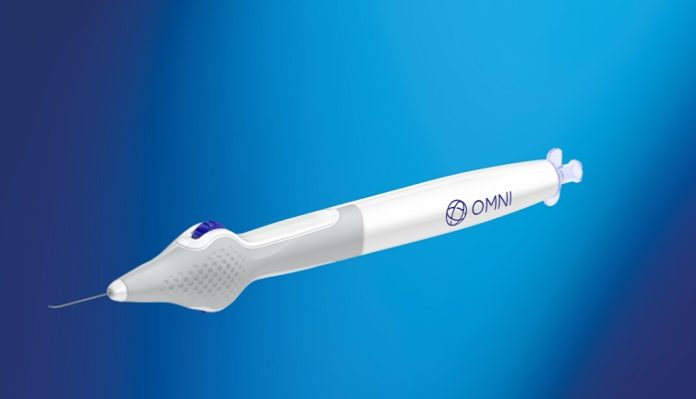
Sight Sciences, Inc., an eyecare technology company, announced the United States launch of the Ergo-Series of the OMNI Surgical System, a technology that facilitates surgeonsโ€™ ability to perform minimally invasive, implant-free glaucoma procedures in adults with primary open-angle glaucoma.

The OMNI Surgical System enables a minimally invasive glaucoma surgery (MIGS) that addresses all three known points of resistance in the aqueous outflow system: the trabecular meshwork, Schlemmโ€™s canal, and the collector channels. It can be used before, in combination with, or following cataract surgery. The new features of the Ergo-Series include:

Improved Handle Ergonomics: New enhancements enable surgeons to more easily rotate and position the cannula tip within Schlemmโ€™s canal with precise finger rotations versus wrist adjustments.

Simplified Viscoelastic Preparation: The handleโ€™s viscoelastic luer connector is now removable and detaches when the viscoelastic cartridge is removed, resulting in more clearance with the surgical microscope.

New Cannula Tip Design: The Ergo-Series cannula tip has a new profile that enables gentle and precise access to Schlemm’s canal while continuing to enable full 360-degree catheterization associated with the OMNI procedure.

Reay Brown, MD, a glaucoma specialist and Sight Science’s chief medical officer, said “The Ergo-Series maintains the same therapeutic functionality as the second-generation OMNI Surgical System. The technology enhancements provide additional benefits that enable surgeons to perform an innovative, minimally invasive glaucoma surgery.”

โ€œFor me, the new cannula tip technology is the biggest improvement,โ€ said Zarmeena Vendal, MD, glaucoma surgeon and founder of Westlake Eye Specialists in Austin, Texas. โ€œThe profile of the tip enables me to score the trabecular meshwork more confidently and makes entry into Schlemmโ€™s canal gentler. In addition, when I deploy the catheter, I can follow the path of the Schlemmโ€™s canal a bit more naturally. In our glaucoma surgery practice, access to the OMNI Surgical System lets us provide these new technology procedures for the benefit of our patients.โ€

OMNI Surgical System, Ergo-Series enables surgeons to provide a minimally invasive, implant-free surgery to reduce intraocular pressure (IOP) in adults with primary open-angle glaucoma. The deviceโ€™s indications for use, contraindications, warning, and precautions remain unchanged. The OMNI Surgical System is indicated for canaloplasty (microcatheterization and transluminal viscodilation of Schlemmโ€™s canal) followed by trabeculotomy (cutting of trabecular meshwork) to reduce intraocular pressure in adult patients with primary open-angle glaucoma. It can be used before, in combination with, or following cataract surgery.

Paul Badawi, CEO and co-founder of Sight Sciences, added, โ€œOMNI is an innovative technology developed to enable a surgeon to perform a circumferential and complete outflow procedure that addresses all three known points of resistance in the aqueous outflow system through a single clear corneal incision. We are committed to continually innovating and improving our core technologies alongside our surgeon partners in order to provide the greatest benefit to patients suffering from primary open-angle glaucoma. Based on the initial feedback, we are confident the Ergo-Series of the OMNI Surgical System will continue to raise the bar.โ€

The OMNI Surgical System technology consists of a handheld, single-use therapeutic device for minimally invasive glaucoma surgery (MIGS). OMNI allows surgeons to access 360 degrees and three primary points of resistance of an eyeโ€™s diseased conventional outflow pathway (trabecular meshwork, Schlemmโ€™s canal, and collector channels) through a single clear corneal microincision.

OMNI’s FDA-cleared indication is for canaloplasty (the microcatheterization and viscodilation of Schlemmโ€™s canal) followed by trabeculotomy (the cutting of trabecular meshwork) to reduce intraocular pressure in adult patients with primary open-angle glaucoma. OMNI has a CE Mark for the catheterization and transluminal viscodilation of Schlemmโ€™s canal and the cutting of trabecular meshwork to reduce intraocular pressure in adult patients with open-angle glaucoma.

OMNI should not be used in any situations where the iridocorneal angle is compromised or has been damaged since it may not be possible to visualize the angle or to properly pass the microcatheter. Do not use the OMNI in patients with angle recession; neovascular glaucoma; chronic angle closure; narrow-angle glaucoma; traumatic or malignant glaucoma; or narrow inlet canals with plateau iris or in quadrants with previous MIGS implants.

OMNI technology is protected by a global patent portfolio including 32 issued patents worldwide.

The Ergo-Series of the OMNI Surgical System is expected to be available outside the United States later this year.

Sight Sciences is an eyecare technology company focused on developing and commercializing innovative solutions intended to transform care and improve patientsโ€™ lives.


Translate ยป