








Close
Digital Health & Ai Innovation summit 2026
Medical Taiwan 2026

Popular Jobs in the Healthcare Industry

Are you looking for a job in the healthcare industry? Youโ€™re not alone – many people are turning to this field as they search for rewarding and meaningful employment opportunities. With such a wide variety of positions available, it can be difficult to decide which route might best fit your skillset and circumstances. In this blog post, we’ll explore the different types of jobs that are popular within the healthcare sector so that you can make an educated decision about your career path. From doctors and nurses to administrative staff and researchers, there is something for everyone in this ever-evolving industry! Whether you’re just starting out or transitioning from another role, ready yourself to learn more about what opportunities exist in today’s world of healthcare.

Doctor Jobs

Doctors are at the heart of the healthcare system and they play a vital role in helping people stay healthy. Doctors diagnose and treat illnesses, as well as provide preventative care, education, and advice to their patients. They must be knowledgeable about medical terminology and procedures, maintain detailed patient records, understand various medications and treatments, and exhibit excellent communication skills. When considering a career as a doctor, it is important to understand that medical school is highly competitive and requires many years of study.

Medical Billing And Coding Jobs

Medical billing and coding is a specialized field that requires an understanding of medical terminology, procedures, codes, and record-keeping. Medical billers and coders are responsible for organizing patient records, preparing insurance claims, ensuring accuracy in payments, and tracking reimbursements. The job requires excellent organizational skills, attention to detail, and the ability to work with physicians to accurately diagnose and code patient records. When starting with medical billing and coding, it is important to gain experience in the healthcare industry and obtain certification from accredited organizations. It is also important to stay up-to-date with the latest technologies and coding procedures.

Nursing Jobs

Nurses play a critical role in the healthcare industry and are responsible for providing quality care to patients of all ages. Nurses use their clinical expertise to assess, diagnose, and treat illnesses as well as provide support and education to patients. They must be knowledgeable about medical procedures, medications, and treatments, and continually update their skills to keep up with the latest advancements in healthcare.

Nurses typically work in a variety of settings including hospitals, long-term care facilities, doctor’s offices, and outpatient clinics. Depending on the type of job they have, nurses may be responsible for assessing patient needs, giving medications, providing treatments, providing patient education, consulting with physicians and other healthcare providers, and managing care plans.

Nursing jobs may also include research and teaching roles. Nurses are often asked to participate in research studies or help teach medical students about the practice of nursing. They may also be involved in administrative duties such as scheduling appointments and filing paperwork.

Administrative Jobs

Administrative staff plays an essential role in the healthcare industry by organizing and coordinating care, providing customer service, managing finances, and handling paperwork. These professionals are typically employed in hospitals, nursing homes, doctor’s offices, insurance companies, and other health-related organizations. Administrative jobs can involve a wide range of duties such as scheduling appointments, filing patient records, coding medical bills, setting up payment plans, and handling insurance claims.

Administrative staff must be knowledgeable about the healthcare industry and understand relevant regulations and procedures. They should also possess excellent communication skills, attention to detail, and problem-solving abilities. With the right training and experience, administrative jobs can be both rewarding and lucrative. If you are interested in a career that combines patient care with administrative tasks, this may be the job for you.

Medical Transcriptionists

Medical transcriptionists listen to dictated recordings from physicians and other healthcare providers and type them into written documents. These documents form an important part of a patient’s medical record and must be accurate, complete, and free of errors. Medical transcriptionists must be able to accurately interpret medical terminology and have a good understanding of anatomy and physiology.

Medical transcription jobs require excellent listening skills, precision, and attention to detail. Most employers prefer that applicants have a certificate in medical transcription as well as experience in the field. It is important for medical transcriptionists to stay current on changing technologies, new medications and treatments, and other developments in the healthcare field. Additionally, they must be able to work independently and remain organized while meeting tight deadlines.

Medical transcriptionists typically work in an office environment; however, some do have the flexibility to telecommute or work from home. As technology continues to evolve, there is potential for transcriptionists to eventually work with speech recognition software and other advances in the field.

Medical Research Jobs

Medical research jobs are among the most rewarding and challenging positions available. They require an understanding of complex biological and medical systems, as well as the ability to analyze data and draw meaningful conclusions from it. A successful career in medical research requires a strong education in medical sciences, excellent analytical skills, and strong communication skills. Many research job openings involve working in a team environment with other professionals to create a unified approach to problem-solving.

Medical research jobs are found in many areas, including universities, hospitals, and private research centers. They can involve researching and developing new treatments or medications, testing existing treatments for safety and efficacy, conducting surveys to better understand the needs of patients, or analyzing data from clinical trials. There are also jobs available that involve researching and presenting information to the public or collaborating with other professionals in fields related to medicine.
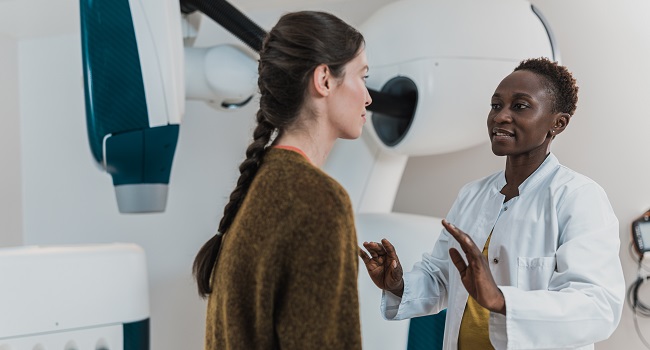
Overall, a career in the medical field can offer a wide range of job opportunities. Whether you are looking for an administrative role or a research-based position, there is something for everyone. With hard work, dedication, and the right education, you can find satisfying employment in this exciting and ever-changing industry. Make sure to take the time to research potential jobs and determine which one is right for you. With dedication and a commitment to excellence, you can find success in this rewarding field.


Banking Chaos May Push Healthcare Firms Towards Big Banks

Healthcare companies may turn to traditional major banks and prioritize cash conservation after the failure of regional lenders like Silicon Valley Bank and Signature Bank.

The fall of SVB left a void in the life sciences startup sector, locking out capital for now for some firms and cutting off a supply of short-term funding for healthcare startups.

SVB, a prominent bank and lender to healthcare companies, had clients in roughly half of the venture-backed technology and life sciences companies in the United States in 2022.

According to Ian Chiang, a partner at healthcare investment firm Flare Capital, at the moment, he believes most companies are flying to safety, to the large banks. Perhaps it is a bit of a knee-jerk reaction to see what happens.

Even so, businesses may continue to deposit with regional banks, depending on their size. Healthcare unicorns, or firms with valuations over $1 billion, are unlikely to be able to maintain numerous bank accounts with enough funds to keep everything under the $250,000 FDIC guaranteed limit, as per Chiang.

He stated that early-stage enterprises may still want to work with regional banks as long as their deposits remain below the FDIC-guaranteed limit.

The Financial Times stated that huge banks such as JPMorgan Chase, Citigroup, and Bank of America are being overwhelmed with fund transfer requests from smaller banks. To compensate for the increased demand, banks reduced their assigned waiting times, like Citi’s private banking division, which seeks to open accounts within a day of application, compared to typical turnaround times of one to two weeks.

Shifting to major banks may limit access to rapid, short-term liquidity for healthcare organizations. Regional banks, such as SVB, can act as dependable bridges for enterprises’ short-term liquidity needs. Furthermore, according to Bill Evans, founder and CEO of Rock Health, these loans are often far more difficult to obtain at large banks.

It’s also uncertain whether larger lenders, such as the so-called “Big Four” banks, are interested in handling smaller venture-capital-backed deals that would normally be handled by regional banks, according to Brad Haller, a partner in West Monroe’s mergers and acquisitions office.

Haller further added, he believes that in the long term, fewer deals will be completed, fewer VCs will receive the funding they require, and ultimately, it will have an influence on innovation.

The banking uncertainty comes as funding in the healthcare sector has fallen this year compared to pandemic-driven highs. Initial public offerings in healthcare and biotech have also stalled. Funding fell to $15.3 billion in 2022, down from $29.1 billion the previous year.

According to Chiang, healthcare entrepreneurs are focusing on various strategies to extend their funding runway in an uncertain financial environment.

He added that more and more entrepreneurs will focus on how to increase the efficiencies of their capital deployment, as compared to the past, when it was all about growth at whatever cost.

South Korean Ministry Intends To Make Telemedicine Permanent

The South Korean Ministry of Health and Welfare has gone on to release its report on the temporary telemedicine conduct during the peak of the COVID-19 pandemic.

As per the report, more than 25,000 medical institutions went on to provide remote treatment to 13.70 million people between February 2020 and January 2023. Of the 36.61 million treatments that were administered through telehealth, mostโ€”29.25 million to be preciseโ€”were home treatments specifically for COVID-19 cases, whereas around 1.36 million cases were first-time visits, and 5.14 million got their prescriptions through consultations.

The report also pointed out the fact that most of the telemedicine services were conducted through the neighbourhood telemedicine clinics, which accounted for 93.6% of all the participating healthcare providers and 86.2% of the recorded treatments. Apparently, large hospitals initially raised concerns about shouldering most of the telemedicine demand, but that wasnโ€™t the case at all, as confirmed by the Ministry of Health and Welfare.

Besides, the report also found that there was a high uptake of telemedicine among the elderly and those suffering from chronic ailments. Most of the telehealth treatments were provided to senior folks who were aged 60 and above. The treatment was mostly considered for individuals who were suffering from hypertension, diabetes, as well as acute bronchitis.

Apart from this, there was an increased adherence to prescription drugs in patients who had chronic diseases by way of the temporary implementation of telemedicine in 2020. The MOHW said that through this study, it was indeed confirmed that non-face-to-face treatment can play a part to some extent in enhancing health by way of improving prescription continuity for the elderly.

As a matter of fact, the South Korean government temporarily gave permission to conduct telemedicine in February 2020 so as to restrict mobility and stall the COVID-19 infection spread.

Due to the positive outcomes, the MOHW has now called for institutionalizing telemedicine by way of revising the related provisions when it comes to the countryโ€™s Medical Service Act. Notably, the government recently went on to recognize the Korean Medical Association’s proposal in order to make telemedicine a permanent supplement for healthcare services that happen to be face-to-face.

The MOHW also went on to share from this survey that most of the patients who had received prescriptions on the phone confirmed that they were willing to go ahead with this service in the future as well. The major reasons for the telemedicine inclination were being safe from contracting infectious diseases and also saving time. It is well to be noted that in yet another survey, which was conducted by the Korea Health Industry Development Institute in October last year, the same willingness to go ahead with telemedicine was noted. Park Min-soo, the Second Vice Minister of Health and Welfare, noted that they are able to confirm the safety as well as effectiveness of non-face-to-face treatment and are in fact able to allay concerns when it comes to the high concentration of demand for telemedicine across large hospital setups.

He added that, when it comes to telemedicine, the patientsโ€™ right to choose and access medical care as well as the professionalism of medical personnel are respected. The ministry has allowed the usage of supplementary devices in order to make sure that both medical personnel and patients can use telemedicine as effectively as possible.

Make data part of the healthcare solution, not a problem

We hear a lot about the under-reporting of medication errors in hospitals but far less about the impact of erroneous reporting systems on staff morale. The trajectory of my own career might offer some useful insights in how to fix these and other serious healthcare issues.

On my third day as a qualified nurse, I earned a disciplinary hearing. Somehow, I missed administering a daily dose of warfarin to a patient recovering from a hip replacement. Without the essential blood thinning medication, they could have suffered an embolism or died.

I was devastated. In the months that followed, doubt plagued me. How had I made such a critical error?

As it turned out, I hadnโ€™t. I later found out that faults in the hospitalโ€™s paper-based record systems caused the mistake. This knowledge brought personal relief, but it did nothing to fix the underlying data problem.

The warfarin incident convinced me that data underpins our industryโ€™s greatest successes and failures. Experiencing its power first hand drove my transition from nursing to clinical informatics.

Now, as a clinical product manager at InterSystems, I spend my days collaborating with colleagues to replace slow, siloed, opaque systems โ€” like the one that earned me my first and only disciplinary hearing โ€” with streamlined ones that harmonise data and processes.

When I work with healthcare organisations to ensure they can make the most of rapidly advancing technology, I reflect on what I learned during a decades-long career in the field. Here are the insights thatโ€™ll always stick with me. I hope they help you overcome your next informatics-related challenge.

Data insights improve patient outcomes

A few years after the warfarin incident, I fixed the broken system that caused it. I was working in the healthcare organisationโ€™s clinical audit department, and medication safety was a top priority.

Partnering with the nursing divisionโ€™s leaders, I implemented a system for logging medication incidents. It was still the early days of computing, so when teams submitted paper reports, I manually entered the information into Excel.

A steady flow of data into the electronic files helped us pinpoint and analyse the issues disrupting care and threatening patients. We found that it wasnโ€™t always clinicians, but poorly managed operational systems, that tended to cause chronic mistakes.

Our innovative use of data mapped so many avenues to enhance medication safety that the hospital hired a full-time employee to implement the changes. The benefits that followed directly resulted from the improved reporting system.

Data provided meaningful insight into our systems that empowered clinicians to improve patient outcomes at scale.

Collaboration unites technology and operations

That initial informatics role grew and soon encompassed oversight of a risk management information system that included medication incidents.

The difficulty of managing the system multiplied with its scope. I wore myself out chasing down incident reports and responding to ad hoc requests. Then it hit me. I couldnโ€™t advance the system alone. It would take site-wide and system-wide collaboration.

I brought everyone together to share our likes and dislikes in group meetings. Together, we determined that our reporting system needed updates. These collaborative feedback sessions ensured that everyone was invested in the system and that managers understood their reporting obligations โ€” critical factors for its success.

The meetings helped us locate blind spots in the design that took a year and a half of work to clear up. They also proved that collaboration could unite technology and operations, allowing healthcare organisations to transform user feedback into efficiencies that bring the true benefits of digital solutions to life.

Active listening is central to successย 

My career in clinical informatics started with active listening. I learned the term at a conference and, within the year, was studying the field at the Royal College of Surgeons of Edinburgh.

Since then, active listening has been central to my success. It helped me glean insights that led to the development of digital systems to better support practitioner needs. The best example comes from my recent experience implementing the InterSystems TrakCare Advance Program.

To ensure the solution met the demands of more than a dozen hospitals, we created safe spaces where users could share their thoughts and expectations. Then, we combined these findings with data about how they used the system, ultimately creating a report on how to better adopt the solution.

Thanks to the transparent conversations, we prioritised and executed adoption tools and developments that improved the systems for practitioners, streamlining access to insights that clinicians could use to advance care and avoid costly errors.

Data should improve care, not impede it

I can clearly recall my trepidation after the warfarin incident. Without reliable systems to support caregivers, it felt like one decision could lead to countless errors. Pitfalls hid everywhere, and we had no map to help pinpoint them.

Thankfully, weโ€™re building better maps every day. Clinical informatics is dramatically enhancing safety and care for patients while protecting practitioners and patients from unnecessary risk.

Iโ€™m proud to have contributed to a healthcare ecosystem where fewer young clinicians must face disciplinary hearings more rightfully attributed to their outdated systems โ€” because data should be a pathway to better care, not an impediment.

7 Advancements In Senior Care: What To Know In 2023

The global demand for senior care is increasing. According to the World Health Organization, individuals aged 60 and above outnumbered children five years and younger as of 2020. The agency likewise predicts older adults will comprise 22% of the total population by 2050.

Unfortunately, the global healthcare system is strained. In the US alone, 59% of nursing homes had staffing deficiencies, according to the 2021 American Health Care Association (AHCA) and National Center for Assisted Living (NCAL) survey.

Senior care facilities worldwide, including Southern Cross Care in Australia, are tapping various technologies to overcome such challenges and improve healthcare quality and service delivery, which leads to better patient outcomes.

Below are some of the trending advancements in senior care facilities for 2023:

1. Wearable Devices To Monitor Patients’ Health Conditions

Assisted living facilities and retirement communities are encouraging the use of wearable devices such as fitness trackers. Residents wear these tools to automatically monitor their vital signs such as blood oxygen levels, heart and pulse rates, blood pressure, and sleep patterns.

Care workers can then access these results to track the wearer’s health. Despite staff shortages, monitoring each patient and spotting potential health concerns is easier. Some wearables have built-in global positioning systems or GPS to locate the residents and ensure they donโ€™t wander off, especially those in a memory care community.

2. Using AR And VR To Promote Their Well-Being

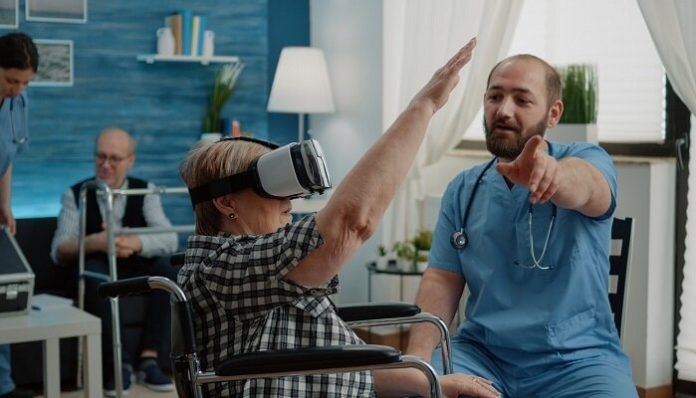
Augmented reality (AR) and virtual reality (VR) solutions are currently used for multiple objectives. To the uninitiated, AR enhances the surroundings using a camera or smartphone while VR replaces real-life settings with a virtual environment using a VR headset.

Both technologies can initiate socialization, physical activities, telemedicine, and games or exercises without requiring older adults to leave the facility. These activities allow patients to enjoy activities that boost their mental health and overall well-being by enabling them to enjoy the things they love doing like taking a trip to the Bahamas or visiting a museum. Some senior care homes use virtual reality for pain management, especially for Alzheimer’s patients.

3. Smart Home Technology For A Comfortable Environment

One of the primary objectives of senior care is to make patients comfortable, regardless of their condition. Fulfilling such a requirement demands that facilities equip their homes with specific tools like medical lifts for the elderly with mobility challenges.

Similarly, installing a smart home system can provide residents with a safe and cozy home. Automated locks, thermostats, and smart lighting allow healthcare staff and patients to use a smartphone and an application to manage the settings according to their preferences.

4. Remote Monitoring Devices To Track Health Conditions

Besides wearable devices, assisted living communities, home care, and nursing homes can use non-wearable patient monitoring devices to track high-risk residents or predict health issues. In-home cameras let families see what’s happening in these homes, even if they’re away.

Meanwhile, medical alert systems like sound monitoring devices indicate a resident’s restroom usage. Abnormally high and frequent trips could mean worsening bladder problems or urinary tract infections. Medical pendants are also available, which can be activated when a patient requires emergency medical care.

5. Customized Mobile Health Apps

Mobile health apps are highly customizable, and residents and healthcare providers can use them to fulfill multiple goals. For instance, some apps allow seniors to track and access their medical data and other vital information while others provide valuable health information. With such an app, caregivers and doctors can easily view the patient’s medical history, resulting in more accurate diagnoses and treatment plans.

These valuable resources can be shared with family members to learn more about the symptoms and proper care for seniors with diabetes, cancer, dementia, and other diseases.

6.ย  Assistive Robots To Address Staff Shortages

The robotics market may not be as large as the others, but an increasing number of facilities are open to using them. Assistive robots could perform repetitive manual tasks such as cleaning and assisting older adults with mobilization. Some robots can help prepare meals and wash dishes while others provide entertainment and companionship by engaging in simple conversations.

Robots could be tailored to do specific tasks of a senior, providing support and assistance.

7. Artificial Intelligence For Better Care Delivery

Artificial intelligence (AI) is a versatile platform that serves endless purposes to make specific technologies possible. Most technologies discussed earlier rely on AI to execute their functions efficiently.

This technology deals with processing large volumes of data. Senior care homes can use this platform to analyze individual residentsโ€”predict their movement, health, and speech patterns, identify potential issues, and suggest solutions for better-individualized patient care. Sometimes, AI can be programmed to implement these solutions without human intervention.

Bottomline

Technology plays a significant role in improving senior care. Besides helping facilities tide through staff shortages, the automation devices discussed above are slowly gaining traction as they’re vital in providing essential services to residents.

While older adults need to engage with other humans to enjoy the last years of their lives, the automation trends discussed above can help them gain independence and feel cared for in their facilities.

4 Signs You Should Hire a Medical Malpractice Lawyer

Medicine isnโ€™t an exact science. Mistakes happen more than most of us will ever know. While a lot of doctors who make mistakes might not have ill intentions, the damage done can be devastating โ€“ life-altering, even.

If you believe that your or your loved one has been injured as a result of inadequate medical care, you might want to file a medical malpractice claim against the entity (whether it is one physician or an entire hospital) to help cover your personal and financial losses.

Do you have a case though? Letโ€™s go over four clear signs that you need to hire a medical malpractice lawyer to advocate for you.

What is Medical Malpractice?

Medical malpractice is the result of a medical professional causing a patient harm when they fail to provide reasonable medical care. There are rules about medical malpractice that vary by state, but in general, you need to meet some basic requirements. Those requirements include proving the existence of a doctor-patient relationship, that the doctor was negligent, that the negligence caused injury, and that the injury caused certain damages.

You Were Majorly Impacted by Delayed Diagnosis/Misdiagnosis

One common type of medical malpractice claim is the delaying of a diagnosis or a misdiagnosis. If another competent medical care provider could have discovered your illness or would have made a different diagnosis that wouldโ€™ve resulted in a better outcome for you, you could have a medical malpractice claim on your hands.

A Medical Mistake Worsened Your Illness

Doctors and nurses make mistakes, but some of them could โ€“ and should โ€“ be avoided. If their mistake made your ailment worse, you could file a claim. For example, if you were administered an improper medication or anesthesia dosage during a surgical procedure, your doctor has made a serious error. Another example might be a doctor using unsterilized instruments during a surgical procedure that led to a major infection.

Your Doctor Blows Off Your Concerns

Many patients report feeling blown off by doctors during their lifetimes. This unfortunately all-too-common lack of compassionate care can be a big problem if your condition continues to worsen. If a doctor has blown off your concerns, and that has led to your health continuing to decline, you could have grounds to file a medical malpractice lawsuit. Hiring a personal injury lawyer can help you demonstrate to the court that your doctor(s) blew you off and led to your ailment worsening.

Youโ€™ve Received a Contrary Second Opinion

If you are unsure about an opinion given by a medical care provider, get a second opinion. Doing so can lessen the chance of receiving a misdiagnosis, thereby curbing the reception of any unnecessary and ineffective treatments.

If you have gone to see another doctor and received a completely contrary second opinion, you might wish to pursue a claim with the help of your attorney. This shows that your physician was not fulfilling their obligation to provide safe and reasonable care. You might even wish to get a third opinion for further reassurance.

Medical malpractice happens way more often than it should, and your issue deserves the attention of a personal injury lawyer. You could be entitled to damages upon successfully filing and advocating your claim. Go into it prepared with all your documentation and a compassionate lawyer.

Useful Tips For Selecting The Right Dementia Care For Your Family Member

Useful Tips For Selecting The Right Dementia Care For Your Family Member

Taking care of a loved one with dementia can be an overwhelming task. It requires knowledge, patience, and understanding from family members to ensure their loved one is receiving the best possible care. With so many options available, itโ€™s important to take your time when selecting the right dementia care for your family member. Here are some useful tips that will help you make the right decision.

1. Research different care facilities:

Before making a selection, itโ€™s important to research the various care facilities in your area. This can be done by visiting each facility and talking with its staff. Ask questions about their services and processes related to dementia care so that you can make an informed decision. Also, look into the reputation of the facility and read reviews from other families. This will help you get an accurate picture of the facility and its capabilities. For instance, itโ€™s a good idea to ask about their staffโ€™s training and experience with dementia care.

2. Talk to other families:

Reach out to other families at the facility or in your network who have been through this process. They can provide valuable advice and insight into what works best for them or which facilities they would recommend. This feedback can help you make an informed decision when selecting the right dementia care for your family member. Additionally, you could also contact local medical organizations or support groups that specialize in dementia care to learn more about the different options available in your area.

3. Evaluate your loved oneโ€™s needs:

Itโ€™s important to assess your loved oneโ€™s individual needs when selecting dementia care. Consider their current level of functioning, medical conditions, and lifestyle preferences. This will help you determine which type of care is best for themโ€”whether itโ€™s home-based care or a residential facility. It might also be worth considering special programs or services that could benefit your family members, such as cognitive stimulation therapies, memory aids, and assistance with activities of daily living (ADLs).

4. Consider the location:

You should also consider the location when selecting a dementia care for your family member. Think about whether itโ€™s important to have a facility close by or if distance wonโ€™t be an issue. For instance, if you are in the suburbs then it might be better to choose an eastern suburbs dementia care home so your loved one is always close to you. Furthermore, look into the safety and security measures in place at each facility, as well as its surrounding environment. You want to make sure that your loved one is in a comfortable and secure environment where they can receive adequate care.

5. Consider your budget:

When selecting a dementia care for your family member, itโ€™s important to consider your budget. Depending on where you live, dementia care services can be very expensive. Make sure to factor in ongoing costs such as medication and other supplies when looking at different facilities so that you donโ€™t go over your budget. Additionally, you can look into different types of funding and financial assistance that may be available to help with the costs associated with dementia care. This can help to make sure that your loved one gets the care they need even if it is not covered by insurance.

6. Reach out for help:

Finally, if youโ€™re feeling overwhelmed or unsure about the process of selecting dementia care for your family member, donโ€™t hesitate to reach out for help. Talk to medical professionals who can provide guidance and advice on the different types of dementia care available, as well as other resources that may be useful. Additionally, support groups and organizations can also offer insight into what is best for your loved one and how to find the right facility. They can also provide emotional and practical support during this difficult time.

Finding the right dementia care for a loved one can be an intimidating process. However, with a bit of research and preparation, you can make sure that your family member receives the best possible care. By considering factors such as location, budget, and individual needs, youโ€™ll be able to determine which type of facility is most suitable for their situation. Donโ€™t hesitate to reach out for help if needed; medical professionals and support groups are available to provide advice on selecting dementia care services and other resources that may be useful during this time. Ultimately, by taking these steps into consideration when making your decision you will ensure that your family member gets the highest quality care they deserve.

Rotator Cuff Injuries: 6 Signs You Need to Consider Undertaking Surgery

Rotator Cuff Injuries: 6 Signs You Need to Consider Undertaking Surgery

Rotator cuff injury is a common problem among athletes, especially those who play contact sports. It can be caused by trauma or overuse of the shoulder joint, and it can significantly affect an individual’s ability to perform everyday activities such as reaching for items, lifting objects, and even brushing their hair.

ย If you have experienced a rotator cuff injury in Dallas, some signs should not be ignored that may indicate surgery is needed. Knowing these signs will help you make informed decisions about your healthcare needs so that you can get back to living life without pain or discomfort.

ย That’s why this article will discuss six key indicators that it might be time to consider undergoing surgery after a rotator cuff injury in Dallas.

Pain that does not subside

If you’ve been dealing with shoulder pain for more than a few weeks, and it isn’t improving, then surgery may be needed to repair the tear in your rotator cuff muscles or tendons. It’s important to note that even with rest and physical therapy, some tears are too severe to heal on their own and require surgery to achieve a full recovery.

The most common indication of a tear is pain that radiates down the arm and worsens when you raise your arm above shoulder height. Depending on the pain level and injury scope, you may get different Dallas rotator cuff surgeryโ€”arthroscopy, open surgery, or a combination of bothโ€”which is why it’s important to seek out a qualified doctor. Make sure you discuss treatment options in detail before making any decisions.

Decreased range of motion

If you’ve noticed decreased mobility in your shoulder joint, this is another sign that surgery might be necessary. It’s important to have a full range of motion in your shoulder so that it can perform everyday tasks without difficulty or pain.

As the tear worsens, you may find that the area becomes increasingly stiff and limited in motion, making it difficult to perform activities such as reaching overhead or combing your hair.

Muscle weakness

Rotator cuff tears can lead to muscle weakness in the shoulder joint area. If you’re having difficulty lifting items and performing everyday tasks due to a decrease in strength, it’s important to discuss this with your doctor. Studies have found that those who undergo surgery to repair their rotator cuff tear can regain strength and function in the joint after undergoing a successful procedure.

Additionally, if you experience any numbness or tingling in the shoulder area, it’s important to seek medical attention. This could be a sign of nerve damage and should be addressed before attempting any type of surgery.

Recurring Injury

If you have experienced re-injury after an initial rotator cuff tear, this is a sign that further intervention is needed. Surgery may be required to properly address the issue and help provide long-term relief from pain and discomfort. Additionally, if you have experienced painful flare-ups without any specific incident being the cause, this could also indicate that surgery is necessary.

Therefore, if you find that your shoulder pain is getting progressively worse, this could be a sign that the tear is not being properly addressed and surgery may be necessary to fully resolve the issue.

Nighttime pain

Pain that worsens at night could be indicative of a rotator cuff injury that needs to be addressed with surgery. This is because the shoulder joint is at rest during this time and any underlying issue can become more pronounced.

For instance, if you notice that your shoulder pain is getting worse as the day goes on, and it’s impacting your sleep quality, this could be a sign that surgery is necessary.

Swelling or tenderness

If your shoulder is swollen and tender, it’s more than likely due to inflammation from a rotator cuff injury. This can be a sign that the injury is getting worse, and that surgery may be required to fully resolve the issue. Swelling can also cause the area to feel warm to the touch, so if you notice this symptom along with any of the others on this list, it’s important to seek medical attention.

However, swelling and tenderness can also be signs of other issues like arthritis or bursitis, so make sure to discuss your symptoms with a qualified physician before making any decisions.

Rotator cuff injuries can cause a variety of symptoms that range from pain and decreased mobility to swelling and tenderness. If you experience any of these symptoms or if your shoulder continues to worsen despite rest and rehabilitation, it’s important to seek medical attention as soon as possibleโ€”surgery may be necessary to fully resolve the issue and help restore full function in your shoulder joint.

With proper treatment and care, you should be able to achieve a successful recovery.

How To Become A Successful Phlebotomist? Top Advice

Are you interested in pursuing a career as a phlebotomist? Phlebotomy is an exciting and rewarding field that requires specialized skills, knowledge, and training. It can be difficult to become successful in this profession without the right guidance. Luckily, there are plenty of tips and advice out there for aspiring phlebotomists who want to make sure they get started on the right foot.

 In this article, we’ll discuss some of the best advice available on how to become a successful phlebotomist. We’ll cover topics such as finding the right education program, getting certified, developing your skillset, networking with other professionals in the industry, staying up-to-date with advancements in technology and techniques used by modern-day phlebotomists, and more!

1. Find the Right Education Program:

There are a number of education programs available for aspiring phlebotomists. It is important to find one that meets your needs and interests as well as provides you with the tools necessary to succeed in this field. Look for schools that offer small class sizes, experienced instructors, and hands-on learning opportunities. Moreover, you should make sure to research the certification requirements of your chosen program. This will ensure that when you complete your education, youโ€™ll be eligible for certification. For instance, many states require phlebotomists to hold a certification from the National Center for Competency Testing (NCCT).

 2. Get Certified:

Once youโ€™ve completed an accredited education program, it is important to get certified as quickly as possible. Most states require phlebotomists to be certified in order to practice professionally. This will ensure that you have the necessary knowledge and skillset required to work in this field. In addition, having a certification may open more job opportunities for you as employers are often looking for those with credentials. Furthermore, some certifications can help increase your salary and give you access to resources such as continuing education and networking events.

 3. Develop Your Skillset:

In order to become a successful phlebotomist, it is important that you take the time to hone your skills. This includes learning how to properly collect blood samples, understanding and following safety protocols, gaining knowledge of laboratory processes, and developing customer service skills. Additionally, staying up-to-date on new technologies and techniques used in modern-day medicine can help give you an edge over other candidates competing for jobs.

 There are also websites that can help you understand everything you need without wasting your time on so many sources. For instance, the pros at wetrainphlebotomists.com offer a myriad of reliable information on how to start a career in Phlebotomy. So make sure to use every resource available to you and stay ahead of the curve.

 4. Train to master the procedures:

In addition to developing your skillset, you should also become familiar with the various procedures and protocols used in phlebotomy. This includes learning how to properly draw blood, follow safety regulations, use equipment, and complete paperwork. To ensure that you are completely comfortable with each of these tasks, it is important to practice them regularly. You can do this by signing up for a course or apprenticeship program and attending training sessions.

Additionally, you can also ask experienced phlebotomists to mentor and guide you as you continue to develop your skills. It’s sensitive to draw blood correctly and that’s why it is crucial to master the procedures.

 5. Stay Up-to-Date:

The medical field is constantly changing, so it is important that phlebotomists stay up-to-date with the latest advancements and technologies used by todayโ€™s professionals. Luckily, there are many resources available online that can help you do this. You can find a wealth of information related to new techniques, compliance regulations, laboratory procedures, equipment updates, and more!

 Additionally, attending continuing education seminars or conferences can also help you stay ahead of the curve when it comes to staying current in this field. For instance, the American Society of Phlebotomy Technicians (ASPT) offers training and certification programs that can help you stay ahead of the game.

 6. Find Employment:

Once youโ€™ve completed your education and achieved certification, itโ€™s time to find a job! There are many options available when it comes to finding employment in Phlebotomy. You can search online for job openings, attend job fairs, or contact local hospitals and laboratories. Additionally, networking with other professionals can help you get your foot in the door by providing inside information on available jobs or opportunities. So donโ€™t be afraid to reach out and make connections! With hard work and dedication, you can eventually land a great job as a phlebotomist.

Becoming a successful phlebotomist requires dedication and hard work. Start by obtaining the necessary education and certification, then enhance your skillset with continuous learning, networking with other professionals in the field, and staying up-to-date on current trends. With these tips in mind, youโ€™ll be able to find an ideal job that fits your career goals as a phlebotomist. Good luck!

FDA Requests $7.2bn To Protect And Progress Public Health

FDA Requests $7.2bn To Protect And Progress Public Health

In a recent move, the FDA announced that it is requesting $7.2 billion as part of a budget for the presidentโ€™s fiscal year 2024. This request includes a surge of $372 million when it comes to budget authority and a $150 million increase as far as user fees are concerned.

The finding is going to help the agency continue to bank on novel and emerging technologies, adapt an oversight to new production as well as business models, and recruit and support a skilled workforce. This will have an immediate impact on food, medical product safety, and tobacco all across the United States and at the same time help the agency pay attention to a series of rapid innovations throughout the food and medical product fields.

According to Robert M. Califf, the FDA commissioner, this year’s funding request is purely based on their accomplishments as well as lessons learned in the past year, and the new funding is going to aid the FDA as well as its capabilities to become modern and stand tall in the future.

Califf added that the FDA continues to consistently deliver on a wide range of priorities and has, with time, strategically focused to make sure that the program areas get the funds they need so as to operate with the highest rate of success for the public’s health. The investments to strengthen the safety of medical products as well as their availability, including the funding for important oversight of tobacco products, continue to be the center of attention.

The budget also goes on to provide a never-before-seen investment to strengthen the FDAโ€™s food safety and nutrition capacities, especially when it comes to infants and young children, thereby putting to light the ongoing commitment of the administration towards these responsibilities. As always, their utmost focus happens to be on the well-being of the patients and also the consumers, and they do look forward to keeping up their work with the Congress so as to help meet the forthcoming critical challenges concerning public health.

Translate ยป