Close
Digital Health & Ai Innovation summit 2026
Medical Taiwan 2026

Human Papillomavirus In Women To Be Gauged By Korean Study

The International Vaccination Institute, South Korea, has gone on to announce the beginning of multi-country research in order to better understand the challenge of Human papillomavirus in girls and women stationed across low- and middle-income countries.

This study will inform intervention implementation as well as the prioritization of research and development efforts that have the biggest potential public health impact.

The target of this worldwide HPV burden study is going to be girls and women between the age brackets of 9 and 50 across three South Asian countries as well as five sub-Saharan nations that, as of now, either have no or limited data when it comes to HPV burden, have not introduced the HPV vaccines across their national immunization programs, or have had a mixed success ratio with the uptake.

This research also includes qualitative sub studies in order to further understand how dynamics pertaining to gender create barriers to HPV prevention, treatment services, as well as screening, thereby further influencing the HPV burden amongst girls and women.

The International Vaccination Institute is also conducting a study, which happens to be in collaboration with the Ministry of Public Health of Thailand, so as to demonstrate the impact of HPV’s single dosage, therefore making the vaccines more available than the currently dominant two- or three-dose schedules.

US Trade Groups, Insurers Urge The CMS To Slow The MA Rule

Health plans as well as industry trade groups are calling upon the Centers for Medicare and Medicaid Services in the US either to delay or not move forward completely with the prospective changes as far as 2024 Medicare Advantage and Medicare Part D plans are concerned. This call comes as the 30-day window to furnish comments for the advance notice to CMS lapses on March 10, 2023.

There are certain points of contention, including the proposed change as far as MA plan rates are concerned. The advance notice that was released in January offered a 1.03% MA average revenue increase that was driven by a 2.09% rate of growth.

It is a dip from the final rule that was released in April 2022, where CMS gave a nod to an 8.5% increase in the MA rates with a growth rate for MA plans at 4.88%.

There was an argument by the insurance lobbyists stating that 1.03% plan growth was insufficient and, in combination with other alterations, would go on to result in cuts in payments. The proposed changes have come to light amidst growing government scrutiny when it comes to MA plans, which have by all means soared in popularity recently and now serve almost 30 million US citizens.

In late January 2023, the agency made an announcement that it would begin the MA plan audits in an attempt to recoup billions in overpayments already made to insurers.

Apparently, the national insurance lobby, AHIP, has gone on to call the proposed revision flawed, adding further that the 30-day comment allotment was way too short for the proposed changes, which happen to be extremely complex. The lobby said in a submitted comment that the CMS did not serve any extended comment deadline or even an opportunity to engage in the process in order to develop the proposed risk model change by way of technical papers or some other means. This has gone on to severely limit the opportunity for meaningful analysis.

According to the American Group Medical Association, the comment period offered little time when it came to analysing or even modelling the risk adjustment changes. In a statement, the group said that CMS should not move ahead with the proposed changes until stakeholderโ€™s gauge what the impact of such changes would be on MA care delivery and plan design.

A Team Approach Suggested By GPs To Keep Burnout In Check

Enhanced data as well as encouraging the doctors to work in tandem as a team on patient care could be some of the many ways to improve conditions for the GPs who are already stressed, as per a new study in Australia.

A team of GPs as well as researchers from Macquarie University have gone on to propose a series of steps that are a must for every GP so as to make life better for themselves, their staff, and their patients while they await the urgent reforms that are required at both national and state levels.

The GPs and the researchers have published an editorial that proposes the reinstatement of general practises as learning health systems in the British Journal of General Practise by way of making use of approaches that have proven successful in several large health systems across the world.

With a GP workforce thatโ€™s ageing and less than 14% of the medical students listing themselves for general practise as their preferred career choice, Australian primary care is facing a perfect storm, as per the researchers. According to Dr. Darran Foo, from one of the GP clinics in Australia, who also happens to be one of the many lead authors of the study, the pandemic has increasingly led to a decline in general practise interest when it comes to making a career choice.

He adds that there indeed lies a need to create a primary healthcare system that continuously delivers dependable performance and consistently enhances with each experience. According to Foo, the GPs are going to have better data access, which would make sure that accurate and precise patient records are rapidly made available.

Clinicians can also experience that they are on the verge of achieving outcomes for their patients, and that too as efficiently as possible.

ADVANcing For Clinical Evidence Now Launched In Singapore

Recently in Singapore, ADVANcing Clinical Evidence in Infectious Diseases- ADVANCE-ID was formally introduced by its director, Prof. David Paterson, at the ADVANCE-ID Launch Symposium. More than 30 hospitals in Asia work together as part of the ADVANCE-ID network to undertake clinical research on infectious diseases.

To share knowledge about how nations can prevent and treat infectious diseases, over 100 thought leaders and experts from 17 different countries gathered at the NUSS Kent Ridge Guild House. The discussion focused on the threat posed by antimicrobial resistance in an era of dwindling supplies of new antibiotics. Panel talks and breakout sessions on research goals for physicians in ADVANCE-ID were also part of the two-day conference.

Prof. Kenneth Mak, Director of Medical Services at the Singapore Ministry of Health, gave the symposium’s opening remarks. Prof. Mak highlighted antimicrobial resistance (AMR) as a pandemic that spreads slowly but can have a significant impact on healthcare systems and communities in his opening remarks. He said he was confident that the ADVANCE-ID initiative will lead to fruitful collaborations and exchanges, just as it will encourage high-caliber clinical research to produce workable solutions and fresh approaches to the AMR problem, inform upstream AMR-related policy strategies, and ultimately enhance health outcomes.

ADVANCE-ID was founded in March 2022 with funding from the National Centre for Infectious Diseases, NTU Lee Kong Chian School of Medicine, NUS Saw Swee Hock School of Public Health, NUS Yong Loo Lin School of Medicine, Duke-NUS Medical School, and the Wellcome Trust. This network’s implementation will also have an involvement of the Singapore Clinical Research Institute.

National Cybersecurity Plan Proposed By Biden Administration

In its plans to combat destabilizing cybercrime and cyberterrorism, the Biden Administration has proposed a roughly 40-page national cybersecurity policy, according to the American Hospital Association and HITRUST.

Healthcare stakeholders have called for concerted federal government action in response to waves of ransomware attacks on hospitals as well as healthcare facilities, making clear assertions about the sophistication of cybercriminals in their requests.

In the National Cybersecurity Strategy report, which was released on March 1, 2023, President Joe Biden stated that by collaborating with allies across the world, the United States is prepared to tackle these cybersecurity issues.

Sen. Mark Warner expressed his delight in the Biden administration’s prioritization of the coordination of cyber incident reporting requirements as well as its renewed focus on safeguarding Americans’ safety and private medical information as cyberattacks on the healthcare systems become more frequent and aggressive.

In November 2022, Warner published a cybersecurity policy options paper with a patient safety focus that covered the national risk posture, federal leadership, requirements for recovering from cyberattacks, and incentives for the private sector that could enhance healthcare cybersecurity capabilities.

The hospital system has partnered extensively with lawmakers as well as federal agencies to confront the seriousness of this national security danger to the public’s health and safety, according to John Riggi, the national risk and cybersecurity advisor for the AHA.

He stated in a statement that the AHA applauds the Biden Administration for its comprehensive national cybersecurity strategy, which understands that private sector efforts alone are insufficient to tackle the serious cyber dangers the country faces.

Cybersecurity is a key issue because healthcare cyberattacks are serious crimes that put people’s lives in danger and impede the delivery of healthcare. Since 2020, the AHA has pushed the federal government to implement strategies resembling those employed in the war on terrorism, employing all available national resources to thwart and eliminate criminal actors with overseas bases.

According to Riggi, the strategy seeks to execute more offensive operations against cyber threat actors to create software security criteria for software developers, in addition to designating ransomware assaults as a national security issue.

Riggi added that the AHA will keep collaborating with the hospital industry, Congress, the administration, and other stakeholders to create and approve cyber policies that are simple to use, efficient, and doable to put into practice.

The national strategy is an ambitious project, according to Robert Booker, chief strategy officer for one of the standards development and assurance groups. He further said that the use of market forces is crucial.

They support strategies that encourage American businesses to use and integrate mature security capabilities from the private sector and that use open, regularly updated measurement as well as assurance systems to gauge or sustain security capacities in the face of constantly changing threats as the federal government moves towards mandating critical infrastructure cybersecurity, Booker said in a statement.

Warner continued, saying he is glad to see the Biden Administration promoting the kinds of best practises they have long called for, like developing and bolstering strong business relationships, investing in the long-term security of the country’s critical infrastructure, being proactive about developing strong cybersecurity foundations, as well as meeting crucial standards. Riggi stated in December last year that there was still much to be done to improve the government’s ability to communicate real-time automated threat indications.

When foreign-based opponents who are protected by hostile nation-states attack, they can only take so much defensive action. In a conversation that also covered Warner’s policy alternatives paper, Riggi stated that the other half of this equation is a vigorous offence by the US government to go after these people.

Warner’s paper made a lot of recommendations for governance but also urged for a well-balanced strategy with duties shared by the public and private sectors.

As cyberattacks on the healthcare systems increase in frequency and aggressivity, he is particularly pleased to see the administration’s heightened emphasis on safeguarding sensitive medical data and American citizens’ safety, Warner added in his statement.

According to Booker, cybersecurity and business leaders throughout American industry are taking seriously the complexity of state and non-state actors, as well as criminal activity that exploits the technology that Americans use every day.

Improve Your Healthcare Services With These Lifts

As a healthcare professional, you understand that providing excellent service is the key to your facility’s success. In this demanding and ever-evolving industry, it can be difficult to stay up-to-date with the latest trends and best practices. But one relatively simple tool can help you improve your healthcare services in a significant way – lifts! Lifts aren’t just for moving heavy equipment or supplies; they also offer several advantages regarding patient care.

Whether you’re dealing with limited space, mobility challenges, or simply need an efficient transport solution for your daily routines, having quality lifts in place will benefit staff members and patients alike. Learn more about how these helpful devices can benefit your practice.

Overview of the Benefits of Medical Lifts

Medical lifts are a practical way to assist people with movement and mobility needs, offering advantages that cannot be overlooked. With the help of powered lifts and slings specifically designed for medical use, patients can be efficiently transferred from one spot to another. These lifts allow caregivers to minimize the physical effort required for lifting and reducing stress on the patient’s body.

Additionally, using a medical lift eliminates additional manual movement, providing both safety and stability while accommodating any angle of lift needed. As an affordable, efficient choice that aids in transferring patients to nursing facilities or at home, medical lifts set a much-needed standard that extends beyond traditional methods.

What To Consider Before Purchasing A Lift For Your Medical Facility

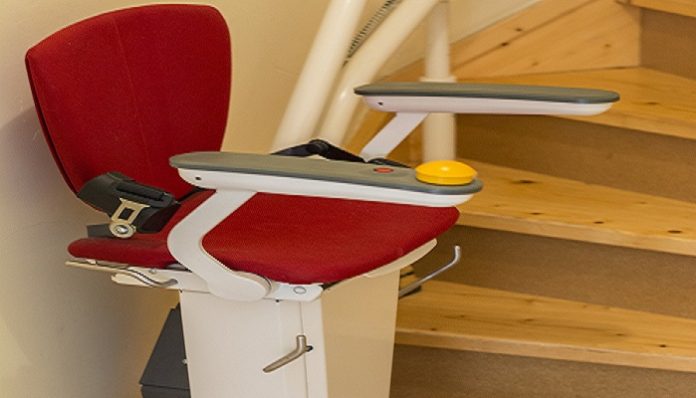
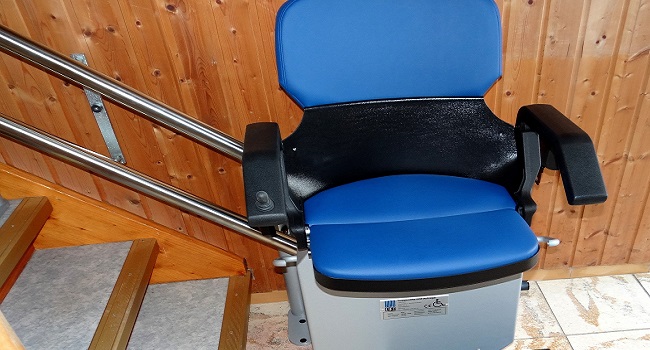
Purchasing a lift for your medical facility is not a decision to take lightly. Careful consideration must be given to the type of lift needed, its location, and its intended use. It is essential to ensure the lift is suitable for either short or long-term use before spending. Grants are available for stairlifts in certain situations, so researching grants for stairlifts may also be an option when budgeting for a new lift. Ensuring all safety requirements are met before choosing a lift will help mitigate issues. Ultimately, careful consideration of grants, specs, and local standards should provide peace of mind that the right choice for a medical facility has been made.

Different Types of Medical Lifts and Their Uses

As anyone who works in the medical field knows, many of our elderly loved ones require assistance to move from place to place. That’s where medical lifts can be useful, as they provide the extra height and support needed for these individuals. There are numerous types of lifts available for use with different needs in mind. The most popular are lift chairs which are great for helping people into a standing position or lifting them onto beds, wheelchairs, and more. Ceiling lifts are ideal when there is no one to help an individual lift themselves as they function using a motorized overhead track system and feature a tethering system that allows personnel to move a person up and down safely.

For those with limited mobility who wish to remain independent in their homes, portable patient lifts are essential โ€“ lightweight enough that the elderly can take them wherever they need. So no matter what kind of lift your patients may require, rest assured that you can provide quality care due to the various types that exist today.

Tips for Proper Care and Maintenance of Your Medical Lift

Proper care and maintenance of a medical lift is essential for ensuring safe patient handling and an uncomplicated operating experience. Caring for such a complex device can be intimidating, but luckily, with a few tips and tricks, your lift can stay running safely for years. Start by setting up regular inspections with a qualified technician who can evaluate the condition of your equipment, check for any problems or safety hazards, and ensure everything is running smoothly.

Read the operator’s manual that came with your lift to understand how it works and what parts go where. Always use genuine replacement parts when repairing or maintaining your medical lift; there may be cheaper alternatives on the market, but they won’t offer the same safety assurance as original certified items.

Finally, monitor usage and time in service; certain components will need to be replaced more often than others depending on their level of use, so keep track of each component’s cycle date to ensure you’re staying caught up on all maintenance procedures.

Medical lifts can significantly improve the affordability and convenience of patient care by providing a safe and efficient way to transfer patients to the medical facility. Whether running a small handful of on-site services or throughout your facility, having the right lift can help reduce costs and improve patient comfort. With a wide array of different types available and tips for proper care and maintenance, you should now feel better prepared to make an educated decision about which type of lift is right for you.

ย Most importantly, always research the benefits of implementing a medical lift before making any purchases; understanding how they work and their various uses can be invaluable in achieving safety and cost-effectiveness in your facility.

The Mental Health Benefits of Caring for Your Skin

Our skin plays a vital role in our overall well-being. Not only does it protect us from environmental stressors and infections, but it can also reflect our mental health. Taking care of your skin can help improve both physical and psychological health.

When you take time to perform regular skincare rituals such as cleansing and moisturizing, you give yourself self-care, which helps reduce stress and anxiety by promoting relaxation.

Additionally, when you practice good skincare habits, you are helping your skin stay healthy, boosting your confidence levels. When you feel good about how you look, your mood will likely improve too.

What Are The Benefits Of A Healthy Skin?

About 1/3 of our lives is spent sleeping, so protecting your skin while you sleep is essential. A healthy skincare routine helps protect the delicate barrier that holds in moisture, keeping the skin’s pH balance intact and reducing irritants.ย 

It also reduces inflammation and decreases the risk of breakouts caused by dirt, oil, and bacteria build-up overnight.

Creating a regular skincare habit can reduce dullness and improve texture. As we age, our cells become sluggish and fail to produce new ones as quickly as we are younger. A skincare routine helps keep the cell turnover rate up, which slows down signs of aging such as wrinkles, fine lines, and dark spots.

Finding a trusted and well-versed skin clinic for regular treatments is also beneficial.ย 

Consultations with an aesthetician or dermatologist help curate a personalized skincare regime to help keep your skin at its best. For instance, the Aesthetics clinic Singapore specialists can recommend treatments best suited for your skin type and condition.

Taking care of our skin is more than just about beauty; itโ€™s about caring for ourselves. Taking the time to appreciate and look after ourselves helps raise our self-esteem, reduces stress, boosts confidence, and gives us a sense of purpose, all with mental health benefits.

In a nutshell, the benefits of having healthy skin include the following:

1. Improvement in mental health

2. Reduction of stress and anxiety

3. Boosts self-esteem and confidence levels

4. Protection from environmental stressors

5. Slows down signs of aging

6. Help keep the cell turnover rate up

By caring for our skin, we can walk around with healthier minds, improved confidence levels, and glowing skin. So make sure you always take time to show your skin some love.

How Does Healthy Skin Affect Your Mental Health?

Did you know that about 80% of skin diseases are associated with a mental health condition? Skin disorders such as psoriasis, eczema, and dermatitis can often be linked to anxiety and depression.

This is because our skinโ€™s barrier function is weakened when we experience stress or anxiety, leaving it more vulnerable to environmental factors.ย 

This means that itโ€™s more likely for the delicate balance of your skinโ€™s pH level to become disrupted, which can lead to breakouts and other skin issues.

One way to help keep these conditions at bay is by looking after your skin through regular skincare rituals like cleansing, toning, and moisturizing โ€“ all of which help maintain the integrity of the outer layer of the skin and reduce inflammation.

By caring for your skin, you are improving its physical appearance and showing yourself love, appreciation, and nurturing, something all of us deserve to experience from time to time.

How To Achieve A Healthy Skin

There are some steps you can take to help ensure your skin stays healthy:

1. Develop a daily skincare routine tailored to your skin type and condition.

2. Use quality products with natural ingredients as much as possible.

3. Protect yourself from the sun by wearing a broad-spectrum sunscreen with an SPF of 30 or higher.

4. Drink plenty of water to stay hydrated and flush out toxins.

5. Avoid smoking, which can cause wrinkles and other signs of premature aging.

6. Get adequate sleep every night to give your body time to repair itself.

Why Should You Visit A Skin Clinic

Sometimes, skin problems can be too big for us to handle alone. This is why visiting a skin clinic, or a dermatologist may be beneficial in helping you achieve the best possible result. Depending on the severity of your skin condition, they can recommend treatments such as chemical peels, laser treatments, and more.

A professional aesthetician can also assess and diagnose your skin type and help create an individualized skincare plan that suits your needs.ย 

They have access to products and treatments that may not be available at local stores, so their advice could put you ahead of the game in achieving healthy, glowing skin.

Final Words

Your skin is an integral part of your overall health and well-being. Taking time to properly care for it can help you feel more confident and live healthier.

Remember that visiting a dermatologist or skincare clinic can be beneficial in treating severe skin issues, while using quality products tailored to your skin type and condition are vital in maintaining healthy skin.ย 

And above all else, avoid trying DIY treatments unless directed by a medical professional.

Although healthy and beautiful skin is not achieved overnight, with a little effort and dedication, you can get your skin glowing in no time.

What Makes Different Healthcare Facilities Stand Out?

Did you know that many Americans are struggling with chronic health conditions? These patients need access to high-quality medical care. Without it, their conditions will worsen.

This is the reason why choosing the right health insurance plan for your loved one is an important decision. They are depending on you to make a wise one. Not sure where to begin?

To know what makes different healthcare facilities stand out, read on and discover what makes them special. Let’s get into it!

The Level of Expertise and Experienceย 

Different facilities are assessed by theย breadth of their staff’s expertise and experience. Facilities that focus on research or use the most practices can provide an extra level of care that can not be found elsewhere.

They also develop strong relationships with staff and patients, ensuring that everyone receives the utmostย care. Patient satisfaction is a key factor, and quality can be measured by patient reviews.

Thoseย that prioritize patient care and strive to exceed expectations will surely stand out above the rest.

Advanced Technology Available in the Facility

High-tech equipment and diagnostics allow for quicker and more accurate diagnosis. This will greatly reduce the time it takes to identify and treat the patient.

There are devices that can detect and analyze even the smallest changes in a patientโ€™s health, such as:

  • MRI
  • CT scanners
  • Ultrasounds

These devices can diagnose diseases or conditions in their early stagesย so adverse outcomes can be avoided. Additionally, advanced technology can improve patient care in other aspects, such as:

  • Payment processing
  • Medical records management
  • Voice-controlled software

These high-tech tools can aid medical professionals in their day-to-day activities and assist them in quickly assessing, examining, and processing patient data.

Quality of Medicalย Staff

The quality of medical staff is certainly the most important factor in a healthcare facility. Quality staffย isย dedicated to providing:

  • Highest standard of care
  • Lets patients feel comfortable and secure
  • Has the knowledge and skills to diagnose and treat illness
  • Provide individualized care

Additionally, theyย work with the patientโ€™s insurance provider to ensure that all treatments are integrated into a comprehensive plan.ย Moreover, they keep themselvesย updated with the latest standards and new techniques as they come along.

Finally, theirย commitment to excellence is what truly makes them stick out. Doing so can best meet the needs of their patients.

High Performanceย Accommodations

Accommodations are one of the key components when it comes to attracting patients and their families. These accommodations ensure that they provide:

  • Comfortable and calming atmosphere
  • Clean and organized environments
  • Friendly staff
  • Private rooms
  • Comprehensive services beyond traditional healthcare

In addition, these facilities can offer flexible scheduling, specialized staff, and a variety of amenities such as massages, gyms, spas, and cafeterias. These features help patients and their families feel more welcome and important.

By offering exceptional accommodations, a healthcare facility can attract more patients, increase revenues, and improve overall patient satisfaction.

They can even offer superior coverageย and low cost medical insurance. So, make sure to clickย and find more hereย and get a free quote!

Unveiling the Powerย of Healthcare Facilities

Healthcare facilities that stand out from the competition are the ones that have an edge over others. They understand the needs of their patients and take steps to ensure customer service satisfaction.

By investing in technology and offering personalized services,ย these facilities can stand above the rest. Start to experienceย what makesย themย special, and use them to your advantage!

Did you find this article helpful? Check out the rest of our blog now!

Why Hospital Pharmacies Should be Protected from Post-COVID Cuts

COVID Hospitalizations In The US Break Last Winter's Record

As we emerge from the shadow of COVID-19, itโ€™s fair to say that hospital systems in general, and certainly pharmacies in particular, have never faced challenges like those that came with the pandemic.

From an influx of patients that nearly buckled the healthcare system as a whole, to crippling disruptions in the flow of medications and supplies; from debt increases to staffing shortages, the ripple effects from the pandemic are still being felt, especially from a financial standpoint.

The American Hospital Association says healthcare expenses for the past year are up a staggering $135 billion.1 One of the largest contributors of skyrocketing costs has been staff salaries, which shot up by $86 billion between 2021 and 2022.

Following typical patterns, job cuts have followed. The healthcare industry was among the leaders in layoffs over that same time period, shedding more than 62,000 positions,2 and given the losses most hospital systems are facing this year, the trend is likely to continue.

But where those cuts are made matters, and hospital administrators should carefully consider the role pharmacists play in their systems before including their departments in across-the-board layoffs.

Failure to recognize that reality can lead to a series of compounding issues, all of which can inadvertently drive up costs and increase debt.

The Increasing Cost of Care

When hospitals need to lay off workers in order to cut costs, the most vulnerable among pharmacy staffs are technicians. There are, afterall, typically far more technicians in those departments than there are pharmacists.

But their perceived expendability comes at the cost of the pharmacists themselves.

When technicians are cut, that means pharmacists are usually responsible for doing more of the day-to-day work such as ordering medications, stocking supplies or filling dispensing cabinets. That likely means fewer opportunities to work directly with physicians or other medical staff members on patient care and less time to oversee the effective and efficient use of medications throughout the hospital.

It is important to understand that most of the costs associated with hospital pharmacies – and hospital systems as a whole – are not related to labor but to medications.

In fact, drug costs represented the largest increase in hospital expenses during the height of the pandemic, rising nearly 37 percent per patient, compared to only a 19 percent increase in labor costs. 3

And itโ€™s only getting worse.

Just before the onset of the pandemic, prices on many medications that are often used in hospitals began to swell. The pain medication hydromorphone, for example, went up a staggering 107 percent in just a 24 month span, according to a recent drug pricing report.4 That same report found that mitomycin, used to treat various forms of cancers, and vasopressin, an antidiuretic used to regulate kidney function and blood pressure, have both nearly doubled in cost.

Add to that the increasing volume of new and expensive biologic and biosimilar drugs that require strict storage and handling protocols, and itโ€™s easy to see why medications account for substantial costs in hospital systems.

Thatโ€™s precisely why cutting the pharmacy staff, who is responsible for managing drug costs, can have major consequences.

Additionally, shifting more of the workload to the pharmacists themselves can often lead to higher rates of burnout, more medical mistakes and poorer patient outcomes, all of which can have a serious impact on a hospitalโ€™s bottom line.

Itโ€™s a grave and growing situation that couldnโ€™t come at a worse time.

The Post-Covid Patient Predicament

In the throes of the pandemic, hospital admissions for COVID-related illness were reaching capacity thresholds, particularly before vaccinations were available, and healthcare systems and patients alike avoided or deferred care for other conditions.

Now, the healthcare system is paying a heavy price for those delays.

Not only are more patients seeking the care they put off, theyโ€™re also being admitted to hospitals with more advanced disease states. One recent study found that patient acuity has risen each year since the start of the pandemic, and the average length of hospital stay has gone up by nearly 10 percent.5

These are patients who often require more intensive and specialized treatments and whose medicinal needs are more complex. Unfortunately, they are often being cared for by pharmacists with smaller staffs and fewer resources.

Thatโ€™s contributing to a higher incidence of burnout among pharmacists and a corresponding rising risk of medical mistakes.

The Fallout from Burnout

During the pandemic there were professionals in certain occupations who were lauded for their vital roles and extraordinary efforts. The term โ€œessential workerโ€ became part of our everyday vocabulary. Doctors, nurses, school teachers and even food producers and grocery store employees were applauded for their heroic efforts to keep our society functioning.

Itโ€™s no surprise, given the workloads they assumed, that many of those essential workers experienced burnout. There have been numerous studies about the effects of COVID and the burnout experienced by those who work in fields like medicine and education.

Inexplicably, as noted in a recent publication by the National Institutes of Health,6 there have been comparatively few studies related to burnout when it comes to pharmacists, although it is prevalent, and at alarming rates.

In that publication, researchers conducted a systematic review of studies spanning eight countries and more than 11,000 pharmacists and found that more than half have reported burnout.

Excessive work loads and longer hours were major contributors to reports of burnout, as were higher patient and medication order volumes, all of which are made worse by hospital-wide saving directives to cut pharmacy staff in an effort to reduce costs.

There are no easy answers to the financial dilemmas hospitals are facing, but there are certain moves that can make matters worse.

The High Cost of Cutting Costs Inappropriately

Given that drugs often account for a substantial portion of hospital costs, it only makes sense that administrators would prioritize any efforts to use them in the most efficient and effective ways possible. Any waste or misuse of such costly assets would likely have profound effects on hospital budgets.

Yet too often the pharmacists who are charged with overseeing these assets are asked to do so with less help and fewer resources.

That can lead to a drop in productivity and higher rates of job turnover, and more alarmingly, it can impact patient outcomes, as well.

One recent study estimated there are nearly 200,000 adverse drug events (ADEs) in US hospitals each year, with costs ranging from $871 million up to nearly $2 billion.7

Beyond the number of confirmed ADEs, the study also estimates there were some 79 million alerts of potential mistakes. Itโ€™s estimated that pharmacists and clinicians would have had to spend an additional 175,000 hours responding to those, as well.

The human toll of these mistakes and near misses is the most pressing issue, of course, but the financial impact is significant.

It can only get worse by asking pharmacists to absorb more work, while paring down their support staffs even further.

It may seem counterintuitive to consider protecting staff positions (and potentially increase salaries) given the crippling financial burdens facing most hospital systems. Given whatโ€™s at stake, however, itโ€™s not hard to imagine how making the wrong cuts in the wrong places could end up costing administrators more than they could ever hope to save.

Citations

  1. American Hospital Association, Kaufman, Hall & Associates, The Current State of Hospital Finances: Fall 2022 Update, https://www.aha.org/guidesreports/2022-09-15-current-state-hospital-finances-fall-2022-update Published September 15, 2002. Accessed February 20, 2023.
  2. Challenger, Gray and Christmas, Inc., The Challenger Report: Job Cuts in 2022 up 13% over 2021. https://www.challengergray.com/blog/the-challenger-report-job-cuts-in-2022-up-13-over-2021/ Published January 5, 2023. Accessed February 20, 2023.
  3. Kaffman, Hall & Associates, National Hospital Flash Report, (p.20). https://www.kaufmanhall.com/sites/default/files/2022-01/National-Hospital-Flash-Report_Jan2022.pdf Published January 2022. Accessed February 20, 2023.
  4. National Opinion Research Center at the University of Chicago, Recent Trends in Hospital Drug Spending and Manufacturer Shortages (p.14). https://www.aha.org/system/files/2019-01/aha-drug-pricing-study-report-01152019.pdf Published January 15, 2019.  Accessed February 20, 2023.
  5.  American Hospital Association, Kaufman, Hall & Associates, Pandemic-Driven Deferred Care Has Led to Increased Patient Acuity in Americaโ€™s Hospitals, https://www.aha.org/system/files/media/file/2022/08/pandemic-driven-deferred-care-has-led-to-increased-patient-acuity-in-americas-hospitals.pdf Pbulished August 2022. Accessed February 20, 2023.
  6. Dee J, Dhuhaibawi N, Hayden JC. A systematic review and pooled prevalence of burnout in pharmacists. Int J Clin Pharm. 2022 Nov 29:1โ€“10. doi: 10.1007/s11096-022-01520-6. https://www.ncbi.nlm.nih.gov/pmc/articles/PMC9707850/ Published November 2022. Accessed February 20, 2023.
  7. Sarah P Slight, Diane L Seger, Calvin Franz, Adrian Wong, David W Bates, The national cost of adverse drug events resulting from inappropriate medication-related alert overrides in the United States, Journal of the American Medical Informatics Association, Volume 25, Issue 9, September 2018, Pages 1183โ€“1188, https://doi.org/10.1093/jamia/ocy066 Accessed February 20, 2023.

Abridge taps University of Kansas Health System to roll out AI-based medical transcription for thousands of docs

Abridge taps University of Kansas Health System to roll out AI-based medical transcription for thousands of docs

Abridge, the leader in AI-powered medical documentation, announced a partnership with The University of Kansas Health System that will mark the most significant rollout to date of generative AI in healthcare. Abridge has already helped more than 2,000 clinicians with their enterprise solutions, and also served more than 200,000 patients with their consumer app. By delivering a solution that optimizes patient-provider communication, the new partnership has the potential to serve and support more than 1,500 practicing physicians across The University of Kansas Health Systemโ€™s 140+ locations, as well as additional clinicians in a phased rollout.

Healthcare systems nationwide are under increased pressure from provider burnout, which the American Medical Association reports is at an all-time high of 63%. Much of this burnout is attributed to the time providers spend on documentation. At The University of Kansas Health System, providers spend 130 minutes per day outside of work hours. Adding to this administrative burden, according to a survey conducted by OnePoll, the majority of providers (70%) report fielding additional follow-up questions from patients to reiterate information previously shared during a visit.

Abridgeโ€™s breakthrough technology identifies over 90% of the key points from provider-patient conversations and generates summaries in the formats preferred by clinicians. Crucially, Abridge keeps the provider in the loop, enhancing their productivity, but never replacing their judgment. The core technology acts as an intelligent copilot, producing organized drafts and providing interactive tools to accelerate the editing process, ensuring that providers get off to a running start as soon as a visit concludes. The technology seamlessly integrates with healthcare software, including Epic, a widely adopted electronic health record system, to simplify and streamline documentation.

โ€œWith Abridge, we have found a powerful solution that addresses the biggest challenge facing our providers โ€” excessive time spent on documentation including non-traditional hours,โ€ said Dr. Gregory Ator, Chief Medical Information Officer and Head and Neck Surgeon at The University of Kansas Health System. โ€œThis cutting-edge technology will not only close the documentation cycle in real-time but also improve the overall quality and consistency of our clinical notes. Our partnership with Abridge represents a major step forward in reducing burnout, improving provider satisfaction, and ultimately enhancing the delivery of patient care.โ€

Abridgeโ€™s comprehensive solution addresses these pain points, starting with a draft generated within a minute of the conversation ending. Abridgeโ€™s AI-powered interactive editing tools then support the provider to expedite the remaining edits.

โ€œAbridge is focused on putting the provider and patient at the center of all we do, reducing the burden of administrative tasks and helping clinicians focus on the patients in front of them,โ€ said Dr. Shivdev Rao, co-founder and CEO of Abridge. โ€œThe University of Kansas Health System and Abridge share a commitment to a future where AI helps providers and their patients feel more connected to each other, without technology getting in the way of the visit.โ€

Translate ยป