









Close
Digital Health & Ai Innovation summit 2026
LiGHT26

Advancing Biopharmaceutical Processing and Quality Systems

Biopharmaceutical processing and quality systems

The global pharmaceutical industry is currently witnessing a historic shift from small-molecule chemical synthesis to the production of large, complex biological entities. This transition has necessitated a complete overhaul of traditional manufacturing philosophies, as the inherent variability of living cells requires a much more nuanced approach to production and oversight. The integration of advanced biopharmaceutical processing and quality systems has become the essential foundation for this new era, providing the tools necessary to maintain consistency, safety, and efficacy in the production of life-changing therapies such as monoclonal antibodies, vaccines, and cell-based treatments.

The Complexity of Biologics Manufacturing and Process Control

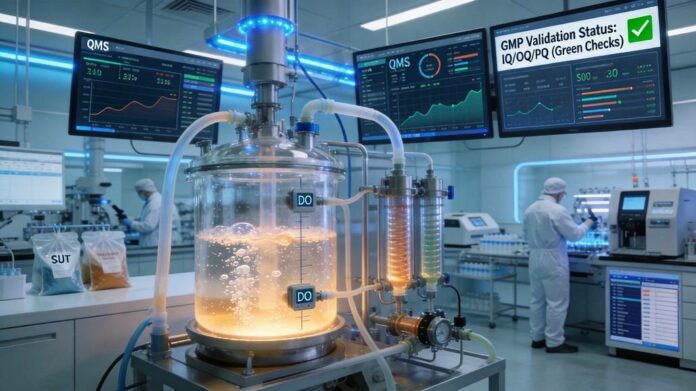
Unlike traditional drugs, which are produced through predictable chemical reactions, biologics are “grown” in living systems. This means that every variable in the bioreactor environment from the concentration of dissolved oxygen to the precise nutrient mix can significantly impact the final product’s quality. Advanced biopharmaceutical processing and quality systems rely on sophisticated sensors and real-time analytical tools to monitor these parameters with unprecedented precision. By utilizing process analytical technology (PAT), manufacturers can now make mid-stream adjustments to the fermentation or cell culture process, ensuring that the biological system remains within the “design space” required for a successful batch.

Optimizing Upstream and Downstream Workflows

The efficiency of biologics manufacturing is determined by the seamless integration of upstream and downstream processes. Upstream processing focuses on maximizing the yield of the target protein, often through the use of high-density cell cultures and optimized media. However, the subsequent downstream processing which involves the purification and concentration of the therapeutic molecule is often the more significant bottleneck. Modern biopharmaceutical processing and quality systems utilize advanced chromatography and filtration technologies to handle the high volumes of material produced in large-scale bioreactors, ensuring that impurities are removed without damaging the delicate structure of the protein itself.

The Critical Role of GMP Validation in Bioprocessing

Regulatory bodies like the FDA and EMA maintain a rigorous standard for biologics, summarized by the mantra that “the process is the product.” Because the final molecule is so complex that it cannot be fully characterized by laboratory testing alone, the manufacturing process itself must be validated to ensure consistent results. GMP validation protocols within modern biopharmaceutical processing and quality systems involve a multi-stage approach: installation qualification, operational qualification, and performance qualification. This rigorous documentation ensures that every piece of equipment and every step of the workflow performs exactly as intended, every single time, minimizing the risk of batch failure and protecting patient safety.

Biosimilars and the Need for Analytical Comparability

The rise of the biosimilars market has added a new layer of complexity to the regulatory landscape. To gain approval, a biosimilar must be demonstrated to be “highly similar” to an already approved reference product, with no clinically meaningful differences in safety or potency. This requires an exhaustive analytical comparison using the most advanced tools available within biopharmaceutical processing and quality systems. Manufacturers must employ a suite of orthogonal testing methods including mass spectrometry, nuclear magnetic resonance, and high-performance liquid chromatography to prove that the biosimilar’s primary and secondary structures are essentially identical to the innovator drug.

Digital Transformation of Quality Management Systems

The move toward “Quality 4.0” is perhaps the most transformative trend in the biopharma sector. Traditional, paper-heavy quality management systems (QMS) are being replaced by integrated digital platforms that provide a single source of truth for all production and quality data. These digital biopharmaceutical processing and quality systems allow for real-time visibility into the status of every batch and every deviation. By automating the review and approval of batch records, companies can significantly reduce the “lead time” between production and release, ensuring that critical medications reach the market faster while maintaining a flawless compliance record.

Enhancing Regulatory Compliance through Data Integrity

Data integrity has become a primary focus for regulatory inspectors worldwide. The use of digital quality systems ensures that all data is captured according to the ALCOA+ principles (Attributable, Legible, Contemporaneous, Original, and Accurate). Within advanced biopharmaceutical processing and quality systems, every change to a process parameter or a test result is recorded in an immutable audit trail. This transparency not only simplifies the audit process but also fosters a culture of accountability and continuous improvement within the manufacturing organization.

The Shift Toward Continuous Bioprocessing

While batch processing remains the industry standard, there is a significant push toward continuous manufacturing in the biologics space. Continuous bioprocessing involves a steady flow of materials through the bioreactor and purification stages, which can lead to higher productivity and a smaller facility footprint. However, implementing continuous manufacturing requires even more sophisticated biopharmaceutical processing and quality systems to manage the constant data stream and ensure that the product quality remains stable over long production runs. The ability to monitor and control a continuous process in real-time is the “holy grail” of modern biopharmaceutical engineering.

Single-Use Technologies and Manufacturing Flexibility

The adoption of single-use technologies (SUT) has revolutionized the way biopharmaceutical facilities are designed and operated. By replacing permanent stainless-steel equipment with disposable plastic components, manufacturers can significantly reduce the risk of cross-contamination and eliminate the need for time-consuming cleaning validation. SUT is a core component of modern biopharmaceutical processing and quality systems, allowing for rapid changeovers between different products and making it much easier to scale production up or down based on market demand. This flexibility is particularly valuable for companies developing personalized therapies or responding to sudden public health emergencies.

Future Outlook: AI and Machine Learning in Bioprocessing

As we look to the future, the integration of artificial intelligence (AI) and machine learning (ML) will further enhance the capabilities of biopharmaceutical processing and quality systems. AI algorithms can be trained on vast datasets of historical production data to predict the outcome of a batch before it is even completed. These “predictive quality” models can identify the early warning signs of a deviation, allowing operators to take corrective action before any material is wasted. Furthermore, ML can be used to optimize the design of the biologic itself, ensuring that the molecule is not only therapeutically effective but also “manufacturable” at scale.

The evolution of biopharmaceutical processing and quality systems is an ongoing journey driven by the need for greater efficiency, safety, and innovation. As the complexity of modern therapies continues to grow, the reliance on advanced data-driven manufacturing and rigorous quality oversight will only increase. By investing in the latest technological frameworks and fostering a culture of regulatory excellence, biopharmaceutical manufacturers can ensure that they remain at the forefront of the industry, delivering the next generation of life-saving medicines to patients around the world with absolute confidence.

Smart Clinical Operations Powered by Digital Health

Digital health integration in clinical operations

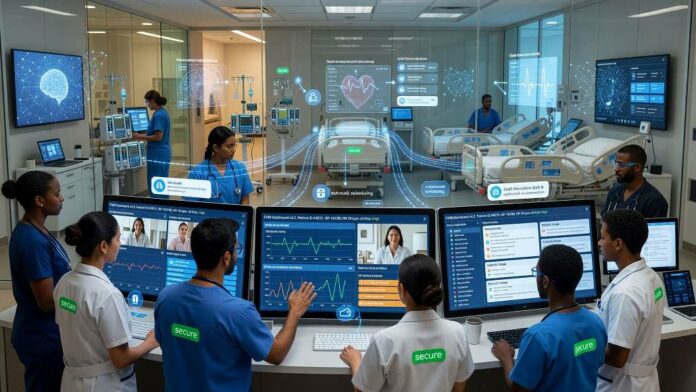
The rapid evolution of medical technology has ushered in a new era of healthcare delivery, where the traditional boundaries between physical care and digital information are increasingly blurred. In this environment, the successful implementation of digital health integration in clinical operations has become the primary driver of efficiency, safety, and patient satisfaction. As healthcare systems grapple with increasing patient volumes and a global shortage of clinical staff, the shift toward smart clinical operations provides a necessary path forward. This transition involves more than just the adoption of new software; it requires a fundamental rethinking of how data flows through the care continuum and how it can be used to empower clinicians and improve patient outcomes in real-time.

The Foundation of Interoperability and Data Sharing

At the core of smart clinical operations is the concept of interoperability the ability of different digital health systems to exchange and use information seamlessly. For too long, healthcare data has been trapped in siloed applications, making it difficult for clinicians to get a complete picture of a patient’s health. The current move toward standardized data formats, such as Fast Healthcare Interoperability Resources (FHIR), is finally making true data sharing a reality. By ensuring that the electronic health record (EHR) can communicate with laboratory systems, imaging platforms, and pharmacy databases, hospitals can reduce the risk of clinical errors and ensure that the most up-to-date information is always available at the point of care.

Eliminating Data Silos for Better Decision-Making

When digital health integration in clinical operations is executed effectively, it creates a unified data environment that supports more informed clinical decision-making. Clinicians no longer have to spend valuable time searching for missing test results or manually reconciling medication lists. Instead, the system can automatically aggregate data from multiple sources and present it in a clear, actionable format. This not only improves the speed of diagnosis and treatment but also reduces the cognitive load on clinicians, allowing them to focus more of their attention on the patient rather than on the technology.

Clinical Workflow Automation and Operational Efficiency

One of the most significant benefits of digital health integration in clinical operations is the ability to automate routine administrative and clinical tasks. Clinical workflow automation can handle everything from patient scheduling and registration to the triggering of alerts based on abnormal lab results. By removing these repetitive tasks from the clinician’s plate, hospitals can significantly improve their overall efficiency and reduce the risk of burnout. Furthermore, automation ensures that clinical protocols are followed consistently, which is a key component of providing high-quality, standardized care across the entire institution.

The Role of AI in Optimizing Resource Allocation

Artificial intelligence (AI) is playing an increasingly important role in clinical workflow automation by helping hospitals optimize their resource allocation. Predictive algorithms can analyze historical patient data to forecast admission rates, allowing for more precise staffing and bed management. This ensures that the hospital has the right number of clinicians and equipment available to meet the expected demand, reducing wait times and improving the patient experience. In the emergency department, AI-driven triage systems can help prioritize the most critical patients, ensuring that they receive life-saving care as quickly as possible.

Remote Patient Monitoring and the Hospital at Home

The definition of clinical operations is expanding beyond the walls of the hospital through the use of remote patient monitoring (RPM) and telehealth. Digital health integration in clinical operations now allows for the continuous monitoring of patients in their own homes, using wearable devices and connected home health kits. This “hospital at home” model is particularly effective for managing chronic conditions such as heart failure or diabetes, as it allows for early intervention before a patient’s condition deteriorates. By moving some care into the home setting, hospitals can free up valuable inpatient beds for the most acute patients while also improving the quality of life for those with long-term illnesses.

Telehealth as a Scalable Care Delivery Model

Telehealth has transitioned from a niche service to a core component of digital health integration in clinical operations. It provides a scalable way to deliver specialty care to underserved or rural populations and allows for more frequent follow-up visits without the need for travel. When integrated into the clinical workflow, telehealth visits can be documented directly in the patient’s EHR, ensuring a seamless continuum of care. This hybrid model of care, which combines in-person and virtual visits, is becoming the new standard for many clinical specialties, providing patients with more convenient and accessible care options.

Ensuring Patient Data Security and Cybersecurity

As clinical operations become more digitized, the importance of patient data security and cybersecurity cannot be overstated. A single data breach can not only result in significant financial penalties but can also damage the trust between the patient and the healthcare provider. Digital health integration in clinical operations must include a robust cybersecurity framework that protects sensitive health information from unauthorized access. This involves implementing multi-factor authentication, end-to-end encryption, and regular security audits. Furthermore, hospitals must have a comprehensive incident response plan in place to mitigate the impact of a potential cyberattack and ensure the continuity of clinical services.

The Ethics of Patient Data Privacy and Consent

Beyond technical security measures, the ethical management of patient data is a critical component of digital health integration in clinical operations. Patients must have clear information about how their data is being used and must be able to provide informed consent for its sharing and analysis. As hospitals increasingly use patient data for research and AI training, maintaining transparency and patient control is essential for building and maintaining trust. Robust data governance policies ensure that information is used responsibly and that the privacy of every individual is protected throughout the entire clinical lifecycle.

The Path Toward Hospital Digitization and Beyond

The final stage of this evolution is the total digitization of the hospital environment. In a “smart hospital,” every piece of equipment, from the infusion pump to the patient’s bed, is connected to a central network. This hospital digitization allows for real-time tracking of assets and provides a wealth of data that can be used to further optimize clinical operations. For example, if a critical piece of equipment fails, the system can automatically generate a maintenance request and identify the nearest available replacement. This level of connectivity ensures that the clinical environment is always operating at peak efficiency.

Preparing the Workforce for a Digital-First Future

The success of digital health integration in clinical operations ultimately depends on the people who use the technology. This shift requires a significant investment in workforce training and a culture that embraces digital innovation. Clinicians must be provided with the skills they need to navigate complex software systems and use data to inform their practice. At the same time, the technology itself must be designed with the user in mind, focusing on intuitive interfaces and minimizing “alert fatigue.” By fostering a partnership between clinical staff and IT professionals, hospitals can ensure that their digital health initiatives are successful and that the technology truly supports the mission of providing better care.

The integration of digital health into clinical operations is not a one-time project but a continuous journey toward a more efficient, patient-centered healthcare system. By focusing on interoperability, clinical workflow automation, and remote patient monitoring, hospitals can overcome the challenges of the modern healthcare landscape and provide higher-quality care to more people. As we move further into the digital age, the ability to leverage data and technology will be the defining characteristic of the most successful healthcare institutions. By embracing these changes today, we are laying the foundation for a future where healthcare is more accessible, more personalized, and more effective for everyone.

Sterile Drug Production Strengthens Contamination Control

Sterile drug production and contamination control

The manufacturing of sterile pharmaceuticals, particularly injectable drugs, represents the most technically demanding and highly regulated segment of the global drug industry. As the complexity of therapeutic molecules increases, the importance of maintaining an ultra-clean environment has never been more critical. The integration of sterile drug production and contamination control into a single, cohesive operational strategy is the only way to ensure that patients receive medications free from potentially life-threatening pyrogens or microbial contaminants. This process requires a sophisticated combination of advanced engineering, rigorous environmental monitoring, and a culture of uncompromising quality within the GMP facility.

The Evolution of Aseptic Processing and Cleanroom Standards

Traditional sterile manufacturing often relied heavily on human intervention, which remains the single largest source of contamination in a cleanroom. Modern aseptic processing has evolved to minimize this risk by utilizing advanced barrier technologies such as Restricted Access Barrier Systems (RABS) and isolators. These systems create a physical separation between the product and the operator, allowing for a much higher degree of environmental control. Within these environments, cleanroom standards are maintained through high-efficiency particulate air (HEPA) filtration and laminar airflow, which ensures that any airborne particles are swept away from the critical filling zone before they can settle on an open container.

Microbiological Monitoring as a Real-Time Diagnostic Tool

In a high-stakes environment like sterile drug production and contamination control, waiting for several days for the results of a microbial culture is no longer acceptable. The industry is rapidly adopting rapid microbiological methods (RMM), which use laser-induced fluorescence or other advanced techniques to detect the presence of microorganisms in real-time. By integrating these systems into the environmental monitoring program, manufacturers can identify a potential contamination event the moment it occurs, allowing for immediate corrective action. This proactive approach not only protects the product but also provides invaluable data for long-term trend analysis, helping to identify and eliminate the root causes of environmental variability.

Risk Mitigation Strategies for Injectable Drugs

The production of injectable drugs requires a multi-layered approach to risk mitigation that begins long before the first vial is filled. Contamination control is a fundamental part of the design of the entire manufacturing process, from the sterilization of raw materials to the final container-closure integrity testing. One of the most critical components of this strategy is the validation of sterilization cycles, such as steam sterilization (autoclaving) or sterile filtration. Each of these processes must be rigorously tested to ensure that they are capable of achieving a sterility assurance level (SAL) of at least 10^-6, meaning the probability of a single non-sterile unit is less than one in a million.

The Role of Quality Risk Management (QRM) in Sterile Manufacturing

Effective sterile drug production and contamination control is increasingly driven by the principles of Quality Risk Management (QRM) as outlined in ICH Q9. This involves a systematic process for the assessment, control, communication, and review of risks to the quality of the medicinal product across its lifecycle. In a sterile environment, this means identifying every potential “critical control point” where contamination could be introduced and implementing robust controls to mitigate that risk. This data-driven approach allows manufacturers to focus their resources on the most significant threats, leading to a more efficient and effective contamination control strategy.

Advanced Facility Design and the Modern GMP Facility

The physical layout of a GMP facility plays a crucial role in the success of sterile drug production and contamination control. Modern designs utilize a “concentric” layout, where the most sensitive activities take place in the highest-grade cleanrooms (Grade A), surrounded by progressively lower-grade areas. This design minimizes the risk of cross-contamination by ensuring that materials and personnel move through a series of airlocks and changing rooms, each with strictly controlled pressure differentials. Furthermore, the use of “single-use technologies” (SUT) disposable plastic components such as bags, tubing, and filters is becoming increasingly common. SUT eliminates the need for complex cleaning and sterilization validation of stainless-steel equipment, significantly reducing the risk of batch-to-batch carryover.

Automation and the Reduction of Human Intervention

As we look to the future of sterile drug production and contamination control, the trend toward full automation is accelerating. Fully autonomous filling lines, equipped with advanced robotics, can operate for extended periods without the need for human entry into the critical zone. These systems are not only more efficient but also provide a much more consistent level of environmental control. When humans are required to enter the cleanroom, advanced “gowning” protocols and behavioral training are essential to ensure that they do not introduce contaminants. The use of “cleanroom-grade” textiles and the implementation of rigorous personnel monitoring are standard components of any modern contamination control program.

Sterility Assurance and Container-Closure Integrity

The final step in sterile drug production and contamination control is ensuring that the product remains sterile throughout its shelf life. This is achieved through container-closure integrity (CCI) testing, which verifies that the seal between the vial and the stopper, or the syringe and the plunger, is absolute. Traditional methods like the “blue dye test” are being replaced by more sensitive, non-destructive techniques such as vacuum decay or high-voltage leak detection. These advanced methods allow for 100% inspection of the batch, providing a much higher level of assurance that no microbial ingress can occur during transport or storage.

Global Regulatory Alignment and the Annex 1 Update

The recent update to EudraLex Annex 1 has profoundly impacted how sterile drug production and contamination control is approached globally. This comprehensive regulation places a much greater emphasis on the Contamination Control Strategy (CCS) a holistic document that describes all the technical and organizational measures in place to prevent contamination. By requiring manufacturers to provide a high-level overview of their entire contamination control framework, regulators are pushing the industry toward a more integrated and proactive mindset. This alignment across global regulatory bodies ensures that the highest standards of sterility are maintained regardless of where a drug is manufactured or consumed.

The manufacturing of sterile pharmaceuticals is a process defined by precision, vigilance, and continuous improvement. The integration of advanced barrier technologies, real-time microbial monitoring, and robust risk management principles is essential for the successful delivery of injectable drugs. As the industry continues to innovate, the focus on sterile drug production and contamination control will remain the primary defense against the risks of microbial contamination. By investing in the latest technologies and fostering a culture of quality, manufacturers can ensure that their products meet the highest possible standards of safety and efficacy, ultimately protecting the health of patients around the world.

Hospital Procurement Strategies for Medical Devices

Hospital procurement strategies for medical devices

The procurement of medical devices in a modern hospital setting has evolved from a simple purchasing function into a complex, strategic operation that directly impacts patient outcomes and the financial viability of the institution. As healthcare costs continue to rise and the technological complexity of medical equipment increases, the need for robust hospital procurement strategies for medical devices has never been greater. These strategies must balance the immediate need for high-quality, life-saving devices with the long-term goal of cost optimization and supply chain resilience. This requires a multi-disciplinary approach that involves clinical stakeholders, financial analysts, and supply chain professionals working in unison to ensure that every purchasing decision is backed by data and aligned with the hospital’s clinical mission.

The Foundation of Effective Vendor Management and Sourcing

At the core of successful hospital procurement strategies for medical devices is a rigorous vendor evaluation process. It is no longer enough to simply select the vendor with the lowest price; hospitals must now consider a range of factors, including the vendor’s track record for reliability, the quality of their clinical support, and their commitment to ongoing product innovation. By building long-term, strategic partnerships with key suppliers, hospitals can gain access to the latest technologies and negotiate better pricing and service agreements. This move away from transactional purchasing toward relationship-based sourcing is a key component of modern medical device sourcing and ensures that the hospital has a stable and predictable supply of critical equipment.

Standardization as a Tool for Cost Optimization

One of the most effective ways to achieve cost optimization is through product standardization. Many hospitals suffer from “brand bloat,” where different departments use similar devices from multiple manufacturers. This fragmentation leads to higher costs, increased training requirements for clinical staff, and a more complex inventory management system. By implementing hospital procurement strategies for medical devices that focus on standardizing key product categories, such as infusion pumps or surgical instruments, institutions can leverage their volume to negotiate significantly lower prices. Furthermore, standardization simplifies the supply chain and reduces the risk of clinical errors that can occur when staff are required to switch between different types of equipment.

Enhancing Healthcare Supply Chain Resilience

The global disruptions of the past several years have highlighted the vulnerability of the healthcare supply chain. In response, hospital procurement strategies for medical devices are increasingly focused on building greater resilience and ensuring supply continuity. This involves moving away from a “just-in-time” inventory model toward a more robust “just-in-case” approach for critical supplies. Hospitals are now diversifying their supplier base to reduce dependence on any single source and are investing in advanced inventory management systems that provide real-time visibility into stock levels and lead times. This proactive approach ensures that the hospital can respond quickly to supply chain shocks and that patient care is not compromised by equipment shortages.

The Role of Group Purchasing Organizations (GPOs)

Many hospitals utilize Group Purchasing Organizations (GPOs) as a central part of their hospital procurement strategies for medical devices. GPOs aggregate the purchasing power of their members to negotiate favorable contracts with manufacturers, providing smaller hospitals with access to the same pricing as large academic medical centers. However, the role of GPOs is changing; they are now providing more than just contract management. Many GPOs now offer advanced data analytics and clinical benchmarking services that help hospitals identify opportunities for cost savings and quality improvement. By integrating GPO data into their own procurement systems, hospitals can gain a more comprehensive view of the market and make more informed purchasing decisions.

Healthcare Compliance and Regulatory Assurance in Procurement

The procurement process is subject to a complex web of regulations designed to ensure transparency, fairness, and patient safety. Hospital procurement strategies for medical devices must include robust compliance protocols to manage risks related to vendor conflicts of interest, anti-kickback statutes, and data privacy. This involves implementing clear policies for vendor interactions and ensuring that all purchasing decisions are documented and defensible. Furthermore, the procurement team must work closely with the hospital’s clinical engineering and risk management departments to ensure that every device purchased meets the necessary regulatory standards and that a plan is in place for ongoing maintenance and safety monitoring throughout the device’s lifecycle.

Value-Based Procurement and Total Cost of Ownership (TCO)

A significant shift in hospital procurement strategies for medical devices is the move toward value-based procurement. This approach looks beyond the initial purchase price and considers the total cost of ownership (TCO) over the entire life of the device. TCO includes not only the acquisition cost but also the costs associated with training, maintenance, consumables, and eventual disposal. Furthermore, value-based procurement considers the impact of the device on clinical outcomes and patient experience. For example, a more expensive surgical tool that reduces the length of stay or the risk of complications may ultimately be more cost-effective than a cheaper alternative. By focusing on value rather than just price, hospitals can ensure that their procurement decisions support their broader goals of providing high-quality, efficient care.

Digital Transformation of the Procurement Workflow

The integration of advanced technology is a critical component of modern hospital procurement strategies for medical devices. Many hospitals are replacing their legacy ERP systems with cloud-based platforms that offer greater flexibility and real-time data analysis. These systems can automate many of the manual tasks associated with procurement, such as purchase order generation and invoice reconciliation, allowing the procurement team to focus on more strategic activities. Furthermore, the use of blockchain technology is being explored for its potential to improve supply chain transparency and traceability. By creating a secure, immutable record of every transaction, blockchain can help hospitals verify the authenticity of medical devices and ensure that they have not been tampered with during transit.

Data Analytics and Predictive Modeling in Inventory Management

Advanced data analytics is also playing a major role in optimizing inventory levels and reducing waste. By analyzing historical usage patterns and identifying seasonal trends, hospitals can use predictive modeling to forecast their future needs for medical devices more accurately. This allows for more precise ordering and reduces the risk of overstocking or stockouts. In addition, many hospitals are implementing real-time location systems (RTLS) to track the movement of mobile medical equipment, such as ventilators and infusion pumps. This visibility ensures that equipment is always available when and where it is needed and reduces the need for “safety stock” that can tie up significant amounts of capital.

The procurement of medical devices is a complex and high-stakes process that requires a strategic, data-driven approach. By implementing robust hospital procurement strategies for medical devices that focus on vendor management, cost optimization, and supply chain resilience, institutions can ensure that they have the equipment they need to provide high-quality care while maintaining financial sustainability. As the healthcare landscape continues to evolve, the role of the procurement professional will only become more critical. By embracing digital transformation and focusing on value-based purchasing, hospitals can navigate the challenges of the modern marketplace and ultimately improve the health and well-being of the patients they serve.

Medical Device Innovation and Regulatory Strategy Trends

Medical device innovation and regulatory strategy

The medical technology sector is currently experiencing a period of unprecedented change, where the pace of technological advancement is frequently outstripping the ability of regulatory frameworks to adapt. In this environment, the development of a robust medical device innovation and regulatory strategy has become the cornerstone of successful commercialization. It is no longer sufficient to simply create a groundbreaking device; manufacturers must now demonstrate a deep understanding of the global regulatory landscape from the very inception of a project. This proactive approach ensures that clinical evidence, quality management systems, and market access strategies are aligned, reducing the risk of costly delays or post-market failures.

The Impact of Evolving Global Regulations on MedTech

The shift from the Medical Device Directive (MDD) to the Medical Device Regulation (MDR) in the European Union has set a new global benchmark for safety and performance. This transition has significantly increased the requirements for clinical evidence and post-market surveillance, forcing many manufacturers to re-evaluate their entire product portfolios. A successful medical device innovation and regulatory strategy must now account for these more stringent requirements, ensuring that every claim made about a device’s performance is backed by rigorous, peer-reviewed clinical data. This regulatory shift is not confined to Europe; other major markets, including the United States and China, are also tightening their oversight, making a unified global strategy essential for any company looking to compete on the world stage.

Clinical Validation as a Strategic Pillar

In the modern regulatory environment, clinical validation has moved from being a final hurdle to a continuous process. Manufacturers are increasingly using real-world evidence (RWE) to supplement traditional clinical trials, providing a more comprehensive view of how a device performs in diverse patient populations. By integrating RWE into their medical device innovation and regulatory strategy, companies can identify potential safety issues much earlier and gather the data necessary to support expanded indications for use. This data-driven approach not only satisfies regulatory requirements but also provides healthcare providers and payers with the evidence they need to justify the adoption of new technologies.

Quality Assurance and the Importance of ISO 13485

At the heart of any successful device manufacturing operation is a robust quality management system (QMS). The ISO 13485 standard remains the international gold standard for medical device quality assurance, providing a framework that ensures consistent design, development, and production processes. However, as devices become more complex, the scope of the QMS must also expand. A forward-looking medical device innovation and regulatory strategy integrates quality assurance into every stage of the lifecycle, from initial concept to end-of-life disposal. This “quality by design” philosophy ensures that potential failure modes are identified and mitigated during the development phase, rather than being discovered after the product has reached the market.

Risk Management in the Era of Connected Devices

The rise of the Internet of Medical Things (IoMT) has introduced a new set of risks that must be addressed within the regulatory framework. Cybersecurity is no longer an optional consideration but a core component of medical device compliance. A comprehensive medical device innovation and regulatory strategy must include a detailed plan for managing software vulnerabilities and ensuring data privacy across the entire ecosystem. This involves not only securing the device itself but also the networks and cloud platforms it interacts with. Regulators now expect manufacturers to provide detailed documentation of their cybersecurity measures, as well as a plan for ongoing monitoring and patching of software throughout the device’s lifecycle.

Navigating the Path to Global Market Access

Gaining regulatory approval is only the first step; achieving sustainable market access requires a deep understanding of the reimbursement landscape and the needs of healthcare providers. A well-crafted medical device innovation and regulatory strategy bridges the gap between clinical success and commercial viability. This involves engaging with health technology assessment (HTA) bodies early in the development process to understand what evidence they require to demonstrate value. In many cases, this may mean collecting data on long-term patient outcomes or economic impacts, which goes beyond the safety and performance data required for initial regulatory approval.

Accelerated Pathways and Regulatory Harmonization

To encourage the development of life-saving technologies, many regulators have introduced accelerated approval pathways, such as the FDA’s Breakthrough Devices Program. Leveraging these programs is a key component of an effective medical device innovation and regulatory strategy, as it provides manufacturers with more frequent interactions with the agency and a prioritized review process. Furthermore, the industry is moving toward greater regulatory harmonization through initiatives like the Medical Device Single Audit Program (MDSAP). By participating in these programs, manufacturers can streamline the audit process and gain access to multiple global markets more efficiently, reducing the administrative burden and speeding up the delivery of innovation to patients.

The Role of Software as a Medical Device (SaMD)

As digital health continues to evolve, the definition of a medical device is expanding to include standalone software. Software as a Medical Device (SaMD) presents unique regulatory challenges, as software can be updated much more frequently than hardware. A modern medical device innovation and regulatory strategy must therefore include a robust plan for managing software changes and ensuring that updates do not compromise the safety or performance of the application. This often involves the use of “pre-certification” models, where the regulator focuses on the culture of quality and organizational excellence of the developer, rather than reviewing every individual code change.

Artificial Intelligence and Machine Learning in Diagnostics

The integration of AI and machine learning into medical devices is perhaps the most transformative trend in the industry today. These technologies have the potential to revolutionize diagnostics, providing clinicians with unprecedented insights and improving patient outcomes. However, the “black box” nature of some AI algorithms poses significant regulatory hurdles. An effective medical device innovation and regulatory strategy for AI-driven technologies must focus on transparency, explainability, and the continuous monitoring of the algorithm’s performance in a real-world setting. Regulators are increasingly looking for “algorithmic change protocols” that define how an AI model will be retrained and validated as it encounters new data.

Sustainable Device Manufacturing and Circular Economy

In addition to technological and regulatory challenges, the medical device industry is facing increasing pressure to address its environmental impact. Sustainable device manufacturing is becoming a key differentiator for companies looking to align with the values of healthcare systems and patients. A comprehensive medical device innovation and regulatory strategy now includes considerations for the entire product lifecycle, from the selection of recyclable materials to the implementation of “take-back” programs for used devices. By adopting circular economy principles, manufacturers can reduce waste, lower their carbon footprint, and often find new efficiencies in their supply chains.

Future-Proofing through Regulatory Intelligence

The only constant in the MedTech industry is change. To remain competitive, companies must invest in regulatory intelligence the ongoing process of monitoring and analyzing the evolving regulatory landscape. By integrating this intelligence into their medical device innovation and regulatory strategy, manufacturers can anticipate future requirements and adjust their development plans accordingly. This proactive approach minimizes the risk of regulatory surprises and ensures that the company remains at the forefront of innovation while maintaining the highest standards of safety and compliance.

The convergence of clinical excellence, technological innovation, and regulatory foresight is the defining characteristic of the modern medical device landscape. While the challenges are significant, the opportunities to improve patient care through advanced diagnostics, personalized treatments, and connected care are greater than ever before. By developing and executing a holistic medical device innovation and regulatory strategy, manufacturers can navigate the complexities of global market access, ensure long-term compliance, and ultimately deliver life-changing technologies to the people who need them most.

Technology Trends Transform Pharmaceutical Manufacturing

Pharmaceutical manufacturing technology trends

The global landscape of medicine production is undergoing a profound metamorphosis driven by the rapid convergence of digital innovation and advanced mechanical engineering. As the demand for personalized medicine grows and regulatory scrutiny intensifies, the adoption of pharmaceutical manufacturing technology trends has transitioned from a competitive advantage to a fundamental necessity for survival. This evolution is not merely about replacing manual labor with machines but involves the total reimagining of the production lifecycle to ensure that efficacy, safety, and scalability remain uncompromised in an increasingly volatile global market.

The Rise of the Smart Factory and Pharma 4.0

At the core of this transformation is the concept of the smart factory, often referred to as Pharma 4.0. Unlike traditional facilities where data silos often hinder decision-making, smart factories utilize interconnected systems that communicate in real-time. By integrating the Internet of Things (IoT) with sophisticated manufacturing execution systems, companies can now achieve a level of visibility that was previously unthinkable. This interconnectedness allows for the continuous monitoring of every variable, from ambient humidity in a cleanroom to the precise torque of a tablet press, ensuring that every batch meets the highest quality standards without the need for retrospective testing.

Autonomous Systems and Robotics in Production

Within these smart environments, the role of pharma automation has expanded significantly. Robotics are no longer confined to simple packaging tasks but are now deeply embedded in the more sensitive stages of the manufacturing process. High-precision robotic arms are increasingly used in aseptic filling lines, where human intervention is the primary source of contamination. By removing the human element from sterile manufacturing zones, companies can significantly reduce the risk of batch failures while simultaneously increasing the speed of production. These autonomous systems are designed to operate with a degree of precision and repeatability that manual processes cannot match, which is critical when dealing with high-potency drugs or delicate biologics.

Digital Quality Systems and Real-Time GMP Compliance

Regulatory adherence remains the most significant hurdle in the pharmaceutical industry, and the shift toward digital quality systems is revolutionizing how companies maintain GMP compliance. The transition from paper-based logs to electronic batch records (EBR) has done more than just reduce clutter; it has created an environment of “compliance by design.” In a digital system, every action is timestamped and verified against predefined SOPs in real-time. If a deviation occurs, the system can immediately halt the process, preventing the waste of expensive raw materials and ensuring that only compliant products reach the market.

Advanced Analytics for Predictive Maintenance

One of the most impactful pharmaceutical manufacturing technology trends is the use of big data and predictive analytics to manage facility health. Traditional maintenance schedules often involve either over-servicing equipment, which is costly, or waiting for a failure, which leads to downtime. Predictive analytics uses sensor data to identify the early warning signs of mechanical wear, allowing technicians to intervene before a breakdown occurs. This proactive approach ensures that the pharma supply chain remains robust and that production schedules are not derailed by unforeseen equipment failures.

The Impact of Continuous Manufacturing on Scalability

The shift from batch processing to continuous manufacturing represents one of the most significant architectural changes in the history of drug production. While batch manufacturing requires large facilities and significant downtime for cleaning and verification between lots, continuous manufacturing allows for a steady flow of materials through the production line. This not only reduces the physical footprint of the factory but also allows for much faster scale-up during public health emergencies. The ability to adjust production volumes simply by running the line for longer periods, rather than building new batch facilities, provides a level of agility that is essential for modern pharmaceutical manufacturing technology trends.

Enhancing Global Supply Resilience

The global disruptions of recent years have highlighted the fragility of traditional supply networks. In response, manufacturers are leveraging digital twins and supply chain mapping tools to build greater resilience. By creating a virtual model of the entire supply chain, companies can simulate various “what-if” scenarios, from natural disasters to geopolitical shifts. This allows for the development of robust contingency plans and the diversification of sourcing strategies, ensuring that life-saving medications continue to reach patients regardless of external pressures.

Artificial Intelligence and Machine Learning in Formulation and Process Optimization

The role of artificial intelligence in pharmaceutical manufacturing technology trends has transitioned from theoretical exploration to practical implementation. AI algorithms are now being used to analyze vast datasets from past production cycles to identify the optimal conditions for drug formulation. This level of analysis, which would take a team of human scientists months to complete, can be accomplished in minutes. By identifying the subtle correlations between temperature, humidity, and chemical stability, AI-driven systems can suggest minor adjustments to the manufacturing process that result in significantly higher yields and more consistent product quality.

Autonomous Quality Control and Visual Inspection

In the final stages of production, AI-powered vision systems are replacing human inspectors for the detection of defects in tablets, capsules, and vials. These systems use deep learning models trained on millions of images to identify even the most minute imperfections, such as hairline cracks in glass or subtle discolorations in a coating. Unlike human inspectors, who may suffer from fatigue and variability, these autonomous systems provide consistent, high-speed inspection that ensures 100% of the product meets the required specifications. This advancement in pharmaceutical manufacturing technology trends is a critical component of maintaining zero-defect production in high-volume environments.

Sustainable Manufacturing and the Green Pharma Movement

As global concerns regarding environmental impact grow, pharmaceutical manufacturing technology trends are increasingly focused on sustainability. Traditional drug manufacturing is often energy-intensive and produces significant chemical waste. To address this, many companies are adopting “green chemistry” principles and integrating energy-efficient technologies into their smart factories. This includes the use of biocatalysts, which operate at lower temperatures and produce fewer toxic byproducts, as well as the implementation of advanced water recycling systems that minimize the facility’s overall footprint.

Waste Reduction through Precision Dosing

Precision manufacturing technologies are also playing a major role in waste reduction. By using highly accurate dosing systems, manufacturers can ensure that every milligram of active pharmaceutical ingredient (API) is utilized effectively, reducing the amount of material that is lost during the filling and finishing process. This focus on resource efficiency not only benefits the environment but also significantly reduces the cost of production, making life-saving medications more affordable for patients worldwide.

The Workforce of the Future and the Digital Skills Gap

The rapid adoption of these technologies has created an urgent need for a new type of pharmaceutical worker. The traditional image of a factory worker is being replaced by that of a data-literate technician who can manage complex software systems and collaborate with robotic assistants. This shift in pharmaceutical manufacturing technology trends requires a massive upskilling effort across the industry. Companies are increasingly investing in virtual reality (VR) and augmented reality (AR) training programs, which allow workers to practice complex procedures in a safe, simulated environment before stepping onto the production floor.

Collaborative Robots and Human-Machine Interaction

Rather than replacing humans entirely, many of the newest pharmaceutical manufacturing technology trends focus on enhancing human capabilities. Collaborative robots, or cobots, are designed to work alongside human operators, taking over repetitive or physically demanding tasks while the human worker focuses on high-level decision-making and quality oversight. This symbiotic relationship between man and machine is a hallmark of the modern pharma facility, where technical expertise and digital fluency are equally valued.

Cybersecurity: Protecting the Interconnected Factory

As factories become more connected, they also become more vulnerable to cyber threats. A significant portion of pharmaceutical manufacturing technology trends is now dedicated to ensuring the integrity and security of production data. A single breach could not only result in the loss of proprietary intellectual property but could also compromise the safety of the medication itself if production parameters were maliciously altered. To combat this, manufacturers are implementing multi-layered security protocols, including blockchain for secure data sharing and advanced intrusion detection systems that monitor network traffic for any signs of suspicious activity.

Ensuring Data Integrity and Traceability

Data integrity is the bedrock of GMP compliance, and the use of blockchain technology is emerging as a powerful tool in this area. By creating an immutable ledger of every step in the manufacturing and distribution process, blockchain ensures that the data cannot be altered after the fact. This provides an unprecedented level of transparency and traceability, allowing regulators and patients to verify the authenticity and quality of a medication with absolute certainty. This focus on digital trust is one of the most critical pharmaceutical manufacturing technology trends of the current era.

Future Outlook: From Mass Production to Personalized Medicine

Looking ahead, the ultimate goal of these pharmaceutical manufacturing technology trends is to enable the production of personalized medicines at scale. The current “one-size-fits-all” approach to drug manufacturing is gradually giving way to a model where medications can be tailored to an individual patient’s genetic profile or specific clinical needs. This requires a level of manufacturing flexibility that is only possible through the widespread adoption of modular production units and 3D printing technologies.

3D Printing and Modular Production Units

3D printing, or additive manufacturing, is already being explored for the production of complex dosage forms that are difficult to create using traditional methods. This technology allows for the precise control of drug release profiles and the combination of multiple APIs into a single “polypill.” When combined with modular production units self-contained manufacturing pods that can be easily transported and deployed these advancements will allow for localized production, bringing life-saving treatments closer to the point of care.

The integration of these advanced technologies is not without its challenges, particularly regarding the high initial capital investment and the need for a global regulatory framework that can keep pace with innovation. However, the benefits of embracing pharmaceutical manufacturing technology trends are undeniable. As the industry continues to move toward more complex modalities like cell and gene therapies, the reliance on automation, digital quality systems, and smart factory architecture will only increase. By investing in these foundational technologies today, manufacturers are not only ensuring compliance and efficiency but are also paving the way for the next generation of medical breakthroughs that will define the future of global healthcare.

Best HIPAA Compliance Monitoring Software for Hospitals and Clinics in 2026

HIPAA compliance monitoring software for hospitals 2026

Hospitals and clinics handle large volumes of protected health information every day. Access logs, billing systems, diagnostic tools, and employee records all generate data that must be monitored carefully. Privacy teams must be able to review who accessed patient information, track unusual activity, and maintain documentation that supports audit preparation.

Monitoring software supports these responsibilities by organizing internal assessments, maintaining policy records, tracking risk evaluations, and documenting oversight activities. The following guide reviews leading HIPAA compliance monitoring platforms suitable for hospitals and clinics in 2026. Each section follows the same structure to support clear comparison.

How We Selected HIPAA Compliance Monitoring Software

We reviewed these platforms in January 2026, focusing on how effectively they support hospital and clinic privacy oversight teams.

Our selection criteria included:

  • Monitoring & Reporting: Activity tracking, dashboards, and audit record maintenance
  • Risk & Assessment Tracking: Structured internal assessments and documentation workflows
  • Policy Management: Organized storage and lifecycle tracking of policies
  • Hospital Suitability: Relevance for clinical and administrative environments
  • Documentation Support: Audit-ready reporting and evidence storage

Best HIPAA Compliance Monitoring Software for Hospitals and Clinics

ComplyAssistant

ComplyAssistant is designed specifically for healthcare organizations that need structured oversight of privacy programs. The platform supports HIPAA monitoring through dashboards that track assessments, risk documentation, and policy records. Hospitals often rely on healthcare compliance monitoring software that centralizes governance documentation and maintains oversight history in one environment.

Key Data:

  • Focus: Healthcare governance and HIPAA monitoring
  • Assessment Tracking: Structured internal review workflows
  • Policy Management: Lifecycle documentation and version control
  • Audit Support: Centralized evidence repositories
  • Target Users: Hospitals, outpatient clinics, healthcare networks

Internal assessments can be scheduled and documented within the system, allowing privacy teams to record findings and track remediation steps. Policy lifecycle tracking helps ensure that updated privacy procedures are recorded and accessible during reviews. For healthcare providers seeking organized governance workflows, structured reporting, and centralized documentation, this platform supports long-term oversight planning.

Best For: Hospitals and clinics seeking a healthcare-focused governance platform that supports structured HIPAA monitoring and internal assessment documentation.

Standout Feature: Centralized healthcare governance dashboards that combine risk tracking, policy lifecycle management, and audit-preparation documentation in one system.

Workato

Workato is an automation platform used to connect different applications and transfer data between systems.

Key Data:

  • Focus: Workflow automation across applications
  • Monitoring Support: Cross-system activity log routing
  • Alerts: Automated notifications for permission changes
  • Reporting: Scheduled event reporting pipelines
  • Target Users: Large healthcare systems with interconnected tools

In hospital settings, it can collect logs from electronic health records, identity systems, and billing tools, then route those records to monitoring dashboards.

This approach supports HIPAA oversight by centralizing activity tracking across multiple systems. Hospitals with complex software environments often prefer workflow-based monitoring because it simplifies log collection. Permission changes, account updates, and unusual activity can trigger automated alerts routed to oversight teams.

Best For: Large hospital networks operating multiple clinical and administrative systems that require cross-platform activity tracking.

Standout Feature: Automated workflows that gather activity logs from connected systems and route alerts to privacy teams.

Automated workflows that gather activity logs from connected systems and route alerts to privacy teams.

Risk Cognizance

Risk Cognizance provides governance and risk-management tools used in regulated sectors. Healthcare organizations use it to maintain structured documentation of internal reviews and risk assessments.

Key Data:

  • Focus: Governance and risk documentation
  • Assessment Tools: Internal audit and review workflows
  • Risk Tracking: Risk register management
  • Documentation: Centralized compliance repositories
  • Target Users: Regulated organizations including healthcare providers

The platform allows teams to record findings, assign follow-up actions, and maintain oversight records for audit preparation.

Hospitals that operate formal internal review cycles often select governance-oriented platforms to document oversight processes consistently. Risk documentation, scheduled reviews, and remediation tracking are central features that support HIPAA program maintenance.

Best For: Healthcare organizations that require formal documentation of internal assessments and structured risk tracking.

Standout Feature: Centralized governance workflows that record assessments, risks, and follow-up actions in one repository.

Safe Workplace

Safe Workplace focuses on operational safety reporting and training documentation. In healthcare settings, these functions often support broader privacy oversight efforts. Staff training records, incident reports, and policy acknowledgments help demonstrate that employees understand privacy procedures.

Key Data:

  • Focus: Workplace safety and incident reporting
  • Training Tracking: Staff education records
  • Documentation: Policy acknowledgment and inspection logs
  • Reporting: Incident documentation dashboards
  • Target Users: Healthcare facilities seeking staff oversight documentation

While not limited to HIPAA monitoring, the platform contributes to oversight programs by maintaining documentation related to staff conduct and procedural adherence. Hospitals that want safety and training documentation linked to privacy policies may include such systems within their oversight structure.

Best For: Hospitals seeking unified documentation of staff training, safety incidents, and procedural compliance records that complement privacy monitoring programs.

Standout Feature: Structured incident and training documentation tools that support oversight recordkeeping.

Conclusion

HIPAA compliance monitoring software supports hospitals and clinics by organizing activity logs, documenting internal assessments, maintaining policy records, and preparing audit materials. ComplyAssistant provides healthcare-focused governance dashboards and structured assessment tracking. Workato supports cross-system activity routing and automated alerts. Risk Cognizance centers on governance documentation and risk tracking. Safe Workplace contributes operational incident and training documentation that complements privacy oversight.

Hospitals preparing for 2026 monitoring requirements often compare platforms based on reporting depth, documentation structure, and suitability for clinical environments. Selecting software that matches internal oversight processes helps privacy teams maintain organized records, consistent assessment documentation, and clear monitoring visibility.

Modern orthodontic technology: Transforming patient care

Modern orthodontic technology innovations

Modern orthodontic technology is revolutionizing patient care by integrating advanced tools and techniques. This transformation is particularly evident in the field of orthodontics, where innovations are enabling more personalized and effective treatments. As technology continues to evolve, it promises to enhance the quality of care and outcomes for patients worldwide.

One of the most significant advancements in modern orthodontic technology is the use of 3D printing. This technology allows for the creation of highly customized orthodontic devices, tailored to meet the specific needs of each patient.ย Zeifman Orthodonticsย exemplifies how these innovations are being utilized to provide personalized solutions, improving both the comfort and effectiveness of treatments.

Innovations in orthodontic technology

Orthodontics has seen remarkable progress with the introduction of digital imaging and 3D printing. These technologies enable precise measurements and the creation of custom-fit braces and aligners, enhancing patient comfort and treatment efficiency. The ability to design and produce these devices quickly and accurately represents a significant leap forward from traditional methods.

Additionally, advancements in materials used for orthodontic appliances have improved their durability and aesthetics. Clear aligners, for example, offer a discreet alternative to metal braces, appealing to patients seeking less visible treatment options. These innovations not only improve the patient experience but also contribute to better treatment outcomes.

Benefits of personalized orthodontic care

Modern orthodontic technology offers numerous benefits, primarily through the personalization of care. Customized treatments lead to better alignment and faster results, as devices are specifically designed to address individual dental issues. This tailored approach reduces the overall treatment time and enhances patient satisfaction.

Furthermore, the integration of digital tools streamlines the treatment process. Digital scans and 3D models allow orthodontists to plan and adjust treatments with greater precision, reducing the need for frequent adjustments and visits. This efficiency not only saves time for both patients and practitioners but also optimizes resource allocation.

Challenges and future prospects

Despite the advantages, modern orthodontic technology faces challenges that must be addressed to maximize its potential. Ensuring consistent quality and overcoming material limitations are ongoing concerns. Additionally, navigating regulatory requirements is essential to ensure that new technologies meet safety standards.

Looking to the future, continued innovation is crucial for advancing orthodontic technology. Research and development efforts are focused on enhancing the precision and efficiency of treatments, with the aim of integrating these technologies more deeply into routine orthodontic practices. As these advancements continue, they hold the promise of further improving patient care and outcomes.

The future of orthodontic technology

The impact of modern orthodontic technology on patient care is profound. By embracing these innovations, the field of orthodontics is entering a new era of personalized and efficient treatment options. While challenges remain, ongoing research and development are essential to fully realize the potential of these technologies.

As the industry continues to evolve, the integration of advanced tools and techniques will play a pivotal role in shaping the future of orthodontic care. By addressing existing obstacles and pushing the boundaries of what is possible, orthodontic technology will continue to enhance the quality of care for patients around the world.

Advancing Precision Medicine Through Strategic Testing Development

Advancing Precision Medicine Through Strategic Testing Development

Precision medicine represents a transformative shift in healthcare. Instead of applying standardized treatments to broad patient populations, clinicians increasingly rely on detailed biological insights to tailor therapies to individual needs. At the center of this evolution lies strategic testing development, a disciplined approach to identifying, validating, and integrating biomarkers into clinical decision making.

The Foundation of Precision Medicine

Precision medicine depends on understanding each patientโ€™s unique molecular and genetic characteristics. Diseases such as cancer, autoimmune disorders, and rare genetic conditions often present differently at the biological level, even when symptoms appear similar. Strategic testing development enables researchers to uncover these differences through robust laboratory analysis.

Biomarkers serve as measurable indicators of biological processes or therapeutic responses. When validated correctly, they guide treatment selection, monitor effectiveness, and identify safety concerns. However, the process of developing reliable biomarkers requires careful planning, validated methodologies, and regulatory awareness.

Designing Testing Strategies with Purpose

Strategic testing development begins long before clinical trials. Researchers must define clear objectives, determine which biological pathways are relevant, and select appropriate analytical technologies. This planning stage is essential to ensure that testing aligns with study endpoints and regulatory expectations.

Integrated laboratory services support sponsors in building comprehensive testing frameworks. Access to specialized biomarker solutions allows companies to move beyond isolated assays toward cohesive development strategies. By aligning biomarker validation with clinical trial design, sponsors can generate meaningful data that strengthens submissions and supports personalized care approaches.

Enhancing Clinical Trial Efficiency

Strategic testing development also improves trial efficiency. Early identification of predictive biomarkers can help select appropriate patient populations, reducing variability and increasing the likelihood of success. Adaptive trial designs, informed by biomarker data, allow for real time adjustments that enhance study performance.

Accurate biomarker validation minimizes the risk of inconclusive results. When assays are standardized and validated across sites, data consistency improves. This consistency is critical for regulatory review and for maintaining confidence among investigators and sponsors.

In complex therapeutic areas such as oncology and immunology, biomarker-driven strategies provide clarity in otherwise challenging research environments. They enable researchers to distinguish between responders and non-responders, refine dosing strategies, and better understand mechanisms of action.

Collaboration and Technological Integration

Advancing precision medicine requires collaboration between clinical researchers, laboratory scientists, and regulatory experts. Strategic testing development thrives in environments where communication and data sharing are seamless. Modern digital solutions facilitate real-time reporting and centralized data analysis, enhancing transparency and decision making.

Technological innovation further supports this process. Advanced analytical solutions, including genomic sequencing and multiplex immunoassays, allow for high-sensitivity detection and comprehensive profiling. These tools provide deeper insights into disease biology, supporting more informed therapeutic strategies.

A Sustainable Model for Personalized Healthcare

Strategic testing development isnโ€™t a one-time initiative. It represents a sustainable framework for continuous improvement in clinical research. By embedding biomarker strategies into development pipelines, organizations position themselves at the forefront of personalized medicine.

Precision medicine depends on reliable, validated testing systems that translate complex biological data into actionable clinical insights. Through thoughtful planning, integrated laboratory expertise, and collaborative execution, strategic testing development accelerates innovation while enhancing patient outcomes.

Can I Take Boric Acid and Diflucan at the Same Time?

Can I take boric acid and diflucan together

If youโ€™ve been prescribed Diflucan and youโ€™re also hearing a lot about boric acid suppositories, itโ€™s normal to wonder whether you can use both at once. When youโ€™re uncomfortable, itโ€™s tempting to stack solutions and hope it resolves faster. But with vaginal symptoms, โ€œmoreโ€ can sometimes just mean โ€œmore irritation,โ€ which is the opposite of what you want.

Yes, these two are sometimes used within the same overall plan. Whether they should be used at the exact same time depends on why youโ€™re using each one and how sensitive your tissue is right now.

What Does Diflucan Do in the Body?

Diflucan is the brand name for fluconazole, an oral antifungal medication. It works systemically, meaning it travels through your bloodstream to reduce yeast overgrowth throughout your body. Because itโ€™s taken by mouth, it isnโ€™t a product that acts directly on the vaginal environment in the way a local treatment would.

For many people, one dose is enough to noticeably improve symptoms. For others, especially those with recurring symptoms, a clinician may prescribe a longer or repeat-dosing schedule. The key point is that Diflucan is designed to treat yeast, not to fine-tune vaginal pH.

What Do Boric Acid Suppositories Do?

Boric acid suppositories are used vaginally and work locally. Their role is to support an acidic vaginal environment, which is part of what helps the vagina maintain balance. They aren’t the same product category as an oral antifungal, and they arenโ€™t meant to โ€œdo the same jobโ€ as Diflucan.

Because boric acid is local, it can be appealing when symptoms feel concentrated in the vaginal area. But local use also means youโ€™re working directly with sensitive tissue that may already be inflamed or irritated. Thatโ€™s why timing and tolerance matter so much.

Why Would Someone Want To Use Both?

People usually consider using both when symptoms are persistent, recurrent, or not responding as expected. Sometimes Diflucan improves things, but the discomfort or changes return quickly. Sometimes the diagnosis is correct, but the situation is more stubborn and takes a more structured approach.

In certain cases, clinicians may use an oral antifungal to reduce yeast while also using a local approach to support the vaginal environment. The important part is that this is typically planned, not improvised. A plan helps you avoid turning the tissue into a testing ground.

Can You Use Them on the Same Day?

There isnโ€™t a classic โ€œinteractionโ€ issue the way youโ€™d worry about with two oral medications. Diflucan works through the bloodstream, and boric acid works locally, so they arenโ€™t colliding in the same pathway. That said, using them on the same day isnโ€™t automatically the best move, and it isnโ€™t always necessary.

The bigger concern is irritation and confusion. If you start both at once and you feel worse, you wonโ€™t know which product is causing it. If you start both at once and feel better, you wonโ€™t know which actually helped, which matters if symptoms return later.

Why Timing and Order Matter

Many providers prefer sequencing instead of overlapping, especially when the tissue is already sensitive. A common approach is to treat yeast with Diflucan first, then use boric acid afterward if needed, to help prevent recurrence or support the environment. That order can reduce the chance of compounding irritation when youโ€™re already inflamed.

Sequencing also makes your symptoms easier to read. You can tell whether Diflucan alone is doing the job before adding another variable. Vaginal symptoms can be noisy, and clarity is underrated.

When You Should Ask a Clinician First

If youโ€™re not 100% sure what youโ€™re treating, itโ€™s worth pausing. Yeast, bacterial vaginosis, irritation from products, and even hormonal dryness can overlap in how they feel, and treating the wrong thing can prolong symptoms. If youโ€™re having frequent recurrences, thatโ€™s also a reason to get more personalized guidance rather than repeating the same self-treatment cycle.

Pregnancy, trying to conceive, and severe symptoms should always be a โ€œcheck firstโ€ situation. This is also true if you have a fever, pelvic pain, unusual bleeding, or symptoms that keep worsening instead of slowly improving. If youโ€™re unsure, a quick check-in can save you weeks of guessing.

What To Watch During Treatment

If you use Diflucan, pay attention to whether symptoms actually improve over the next few days. Some relief can be gradual rather than instant, but you should still see a clear direction of change. If you use boric acid, pay attention to burning, increased irritation, or discomfort that feels sharper instead of calmer.

A little sensitivity can happen, but escalating pain is a signal to stop and reassess. If anything feels significantly worse, donโ€™t push through on principle. โ€œMore timeโ€ isnโ€™t always the answer when the tissue is telling you no.

When It May Be Time to Reevaluate Your Diagnosis

If youโ€™re repeatedly treating with Diflucan and symptoms keep returning, itโ€™s worth confirming whatโ€™s actually going on. Recurrent symptoms can be driven by multiple factors, including misidentified causes, ongoing triggers, or overlapping issues that require a different approach. Sometimes the diagnosis is right, but the pattern calls for a longer-term plan rather than one-off fixes.

The goal isnโ€™t to become your own doctor. The goal is to avoid getting stuck in a loop where you keep treating the same feeling without confirming the cause.

Making a Plan To Defeat the Yeast

Diflucan and boric acid can sometimes be used within the same overall strategy, but that doesnโ€™t mean you should automatically use them simultaneously. Diflucan treats yeast systemically, while boric acid suppositories work locally to support the vaginal environment. If symptoms are persistent, recurrent, or unclear, youโ€™ll get better results with a clear plan and medical guidance than with stacking treatments out of frustration.

Translate ยป