







Close
Digital Health & Ai Innovation summit 2026
LiGHT26

Smart Operating Rooms Elevating Surgical Efficiency

Smart operating rooms elevating surgical efficiency

The transition of the surgical suite from a traditional, isolated environment into a highly interconnected, data-driven ecosystem represents one of the most significant advancements in modern medicine. By integrating real-time imaging, robotic assistance, and advanced workflow automation, healthcare institutions are setting new benchmarks for clinical precision and patient safety. This digital transformation is not simply about the introduction of new equipment it is about creating a seamless architecture where every tool, sensor, and data point works in concert to support the surgical team. As the complexity of procedures increases, the role of intelligent technology in the operating room becomes paramount to ensuring consistently high outcomes.

The Digital Architecture of the Modern Surgical Suite

The concept of the “smart” operating room is rooted in the idea of total integration. In years past, various surgical tools operated independently, requiring the surgical team to manually aggregate information from multiple monitors and physical records. Today, integrated surgical systems act as the central nervous system of the OR, bringing together preoperative imaging, intraoperative vitals, and robotic data into a single, unified interface. This connectivity is the foundation of smart operating rooms elevating surgical efficiency, as it allows the surgeon to make decisions based on a comprehensive, real-time view of the patientโ€™s status. This shift reduces the cognitive load on the surgical team and minimizes the potential for information silos that can lead to errors.

A critical component of this architecture is the digital surgery platform, which serves as a secure, cloud-native hub for all perioperative data. These platforms allow for the seamless transfer of high-definition video and data between the OR and external specialists, enabling real-time tele-mentoring and collaborative decision-making. Furthermore, by recording and analyzing every aspect of a procedure, these platforms provide an invaluable repository for surgical education and quality improvement. The ability to review a “black box” recording of a surgery similar to how pilots use flight recorders allows teams to identify best practices and refine their techniques, ensuring that the highest standards of care are maintained across the institution.

Robotic Precision and the Human-Machine Partnership

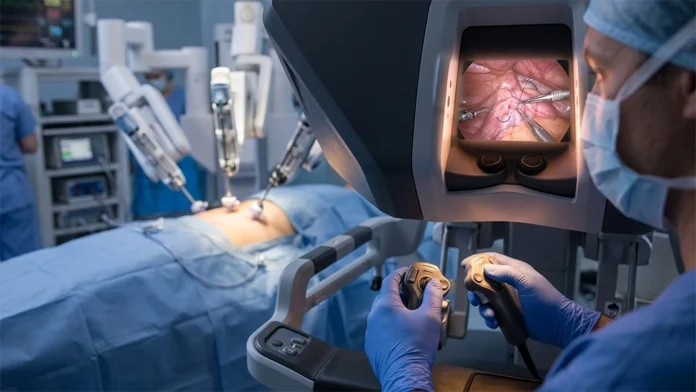
Perhaps the most visible sign of the smart operating room is the presence of advanced robotic-assisted surgical systems. These machines are not meant to replace the surgeon but to augment their capabilities. Through a combination of high-fidelity cameras and tremor-filtering mechanics, robotic systems allow for a level of manual precision that exceeds human limitations. In complex procedures, such as those involving the heart or brain, this precision is often the difference between success and a prolonged recovery. By using robotic assistance, surgeons can perform intricate tasks with greater accuracy and through smaller incisions, which is a key driver of smart operating rooms elevating surgical efficiency.

The relationship between the surgeon and the robot is one of mutual enhancement. While the robot provides stability and visual magnification, the surgeon provides the clinical judgment and experience required to navigate the unique challenges of each patientโ€™s anatomy. Modern surgical technology systems are increasingly incorporating haptic feedback, giving the surgeon a “sense of touch” even when operating through a console. This sensory integration is vital for assessing tissue tension and ensuring that delicate structures are handled with the appropriate level of care. As these systems continue to evolve, the line between human skill and technological assistance will continue to blur, leading to a new era of “augmented surgery” that prioritizes safety and efficacy above all else.

Intraoperative Visualization and Real-Time Guidance

The ability to “see” beneath the surface of the skin in real-time is a transformative capability in the modern OR. Real-time imaging tools, such as intraoperative CT and MRI, allow surgeons to verify their progress without ever leaving the sterile field. This is particularly important in neurosurgery or spinal procedures, where a few millimeters can be critical. By overlaying preoperative scans onto the live surgical view a technique known as augmented reality (AR) surgeons can visualize hidden blood vessels or tumor margins directly on the patient. This visual guidance is a core component of smart operating rooms elevating surgical efficiency, as it reduces the need for “exploratory” maneuvers and minimizes trauma to healthy tissue.

Beyond AR, advanced lighting and camera systems are being integrated with intelligent software to optimize the visual environment. For instance, some systems can automatically adjust the lighting to eliminate shadows or highlight specific anatomical features based on the stage of the procedure. This “smart lighting” ensures that the surgeon always has the best possible view of the surgical site, reducing eye strain and improving focus. The integration of these visual tools into the broader surgical workflow innovation ensures that the operating room remains a high-performance environment where every visual detail is optimized for clinical success.

Automation and Logistical Optimization in the OR

While the technical execution of surgery is paramount, the logistical efficiency of the operating room is equally important for the overall functioning of the hospital. Operating room automation systems are now being used to streamline everything from the sterilization of instruments to the management of consumable supplies. By using RFID tags and automated inventory tracking, the system can ensure that every required tool is available and verified before the patient is even brought into the room. This proactive management prevents the costly delays that occur when a specific instrument is missing, which is a major factor in smart operating rooms elevating surgical efficiency.

Automation also extends to the physical environment of the room itself. Voice-controlled interfaces and gesture-based controls allow surgeons and nurses to adjust the temperature, lighting, or monitor settings without breaking the sterile field. This reduces the need for staff to move around the room, minimizing the risk of contamination and maintaining the focus on the surgical site. Furthermore, intelligent scheduling software can analyze the duration of previous procedures to more accurately predict the timing of the dayโ€™s surgical list. This reduces “wait time” for patients and ensures that the OR is utilized at its maximum capacity, contributing to the financial and operational health of the hospital.

The Role of AI and Predictive Analytics in Surgery

As we look toward the future, the integration of artificial intelligence will likely be the next great frontier in surgical efficiency. AI algorithms can analyze real-time physiological data to predict potential complications before they become critical. For example, a system might notice a subtle change in blood pressure or heart rate that often precedes a major event, allowing the anesthesiologist to intervene early. This predictive capability is a significant advancement in patient safety and is a central theme of smart operating rooms elevating surgical efficiency. By acting as a “digital guardian,” AI ensures that the surgical team has the information they need to stay ahead of potential risks.

In addition to monitoring the patient, AI can also provide real-time guidance to the surgeon. By analyzing the video feed of a procedure, the software can identify anatomical landmarks and warn the surgeon if they are approaching a high-risk area, such as a major artery. This “digital assistant” role is particularly valuable for training the next generation of surgeons, providing them with a level of oversight and guidance that was previously impossible. As these systems become more sophisticated, they will be able to provide even more nuanced advice, such as recommending the optimal angle for a suture or identifying the most efficient path for a dissection. The potential for AI to elevate the baseline of surgical performance across the entire medical community is truly profound.

Postoperative Data and Continuous Improvement

The impact of a smart operating room does not end when the patient is moved to the recovery room. The data captured during the procedure provides a wealth of information for long-term analysis. By comparing surgical data with patient outcomes, hospitals can identify which techniques and tools lead to the best results. This evidence-based approach to surgery ensures that the field is constantly evolving and improving. The ability to use data for continuous quality improvement is a key benefit of digital surgery platforms and is essential for maintaining the highest levels of care. It fosters a culture of transparency and learning that is vital for any modern medical institution.

Furthermore, this data is invaluable for the development of new surgical protocols and guidelines. By analyzing thousands of procedures, researchers can identify subtle patterns that lead to better outcomes, such as the optimal timing for prophylactic antibiotics or the most effective methods for pain management. This large-scale data analysis is driving the move toward “precision surgery,” where the surgical approach is tailored to the specific characteristics of the patient and their condition. As we continue to refine our ability to capture and analyze surgical data, the operating room will become an increasingly intelligent and responsive environment, dedicated to the singular goal of patient health and recovery.

Conclusion: The Future of the Surgical Sanctuary

The ongoing journey of smart operating rooms elevating surgical efficiency is a testament to the power of human ingenuity and the pursuit of clinical excellence. We are moving toward a future where the operating room is no longer just a physical space, but a sophisticated digital ecosystem that protects, assists, and informs the surgical team. By embracing these advancements, we are not just adding new technology we are reimagining the very nature of surgery. The goal remains what it has always been: to provide the best possible care for the patient. However, the tools we have at our disposal to achieve that goal are more powerful and precise than ever before.

As we look ahead, the challenges will be both technical and ethical. We must ensure that these technologies are accessible to all patients and that they are used in a way that prioritizes the human element of care. However, the promise of the smart operating room is clear. It offers a future where surgery is safer, more efficient, and more effective for everyone. By continuing to innovate and collaborate, the medical community is ensuring that the operating room remains a sanctuary of healing, powered by the best that modern science and technology have to offer. This is the future of surgery, and it is a future we are building today.

Medical Imaging Innovation Improving Diagnostic Accuracy

Medical-imaging-innovation-improving-diagnostic-accuracy

The rapid evolution of high-resolution sensors and intelligent algorithmic processing has catalyzed a fundamental shift in the clinical diagnostic landscape. In a world where medical precision is the cornerstone of effective treatment, the integration of advanced visualization tools allows clinicians to move beyond traditional observation toward a data-driven understanding of human pathology. This transformation ensures that every patient benefit from the highest standards of diagnostic certainty, bridging the gap between subtle physiological changes and timely therapeutic intervention. By prioritizing clarity and accuracy, the medical community is setting a new standard for care that is as profound as it is necessary for the future of global health.

The Historical Context and Technological Leap Forward

To truly appreciate the current state of clinical diagnostics, one must first look back at the origins of radiology. For over a century, the field was defined by the transition from static, two-dimensional shadows to the sophisticated, multi-layered digital environments we see today. The journey from the first rudimentary X-ray to the high-field MRI units of the present day is a testament to human ingenuity. However, the most significant leap has not just been in the hardware itself, but in the software that interprets the massive amounts of data these machines generate. This is where medical imaging innovation improving diagnostic accuracy truly begins to take shape, transforming raw data into actionable clinical insights that save lives daily.

In the early days of medical imaging, the primary challenge was simply getting a clear enough picture to see an abnormality. Radiologists spent years training their eyes to catch the slightest variation in pixel density on a physical film. Today, the challenge has shifted from a lack of data to an overwhelming abundance of it. Modern diagnostic imaging systems produce thousands of slices per scan, creating a volumetric representation of the human body that is so detailed it requires computational assistance to navigate. This shift from physical film to digital volumetric data has laid the groundwork for a more collaborative and precise diagnostic environment, where experts from around the world can view and analyze the same high-fidelity images in real-time.

The Role of Artificial Intelligence in Modern Radiology

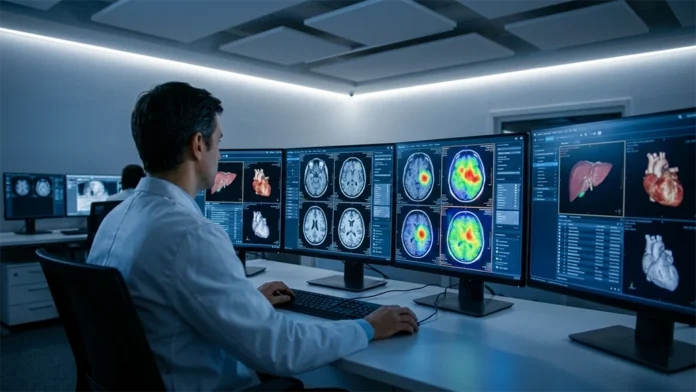
Artificial intelligence is no longer a futuristic concept in the world of medicine it is a current reality that is fundamentally altering the workflow of every modern imaging department. AI imaging software serves as a sophisticated filter, identifying patterns that are too subtle for the human eye to consistently detect. These algorithms are trained on datasets containing millions of confirmed clinical cases, allowing them to provide a level of statistical certainty that was previously unattainable. When medical imaging innovation improving diagnostic accuracy is supported by these intelligent systems, the rate of false negatives in critical areas like oncology and cardiology drops significantly, ensuring that patients receive the interventions they need at the earliest possible stage.

The integration of machine learning into radiology innovation goes beyond simple detection. It involves the quantification of disease markers that were previously subjective. For instance, instead of a radiologist estimating the size of a nodule, the software can provide a precise measurement down to the sub-millimeter level, along with an analysis of its density and shape. This level of granularity is essential for tracking the progression of a disease over time. By providing a baseline of objective data, AI imaging software allows clinicians to make more informed decisions about whether a treatment is working or if a change in strategy is required. This synergy between human expertise and machine precision is the hallmark of the modern diagnostic era.

Optimizing the Diagnostic Workflow for Clinical Excellence

Efficiency in the radiology department is not just about speed it is about ensuring that the most critical cases are identified and reviewed with the highest priority. Precision diagnostic workflows leverage automation to triage scans as they are completed. If a system detects a potential intracranial hemorrhage or a pulmonary embolism, it can instantly move that scan to the top of the worklist and alert the on-call specialist. This immediate triaging is a direct result of medical imaging innovation improving diagnostic accuracy, as it reduces the “wait time” for high-stakes diagnoses where every second counts. By optimizing how data flows through the hospital, these systems save lives before a doctor even enters the room.

Furthermore, the reduction of diagnostic fatigue is a significant benefit of these automated systems. Radiologists often review hundreds of scans in a single shift, a task that is mentally and visually taxing. Automation handles the repetitive aspects of the job such as segmenting organs or identifying historical comparisons allowing the specialist to focus their cognitive energy on the complex interpretive work that requires a human touch. This balanced approach not only improves the accuracy of each individual reading but also promotes the long-term well-being of the healthcare workforce. When technology handles the heavy lifting of data processing, the human clinician is empowered to be a more effective healer.

The Personalization of Healthcare Imaging Solutions

Every patient is unique, and the modern approach to diagnostics recognizes that a one-size-fits-all strategy is no longer sufficient. Healthcare imaging solutions are increasingly being tailored to the specific genetic and physiological profile of the individual. For example, in pediatric radiology, the focus is on minimizing radiation exposure while maintaining high diagnostic quality. Advanced reconstruction algorithms can now produce high-resolution images from low-dose scans, protecting the long-term health of young patients. This commitment to “as low as reasonably achievable” (ALARA) principles is a core component of medical imaging innovation improving diagnostic accuracy, as it ensures that the diagnostic process itself does no harm.

In the realm of personalized oncology, imaging is being combined with genomic data to create a comprehensive view of a patientโ€™s health. This field, known as radiomics, extracts thousands of features from medical images that are invisible to the naked eye. These features can predict how a specific tumor will respond to chemotherapy or immunotherapy, allowing doctors to select the most effective treatment from the outset. This move away from trial-and-error medicine toward a more predictive and precise model is perhaps the most exciting frontier of medical imaging technology. It represents a future where the image is not just a snapshot of the present, but a roadmap for the patientโ€™s recovery.

Advancements in Volumetric and Molecular Imaging

The transition from two-dimensional slices to three-dimensional volumetric imaging has revolutionized surgical planning and patient education. Surgeons can now “fly through” a patient’s anatomy using virtual reality tools before they ever step into the operating room. They can identify the exact location of blood vessels, nerves, and tumors, allowing for a more minimally invasive and precise procedure. This level of preparation is a direct outcome of medical imaging innovation improving diagnostic accuracy, as it bridges the gap between the diagnostic suite and the surgical theater. When a surgeon knows exactly what they will encounter, the risk of intraoperative complications is significantly reduced.

Molecular imaging represents the next great hurdle in our understanding of disease. Unlike traditional imaging, which looks at the structure of organs, molecular imaging looks at their function. By using specialized tracers, clinicians can see the metabolic activity of cells in real-time. This is particularly useful for identifying the early stages of neurodegenerative diseases like Alzheimer’s or Parkinson’s, often years before structural changes are visible on a standard scan. The ability to see the “hidden” signals of disease at a molecular level is a testament to the power of radiology innovation. It provides a level of foresight that was previously the stuff of science fiction, allowing for interventions that can slow or even halt the progression of debilitating conditions.

Bridging the Gap: Tele-Radiology and Global Connectivity

The benefits of advanced imaging should not be limited by geography. One of the most significant impacts of modern diagnostic imaging systems is the ability to share data across the globe instantaneously. Tele-radiology platforms allow specialists in metropolitan centers to provide expert interpretations for patients in rural or underserved areas. This democratization of expertise ensures that a patient in a remote village has access to the same high-level diagnostic certainty as a patient in a world-class teaching hospital. This global connectivity is a vital part of medical imaging innovation improving diagnostic accuracy, as it ensures that the best minds in medicine are available whenever and wherever they are needed.

Furthermore, these cloud-based platforms facilitate collaborative research on a scale never before possible. Researchers can pool anonymized imaging data from thousands of institutions to identify new trends and develop more effective diagnostic criteria. This collective intelligence accelerates the pace of innovation, leading to new software tools and hardware improvements that benefit the entire medical community. The synergy between local care and global research creates a feedback loop of continuous improvement, where every scan contributes to a deeper understanding of human health. As we continue to build these digital bridges, the future of radiology looks more connected and more precise than ever before.

Conclusion: The Ethical Imperative of Precision Diagnostics

As we look toward the future, the ongoing medical imaging innovation improving diagnostic accuracy is more than just a technological trend it is an ethical imperative. We have a responsibility to provide patients with the most accurate information possible about their health. Every advancement in software, every improvement in hardware, and every refinement in workflow is a step toward a more just and effective healthcare system. By reducing the margin of error and increasing the speed of diagnosis, we are not just improving metrics we are preserving the human stories that these images represent.

The journey of innovation is never truly complete. There will always be new diseases to understand, new technologies to master, and new ways to improve the patient experience. However, the foundation has been laid. With the integration of AI, the rise of molecular imaging, and the commitment to personalized care, the field of radiology is better equipped than ever to meet the challenges of the 21st century. The ultimate goal remains clear: a world where no diagnosis is missed, every treatment is targeted, and every patient can look forward to a healthy future with confidence. This is the promise of medical imaging technology, and it is a promise we are fulfilling one image at a time.

Top 5 Teen Residential Treatment Centers in Idaho for 2026: Costs and Insurance Options

Top 5 teen residential treatment centers in Idaho 2026

Finding the right residential treatment center for a teenager in Idaho involves understanding both the quality of care and the financial aspects. Parents and families need clear information about which facilities provide specialized programs and how insurance can help cover the costs.

Idaho has several residential treatment centers that provide comprehensive mental health and behavioral care for teens, with many accepting major insurance plans to make treatment more accessible. These centers provide different levels of support, from intensive residential programs to outpatient services. Each facility has its own approach to therapy, cost structure, and insurance partnerships.

This guide examines five leading teen residential treatment centers in Idaho for 2026. It covers what makes each program unique, typical costs families can expect, and how insurance coverage works at different facilities. Understanding these details helps families make informed decisions about their teen’s treatment options.

1. Avery’s House Boise

Avery's House Boise

Avery’s House treatment center in Boise provides residential mental health treatment for teens ages 12 to 17. The program provides round-the-clock care in a structured environment with trained staff members who support adolescents through their recovery.

The treatment approach focuses on building resilience and teaching practical life skills. Therapists work with each teen to create personalized care plans that address their specific mental health needs. The program treats conditions like depression, anxiety disorders, ADHD, and substance abuse.

Teens receive therapy in a supportive setting where they can connect with peers facing similar challenges. The staff uses evidence-based treatment methods designed to help young people develop coping strategies they can use long after leaving the program.

Families participate in the treatment process through regular communication and family therapy sessions. This involvement helps strengthen family relationships and prepares everyone for the teen’s transition back home.

2. Paradigm Treatment Idaho

Paradigm Treatment Idaho

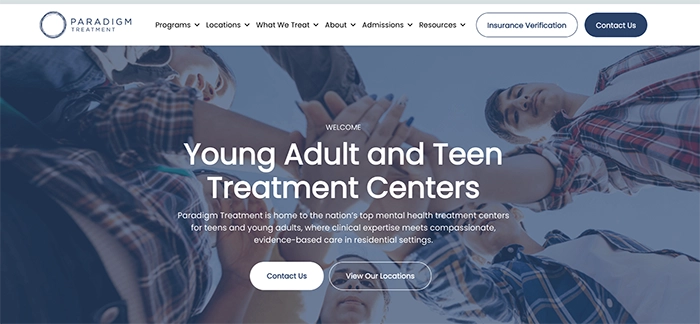
Paradigm Treatment Idaho provides residential care for teens ages 13 to 17 who are dealing with mental health and behavioral challenges. The program focuses on treating the root causes of these issues through intensive clinical support.

Teens receive four individual therapy sessions each week along with daily group therapy. The center also includes a family therapy program to help parents and siblings participate in the treatment process.

Paradigm Treatment accepts various insurance plans to make its services more accessible to families. They also provide cash and self-payment options for those who prefer that route. Families can contact the center directly to verify their specific insurance coverage and understand their out-of-pocket costs.

The facility operates in Coeur d’Alene, Idaho. Their treatment approach combines evidence-based therapies with structured daily support to address mental, emotional, and behavioral health concerns in adolescents.

3. Modern Recovery Idaho

Modern Recovery Idaho

Modern Recovery Idaho operates a residential treatment center called Avery’s House in Boise. The facility provides inpatient mental health services designed specifically for teenagers.

The center prioritizes creating a safe and comfortable environment for teens receiving treatment away from home. Staff members work to make the residential space feel welcoming while teens focus on their mental health recovery.

Modern Recovery Idaho provides comprehensive mental health treatment services in a confidential setting. The programs are personalized to meet each teen’s individual needs and circumstances.

Treatment takes place in a structured residential environment where teens can access ongoing support. The center aims to help teenagers work through mental health challenges while maintaining their safety and well-being throughout the treatment process.

4. PacificSource In-Network Programs

PacificSource In-Network Programs

PacificSource Health Plans offers coverage for teen residential treatment programs in Idaho through its in-network provider network. Families with PacificSource insurance can access mental health and substance use disorder treatment for adolescents at reduced costs when using approved facilities.

In-network programs help lower out-of-pocket expenses compared to out-of-network care. PacificSource covers treatment for mental health disorders and co-occurring disorders in children and adolescents, though coverage depends on specific plan benefits and policy limits.

Idaho families should verify their benefits before selecting a treatment center. Not all residential programs accept PacificSource or maintain in-network status. Contacting PacificSource directly helps confirm which facilities are covered under a specific plan.

The insurance provider focuses on making behavioral health services accessible across their four-state Northwest network. Members can find participating providers through PacificSource’s online directory or by calling member services for assistance with locating appropriate teen residential treatment options.

5.ย ย  Insurance Coverage

Most residential treatment centers in Idaho accept major insurance providers. Parents should contact their insurance company before admission to confirm coverage details.

Insurance plans typically cover different types of care. Inpatient services include hospital stays and residential treatment. Outpatient services cover therapy sessions and follow-up appointments after discharge.

Families need to verify what their specific plan includes. Health insurance must cover inpatient and outpatient hospital services, physician services, and mental health services under most plans. However, coverage amounts vary between insurance companies.

The verification process helps families understand their financial responsibility. This includes copayments, deductibles, and coinsurance amounts. Treatment centers can assist with checking insurance benefits before enrollment.

Some centers work directly with insurance companies to handle billing. Others require families to submit claims themselves. Knowing these details ahead of time prevents unexpected costs during treatment.

Conclusion

Finding the right residential treatment center for a teen in Idaho requires careful consideration of several factors. Families should evaluate treatment approaches, staff qualifications, insurance coverage, and overall costs when making their decision. The state provides diverse options ranging from short-term programs to comprehensive long-term care facilities.

Each center provides different strengths, whether that’s specialized therapy methods, family involvement programs, or specific treatment focuses. Parents can contact facilities directly to discuss their teen’s unique needs and verify insurance benefits before enrollment.

Daiichi Sankyo, GAIA Partner on Lipodia Digital Therapeutics

Digital Therapeutics

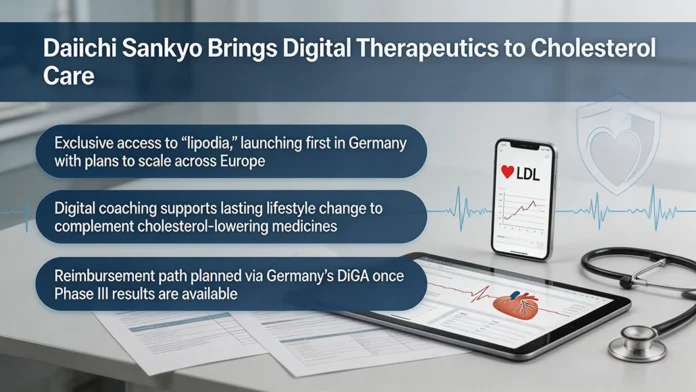
Pharmaceutical companies are increasingly integrating digital health tools with traditional medicines as part of broader efforts to improve patient outcomes. One example of this approach comes from Daiichi Sankyoโ€™s European faction, which has entered into a collaboration with health technology company GAIA to commercialise a digital therapeutic aimed at supporting adults with hypercholesterolaemia.

Under the agreement, Daiichi will obtain exclusive rights to the tool, known as lipodia, representing what could become the companyโ€™s first step in extending its cardiovascular portfolio into the digital health sector. The initial rollout of the partnership will focus on the German healthcare market, although the company intends to expand lipodiaโ€™s reach to โ€œall major markets on the continent.โ€ The digital solution works by integrating patient-specific, evidence-based behavioural health and psychotherapeutic strategies that guide users toward long-term lifestyle adjustments. Designed to complement pharmaceutical therapy, the system aims to encourage sustained behavioural change while helping reduce a patientโ€™s risk of cardiovascular disease (CVD).

โ€œDigital therapeutics represent an important next step in delivering holistic heart health,โ€ said Oliver Appelhans, Daiichiโ€™s head of EU speciality business. โ€œBy combining pharmaceuticals with evidence-based digital therapeutics, we can support patients beyond our medicines.โ€ To support wider access to the therapy, GAIA intends to submit a reimbursement application for lipodia once results from its pivotal Phase III trial become available. Should the application receive approval, Germanyโ€™s public health insurers would reimburse the therapy through the countryโ€™s Digital Health Applications (DiGA) pathway.

The move reflects a broader trend in the pharmaceutical industry as companies explore how digital technologies can complement drug therapies. Although medications used to treat CVD have significantly improved outcomes, pharmacological treatments alone often do not address the behavioural changes needed for long-term prevention. Estimates suggest that around 80% of heart disease and stroke cases affecting European patients are preventable, highlighting the potential impact of early interventions and educational programmes designed to encourage sustained lifestyle changes. As a result, several pharmaceutical companies are evaluating ways to combine digital health tools and patient education platforms with existing therapies.

Activity in the cardiometabolic health segment illustrates this shift. Novo Nordisk has been exploring collaborations with digital health providers that could offer fitness and dietary guidance alongside treatment with its weight-loss medicine Wegovy (semaglutide). Meanwhile, Otsuka Pharmaceutical currently holds 16% of global revenue in regulator-approved digital health apps. Part of this position is supported by Rejoyn, an application developed with Click Therapeutics and launched in 2024 for patients with depression. The app works alongside the companyโ€™s pharmaceutical treatments for major depressive disorder (MDD), including Rexulti (brexpiprazole) and Abilify (aripiprazole).

According to recent analysis from GlobalData, regulator-approved applications are playing a central role in driving growth across the digital health segment, which remains โ€œstill in its early stages.โ€ Regulators are also moving to facilitate wider adoption of these technologies. Both the US Food and Drug Administration (FDA) and the UKโ€™s Medicines and Healthcare products Regulatory Authority (MHRA) have introduced policies aimed at encouraging the broader use of digital health tools throughout healthcare systems.

Dr. Marlow Hernandez Discusses Re-establishing the Human Touch through Predictive Analytics

predictive analytics human touch in medicine

Dr. Marlow Hernandez suggests that there is a persistent myth in modern medicine: that data and empathy are at odds. Many believe that as we integrate more algorithms into the clinic, the “human touch” will inevitably wither. But in my experience as both a physician and a healthcare leader, I have found the opposite to be true.

When implemented with a moral compass, predictive analytics is not a replacement for the physicianโ€™s intuition; it is the very tool that restores the time and mental clarity required to exercise it.

From Reactive Fatigue to Proactive Presence

The greatest enemy of the human touch in medicine is “reactive fatigue.” For too long, doctors have been trapped in a cycle of responding to crises after they occur, treating the advanced ulcer, the sudden stroke, or the ruptured a. This “firefighting” mode leaves little room for the eye-to-eye connection patients deserve.

Predictive analytics changes the timeline. By analyzing subtle patterns in Electronic Health Records (EHRs) and real-time vitals, we can identify a patient at risk of deterioration before the symptoms manifest.

  • The Clinical Result: Early intervention that prevents a hospital stay.
  • The Human Result: A calm, focused conversation in a clinic setting rather than a rushed, high-stress encounter in an Emergency Room.

Clearing the “Cognitive Clutter”

Marlow Hernandez explains that physician burnout is often a byproduct of “cognitive clutter,” the massive burden of sorting through thousands of data points to find the one that matters. Predictive models act as a sophisticated filter, highlighting the “signal” within the “noise.”

By automating the identification of high-risk patients, the system effectively says to the doctor: “You don’t need to worry about these 90 stable files today. Focus your heart and your mind on these 10 who need you most.” This isn’t just efficiency; it is the tactical liberation of the physicianโ€™s soul.

The “Tender, Loving Care” of Precision

In my current work with venous disease in Miami, predictive analytics allows us to tailor care with a level of precision that feels like a personal luxury to the patient.

  • Personalized Pathways: Instead of a “one-size-fits-all” treatment, data helps us predict which specific patient will respond best to a particular minimally invasive procedure.
  • Reducing Anxiety: When we can tell a patient, with data-backed confidence, that their risk of a complication is statistically low, we aren’t just giving them a number; we are giving them peace of mind.

The Paradox of the Digital Age

The great paradox of 21st-century medicine is that our most advanced technology is what will ultimately allow us to return to the 19th-century ideal of the “attentive healer.”

Predictive analytics should never be used to automate a diagnosis away from a human. Instead, it should be used to automate the administration away from the doctor. When the computer handles the “what” and the “when,” the doctor is finally free to focus on the “who.”

We are entering an era where the most “data-driven” clinics will also be the most “human-centric.” By leveraging predictive insights, we aren’t just treating patients more accurately; we are seeing them more clearly.

About Dr. Marlow B. Hernandez

Dr. Marlow Hernandez is a board-certified internist, diplomate of the American Board of Venous & Lymphatic Medicine, and visionary in predictive healthcare with an exemplary professional record of systemic innovation. He is the founder of Cano Health, where his clinical model achieved a 60% sustained reduction in patient mortality during the COVID-19 pandemic, with results published in peer-reviewed research in the American Journal of Managed Care (AJMC).

Currently serving as the CEO of Soran Health and co-founder of Alma AI, Dr. Hernandez utilizes transformational algorithms to bridge the “Between-Visit Gap,” predicting 30-day hospitalization risks with over 90% accuracy. A Fellow of the American College of Physicians and a founding board member of the Orlando College of Osteopathic Medicine (OCOM), he practices and maintains active medical licenses in Florida and Nevada. Guided by the ethos that โ€œwe do not turn patients away,โ€ his career remains defined by an unwavering commitment to bridging clinical responsibility with organizational scale to significantly improve care delivery.

Medtronic Expands Strategic Alliance with GE HealthCare

Alliance With GE HealthCare

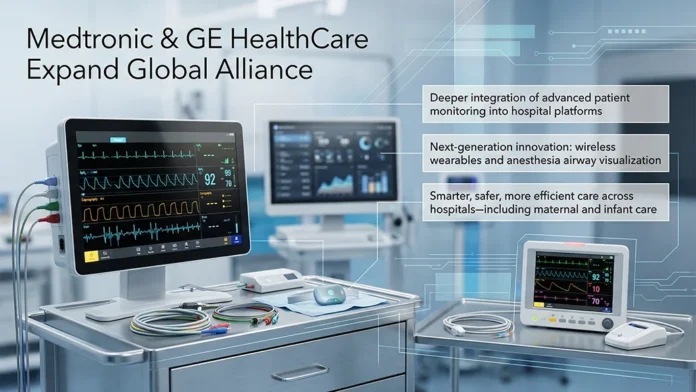
Medtronic has entered into a multi-year renewal and significant expansion of its global strategic alliance with GE Healthcare, reinforcing a partnership that has spanned more than three decades. The companies said the extended collaboration is designed to strengthen their joint efforts in healthcare technology development while advancing clinical and technological innovation. Through the expanded agreement, Medtronic and GE HealthCare aim to support healthcare providers in delivering smart, safe and efficient care across a wide range of hospital environments.

According to Medtronic, the renewed alliance will also focus on future innovation opportunities. The companies plan to introduce next-generation Medtronic technologies to GE HealthCareโ€™s Patient Care Solutions platforms. This expanded scope includes development in areas such as wireless wearable solutions and anesthesia airway visualization, reflecting an effort to broaden the technological capabilities available within clinical care settings.

A central component of the alliance with GE HealthCare involves integrating clinically advanced patient monitoring parameters from Medtronic into GE HealthCare systems. These include Nellcor pulse oximetry, Microstream capnography, INVOS regional oximetry and BIS brain monitoring. By embedding these technologies within GE HealthCareโ€™s monitoring infrastructure, the companies seek to enhance the quality and reliability of patient monitoring across healthcare facilities.

The technologies will be compatible with GE HealthCareโ€™s monitoring solutions platforms, including those used in maternal and infant care. Medtronic and GE HealthCare said the integration is intended to support accurate and inclusive care for diverse patient populations. Through the expanded partnership, the companies aim to accelerate clinical transformation, reduce costs, and harmonize technology platforms while delivering integrated enterprise solutions designed to enhance patient outcomes and promote innovation across the continuum of care. Medtronic has similar partnerships with companies like Philips and Mindray, too.

Sustainable Pharma Manufacturing and Green Facilities

Sustainable-pharma-manufacturing-and-green-facilities

The pharmaceutical industry has long been recognized for its life-saving innovations, but it is also increasingly being scrutinized for its environmental impact. Traditionally, drug manufacturing is an energy-intensive process that relies on complex chemical synthesis and generates significant amounts of waste. However, a major transformation is currently underway as companies move toward sustainable pharma manufacturing and green facilities. This shift is driven not only by a moral imperative to protect the planet but also by the need for long-term operational resilience and the growing demands of environmentally conscious investors. By integrating sustainability into the core of their business strategy, pharmaceutical companies are proving that they can be both profitable and planet-friendly.

The Core Pillars of Sustainable Pharma Manufacturing

Achieving a truly sustainable production model requires a holistic approach that covers every stage of the drug lifecycle. Sustainable pharma manufacturing and green facilities focus on three primary pillars: carbon reduction, waste minimization, and resource efficiency. This involves a move away from “linear” manufacturing models, where materials are used once and discarded, toward a “circular” approach. In a circular model, waste products are recycled or repurposed, and the overall consumption of raw materials is drastically reduced. This transition requires a significant investment in new technologies but ultimately leads to a more robust and cost-effective manufacturing operation.

Green Chemistry and the Reduction of Toxic Waste

One of the most impactful areas of innovation within sustainable pharma manufacturing and green facilities is the adoption of “green chemistry” principles. Green chemistry focuses on designing chemical processes that minimize the use and generation of hazardous substances. This includes the use of biocatalysts enzymes that can perform complex reactions at lower temperatures and with fewer toxic byproducts than traditional chemical catalysts. By rethinking the fundamental science of drug synthesis, manufacturers can significantly reduce the environmental footprint of their products before they even leave the lab.

Energy Efficiency and the Design of Green Facilities

The physical manufacturing facility is a major contributor to the industry’s carbon footprint. Traditional pharma plants require massive amounts of energy to maintain the strict environmental conditions (such as temperature, humidity, and air purity) required for drug production. Modern sustainable pharma manufacturing and green facilities utilize advanced architectural designs and “smart” building management systems to minimize this energy consumption. This includes the use of high-efficiency HVAC systems, LED lighting, and superior insulation. Furthermore, many companies are now integrating renewable energy sources, such as solar panels and wind turbines, directly into their facility design, allowing them to generate their own clean power on-site.

Optimizing Cleanroom Environments for Energy Savings

Cleanrooms are the most energy-intensive areas of a pharmaceutical facility, often requiring hundreds of air changes per hour to maintain sterile conditions. Within the context of sustainable pharma manufacturing and green facilities, companies are finding ways to maintain safety while reducing energy use. For example, “variable speed drives” on air handling units can adjust the airflow based on the actual activity level in the cleanroom, rather than running at full capacity 24/7. Additionally, the use of advanced air filtration technologies can provide the same level of protection with significantly less energy, helping to lower the facility’s overall carbon footprint.

Water Management and the Protection of Natural Resources

Pharmaceutical manufacturing requires vast amounts of high-purity water for both the production of drugs and the cleaning of equipment. Sustainable pharma manufacturing and green facilities place a high priority on water stewardship. This involves implementing advanced water recovery and recycling systems that allow the facility to reuse water multiple times before it is safely discharged. Furthermore, manufacturers must ensure that their wastewater is free from active pharmaceutical ingredients (APIs), which can be harmful to aquatic ecosystems. By investing in sophisticated on-site treatment plants, companies can protect local water sources and ensure they remain a responsible neighbor to their surrounding communities.

Waste-to-Energy and Zero-Waste-to-Landfill Initiatives

Minimizing solid waste is another critical component of the sustainability journey. Many leading organizations have committed to “zero-waste-to-landfill” goals, meaning that every piece of waste generated by the facility is either recycled, composted, or incinerated to generate energy. In the context of sustainable pharma manufacturing and green facilities, this requires a rigorous waste-segregation program and a deep partnership with specialized waste-management providers. Even hazardous chemical waste can often be processed in “waste-to-energy” plants, providing a source of heat or electricity while safely destroying toxic substances.

ESG Compliance and the Role of Corporate Governance

The push for sustainability is increasingly being driven by Environmental, Social, and Governance (ESG) criteria. Investors and regulators now expect pharmaceutical companies to provide transparent reporting on their environmental impact and their progress toward sustainability goals. Sustainable pharma manufacturing and green facilities are essential for maintaining high ESG scores, which are increasingly being used to determine a company’s cost of capital and its overall market valuation. Strong corporate governance ensures that sustainability is not just a marketing slogan but a core value that is integrated into every decision, from the boardroom to the production floor.

The Importance of Scope 3 Emissions in the Supply Chain

While focusing on their own operations is a vital first step, pharmaceutical companies must also address the emissions that occur in their wider supply chain (known as Scope 3 emissions). Sustainable pharma manufacturing and green facilities extend their influence by requiring suppliers to adhere to strict environmental standards. This might involve choosing raw material suppliers who use sustainable harvesting practices or working with logistics providers who utilize electric vehicles. By taking responsibility for their entire value chain, pharma companies can drive positive environmental change far beyond their own facility walls.

The Business Case for Sustainability in Pharma

There is a common misconception that sustainability is a cost center. In reality, the adoption of sustainable pharma manufacturing and green facilities often leads to significant long-term cost savings. Energy-efficient systems reduce utility bills, waste-reduction programs lower disposal costs, and water-recycling initiatives minimize the need for expensive incoming water. Furthermore, a strong commitment to sustainability can help attract and retain top talent, as many healthcare professionals prefer to work for organizations that align with their personal values. In this way, sustainability becomes a powerful tool for both financial performance and brand differentiation.

Future Innovation: Biomanufacturing and Biodegradable Packaging

Looking ahead, the next frontier of sustainable pharma manufacturing and green facilities lies in the development of even more eco-friendly technologies. This includes the move toward “biomanufacturing,” where biological systems are used to produce drugs more efficiently and with less environmental impact than traditional chemical synthesis. Additionally, the industry is exploring the use of biodegradable or compostable packaging for both prescription and over-the-counter medications. These innovations will further reduce the industry’s plastic footprint and ensure that the life-saving medications of the future are delivered in a way that does not harm the planet.

The journey toward sustainable pharma manufacturing and green facilities is a critical step in the evolution of the global healthcare industry. As the world faces the growing challenges of climate change and resource scarcity, the pharmaceutical sector has a unique opportunity to lead by example. By embracing green chemistry, energy efficiency, and circular economy principles, companies can ensure that their work to improve human health does not come at the expense of the environment. The transition is complex and requires a fundamental shift in mindset, but the rewards for patients, for the planet, and for the industry itself are immeasurable. A greener future for pharma is not just possible; it is already beginning.

Medical Device Manufacturing Powered by Automation Trends

Medical device manufacturing and automation

The landscape of medical technology is being fundamentally reshaped by a wave of digital and mechanical innovation that is making the production of complex devices faster, more precise, and more reliable than ever before. In an era where patient safety and device efficacy are under constant scrutiny, the role of medical device manufacturing and automation has transitioned from a high-tech luxury to a baseline requirement for global competitiveness. By integrating robotics, artificial intelligence, and advanced sensing technologies into the production floor, manufacturers are not only increasing their throughput but also achieving a level of quality consistency that manual processes simply cannot replicate.

The Integration of Robotics and Precision Engineering

At the heart of modern MedTech production is the synergy between robotics and precision engineering. Modern medical devices, ranging from micro-scale implants to complex surgical robots, require tolerances that are measured in microns. Human operators, while skilled, are subject to fatigue and variability that can lead to subtle defects. In contrast, the systems used in medical device manufacturing and automation are designed for perfect repeatability. Robotic arms equipped with high-resolution vision systems can perform intricate assembly tasks, such as micro-soldering or the placement of tiny sensors, with a level of accuracy that ensures 100% adherence to design specifications every time.

Collaborative Robots (Cobots) in the Cleanroom

One of the most significant shifts in medical device manufacturing and automation is the rise of collaborative robots, or “cobots.” Unlike traditional industrial robots that operate in isolated cages, cobots are designed to work safely alongside human technicians. This hybrid approach allows for the best of both worlds: the cognitive flexibility and problem-solving skills of a human worker combined with the tireless precision of a machine. In a cleanroom environment, cobots can handle repetitive, ergonomically taxing tasks, such as the loading and unloading of injection molding machines, while the human operator focuses on high-level quality oversight and process optimization.

Smart Manufacturing and the Industrial Internet of Things (IIoT)

The concept of the “smart factory” is becoming a reality in the MedTech industry through the widespread adoption of the Industrial Internet of Things (IIoT). By embedding sensors into every piece of production equipment, manufacturers can create a continuous stream of data that provides a real-time view of the facility’s health. Within the framework of medical device manufacturing and automation, this data is used for predictive maintenance, allowing technicians to identify and fix potential equipment failures before they result in downtime. This interconnectedness also allows for “dynamic scheduling,” where the production line can automatically adjust to changes in raw material availability or shifts in customer demand.

Scalable Production and the Path to Global Market Access

As the global demand for healthcare continues to grow, the ability to achieve scalable production is essential. Automation allows manufacturers to increase their capacity rapidly without a linear increase in labor costs. This scalability is particularly important for devices that are produced in high volumes, such as diagnostic test kits or disposable surgical supplies. By leveraging medical device manufacturing and automation, companies can ensure that they can meet the needs of diverse global markets while maintaining the strict cost controls required by modern healthcare payers.

Maintaining Quality Standards and ISO Compliance

Compliance with international standards, such as ISO 13485, is the bedrock of the medical device industry. Automation plays a critical role in ensuring that every batch meets these rigorous requirements. In an automated system, every production step is tracked and logged in real-time, creating an electronic record that is far more accurate and easier to audit than traditional paper logs. This focus on “compliance by design” means that quality checks are integrated into the process itself. For example, in-line vision systems can inspect 100% of the products on a moving conveyor belt, automatically rejecting any unit that does not meet the predefined quality benchmarks.

Digital Twins and the Virtual Testing Environment

The use of “digital twins” virtual replicas of physical production lines is a cutting-edge trend in medical device manufacturing and automation. Before a single piece of equipment is installed, engineers can simulate the entire manufacturing process in a digital environment. This allows them to identify potential bottlenecks, optimize the layout for maximum efficiency, and even test “what-if” scenarios, such as the impact of a machine failure or a change in raw materials. By solving problems in the virtual world, companies can significantly reduce the time and cost associated with bringing a new production facility online.

The Role of AI and Machine Learning in Process Optimization

Artificial intelligence and machine learning are the “brains” behind the next generation of medical device manufacturing and automation. These technologies can analyze the vast amounts of data generated by the smart factory to identify subtle patterns and correlations that are invisible to the human eye. For instance, an AI algorithm might discover that a specific combination of humidity and cooling time results in a slightly stronger plastic part. By continuously learning from every production cycle, these systems can suggest optimizations that result in higher yields and more robust products.

Automation in Packaging and Post-Production Logistics</h3>

The benefits of automation extend far beyond the assembly line. Packaging and sterilization are critical stages in the medical device lifecycle that are also being transformed. Automated packaging systems can ensure that every device is perfectly sealed and labeled, reducing the risk of sterility breaches or labeling errors. Furthermore, the integration of automation into post-production logistics such as the use of autonomous mobile robots (AMRs) in the warehouse ensures that devices are moved through the facility and out to customers with maximum efficiency and minimal human contact.

Challenges and Opportunities in the Automated Era

While the move toward medical device manufacturing and automation offers immense benefits, it is not without its challenges. The initial capital investment can be significant, and the need for a highly skilled workforce that can maintain and program these complex systems is a major hurdle for many companies. However, for those who successfully navigate this transition, the rewards are substantial. Not only can they produce better products at a lower cost, but they also gain the agility needed to respond to an increasingly volatile global market.

The Workforce of the Future and the Need for Upskilling

The transition to an automated environment requires a total rethinking of the traditional manufacturing workforce. Rather than manual assemblers, the MedTech companies of the future will need data scientists, robotics engineers, and quality specialists who are as comfortable with software as they are with hardware. This shift highlights the importance of ongoing training and education. Many leading manufacturers are now partnering with technical schools and universities to develop specialized programs that prepare the next generation of workers for the demands of medical device manufacturing and automation.

The integration of advanced automation into medical device manufacturing is a transformative journey that is just beginning. As technologies like AI, robotics, and IIoT continue to mature, the possibilities for innovation are virtually limitless. By embracing medical device manufacturing and automation, companies are not just improving their bottom line; they are ensuring that the world has access to the safe, effective, and high-quality medical devices that are essential for modern healthcare. The future of MedTech is automated, and those who lead the way in this digital revolution will be the ones who define the future of patient care.

Advanced Diagnostics Transform Laboratory Management Trends

Advanced diagnostics and laboratory management

The modern clinical laboratory is the quiet engine of the healthcare system, providing the critical data that informs nearly 70% of all medical decisions. As the volume and complexity of diagnostic tests continue to grow, the traditional manual workflows of the past are no longer sufficient to meet the demands of modern medicine. The integration of advanced diagnostics and laboratory management systems is currently driving a total transformation of this sector, replacing labor-intensive tasks with high-speed automation and sophisticated digital tools. This evolution is not just about speed; it is about achieving a level of clinical accuracy and operational efficiency that was previously unimaginable, ensuring that patients receive the right diagnosis at the right time.

The Rise of Total Laboratory Automation (TLA)

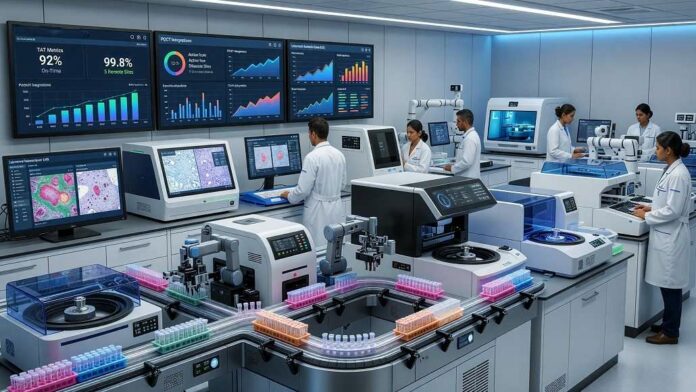
At the center of this transformation is the move toward Total Laboratory Automation (TLA). In a TLA environment, a single interconnected system handles everything from specimen sorting and centrifugation to the final analysis and archiving. This integration is a core component of modern advanced diagnostics and laboratory management, as it minimizes the need for human handling of potentially hazardous samples. By removing manual touchpoints, laboratories can drastically reduce the risk of pre-analytical errors the most common source of diagnostic mistakes. Furthermore, TLA allows for 24/7 operation, providing the rapid turnaround times that are essential for critical care environments like emergency departments and intensive care units.

Digital Pathology and the Shift from Glass to Screen

Pathology is undergoing its most significant change in a century with the shift from traditional glass slides to digital imaging. Digital pathology involves scanning tissue samples at high resolution, allowing pathologists to view and analyze them on a computer screen rather than through a microscope. This advancement in advanced diagnostics and laboratory management allows for easy collaboration between specialists in different locations and facilitates the use of computer-aided diagnostic tools. By utilizing digital slides, laboratories can also build vast archives of cases that can be used for research and the training of artificial intelligence models, further enhancing the diagnostic capabilities of the future.

The Impact of Molecular Diagnostics and Precision Medicine

The explosion of molecular diagnostics has added a new layer of complexity to the clinical laboratory. Tests for genetic markers, infectious diseases, and cancer biomarkers require highly specialized equipment and a high degree of technical expertise. Modern advanced diagnostics and laboratory management systems are designed to handle these complex workflows, integrating Next-Generation Sequencing (NGS) and Polymerase Chain Reaction (PCR) technologies into the daily routine. This capability is the cornerstone of precision medicine, allowing clinicians to tailor treatments to a patient’s unique genetic profile and monitor their response to therapy with unprecedented sensitivity.

Point-of-Care Testing (POCT) and Decentralized Diagnostics

While centralized laboratories handle the bulk of testing, there is a growing trend toward bringing diagnostics closer to the patient. Point-of-Care Testing (POCT) allows for immediate results in settings such as clinics, ambulances, or even a patient’s home. Advanced diagnostics and laboratory management now involve the coordination of hundreds of these small devices across a healthcare network. Ensuring that POCT results are accurate and are automatically uploaded to the patient’s central medical record is a major logistical challenge. However, the benefits in terms of faster treatment decisions and improved patient convenience make this a critical area of ongoing innovation.

Improving Lab Efficiency through Laboratory Information Systems (LIS)

The “nervous system” of any modern lab is the Laboratory Information System (LIS). This software platform manages the entire lifecycle of a test, from the initial order to the final reporting of results. Within the framework of advanced diagnostics and laboratory management, the LIS is essential for maintaining “sample chain of custody” and ensuring that every result is correctly matched to the right patient. Modern LIS platforms are increasingly cloud-based, allowing for greater scalability and easier integration with the hospital’s electronic health record (EHR). By streamlining the flow of information, these systems reduce the administrative burden on lab staff, allowing them to focus on the more technical aspects of diagnostic testing.

Data Analytics and the Optimization of Lab Workflows

The vast amounts of data generated by a modern laboratory provide an incredible opportunity for process optimization. Advanced diagnostics and laboratory management now utilize sophisticated data analytics tools to monitor performance metrics such as “turnaround time” and “test cost.” By identifying bottlenecks in the workflow, lab managers can make data-driven decisions about staffing levels, equipment upgrades, and inventory management. Furthermore, predictive analytics can be used to forecast future testing volumes, allowing the laboratory to prepare for seasonal surges in demand, such as during a flu outbreak or a public health emergency.

Maintaining Quality Standards and Regulatory Compliance

Quality assurance is the absolute foundation of clinical diagnostics. Laboratories must adhere to strict regulatory standards, such as the Clinical Laboratory Improvement Amendments (CLIA) in the United States or ISO 15189 internationally. Modern advanced diagnostics and laboratory management systems integrate quality control into every step of the process. For example, automated analyzers can perform “QC runs” at regular intervals and will automatically halt testing if any deviation is detected. This continuous monitoring ensures that the laboratory consistently produces accurate, reliable results that can be trusted by clinicians and patients alike.

The Role of AI in Diagnostic Interpretation

Artificial intelligence is becoming an invaluable partner to the laboratory professional. In fields like radiology and pathology, AI algorithms can pre-screen thousands of images, highlighting areas of concern for the human expert to review. This “augmented intelligence” approach is a key component of modern advanced diagnostics and laboratory management, as it helps to manage the increasing workload and reduces the risk of human fatigue. Beyond image analysis, AI can also be used to identify complex patterns in multi-parametric lab data, helping to uncover subtle signs of disease that might be missed by traditional analysis methods.

Future Challenges: The Lab Workforce and Cost Pressures

Despite the benefits of automation, the laboratory sector faces significant challenges, particularly regarding the shortage of qualified laboratory scientists. The role of the lab professional is changing from a manual technician to a data-savvy specialist who can manage and troubleshoot complex automated systems. Furthermore, laboratories are under constant pressure to reduce costs while maintaining high quality. Advanced diagnostics and laboratory management must therefore focus on maximizing the “value” of every test, ensuring that diagnostic resources are used appropriately and that the laboratory continues to provide a strong return on investment for the healthcare system.

Conclusion: The Future of the Connected Laboratory

The future of laboratory management lies in the total integration of diagnostic data across the entire care continuum. As laboratories become more connected, the data they produce will become even more valuable for population health management and the development of new therapies. By embracing advanced diagnostics and laboratory management, healthcare institutions can ensure that their laboratories remain at the cutting edge of science and continue to provide the essential data that saves lives every day. The journey from a manual, siloed lab to a fully automated, data-driven diagnostic hub is a complex one, but it is the only way to meet the challenges of 21st-century medicine.

Managing Risk and Compliance in Pharma Supply Chains

Pharma supply chain risk and compliance trends

The pharmaceutical supply chain is one of the most complex and sensitive logistical networks in the world, responsible for moving life-saving medications from manufacturing centers to patients across every corner of the globe. As the industry faces increasing threats from counterfeit products, cargo theft, and environmental volatility, the need for robust oversight has never been more urgent. The current pharma supply chain risk and compliance trends are focused on creating a transparent, resilient, and data-driven ecosystem that ensures medications remain safe, authentic, and effective throughout their journey. This requires a sophisticated integration of technology, international cooperation, and a deep-seated commitment to regulatory excellence.

The Evolution of Drug Serialization and Traceability

At the forefront of the fight against counterfeit medications is the implementation of global drug serialization standards. By assigning a unique, randomized serial number to every individual unit of a product, manufacturers can track its movement through the entire distribution network. This level of item-level traceability is the core of pharma supply chain risk and compliance trends such as the Drug Supply Chain Security Act (DSCSA) in the United States and the Falsified Medicines Directive (FMD) in Europe. These regulations require every participant in the supply chain from the primary manufacturer to the retail pharmacist to verify the product’s identity before it is dispensed to a patient.

Leveraging Blockchain for End-to-End Transparency

While traditional databases can track serial numbers, blockchain technology is emerging as a powerful tool for creating an immutable, shared record of every transaction in the supply chain. In a blockchain-enabled network, every handoff of a product is recorded in a way that cannot be altered or deleted. This provides an unprecedented level of transparency and trust between stakeholders. By integrating blockchain into their pharma supply chain risk and compliance trends, companies can drastically reduce the time it takes to investigate a suspicious product and can streamline the complex process of handling product recalls, ensuring that patient safety is never compromised.

Cold Chain Integrity and Environmental Monitoring

As the industry shifts toward more complex biologics and personalized therapies, the importance of cold chain logistics has reached a critical point. Many modern medications are extremely sensitive to temperature fluctuations and can lose their potency or become dangerous if they are not maintained within a strict range. Modern pharma supply chain risk and compliance trends involve the use of advanced “smart” packaging and IoT sensors that provide real-time monitoring of temperature, humidity, and even physical shock. These sensors can alert logistics managers to a potential issue before the product is damaged, allowing for intervention and preventing the loss of high-value inventory.

Risk Management in Extreme Logistics Environments

Managing a cold chain is challenging under normal circumstances, but it becomes exponentially more difficult when moving products through regions with limited infrastructure or extreme weather conditions. A robust risk management strategy involves more than just monitoring; it requires detailed contingency planning and the use of specialized thermal packaging solutions. By analyzing historical data on transit times and environmental conditions, companies can identify the most high-risk routes and implement additional safeguards, such as redundant cooling systems or priority handling. This proactive approach is a hallmark of current pharma supply chain risk and compliance trends and is essential for ensuring that life-saving vaccines and biologics reach patients in every part of the world.

Regulatory Alignment and the Challenge of Global Compliance

The pharmaceutical supply chain is governed by a patchwork of international regulations that are constantly evolving. Achieving and maintaining regulatory compliance in this environment is a significant challenge, particularly for companies that operate in multiple jurisdictions. The most successful organizations are moving toward a “harmonized” compliance strategy, where they adopt a single, high-standard set of protocols that meets the requirements of the most stringent regulators. This alignment is facilitated by international initiatives such as the Pharmaceutical Inspection Co-operation Scheme (PIC/S), which promotes the mutual recognition of inspections and the exchange of information between global regulatory bodies.

The Importance of Good Distribution Practice (GDP)

Good Distribution Practice (GDP) is the set of standards that ensures the integrity of pharmaceutical products is maintained throughout the distribution process. GDP compliance covers everything from the cleanliness and security of warehouses to the training of delivery drivers. Within the context of pharma supply chain risk and compliance trends, GDP is no longer seen as a “check-the-box” activity but as a core component of a company’s quality management system. Regular self-audits and vendor assessments are essential to ensure that every partner in the distribution network adheres to these high standards, creating a “chain of trust” that protects the final product.

Cybersecurity: Protecting the Digital Supply Chain

As the supply chain becomes more digitized, it also becomes more vulnerable to cyberattacks. A breach of a serialization database or a disruption of a logistics platform could have catastrophic consequences for patient safety. Therefore, cybersecurity is now a critical component of pharma supply chain risk and compliance trends. Manufacturers and logistics providers must implement multi-layered security protocols, including encryption, secure data exchange portals, and rigorous access controls. Furthermore, they must conduct regular “stress tests” of their digital infrastructure to identify and patch vulnerabilities before they can be exploited by malicious actors.

Data Privacy and the Protection of Patient Information

In addition to securing the logistical data, companies must also protect any patient-identifiable information that may be captured as part of a specialty pharmacy or direct-to-patient delivery model. Compliance with data privacy regulations such as GDPR or HIPAA is a fundamental part of modern pharma supply chain risk and compliance trends. This requires a robust data governance framework that ensures information is only used for its intended purpose and is stored and transmitted securely. By prioritizing data privacy, companies can build the trust necessary to support the growing demand for more personalized and convenient delivery models.

Sustainability and Ethical Sourcing in the Supply Chain

The pharmaceutical industry is under increasing pressure to address its environmental and social impact. Sustainable pharma supply chain risk and compliance trends involve a holistic look at the entire lifecycle of a product, from the sourcing of raw materials to the disposal of packaging waste. This includes working with suppliers who adhere to ethical labor practices and implementing “green” logistics solutions, such as more efficient routing and the use of recyclable shipping containers. By integrating sustainability into their compliance strategy, companies can not only reduce their carbon footprint but also improve their brand reputation and meet the expectations of socially conscious investors.

Resilience through Diversification and Inventory Strategy

The lessons learned from recent global disruptions have shifted the focus toward supply chain resilience. Rather than relying on a single, low-cost source for critical materials, companies are diversifying their supplier base and investing in localized manufacturing. This “dual-sourcing” strategy is a key part of current pharma supply chain risk and compliance trends and provides a safety net against geopolitical instability or natural disasters. Furthermore, many organizations are rethinking their inventory strategies, moving from “just-in-time” to a more balanced approach that maintains a strategic reserve of essential medications, ensuring that they can continue to serve patients even during a period of prolonged disruption.

The management of risk and compliance in pharmaceutical supply chains is a never-ending task that requires vigilance, innovation, and collaboration. As the threats facing the industry continue to evolve, the tools and strategies used to protect the distribution network must also advance. By embracing new technologies like serialization, blockchain, and IoT, and by maintaining a relentless focus on regulatory excellence and sustainability, pharmaceutical companies can build a supply chain that is not only efficient but also truly resilient. Ultimately, the goal of these pharma supply chain risk and compliance trends is to ensure that the global distribution network remains a reliable conduit for the life-saving treatments that define modern medicine.

Translate ยป