













Close
Digital Health & Ai Innovation summit 2026
Medical Taiwan 2026

The Main Causes Of Eating Disorders In Teens

The Main Causes Of Eating Disorders In Teens

Eating disorders are serious mental health conditions that can have devastating consequences for teens. There are many different causes of eating disorders, and it is important to understand these causes if we want to provide support and treatment for teens who are struggling. In this blog post, we will discuss some of the main causes of eating disorders in teens. We will also talk about how we can help teens who are struggling with these conditions.

Bullying

Bullying is one of the main causes of eating disorders in teens. Teens who are bullied often feel like they are not good enough, and they may develop unhealthy eating habits in an attempt to change their appearance. Most teens who are bullied do not have eating disorders, but bullying can be a trigger for those who are already vulnerable. Sometimes helping to live a healthy life means stepping in and stopping the bullying. We need to protect our children from bullies, and we need to provide support for those who have been affected by bullying.

Trauma

Traumatic experiences can also lead to eating disorders in teens. Teens who have experienced abuse, violence, or other traumatic events may develop an eating disorder as a way to cope with their pain. Trauma can also make it difficult for teens to trust people, which can make it hard for them to seek help for their condition. If you know a teen who has experienced trauma, it is important to be supportive and understanding. You can also encourage them to seek professional help from a therapist or counselor who specializes in treating trauma-related disorders.

Social Media

Social media is another major factor that can contribute to eating disorders in teens. The images and messages that we see on social media can create unrealistic expectations about our bodies and our appearance. This can lead to body image issues and unhealthy dieting behaviors. Social media can also be a trigger for those who are already struggling with an eating disorder. If you are concerned about your teenโ€™s relationship with social media, talk to them about your concerns. You can also help them to find healthy ways to use social media, such as following body-positive accounts or using social media to connect with friends and family.

Other Mental Health Disorders

Eating disorders often occur alongside other mental health disorders, such as anxiety or depression. This is because the same factors that contribute to one disorder can also contribute to another. For example, someone who has anxiety may be more likely to develop an eating disorder if they are trying to cope with their anxiety by controlling their food intake. Similarly, someone who is depressed may turn to food as a way to cope with their low mood. If your teen is struggling with an eating disorder, it is important to seek professional help. A mental health professional can help them to identify and treat any underlying conditions.

Family History

Eating disorders often run in families, which suggests that there may be a genetic component to these conditions. If someone in your family has an eating disorder, your teen may be more likely to develop one as well. This is because they may have inherited some of the genetic factors that contribute to the condition. Family history is not a cause of eating disorders, but it can make someone more vulnerable to developing one.

Stress

Stress is another major factor that can contribute to eating disorders in teens. Teens who are under a lot of stress may turn to unhealthy coping mechanisms, such as binge eating or purging. Stress can also trigger existing eating disorders. If your teen is struggling with stress, it is important to talk to them about healthy ways to manage their stress. You can also encourage them to seek professional help if they are having difficulty managing their stress on their own.

The Main Causes Of Eating Disorders In Teens

Eating disorders are complex conditions with many different causes. In this blog post, we have discussed some of the main causes of eating disorders in teens. If you know a teen who is struggling with an eating disorder, it is important to seek professional help. A mental health professional can provide the support and treatment that they need to recover from their condition. It’s important to remember that eating disorders are treatable, and with the right help, teens can make a full recovery. Make sure to check in with your teen regularly and let them know that you are there for them. If they seem to be struggling, don’t hesitate to reach out for help. We hope that this article was helpful!


Everything You Need To Know About The Medicaid Managed Care

Everything You Need To Know About The Medicaid Managed Care

Consider that your parent or partner is in the hospital after suffering an accident or a disease. As a primary caregiver, you would have to spend several days stabilizing the patient, speaking with medical professionals, and trying to process what happened. It could feel overpowering and alarming. These occurrences frequently mark significant life changes where the family must accept a loved one’s evolving needs.

Care in a facility or home is very expensive when paid privately. A private room in a nursing home can cost over $100,000 per year. Medicaid is a joint federal-state program that assists low-income Americans of all ages in covering the costs of long-term care and medical expenses. This article explores everything you need to know about Medicaid managed care.

Who Is Eligible For Medicaid:

Only certain low-income people and families who fall into an eligibility category recognized by federal and state law are eligible for Medicaid. Instead of being paid, Medicaid sends payments directly to the healthcare providers. You might also be required to make a co-payment for various medical services, depending on the laws in your state. If you wish to apply for Medicaid, you must fit one of the following descriptions:

  • Pregnant Women
  • Children and Teenagers
  • Elderly and Senior Citizens
  • People with Disabilityย 

Everybody with an income below 138% of the federal poverty line must have access to Medicaid in states that have chosen to expand the program. You can qualify if you’re single with an annual income below $17,608. A family of four must earn under $36,156 annually.ย 

Factors That Influence Eligibility:

Depending on your state, different people may be eligible for Medicaid. For instance, in some States, Medicaid is available to anybody who is disabled, regardless of income. If your income exceeds a specific amount in some states, you may not be eligible for Medicaid coverage if you have a disability.

  • Most states have a threshold based on your income. Depending on the state, certain application categories, such as the elderly, the disabled, and children in foster care, may additionally need to meet an asset threshold. 
  • If your medical expenses are considerable, Medicaid may still be available to you even if your income and assets are beyond the eligibility threshold. Your income will be reduced after deducting expenses like hospital stays and doctor visits. 
  • Each state has requirements for eligible immigrants. Immigrants who are lawfully present and meet the income requirements are typically eligible for Medicaid. Some states demand that immigrants live in the nation for five years before applying. Qualified refugees are exempt from the five-year waiting period.

How Is Medicaid Beneficial:

Medicaid can be used for a variety of medical treatments. X-rays are among the diagnostic and screening tests that Medicaid will pay for. It aids in financing medical care and hospital stays. Both prescription medications and family planning are included. For those with lesser earnings, it also covers nursing homes and long-term care services. You may also be eligible for financial assistance if your spouse requires nursing home care.ย 

Moreover, certain states may also provide additional benefits. For instance, in New York, Medicaid covered hearing aids. Other benefits may include prescription medication coverage, eyeglass coverage, optometrist services, medical transportation, physical therapy, prosthetic devices, dental services, and much more.

Final Thoughts:

Medicaid is frequently used to pay for long-term care, which is not covered by Medicare or most private health insurance plans. Nearly 60 million Americans leverage the benefits of Medicaid which is the main provider of long-term care across the country. It frequently pays for nursing homes for people who have run through their funds paying for medical expenses and have no other way to pay for nursing care.

Mediterranean Diet: An Ultimate Beginnerโ€™s Guide

Mediterranean Diet: An Ultimate Beginnerโ€™s Guide

Research suggests that the Mediterranean diet is one of the healthiest diets that reduce the risk of chronic diseases and lower the mortality rate. While the diet is not strictly specific, its general guidelines perfectly blend flavor and nutrition and are getting massively popular among the masses.

This article covers everything you need to know to start on a Mediterranean diet plan. We talk about its origin, effectiveness, and health benefits in light of scientific studies. The post also discusses possible side effects and complications associated with the diet.

What Is the Mediterranean Diet?

The Mediterranean diet entails the traditional recipes and cultural eating habits from the Mediterranean countries like France, Italy, Greece, and Spain.

Essentially popular as a diet with no restrictions, the Mediterranean diet does not entirely regulate your eating habits. Instead, it only emphasizes the incorporation of healthy, unprocessed, high-nutrition food, including legumes, fish, vegetables, fruits, whole grains, nuts, and seeds, in the diet.

Interestingly, unlike many other diets, the Mediterranean plan does not prohibit alcohol consumption. In fact, red wine, being a low-carb and low-fat drink, is a significant part of Mediterranean culture and diet.

The minimal restrictions and excellent, long-term results have led the Mediterranean diet to be a go-to choice for health and fitness. Here’s a small list of things excluded from the diet plan:

  • Refined sugar
  • Excessive alcohol
  • Red meat
  • Refined grains
  • Butter
  • Processed oil
  • Excessive alcohol (only red wine is allowed)

Potential Benefits Of The Mediterranean Diet

Following are some of the fact-backed potential benefits of the Mediterranean diet:

Enhanced Cognitive Functions

A study analyzing the effects of the Mediterranean diet in relation to brain development shows that strict adherence to the diet plan boosts cognitive functions and reduces the risk of dementia and Alzheimer’s.

Fish, a natural brain supplement, is an important part of the Mediterranean diet. It comprises omega-3 fatty acids and other essential nutrients imperative for brain growth. This ensures the appropriate development of brain networks in children and prevents common, possibly life-threatening neurological disorders associated with cognitive decline in adults.

Better Cardiovascular Health

One research study shows a significant reduction in risk of cardiovascular disorders in people who consumed a Mediterranean diet, mainly attributed to low cholesterol content in the heart-healthy eating plan.

The diet encourages the use of healthy fats (primarily through olive oil) with low-density lipid-protein. This effectively prevents fat buildup from clogging coronary arteries, consequently resulting in lesser heart diseases.

Better Management Of Diabetes And Insulin Sensitivity

A study suggests that the Mediterranean diet can help in better management of type 2 diabetes.

Fluctuating blood pressure is a common diabetes complication. The low cholesterol in Mediterranean food keeps the blood pressure in check. Moreover, it also improves insulin sensitivity and regulates the blood sugar level, significantly easing the presenting symptoms of the disease.

Long Term Weight Loss

The Mediterranean diet not only prevents and/or improves chronic disorders but also helps reduce weight. In fact, according to research, Mediterranean cuisine is comparatively better than low-fat diets for better and lasting weight loss.

Healthy Skin

Healthy skin is another proven advantage of the Mediterranean diet.

Extra virgin olive oil is an important part of the diet plan. The high content of anti-inflammatory substances present in the oil modulates the free radicals in the skin, healing and preventing breakouts. This implies reduced signs of aging and overall, younger-looking skin.

Side Effects Of The Mediterranean Diet

Being an all-natural diet that includes a healthy amount of all essential nutrients, the Mediterranean diet does not have serious complications. However, certain minor side effects are linked to the diet plan:

  • Low levels of iron: Mediterranean diet emphasizes on intake of unprocessed food, which reduces meat consumption. Sometimes, this can result in a nutritional imbalance (low iron levels. Incorporating leafy vegetables into your diet is an easy way to avoid low iron.
  • Calcium Loss: The diet plan does not particularly focus on dairy products, which can lead to calcium loss.
  • Weight Gain: Although the diet plan includes the use of olive oil, consuming the oil and nuts in large amounts can have adverse effects on your body weight.

To avoid the above-listed complications, consulting a nutritionist to come up with a personalized Mediterranean diet plan is imperative.

Conclusion

Amidst the rising rate of chronic disorders and alarming decline in cognitive abilities, the Mediterranean diet can be an easy savior.

Backed by years of research and recommended by experts, the Mediterranean diet comprises a practical and healthy eating plan that ensures the provision of all essential nutrients required by the body.

Despite all its benefits, it is critical to remember that when following the Mediterranean diet, improper regulation of dietary patterns can lead to a nutrition imbalance. Therefore, it is essential to always consult a skilled dietician for a personalized Mediterranean diet plan.

3 Signs That Could Suggest You Have a Traumatic Brain Injury (and What You Can Do About It)

3 Signs That Could Suggest You Have a Traumatic Brain Injury (and What You Can Do About It)

If youโ€™ve experienced a jolt or blow to your head or body, then you might have a traumatic brain injury. But how can you be sure? Well, thankfully, the signs of a traumatic brain injury are very noticeable, and if you experience any of them, you need to see a doctor immediately.

Be aware that they can happen both days and weeks after the event that may have caused your injury, so donโ€™t discount the signs if some time has passed.

1.ย  Physical Signs Of A Traumatic Brain Injury

Some of the physical signs of a mild traumatic brain injury will include headache, nausea, vomiting, dizziness, loss of balance, and even problems speaking. If you have a traumatic brain injury that is more severe, then you might experience loss of consciousness, a persistent and worsening headache, vomiting and nausea, and weakness or numbness in your fingers and toes.

Again, all of these signs are going to be pretty hard for you not to notice and not want to get checked out. If you or someone who has experienced a heavy blow to the head or body are experiencing these symptoms, you need to see a doctor right away.

2.ย  Problems With Your Senses

For mild traumatic brain injuries, you might find that you have some sensory problems. These problems can include blurry vision, ringing in your ears, a sudden bad taste in your mouth, and problems with smell. Additionally, you could also experience severe sensitivity to light and sound, sensitivity that you didnโ€™t have before.

Donโ€™t write these symptoms off, but instead go talk to a doctor and see if they are connected to any event that might have given you a traumatic brain injury.

3.ย  Mental And Behavioral Symptoms

If you find that you are experiencing a lack of consciousness and recurring states of confusion, mood swings, memory problems, extreme and sudden feelings of depression and anxiety, and either a problem sleeping or issues with sleeping more than usual, then those can be the signs of a mild traumatic brain injury.

For a more severe brain injury, you might experience extreme levels of confusion, unusual emotional swings such as agitation and combativeness, slurring of your speech, and even problems remaining conscious.

If you have some or all of these symptoms, then you need to see a doctor to get properly diagnosed. Once you have been diagnosed and are being treated for your brain injury, you might also be wondering what you can do about the situation.

Seeking Compensation for a Traumatic Brain Injury

If you have found that your traumatic brain injury was caused by a car accident, an assault, a workplace accident, or a slip and fall on a hard surface, then you might be able to seek compensation from it. For example, you might find that you can contact a personal injury lawyer and seek compensation for your injury.

Finding lawyers that specialize in brain injuries, such as Boohoff’s accessible attorneys at Boohoff law, can allow you to work with lawyers who know what they are doing when it comes to brain injuries and also receive compensation for your injury.

A traumatic brain injury is not something that should be taken lightly, so make sure to contact a doctor if you are experiencing any of the above signs and symptoms. Then you can reach out to a lawyer to get yourself the compensation you deserve so you can heal up and get back to living a normal life with a perfectly fixed brain.

ยฃ300mn Cambridge Cancer Research Hospital gets the go-ahead

ยฃ300mn Cambridge Cancer Research Hospital gets the go-ahead

The government has given the ยฃ300 million Cambridge Cancer Research Hospital (CCRH) the go-ahead to begin the construction procurement process. On schedule to start in late 2023, the seven-story, 26,000 square metre building will be located on the Cambridge Biomedical Campus near Addenbrooke’s Hospital.

The government’s New Hospital Program has granted the project the go-ahead to solicit expressions of interest from the building sector. CCRH is a collaboration between Cambridge University Hospitals, the University of Cambridge, and the government’s New Hospital Programme to construct a new regional cancer hospital. It was designed by US architect NBBJ. Three new research institutions will be combined with NHS clinical space to fulfil the goals outlined in the government’s Life Sciences Strategy and the NHS Long Term Plan.

Despite all the rhetoric about the government’s intention to construct additional hospitals, funding for these projects has not yet been established. CCRH is looking for charitable assistance to make it happen. In order to raise money for the research, the University of Cambridge is collaborating with Addenbrooke’s Charitable Trust.

The Department for Health & Social Care, NHS England, and NHS Improvement approved the strategic outline case, the first stage of CCRH’s business case, in November 2021. This project received government support as part of the 40 new hospital construction projects envisioned for 2030.

This fall, the CCRH project plans to submit the outline business case, the next step in the business case process.

How To Get An Adequate Amount Of Nutrients Daily

How To Get An Adequate Amount Of Nutrients Daily

It is important to get an adequate amount of nutrients every day to maintain good health. Our food provides our bodies with the energy and nutrients they need to function properly. Here, we will explore ways how to get an adequate amount of nutrients each day.

Take supplements

Multivitamins and other supplements can help you get the nutrients you need while following a healthy diet. However, it is essential to remember that supplements cannot replace the benefits of eating fresh foods. Be sure to speak with your doctor before starting any supplement regimen, especially if you have any underlying health conditions.

When it comes to getting the nutrients your body needs, there is no one-size-fits-all approach. Depending on your age, gender, and lifestyle, you may require more or less of specific vitamins and minerals. For example, pregnant women need higher levels of folic acid and iron than those who are not pregnant. Older adults might need calcium and vitamin D supplements to reduce their risk of osteoporosis. Growing children, teens, and adults can benefit from taking moringa supplement because it has a high nutrient content. It contains abundant vitamins A, B, and C, potassium, protein, and iron.

While a healthy diet is always the best way to get your body’s nutrients, supplements can help fill any nutrient gaps. If you have questions about which supplements are right for you, be sure to speak with your doctor or a Registered Dietitian.

Eat a variety of nutrient-rich foods

It’s important to eat a variety of nutrient-rich foods because by doing so, you ensure that you’re getting a wide array of essential nutrients that your body needs to function properly. These nutrients include vitamins, minerals, antioxidants, and fiber.

Eating a variety of nutrient-rich foods is especially important if you have certain health conditions or are at risk. For example, if you’re at risk for heart disease, eating a diet rich in nutrients like omega-3 fatty acids, magnesium, and fiber can help lower your risk. If you have diabetes, eating a nutrient-rich diet can help you manage your blood sugar levels.

Getting adequate nutrients is also crucial for pregnant women and young children, as their bodies are still developing and need these nutrients for proper growth and development.

Check the nutrition facts label on food packages

The nutrition facts label is a tool that can help you make healthy food choices. It provides information on the number of calories, fat, sodium, and other nutrients in a food product. By reading the label, you can determine whether a food is high or low in certain nutrients. This information can help you choose foods that are lower in calories, fat, and sodium and higher in fiber and other nutrients.

When shopping for food, it is essential to read the nutrition facts label. The label will tell you the serving size, the number of servings per container, the calories per serving, the total fat content, the saturated fat content, the cholesterol content, the sodium content, the total carbohydrate content, the dietary fiber content, the sugar content, the protein content, and the vitamin A and C content. In addition, the label will also list the percentage of daily values for each nutrient. Daily values are based on a 2,000-calorie diet.

Limit your intake of processed and junk foods

When you consume processed and junk foods, your body doesn’t get the essential nutrients it needs to function optimally. These foods are also high in calories, leading to weight gain. Consuming a diet rich in whole foods – such as fruits, vegetables, whole grains, and lean protein – is the best way to get the nutrients your body needs. Plus, these foods are lower in calories and fat, which can help you maintain a healthy weight. So, if you’re looking for ways to get more nutrients into your diet, limit your intake of processed and junk foods.

Eating a healthy diet is one of the best things you can do for your health. It can help you maintain a healthy weight, have more energy, and avoid diseases. So make sure you’re getting enough vitamins and minerals every day!

Choosing a Diet Plan According to Your Body Type: Tips & Tricks

Choosing a Diet Plan According to Your Body Type: Tips & Tricks

Making a diet plan that will work perfectly for your body type can be tricky. You need to take into account many different factors, including your metabolism, daily routine, and exercise habits. Here are some tips to help you get started.

1) Figure out your body type.

There are three main body types: ectomorph, mesomorph, and endomorph. Figuring out which one you are can help you choose the right diet plan.

Ectomorphs are thin and have a high metabolism. They usually donโ€™t gain weight easily and have a hard time building muscle. Mesomorphs have a medium build and a moderate metabolism. They can gain and lose weight easily and tend to be quite muscular. Endomorphs are rounder, with a low metabolism. They gain weight easily and have a hard time losing it.

Once you know your body type, you can start figuring out which diet plan is right for you. If youโ€™re an ectomorph, youโ€™ll want to focus on eating more protein and fewer carbs. If youโ€™re a mesomorph, you can eat a bit of everything and still lose weight. And if youโ€™re an endomorph, youโ€™ll want to cut back on the carbs and eat more protein and healthy fats.

If you have a combination body type, it can be a little tricky to figure out the right diet plan. Youโ€™ll want to consider both your ectomorph and mesomorph characteristics when creating your plan.

For example, if youโ€™re an ectomorph who struggles to gain weight, youโ€™ll want to focus on eating more protein and fewer carbs. But if youโ€™re a mesomorph who has a hard time losing weight, youโ€™ll want to eat a bit of everything and still lose weight. Keep these four unique body types in mind when making your diet plan. Plus, keep in mind that everyone is different and you may not fit perfectly into one of these categories.

2) Decide where you want to get healthy.

Do you want to lose weight, gain muscle, or just be healthy? Your diet plan should reflect your goals. If you want to lose weight, your diet should be lower in calories than what youโ€™re currently eating. If you want to gain muscle, your diet should be higher in calories and include plenty of protein. And if you just want to be healthy, your diet should include plenty of fruits, vegetables, and whole grains.

Also, keep in mind that you donโ€™t have to be perfect. If you want to lose weight but you still want to eat some ice cream, thatโ€™s OK! Just make sure that the majority of your diet is healthy and lower in calories.

3) Find a plan that fits into your lifestyle.

Some diets require lots of counting or measuring food portions. If thatโ€™s not something youโ€™re interested in doing, there are plenty of other diets available that donโ€™t require as much work. Choose a plan that fits into your daily routine so itโ€™s easier to stick with it over the long term.

Additionally, if you have any food allergies or restrictions, be sure to find a diet plan that accommodates them. There are plenty of options available, so you shouldnโ€™t have any trouble finding a plan that works for you.

For example, if youโ€™re a vegetarian, there are plenty of vegetarian diet plans available. If you have gluten intolerance, there are also many gluten-free diet plans. On the other hand, if you have no dietary restrictions, you can pretty much choose any diet plan you want.

4) Donโ€™t give up if the first diet plan doesnโ€™t work for you.

Everyone is different and what works for one person might not work for another. If the first diet plan you try doesnโ€™t seem to be working for you, donโ€™t give up โ€“ try another one until you find one that works best for your body type and lifestyle.

Keep in mind that there is no one-size-fits-all diet plan. What works for one person might not work for another. Be patient and keep trying different plans until you find the one thatโ€™s right for you.

Determining your body type is the first step in finding the right diet plan for you. Once you know which one you are, it will be easier to figure out which foods to eat and which ones to avoid. Keep in mind that everyone is different and there is no one-size-fits-all diet plan. What works for someone else might not work for you. Be patient and keep trying different plans until you find the one thatโ€™s right for your unique body type and lifestyle.

6 Things You Need To Know About Hearing Aids

6 Things You Need To Know About Hearing Aids

If you’re one of the millions of people who suffer from hearing loss, you know how it can affect every aspect of your life. Hearing aids are the most common form of treatment, but they’re not perfect. Here are six things you need to know about hearing aids before deciding whether or not to get them.

1) There’s no one-size-fits-all solution

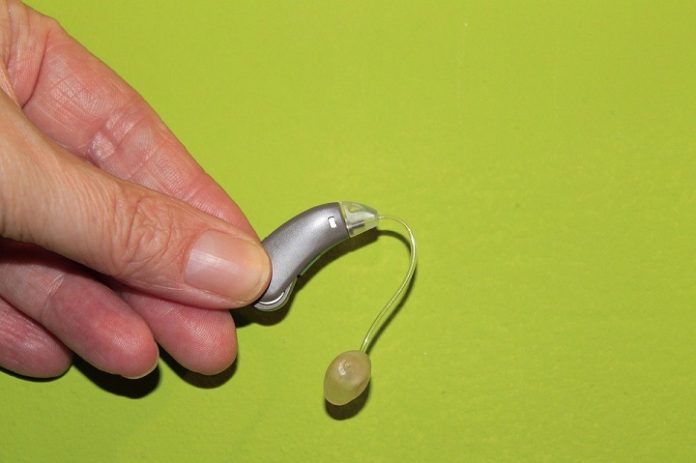
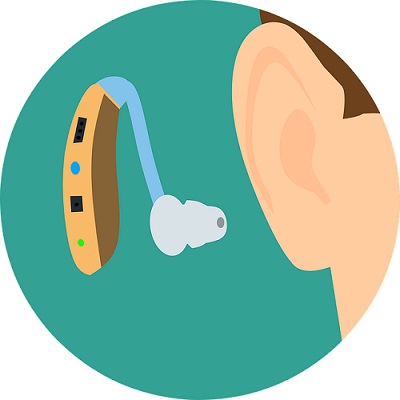
Hearing aids come in all shapes and sizes, and what works for one person may not work for another. That’s why it’s important to consult with a hearing specialist to find the right fit for you. When thinking about hearing aids, you’ll also need to decide if you want a behind-the-ear (BTE) device, which is larger and sits outside the ear, or an in-the-ear (ITE) device, which is smaller and fits inside the ear. For example, people with active lifestyles may prefer a BTE device because it’s less likely to fall out.

On the other hand, people who are concerned about their appearance may prefer an ITE device because it’s more discreet. There are also middle-of-the-road options, like in-the-canal (ITC) devices and completely-in-canal (CIC) devices.

2) They can help you hear better, but they won’t restore your hearing to normal

Hearing aids can amplify sound, which can make it easier for you to hear. However, they won’t make your hearing perfect. In some cases, you may still have trouble hearing even with a hearing aid. Additionally, hearing aids can sometimes make sounds seem louder or higher-pitched than they actually are.

Also, keep in mind that hearing aids can’t stop the progression of hearing loss. They may help you hear better in the short term, but eventually, you may need to get a new hearing aid or try another form of treatment.

3) They require some maintenance

Hearing aids need to be cleaned regularly and the batteries need to be changed frequently. Depending on the type of hearing aid you have, you may also need to have it professionally serviced from time to time. This can be a bit of a hassle, but it’s important to keep up with the maintenance in order to get the most out of your hearing aid.

For example, if you don’t clean your hearing aid regularly, earwax can build up and cause the device to stop working properly. Additionally, if you don’t change the batteries frequently enough, the hearing aid may not be as loud as it should be.

4) They can be expensive.

Hearing aids range in price from a few hundred dollars to several thousand dollars. Additionally, you may need to pay for professional services and repairs on top of the initial cost of the hearing aid.

If you’re concerned about the cost, there are a few ways to save money. Some insurance plans cover the cost of hearing aids, so be sure to check with your provider. Additionally, many organizations offer discounts for seniors and people with low incomes.

5) They come with a learning curve

Hearing aids can take some time to get used to. At first, you may find that everything sounds different, and it can be difficult to adjust to the new noise level. Additionally, you may have trouble understanding conversations if there’s a lot of background noise.

However, with time and practice, you should be able to get used to your hearing aid. There are also a few things you can do to make the adjustment period easier, like attending a hearing aid orientation or participating in counseling sessions.

6) There are other options

If you’re not ready for a hearing aid, there are other treatments that can help you cope with hearing loss. For example, you could try using a personal amplifier or learning sign language. Additionally, there are a few surgical options that can help restore hearing. For example, cochlear implants are a type of surgically implanted device that can help people with severe hearing loss. Additionally, there are a few types of hearing aids that don’t require surgery, like bone-anchored hearing aids.

There are many different types of hearing aids, and they all have their own unique benefits and drawbacks. It’s important to do your research before you decide which type of hearing aid is right for you. Additionally, be prepared for a bit of a learning curve when you start using your new hearing aid. With time and practice, however, you’ll be able to get used to the new device and hear better than ever before. Keep in mind that hearing aids won’t restore your hearing to normal, but they can make a big difference in your quality of life.

What Are the Health Benefits of Testosterone Supplements?

What Are the Health Benefits of Testosterone Supplements?

In the last 20 years, the number of people taking testosterone supplements has grown significantly. The goal of testosterone supplements is to increase the level of the hormone in the body. When you take testosterone supplements, you may notice changes in your mind, body, and sexuality.

Testosterone and Testosterone Levels

This hormone comes from the testicles in men and the ovaries and suprarenal glands in women. Testosterone is the hormone that helps men develop traits that are often associated with being masculine. Women have less testosterone than men do. Several things in our lives are affected by the hormone testosterone. Among these are:

  • Lean body mass
  • Bone density
  • Hair growth and its distribution
  • Libido
  • The health of a woman’s reproductive organs
  • Testicles and the development of a man’s penis

Because low testosterone levels can lead to a variety of illnesses, increasing this hormone can be extremely beneficial. The extent of these benefits is determined by the supplement used, and it varies across people.ย  The following are some of the advantages of testosterone supplements:

1.ย  Enhanced Mood

Low testosterone levels are linked to a lower quality of life. Depression, fatigue, and irritability are all symptoms of low testosterone levels. However, some researchers are of the opinion that this may only apply to men who have a low sex drive as men whose bodies naturally produce less testosterone as they age do not becomeย depressed.

The effects of testosterone supplements on mood vary. Men with low sex drive reported improved mood and overall well-being, less fatigue, and irritation. According to a study, these supplements could also be utilized as antidepressant medication.

2.ย  Muscle Gain and Fat Loss

Testosterone pills cause an increase in muscle mass. A fitter physique helps with weight management and increases energy. In guys, testosterone supplements remove extra fat while enhancing muscular strength. Many men reported an increase in lean body and muscleย mass as a result of these supplements. Weight lifting and exercise, along with testosterone supplements, are likely to produce the best outcomes.

3.ย  Stronger Bones

Testosterone has a substantial influence on bone density. As men age andย their testosterone levels decrease, so does their bone density. This can result in osteoporosis. Stronger bones benefit athletes by providing a stable foundation for their muscles and vital organs.

In medical studies, testosterone has been proven to increase bone density, particularly in the hip and spine. When taken in large amounts, the Testoprime testosterone booster aids those who wish to make their bones stronger. However, it is unknown whether testosterone can help reduce fracture risk.

4.ย  Improved Libido

Testosterone levels typically rise in response to sexual arousal and action. Men who have more testosterone are more sexually active. Older guys require higher testosterone for sex drive and sexual function. It should be noted, however, that low testosterone levels are not necessarily the cause of sexual dysfunction and other disorders, asย drugs could be the cause most times.

Testosterone pillsย may increase your performance and overall well-being, butย there is a point at which additional testosterone therapy offers no further improvement. If a man does not have hypogonadism, using testosterone supplements may not increase his libido.

5.ย  Improved Verbal Memory, Mathematical Reasoning, or Spatial Skills

Males with higherย testosterone levels haveย a decreased risk of acquiring Alzheimer’s disease. There is also evidence of a link between testosterone levels and cognitive abilities such as memory retention and faster processing speeds. In males aged 36 to 70, testosterone supplementation increasesย spatial memory.

6.ย  Heart and Blood Vessel Health

In stem cells, testosterone increases the production of red blood cells. Low testosterone levels have been linked to a number of cardiovascular problems. The question of testosterone supplements’ ability to aid heart disease has more often been asked. Some studies indicated that men with cardiovascular disease who utilized testosterone supplements had relatively minimal results. In contrast, others discovered that these hormone supplements only enlarged functional arteries and had no effect on symptoms linked with heart disease.

The effectiveness of testosterone supplements in the body is influenced by a number of factors, including age, overall health, and weight. It’s possible that using these supplements will help alleviate some of the uncomfortable side effects of low testosterone, like muscle soreness and weakness.

Supplements are ineffective in treating the underlying conditions of any sickness. The use of testosterone supplements can have a number of positive effects on a person’s body as well as their mental and sexual health, including the growth of muscle, an increase in strength, an increase in sexual drive, and an improvement in mood. These adjustments will, for the most part, bring about significant improvements, but there is a possibility that they will also have unintended negative effects. Talk to your primary care provider before taking any dietary supplement.

Optimizing Lung Cancer Radiation By Way of Deep Learning

Nearly half of all instances of radiation therapy (RT) for cancer target the most prevalent malignancy in the worldโ€”lung cancer. Even highly skilled doctors differ in their assessments of how much tissue to target with radiation during RT planning, which is a labor-intensive, manual procedure that can take days to weeks to complete.

Additionally, as cancer incidence rates rise, a global lack of radiation-oncology specialists and facilities is anticipated to worsen. Researchers and collaborators from Brigham and Women’s Hospital have created and affirmed a deep learning algorithm that can quickly recognise and demarcate or segment a non-small cell lung cancer (NSCLC) tumour on a computed tomography (CT) scan. This algorithm is part of Mass General Brigham’s Artificial Intelligence in Medicine Program. In addition, their study, which was published in the journal Lancet Digital Health, shows that radiation oncologists in simulated clinics who used the algorithm performed as well as doctors who did not use it while completing their tasks 65% more quickly.

The failure to research how to utilise AI to better human clinicians and vice versa, according to corresponding author Raymond Mak, MD, of the Brigham’s Department of Radiation Oncology, is the greatest translation gap in AI applications to medicine. They are researching how to create partnerships and collaborations between humans and artificial intelligence that improve patient outcomes. Better consistency in tumour segmentation and quicker treatment periods are two advantages of this method for patients. The benefits to clinicians include less tedious but challenging tech work, which can lessen burnout and enhance patient contact time.

To educate their model to recognise cancers from different tissues, the researchers analysed CT data from 787 patients. They used scans from more than 1,300 patients in increasingly external databases to test the algorithm’s performance. Radiation oncologists and data scientists worked closely together to develop and validate the system. For instance, the researchers reprogrammed the model with more of these images after noticing that the algorithm was wrongly segmenting CT scans, including lymph nodes. This improved the model’s performance.

Eight radiation oncologists were then asked to execute segmentation tasks, rate, and alter subareas created by either a different expert physician or the algorithm. Performance between human-AI partnerships and human-produced segmentations did not significantly differ. Unaware of which segmentation they were altering, physicians edited an AI-generated segmentation 65% faster and with 32% less variation than a human-produced segmentation. In this blinded investigation, they also gave segmentations created by AI a higher quality rating than those created by human experts.

In the future, the researchers intend to integrate their research with AI models they developed in the past that can recognise organs at risk of absorbing undesirable radioactivity during cancer treatment, such as the heart, and afterwards exclude them from radiotherapy. To make sure that AI collaborations benefit clinical practise rather than hurt it, researchers are continuing to examine how doctors interact with AI. They are also creating a separate, unbiased segmentation method that can validate both segmentations created by humans and AI. PhD, of the Department of Radiation Oncology, Hugo Aerts, who is a co-author, said that this study introduces a fresh evaluation technique for AI models that stresses the value of human-AI teamwork. Because in silico examinations can produce different outcomes from clinical evaluations, this is very important. This strategy could help clear the path for clinical deployment.

Translate ยป