








Close
Digital Health & Ai Innovation summit 2026
Medical Taiwan 2026

Swift Medical Launches the World’s First All-in-One Hyperspectral Imaging Device to Make Healthcare More Accessible

Swift Medical Launches the World's First All-in-One Hyperspectral Imaging Device to Make Healthcare More Accessible

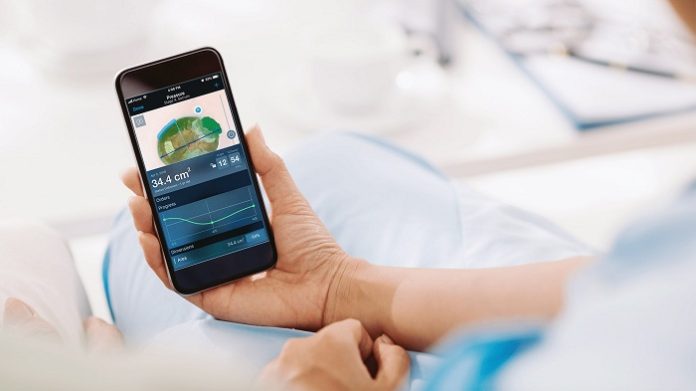
Swift Medical, the global leader in digital wound care technology, unveiled the Swift Ray 1, a groundbreaking hardware device that wirelessly attaches to a smartphone camera and captures comprehensive clinical data to better support assessment, treatment and monitoring of skin and wound conditions. The Swift Ray 1 fits in the palm of a clinician or patient’s hand, making powerful medical imaging accessible anywhere, from the hospital to the home. Further, this advanced imaging enables the capture of accurate clinical data for every patient, regardless of skin tone, making wound care more equitable for everyone.

“The future of wound care goes beyond what the naked eye can perceive and beyond the walls of the clinic, which is why our dream has always been to equalize and improve healthcare access for humanity through intelligent diagnostics,” said Carlo Perez, co-founder and CEO of Swift Medical. “The Swift Ray 1 gets us one step closer by helping clinicians and patients see below the surface of the skin, to heal wounds faster or prevent them from ever even developing.”

The Swift Ray 1 captures and analyzes important physiological characteristics of wounds that can indicate causes for concern and/or improper healing, such as signs of infection, bacterial colonization, tissue compromise, perfusion, inflammation and blood oxygen levels. The new device illuminates these invisible, beneath-the-skin characteristics through long-wave infrared, near infrared, ultraviolet and enhanced RGB imaging technology – enabling powerful clinical workflows.

The Swift Ray 1 works seamlessly with Swift Medical’s proprietary wound management software application and provides clinicians with unparalleled insights into a patient’s wound healing, informing clinical and operational decision-making. It also integrates directly into many of the leading EHRs to help clinicians both improve clinical efficiency and ensure that all relevant medical information is recorded in the patient’s chart.

“The technology can fit in your pocket. That means it can go anywhere a doctor or nurse goes. It means it’s on them, whenever they need it, wherever their patients are,” said Mike Comer, Chief Executive Officer and Founder at Wound Care Advantage. “There’s no forgetting it on the shelf or fumbling around with wires and clunky imaging devices. You just take it from your pocket and snap a photo. It really does make wound care accessible anywhere.”

Chronic wounds are one of the biggest public health challenges worldwide, and are often associated with other prevalent chronic conditions, such as diabetes and hypertension. More than 8.2 million patients are currently suffering from chronic wounds in North America. As rates of obesity, diabetes and other chronic conditions continue to skyrocket, the number of patients at risk of developing wounds will continue to rise.

The challenges of providing wound care are exacerbated by the reality that high quality care traditionally requires highly trained clinicians using multiple pieces of bulky, expensive equipment in an institutional setting. Conversely, the Swift Ray 1 allows any clinician to capture and share images at any bedside, enabling healthcare organizations to provide more accessible, efficient and preventive care.

The Swift Ray 1 supports a variety of use cases, including early detection of deep tissue injuries and prevention of pressure injuries; identification of wound infections and inhibited wound healing; and remote physiological monitoring of chronic wound patients in the home. The Swift Ray 1 is also ideal for pharmaceutical companies and clinical research organizations engaged in clinical trials.

Swift Medical unveiled the Swift Ray 1 at its keynote event on February 25, broadcasted live from the TIFF Bell Lightbox in Toronto.

About Swift Medical
Swift Medical is the global leader in digital wound care. Our mission is to make empathy driven wound care ubiquitous through AI-powered diagnostic technology. We are the trusted wound technology partner of more than 4,100 healthcare facilities in North America across the continuum of care. Our solutions empower healthcare providers to deliver standardized, accessible and equitable wound care for every patient – with advanced, high-precision imaging, compliant documentation, clinical analytics and remote care.
Redox and Spire Health partner to connect respiratory RPM to US health systems

Biofourmis Selected by Vanderbilt University Medical Center for CAR T-Cell Therapy Study Utilizing Tech-Enabled Remote Patient Monitoring

Redox, the company driving interoperability in healthcare, has announced a partnership with Spire Health, the leading digital healthcare company for respiratory remote patient monitoring (RPM). Together, Spire Health and Redox will integrate RPM data into health system electronic medical records (EMRs) to improve both billing and clinical effectiveness. As a result, providers can now visualize Spire patient data directly in their EMR allowing respiratory RPM to function as a seamless extension of their organization.

According to the American Lung Association (ALA), there are more than 24 million American adults living with chronic obstructive pulmonary disease (COPD) and other health issues related to respiratory function. There is no treatment for COPD, and this progressive disease can result in frequent hospital admissions due to common aggravations. Spire Health’s platform offers providers a way to see early changes in patient condition so they can proactively intervene to prevent hospitalization.

“As Spire continues to expand our customer base and patient numbers across the US, the invaluable data our sensors capture is increasingly driving decision making in pulmonary practices,” said Phil Golz, VP of Commercial, Spire Health. “It is important that this rich clinical data is easily accessible to healthcare providers so that they can better understand their patients’ health and make timely decisions to improve outcomes. Partnering with Redox means that we can make Spire data available to almost every pulmonary physician through the patient’s chart, which is a huge step forward and a milestone in our company history.”

“Since respiratory illness has come to the forefront over the past couple years, it’s become more of an imperative that patients have access to the best solutions for managed respiratory care,” explains Redox Director of Product Brandon Gardner. “Spire Health and Redox streamline the flow of key clinical, financial, and administrative information between patients, technology, and providers. This integration ensures that pulmonologists can offer RPM without adding any extra burden or time to their busy staff.”

Rocket VR Health Partners with Massachusetts General Hospital to Co-Develop VR Digital Therapeutic for Stem Cell Patients

Rocket VR Health Partners with Massachusetts General Hospital to Co-Develop VR Digital Therapeutic for Stem Cell Patients

Rocket VR Health an emerging digital therapeutics company developing clinically validated virtual reality therapies that enhance the quality of life of cancer patients, their families and their caregivers is pleased to announce a research agreement with Massachusetts General Hospital (“MGH”).

Rocket VR Health’s platform transports patients from their hospital room to breathtaking nature environments where patients receive CBT, ACT and Mindfulness therapies.

Under the terms of the agreement Rocket VR Health will leverage its virtual reality therapy platform to co-develop a VR digital therapeutic solution based on population-specific well-researched care interventions created by Massachusetts General Hospital. This Digital Therapeutic Solution is intended to help with distress management in blood cancer patients undergoing hematopoietic stem cell transplantation (HCT) in an in-clinic setting. HCT can be used to treat certain types of cancer, such as leukemia, myeloma, and lymphoma, and other blood and immune system diseases that affect the bone marrow.

Sid Desai, Co-Founder and CEO commented: “This research partnership is instrumental to our company’s development and we are thrilled to be collaborating on innovative research with leading oncologists at one of the top research hospitals in the world.”

The research will study the effects of daily Virtual Reality Therapy’s effect on patients during their entire hospital stay. The average hospital length of stay for patients with hematologic malignancies who undergo HCT is approximately 28 days. During this intense hospitalization period, patients can’t leave their rooms as their immune system is weakened while their bone marrow is re-generated. As a result, with no contact with the outside world, these patients endure significant short-term and long-term distress that affects their quality of life (QOL) and their physical and psychological well-being – both in the near term and long-term.

The treatment being developed consists of 7 modules integrating psychoeducation, therapy and relaxation exercises offered over a 4-week period in beautiful virtual reality (VR) environments designed to be self-administered by patients while they are in their transplant rooms after an initial assistance and on-boarding help from a nurse or other healthcare professional. The immersive environments, imagery, sounds and music included in the Rocket VR Health platform allow patients to access the outside world virtually while being confined to their hospital room.

About the company

Rocket VR Health is a healthcare technology company that is developing evidence-based virtual reality therapies that enhance the quality of life of cancer patients, their families and their caregivers. With the company’s platform cancer centers can provide mental health support at scale and offer virtual therapy to patients whether they are in the hospital or at home. Rocket VR Health digital interventions take clinically validated treatment modalities and transform them into fully-immersive virtual treatments that make psychosocial care for cancer more effective, accessible, and data-driven.

About the Massachusetts General Hospital
Massachusetts General Hospital, founded in 1811, is the original and largest teaching hospital of Harvard Medical School. The Mass General Research Institute conducts the largest hospital-based research program in the nation, with annual research operations of more than $1 billion and comprises more than 9,500 researchers working across more than 30 institutes, centers and departments. In August 2021, Mass General was named #5 in the U.S. News & World Report list of “America’s Best Hospitals.”

Serious Mistakes to Avoid When Involved in a Car Accident

Serious Mistakes to Avoid When Involved in a Car Accident

If you are ever involved in a car accident, it is important to remember to avoid making any serious mistakes. These mistakes could potentially lead to further injuries or even criminal charges. In this article, you will learn about some of the most common and serious mistakes that people make following a car accident.

Delaying Medical Care

Accidents happen all over the state of Georgia, and as soon as you’ve been in a crash, you have to get your injuries treated to make sure everything’s okay, and so that the doctors can see the full-scale damage to your body. According to the advice from this Atlanta based car accident lawyer, documenting your fresh injuries as soon as possible is key to getting the full value of your claim. This means you’re having a win-win situation if you go to the hospital right away.

Make sure to never delay going to the hospital after a car accident. Many people make the mistake of thinking that they don’t have any serious injuries, and as a result, they delay going to the hospital. This is often a costly mistake, as many injuries sustained in car accidents do not show symptoms until later on. By delaying medical care, you could end up making your injuries worse and increasing the amount of time it takes for you to recover.

Car accident injuries can often have long-lasting effects, so visiting the hospital right after is your best call. Otherwise, you’re at the risk of having permanent consequences.

Throwing Away The Medical Bills

There are tons of hospital bills and other medical bills that will come after a car accident. It is important to keep every single one of these bills. Some people make the mistake of throwing them away thinking that their insurance will cover it all. Insurance does not always cover everything and you might need those bills to show what treatments were received.

The medical bills you will get during your visits to the hospital are the following:

  • Your ambulance ride
  • Any x-rays or scans performed
  • Your emergency room visit
  • Your inpatient stay
  • Your outpatient visits
  • Rehabilitation and physical therapy bills
  • Prescription medications
  • Over the counter medications related to your accident

Throwing away the medical bills is a serious mistake to avoid when involved in a car accident. You should also make a copy of the invoices and keep them in a safe place. If you have any questions about your insurance coverage, contact your insurance company. They will be able to help you understand what is covered and what is not. Having all of these bills can also help if you need to go to court because of the accident.

Not Cooperating

You need to notify the authorities if you are in a car accident, even if it seems minor. Many people make the mistake of not cooperating with the police and end up getting into more trouble. You may think that notifying the authorities will only make the situation worse, but this is not always true. If you do not cooperate, you could be charged with a crime or ticketed for violating traffic laws. It is best to let the professionals handle the situation and cooperate with their requests. Remember, your safety and well-being are a top priority.

Be truthful and honest with the police. If you are not sure about something, ask for clarification. Do not try to guess or lie about what happened. Lying to the police can lead to more problems and could even land you in jail. The truth will come out eventually, so it is best, to tell the truth from the beginning.

Follow the instructions of the police officer. If you are asked to remain at the scene, do not leave until instructed to do so by the officer. If you are asked to go to a particular location for questioning, go there as quickly as possible. Do not get into an argument with the officer or refuse their requests. Remember, they are just doing their job and trying to keep everyone safe.

Not Getting The Official Report

If this goes to court, you’ll need a copy of the accident report. You’re not going to be able to get very far without it. Make sure you get a copy of the official report as soon as possible after the accident.

This is definitely one of the most serious mistakes that you can make when involved in a car accident. If you don’t have an official report, it’s going to be very difficult to prove what happened during the accident and who was at fault. This could end up costing you a lot of time and money in court if it goes to trial. Make sure you get a copy of the official report as soon as possible after the accident so that you have all the information you need to protect yourself and your case.​

Ignoring The Scene Of The Accident

You have to document the scene of the accident if you want to have a chance of winning in court. If you leave the scene, you’re compromising your case and could wind up with a lesser settlement or no settlement at all.

Take pictures of the damage to both cars, as well as any injuries that resulted from the accident. Get witness contact information, and write down everything you can remember about what happened. The more evidence you have, the better your chances are of getting compensated for your losses.

Doing Everything On Your Own

Never dive into these things without a legal advisor as they’re your best chance to get compensated for the damages you deserve. You may think you’re doing everything right, but without the insight of a professional, you could be making some serious mistakes.

When it comes to car accidents, there are plenty of things that can go wrong if you’re not careful. Here are three big ones to avoid like trying to handle negotiations with the insurance company on your own or signing any documents without reading them carefully first. Many people also agree to a settlement before you know all the facts about their case.

A lawyer will know how much you can get out of your situation and how to properly file a case. Trying to go it alone can lead to frustration and a lot less money in your pocket.

Being in a car accident is a dangerous and scary thing and delaying medical care is a huge mistake, along with throwing away medical bills. You have to cooperate with authorities, as well as be truthful in court, and always get a copy of the police report. Never ignore the scene of the accident since it can very much help your case, and make sure that you hire a lawyer who will guide you through the process. This will get you compensated in no time!

Revolutionary Lung Cancer Drug Sotorasib Launched By NHS

The head of the NHS revealed today that a breakthrough targeted medication treating lung cancer would be made accessible to anybody who qualifies, owing to a new drug deal. Sotorasib is a drug that targets a genetic abnormality known as the “death star” by doctors and scientists. It has been shown in clinical studies to stop lung cancer from spreading for seven months. Because of an early access arrangement with the manufacturer, NHS patients in England were the first in Europe to receive the medicine in September last year.

Approximately 100 people have already benefited from the procedure.The NHS chief executive, Amanda Pritchard, announced the new contract, saying it would assist even more patients, including 600 people qualifying for the “cutting edge” treatment each year. The lethal ‘death star’ mutant of the KRAS gene, so named for its spherical form and impenetrable nature, affects about one out of every eight lung cancer patients.

This new medicine has been in development for more than 40 years, and it is the latest deal the NHS has made as part of its promise to make more cutting-edge treatments available. The medicine, which may be given at home to enhance the user experience for patients, might also be a game-changer in the management of some of the world’s worst malignancies, such as pancreatic and colorectal tumours.

It’s also intended to provide a longer and better life than traditional chemotherapy, with fewer side effects and a higher quality of life for patients. It is an excellent news for thousands of patients and families because they will now be able to obtain this first-of-its-kind treatment thanks to another arrangement secured by the NHS, says Amanda Pritchard, NHS chief executive. From life-changing pharmaceuticals for cystic fibrosis to breakthrough cures for sickle cell disease, this is the latest in a line of deals they have reached to provide patients with the most cutting-edge cures at a reasonable cost for taxpayers. She adds that the NHS is committed to safeguarding many lives from cancer through early identification and treatment, and cancer has been emphasised throughout the outbreak, so anyone with symptoms or concerns should come forward and get examined as soon as possible.

It’s extremely interesting to see this ground-breaking medication coming into use after 40 years of study on this crucial goal, to directly help patients with lung cancer who carry this specific mutation, says Peter Johnson, NHS clinical director for cancer. As per him, the NHS is devoted to helping more lives from cancer through better diagnosis and treatment, with molecular testing with its genomics programme becoming extremely relevant for choosing the best treatment options, and this deal will make this drug readily available for patients who need it the most.

As part of the national war against cancer, they are dedicated to accelerating detection times and delivering innovative treatments, says Sajid Javid, Health and Social Care Secretary. This includes ground-breaking medicines like Sotorasib, which is the culmination of decades of research and is backed by the Cancer Drugs Fund, and will allow scores of more lung cancer patients in England to receive the care they require.

This historic agreement will go on to strengthen the NHS and assist them in making the UK’s cancer care system the finest in Europe. The NHS struck a deal, and the medicine will now be available under the Cancer Drugs Fund (CDF). This ground-breaking medication inhibits cell proliferation and cancer progression by attaching to the KRAS G12C mutation and leaving it inactive.Patients can take Sotorasib as a tablet at home, making it easier than ever to get the help they need and eliminating the necessity of inpatient hospital visits.

Lung cancer is the third most common cancer in the UK, with around 50,000 individuals diagnosed each year. This medication will primarily be used as a second-line treatment for patients with severe lung cancer and those who have had their illness progress following chemotherapy. Following a confidential deal with manufacturer Amgen that allowed the drug to enter the CDF, the NHS is now able to fast-track Sotorasib to its patients on a budget-neutral basis. Around 1,200 eligible patients are likely to benefit from therapy in the next two years.

The agreement lets patients get the new medicine while more information about its clinical and economic benefits is gathered. This will help the National Institute of Health and Clinical Excellence (NICE) decide if it should be used on a regular basis in the NHS.Over 75,000 patients have benefited from speedier accessibility to over 90 different cancer treatments thanks to the CDF in just over five years. Building on the CDF’s success, the NHS will establish a new Novel Medicines Fund later this year, which will assist faster access to non-cancer treatments and offer a total of £680 million in ringfenced healthcare spending for innovative medicines, alongside the CDF. The Innovative Medicines Fund consultation ended in February, with 96 percent of respondents supporting the new fund’s goals.

Sotorasib provides a new therapy option for eligible patients whose lung cancer is found to contain the KRAS G12C mutation, states Executive Medical Director at Amgen UK and Ireland, Dr. Tony Patrikios. Well over half of NSCLC patients had advanced or metastatic disease just at time of diagnosis, and the prognosis remained dismal across the UK. Amgen is happy with its partnership with NHS England as well as NICE to ensure that people with NSCLC who could benefit from Sotorasib can get treatment as soon as possible.

This is the latest in a series of commercial agreements reached by the NHS in the last year, securing innovative treatments for patients with a variety of conditions, including an at-home treatment for spinal muscular atrophy, a life-saving gene therapy for metachromatic leukodystrophy, and groundbreaking care for thousands of children with peanut allergies, as well as better access to the “miracle” triple therapy for cystic fibrosis.

Conversational AI in Healthcare: The Chatbot Will See You Now

Conversational AI in Healthcare: The Chatbot Will See You Now

Telehealth, chatbots, voicebots, and other personification technologies are center stage these days, particularly in healthcare. Across the entire business and social landscape, many applications are looking to take full advantage of conversational AI capabilities, such as virtual healthcare assistance, e-commerce AI-powered bots, and virtual tutors in the educational sector. With the digital changes stemming from the current COVID-19 pandemic, touchless applications in the travel and hospitality industry can also expect to see a significant increase in popularity.

The downside to chatbots and voicebots? In healthcare in particular, it is common for patients to prefer human-to-human interaction, instead of human-to-machine interaction. A quick look at the technology helps explain the limitation.

Conversational AI is essentially a set of automated technologies used to present understandable interactions between humans and computers. This is done by identifying the Intent and Entities of each sentence to guide the machines in understanding the human language, also known as Natural Language Processing (NLP). The gathered information is then processed with other contextual information to finalize the exact meaning, also known as Natural Language Understanding (NLU).

Combining NLP and NLU allows the computing system to create the most appropriate response – such as automated text or speech. If the response is generated with human-like language, instead of a hard-coded one, then it is referred to as Natural Language Generator (NLG). The combination of all three makes up the workings of conversational AI, even though in today’s world, most conversational AI systems only utilize the help of NLP and NLU.

And therein lies the issue. The absence of a Natural Language Generator means there could be a strong lack of humanity in this interaction between patient and caregiver. With the technology requiring high levels of computation power, there is the possibility of failure when it comes to assessing complex sentences. This can leave the system seeming apathetic to human feelings, possibly causing a hurdle in the adoption and taking up more processing time than originally assumed.

Does the upside outweigh the “human touch” issue? Is there so much promise, and is automation so pervasive already, that it won’t be a daunting issue? I believe there is cause for hope.

Healthcare has never shied away from technology, albeit that some recent improvements can be hit-and-miss – electronic health records are only as useful as the data that has been input, for example. However, there is a consensus among providers and medical professionals that the industry is willing to accept some disruption if it has a positive impact on the overall patient experience.

In terms of technology with the power to both disrupt and improve the way that people engage with digital health, an argument can be made that conversational AI can be the missing link. After all, if your “smart speaker” (Alexa, Siri, et.al.) can answer questions about the weather, start your car in the morning and tell jokes, then there is no reason why virtual assistants can’t provide you with the medical advice that you need, when you need it.

The Chatbot will See You Now

According to the World Economic Forum, virtual assistants – and, by association, chatbots – are not only being used in a diverse set of industries (healthcare, education, retail, tourism, and more), but also offer opportunities for companies to integrate NLP into routine or mundane activities. For instance, Amazon’s Alexa is the chatbot that the average person associates with the tech, but the key element in every interaction is the ability of NLP to understand what it is being asked and respond with the appropriate information.

Admittedly, building the chatbot is the easy part. Often, it is the conversational aspect that throws a digital wrench into the works. When you are talking to a finance bot or trying to return a pair of shoes, the stilted nature of these exchanges is rarely an issue. In a sector such as healthcare, it is the conversation and the information that is being dispensed that is a key part of how comfortable an end user is with knowing that they are not engaged with a human being.

In rural parts of the world, the use of so-called healthbots has already helped alleviate some of the pressure on localized health providers. It is ironic that the rest of the world may in fact embrace a trend that started –of necessity—in an underserved area.

Part of the challenge may also be one of perception: Conversational AI and chatbots are not new per se, but their acceptance can be impacted by falling under a too-broad definition of what they actually are. Simply put, a “chatbot” is AI software that simulates human conversation with end users – this can be text or voice – with the aim being to leverage machine learning algorithms and NLP to deliver required outcomes.

The healthcare sector has been experimenting with these solutions for some time, with Mobile Health News reporting in May 2020 that a leading healthcare provider was integrating bots into its Emergency Department EHR system. More recently, the World Health Organization launched a women’s health chatbot dedicated to breast cancer messaging – for context, this new digital experience follows hot on the heels of bots that delivered information on COVID-19, mental health and smoking cessation.

So, the bots are already here, but the question that we need to address is how we can use conversational AI and/or chatbots in addressing not only patient concerns but also alleviate the worry or concerns that a person has. Additionally, we should consider both the challenges to overcome and the advantages of using virtual assistants to deliver care and wellness.

An unbiased chatbot or conversational AI may be able to address awkward or pertinent questions in real-time, offering medically appropriate opinions and advice. With so many people having access to the ubiquitous computer in our pockets, the opportunities for engagement are essentially unlimited.

We all interact with digital experiences every day of our lives, so it makes perfect sense that the technologies we often use without thinking should be mirrored in the healthcare sector. And while the industry still relies far too much on legacy technology (disparate IT systems, pagers instead of wearables), the integration of digital health solutions is picking up pace.

These tools are here to stay and there is a defined need for them to become not only part of the digital health landscape but also a familiar resource for people to turn to. The effective use of chatbots to provide the right medical or clinical information at the right time is not a futuristic concept, these solutions are here now. What matters is how healthcare and life sciences companies choose to use them.

Over the last decade, the continued evolution of digital healthcare and the impact that next-generation technology will have on patient wellness and diagnostic outcomes has been a recurring conversation. Providers have been looking to make the most of the tech-centric tools that are increasingly available, while those in need of care or the right advice at the right time now expect the medical sector to be investing in digital solutions to physical problems.

The integration of tech into public health and wellness is nothing new, but the demands of the connected society has only raised awareness of what is possible, as well as flagged up the opportunities for engagement in the digital space. For more information click here: https://www.infostretch.com/

Anxiety- Depression Rise 25 Percent Due To COVID-19 Pandemic

Performance Anxiety and How to Deal with It

As per a scientific brief released by the World Health Organization (WHO), the global prevalence of anxiety and sadness soared by a staggering 25% during the first year of the pandemic. The brief also discusses who has been most affected by the outbreak and outlines the impact of the virus on the provision of mental health treatments, as well as how this has changed over time.

Although 90 percent of countries surveyed previously incorporated mental health and psychosocial assistance into their COVID-19 response plans, significant gaps and concerns remain.What is known about COVID-19’s impact on global mental health is merely the tip of the iceberg, says WHO Director-General Dr Tedros Adhanom Ghebreyesus. Further, he says that this should serve as a wake-up call to all nations to give more attention to psychological health and do a greater job of raising the mental health of their communities.

Multiple sources of stress

One key reason for the surge is the tremendous stress brought on by the pandemic’s social isolation. Constraints on people’s ability to work, look for support from loved ones, and participate in their communities were all linked to this. Isolation, dread of infection, pain and death for oneself or loved ones, sadness following bereavement, and financial problems have all been identified as factors that contribute to anxiety and depression. Exhaustion has been identified as a primary factor in suicide ideation among healthcare professionals.

Young people and women are the hardest hit

The brief, which is based on a thorough evaluation of previous evidence about COVID-19’s impact on mental health and its services and includes estimates from the most recent Global Burden of Disease study, demonstrates that the pandemic has harmed young people’s mental health and that they are potentially at risk of suicidal and self-harming behaviour. It also suggests that women have been hit harder than males, and that people who have pre-existing physical health illnesses like asthma, cancer, or heart disease are more likely to experience mental health symptoms.

People with pre-existing mental disorders don’t really appear to be particularly sensitive to COVID-19 infection, according to the data . When such people do become contaminated, they are much more likely to be hospitalised, suffer from severe illness, and die than people who do not have mental illnesses. People with serious mental illnesses, like psychoses, and young people with mental illnesses are especially vulnerable.

Care inconsistencies

This rise in mental health issues has corresponded with substantial interruptions in mental health services, creating large gaps in care for people who need it the most. Mental, neurological, and drug use disorder services were the most disturbed across all critical health care services recorded by WHO Member States during much of the pandemic. Several nations also reported significant disruptions in life-saving mental health services, particularly suicide prevention.

Although the situation had improved by the end of 2021, far too many people were still unable to receive the care and assistance they needed for both pre-existing and newly developed mental health issues. Due to a lack of access to face-to-face healthcare, many people have turned to the internet for help, highlighting the critical need for dependable and effective digital solutions to be widely accessible. However, in resource-constrained countries and situations, designing and delivering digital solutions remains a major issue.

Action by WHO and countries

Since the beginning of the epidemic, WHO and allies have worked to produce and disseminate materials in a variety of dialects and forms to assist various populations in coping with and responding to COVID-19’s mental health effects. WHO, for example, published “My Hero is You,” a tale book for children aged 6 to 11, which is now accessible in 142 dialects and 61 multimedia versions, as well as a toolkit for assisting older individuals in 16 languages.

At the same time, the organisation has led an interagency mental health and psychosocial response to the pandemic in collaboration with partners such as other United Nations agencies, international non-governmental groups, and the Red Cross and Red Crescent Societies. WHO has sought to encourage the inclusion of mental health and psychosocial assistance across and within all parts of the global response during the pandemic.

The effect of COVID-19 on mental health has been acknowledged by WHO Member States, and they are taking action. According to the World Health Organization’s most recent pulse study on the continuity of essential health services, 90% of countries are trying to continue providing mental health and psychosocial assistance to COVID-19 patients and responders. Furthermore, governments stressed the importance of developing and enhancing mental health and psychosocial support services as part of increasing preparedness, response, and resistance to COVID-19 and future public health emergencies during last year’s World Health Assembly. They approved the amended Integrated Mental Health Action Plan 20132030 that contains a psychological health and individual counselling indicator in the event of a public health emergency.

Increase your investment

This dedication to mental health, however, must be backed by an increase in global funding. Regrettably, the situation highlights a long-standing global dearth of mental health support that persists today. According to the World Health Organization’s latest Mental Health Atlas, governments worldwide invested little over 2% of their health spending on mental health in 2020, and several low-income nations reported having fewer than one mental health worker for every 100,000 people.

While the epidemic has created attention and worry for mental health, it has also exposed historic under-investment in mental health care, says Dévora Kestel, Director of WHO’s Department of Mental Health and Substance Use. He further says that countries must move quickly to ensure that everyone has access to mental health care.

How Can Public Healthcare’s Siloed Data Systems Be Fixed?

How Can Public Healthcare's Siloed Data Systems Be Fixed?

The ongoing COVID-19 pandemic has wreaked havoc on the healthcare system and brought the concerns of public health data systems into the spotlight. One of the bigger ones is that of silos, where data is confined to a proprietary system and inaccessible to others.

That system might be a laboratory, hospital or pharmacy. It might even be a smartphone or other device. The point is, it leads to inefficiency. Healthcare providers are too often unable to operate with a complete set of data, making it difficult to deliver the best possible care, and ensure optimal outcomes.

Moreover, these silos create roadblocks for researchers hoping to make their data useful to the general population. The inability to attain up-to-date information can slow down the development of new treatments and findings that can lead to potential cures or, in the case of the coronavirus, vaccines.

Andrew Goldberg, COO of HealthVerity, a company that develops cloud-based software platforms, said at a recent panel discussion that U.S. healthcare data is “incredibly fragmented,” noting that a family doctor has access to electronic health records (EHRs), while an insurance company has other information. The goal, as a result, is data interoperability. Put simply, systems need to be able to communicate with one another.

As Goldberg put it:

“So in this world where we’re trying to bring together data really quickly for a really important purpose, the COVID vaccine, you have to know where to go. You have to know how to bring it together. You have to make sure that the data you put together actually belongs to the same person, because you’re doing it on a disidentified basis, and you need really sophisticated technology to do that.”

Data silo issues are not unique to the healthcare industry; silos are also prevalent at most corporate IT departments. But they can have negative consequences for patients and providers alike. Dozens of applications exist within healthcare facilities like hospitals, and urgent care clinics, ambulatory surgery centers, and medical offices. With so many IT teams within an organization, sometimes IT professionals are unaware of an application until it fails. Siloed data creates barriers to data sharing and collaboration across departments.

Data silos add complexity, even confusion, in healthcare IT departments, because each silo must be maintained separately, and each array of information has unused space that cannot be combined for the benefit of the organization. Multiple arrays also add to the difficulty of developing data protection and can create administrative nightmares.

According to the tech company, Talend, there are four common ways that data silos pose barriers to success:

  • Data silos limit the view of information. Because silos prevent data from being shared, each department’s analysis is limited by its own view. Without an enterprise-wide examination of data, organizations can’t discover inefficiencies or opportunities for cost savings.

  • Data silos threaten data accuracy. Siloed data is usually stored in different databases, leading to inconsistencies between departmental data. For example, if medical data for the same patient is stored in different systems, this information can become less accurate over time.

  • Data silos waste time and resources. With information stored in different places, users download data into their own personal or group storage, but streamlining data into one source frees up storage space and relieves stress on IT teams.

  • Data silos discourage collaboration. In order to create a truly collaborative workforce, departments need a transparent way to share data.

The pandemic has exposed these outdated technologies—including manual data entry and faxed forms—that make it almost impossible to accurately track current and suspected cases of COVID-19 and other diseases. Yet the infrastructure is there; it just needs to be activated. Most healthcare providers are using EHRs as well as remote care and telehealth. Taking advantage of these technologies, public health officials have the ability to conduct symptom surveillance using machine learning and artificial intelligence (AI) to interpret physician notes. Early detection allows quarantining and contact tracing to begin earlier, as well as help to guide customized treatment paths for specific patients.

Additionally, telehealth has been a game-changer in the delivery of care to patients who cannot or prefer not to schedule in-person appointments, as well as patients in remote areas. A healthcare system overhaul that offers new policies that pay for telehealth services regardless of geography has been instrumental in a dramatic uptick in virtual care during the pandemic.

Employers and providers have also been willing to engage in new ways. The Allure Group, a network of six New York City-based skilled nursing facilities, has partnered with Vis a Vis Health on a technology that improves transitional care. Discharged patients are provided with hand-held devices that make it possible to track vital signs, while also enabling two-way communication with healthcare professionals.

Clearly, as more and more medical data is generated, there is a need for information to be shared across platforms and within healthcare systems, including the CDC. Since this data is highly sensitive, security is a key concern and one that must be addressed by government agencies through policymaking that protects patients’ privacy while taking advantage of advanced technology capabilities.

Taking action now to shape the next decade of care

The COVID-19 pandemic condensed and challenged the bench to bedside continuum. It created an accelerated timeline for clinicians, exposing the challenges of driving fast and hard in a dynamic healthcare environment, albeit out of pure necessity. The environment that we’re in has shown it isn’t realistic, nor best practice, to continue relying on each individual’s ability to stay current with quickly evolving medical knowledge whilst also remembering to apply it to the right patient. So, what actions can we take to ensure healthcare delivery is future-proof?

As clinicians, we are usually trained on established processes, but these should not dictate how we continue to operate moving forward. Digital healthcare innovation has often been limited to the initial phase of digitisation where a process that was traditionally paper-based has been simply moved onto a screen. Whilst this change has been necessary it is not sufficient, and ultimately, the clinical processes and data at the point-of-care remain the same, just in a different digital format.

We need to address three key challenges regarding digital transformation within the current healthcare system, and by doing so, we will better support the future workforce and improve the outcomes of patients. As we look to tackle these issues, we should endeavour to step back, view the broader picture and create new ways of working that reflect the challenges we’ll face in the future, rather than trying to optimise the approaches we already have.

Redefining the digital ecosystem to support clinicians

The digital ecosystem for health has been evolving at an ever-accelerating pace in recent years. By evaluating the state of current processes and assessing how they support current care delivery, as well as the clinician’s complex clinical decision making, there is great potential to redefine it altogether.

The assumption has been that electrical medical records (EMR) are the cornerstone digital system for healthcare, and they have delivered several key benefits since implementation. Not only is it a medical data repository, the EMR has also supported the transaction and delivery of medical services, vastly improving the efficiency and reliability of order processing. However, what is not factored into the EMR is an explicit design to optimise and support the clinician’s cognitive work, which is to accumulate and process knowledge against patient data to assess, diagnose, and formulate treatment plans. The learnings from the COVID-19 pandemic should inspire us to step back and envision a more ideal digital system to support knowledge-driven care, and not be constrained by the current status quo. We should aspire to apply a digital system that will support our intellectual reasoning and complex clinical decision making, to help provide the best possible experience for patients.

Adopting suitable digital solutions to help negate clinician burnout

There is also no hiding from the fact that one of the biggest and growing challenges the workforce has faced in recent years is the issue around fatigue and burnout, with large numbers of clinicians considering leaving the profession. A survey of UK doctors conducted by the British Medical Association found 21% are more likely to leave the NHS for another career, following exhaustion from the pandemic.1 The experience of many clinicians so far is that adopting an EMR has contributed to stress and burnout, so when we look to adopt new technologies and processes, we must always take an approach that prioritises the needs of clinicians and helps reduce this burden. All future technology and changes will need to strive towards human-centred design, to not further the stress and burnout for clinicians. By doing so, we can minimise the day-to-day system pressures and help build an environment that better supports clinicians to work more effectively. This will, in turn, further improve clinical decision-making and ultimately aid in the delivery of the best possible care for patients.

Future clinicians will need the support of a clinical knowledge platform that integrates the ever-growing body of heuristic knowledge with clinical decision support capabilities, to assist in their delivery of patient assessment, diagnosis, and treatment. Having a system that brings together up-to-date medical knowledge and appropriate decision trees as part of routine practice would not only improve our care offering but lessen the stresses on the workforce and thus reduce burnout.

Delivering empathy outside traditional clinical settings

A key challenge during the peak of the pandemic was moving away from in-person consultations in traditional settings, as wards were reserved for COVID patients. But as we start to revert to ‘normality’, a greater focus on remote care looks set to remain. So we must ask ourselves, “Is virtual care realistic and effective beyond the pandemic?” Importantly, we must remember that empathy has a very real therapeutic value. It’s a visceral and intangible experience that does not always require words, but something as simple as the presence of the clinician or even a reassuring hand on the shoulder.

Outside of the pandemic, leaning into a patient as they tell you something personal helped establish the patient-clinician relationship, but we must think about how we can learn the skills to build this connection through virtual care.

As healthcare shifts to this more digital-prominent era, in line with the NHS’ long-term plan, there will be new opportunities to improve a patient’s access to the virtual care we will provide. However, it’s imperative that clinicians do not lose sight of the fact that medicine is still a human process. We must apply innovations and digital health technologies in ways that best support us in delivering empathetic care, which is person-centric, high-quality, safe, and cost-effective.

When looking to future-proof the wellbeing of patients, we must draw attention to the need for upskilling clinicians to continue to provide empathy when connecting via virtual care. Traditional teaching, and the development of our interpersonal skills through practice, have both been built upon the model of being face-to-face with our patients. However, our experiences throughout the COVID-19 pandemic have shown that we are required to relearn our empathetic skills for use in the digital environment. Having the right clinical knowledge is of course necessary, but the ability to connect with our patients and influence their decision-making is equally important. Ultimately, this connection facilitates personalised medicine and the best possible care.

Making the necessary changes now to shape the next decade of care

The pandemic placed a magnifying glass on the issues in the UK healthcare system and highlighted the need to better support the workforce, adopt appropriate digital solutions, and rethink our approach in empathetic care delivery. To achieve an optimal future state of healthcare delivery over the next decade, it will be necessary to advance and innovate aspects of our current interpersonal skills development, clinical processes, the tools and technology we use. Taking the required actions to address these core challenges over the next decade will enable and empower the workforce by reducing burnout and limiting the loss of clinicians we’ve seen in recent years.

Striving to make progress in these three areas will also create a resilient workforce that is supported by systems that facilitate both their cognitive work and clinical decision making. Leveraging digital technologies that provide clinicians with the latest healthcare data and best practice guidance, supports the delivery of accurate assessment, diagnosis and treatment. Such solutions will leave the clinician time to focus on providing personalised care when it is needed, which can be more effective and empathetic despite the changes and advances in technology, and ultimately deliver the best possible patient experience and outcomes.

Careology and Nuffield Health partner to support patients during cancer treatment

Careology and Nuffield Health, the UK’s largest healthcare charity, operating 37 hospitals and 114 fitness and wellbeing centres across the UK, have partnered in a pilot to provide patients undergoing cancer treatment with support through the use of digital cancer care technology.

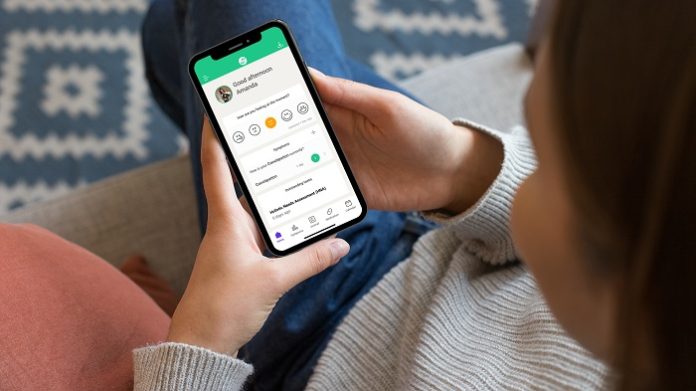
By using the Careology app, up to 50 patients undergoing cancer treatment at Nuffield Health Derby Hospital will be connected and in control of monitoring their health including symptoms, vital signs and wellbeing measures. The initial deployment of the app started on 14 February. The ‘virtual ward’ view in Careology ProfessionalTM enables nurses, pharmacists and clinicians to provide a more personalised and connected patient experience.

Digital cancer care is playing an increasingly important role in better supporting people during and after their treatment. Hospitals and cancer care teams receive real-time insights through patient reported data and clinical questionnaires, such as holistic needs assessments. This supports improving health outcomes.

Paul Landau, Founder and CEO comments: “Nuffield Health is a leading independent health and wellbeing provider with an excellent reputation for providing an outstanding patient experience. This mirrors our approach at Careology, putting the patient at the centre of our technology. We have been incredibly impressed by Nuffield Health’s proactive approach and its commitment to moving into the new digital age in healthcare. We are looking forward to closely collaborating as we deliver on our mission to create more ‘Up Days’ for everyone living and dealing with cancer.”

Elisa Mills, Interim Quality Lead for Cancer Services at Nuffield Health, said: “Receiving a cancer diagnosis can be an incredibly daunting and worrying experience for anyone. Our approach at Nuffield Health is to go out of our way to ensure patients feel as comfortable as possible during, and after, their treatment. That’s why our pilot at Nuffield Health Derby Hospital and partnership with Careology is so exciting. Using digital cancer care to better support our patients whilst they are at home, paired with comprehensive remote monitoring from our specialist cancer teams, will significantly enhance how we communicate with patients and enable us to personalise their experience. We believe this has the potential to provide a new standard of patient support in cancer care.”

David Richardson, Hospital Director at Nuffield Health Derby Hospital said: “We are committed to providing our patients with the latest technologies and we are excited to see how the piloting of this technology and partnership with Careology progresses. People undergoing cancer treatment have many different experiences and we hope using this Careology app will provide them with extra support and knowledge so they can understand their treatment pathway.”

Steve Winton, Head of Digital Services at Nuffield Health adds: “At Nuffield Health we understand the important role digital technology plays in healthcare. Providing greater visibility through ‘virtual wards’ supports how complex conditions, like cancer, are treated most effectively. We believe the digital cancer care technology Careology provides is truly best in class and will help us to better support our patients, clinical colleagues and hospitals.”

About Careology

Careology is an award-winning health tech platform that helps people living and dealing with cancer to navigate their treatment, using mobile technology to connect them with their clinicians, caregivers and family. It also allows healthcare professionals and supporting services to monitor their patients in real-time, making early interventions more likely and saving lives in the process.

Careology connects to wearable devices, such as smartwatches allowing it to easily track changes in the person’s physical condition in real-time. It also helps them to journal their thoughts and feelings, track side effects, medication and appointments. For clinicians, Careology takes information from their patients and presents it in a ‘virtual ward’, providing a rich, holistic overview of all those in their care.

Careology recently announced their strategic partnership with Macmillan Cancer Support. Working together to offer best in class digital support to the 3 million people living with cancer in the UK, whilst supporting nursing teams and building clinical capacity for hospitals.

About Nuffield Health

Nuffield Health is the UK’s largest healthcare charity. For the last 60 years, Nuffield Health’s experts have been working together to make the nation fitter, healthier, happier and stronger, all for the public benefit. We do this through outstanding day-to-day services in our family of 37 award-winning hospitals, 114 fitness and wellbeing centres, healthcare clinics, and over 150 workplace wellbeing services, and through our flagship programmes to support communities by widening access. 94% of Nuffield Health’s hospitals are rated as Good or Outstanding by national regulators.

What makes us unique is the breadth of our expertise to provide connected care spanning from personal training and health assessments to supporting people on their fitness journeys, helping patients recover with physiotherapy or emotional wellbeing services, or providing hospital treatments for illness and serious conditions such as joint surgery or cancer.

Additionally, what also makes us stand out is our commitment to our community flagship programmes to widen access, including our free community programmes such as our Joint Pain programme and our specialist 12-week COVID-19 recovery programme.

Translate »