












Close
Digital Health & Ai Innovation summit 2026
Medical Taiwan 2026

QIAGEN’s new generation of QuantiFERON TB test gains Chinese approval and renewed WHO recommendation

QIAGEN N.V. announced that its QuantiFERON tuberculosis (TB) testing solution has gained additional momentum with the approval of the fourth generation of this modern gold standard test in China and a new endorsement from the World Health Organization (WHO).

Among the recent developments:

  • China’s National Medical Products Administration (NMPA) has approved QuantiFERON-TB Gold Plus (QFT-Plus) for TB diagnosis, including active TB infections. This builds on the regulatory approvals for QFT-Plus for latent TB diagnosis in the U.S. and other countries around the world, including CE-IVD marking. QFT-Plus is an important improvement over the previous version of QuantiFERON that was approved and used in China, offering even more accurate detection of infection, including in immunocompromised people. In China, all available IGRA tests including QFT-Plus are licensed to rule out active TB – other countries also approve these tests to detect the latent form of the TB disease (LTBI), in which people are infected, and have the potential to develop active disease. Since 2013, more than 1.5 million people in China have been tested for active TB infection using the proprietary QuantiFERON technology.
  • The WHO has renewed its recommendation that blood-based Interferon-Gamma Release Assays (IGRA) are an alternative for the diagnosis of TB infection, in addition to the Tuberculin Skin Test (TST). In its latest policy statement, the WHO also took the first step towards endorsing the use of QIAGEN’s QIAreach QuantiFERON-TB (QIAreach QFT) – a portable, battery-operated test for TB detection especially designed for low-resource, high-burden regions – by recommending its use for additional research in more geographical and epidemiological settings. QIAreach QFT was launched in late 2021 and was recently approved by the Global Fund’s Expert Review Panel Diagnostics (ERPD). This approval means QIAreach QFT may now be procured by public health programs and institutions in more than 100 countries that qualify for Global Fund and/or UNITAID resources, as well as made available through the Stop TB Partnership’s Global Drug Facility (GDF).

“The approval of the latest version of QuantiFERON TB-Gold Plus in China strengthens the global coverage that QIAGEN can offer in the fight against TB,” said Jean-Pascal Viola, Senior Vice President of the Business Area Molecular Diagnostics at QIAGEN. “The new WHO recommendation for IGRA tests also confirms the clinical performance and utility of IGRAs, and in particular the value of QFT-Plus as the modern gold standard for blood-based TB detection. Additionally, we are pleased that the WHO recognizes the potential of QIAreach QFT to become a crucial element in TB detection strategies and our commitment to leave no country behind in this fight.”

“QuantiFERON TB-Gold Plus is much easier for our laboratory technicians to use than other tests – it doesn’t require complicated lab technology and is easily scalable for the kind of high-throughput testing we need,” said Dr. Gao Lei, Professor, Institute of Pathogen Biology at the Chinese Academy of Medical Sciences. “The world needs new technologies and methods to contest TB – and QIAGEN’s IGRA technology is playing a crucial role here.”

QuantiFERON-TB Gold Plus and QIAreach QFT use blood samples to test for interferon-gamma proteins released from T-cells that have had contact with TB bacteria. They are the fastest and most convenient IGRA tests, as they do not require the isolation of white blood cells. Single-visit IGRA tests are a quantum leap from the use of Tuberculin Skin Test, which requires two visits to health professionals and a visual inspection to detect an infection.

Over two billion people worldwide are estimated to have LTBI. Clinical studies have shown that approximately 10% of these people – who are neither ill nor show symptoms – will develop active TB in their lifetimes. The active form of the disease is infectious, and particularly dangerous for people with weakened immune systems as a result of the use of immunosuppressive medications or comorbidities such as diabetes, HIV and other conditions. The active form of tuberculosis most often affects the lungs and can spread easily. While a healthy immune system can successfully fight TB, the disease is often fatal if left untreated – especially for people with weakened immune systems. In 2020, about 1.5 million people died worldwide from TB, according to the WHO.

About QIAGEN

QIAGEN N.V., a Netherlands-based holding company, is the leading global provider of Sample to Insight solutions that enable customers to gain valuable molecular insights from samples containing the building blocks of life. Our sample technologies isolate and process DNA, RNA and proteins from blood, tissue and other materials. Assay technologies make these biomolecules visible and ready for analysis. Bioinformatics software and knowledge bases interpret data to report relevant, actionable insights. Automation solutions tie these together in seamless and cost-effective workflows. QIAGEN provides solutions to more than 500,000 customers around the world in Molecular Diagnostics (human healthcare), Applied Testing (primarily forensics), Pharma (pharma and biotech companies) and Academia (life sciences research). As of December 31, 2021, QIAGEN employed more than 6,000 people in over 35 locations worldwide.

Carbon Health Collaborates With Stanford Health Care to Create Innovative Healthcare Choices for Patients

Carbon Health, a leading omnichannel healthcare provider, and Stanford Health Care, a leading academic health system, are announcing a new strategic relationship to increase geographically diverse points of healthcare access, enhance convenience for patients, and redefine healthcare delivery to hundreds of thousands of patients across Santa Clara County and southern San Mateo.

In light of a more distributed workforce, the impact of COVID-19, and diverse patient healthcare needs, both Carbon Health and Stanford Health Care believe this collaboration will improve patients’ access to expanded healthcare services, while also keeping Stanford Health Care patients connected to their physicians. This collaboration will allow the exchange of necessary information between the two entities and improve access and care coordination for both Carbon Health and Stanford Health Care patients. This collaboration will also allow both groups to explore such areas as improvements to patient-care team connectivity, new access to research and clinical trials such as those related to long-haul COVID-19, and ways to extend care into the home.

Stanford Health Care is joining Carbon Health Connect, Carbon Health’s partnership ecosystem designed to increase access to critical health services, provide additional access points and streamline the patient experience as patients move across the care continuum. For Carbon Health’s patients, over 80% of typical needs can be addressed within Carbon Health’s primary and urgent care services. For the remaining patients that require additional specialty care, collaborating with Stanford Health Care ensures patients receive continuous, coordinated care that’s easy to navigate for both the patient and provider. The combination of Carbon Health’s omnichannel care model and Stanford Health Care’s market-leading primary care, specialty, and hospital-based services enhances both groups’ ability to rapidly provide accessible, cost-effective, and high-quality care in a deliberately designed way.

The collaboration also brings Carbon Health’s modern clinics and omnichannel care model to Stanford Health Care’s patients, delivering care across a variety of access points including in-person clinics, virtual care and remote patient monitoring (RPM). The organizations will also collaborate to better serve employers and the broader community through innovative and coordinated care delivery models, including remote patient monitoring (RPM) and population health initiatives. The collaboration aims to provide Stanford Health Care patients more choice to meet their needs, closer to where they live. It will also provide greater convenience and digital connectivity that unites clinical experiences into a complete view for patients and their physicians.

Carbon Health’s mission to make high-quality health care accessible to everyone aligns with Stanford Health Care’s vision of extending its mission to heal humanity through science and compassion into more communities close to where patients live. Carbon Health has nearly 60 urgent care and primary care clinics in California and 100 full-service clinics across 14 states. ​​​​Stanford Health Care and Carbon Health will collaborate to serve Stanford Health Care’s patients located on the Peninsula, which includes the County of Santa Clara, the southern portion of San Mateo County, including Redwood City, Menlo Park, Atherton, Woodside, Portola Valley and East Palo Alto.

About Carbon Health

Carbon Health is a leading national healthcare provider with a mission to make high-quality healthcare accessible to everyone. Carbon Health offers primary and urgent care to nearly two-thirds of the U.S. Leveraging its unique technology platform, Carbon Health provides its patients with omnichannel care, designed to meet patients where they are by delivering care across a variety of access points, including in-person clinics, virtual care, and remote patient monitoring (RPM). Carbon Health also focuses on value-based care and other value-add services to employers, health plans, health systems and other ecosystem partners.

Founded in 2015, Carbon Health is headquartered in San Francisco and backed by Atreides, Blackstone Horizon, Dragoneer Investment Group, Brookfield Technology Partners (BTP), Fifth Wall, Lux Capital, Silver Lake Waterman, DCVC, and Builders VC.

About Stanford Health Care

Stanford Health Care seeks to heal humanity through science and compassion, one patient at a time, through its commitment to care, educate and discover. Stanford Health Care delivers clinical innovation across its inpatient services, specialty health centers, physician offices, virtual care offerings and health plan programs.

Stanford Health Care is part of Stanford Medicine, a leading academic health system that includes the Stanford University School of Medicine, Stanford Health Care, and Stanford Children’s Health, with Lucile Packard Children’s Hospital. Stanford Medicine is renowned for breakthroughs in treating cancer, heart disease, brain disorders and surgical and medical conditions.

Abbott Announces World’s First Implant of Dual-Chamber Leadless Pacemaker in Pivotal Trial

Abbott Announces World's First Implant of Dual-Chamber Leadless Pacemaker in Pivotal Trial

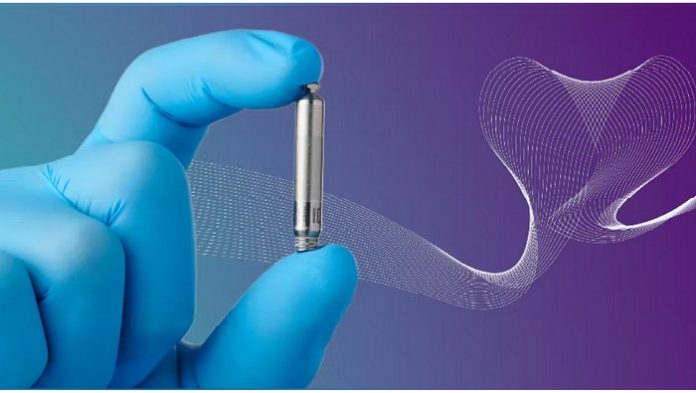
Abbott announced the world’s first patient implants of a dual-chamber leadless pacemaker system as part of its AVEIR DR i2i™ pivotal clinical study. The implant of Abbott’s investigational Aveir™ dual-chamber leadless pacemaker represents a significant technological milestone for leadless pacing technology and is the first to occur around the world within the pivotal trial.

The study is being co-chaired by Daniel J. Cantillon, M.D., clinical trial steering committee co-chair and Associate Section Head and Research Director of Cardiac Electrophysiology and Pacing, Cleveland Clinic., and Reinoud Knops, M.D., Ph.D., clinical trial steering committee co-chair and Department of Cardiology and Electrophysiology, Amsterdam University Medical Center, The Netherlands.

People who experience a slower-than-normal heart rate may receive a pacemaker — a small battery-powered device implanted in the chest that delivers electrical impulses via thin insulated wires, called cardiac leads, that cause the heart muscle chambers to contract to help restore a normal heart rhythm. Unlike traditional pacemakers, leadless pacemakers are implanted directly into the heart through a minimally invasive catheter-based procedure and eliminate the need for cardiac leads. While leadless pacemakers work like traditional pacemakers to regulate heart rate, they offer reduced lead-related complications and a less restrictive recovery period due to the minimally invasive implant procedure.i Yet historically, leadless pacing options have been limited to single-chamber devices because synchronization of two leadless pacemakers has been highly difficult to achieve.

Abbott solved for this challenge by designing the company’s innovative “i2i technology” to provide beat-by-beat communication between two leadless pacemakers, one positioned in the right ventricle and one positioned in the right atrium. This technology is designed to regulate the heart rate synchronously between chambers and allow for true dual-chamber leadless pacing.

The first implant was performed at Na Homolce Hospital in Prague, Czech Republic, led by site principal investigator Petr Neuzil, M.D., Ph.D., Head of the Department of Cardiology, and assisted by site co-investigator, Vivek Y. Reddy, M.D.

“The first-in-human implant of a dual-chamber leadless pacemaker is a major clinical milestone that will open up new possibilities for patients requiring pacing support,” said Dr. Daniel J. Cantillon. “Abbott has designed a device capable of treating these patients, and we’re excited to see this technology advance patient care.”

Abbott has focused significantly on driving leadless pacing technology that can potentially improve care for more patients battling abnormal heart rhythms. The latest milestone for the Aveir DR leadless pacemaker follows recent data showing that Abbott’s investigational single-chamber leadless pacemaker – Aveir VR – met the pre-specified primary endpoints in its pivotal trial.

“As leadless pacing technology has evolved, we’ve always viewed dual chamber leadless technology as a therapy evolution that would have a dramatic impact on more patients – but a technology that was going to be very challenging to develop,” Dr. Reinoud Knops. “That we’ve reached this point in time where dual chamber pacing without leads has become a reality is a monumental moment for modern medicine.”

Because nearly 80% of people who receive a pacemaker need a dual-chamber option to pace both chambers on the right side of the heart, Aveir DR has been designed to address a critical need for these patients. Abbott also designed the Aveir DR leadless pacemaker to be retrievable, so the system can be replaced or retrieved as therapy needs evolve. The Aveir DR system is designed to provide real-time mapping capability so physicians can assess therapy delivery and reposition the device before implant during a patient’s procedure.

“The Aveir DR dual-chamber leadless pacemaker builds upon our Aveir VR single-chamber leadless platform, and we believe that once approved these systems have the potential to change the way doctors approach the treatment of abnormal heart rhythms,” said Randel Woodgrift, senior vice president of Abbott’s cardiac rhythm management business. “The involvement of world-class heart institutions in this study reinforces that the innovations we are developing are exactly the kind of advancements physicians around the world want for their patients.”

About Abbott
Abbott is a global healthcare leader that helps people live more fully at all stages of life. Our portfolio of life-changing technologies spans the spectrum of healthcare, with leading businesses and products in diagnostics, medical devices, nutritionals and branded generic medicines. Our 113,000 colleagues serve people in more than 160 countries.

Post-pandemic Global Benefits of RPM Technology

Post-pandemic Global Benefits of RPM Technology

Remote patient monitoring (RPM) is becoming a standard practice around the world, with significant implications in the post-COVID world of healthcare. It’s beneficial for monitoring patients during the pandemic, and growth will continue as providers and patients establish a level of comfort and see the benefits of virtual care.

The pandemic hastened adoption of the technology across the U.S. and Europe, but the underlying concept of supplementing conventional hospital-based care is the continuity factor. As COVID-19 fades and surges with different variants around the world, that use case continues as a viable option. But, COVID changed the perspective and the conversation. RPM has transitioned from a wish list item to a valuable standard offering for healthcare providers to provide optimum service to patients and research organizations. By the end of 2023, the RPM market is expected to earn more than $31.3 billion, an increase of more than 97 percent since 2017.

RPM growth outside the U.S. and Europe

COVID applications in the U.S. and other industrial countries is the obvious use case. Perhaps less obvious is the idea that growth might actually happen more in developing countries. Despite all the talk in the U.S. and certain other developed nations, the more urgent adoption and implementation is happening in less industrial countries. More developed countries have alternatives whereas in areas where conventional healthcare systems aren’t as well structured, they were more desperate and went straight to wearables. Here’s an analogy. When a lot of the world had little telephony access, some regions skipped landlines to go straight to wireless as a communication structure, whereas developed nations progressed through using landlines before mobile emerged as the dominant technology. The same type of technical progression is happening with RPM technology in healthcare. RPM is leapfrogging some of the previously standard methods to become the option of both necessity and choice.

As an example, in Vietnam, healthcare providers are using RPM technology to skip some more traditional means of monitoring to take on the COVID challenge in Ho Chi Minh City. iParamed, a digital healthcare solutions company, is working with the Oxford University Clinical Research Unit to use RPM devices to monitor data from 500 patients and 30 ICU beds at a Vietnamese hospital and send it to a central location. Doctors and nurses don’t need to stay in the hospital rooms to have access to critical data. The technology is working to help COVID patients now but has the potential to expand to other patients with both chronic and acute conditions even as people are often making the choice to avoid traditional healthcare facilities.

Challenges and benefits of implementation

A big push from a government mandate or major crisis can help get RPM technology past the initial implementation hurdles, but there are still other issues standing in the way of more mainstream use – financial, political, and more. These could be as straightforward as reluctance to move on from entrenched systems. Provider teams can be skeptical, especially concerning the impact on existing jobs. Administrators can be wary of the need for additional technical infrastructure and support in addition to the cost of the actual devices.

The positives aren’t overly complex on the surface. It’s easy to relate to the idea of better care for patients and more accessibility. Those are clear benefits. At the most basic level, a higher level of care can be available to a broader population. But, more advanced care can skew toward the population that can pay for it. Mobile cardiac telemetry (MCT) and heart disease is one example. There’s a specific reimbursement code for that use of RPM, making it easier for healthcare systems to implement. That’s one way vertical examples of RPM focused on specific diseases is emerging. But, as we move past 2021 and the success of COVID applications, there are more horizontal, generic levels of RPM application. These usually have more to do with fundamental vitals monitoring. Some applications will be accessible and widely distributed while others will be based on specific diseases.

Bottom line implications

Broader implementation of RPM technology can help alleviate some of the backlog providers face post-COVID. Healthcare systems need to see patients to keep revenue flowing and, in the real world, the bottom line is a dominant factor. In a private hospital, strategic implementation of RPM technology can provide an alternative care method to keep a revenue stream with patients who aren’t comfortable coming in to a facility to engage with doctors. For government-based or non-profit hospitals, RPM technology can help deliver care to a larger portion of the population than traditional delivery methods.

It’s critical to be clear that RPM doesn’t replace clinical technicians, but the technology can supplement staff resources and labor. Like any investment, there’s an initial cost of new infrastructure and training but the devices aren’t overly expensive. Once the preliminary expense is incurred, the cost of labor is reduced as the ability to serve a broader population increases potential patient reach. In the long run, costs are reduced while care is improved. By monitoring even basic vitals, it’s possible to pursue pre-emptive care rather than focusing on more serious outcomes.

RPM offers viable benefits to healthcare systems around the world to benefit both patients and providers both during COVID and post-pandemic to facilitate better outcomes across the spectrum of care.

obVus Solutions Salutes HealthCare Workers on the Pandemic’s Front Line

obVus Solutions Salutes HealthCare Workers on the Pandemic's Front Line

The spread of covid-19, as exacerbated by the Omicron variant, has stretched healthcare institutions and its front-line workers to the limit:  62% say their mental health has been negatively affected and nearly half report a disruption in sleep habits due to stress.  According to a national non-profit Mental Health America,  healthcare professionals are experiencing increased symptoms of emotional exhaustion, anxiety, loss of enthusiasm and detachment from patients.

“As the pandemic continues into its third year, those in the healthcare field are struggling with sustained levels of stress and anxiety,” said Dr. Beth Frates, President-Elect of the American College of Lifestyle Medicine.  “The effects of chronic stress are real:  it reduces the body’s ability to perform, lowers immunity, impairs memory, and may even alter the structure of the brain over time. The impact to one’s overall well-being will be lasting, if not addressed with positive lifestyle choices.”

“Since the pandemic began, the U.S. healthcare sector has lost nearly half a million workers to burn out, giving rise to a pandemic within a pandemic,” said Ken Rosenblood, founder of wellness tech company obVus Solutions. “We recognize the need to support the well-being of those on the frontlines.”

1 Year Free Access to the minder Posture and Breathing App

In appreciation to those on the frontlines, obVus Solutions is offering 1-year of free access to its award-winning minder wellness iOS app.  The minder app is designed to manage mindful well-being and relieve stress utilizing a gamified environment and sensory cues.  minder prompts users to build mindfulness through breathing, posture, journaling and beneficial breaks, called “ME/Mos” (“me” moments). The effort launches February 14th through March 31st 2022.

Useful Tips On How To Safely Recover From Your Liposuction Surgery

Useful Tips On How To Safely Recover From Your Liposuction Surgery

Liposuction is a surgical procedure that removes fat deposits from the body. This type of surgery can be traced back as far as the 1920s and was first used to treat obese patients, but it’s now often used as an alternative treatment for many people. Liposuction can be done on any area where there is excess fat, including the abdomen, thighs, arms, or neck. It’s also sometimes performed as a preventive measure against obesity or to improve one’s self-image by removing sagging skin in “problem areas.” It can take several weeks to months for your body to recover fully after liposuction surgery. The following tips will help you maintain a safe recovery:

Follow Recovery Instructions

When you’re recovering from liposuction surgery, it’s important to follow all of your doctor’s instructions. This will help you heal quickly and more comfortably. “When you’ve been given a set of recovery instructions, it is important to remember that these instructions are designed to help patients receive the best results from their procedure”, suggests Dr Adam Najem, a cosmetic surgeon. Some guidelines that your doctor might give you include:

  • Limit your physical activities;
  • Don’t drink alcohol or smoke;
  • Avoid hot tubs, saunas, or steam rooms;
  • Don’t apply bandages or dressings without consulting your doctor first.

Eat Healthy After Surgery

In order to give your body the energy it needs to heal quickly and properly,  you should start eating healthy as soon as possible. Doctors usually recommend that you follow a healthy diet, high in fruit and vegetables, after surgery to speed up your recovery. This helps keep your immune system strong and reduces the potential for infections. You can also ask your doctor for a list of specific foods that can help promote healing after surgery. You can also research the internet to find recipes for specific foods that are nutritious and beneficial for your recovery.

Drink Plenty Of Water

It’s important to keep yourself well hydrated after liposuction surgery. This is because the risk of infection increases when your body gets dehydrated, so it’s vital to drink plenty of fluids. It is usually recommended that you drink at least 8 glasses of water every day to stay properly hydrated. You can also add some flavor or fruit juice to your water to make it more delicious and nutritious, especially if you find drinking plain water unappetizing. You can also drink herbal teas such as black tea, green tea, and ginger tea. Just make sure that you don’t drink sodas, alcohol, or too much caffeine after your surgery.

Take Care Of Your Skin

Another tip for a safe recovery after liposuction surgery is to take care of your skin. The skin on your abdomen, thighs, or other areas where you had the surgery will remain fragile for weeks, so it’s important that you don’t irritate this area any more than necessary. This means that you should avoid wearing tight clothing in these areas and should also avoid activities, such as sunbathing, that could cause damage to your skin. Buy some creams and lotions that are specially made for after surgery and apply them every day. This will help reduce irritation and prevent any infections.

Light Exercise Is Allowed

Although exercise may not be recommended immediately after liposuction surgery, you can start light exercise and walk as soon as it’s allowed by your doctor. It’s important to remember that you should always listen to your body and take it slowly. This means that you should do whatever feels comfortable for your body, even if it doesn’t feel natural. For example, after liposuction surgery on your abdomen or thighs, it can be difficult to walk because of the skin that has been tightened. If this is the case with you, start out by just standing up and sitting down repeatedly. As you become more comfortable, start walking around the room. Gradually increase your steps each day until you’re ready to walk around your neighborhood or even go for a gentle jog.

Don’t Push Yourself Too Hard

One last tip we’re going to give you for a safe recovery from liposuction surgery is not to push yourself too hard. Remember that your body needs time to heal and can’t be pushed too much as it recovers. If the doctor says that you’re allowed to do 10 minutes of aerobic exercise, don’t try going for 20 minutes or doing heavy weightlifting. You should stay below your limits and be as gentle as possible with yourself. Also, if you start feeling pain, bleeding, or any other discomfort after surgery, don’t ignore it and consult your doctor immediately.

Following these simple tips for a safe and healthy recovery after liposuction surgery can help ensure that you get back to your old self as quickly as possible. Just remember to take it easy, drink plenty of fluids, eat healthy foods, and take care of your skin. If you have any questions or concerns, be sure to consult with your doctor.

Survey says 41% Americans Face Post Pandemic Heart Troubles

Survey says 41% Americans Face Post Pandemic Heart Troubles

According to a survey conducted by the Cleveland Clinic, 41% of Americans have had a tryst with minimum one heart issue since the time the pandemic began in the early 2020. Other concerns were mostly related to breath shortness, high blood pressure, dizziness, and pain in chest. In a startling figure, 1 in every 4 American citizens who has contracted COVID-19 has gone on to put on record having heart-health being affected. This survey seconds the UK study suggesting rehospitalisation of acute COVID patients and that they aren’t out of the woods yet. 

As we approach the second anniversary of this dreadful pandemic, Americans are beginning to see the consequences of their health habits, which have significantly impacted their heart health. The Cleveland survey was conducted online with a sample size of 1000 adults in the United States over the age of 18. It pushes forward the fact that Americans’ sitting throughout the day has increased while walking in them has steadily declined.

There are a few Americans, 22% to be precise, who feel that the Mediterranean diet is healthy for the heart, and 51% of the country does not follow a diet plan. As per the chairman, cardiovascular medicine from Cleveland Clinic, Samir Kapadia, M.D., fatigue because of COVID-19 is for real, and for the 2022 survey, they have particularly taken into account what effect it has had on America’s health when it comes to the heart, and, in particular, eating habits. He adds that everyone knows that a healthy diet, not smoking, and consistently exercising can prevent 90% heart diseases, and therefore, he suggests it is time to aim the health of the heart as much as possible.

As far as genetics are concerned, the survey says that 40% of the population who lost a member of the family because of a heart ailment before attaining 60 years of age have not been evaluated for any heart-related ailment for which they lost a member to. And this figure jumps to a whopping 54% in the case of millennials. Besides, 34% of Americans feel that if there is a heart ailment history that persists in a family, there’s nothing much that can be done to limit the risk they already have. That said, it is a fact that doesn’t require any math when we say that early screening, diagnosis, and treatment can prevent people from the unknown. 

One-third of America still doesn’t know that factors such as stress (35%), obesity (39%), high BP (35%), and smoking (41%), can increase the likelihood of having a heart disease. One positive that can be taken out of the Cleveland survey is that the majority of Americans, 77% of them, are aware of their family history of any heart ailment, and around 65% say that they have had their blood pressure screened over the past six months.  Reference – The survey has been conducted under the Love Your Heart campaign, which is being conducted by the Cleveland Clinic Heart, Vascular, and Thoracic Institute.

Lumify Care joins forces with Medline to expand access to its wearable illumination product nationwide

Lumify Care joins forces with Medline to expand access to its wearable illumination product nationwide

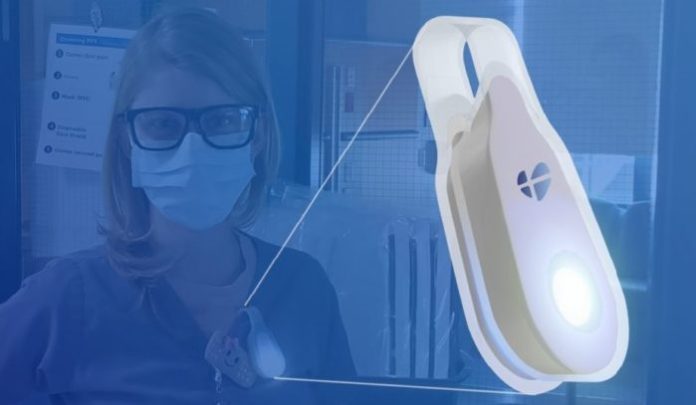
Lumify Care has joined forces with Medline to expand access to its first innovation, the uNight Light, a breakthrough wearable illumination product designed to reimagine the healthcare environment for both patients and workers. A startup company founded by nurses, Lumify Care is committed to creating solutions that empower fellow healthcare workers with the tools and resources to help them excel in their field.

During the COVID-19 pandemic, clinical staff engagement was vastly impacted, with workplace stress at an all-time high and the labor shortage being exacerbated. Seeing an opportunity to help support the resiliency of frontline workers, improve engagement and tackle growing burn-out rates, Lumify Care co-founders and registered nurses, Anthony Scarpone-Lambert and Jennifferre Mancillas, created the uNight Light, a wearable LED light that illuminates workspaces, while decreasing patient sleep disturbances, especially at night.

“As nurses who worked during the pandemic, we frequently felt frustrated by the lack of tools and resources we had access to,” said Scarpone-Lambert. “Because many solutions address patients directly, we understood the value of supporting healthcare workers directly correlates to improving patient experience.”

Mancillas continued, “Healthcare workers are burnt out now more than ever, and we need gear and resources that empower and support us to do our best every shift.”

The uNight Light is easily attachable, hands-free, liquid-repellant, stain-resistant, and washable with hospital-grade disinfectant. In a survey of 500 healthcare workers, Lumify Care discovered that 87% of respondents struggle to see when caring for sleeping patients in darkened rooms, with 100% of respondents wanting a less disruptive solution. Today, the uNight Light has been used by over 20,000 healthcare professionals in over 500 healthcare systems, with 95% of nurses stating the product helped them see better without interrupting patients’ sleep.

“Hospitals are disruptive. They’re noisy with bright flashing lights in your face, even in the middle of the night, and when our patients can’t get the solid sleep they need, their healing process is delayed and patient satisfaction decreases,” said Mancillas. “Just as important as improving the patient experience, healthcare employers now have an opportunity to provide a functional tool to help staff feel more supported in performing their duties with less fumbling and higher rates of efficiency.”

The product contains three lighting settings: white, red and blue, which allows healthcare workers to see, but not be seen. The white light is dim, yet still effective for reading, preparing medications, inspecting lines, and for careful patient assessment; the red light increases alertness, preserves night vision, and can help signal colleagues when preparing medications to decrease distractions; and the blue light, the brightest setting, was designed to increase cognitive function in an effort to minimize human error.

Illumination has also been proven to significantly impact cognitive ability, with each light setting allowing for a more productive work environment. This is especially beneficial in increasing alertness for clinicians at night, which can lead to a decrease in medication administration errors, accidental needle sticks, and falls. In addition, the Lighting Research Center claims that alertness is strongly influenced by exposure to light and a person’s natural clock, or “circadian clock,” in which attentiveness is proven lower during the evening. The organization also reports that lighting can decrease sleepiness and increases productivity, with red and blue lighting especially impacting alertness.

We believe Medline’s innovative spirit, history of supporting frontline healthcare workers, and belief in improving the patient experience fits well with Lumify’s goals,” said Scarpone-Lambert. “We know the value that uNight has brought to our own experience as frontline healthcare workers, and we’ll continue to work towards every healthcare worker around the world having a uNight Light.”

Michael Gerskovich, vice president with Medline’s Dynacor division, continued, “Lumify Care and Medline share the same vision of making healthcare run better. We are excited to be the exclusive distribution partner for this bottom-up solution and to help the more than 19 million frontline nurses working nationwide to improve their patients’ experience.”

The partnership first formed after Lumify Care participated in a Medline-sponsored Lab Startup Demo Day. Medline’s commitment to innovation and large network of healthcare partnerships will expand access to the uNight Light throughout the U.S., helping to serve more healthcare workers across the continuum of care.
About Medline
Medline is a healthcare company; a manufacturer, distributor, and solutions provider focused on improving the overall operating performance of healthcare. Partnering with healthcare systems and facilities across the continuum of care, Medline provides the clinical and supply chain resources required for long-term financial viability in delivering high-quality care. With the scale of one of the country’s largest companies and the agility of a family-led business, Medline is able to invest in its customers for the future and rapidly respond to a dynamically changing market with customized solutions. Headquartered in Northfield, Ill., Medline has 27,000+ employees worldwide and does business in more than 125 countries and territories. Learn more about Medline at http://www.medline.com.

About Lumify Care
Lumify Care builds tools and resources to support the healthcare workforce. Founded by two Registered Nurses in 2021, Lumify’s mission is to ensure that all healthcare professionals have access to the gear and resources they need to excel at the bedside and beyond. Through their line of products and super app, Lumify has unified 100+ brands, organizations, and communities – building a thriving network of 20,000+ healthcare workers. Lumify is backed by top investors such as Y Combinator, Flare Capital, Gaingels, Adam Grant, and Andrew Parker. For more information, please visit http://www.lumifycare.com.


Labcorp Launches Labcorp OnDemand Digital Health Platform

Labcorp Launches Labcorp OnDemand Digital Health Platform

Labcorp, a leading global life sciences company, announced the launch of Labcorp OnDemand, an easy experience where individuals can purchase Labcorp OnDemand tests online, collect samples in the convenience of their home, or schedule test appointments at one of Labcorp’s 2,000 patient service centers (PSCs), including Labcorp at Walgreens locations. The OnDemand platform includes a suite of the company’s most popular tests, including its wellness, allergy, COVID-19, women’s health and fertility tests, to help individuals manage their health and make more informed decisions. A full list of tests available can be found by visiting www.OnDemand.Labcorp.com.

“Labcorp OnDemand makes it easier for individuals to access our leading diagnostic tests online. The OnDemand platform is an intuitive experience where individuals can purchase tests online and choose from multiple options to take the test, including in the comfort of their own home,” said Amy Summy, Labcorp’s executive vice president and chief marketing officer. “The platform, in addition to our leading Ovia Health digital apps, offers consumers market-leading solutions, backed by over 50 years of science and innovation, to make confident health decisions.”

Labcorp OnDemand includes offerings aimed at improving the health and wellness of millions of people. Labcorp OnDemand’s comprehensive wellness test arms individuals with the information they need to manage their health. Women looking for insights into family planning can tap into offerings that support their fertility journey, including vitamin B12 and folate tests, ovarian reserve tests and quantitative hCG pregnancy tests. Additionally, Labcorp’s leading Pixel by Labcorp COVID-19 PCR and combined COVID-19 + flu at-home collection kits are available through Labcorp OnDemand and continue to be available at zero upfront out-of-pocket costs for those who meet clinical guidelines.

The company expects to make additional Labcorp OnDemand test kit options available through physicians, health plans and employers using their existing ordering channels later this year.

About Labcorp

Labcorp is a leading global life sciences company that provides vital information to help doctors, hospitals, pharmaceutical companies, researchers, and patients make clear and confident decisions. Through our unparalleled diagnostics and drug development capabilities, we provide insights and accelerate innovations to improve health and improve lives. With more than 70,000 employees, we serve clients in more than 100 countries. Labcorp (NYSE: LH) reported revenue of $14 billion in FY2020.


UnitedHealthcare Invests $550,000 in the Mississippi Public Health Institute to Improve Maternal Health Equity and Outcomes

UnitedHealthcare Invests $550,000 in the Mississippi Public Health Institute to Improve Maternal Health Equity and Outcomes

UnitedHealthcare Community Plan of Mississippi announced a $550,000 investment in the Mississippi Public Health Institute, a nonprofit entity established to protect and improve the health and well-being of Mississippians. The investment will fund one of MSPHI’s initiatives aimed at improving maternal health outcomes and reducing the Black-white gap in such outcomes.

Funding will enable OB-GYN practices in Mississippi to use a platform that provides educational content and remote patient monitoring for high-risk maternity patients, with the goal of preventing severe maternal morbidity and improving outcomes for both mom and baby. To date, programs are being activated at Hancock Women’s Center in Bay St. Louis, and the following federally qualified health centers: Jackson Hinds Comprehensive Health Center, serving Jackson and its surrounding area; Coastal Family Health Center serving the Mississippi Gulf Coast; and Southeast MS Rural Health Care Initiative serving the Pine Belt area and surrounding communities.

“This partnership will help augment existing UnitedHealthcare initiatives to improve prenatal and postpartum care,” said Dr. Dana Carbo-Bryant, chief medical officer for UnitedHealthcare Community Plan of Mississippi. “We’ve supported several innovative care models that empower pregnant members and support community-based organizations. This initiative with MSPHI expands our reach and enhances crucial remote patient monitoring abilities.”

declined in 2020, making up 14.2% of births, but Black women in Mississippi experienced a 44% higher rate of pre-term births than all other women according to March of Dimes, which fights for the health of all moms and babies.

“Mississippians face many barriers to care, like distance and health literacy, but there should never be a barrier to opportunity,” said Roy Hart, CEO of MSPHI. “Through this collaboration, we are helping ensure that expectant mothers in vulnerable populations receive the care they need, closing gaps in care by expanding care far outside the clinic.”

This investment is part of several initiatives that UnitedHealthcare, along with its parent company UnitedHealth Group, is launching to address maternal health outcomes throughout the United States. These initiatives include nearly $14 million in recent philanthropic grants to support maternal health and $2.85 million in support to March of Dimes

for a public-private partnership with the Department of Health and Human Services as part of a multi-sector partnership that aims to reduce disparities and improve rates of maternal morbidity and mortality in hospitals experiencing some of the poorest outcomes.

UnitedHealthcare serves more than 464,000 people in Mississippi enrolled in employer-sponsored, individual, Medicare and Medicaid benefit plans, with a network of 109 hospitals, and nearly 13,000 physicians and other care providers statewide.

Translate »