











Close
Digital Health & Ai Innovation summit 2026
Medical Taiwan 2026

Why Is It Important to Seek Legal Help in a Case of a Serious Medical Injury?

Why Is It Important to Seek Legal Help in a Case of a Serious Medical Injury?

A person injured through no fault of their own may feel overwhelmed by medical bills or loss of income. It is not uncommon for victims to receive little clarity regarding what steps they need to take next. Several questions arise during this time, such as how soon legal action should be taken, whether you can seek damages from more than one party and how you will provide for your family while still recovering from serious injuries. An experienced personal injury attorney can help answer these difficult questions and help guarantee you receive full compensation for your losses.

This piece will provide you with the top reasons why it is vital to seek legal help in a severe injury case.

A Standard of Care is Established

When you file a personal injury case, many defendants will argue that you did not uphold your care responsibilities to yourself or others. They may also prove that another party’s negligence caused the accident. The personal injury lawyers at Stewart Law Offices can help establish that the defendant acted in violation of their duty of care, which means upholding any applicable laws in place within your state or city. In addition, your attorneys can demonstrate that the defendant is responsible for the injuries you sustained due to their actions or inactions.

Protect Your Rights

An experienced personal injury attorney at Stewart Law Offices will help ensure that no detail of evidence is overlooked and that all possibilities are considered. The more evidence our legal team has on hand, the stronger your case becomes. In addition to establishing an effective defense, it also allows them to pursue the best possible settlement offer from opposing counsels or work towards winning a judgment against them in court if necessary. Experienced lawyers had successfully taken cases before juries and made sure they received maximum compensation for their losses due to another person’s negligence.

An Investigation Can Be Conducted

When a person is injured, they may not be in a position to question witnesses or conduct an investigation into the cause of their injuries. Attorneys can provide expert advice regarding the most effective way to determine what transpired during your accident and who is at fault for causing it. A thorough investigation can help them build a strong case on your behalf and prove that another party’s negligence was responsible for you becoming injured. It also allows lawyers to prepare the evidence needed to win on your behalf if we go head-to-head with opposing counsel in court.

This Can Be Done Quickly

An investigation into the facts of your accident is essential, but it does not have to take a long time. Lawyers can work quickly and efficiently so that your legal representation is in place as soon as possible following an injury. The lawyers will let you know what they uncover and keep you updated regarding any new information they learn. The attorneys typically get involved within days or weeks of an accident, allowing them to build a strong case before opposing counsels even realize what’s happening.

Not only does this ensure that no detail goes unnoticed, but it also means that there isn’t a chance for defendants to destroy evidence or hire lawyers that can fight for them effectively in court.

Ensuring That You Receive Full Compensation

The other party may only want to pay out small amounts throughout your case or not at all due to their lack of insurance. It can also take years before any final payment is rendered, so even if you can accept smaller payments early on that will eventually add up, it does nothing towards covering your medical expenses and lost wages. Experienced lawyers work with their clients to ensure that they receive full compensation for their injuries and all associated losses. They understand that your life is drastically different due to what happened, and they will do everything possible to ensure that you are compensated accordingly.

The above list provides some of the top reasons why seeking legal help immediately after sustaining a severe injury is essential. An experienced personal injury lawyer can provide you with further clarification on how soon you need to act and what steps are necessary to receive compensation for your losses. If you or someone you know has been injured in an accident due to another person’s negligence, you must seek legal help right away. The other driver may later attempt to claim that your injuries were caused by your negligence or that of another, which your attorney can help refute.
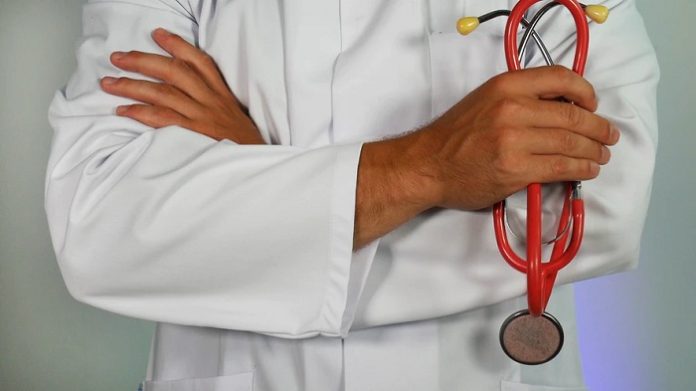

Marketing And Healthcare: How To Get More Patients And Grow Your Business

Qualities to Look for in a General Practitioner

Marketing and healthcare are intertwined in ways that can grow your business. A lot of people don’t know this, but the medical field is one of the most profitable industries today. It’s no longer just doctors or nurses who are making bank. If you’re in the marketing for a hospital, medical center, or any other health care provider, you’re in luck! These five tips will help you get more patients and grow your business.

1. Specialized Marketing Services

Looking for healthcare marketing services is the first step in growing your business. You need this help to make sure that you are advertising in the right places and with the right messaging to ensure you get the highest return on investment (ROI). Marketing in the healthcare industry is unique and it’s not just about providers who treat patients by giving them prescriptions or recommending surgeries, but also about producing content that attracts new patients and makes current ones happy. With so many potential options when choosing a health care provider, it can be hard to find one that offers the right specialization for you. Orthodontists, for example, should make use of social media platforms like YouTube to broadcast before-and-after pictures of their work or even offer coupon deals on Facebook through their page. This is why they need marketing for orthodontists specialized for their needs. Cardiovascular clinics could fill out online surveys with questions like “What is your biggest concern when visiting a cardiologist?” and “What is the number one thing you look for in an online review of heart clinics?” Marketing like this will help them find out what people are seeking and how they can resolve their problems.

2. Content Marketing

Content marketing is an excellent way to get more patients at healthcare facilities because it allows you to show off your expertise and attract new patients by targeting keywords and popular search terms. You can create blogs, videos, infographics, podcasts – anything that allows you to publish valuable information for free while using keywords that someone searching for medical care might type into Google or Bing. If you’re looking for cost-effective healthcare marketing services, content marketing is the best option since it helps you develop authority, boost your reputation, and create an online presence. Content marketing works so well because people trust content more than advertisements or sales pitches. Establishing yourself as an expert in the industry will attract patients to you like moths to light – they’ll be flocking to your hospital without even realizing why!

3. An Active And Engaged Social Media Presence

Social media is one of the most popular ways that people find medical care today. The best healthcare facilities post frequently on their Facebook, Twitter, Instagram, LinkedIn, and other social media accounts where they offer coupons for new services (like teeth whitening) or share success stories with their current patients. This helps them get more patients because it’s how people are starting to communicate with one another, especially millennials. If a hospital’s social media account is active and engaging, it will build trust and comfort with potential patients who are looking for a new doctor or medical center.

4. Video Marketing And Live Streaming

Video marketing helps you get more patients because people today like to see what they’re buying rather than just reading about it. That means that your healthcare facility should make use of video marketing like Instagram stories to show off various locations where surgery would take place or video testimonials from satisfied customers (after all, happy patient = positive reviews = better reputation). Video marketing can be as simple as having your receptionist film herself welcoming new patients into the building, then uploading that onto your website or YouTube channel. You can also consider live streaming since more and more people are joining Facebook Live and Periscope.

5. Customer Relationship Management (CRM) Software

Today, customers want to feel like they matter and one of the best ways to do that is by offering them a tailored experience. This means you need CRM software for healthcare providers so your staff can interact with patients who aren’t happy or answer questions about billing via email or social media promptly. We’re living in a time where people expect quick service from their providers, which is why medical facilities need to have marketing services that promote speedy responses!

If you’re in the healthcare industry, it’s important to show potential patients that you care about their health and are more than just a business. Marketing your hospital isn’t about throwing ads out there or trying to sell people on medical procedures – it’s all about giving them what they want so they’ll trust you enough to come back for help!

Emergency Calls: What Are the Properties of a Great Medical Alert Device?

Emergency Calls: What Are the Properties of a Great Medical Alert Device?

Medical alert devices are an excellent way to keep you safe if something happens that prevents you from calling for help. If you have a loved one who is at risk of falling, getting lost, or having other medical emergencies, then it might be time to look into these devices. We’ll go over some of the properties of a great device so that you can make an educated decision on what will work best for your loved one’s unique needs. Here is the list.

Sufficient Range for Signals

One of the essential properties of a medical alert device is its wide range in sending signals. This way, if an emergency does happen, you will be able to reach help no matter where you are in your home. This means that the device should work using the cellular network or even satellite technology. The person using it should be reachable regardless of their location in and outside the home.

Therefore, it is essential to test the range of the device before purchasing it. Ensure that its reception is good in all the areas of your home where your loved one might need it. Ask the retailer if you can take it for a test drive in your home. If not, then be sure to research what others have had to say about its performance.

Ease of Use

The device should also be easy to use. This means that it should be intuitive and easy to operate. It should also have a large, simple button that you can press in an emergency without too much thought or hesitation. This is more important if the device is used by an older adult, a child, or someone with special needs.

If you have several people who might need to use the device in an emergency (such as family members), they should know how to operate it easily and quickly. Suppose your loved one has been diagnosed with Alzheimer’s disease, dementia, autism spectrum disorder, or another condition that affects their thinking or memory. In that case, they might need an extra special level of protection.

Battery Life that Lasts for Days, if Not Weeks

The device’s battery life is another essential factor to consider. It should be able to last for days or even weeks on a single charge so that you don’t have to worry about it running out of juice in the middle of an emergency. This is especially important if your loved one lives alone and can’t always get to a charger quickly.

If buying the device for an older person, then be sure that they have access to a place to charge it. If your loved one lives alone or is often on their own during the day, then this might mean purchasing several batteries so that there’s always at least one charged up and ready in case of emergency.

Water-Resistant

If your loved one spends a lot of time in the shower, bathtub, or swimming pool, it is essential to ensure that their medical alert device is water-resistant. This way, they can still use it if an emergency happens while they are taking a hot bath or getting ready for bed.

You will want to look for a fully submersible device and can even be used at the pool or beach, if necessary. If your loved one has Alzheimer’s disease, dementia, autism spectrum disorder, Parkinson’s disease, or another condition that affects their memory or coordination skills, then it is even more critical that they can wear the device in the water. This ensures that the device continues working even if they fall into the pool or becomes submerged in water.

Lightweight and Compact Design

The device should be lightweight and easy to carry so that your loved one can wear it at all times without any problem. It might even help if they forget about wearing the medical alert system since they won’t notice that it’s there until something happens, such as an accident or injury.

If you are buying a device for someone who has Parkinson’s disease, dementia, or Alzheimer’s disease, you will want to choose a device that they can comfortably wear around the neck. This way, it is easy for your loved one to reach and activate in an emergency without putting too much strain on their body becomes.

Automatic Fall Detection

If your loved one lives alone or is often left on their own for extended periods, then it’s essential to look for a device that has automatic fall detection. This way, the device will automatically send an emergency call if they cannot press the button themselves when something happens.

This technology can be beneficial when your loved one is taking a bath, showering, or cooking in the kitchen. It can also be helpful if they have a condition that affects their balance or coordination skills and are more likely to fall.

There are several important factors to consider when choosing a medical alert device for your loved one. By keeping these properties in mind, you can be sure that you are purchasing a device that will provide the best possible protection in case of an emergency.

It’s challenging to digitise a microbiology lab, but it’s worth it

It's challenging to digitise a microbiology lab, but it's worth it

When it comes to the digitisation of clinical laboratories, microbiology has always presented a challenge โ€“ particularly where integration and going paperless are concerned. It has been a long journey to achieve this at Bumrungrad International Hospital in Thailand, but it has definitely been worth it.

Let me give you some quick background. When Bumrungrad first went live with the InterSystems TrakCare electronic medical record (EMR) system our clinical laboratory took a huge leap forward. By digitising our core laboratory processes โ€“ which handle 60-70% of the hospitalโ€™s five million annual tests โ€“ clinicians were able to place orders directly into TrakCare and receive results within a patientโ€™s EMR, improving turnaround times and ease of use.

Lab reports, delivered in a structured data format rather than a PDF scan, could be analysed in context with the benefit of decision support systems. Patient safety was also protected by eliminating manual transcription errors. Rules-based workflows increased efficiencies and ability to scale, while decreasing risk.

But what about the remaining 30-40% of tests? Could we also digitise them and get similar benefits for 100% of our tests? Even though it had probably never been done before that was the goal we set ourselves, starting with possibly the most difficult area, microbiology.

Why digital microbiology is a challenge

Let me explain why digitising microbiology is so challenging. Microbiology is a laboratory department that deals with the identification of organisms which could be clinically significant or infectious and how to treat them in the most effective way, a vital aid to the clinical process.

Traditionally microbiology is very resource intensive with many notes recorded in a step by step sequence, creating a very linear yet unpredictable workflow. The task that I am doing now is very dependent on the task that Iโ€™ve just done, and more importantly, the outcomes of the task Iโ€™ve just done. What I do now is going to affect the future tasks, and those are all unknowns until Iโ€™ve completed that task.

At Bumrungrad, our approach to overcoming this challenge was extensive analysis of the tasks and outcomes before we started any design processes. We had a very good understanding of each of the individual tasks and the potential outcomes, and then we started to build relationships between those tasks and their outcomes, and the future tasks.

When we had all those relationships defined, we were able to start doing some objective analysis and decided that they fell into analytical groups โ€“ which we then defined universal standard protocols for. Because these protocols were discrete units of work, we were able to apply specific annotations of criteria which were dependent upon things like what the sample type was, and each would have a different outcome from the different sample types.

We ended up with a very complex hierarchy which from an integration point of view enables autocompletion, or triggering of some other actions onward. We also used standard HL7 messaging throughout to communicate between the different systems involved.

Our systems environment is very diverse, like many microbiology facilities, because there is no one single provider that suits all microbiology services. Our laboratory business management system is InterSystems TrakCareยฎ Lab Enterprise, and we also use the BD BioTyper and EpiCenterโ„ข combination as our microbial identification system. Then we have the VITEKยฎ system for our antibiotic sensitivity work.

All of these are controlled through HL7 messaging from TrakCare Lab Enterprise. With positive validation of the protocols within our laboratory business management system there is acknowledgement of messages and a full audit trail is also managed.

Creating paperless microbiology workflows

At a high level the workflow is as follows. The sample is plated out and we identify the three most significant colonies, which is a manual task. If the colony is identified we add a protocol which contains one or two organisms, which is done in TrakCare Lab Enterprise. TrakCare Lab Enterprise then sends a message to BD EpiCenter which manages all devices, and then it comes to the point of identification.

A unique material ID is generated for each organism that is going to be identified, the barcode is scanned, and the biotyper identifies location. BD EpiCenter says: Yes, Iโ€™ve received a request for organism one, I acknowledge organism one is being put on the analyser in this location, followed by organisms two and three.

Then the analysis is done, itโ€™s validated on the PC associated with BD EpiCenter and the organism is sent back to TrakCare Lab Enterprise. It then knows an antibiotic sensitivity needs to be conducted. It defines according to the various rules what type of antibiotic profile is required, and then it sends a message to the VITEK machine and the results come up on a worklist next to the machine so that the technician knows which type needs to be selected.

When it is positively identified, the analysis is performed, validated into our laboratory business management system, where it can be reviewed for quality control, and put into context with the patient. The report which goes into the electronic patient record (EPR) is created so all the antibiotic sensitivities are structured and digital.

By doing it this way weโ€™ve managed to eliminate paper completely from the department. Itโ€™s something that has been difficult to achieve, but weโ€™ve managed to do it, which is a very good thing. And we believe it is something that very few microbiology laboratories anywhere in the world have been able to achieve.

One of the keys to our success has been staff engagement. We included the lab staff and end users during every phase and encouraged them to be granular and report back what they wanted to see in their workflows. The fact that from day one weโ€™ve managed to go 100% paper free is because the staff have been very engaged with the project and they knew exactly what needed to be done. In fact, weโ€™ve had no issues with our core workflow in microbiology going digital.

Benefits to Bumrungrad International Hospital

So, let me summarise what the advantages are to Bumrungrad International Hospital. Weโ€™ve introduced a standard communication channel within the department and have no paper, which is a definite advantage when you are talking about pathogen detection and risk management.

Weโ€™ve also introduced at every step positive identification, not just of the sample, but of the task that is being performed. Discrete barcodes are generated at each point of the process and weโ€™ve introduced governance of those tasks, so weโ€™ve had positive acknowledgement that this is actually the right task to carry out on this patient on this sample.

Because everything is digital, and the result goes directly into the patient EPR, weโ€™ve increased the safety and confidence around our process. Thatโ€™s because there is no transcription. Itโ€™s all rule based which builds in evidence practice and guidelines into the workflow as well as full auditing capabilities and risk management, identifying issues before they occur.

Weโ€™ve also managed to make our workflow considerably leaner. Because everything is rule-based and automatic, thereโ€™s no going back and double checking.

Another advantage is all our results are reported in the EPR in a structured format. By allowing our clinicians to view them in a structured way, that enables us to do granular infection control and surveillance reportingโ€“ in not quite real time but pretty much real time because we can run reports as and when required.

We can also use protocols which puts us in a good position to apply robotics to microbiology functions. The intelligence has already been built into the protocols, so itโ€™s just about finding the right automated microbiology solution. That is going to come, Iโ€™m certain of it.

Last but not least, our digital microbiology solution is also scalable. Itโ€™s not dependent on members of staff or increasing physical space. The only thing that is required is extra analysers.

These are the main advantages to our business. I hope this has inspired you to take on digitisation of your own microbiology department. Itโ€™s a hard journey and takes a lot of engagement, dedication, and analysis of your workflow and environment. But as weโ€™ve shown, itโ€™s possible to do it, and I would say well worth doing.

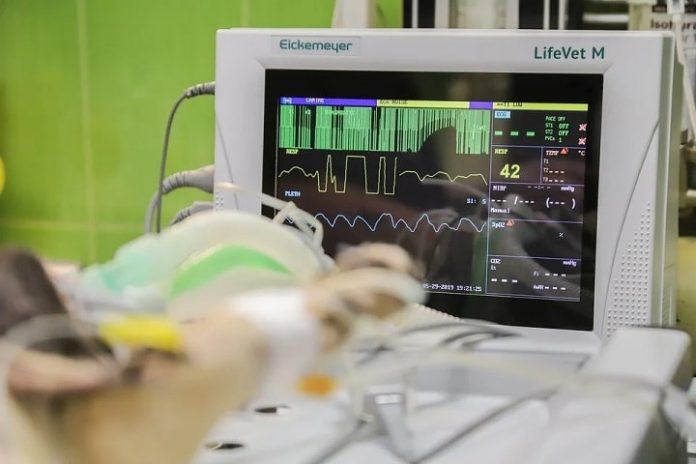
An Easy Guide To Understanding How Patient Monitors Work

An Easy Guide To Understanding How Patient Monitors Work

It is important to understand how to use patient monitors for several jobs and responsibilities. You may be a healthcare professional, working in a hospital or similar environment, or a caregiver that has someone that is connected to such a piece of equipment. You need to understand how to read the monitor in order to properly watch them, monitoring their different vital signs. It is important for those that are unfamiliar, such as nursing and medical students, to gain a grasp and understanding of the monitors in order to prepare for working in a hospital setting.

Setting Up The Patient Monitors

Patient monitors, if operational, will require little time to start up once powered on. They may have lights and indicators to signify the patient status, utilizing the numbers and data to determine if a patient is in need of assistance and should be prioritized for health concerns. When setting up your monitors, youโ€™ll see information that translates to the patient in terms of demographics and ways to identify them to ensure that they are properly treated for whatever they come into the hospital for. These would include basics that are key patient details like their name and age, which would tie in with their health records. The monitors may also indicate the location where they are, specifically the hospital room they are designated in.

Pulse Rate

Although every patient monitor is different, depending on the make and manufacturer of the equipment, there are several components that are more common throughout the devices. When you first look at a patient monitor, you will often see numbers and lines. These are important indicators. The pulse rate, usually indicated by PR, shows the number of beats per minute. The average person will have a heart rate or pulse rate between 60 and 100 beats per minute. Keep in mind, this number will fluctuate depending on the state of the person. Someone in a resting or relaxed state will have a much lower pulse rate than that of someone going through emotional or physical stress. General fitness and health will also contribute to that number.

Temperature

You will also see temperature shown on patient monitors, as this is an important indicator of a personโ€™s general health. It is important to keep in mind the normal temperature range and use this to observe if someone is above or below that level, indicating a problem that needs to be addressed. Temperature can also change depending on activity, food and liquid consumption, the surrounding environment, as well as changes in a personโ€™s body. Use these external and internal factors in conjunction with body temperature to ensure the patient is of good status.

Blood Oxygen

Blood oxygen is labeled or can be determined on these monitors by the number that shows under SpO2. This will indicate how much oxygen is in the blood, showing a percentage. If the number is below 95, this may show something concerning, as that is the ideal percentage to have in terms of blood oxygen levels. If the number is even lower, below 90 percent, the patient may require oxygen through external means.

Respiration Rate

Under RR on the patient monitor, you can see the respiration rate. This indicates the number of breaths a patient takes in a minute. The typical adult breathes in around 12 to 16 times per minute. It is key to remember that this can change the readings for your patients for various reasons. These will range from their activity, illness, or any type of injury they may have that affects their breathing.

Blood Pressure

There are indicators on the monitor to help evaluate the blood pressure of a patient. 2 numbers are made up of systolic and diastolic data, that collectively provide you information regarding blood pressure levels. Keep in mind that the patient’s blood pressure will fluctuate, and be affected by their emotional and physical state.

Heart Rate Line

The line that is at the top is designated to watch the heart rate. Here, you will be able to see the heartโ€™s functioning on the hospital monitors, seeing the beating and cycles with each wave or spike. These should be relatively consistent, and if there are any irregularities in the patterns of the ECG, or electrocardiogram, this could be caused by underlying issues that need to be looked further into.

Blood Oxygen Flow Line

The next line below the one that indicates heart rate shows blood flow. This is important for issues that deal with circulation. The movement on this line corresponds or typically will match that of the first line, indicating positive oxygen levels with each heartbeat. Issues dealing with this might suggest that your extremities or certain limbs and parts of the body are not getting the required oxygen they need.

Breathing

In addition to the respiratory rate, you can also monitor a patient and their breathing by looking at the wave form, which is typically the third line on the monitors. Here, you can monitor the patient’s breathing closely, watching for changes in breathing pattern and not just in the number itself. This is helpful for looking out for breathing issues when someone has difficulty breathing, or in certain events where the patient stops breathing altogether. Some more basic monitors may not have this, but only have the respiratory rate number to provide you information regarding that personโ€™s breathing. The reason this line is not present in all monitors is that it is only really needed for patients that have issues with breathing. If the patient is in the hospital being treated for other issues, this may not be required or be as essential in certain hospital rooms.

Not all patient monitors are designed the same. It is important that when you are utilizing the monitors that you have to work with, that you understand how to properly operate them and how to decipher the different indicators and data on the screen. This will impact whatever job you have and how to be efficient in your role when monitoring such information.

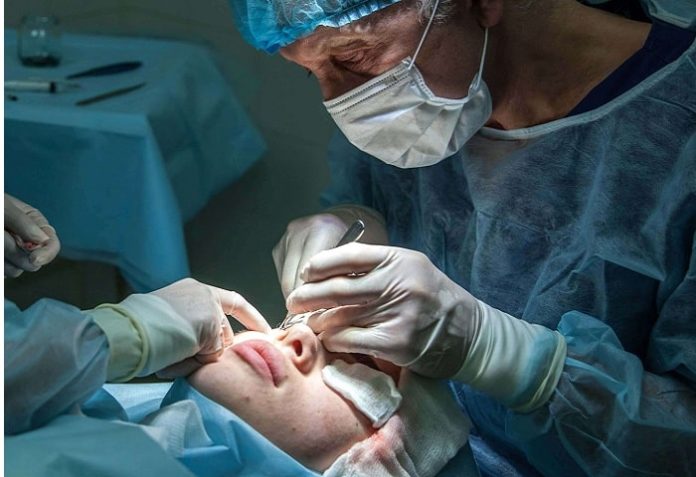
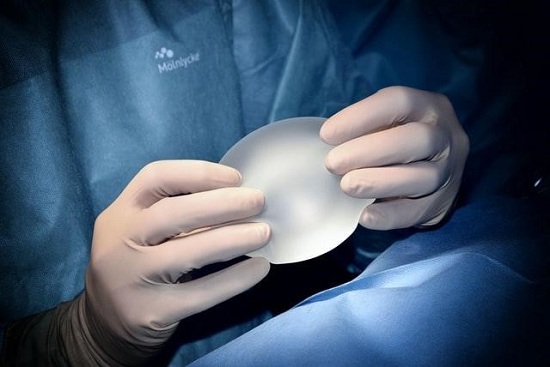
A Guide To Plastic Surgery In Warsaw IN

A Guide To Plastic Surgery In Warsaw IN

There’s a good chance that if you’re reading this, you already know someone who has undergone cosmetic procedures. The field of plastic surgery has progressed significantly in the decades since it first gained public recognition. Particularly among Hollywood’s A-listers, they’re becoming more open and confident about their beauty enhancements.

At the same time, plastic surgery techniques have progressed in artistry and safety. Hence, many people have become much more comfortable with the idea of enhancing their appearance through plastic surgeries in recent years. And they’re perfectly comfortable now sharing their experiences with various social media platforms!

In fact, many peopleโ€”men and women alikeโ€”are considering or perhaps have already undergone cosmetic procedures, and the numbers don’t lie. With nearly 18 million surgical procedures performed in the United States each year, beauty enhancement procedures continue to be popular (read more) each year. Almost a quarter million operations were carried out between 2017 and 2018. Also, from the past five years, the counts have progressively increased in number.

Hence, the days when plastic surgeries are veiled in stigma and controversy are long gone. Many people today embrace beauty enhancements for their own benefit, particularly for their sense of self-worth. Not to mention, they also carry lots of health advantages too!

What Is Plastic Surgery?

Plastic surgery is a type of procedure that is performed to enhance a person’s physical attributes.

Most people who get it done cited reasons for the operation to improve their self-esteem and confidence. That includes feeling good and looking nice. But more than aesthetic and beauty appeal, these procedures have several advantages to your physical health. And others do it for that.

For example, a rhinoplasty (nose reshaping) procedure can improve breathing while also improving the appearance of the nose. In addition, having disproportionately large boobs can cause physical discomfort such as neck and back pain, which can be relieved by breast reduction surgery. Botox has also been shown to be effective in the treatment of chronic migraines, Bell’s palsy, excessive sweating, and possibly chronic depression.

Cosmetic Vs. Reconstructive

Surgical procedures are similar in both cosmetic and reconstructive surgeries. The reason for surgery, on the other hand, can differ from person to person. Cosmetic surgery’s primary goal is to improve your appearance or make you feel better about your appearance. The goal is to improve the patient’s overall appearance, which uses a unique approach through surgical procedures.

Cosmetic surgery aims to reshape our physical features to be more attractive visually. For example, you may wish to have your nose reshaped to better suit you and thus boost your confidence. As a result, this type of surgery isn’t always performed for medical reasons.

On the other hand, reconstructive (link: https://www.sciencedirect.com/topics/medicine-and-dentistry/reconstructive-surgery) is a medical procedure that aims to restore the function of a certain body part while simultaneously correcting irregularities or deformities in your normal appearance caused by the following:

  • Birth defects
  • Trauma
  • Injuries or accidents
  • Medical conditions that cause deformities

Hence, this surgery is performed for various medical purposes. Hence, it is typically covered by the majority of health insurance plans.

For example, after a mastectomy, you may need breast reconstruction, or you can get hand surgery to correct rare genetic webbed fingers.

Finding A Plastic Surgeon

Before jumping right off a permanent decision, knowing the advantages and drawbacks of having plastic surgery first is crucial. Like any other procedure, it has risks too. So it is essential to find a reputable plastic surgeon that you’ll trust to perform it on you.

An excellent place to begin your search for a surgeon is by word of mouth. This is also a perfect way to ensure that before you get plastic surgery in Warsaw IN, the surgeon you have found is reputable and trusted by other clients. After that, the most crucial thing to look for is if they’re board-certified by the American Board of Plastic Surgery (ABPS). Always look for their credentials.

Last but not least, look for a surgeon who can work with you to achieve your aesthetic goals and who can tailor a treatment to your needs. Finding the “best” plastic surgeon for a procedure is much more likely to be a matter of finding one whose artistry is in sync with your personal style for your body because each of us has a unique body.

Why a Chiropractor in OKC is Your New Favorite Back Doctor?

Why a Chiropractor in OKC is Your New Favorite Back Doctor?

Does your lower back hurt for a while now? Have you scheduled a doctorโ€™s appointment? While doctors usually prescribe medications to eliminate such discomfort, chiropractors can help you get rid of the pain for good.

Chiropractors are licensed and trained to diagnose neuromuscular disorders and provide proper treatment. These healthcare professionals make manual spine adjustments to correct potential misalignments.

These are the main reasons to visit a Chiropractor in OKC Back Doctor and improve your wellness.

Quickly removes pain

A staggering eighty percent of people undergo pain in the lower back area at some point in life. Seeing a chiropractor is necessary for getting relief and continuing with life while experiencing no discomfort. Several chiropractic adjustments are enough to experience pain relief, as well as perform certain exercises to strengthen the lower back muscles.

Even though symptoms vary across people, the main symptoms involve pain that worsens when coughing, sneezing, laughing, bending down, or lifting heavy objects. Also, individuals experience discomfort when sitting for longer periods, like at work. Other symptoms include leg numbness, stiffness in the lower back area, difficulties when moving around, etc. A chiropractor will assist you in getting rid of these symptoms after a couple of treatments.

Improves range of motion and mobility

Another reason why a chiropractor in OKC should become your favorite back doctor is his/her ability to increase mobility and motion range in patients. Lower back pain is what leads to a decrease in mobility and makes individuals less active. Nevertheless, by getting a chiropractic adjustment, the mobility of your spine will be increased.

In addition, chiropractic adjustments are known to reduce nerve compression. Some patients suffer from muscular imbalances, which must be addressed as soon as possible to alleviate chronic pain. Many patients undergo discomfort from the quadratus lumborum and piriformis muscle, located above the hip joints. Check out some tips for receiving a good chiropractic adjustment.

Reduces the risk of future injuries

Another reason why a chiropractor in OKC can become your favorite doctor is the possibility of preventing future injuries. Individuals suffering from back pain are advised to take proper measures to avoid injuring their spine even further. Chiropractors teach patients how to stretch and exercise to prevent injuries and harm in the future.

When a person is exposed to back pain, chiropractors often recommend exercise and making lifestyle changes like consuming healthy food, trying new skin products, etc. Although such changes donโ€™t seem helpful in preventing future injuries, they might do wonders if combined with chiropractic treatment. Itโ€™s paramount to follow the advice and recommendations of your doctor to minimize the risk of injuring your back once again.

Acute pain relief

Living with chronic pain is a nightmare for sufferers, as prescription medications arenโ€™t usually effective in alleviating discomfort. In the event of experiencing acute back pain, a chiropractor will provide you with relief. Injuries in this body area are mainly caused by muscle spasms and overuse injuries.

A chiropractor will make sure to target the areas where muscle spasms are still present to reduce existing inflammation, which causes more harm than anything good. The moment when your spine becomes aligned once again is when all symptoms will gradually start to disappear. See this link, https://www.healthline.com/health/spine-alignment, to learn how to recognize if your spine is misaligned.

Prevents symptoms recurrence

Another way in which an OKC chiropractor can be of assistance is by preventing the symptoms from recurring. The spine plays a vital role in the performance of bodily functions, including standing up, breathing, and others. Consequently, regular visits to a chiropractor will also boost your immune system and minimize the risk of diseases connected to neurological dysfunction, such as Alzheimerโ€™s.

Furthermore, chiropractic adjustments are helpful when it comes to reducing neck pain, headaches, and various chronic conditions. Individuals receiving regular chiropractic care arenโ€™t as likely to get re-hospitalized for injuries related to back problems. Itโ€™s because the focus of the treatments is placed on correcting spinal misalignments and nerve interference.

The bottom line

Chiropractic adjustments can indeed boost your wellness and prevent more serious issues, such as scoliosis, sciatica, and muscle spasms.

Find the best professional in OKC!

How Going To Physiotherapy Affects Your Recovery

How Going To Physiotherapy Affects Your Recovery

Going back to normal after suffering an injury from an illness, physical activity or unbearable pain due to a musculoskeletal condition can be a difficult process to do alone. Moreso, if the injury resulted from a stroke, that could leave an entire side of your body immobile.

Physiotherapy or Physical therapy can help one function, move and live better. Licensed therapists can use recommended exercises to treat various conditions so you can get back to your everyday routine before an injury or illness interrupted your life.

Not attending to these injuries and ailments could be detrimental. Rehabilitation must be applied so as not to worsen the condition or leave one permanently disabled. It is believed that 90 days after recovery from a stroke, a patient must have physiotherapy as this is considered the ‘golden period’ of recovery. Most neurological recovery happens during this phase, and relearning movements is crucial.

Therapists can significantly help in improving one’s quality of life. Here are ways how going to physiotherapy can affect your recovery:

  1. It Relieves Your Pain

When you suffer pain from RMI or repetitive motion injury like carpal tunnel syndrome, you may have difficulties performing your work. The repeated performance of the same work cause injury from wear and tear of a particular body part and can be excruciatingly painful.

Aside from the pain, numbness and weakness could lead one to fail to perform a task, causing financial loss. PTs could employ interventions and exercises like manual therapy and stretches to improve the function of the hand and restore grip strength.

The technique used in the treatment can enhance the range of motion of the hand and fingers, thereby reducing the symptoms and alleviating one’s pain. If you have Carpal Tunnel Syndrome and need help, try the best physiotherapy Brampton area, they have the best PTs that could attend to your injury and rehabilitation.

  1. Prevents Muscle Spasticity

If you suffered from a stroke causing a side of your body temporarily immobile, the disruption in muscle movement could cause it to contract. The tightening of the muscle may further lead to abnormal posture, permanent contraction, lasting spasms, and severe pain. Spasticity could also reduce oneโ€™s ability to resume the function of a particular body part.

Physiotherapy can prevent contracture by performing stretches that allow muscles to grow longer and more flexibly. PTs could also use a splint and a cast to maintain the range of motion and flexibility one has already achieved.

  1. Strengthens Your Body

Traumatic Brain Injury or TBI will not only affect your mobility but may also weaken your body after the very dreadful ordeal. Since brain function is less efficient after a TBI, you may need extra effort and attention to do even a simple task.

Because of this, physical fatigue may be predominant. You may often feel exhaustion, weariness, and tiredness all the time. Physiotherapy exercises can help increase your endurance and strength, pace your movements, and eventually expand them as you progress with your therapy.

  1. Improve Your Mental State

Having limited mobility after a stroke, TBI, and sports injury harm a person’s mental health. The feeling of helplessness and hopelessness because of the drastic change in their physical condition could further develop into depression, affecting one’s road to recovery.

Physiotherapy allows a patient to recover many movements affected by the injury or illness. Doing that gives one a sense of achievement, happiness, and satisfaction that could boost one’s morale and give one more zest to work on other weaknesses affected by the injury or ailment.

Increasing their strength and endurance through exercises also releases dopamine, a neurotransmitter responsible for giving you a general feeling of pleasure. It’s a ‘feel-good’ chemical that helps you focus, achieve your goals and improve your mood.

  1. Improve Balance And Coordination

Being confined to bed for a long time after a TBI or a sports injury could take a toll on a personโ€™s body and affect their gait, balance, and coordination. Licensed PTs will utilize approved exercises appropriate for your deficit to improve your flexibility, posture, mobility, and enhance coordination.

During the first few days of your therapy, you might think that it’s impossible to regain your normal movements, but as you progress, you’ll realize that you can do tasks by yourself and without assistance. This is one of the goals of therapy, to give you the independence to function without help from other people.

Conclusion

An injury or an ailment should not limit you to live your life. Youโ€™re confined only by the walls you build yourself.ย  Experts and professionals have a range of tried and tested scientifically-based techniques that could help you reach your potential so you could get back on your feet in no time.

Telli Health Delivers World’s First 4G Cellular-Connected SpO2 Pulse Oximeter for COVID-19 Patients

Telli Health Delivers Worlds First 4G Cellular-Connected SpO2 Pulse Oximeter for COVID-19 Patients

Telli Health announced the delivery of the first FDA certified and approved 4G cellular-connected SpO2 pulse oximeter, addressing the unprecedented demand seen during the pandemic for remote patient monitoring (RPM) devices, particularly SpO2 pulse oximeter, to track COVID-19 patients.

The pulse oximeter rounds out Telli Healthโ€™s complete 4G package to measure and detect common physiological parameters. These devices also include a touchless thermometer, blood pressure monitor, blood glucometer, and weight scale, and serve as a complete COVID-19 kit to monitor pre- and post-discharged patients without any additional equipment required. Patient data is automatically transmitted directly into their existing health record and are available to their provider immediately, all from the comfort and safety of their home.

Telli Healthโ€™s Cellular SpO2 pulse oximeter, along with its other RPM devices, are valuable as an alternative to COVID-19 hospital admissions โ€“ they help reduce the spread of the virus and help free up hospital space for other emergencies, altogether improving healthcare delivery.

Telli Health Director of Product Support Alvaro Salgado, commented, โ€œThe pulse oximeter is the main device used to monitor COVID patients, so I am thrilled that our 4G cellular-connected SpO2 pulse oximeter is now being delivered to providers โ€“ Telli Health is responding to that demand. Providers have reported in the past that COVID patients indicated that they were feeling fine, when oxygen saturation levels were quite low. Our cellular-connected SpO2 pulse oximeter will alert providers of a problem and give them ample time to act accordingly. Our pulse oximeter is also significantly advantageous for its ease of use and low power requirements. This revolutionary technology will allow patients to remain at their hospital-in-home to recover in a familiar place in lieu of a traditional hospital room.โ€

Telli Health devices use SIM technology that connects to all major carriers including Verizon, AT&T, T-Mobile/ Sprint, providing a solution to patients in the most rural and remote areas, improving accessibility and allowing more patients to be reached.

Telli Health is the industry leader in medical IoT devices. Removing barriers and making medical devices easier to use and more accurate is Telli Healthโ€™s number one priority. Telli Health is proud to partner with the best network providers across the globe to deliver fast and reliable coverage for the best user experience possible, no matter the location.

Ezra Announces New AI Solution That Converts Radiology Reports Into Layman, Easy-to-Understand Medical Reports

How Medical Entrepreneurs are Changing the Healthcare Industry

Ezra, the NY-based startup transforming early cancer screening using full body MRI scans, announced the launch of its Ezra Reporter, an AI-driven solution that can quickly assist medical professionals to translate the complex findings of a radiology report into simplified and universally understood terms for patients. By reducing the time required of medical professionals to review radiology reports, Ezraโ€™s new solution also produces cost savings that can be passed along to the patient.

This announcement comes on the heels of Ezraโ€™s momentous company growth as the leading full-body cancer screening service. The company has launched its breakthrough full body MRI screening service in four cities across 16 imaging facilities, and is looking to expand nationwide in 2022.

Over a hundred physicians, particularly those focused on longevity and anti-aging, have integrated Ezra full body scans into their service offerings to their patients.

โ€œThe Ezra Report provides a great synopsis for my patients to easily digest their scan results, fostering an easier conversation around their treatment plan,โ€ said Dr. Jake Deutsch, a celebrity doctor in New York, who recently began offering Ezra Scans to his Oakwood patients. โ€œThe quick turnaround time, coupled with the simplicity of the report, helps my patients to feel proactive about their long-term health goals at Oakwood.โ€

With its newly trained machine learning-based software, Ezra has created a seamless system in which radiology reports are processed, analyzed, and a medical report is generated. The proprietary technology pinpoints specific findings in a radiology report, maps them to non-technical, easily understood translations and transports these results to be subsequently reviewed and verified by medical professionals. This machine learning solution uses over one thousand data points of clinical data from Ezraโ€™s existing internal medical provider team to suggest translations for the radiology report findings. The output is a non-technical and easy to understand medical report of a patientโ€™s radiology results from an Ezra full body MRI scan.

Ezra Reporter will enable the company to decrease the scan-to-report waiting times from 7 business days to only 3 days. This enables patients to get peace of mind, in an otherwise nerve-wracking process.

โ€œEzra Reporter is helping our members better understand their clinical results, empowering them to make direct and pertinent decisions about their health,โ€ says Diego Cantor, co-founder and CTO of Ezra who holds a Ph.D. in Biomedical Engineering, โ€œFurthermore, this AI helps us reduce internal costs making our full body cancer screening service more affordable for our members.โ€

Ezra aims to implement artificial intelligence into all aspects of its screening service, providing accessible and democratized care to all of its members. The use of technology in radiology mitigates countless unnecessary follow-up appointments, long wait times, and unnecessary stress in an already stressful time for patients. Through this marquee development in Ezraโ€™s technology, the company aims to help its members save on costs and time, and streamline future care.

ABOUT EZRA:

Ezra is a New York-based healthcare technology company utilizing artificial intelligence in medical imaging to provide individuals with a full-body cancer screening service that is fast, accurate, and affordable. By advocating for early cancer detection as part of annual health screenings, Ezra is on a mission to create a new standard of preventative care, providing people with the necessary knowledge to make decisions about their health. The company’s cancer screening services are available in New York, San Francisco, Los Angeles and Miami.

Translate ยป