











Close
Digital Health & Ai Innovation summit 2026
Medical Taiwan 2026

Brain Scientific and LOK Corporation Announce Global Partnership Advancing Innovative Neurodiagnostic Devices

neurosurgery

Brain Scientific Inc., a leader in the medical technology market, announces its partnership with LOK Corporation to develop and manage Brain Scientific’s U.S. and global distribution network. This partnership will scale and accelerate Brain Scientific’s neurological devices.

The NeuroCap and NeuroEEG are Brain Scientific’s flagship products. The NeuroCap is a pre-gelled disposable EEG cap that is easily applied by anyone within clinic settings or at home. The NeuroEEG is a wireless, wearable EEG amplifier that provides the patient full freedom of movement in routine and specialized EEG monitoring.

The NeuroCap and NeuroEEG can be used in neurology clinics, urban and rural emergency departments, intensive care units, assisted living facilities, sporting venues and remote clinical research studies. Brain Scientific’s neurodiagnostic devices are directly aligned to support the trends of care moving beyond the specialist office.

“At LOK Corporation, we are always on the lookout for disruptive technologies,” states Daniel Cloutier, CEO of LOK Corporation. “We believe that the NeuroCap and NeuroEEG have the potential to change the way EEGs are conducted and expand their application, and we are excited to be part of this endeavor.”

LOK has assisted hundreds of innovative medical technologies companies with all aspects of worldwide commercialization. The LOK network consists of more than 15,000 distributors in 186 countries in 64 medical specialties, including clinical neurology, research, emergency care and sports medicine.

“Our products are changing lives by making EEG tests shorter and more accessible than ever before,” said Hassan Kotob, chairman and CEO of Brain Scientific. “With LOK’s successful track record, we will accelerate bringing our mission-critical products to all parts of the globe.”

About Brain Scientific

As a commercial-stage medical technology company with multiple patents and FDA-cleared products, Brain Scientific is committed to developing next-gen solutions that advance the future of neurodiagnostic and OEM medical devices. Brain Scientific has two product lines covering neurology and precision motion. The NeuroCap and NeuroEEG are smart neurological diagnostic devices that simplify administration, shorten scan time and cut costs. The Piezo Motion product line consists of ultra-efficient compact precision motors that will drive the next generation of medical devices.

About LOK Corporation

LOK Corporation is a manufacturing agent that helps companies develop and manage their international distribution networks. Over the years, LOK has built a reputation representing major players but also companies that were in their first steps of commercialization. LOK also offers training tools for the sales force and several other services to support sales and marketing.

Veeva Unveils Powerful New Digital Tools to Enable the Future of On Demand Physician Engagement

How To Increase Your Income As A Doctor

Veeva Systems showcased the Veeva CRM Engage Connect compliant messaging and content sharing capabilities at its European Veeva Commercial and Medical Summit Connect event. Healthcare professionals (HCPs) will now have access to the information and resources they need from life sciences companies when they need them. Engage Connect will be available next month as part of the Veeva Engage app used by over one million HCPs for digital meetings.

When HCPs need information, it’s hard to know which field reps and companies to contact. Physicians want to easily search and send text requests—without sharing their personal information. With compliant messaging, field teams can have more timely and purposeful exchanges in between meetings or events.

“With Veeva Engage Connect, our field teams can quickly connect with HCPs in a more personal, convenient way through compliant texts, scheduling meetings, and most importantly, sharing patient resources,” said Deborah Sullivan, director, field force automation, Sanofi. “The app allows us to personalize customer interactions while giving HCPs a one-stop-shop where they can proactively connect with reps from across the industry for support that ultimately helps improve patient’s lives.”

Veeva Engage Connect makes chat-like messaging and content sharing simple and compliant. Field teams can more easily stay connected with HCPs via:

  • Compliant, two-way messaging: Pharma reps and medical science liaisons (MSLs) can securely chat with HCP customers anytime, anywhere to deliver timely information on potential treatments.
  • On demand content and resources: HCPs can quickly find or request educational materials, samples, patient resources, or services.
  • Simple scheduling: HCPs can request in-person or remote meetings, show office hour preferences, view upcoming meetings, and launch video calls directly from the app.

“Doctors prefer interacting with reps and MSLs on their terms and are asking for more convenient access to information and resources,” said Bryce Davis, senior director, Veeva Engage strategy. “Veeva Engage Connect is helping deepen relationships between HCPs and life sciences companies by enabling simple two-way engagement across multiple companies and brands in a single app—advancing the industry toward a pharma on demand world.”

Engage Connect is part of the Veeva Engage platform that enables anytime, any channel engagement through video, phone calls, contactless in-person interactions, or chat. Initially introduced to early adopters as MyVeeva for Doctors, the new Veeva Engage Connect capabilities will be available for biopharma field teams next month. HCPs will be able to connect and meet with participating life science commercial teams using their existing Veeva Engage app, which is available in the Apple app store and Google Play.

To learn more about the Veeva Engage platform, life sciences industry professionals can register for today’s Veeva Commercial and Medical Summit Connect Europe at veeva.com/eu/summit. Veeva also released news about new innovations to Veeva CRM at today’s Summit.

About Veeva Systems
Veeva is the global leader in cloud software for the life sciences industry. Committed to innovation, product excellence, and customer success, Veeva serves more than 1,000 customers, ranging from the world’s largest pharmaceutical companies to emerging biotechs. As a Public Benefit Corporation, Veeva is committed to balancing the interests of all stakeholders, including customers, employees, shareholders, and the industries it serves.

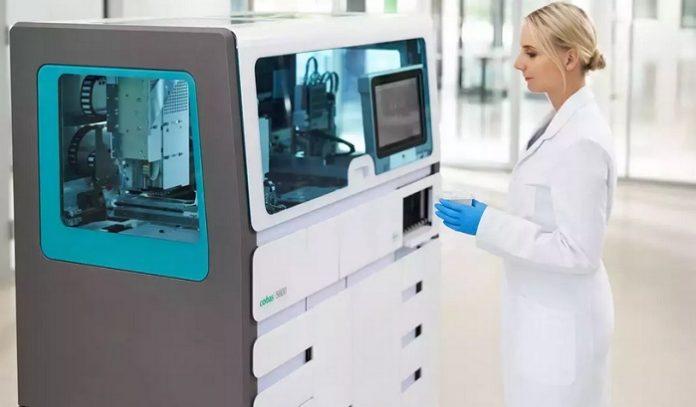
Roche launches cobas 5800, a new molecular diagnostics system to expand access to testing and improve patient care

Roche launches cobas 5800, a new molecular diagnostics system to expand access to testing and improve patient care

Roche announced the launch of the cobas® 5800 System, a new molecular laboratory instrument, in countries accepting the CE mark. Testing is one of the first lines of defense to protect a patient’s general well-being and is vitally important in quickly guiding their treatment. The cobas 5800 System helps address challenges that laboratories are facing from an increase in patient testing, reimbursement complexities and the need for a more diverse testing menu while providing meaningful and timely results.

“Diagnostics continue to revolutionise how providers care for patients, and it is essential, now more than ever, that the healthcare community has access to reliable and accurate testing solutions,” said Thomas Schinecker, CEO Roche Diagnostics. ”We are pleased that we can now offer a compact, fully-automated molecular system such as the cobas 5800 System. This new system helps to address the high demands on labs through greater efficiency, optimised workflows and cost savings, enabling them to deliver quality patient care.”

The cobas 5800 system, the newest member of the Roche Molecular Work Area, is built upon the innovation of the cobas® 6800 and cobas® 8800 systems, making molecular testing accessible to more patients around the world.

About the cobas 5800 System
The cobas 5800 System is a real-time PCR molecular testing solution that provides excellent performance and value-added utility from a compact footprint. The cobas 5800 System delivers automation, consolidation, integration and standardisation – making it a scalable, cost-efficient solution for smaller labs seeking big lab performance, or for bigger labs seeking small lab agility.

The system is built to offer a fully automated workflow that encompasses sample supply, transfer and preparation, amplification and detection, result calculation and delivery to the laboratory information system (LIS). The single module enables a walkaway time of up to eight hours*, resulting in less hands-on time, which can lead to improved productivity, reduced possibility for errors and more predictable turnaround times.

The cobas 5800 System will offer the same menu as the cobas 6800 and 8800 Systems, including the cobas® SARS-CoV-2 test. The system offers an expanded on board capacity allowing labs to test multiple assays simultaneously and delivers up to 144 results in an eight-hour shift. This streamlined molecular testing system will allow most labs to consolidate greater than 90 percent** of their routine molecular tests onto a single platform. For more information please visit diagnostics.roche.com.

About Roche
Roche is a global pioneer in pharmaceuticals and diagnostics focused on advancing science to improve people’s lives. The combined strengths of pharmaceuticals and diagnostics, as well as growing capabilities in the area of data-driven medical insights help Roche deliver truly personalised healthcare. Roche is working with partners across the healthcare sector to provide the best care for each person.

Roche is the world’s largest biotech company, with truly differentiated medicines in oncology, immunology, infectious diseases, ophthalmology and diseases of the central nervous system. Roche is also the world leader in in vitro diagnostics and tissue-based cancer diagnostics, and a frontrunner in diabetes management. In recent years, the company has invested in genomic profiling and real-world data partnerships and has become an industry-leading partner for medical insights.

Founded in 1896, Roche continues to search for better ways to prevent, diagnose and treat diseases and make a sustainable contribution to society. The company also aims to improve patient access to medical innovations by working with all relevant stakeholders. More than thirty medicines developed by Roche are included in the World Health Organization Model Lists of Essential Medicines, among them life-saving antibiotics, antimalarials and cancer medicines. Moreover, for the thirteenth consecutive year, Roche has been recognised as one of the most sustainable companies in the pharmaceutical industry by the Dow Jones Sustainability Indices (DJSI).

The Roche Group, headquartered in Basel, Switzerland, is active in over 100 countries and in 2020 employed more than 100,000 people worldwide. In 2020, Roche invested CHF 12.2 billion in R&D and posted sales of CHF 58.3 billion. Genentech, in the United States, is a wholly owned member of the Roche Group. Roche is the majority shareholder in Chugai Pharmaceutical, Japan.


Bronson Healthcare and Acadia Healthcare Break Ground on New Behavioral Health Hospital to Serve Southwest Michigan

Bronson Healthcare and Acadia Healthcare Break Ground on New Behavioral Health Hospital to Serve Southwest Michigan

Bronson Healthcare and Acadia Healthcare Company today held a virtual groundbreaking ceremony marking the beginning of construction on the new hospital that the two companies are building together as part of a joint venture. Slated to open in early 2023, the 96-bed inpatient behavioral health hospital will be located in Battle Creek, Michigan, on a previously announced 25-acre site at Glenn Cross Road and M-66 in Battle Creek.

The new hospital addresses the growing need in southwest Michigan for more accessible, high-quality behavioral health services. It will offer a full continuum of inpatient behavioral healthcare services for adult patients including comprehensive treatment for those who struggle with acute symptoms of mental health disorders such as anxiety, depression, bipolar disorder and posttraumatic stress disorder (PTSD).

“We are very pleased to announce that construction is underway for Bronson Behavioral Health Hospital,” said Bill Manns, President and Chief Executive Officer of Bronson Healthcare. “Bronson has a longstanding commitment to advancing the health of the communities we serve and we are proud to make this investment to expand behavioral health offerings in our region.”

“We’re so excited to have an opportunity to introduce the community to this new hospital,” said Debbie Osteen, Chief Executive Officer of Acadia Healthcare. “This new hospital will be state-of-the-art and provide the hope and healing that residents of southwest Michigan need when dealing with complex behavioral health issues.”

Bronson Healthcare is a not-for-profit, community-governed health system serving nine counties in southwest Michigan. With 8,400 employees, more than 1,500 medical staff members, and 796 licensed beds, Bronson is the largest employer and leading healthcare system in southwest Michigan. It offers a full range of services from primary care to critical care across more than 100 locations. Key member organizations include Bronson Methodist Hospital, Bronson Battle Creek Hospital, Bronson LakeView Hospital, Bronson South Haven Hospital, Bronson Medical Group, Bronson at Home, Bronson Commons, Bronson Athletic Club, Bronson Wellness Center and the Bronson Health Foundation.

AIRS Medical Receives FDA Clearance for AI-Powered MRI Reconstruction Software SwiftMR

AIRS Medical Receives FDA Clearance for AI-Powered MRI Reconstruction Software SwiftMR

AIRS Medical Inc., a healthcare startup based in South Korea, announced FDA 510(k) clearance of its first product SwiftMR™. SwiftMR™ is an AI-powered MRI reconstruction software that enhances MR images acquired under various conditions, contributing to higher throughput and better patient experience.

MRI scans are a safe and reliable source of imaging, but a single procedure takes 20-90 minutes, causing discomfort to patients and sometimes requiring sedation. Hence radiologists are forced to yield image quality to keep scan time at a patient-tolerant level. In addition, long scan times and hiking demand make MRI notorious for wait times that can build up to months.

AIRS Medical tackles this dilemma by utilizing deep learning engines trained with high-quality images to enhance low-quality images. Because the software communicates directly and automatically with the institution’s PACS (Picture Archiving and Communication System), it easily boosts performance and efficiency of the entire fleet of MRIs with a quick installation.

Since its launch in July, SwiftMR™ now serves numerous institutions across Korea, with over 4,000 patients scanned and zero downtime to date. The solution is gaining traction fast, as the output images are receiving positive feedback from radiologists in the country and abroad. “Refocusing our goal from increasing quantitative metrics of the deep learning engine to satisfying seasoned radiologists has been critical in advancing the technology to a clinically acceptable level,” said Jingu Lee, CEO of AIRS Medical. “We believe we can meaningfully reduce scan and wait times – and ultimately, enable medical imaging services to be more accessible to people around the world.”

AIRS Medical will showcase its market-ready product for the first time in the U.S. at RSNA 2021, where Dr. Jongho Lee, Professor of Seoul National University and scientific advisor of AIRS Medical, will give a presentation on the real-world application of SwiftMR™.

Viz.ai Launches Two New AI-Powered Modules for Pulmonary Embolism and Aortic Disease

Viz.ai Launches Two New AI-Powered Modules for Pulmonary Embolism and Aortic Disease

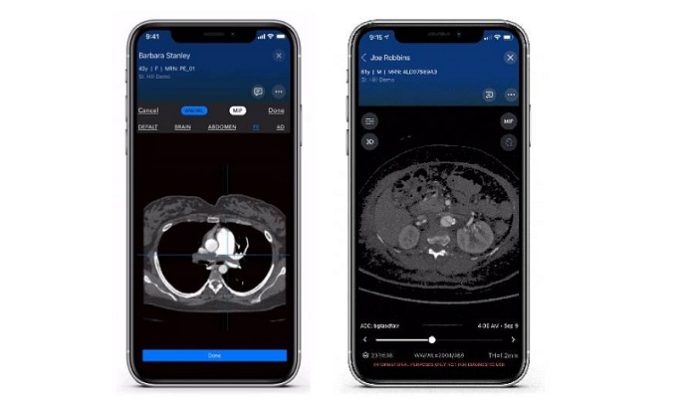
Viz.ai – the world leader in AI-driven intelligent care coordination, today announced the U.S. commercial launch of its AI-powered modules for pulmonary embolism and aortic disease. Debuting at the 48th annual VEITHsymposium November 16 – 20 in Orlando, Fla., the new modules allow for faster clinical decision making and improved care coordination for patients suffering from these two life-threatening conditions.

Diagnosis and care coordination of patients suffering from PE and aortic disease can be challenging, with the average arrival-to-treatment times lasting more than 8 hours for these emergent conditions.1 Viz.ai uses deep learning to identify suspected aortic dissection and pulmonary embolism disease in under two minutes.2 The modules are designed to ensure that the right clinical decision is made at the right time, no matter where the patient resides in the healthcare system, to ensure quick and appropriate care. Viz.ai is the only software company to offer an AI-powered care coordination solution for stroke, aortic disease, and pulmonary embolism.

The new modules leverage advanced deep learning to communicate time-sensitive information, including advanced imaging studies and real time clinical information, to specialists who can more quickly and easily make treatment decisions for the patient. Users can access all aortic and pulmonary imaging from the cloud, enabling care coordination regardless of geography.

“This technology has changed the way we triage and treat stroke patients, dramatically improving their care,” said Dr. Richard Saxon, interventional radiologist at Tri-City and Palomar Health, San Marcos, Calif. “In a similar fashion, I believe the Viz.ai PE and Aortic modules will enhance image interpretation with AI, dramatically improve the quality and speed of mobile image viewing, and improve caregiver communication. This is truly the care coordination of the future.”

Viz.ai is the leader in AI-powered care coordination and has accelerated the time-to-notification of the treatment team by 73 percent and time-to-treatment by 24 percent.3 The Viz Platform is now utilized in over 850 hospitals across the U.S. and Europe and touches almost two patients every minute.

“The launch of these two new modules brings the power of the Viz Platform to a vast new faction of medical professionals and patients battling life-threatening conditions,” said Dr. Chris Mansi, Viz.ai CEO and co-founder. “This is a significant milestone in our mission to fundamentally improve how healthcare is delivered in the world.”

About Pulmonary Embolism and Aortic Disease

Pulmonary embolism (PE) is a potentially deadly form of venous thromboembolic disease affecting over 600,000 people worldwide. It is a common cause of cardiovascular death and is associated with multiple inherited and acquired risk factors affecting hundreds of thousands of people every year globally. PE occurs when a blood clot gets lodged in an artery in the lung, blocking blood flow to part of the lung.

The aorta is the body’s main artery and aortic emergencies are time sensitive and deadly. Aortic emergencies include dissection, rupture, and transections. These conditions are a result of acute damage to the aorta where it may tear or burst. Blood flow to the entire body may be limited, requiring emergent intervention.

About Viz.ai, Inc.

Viz.ai is the leader in AI-driven intelligent care coordination. Viz.ai’s mission is to fundamentally improve how healthcare is delivered in the world, through intelligent software that promises to reduce time to treatment, improve access to care, and increase the speed of diffusion of medical innovation. Viz.ai’s clinically validated platform leverages advanced deep learning to communicate time-sensitive information to specialists who can more quickly and easily make treatment decisions for the patient.

Viz.ai is located in San Francisco and Tel Aviv and backed by leading Silicon Valley investors, including Kleiner Perkins, Google Ventures, Greenoaks, CRV, Threshold Ventures, Innovation Endeavors, Susa Ventures, Scale Venture Partners and Insight Partners. The company was named to the Forbes 2021 Next Billion-Dollar Startups list of the 25 fastest-growing venture-backed startups in 2021 and has been included in the Forbes AI 50 list for the three consecutive years.

Healthcare Specialist Launches Carbon Neutral Mobile Endoscopy Unit

Aberdeen-based Healthcare Specialist Launches Carbon Neutral Mobile Endoscopy Unit To Drive Down Nhs Waiting Lists

Hot on the heels of COP26, the pioneering Aberdeen-based TAC Healthcare Group announces the launch of the ground-breaking carbon neutral transportable Endoscopy Unit. This unit will add to the capacity for essential diagnostic tests at a time when the already stretched NHS services have been hit by an additional backlog of up to half a million cases due to service interruption from Covid-19.

Endoscopy is essential for the early diagnosis of serious GI diseases including bowel, stomach and oesophageal cancers, ulcers and inflammatory bowel disease. Ease of access to the service is essential to get people to come forward for investigation. Detecting GI disease at an early stage is essential to successful treatment.

The modular unit offers a wider choice to patients across the NHS Grampian area. The procedure is carried out in a less foreboding environment than the traditional hospital setting and can take place within the local community. The transportable Endoscopy unit will mean greater productivity which translates into better value healthcare. The launch of the carbon neutral hybrid modular unit will provide a cost-effective means of increasing capacity and reducing waiting times for patients.

Kenneth Park, Chief Medical Officer for TAC Healthcare Group explains, “Our transportable modular Endoscopy unit is the way forward for tackling waiting lists. It allows rapid implementation and gives us the ability to add further modules for services such as imaging. We all have to think about our carbon footprint. Traditional endoscopy units with the decontamination plant can be very energy intensive. With this unit being carbon neutral, it allows us to treat more patients in a very cost effective way and in a sustainable manner”

The transportable unit has been manufactured by The Actiform Group in West Yorkshire. The Group has harnessed high efficiency heat exchangers and heat pumps for ventilation, heating and cooling.

This technology is combined with solar power and a hybrid modular construction. Nick Collington, Head of Operations for The Actiform Group, says, “We’ve achieved excellent building U values through hybrid modular construction. The unit was built using a steel frame with timber panelling, which locks in carbon. With the addition of solar power, heat recovery units and high efficiency heat pumps, this unit generates a CO2 saving of five metric tonnes per year against traditional mobile units.”

Aberdeen-based TAC Healthcare Group, www.tachealthcaregroup.com is a flexible and responsive provider of high-quality waiting list solutions to the NHS. Established in 2014, the Group is clinically run and takes a patient-focused approach to the provision of waiting list support. With a proven track-record in the reduction of waiting lists for the NHS, TAC Healthcare Group is a valued partner of NHS Grampian. The group also supplies private patient services and Occupational Support across the UK.

Aircuity Releases New Data Showing Life Sciences Clients Reduce Energy and Carbon by Optimizing Ventilation

Aircuity Introduces New ‘Airside’ Energy Dashboard to Enhance Building Owners’ Ability to Meet Enhanced Sustainability Targets

Aircuity, the leader in creating healthy and sustainable buildings, released new data showing that its clients in the life sciences industry are achieving record-setting levels of energy savings and environmental quality in their critical laboratory spaces and across their portfolios. According to our analysis, more than 50 life sciences organizations are using Aircuity’s platform to save 158,353,872 pounds of carbon dioxide (CO2) annually, while simultaneously saving more than one billion (1B) in MBTUs. This does not include the vast success in Higher Education, Healthcare and Medical research that we report separately.

According to a report from BIO, the biotech industry’s green initiatives could mitigate the equivalent of 3 billion tons of carbon dioxide every year by 2030, or about half of the country’s annual CO2 emissions.

“The global life sciences industry has grown rapidly over the past decade, with its dramatic upward trajectory only strengthened by the COVID-19 and the critically important drive to Net Zero,” said Dan Diehl, CEO of Aircuity. “Aircuity’s platform delivers deep energy savings and better indoor air quality while reducing operating expenses and creating safer labs.”

Heating/ventilation/Air Conditioning (HVAC) systems typically represent 30% of total energy use in commercial buildings, whereas in laboratories – like the ones inherent in most life sciences companies – this rate increases to 60–70%. As many cutting-edge life sciences companies are now further focusing on decarbonizing and deep energy efficiency as part of a larger corporate ESG commitments, turning to Lab efficiency is often the biggest opportunity to reach these aggressive but critical important targets.

As the leader in demand control ventilation, Aircuity has more than 20 years of experience with the top-tier companies in Life Sciences worldwide, including Eli Lilly, Illumina and Takeda. Aircuity’s platform addresses both their demand for deep energy and carbon savings with improved working and research environments – safer, healthier and more productive.

“Life science companies now realize that labs are typically the most carbon intensive areas in their portfolios and are focusing on leveraging proven concepts for a future of Net Zero Labs,” Diehl says. “Implementing Aircuity reduces HVAC energy use by 40-60% and helps to significantly decrease clean energy and HVAC supply systems providing a first cost diversity savings which can provide an infinite ROI. Other co benefits include reduced deferred maintenance, improved sequence modifications and better life cycle costs; all while creating healthier IAQ for occupants.”

Health Tips: How To Properly Deal With Pain

Health Tips: How To Properly Deal With Pain

Physical pain is an inevitable part of life. Whether it’s a small, nagging ache or a sharp, sudden pain, it occurs to every person at one point or another. Once you’ve experienced pain yourself, it can become difficult to know how to cope with it. Here are some tips.

Do not suffer in silence

Pain is a signal that something is wrong and should never be ignored. As soon as you feel pain, alert someone around you. Talk about it and share how you feel. This will help reduce stress from internalizing your emotions and allow you to focus on the pain rather than feeling embarrassed or uncomfortable. When pain is particularly severe, it should be treated by a doctor promptly. Over the counter medications should only be taken if absolutely necessary. If your pain does not subside or begins to get worse, you need to see a doctor as soon as possible so that other measures can be taken to alleviate the issue. There are doctors that focus on the pain that hasn’t been detected yet, but it still happens, and they are called osteopaths. There is even an Osteo Diagnostic Platform online that helps you find an osteopath. This will help you figure out the best course of action.

What do osteopaths do?

Osteopathic treatment aims to detect and treat the causes of pains rather than just the symptoms. Osteopaths will treat patients who suffer from acute, chronic, or recurrent pain through a variety of different techniques such as manipulations and mobilization of certain parts of the bones as well as soft tissues such as muscles and ligaments. Osteopaths may also prescribe exercises to help strengthen weak or injured areas so that they can properly heal. Treatments may be manual or use other physical agents such as heat and cold. Receiving osteopathic treatment can relieve many types of pain experienced by either removing tension and stress around painful joints and muscles, encouraging blood flow into those areas to encourage healing or modifying body structures to restore balance within the body. Osteopathy has been proven to be a useful adjunct for patients who suffer from long-term back pain, arthritis, and fibromyalgia.

Focus on the positive

When you’re in pain, it’s easy to feel sad or depressed. However, it’s important to maintain a positive mood and not let your emotions get the best of you. Do whatever makes you happy- read a book, listen to music, watch TV- anything that will make you forget about your aches for a while. Refuse to wallow in self-pity, because this will strain your body even more. If pain is caused by an injury, focus on the fact that it will heal over time. Focus on regaining strength and performing everyday tasks again if they were hindered by injury. If there isn’t much hope of recovery, then just find something else to do during that time period. When you’re in pain, it’s easy to neglect your physical needs and focus on the discomfort instead. However, this approach is very dangerous because ignoring your aches can lead to more severe health issues down the road. This includes everything from eating right to getting enough sleep. If you are not engaging in healthy habits, then get started now so that when pain occurs, you will be completely equipped to deal with it properly.

How can you stay positive even when in physical pain?

Pain is one of the most common reasons why people visit doctors, and it can greatly affect your mood. A large part of dealing with pain is remaining positive, regardless of the situation. A good way to combat negative thoughts is by exercising your mind and body. For example, try jogging or lifting weights. One study even found that cooking can help reduce stress. Most importantly, remember to stay hydrated- drinking at least 6 glasses of water a day keeps you more energized and upbeat. Social support is another huge component of helping you feel better about your physical condition. Research shows that having someone who supports you makes it more likely for you to have lower blood pressure while experiencing pain. This means being around family members or close friends also has some health benefits in itself!

Avoid bad habits like smoking and drinking

In addition to healthy habits, staying healthy means avoiding bad ones. This includes being aware of what you eat and drink. Even if you don’t have much time to prepare nutritious meals, try steaming vegetables or making a salad in advance, so you can grab them quickly when hunger strikes. Learn which foods can help prevent certain types of pain, such as eating bananas for migraines or oranges to get rid of kidney stones. Avoiding bad habits will also reduce your risk for many health problems, such as lung cancer from smoking. Alcohol is another vice that can indirectly cause pain in your body.  Having too much alcohol can increase the likelihood of stress and anxiety. In addition, researchers have found a link between binge drinking and chronic body pain.

When pain rears its ugly head, try these tips out before panicking or making any rash decisions about your health. Remember that everyone experiences some form of pain at one point or another, whether it’s mild or severe! Being prepared for it is always a plus and can help you cope with it better.

How Can Working Out Increase Your Life Expectancy

Why Is Physical Activity So Important For Health And Wellbeing

Experts say that if you want to live longer, then you need to move more. There are plenty of reasons why exercise is great for us. It helps us stay fit, lose excess weight, improve balance, flexibility and lowers our risk of several diseases, such as heart disease and diabetes. However, regular exercise is now also considered one of the best ways to help us live a longer, fuller, more healthy life.

The idea that exercise can improve our life expectancy seems logical knowing the benefits. If exercise limits our vulnerability to diseases such as heart disease and diabetes, then you’ve in turn reduced your risk of dying from these diseases too.

Why does exercise help you live longer?

There is more science that explains why exercise can help you live longer. According to research, there is in fact cellular changes that are associated with regular exercise that keep you younger. Indeed, there was one study which investigated the DNA of nearly 6,000 adults. Results showed that telomeres (the end caps on chromosomes that shorten with age) were longer in people who were active compared to those who lived a sedentary lifestyle. This difference was an equivalent of 9 years in terms of cell ageing between the two groups. This is fascinating science which proves the incredible anti-ageing benefits of exercise. Further research has also shown the heart and lung capacity of older people who are regularly active is comparable to those who are significantly younger.

The benefits of exercise

Due to the scientifically proven benefits of exercise, many people now try to engage in regular workout routines either from home or at the gym. Some individuals have gone as far as to create the own home gyms to make exercise more accessible while working from home and juggling family life. If you wanted to create your own home gym, there are plenty of equipment and machine options to choose from – a treadmill for sale would be a good investment, or even a rowing machine or cross trainer.

Exercise has significant effects on our physical and emotional wellbeing. A few examples of how it can help us slow the ageing process include:

  • Anti-inflammatory – inflammation of the muscles and other tissues in the body are associated with ageing. However, exercise has been shown to help improve this by keeping them active.
  • Mood-boosting – exercise can help us feel better and improve our overall energy levels, providing us with more spirit and motivation throughout the day.
  • Improved sleep – exercise allows us to use excess energy which can help us get into a good sleep-wake cycle and make us feel ready for bed.
  • Exercise has also been showing to improve cognitive function, including a reduction in memory loss. This may be due to exercise helping our bodies pump blood and oxygen around the body.
  • Improved Immunity
  • Improved digestion

How much exercise is enough exercise?

Most health professionals advise exercising three times a week, or the equivalent of 150 minutes is healthy goal to maintain throughout life. It’s important to note that you don’t have to engage with high endurance activities to improve your life expectancy either. Moderate activities such as brisk walking and moderate hiking have been shown to be beneficial.

It’s never too late to start exercising and reaping the benefits of this marvellous anti-ageing solution.

Translate »