











Close
Digital Health & Ai Innovation summit 2026
Medical Taiwan 2026

Paragonix Technologies Announces Milestone of 1,000 Preserved Donor Heart Transports

Paragonix Technologies Announces Milestone of 1,000 Preserved Donor Heart Transports

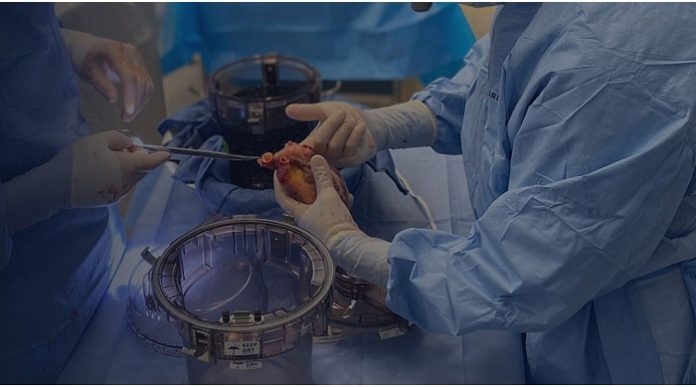
Paragonix Technologies, Inc. is announcing a major milestone of 1,000 preserved donor heart transports since it began clinical use in 2018, with its flagship product, the Paragonix SherpaPak® Cardiac Transport System (CTS). The Paragonix SherpaPak CTS is the leading FDA cleared and CE marked medical device for heart preservation and transport. Four of the top five largest heart transplant programs in the US and 45 programs globally now trust the Paragonix SherpaPak System to preserve and transport critical donor hearts to their recipient donors.

The Paragonix SherpaPak CTS protects donor hearts with its rigid, sterile container and maintains a temperature between 4-8ºC, a temperature range recommended by the International Society of Heart and Lung Transplantation as an optional donor heart preservation condition1. The Paragonix SherpaPak CTS replaces the consumer-grade cooler and ice system that has been used historically – a method that was long overdue for innovation. Wireless connection to a simple app gives organ environment tracking and real-time updates to the transplant team, providing the transplant teams with information critical to this complicated surgery.

“Reaching this milestone of 1,000 donor hearts preserved is a tremendous accomplishment for us,” said Dr. Lisa Anderson, CEO of Paragonix. “This is a huge breakthrough for the medical community and, with surgeons using our technology to travel from surgical center to surgical center, we are allowing donor hearts to safely travel farther and longer while also ensuring they arrive in a viable condition for transplant.”

Nationally, clinical studies and publicly available UNOS data have shown an increase in distance traveled and ischemic time since changes were made to UNOS Allocation Policy in 2018.2,3 Recently, two leading transplant centers have published clinical studies, not only highlighting this trend, but suggesting that this increase in ischemic time and has been correlated to an increase in Primary Graft Dysfunction (PGD) and potential injury to the donor organs.2,3 A recent multi-center study published in the ASAIO Journal cited a direct correlation between increase in ischemic time and PGD rates stating that “Each 10 minute increase in ischemic time was associated with 5% increased odds of PGD.”4

A new case report out of Stanford, published in Transplant Proceedings, found that the temperature-controlled SherpaPak Cadiac Transport System may help with challenges related to increased ischemic times.5 Additionally, the first report of the GUARDIAN-HEART Registry, a global clinical registry looking at the impact of organ preservation on clinical outcomes, found that in a comparative study looking at over 200 clinical cases, a 54% reduction in Severe PGD (p=0.071) for cases using the Paragonix SherpaPak compared to clinical cases using ice storage. 6 Even more significantly, during the same comparative study which demonstrated this reduction in Severe PGD, the clinical cases utilizing the Paragonix SherpaPak system had on average a 13% longer ischemic time (p=0.0003) than the clinical cases using ice storage.6

Professor Andreas Zuckermann, Director of Cardiac Transplantation at the Vienna Cardiac Transplant Group at the Medical University of Vienna and one of the earliest adopters of this technology, commented on this milestone, “Knowing that over 1,000 hearts have been transported within the Paragonix SherpaPak system in such a short period of time is a gratifying testament to the collaboration between science and industry to find new ways to protect donor hearts. Organ donation is such a precious gift, and these advancements help ensure that we as clinicians can make the most of their impact on a transplant recipient’s life.” Dr. Zuckermann, is also a co-principal investigator of the GUARDIAN study investigating the impacts of the Paragonix device. “We now have studied more than 500 patients from the GUARDIAN registry and the data continues to show increasingly promising clinical benefit of Paragonix SherpaPak system on patient outcomes. As more and more cases are added to this important registry, our team is growing more and more confident that this system can limit risk and help reduce transplant complications.”

Paragonix’s recently announced OPTION program, a unique network of holding sites across the US, ensures that the choice for advanced donor organ preservation with the Paragonix systems is never too far away. This inventory of responsive depots will ensure transplant surgeons have access to Paragonix’s preservation technologies at any given time.

About Paragonix Technologies
Paragonix Technologies markets organ transportation devices that safeguard organs during the journey between donor and recipient patients. Our devices incorporate clinically proven and medically trusted cold preservation techniques in a novel suspension system to provide unprecedented physical and thermal protection. Paragonix SherpaPak® CTS is the only commercially available FDA cleared and CE marked transport device for heart transportation.


Predictions for Healthcare Technology Trends in 2022 by Wolters Kluwer

Predictions for Healthcare Technology Trends in 2022 by Wolters Kluwer

Building trust in an age of digital information overload

Digital health investment in 2021 has focused mostly on technology innovation and workflow improvements. What I’m seeing in the digital health space is akin to the implementation of EMRs, which really focused on the technology itself and not the content inside, which creates the experience for both clinical users and consumers. What’s missing from digital health strategy, and what providers will need to focus on in 2022, is increasing access to high-quality, evidence-based health content that consumers and providers alike can trust and understand. This ease of access is crucially important to overcome the infodemic of COVID-19, with an influx of misleading and rapidly evolving information we’ve seen expand across all areas of healthcare. Effective, engaging digital health requires more than the right technology, but a full-fledged experience that informs and motivates consumers towards evidence-based action.

    – Jason Burum, General Manager, Healthcare Provider Segment, Clinical Effectiveness, at Wolters Kluwer, Health

More compliance, less burden

The pressures of COVID-19 spurred USP to issue interim guidance that provided flexibility for compounding pharmacies, but 2022 is likely to represent a return to stricter compliance. In September, USP issued a Notice of Intent to Revise (NITR) for both USP <797> and USP <795>. With COVID-19 cases continuing to surge across the country, I anticipate hospitals and pharmacy staff in 2022 will increasingly rely on expert solutions and technology to automate and standardize compounding operations in accordance with best practices and the latest compliance requirements. Burnout and technician shortages are happening in pharmacies too and software tools will help alleviate burdens pharmacy staff face right now.

  – Annie Lambert, PharmD, BCSCP, Clinical Program Manager for Compliance Solutions for Clinical Surveillance & Compliance, Wolters Kluwer, Health

Pitting AI against HAIs

Data show that while hospitals have allocated more resources to infection prevention and control efforts to contain the spread of COVID-19, it has largely come at the expense of controlling other far too common healthcare-associated infections (HAIs). It’s true that a larger volume of sicker patients at higher risk of infection and sepsis have been admitted to the hospital over the last year, but the CDC concluded that 2020 increases in HAIs were also a result of lacking surge capacity and other operational challenges. Looking ahead to 2022, as hospitals take aim at controlling all HAIs in addition to COVID-19 with more resilient care teams, they will be looking more closely than ever at AI-powered technology to support proactive and real-time monitoring of patients to empower staff with quick risk identification abilities and opportunities for earlier clinical intervention.

  – Mackenzie Weise, MPH, CIC, Infection Prevention Clinical Program Manager for Clinical Surveillance & Compliance, Wolters Kluwer, Health

Telemedicine grows up

Contrary to some news stories, telemedicine will prove resilient well past the pandemic and will establish itself as a permanent, significant fixture in the healthcare ecosystem. In 2022, I expect healthcare providers themselves will strengthen and formalize training to research and promote telehealth best practices to their clinicians. It’s already happening, and I expect to see specialties like mental health and urgent care shifting to a predominantly virtual model in 2022. Ultimately, I believe that the rise of telehealth will drive more dialogue around modes of access as an issue not only of tech but also equity in the years to come. This in turn will have big impacts in the future of medical practice.

   – Vikram Savkar, Vice President & General Manager, Medicine Segment of Health Learning, Research & Practice

Accelerating changes to clinical practice with new evidence

Health systems are still grappling with the far-reaching effects of the pandemic, yet their focus on quality improvement amid the broader shift to value-based care must continue. Quality improvement research initiatives at these organizations hold the key to better patient outcomes and financial performance, but these are time-intensive programs that make it difficult to efficiently surface and implement new evidence into clinical practice. In the wake of a pandemic that laid bare weaknesses of our current delivery system, I anticipate an accelerated uptake of tools and solutions designed to shorten the cycle between identification of clinical problems and implementation of clinical solutions based on evidence.

   – Vikram Savkar, Vice President & General Manager, Medicine Segment of Health Learning, Research & Practice

Virtual simulation and technology transforms nursing school

In 2022, advanced technology like virtual simulation and online learning will become more valuable and commonplace in nursing education. And with critical nursing shortages, the technology can eliminate traditional roadblocks such as a lack of physical training sites as well as potentially staffing challenges with flexible solutions for faculty. To get nurses up and running, technology tools can strengthen NCLEX prep and clinical judgement preparation and ensure nurses enter the workforce prepared for the realities of real-world practice (e.g., clinical decision-making and a diverse patient population and practice environment).

   – Julie Stegman, Vice President, Nursing Segment of Health Learning, Research & Practice business at Wolters Kluwer

Resilience is key to retaining the nursing workforce

Resilience has been one of the biggest challenges in nursing since COVID-19 first appeared, and it’s only getting worse. We knew there was a nursing shortage, and that many nurses were already feeling stressed and overworked. COVID-19 has only brought this problem to the forefront. Nurses are exhausted, morally injured, burnt out, with many considering leaving the profession earlier than they normally would. Looking ahead, healthcare organizations will need to make substantial, proactive efforts to foster resiliency and workforce wellbeing to combat the staffing crisis and academic institutions need to solve for the lack of faculty that are needed to educate our future nurses. 2022 will focus on restoring a safe work environment with adequate personal protective equipment, and staffing models that are based on acuity of the patients and competencies of the workforce.

   – Anne Dabrow Woods, DNP, RN, CRNP, ANP-BC, AGACNP-BC, FAAN, Chief Nurse of Wolters Kluwer, Health, Learning, Research and Practice

Care models will experience a necessary shift

To meet patient needs effectively and efficiently, healthcare models must migrate from traditional nurse-to-patient staffing models to a more agile one in times of crisis, that facilitates flexibility and supports the best care for patients. Staffing must be based on acuity of patients and competency of the workforce. In times of crisis, team-based care models accompanied by an increase in float pool nurses, will allow hospitals to mitigate hardships caused by future public health events or insufficient staffing. Increasing the number of nurses in float pools that are specially cross-trained across adjacent specialties, will help alleviate pressure on the staff. Being able to be flexible and adjust care models based on facility need will boost organizational and individual nurse confidence in their ability to deliver excellent patient care to patients across care settings — something that has become even more crucial in the aftermath of a global pandemic.

   – Anne Dabrow Woods, DNP, RN, CRNP, ANP-BC, AGACNP-BC, FAAN, Chief Nurse of Wolters Kluwer, Health, Learning, Research and Practice

Building health equity into health data

The COVID-19 pandemic put a spotlight on health disparities in the U.S. and the industry can no longer turn a blind eye. 2022 will be a pivotal year for making healthcare data help and not hinder the bigger goal of delivering the best care everywhere. How data collection, standardization and exchange can be improved is becoming urgent. The critical success factor will be unlocking the 80% of healthcare data that is in unstructured form and making it widely accessible and actionable for stakeholders across care settings.

   – Karen Kobelski, Vice President and General Manager of Clinical Surveillance Compliance & Data Solutions, Wolters Kluwer, Health

Restoring payer insights

Delayed and forgone care during the pandemic will inevitably lead to inaccurate incomplete assessments of patient health status, projected healthcare needs, and predicted cost of care by payers in 2022. Traditionally, payers look at the last year to figure out what they’re going to do differently the next year; that won’t be a good proxy this time. Payers will have to take a deeper dive into all corners of a member’s record, go back more than the past year and improve the way in which they leverage data to identify clinical insights that can better inform care moving forward.

   – Karen Kobelski, Vice President and General Manager of Clinical Surveillance Compliance & Data Solutions, Wolters Kluwer, Health

VeeOne Health and UC Berkeley Partner to Further Enhance the Use of Artificial Intelligence to Optimize Patient Care

State of Artificial Intelligence in the Healthcare Industry revealed through a new IDC White Paper

VeeOne Health, provider of a complete telehealth platform and services for the full continuum of healthcare, has formed a strategic partnership with UC Berkeley’s Fung Institute for Engineering Leadership to further enhance the use of artificial intelligence (AI) in VeeOne Health’s telehealth platform. The vision is to speed up patient charting and explore other applications of AI and Machine Learning (ML) technologies in streamlining healthcare workflows.

The partnership has kicked off and UC Berkeley Master of Engineering (M.Eng.) students have begun working with VeeOne Health. “M.Eng. students are very excited about applying AI and ML to real-world applications like telehealth and we are thrilled to have VeeOne Health come on board as a capstone project advisor,” said Dr. Alexandre Beliaev, Director of Experiential Learning at UC Berkeley’s Fung Institute for Engineering Leadership.

“UC Berkeley has some of the brightest and most innovative students and it goes without saying that they are one of the best research institutions in the world. We’re excited about this industry-academia partnership and believe that both parties will successfully work together to make physician-patient interactions more efficient through the use of AI,” said Nabeel Saleem, Director of Product Management at VeeOne Health.

This partnership is aimed at developing smoother provider workflows to ensure the optimization of rounding time, charting time, and time to develop differential and patient diagnoses.

“A great majority of clinicians are frustrated by the increasing amount of paperwork involved in caring for their patients,” said Stacie Crain, Director of Telehealth Services at VeeOne Health. “The goal of this partnership is to leverage AI technology to reduce charting time so doctors and staff can focus more on direct patient care.”

Philips advances ultrasound portfolio with new robust imaging tools and features for Radiology to increase diagnostic confidence and workflow efficiency

Philips advances ultrasound portfolio with new robust imaging tools and features for Radiology to increase diagnostic confidence and workflow efficiency

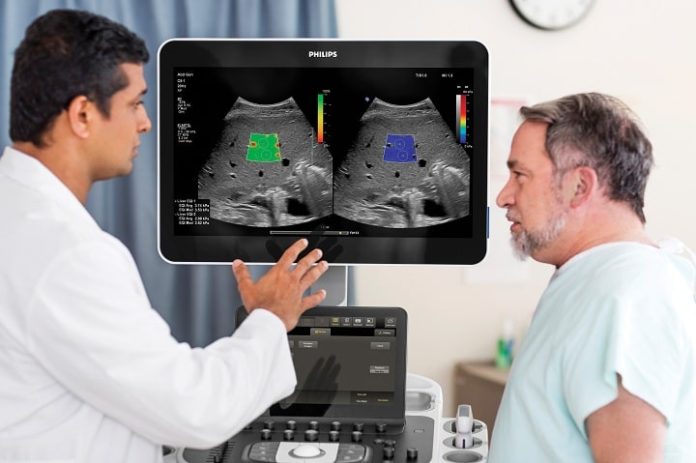
Royal Philips, a global leader in health technology, announced it has received 510(k) clearance from the U.S. FDA for its new Liver Fat Quantification tools as part of the latest release of its ultrasound systems EPIQ Elite and Affiniti, bringing the cost and accessibility advantages of sonography to the diagnosis of early-stage liver disease. Featured at this year’s Radiological Society of North America (RSNA) annual meeting (November 23 – December 2, Chicago, USA), the new tools will allow clinicians to track liver health.

Fatty liver disease is the most common and earliest stage of chronic liver disease. The incidence of non-alcoholic fatty liver disease (NAFLD) is increased by various risk factors, including Type 2 diabetes and obesity. It is estimated that NAFLD may be present in about 25% of the global population [1]. NAFLD includes milder fatty liver disease, as well as more severe forms that include inflammation, a condition called Non-Alcoholic Steatohepatitis (NASH), and fibrosis. Research suggests that early intervention enables patients to adopt lifestyle changes that can help to prevent liver disease, while early assessment of fatty liver is key to potentially reversing this progression of liver disease.

“With a quantitative way of measuring liver fat, it is a lot easier for us to let the referring physician know where the patient is quantitatively on the NAFLD spectrum,” said Richard G. Barr, MD, PhD, President, Radiology Consultant, Inc., Youngstown, Ohio, U.S.A., and Medical Director at Southwoods Imaging. “With traditional gray scale imaging, we could only tell if the liver had a high degree of fatty infiltration or if it was normal, but it was very hard to assess whether fatty liver disease was mild, moderate or severe. Attenuation imaging now gives us a numerical value that will enable us to follow the patient over time. With the combination of quantitative fat assessment and liver stiffness the probability of NASH can be assessed.”

With the extended remote functionality of Collaboration Live on both the EPIQ and Affiniti platforms, technicians can also securely access on-demand, real-time guidance and decision support to enhance diagnostic confidence and workflow efficiency during exams.

“Today’s announcement demonstrates the continued advancement of our ultrasound portfolio to increase diagnostic confidence and workflow efficiency,” said Jeff Cohen, General Manager of Ultrasound at Philips. “Accessible ultrasound-based Liver Fat Quantification is a screening and early diagnostic tool that will allow many more patients to take their health into their own hands by making simple lifestyle changes.”

Enhancing the diagnosis and treatment of early-stage and advanced liver disease
Philips Ultrasound Systems EPIQ and Affiniti on Release 9.0 now support radiologists and hepatologists in the diagnosis and treatment from early-stage to advanced liver disease, making it easier to perform longitudinal studies to assess liver disease progression. With this latest release, the company further strengthens its liver solution and expands its full availability to the Affiniti 70 and Affiniti 50 – supported by the innovative PureWave C5-1 Curved transducer, now also available on Affiniti 50 – to enhance diagnostic confidence in abdominal, hepatology, and vascular and gynaecological ultrasound exams as well. The new Liver Fat Quantification tools complement the company’s existing ultimate solution for liver assessment with real-time shear wave imaging, contrast enhanced ultrasound (CEUS) and fusion and navigation. The Liver Fat Quantification tools, which feature ease of use plus intuitive workflow and reporting, is available on both the C5-1 and the small footprint mC7-2 MicroConvex transducer, to accommodate different body types, from smaller patients to high BMI patients.

Launch of Philips’ Liver Fat Quantification solution at RSNA 2021

Philips will debut its Liver Fat Quantification solution at the Radiological Society of North America (RSNA) Annual Meeting later this month. For more information on Philips Liver Fat Quantification, including live demos, follow @PhilipsLiveFrom for updates throughout the RSNA event. For more information on Philips’ portfolio of liver ultrasound solutions, visit the Philips liver assessment webpage, and join Philips at RSNA 2021 where the company will spotlight its latest portfolio of radiology workflow solutions and smart connected imaging systems to increase efficiency and diagnostic confidence in precision care and treatment.

About Royal Philips

Royal Philips is a leading health technology company focused on improving people’s health and well-being, and enabling better outcomes across the health continuum – from healthy living and prevention, to diagnosis, treatment and home care. Philips leverages advanced technology and deep clinical and consumer insights to deliver integrated solutions. Headquartered in the Netherlands, the company is a leader in diagnostic imaging, image-guided therapy, patient monitoring and health informatics, as well as in consumer health and home care. Philips generated 2020 sales of EUR 17.3 billion and employs approximately 78,000 employees with sales and services in more than 100 countries.

Smith+Nephew announces digital surgery and robotics innovation centre in Europe

Smith+Nephew announces digital surgery and robotics innovation centre in Europe

Smith+Nephew, the global medical technology business, is proud to announce the creation of a purpose built digital surgery and robotics innovation centre, based in Munich, Germany.

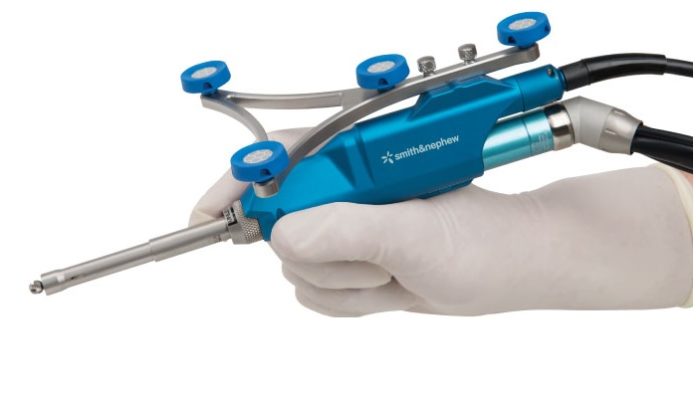
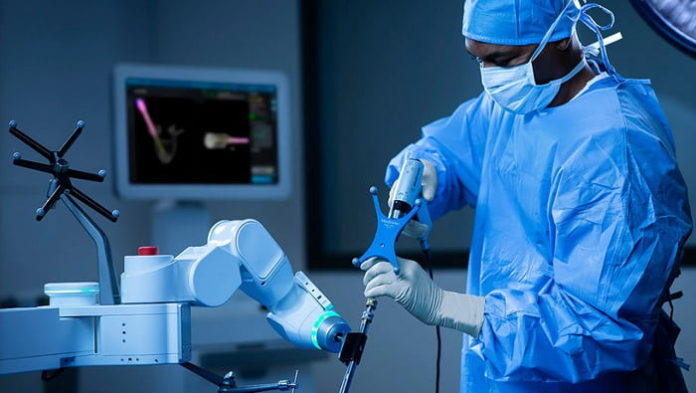
The new innovation centre will bring healthcare professionals from Europe, Middle East and Africa together with Smith+Nephew’s R&D and medical education teams to explore digital surgery and robotics techniques and technologies. At the heart of this will be Real Intelligence, Smith+Nephew’s digital ecosystem, including the new state-of-the-art robotics-assisted surgical system CORI◊.

The centre will feature a dedicated medical education facility, where surgeons can refine techniques and experience the latest technology through hands-on learning and immersive simulation technology.

The centre will also home Smith+Nephew’s digital surgery and robotics R+D team, enabling them to collaborate with surgeons, scientists and engineers, driving innovation that meets unmet clinical needs. Many of this team joined Smith+Nephew from Brainlab under the terms of a collaboration agreement announced in 2019.

Smith+Nephew EMEA President, Peter Coenen said, “We are excited to be announcing this state-of-the-art facility focused on the development and delivery of digital surgery technologies and techniques. We look forward to sharing our plans as we progress our technology vision, and to welcoming customers to experience a new approach to medical education when we open next year.”

The new facility, which is expected to open late 2022, will be situated at the Rhythm complex at Kustermann Park, in central Munich. It joins Smith+Nephew’s recently opened robotics R&D and medical education facility in Pittsburgh, US in offering a unique collaborative approach to customer experience and product development.


GE Healthcare Receives FDA Clearance for First X-ray AI to Help Assess Endotracheal Tube Placement

GE Healthcare Announces First X-ray AI to Help Assess Endotracheal Tube Placement for COVID-19 Patients

GE Healthcare announced it has received FDA clearance for an artificial intelligence (AI) algorithm to help clinicians assess Endotracheal Tube (ETT) placements. The AI solution is one of five included in GE Healthcare’s Critical Care Suite 2.0, an industry-first collection of AI algorithms embedded on a mobile x-ray device for automated measurements, case prioritization and quality control.

GE has distributed this solution under the FDA COVID-19 imaging guidance since November 2020, citing its potential to impact clinicians who were experiencing an influx of critically ill COVID-19 patients who required ventilation. Research shows that up to 25 percent3,4,5,6,7 of patients intubated outside of the operating room have misplaced ETTs on chest x-rays, which can lead to severe complications for patients, including hyperinflation, pneumothorax, cardiac arrest and death. Moreover, as COVID-19 cases climb, with more than 250 million confirmed worldwide8, anywhere from 5-15 percent require intensive care surveillance and intubation for ventilatory support9. Over the past year, 200 hospitals have deployed the technology to assist with ETT placements. The FDA has now granted 510(k) clearance for this solution allowing its continued sale outside of the public health emergency.

“At GE Healthcare, we saw the potential role of Critical Care Suite 2.0 in helping hospitals manage the crisis caused by the number of patients who needed ETT placements during the pandemic, requiring accelerated innovation, and we quickly worked with the FDA to make the solution available to clinicians. We are pleased to now have the FDA’s clearance for this important solution,” said Jan Makela, President and CEO, Imaging at GE Healthcare. “The pandemic has proven what we already knew – that data, AI and connectivity are central to helping front line clinicians deliver intelligently efficient care. GE Healthcare is not only accelerating the development and access of new tools to help hospital staff keep up with demand, but also leading the way on COVID-era advancements that will transform the industry and have a long-lasting impact after the pandemic.”

Up to 45% of ICU patients, including severe COVID-19 cases, receive ETT intubation for ventilation10,11,12. While proper ETT placement can be difficult, Critical Care Suite 2.0 uses AI to automatically detect ETTs in chest x-ray images and provides an accurate and automated measurement of ETT positioning to clinicians within seconds of image acquisition, displaying the results on the monitor of the x-ray system. The AI generated measurements – along with an image overlay – are then made accessible in picture archiving and communication systems (PACS). The average error is less than 1.0mm when calculating the endotracheal tube tip-to-carina vertical distance13. With these measurements, clinicians can determine if the ETT is placed correctly or if additional attention is required for proper placement.

Improper positioning of the ETT during intubation can lead to various complications, including a pneumothorax, a type of collapsed lung. While the chest x-ray images of a suspected pneumothorax patient are often marked “STAT,” they can sit waiting for up to eight hours for a radiologist’s review14. However, when a patient is scanned on a device with Critical Care Suite 2.0,15 the system automatically analyzes images and sends an alert for cases with a suspected pneumothorax – along with the original chest x-ray – to the radiologist for review in PACS. The technologist also receives a subsequent on-device notification16 to provide awareness of the prioritized cases.

“Seconds and minutes matter when dealing with a collapsed lung or assessing endotracheal tube positioning in a critically ill patient,” explains Dr. Amit Gupta, Modality Director of Diagnostic Radiography at University Hospital Cleveland Medical Center and Assistant Professor of Radiology at Case Western Reserve University, Cleveland. “In several COVID-19 patient cases, the pneumothorax AI algorithm has proved prophetic – accurately identifying pneumothoraces/barotrauma in intubated COVID-19 patients, flagging them to radiologist and radiology residents, and enabling expedited patient treatment. Altogether, this technology is a game changer, helping us operate more efficiently as a practice, without compromising diagnostic precision.

To make the AI suite more accessible, Critical Care Suite 2.0 is embedded on a mobile x-ray device – offering hospitals an opportunity to try AI without making investments into additional IT infrastructure, security assessments or cybersecurity precautions for routing images offsite.

Furthermore, the on-device AI offers several benefits to radiologists and technologists:

  • ETT positioning and critical findings: GE Healthcare’s algorithms are a fast and reliable way to ensure AI results are generated within seconds of image acquisition, without any dependency on connectivity or transfer speeds to produce the AI results.
  • Eliminating processing delays: AI results are then sent to the radiologist while the device sends the original diagnostic image, ensuring no additional processing delay.
  • Ensuring quality: The AI suite also includes several quality-focused AI algorithms to analyze and flag protocol and field of view errors as well as auto rotate the images on-device. By automatically running these quality checks on-device, it integrates them into the technologist’s standard workflow and enables technologist actions – such as rejections or reprocessing – to occur at the patient’s bedside and before the images are sent to PACS.

GE Healthcare worked with multiple academic research partners including UC San Francisco and the University Hospitals Cleveland Medical Center to develop the Critical Care Suite using GE Healthcare’s Edison platform, which helps deploy AI algorithms quickly and securely. Critical Care Suite 2.0 is available on the company’s AMX 240 and AMX Navigate mobile x-ray systems.

For more information on GE Healthcare and Critical Care Suite 2.0 visit the company’s virtual RSNA booth or gehealthcare.com. Clinicians can also test the Critical Care Suite 2.0 algorithms by uploading their own anonymized chest x-ray images to gexray.ai.

About GE Healthcare:

GE Healthcare is the $18 billion healthcare business of GE. As a leading global medical technology, pharmaceutical diagnostics and digital solutions innovator, GE Healthcare enables clinicians to make faster, more informed decisions through intelligent devices, data analytics, applications and services, supported by its Edison intelligence platform. With over 100 years of healthcare industry experience and around 47,000 employees globally, the company operates at the center of an ecosystem working toward precision health, digitizing healthcare, helping drive productivity and improve outcomes for patients, providers, health systems and researchers around the world.


J&J Announces Plans to Accelerate Innovation, Serve Patients and Consumers, and Unlock Value through Intent to Separate Consumer Health Business

Johnson & Johnson announced its intent to separate the Company’s Consumer Health business, creating a new publicly traded company. The planned separation would create two global leaders that are better positioned to deliver improved health outcomes for patients and consumers through innovation, pursue more targeted business strategies and accelerate growth.

Following the planned separation, the new Johnson & Johnson would remain the world’s largest and most diverse healthcare company and continue its commitment to lead in global healthcare R&D and innovation, with a portfolio that blends its strong Pharmaceutical and Medical Device capabilities focused on advancing the standard of care through innovation and technology. As previously announced, Mr. Alex Gorsky will serve as Executive Chairman of Johnson & Johnson and transition the Chief Executive Officer role to Mr. Joaquin Duato, currently Vice Chairman of the Company’s Executive Committee, effective January 3, 2022. Mr. Duato would continue to lead the new Johnson & Johnson following completion of the planned separation.

The New Consumer Health Company would be a leading global consumer health company, touching the lives of over one billion consumers around the world every day through iconic brands such as Neutrogena, AVEENO®, Tylenol®, Listerine®, JOHNSON’s®, and BAND-AID® and continuing its legacy of innovation. The New Consumer Health Company’s Board of Directors and executive leadership would be determined and announced in due course as the planned separation process progresses.

Mr. Gorsky said, “Throughout our storied history, Johnson & Johnson has demonstrated that we can deliver results that benefit all our stakeholders, and we must continually be evolving our business to provide value today, tomorrow and in the decades ahead. Following a comprehensive review, the Board and management team believe that the planned separation of the Consumer Health business is the best way to accelerate our efforts to serve patients, consumers, and healthcare professionals, create opportunities for our talented global team, drive profitable growth, and – most importantly – improve healthcare outcomes for people around the world.”

Mr. Gorsky continued, “For the new Johnson & Johnson, this planned separation underscores our focus on delivering industry-leading biopharmaceutical and medical device innovation and technology with the goal of bringing new solutions to market for patients and healthcare systems, while creating sustainable value for shareholders. We believe that the New Consumer Health Company would be a global leader across attractive and growing consumer health categories, and a streamlined and targeted corporate structure would provide it with the agility and flexibility to grow its iconic portfolio of brands and innovate new products. We are committed to the success of each organization, as well as our company’s more than 136,000 employees around the globe, who will remain the backbone of these businesses.”

Mr. Duato commented, “This planned transaction would create two businesses that are each financially strong and leaders in their respective industries. We believe that the new Johnson & Johnson and the New Consumer Health Company would each be able to more effectively allocate resources to deliver for patients and consumers, drive growth and unlock significant value. Importantly, the new Johnson & Johnson and the New Consumer Health Company would remain mission driven companies with exceptional brands, commitments to innovation, and remarkable talent. Each company would carry on the Johnson & Johnson legacy of putting the needs and well-being of the people we serve first.”

The planned separation is expected to create value for all stakeholders by aiming to achieve the following key goals:

  • Increase management focus, resources, agility and speed to effectively address differing industry trends and to better meet the needs of the new Johnson & Johnson and the New Consumer Health Company patients and consumers;
  • Further focus capital allocation based on the objectives of each independent company;
  • Provide each company with a compelling financial profile that more accurately reflects the strengths and opportunities of each business and, as a result, offers investors a more targeted investment opportunity; and
  • Align corporate and operational structures so each company is better able to drive growth and value creation.

About Johnson & Johnson
At Johnson & Johnson, we believe good health is the foundation of vibrant lives, thriving communities and forward progress. That’s why for more than 130 years, we have aimed to keep people well at every age and every stage of life. Today, as the world’s largest and most broadly-based healthcare company, we are committed to using our reach and size for good. We strive to improve access and affordability, create healthier communities, and put a healthy mind, body and environment within reach of everyone, everywhere. We are blending our heart, science and ingenuity to profoundly change the trajectory of health for humanity.

HealthHelp and Covera Health Announce Strategic Partnership

HealthHelp and Covera Health Announce Strategic Partnership

HealthHelp, a WNS company and leading specialty benefits management company independent of health plan ownership, and Covera Health, an industry leader in healthcare quality analytics, today announced a new strategic partnership. The agreement will extend the value of HealthHelp’s Diagnostic Imaging program through the integration of Covera’s national Centers of Excellence (CoE) program, increasing access to high-quality radiological care and improved outcomes for health plan members.

The HealthHelp Diagnostic Imaging program is a consultative process that uses evidence-based guidelines to directly help healthcare providers facilitate the most appropriate tests and procedures for health plan members. HealthHelp’s collaborative approach combines a patented technology platform and advanced data analytics with panels of academically affiliated specialists throughout the country to ensure that every patient has access to the latest science and the most up-to-date form of care.

Covera Health’s CoE program identifies high-quality radiology providers in every community in the US and matches patients with those providers for their specific condition. To create a seamless experience for physicians and members, the Covera program will be directly integrated into HealthHelp’s existing referral and network workflows; no added steps will be necessary for physicians or members.

“HealthHelp was founded under the guiding principles of improving outcomes through evidence-based medicine,” said Kariena Greiten, CEO, HealthHelp. “Our Diagnostic Imaging program was launched in 1999 with the explicit goal of improving patient safety and reducing unnecessary radiation exposure by determining the most medically appropriate tests for each individual. By incorporating Covera’s CoE program, HealthHelp has added a new dimension of data-driven patient engagement that delivers superior quality and outcomes by directing patients to high-quality radiology providers in their community once the study has been approved.”

“We’re incredibly excited by this partnership, which allows us to substantially expand the reach of our CoE program to HealthHelp’s member lives, elevating the impact we’re able to have on care quality and outcomes across the nation,” said Ron Vianu, CEO of Covera Health. “The ability to deploy our CoE solution through HealthHelp’s Diagnostic Imaging program is critical to our mission of working closely with all key stakeholders in the healthcare ecosystem to drive better patient care at scale.”

This novel partnership will leverage Covera’s Center of Excellence program to enhance the HealthHelp Diagnostic Imaging program—leading to better quality and safety, improved outcomes for patients, and reduction in healthcare costs due to inappropriate care from misdiagnoses.

Medtronic announces FDA clearance for PillCam Small Bowel 3 HOME endoscopy procedure

First Procedure in Asia-Pacific Performed with Medtronic Hugo Robotic-Assisted Surgery System

Medtronic plc, a global leader in healthcare technology, announced that the U.S. FDA has granted 510(k) clearance for its PillCam™ Small Bowel 3 system for remote endoscopy procedures. The PillCam™ SB3 @HOME program combines Medtronic’s PillCam technology with Amazon logistics, a combination intended to ensure both timely and accurate results for patients from the comfort of their homes.

PillCam SB3 @HOME provides a telehealth option for direct visualization and monitoring of the small bowel, to help better detect lesions not detected by upper and lower endoscopy that may: 1) indicate Crohn’s disease, 2) locate obscure bleeding, or 3) identify sources of iron deficiency anemia (IDA).

“As the future of medicine continues to move toward remote settings, we have great opportunity to deliver diagnostic testing and other minimally invasive procedures from patients’ homes,” said Giovanni Di Napoli, president of the Gastrointestinal business, which is part of the Medical Surgical Portfolio at Medtronic. “The pandemic necessitated more remote innovation, and our capabilities have exceeded expectations to provide better quality care to patients without the risk of COVID infection and without adding to the burden on the medical staff. PillCam SB3 @HOME offers a convenient option for a contactless procedure and helps ensure that patients can access care in a timely manner.”

The system is designed to deliver images of the mucosa and offers innovative features, such as adaptive frame rate technology, to support image acquisition that is uniquely suited to each patient’s motility, as well as the tools needed to record those images and allow the clinician to interpret study results. The software’s advanced technology helps providers read and interpret study results, efficiently.

“Early diagnosis and treatment are key to achieving the best outcome for GI patients, and fortunately with telehealth options, patients can receive their GI diagnosis conveniently from home,” said Dr. Michael Bass of GI Specialist of Delaware. “The COVID-19 pandemic has underscored the importance of early detection and not delaying care following the onset of symptoms. This system allows for patients to remain in the comfort and safety of their own home while giving providers access to the high-quality images needed to make a diagnosis.”

About PillCam™ SB3 @Home
Once a GI physician identifies a patient and places an order for a PillCam SB3 @HOME procedure kit, the procedure date is confirmed and the PillCam SB3 @HOME kit is delivered directly to the patient. Through a telehealth appointment, a healthcare provider guides the patient through the remote procedure, and the patient returns the data recorder and sensor belt to Medtronic once the procedure is complete. Over the course of the eight-hour procedure, the PillCam SB3 capsule transmits approximately 50,000 images. These images are securely transferred to the cloud where there are accessed by a GI physician who reviews the images to make a diagnosis.

Prior to the 510(k) clearance, PillCam SB3 @HOME was given temporary FDA-approval during the National Public Health Emergency. Medtronic’s PillCam™ capsule endoscopy has been used for more than 20 years as a minimally invasive, patient-friendly option for the detection of gastrointestinal diseases. PillCam SB is now in its 3rd generation and has impacted more than 4 million patients worldwide.

About Medtronic
Bold thinking. Bolder actions. We are Medtronic. Medtronic plc, headquartered in Dublin, Ireland, is the leading global healthcare technology company that boldly attacks the most challenging health problems facing humanity by searching out and finding solutions. Our Mission — to alleviate pain, restore health, and extend life — unites a global team of 90,000+ passionate people across 150 countries. Our technologies and therapies treat 70 health conditions and include cardiac devices, surgical robotics, insulin pumps, surgical tools, patient monitoring systems, and more. Powered by our diverse knowledge, insatiable curiosity, and desire to help all those who need it, we deliver innovative technologies that transform the lives of two people every second, every hour, every day. Expect more from us as we empower insight-driven care, experiences that put people first, and better outcomes for our world.

Health Benefits Of Medicinal Cannabis

Health Benefits Of Medicinal Cannabis

As the cannabis plant has been exposed to popularity and has been legalized in many states, we are getting to know much about its possible health benefits. From physical illnesses to mental disorders, cannabis has been known to be effective in treating these issues and cannabis users have reported that this plant brought ease to their severe symptoms and overall health conditions.

Apart from providing health benefits, this plant has boosted the economies and hundreds of companies are dealing in the business by selling the cannabis strains either in pure or hybrid forms.

This article gives a brief insight into several benefits of this plant in terms of both physical and psychological aspects.

Helps In Weight Loss

You may have observed that cannabis consumers are not overweight. Cannabis contains THCV distillate which is an appetite suppressant and dulls the appetite. It helps those patients who are suffering from obesity and want to lose weight.

Prevents Diabetes

As cannabis helps to regulate insulin production and aids in weight loss, it has the potential to help patients struggling with diabetes. The cannabis plant contains a compound called cannabinoid that helps to improve blood sugar levels and is highly recommended for diabetes prevention.

Helps To Fight Cancer Symptoms

One of the major benefits of cannabis is that it helps to ease cancer symptoms and fight certain types of cancer. Doctors prescribe medicinal cannabis to cancer patients to ease pain and many studies have found that taking marijuana can ease patients’ nausea who are on their chemotherapy treatment and other medications dont work for them.

Eases Depression And Anxiety

As depression and anxiety are becoming a common issue, people find ways to treat this psychological disorder. There are many oral medications available for treating depression symptoms, cannabis is one of them.

It also treats people with severe mood disorders due to the endocannabinoid compound present in it which stabilizes the mood and ease symptoms of depression.

Helps To Regulate Seizure Attacks

Research has shown that the CBD compound present in cannabis helps to control seizures and treat epilepsy in children and adults.

Calms Down Muscle Spasm

The cannabis plant has been known to treat different ailments for ages and that also include treating muscle spasm. The most common use of medical cannabis in the US is for controlling pain.

Studies have shown that it reduces the intensity of pain by 45% within 20 minutes. Apart from inhaling cannabis, people reported that they use CBD oils made from cannabis extract for relieving chronic pain.

Effective For Treating Nausea

Emerging researches and studies have shown that CBD provides relief from nausea and vomiting. Synthetic Cannabinoid, a compound present in cannabis, doesnt make one feel high and acts on the part of the brain the controls the vomiting and relaxes the nausea sensations.

Relieve Headaches

Since cannabis has been used for a long time for both medicinal and recreational purposes, medical cannabis is reported to reduce migraine severity. This medical cannabis is suggested to be the best alternative to prescribed drugs that can have some unpleasant side effects.

Helps To Lower Blood Pressure

High blood pressure can lead to serious health conditions such as heart attacks or paralysis. Another benefit of using cannabis is that it helps to ease patients with high blood pressure problems. CBD compound interacts with the body endocannabinoid system that regulates several processes in the human body.

Soothes Panic Attacks

As already mentioned above that cannabis is shown to be an anxiety suppressant. As panicking is the state of mind when you feel intense anxiety including symptoms such as rapid heart rate, shaking hands, sweating, discomfort, short breaths, dry mouth, and even dizziness.

Cannabis works effectively against those attacks if consumed in an appropriate dosage.

Treats Insomnia

Whether you are feeling difficulty with sleeping or having continuous sleepless nights, cannabis is one of the best alternatives for you. Marijuana is considered to be an effective sleep aid and helps to restore the natural sleep cycle which gets disturbed due to asynchronous schedules and today’s modern lifestyle routines.

The THC compound in cannabis improves sleep for people suffering from stress or medical conditions and helps them fall asleep faster and enjoy better and quality sleep.

Translate »